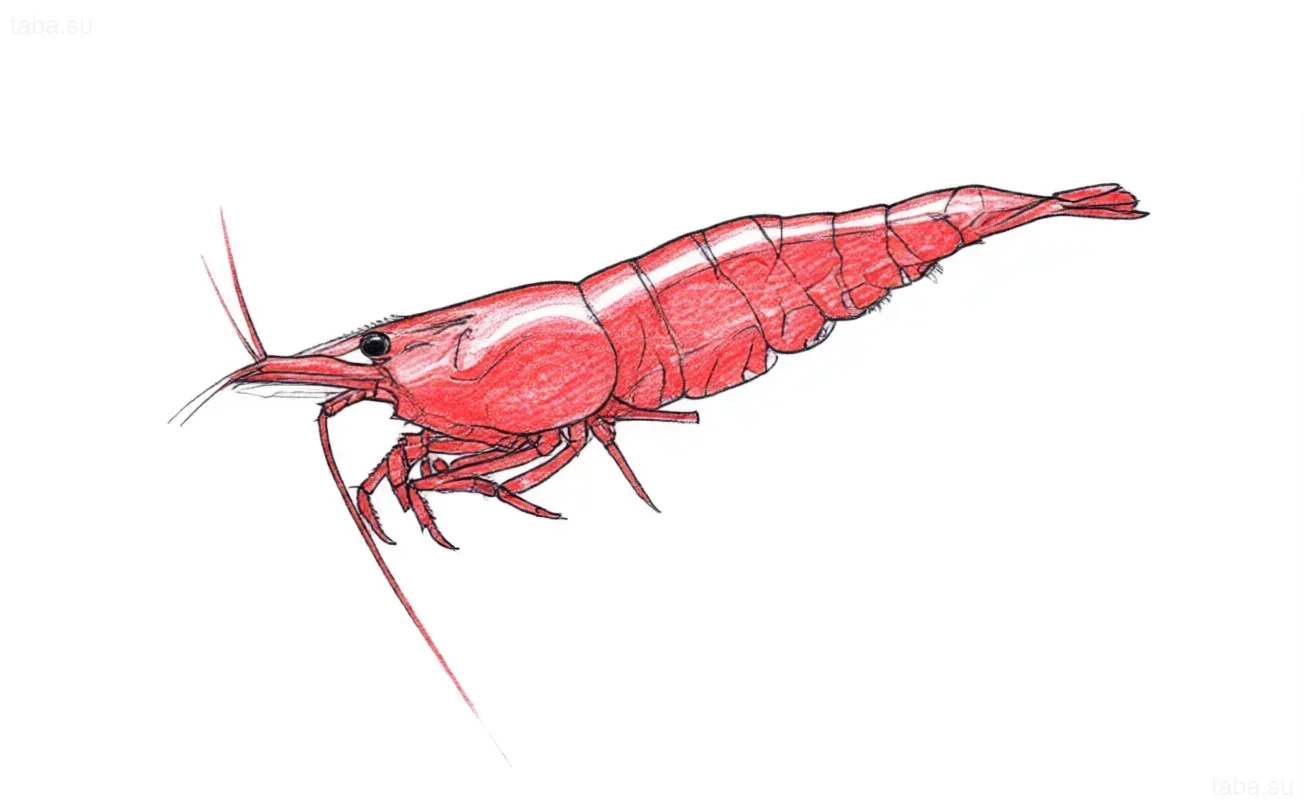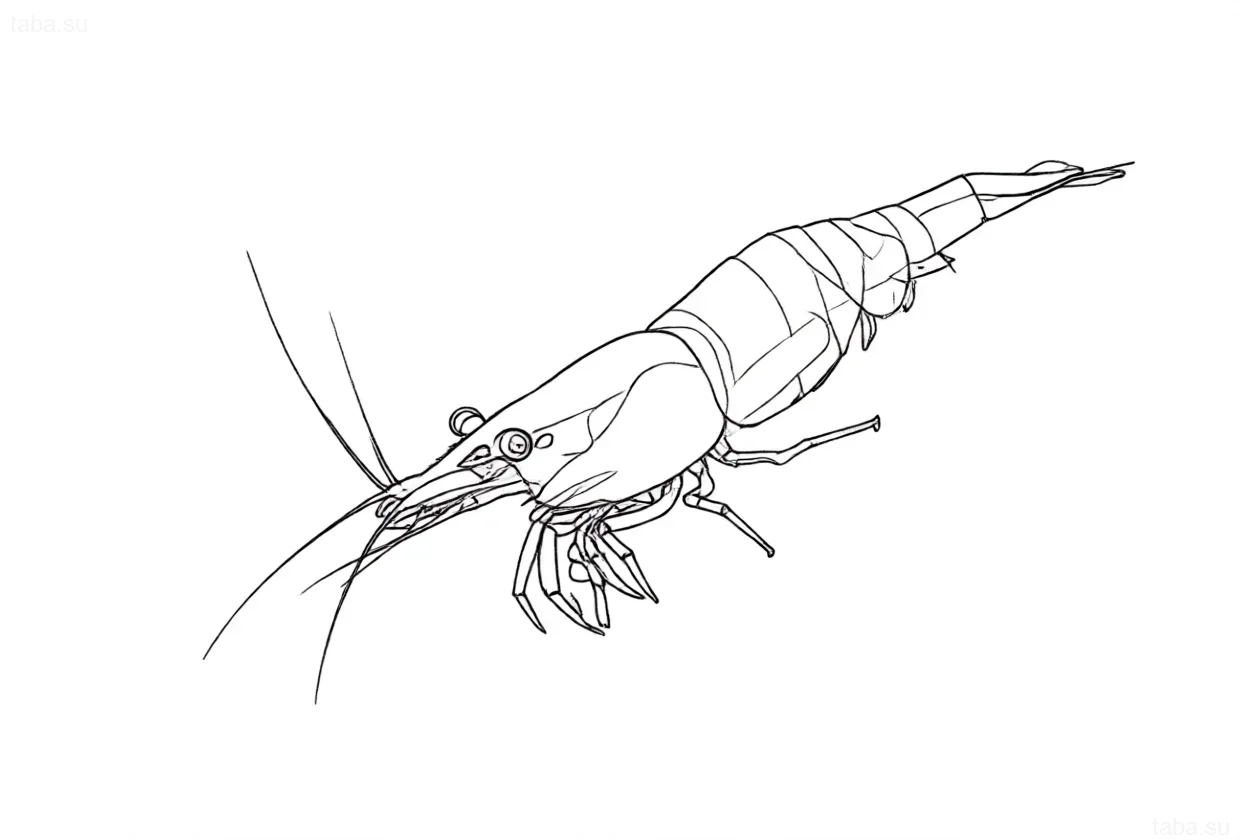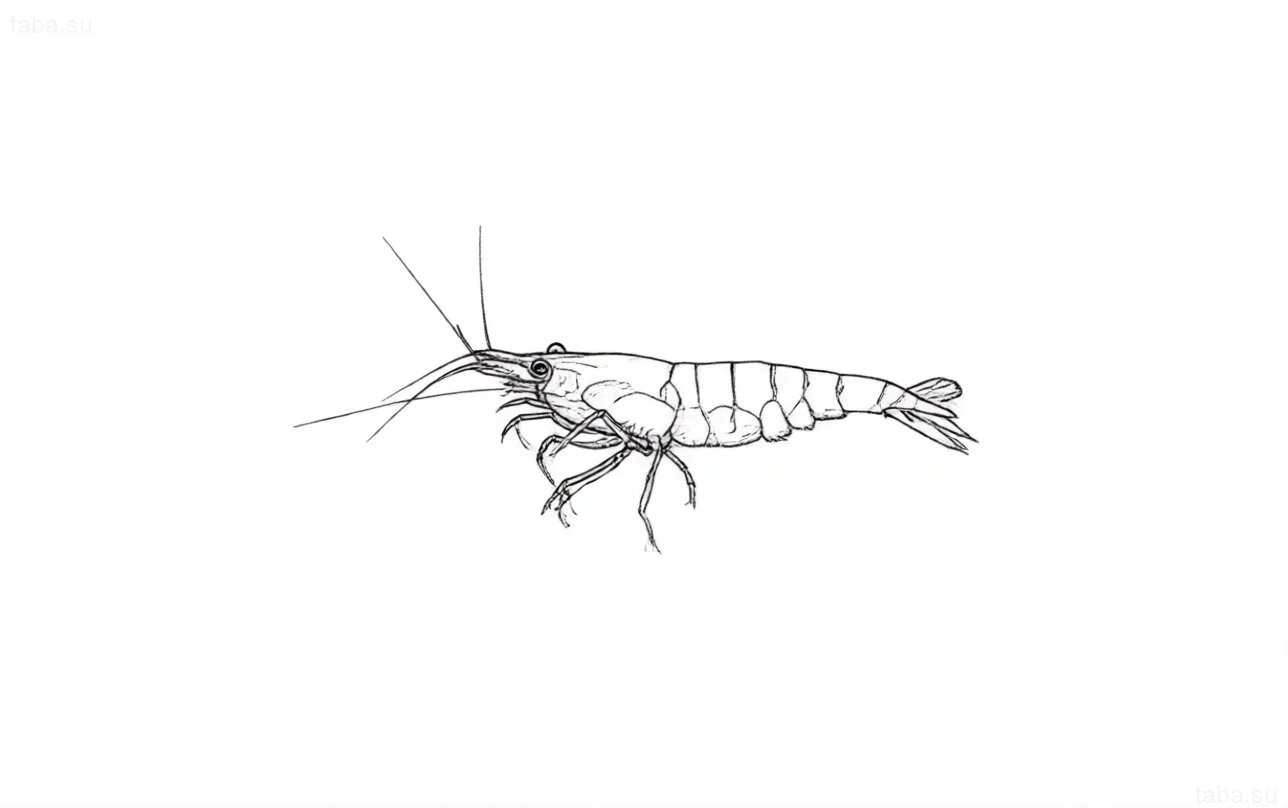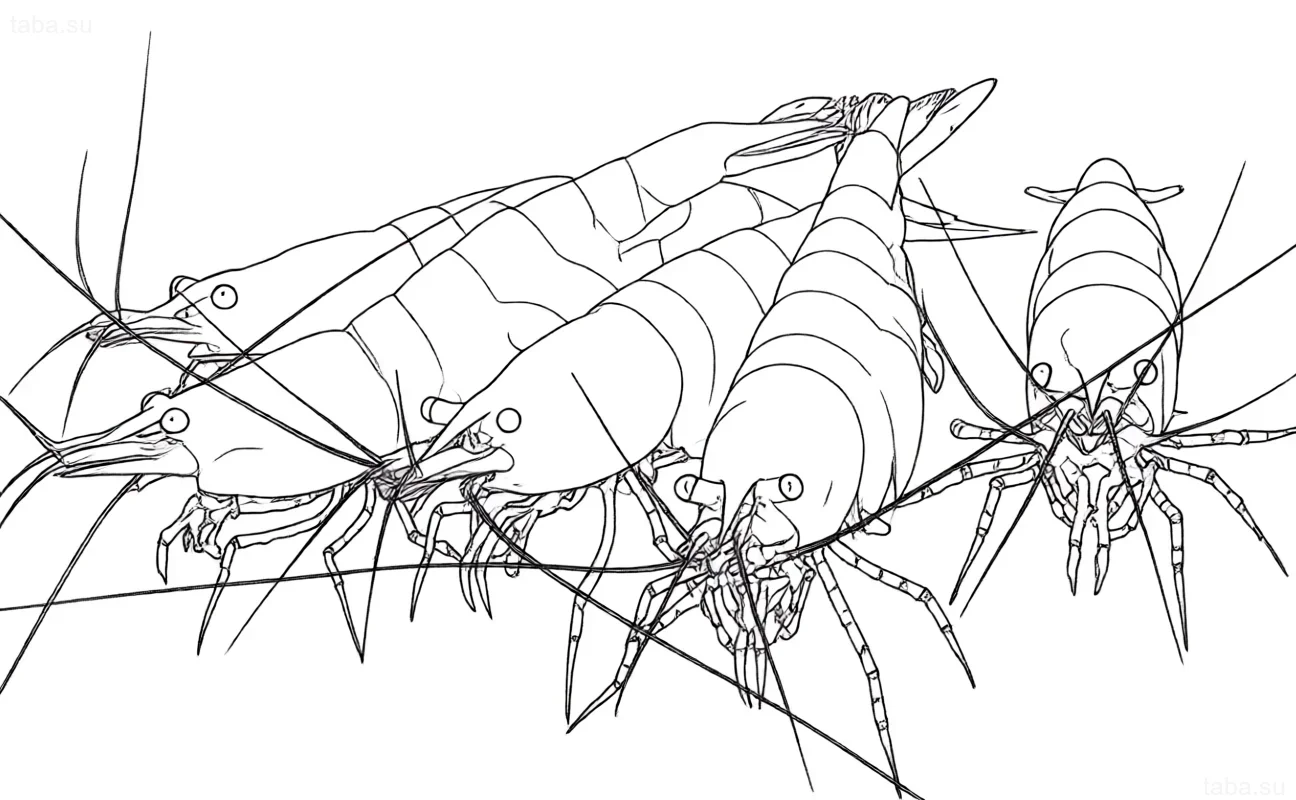

Cherry shrimp, or Red Cherry Shrimp (RCS), are arguably the most popular and undemanding crustaceans in freshwater aquaristics. They have become an ideal choice for both beginners and experienced aquarists looking to add vibrant colors and activity to their underwater world. The scientific name of this species is Neocaridina davidi, and it is their exceptional adaptability and rapid breeding ability that have made them favorites among aquascapers worldwide.
Studying Cherry shrimp allows not only to enjoy their aesthetic appeal but also to understand the fundamental principles of crustacean biology. For successful keeping and, more importantly, for breeding vibrant, rich colors, it is necessary to strictly adhere to hydrochemical parameters and understand the color grading system that distinguishes ordinary Cherry shrimp from elite specimens.
Cherry Shrimp (Red Cherry): A Complete Guide to Care and Breeding
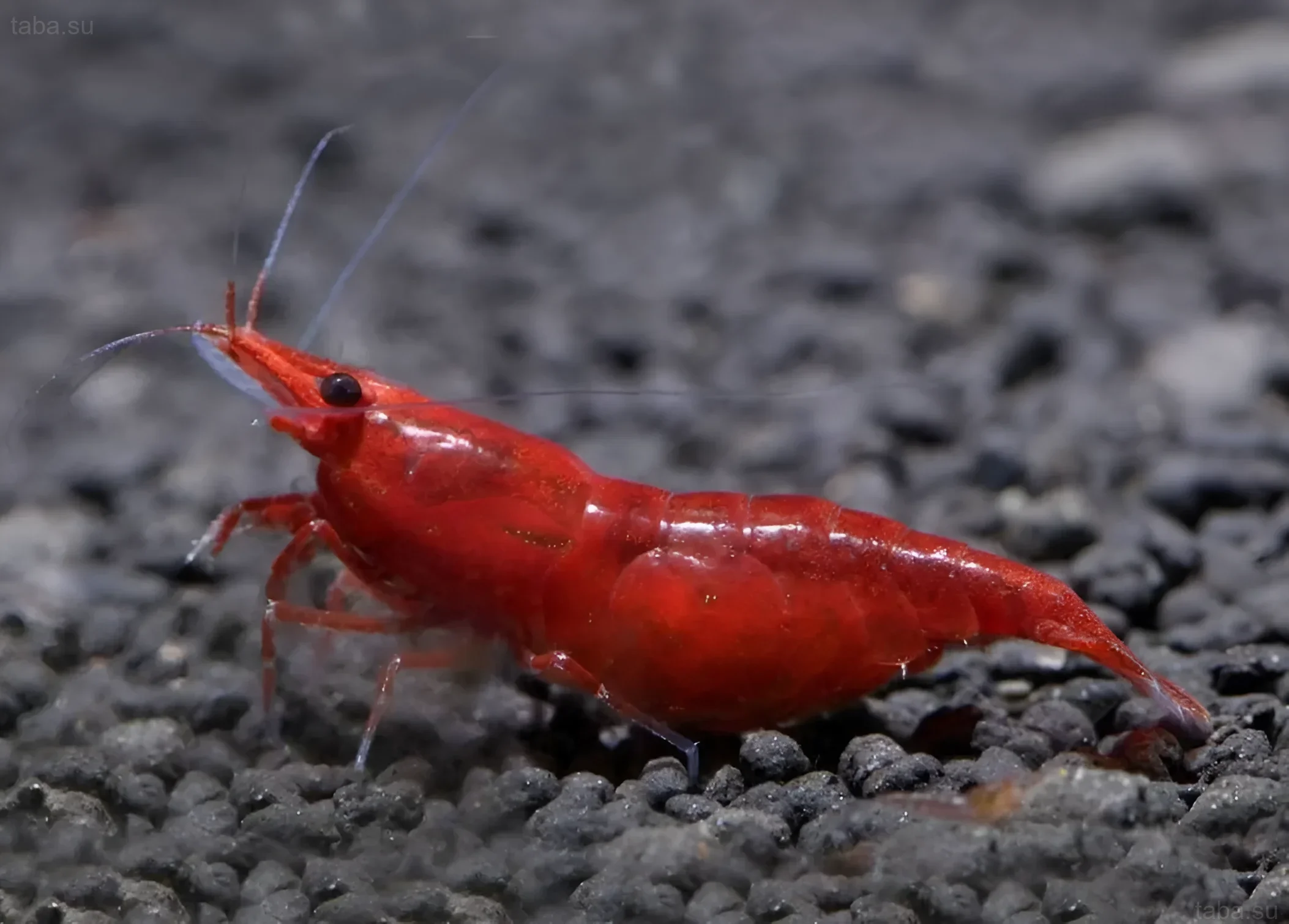
Cherry shrimp are not just a decorative element. They perform an important function as scavengers, actively consuming algae, leftover food, and decaying organic matter. Their hardiness does not mean that water quality can be neglected, but they do forgive mistakes that would be fatal for more demanding species like Crystal shrimp (Caridina cantonensis).
- Origin: A selectively bred form of the wild shrimp Neocaridina davidi, originally native to East Asia.
- Temperament: Peaceful, suitable for keeping in species-only tanks or with very small, non-aggressive fish.
- Size: Adults reach 2.5–3 cm.
- Lifespan: On average, 1.5–2 years under optimal conditions.
Cherry Shrimp (Red Cherry): Biology and Species Features

Neocaridina davidi belongs to the Neocaridina genus, which includes many color morphs (Yellow Fire, Blue Dream, Snow White). The characteristic of the Cherry shrimp is the stability of the red pigment, which has been fixed through years of selective breeding. Females are typically larger and have a more intense coloration than males.
Anatomical Features Important for Care:
Shrimp constantly grow by shedding their exoskeleton – a process called molting. Successful molting critically depends on the presence of sufficient minerals in the water, primarily calcium and magnesium.
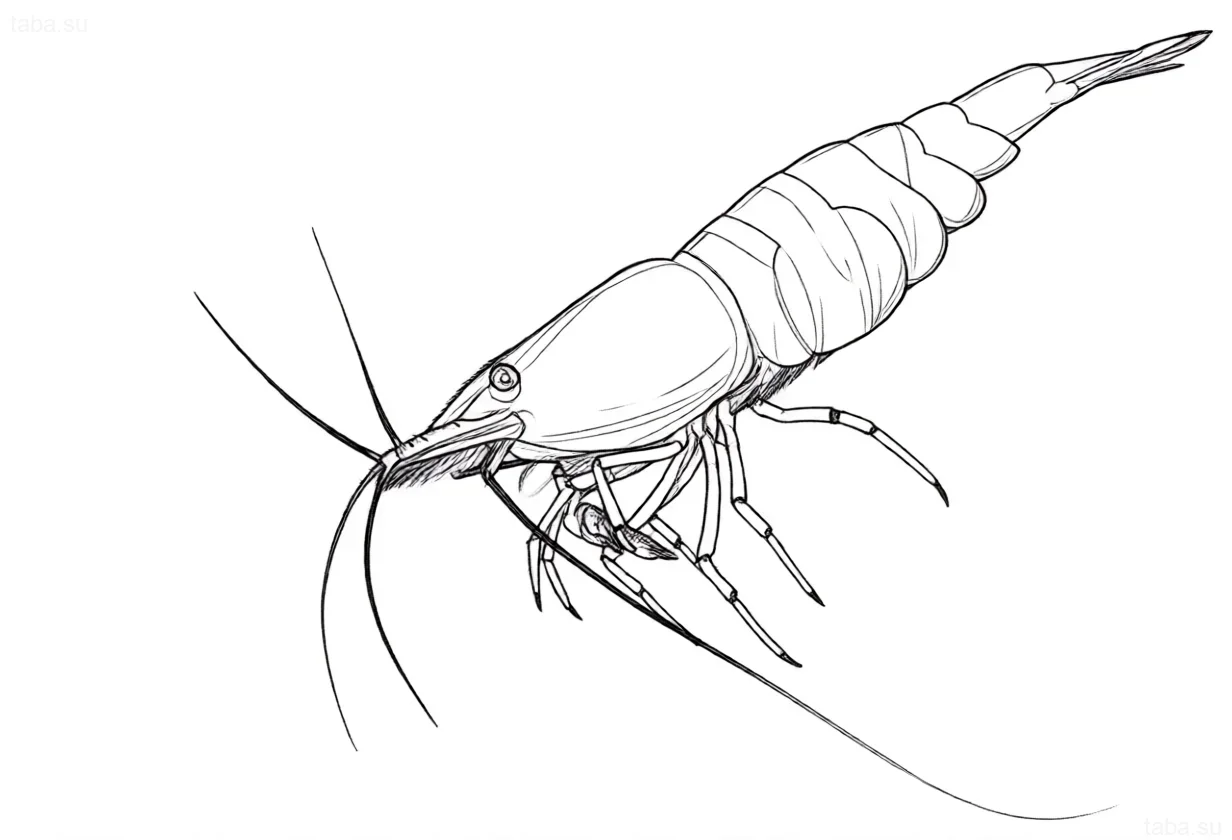
- Carapace (Exoskeleton): Provides protection and support. During molting, the shrimp is extremely vulnerable.
- Rostrum: An elongated projection on the head used for foraging.
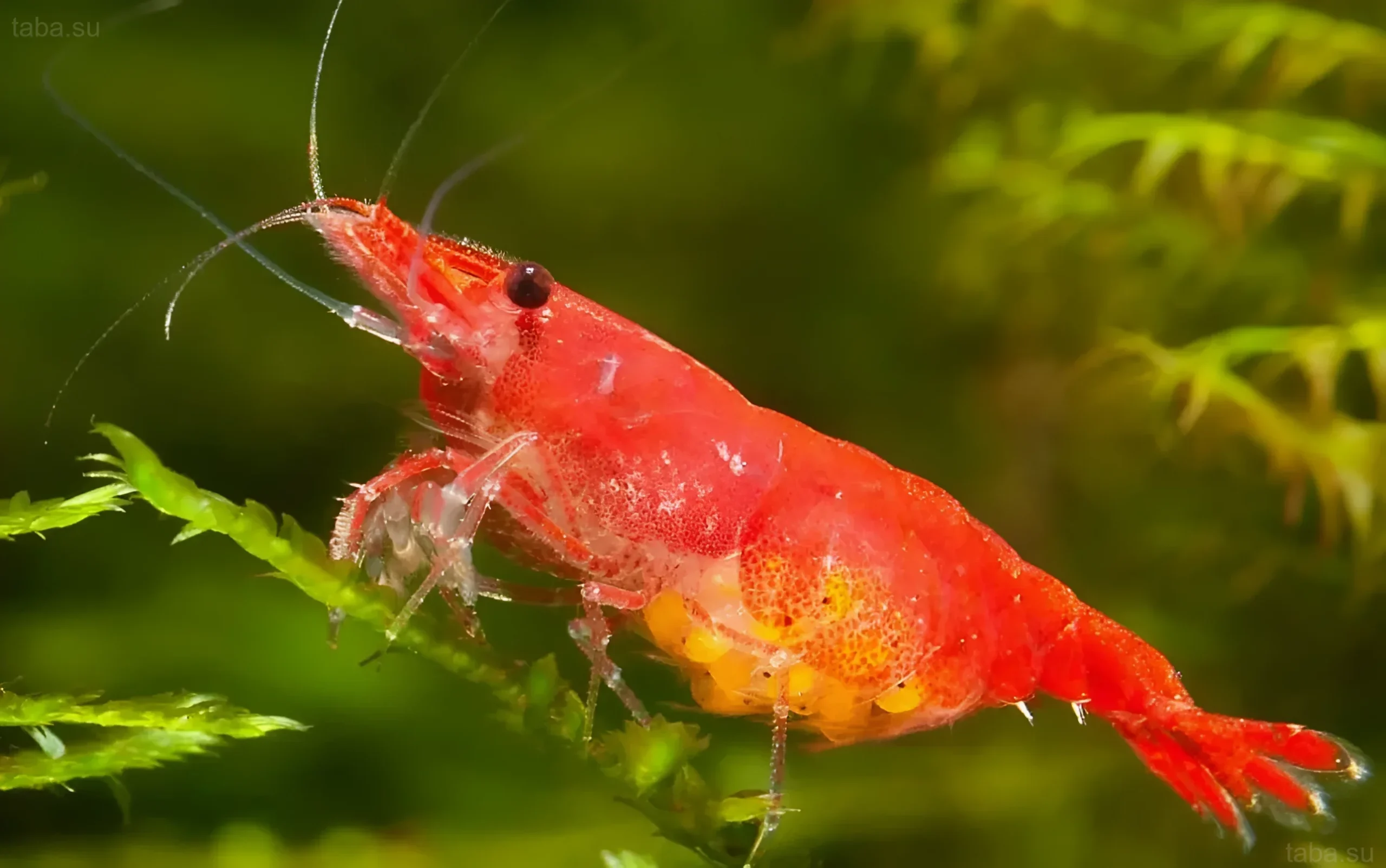
- Pleopods (Swimmerets): Located on the abdomen. Females use them to carry eggs and ensure their aeration.
- Saddle: A yellowish or greenish spot on the female’s back, visible through the carapace, containing immature eggs. This is a sign of reproductive readiness.
Creating the Ideal Aquarium for Cherry Shrimp: Water Parameters and Equipment

Although Cherry shrimp are very hardy, stable water parameters are key to their longevity, vibrant coloration, and successful breeding. Aquariums of 10 liters or more are recommended, but for a large colony, tanks of 30 liters or more are better suited.
Optimal Water Parameters for Neocaridina davidi:
- Temperature: 20–26 °C. Ideally 23–24 °C. Higher temperatures accelerate metabolism and shorten lifespan.
- pH: 6.5–7.8 (neutral to slightly alkaline).
- GH (General Hardness): 6–10 dGH. Important for carapace formation.
- KH (Carbonate Hardness): 2–8 dKH. Ensures pH stability.
- TDS (Total Dissolved Solids): 150–250 ppm.
Equipment and Decoration:
Shrimp need a safe environment rich in hiding places.
Filtration:
- Sponge Filter (Airlift): Most preferred, as it creates minimal flow and, most importantly, prevents the suction of young shrimp.
- External/Internal Filter: If used, a fine-mesh sponge must be placed on the intake tube.
Substrate and Decor:
It is recommended to use inert substrate (basalt, quartz) that does not alter water parameters. Nutrient-rich substrates intended for plants should not be used unless they stabilize pH in the neutral range, as they can cause sharp fluctuations in water chemistry.
- Plants: Java moss (Taxiphyllum barbieri), Christmas moss (Vesicularia dubyana), Anubias (Anubias barteri), and Bucephalandra (Bucephalandra spp.) are ideal hiding places and sites for biofilm growth.
- Hiding Places: Driftwood (releases beneficial tannins), ceramic tubes, Indian almond leaves (Terminalia catappa) – they not only serve as shelters but also as an additional food source.
Feeding Cherry Shrimp: What They Eat and How Often
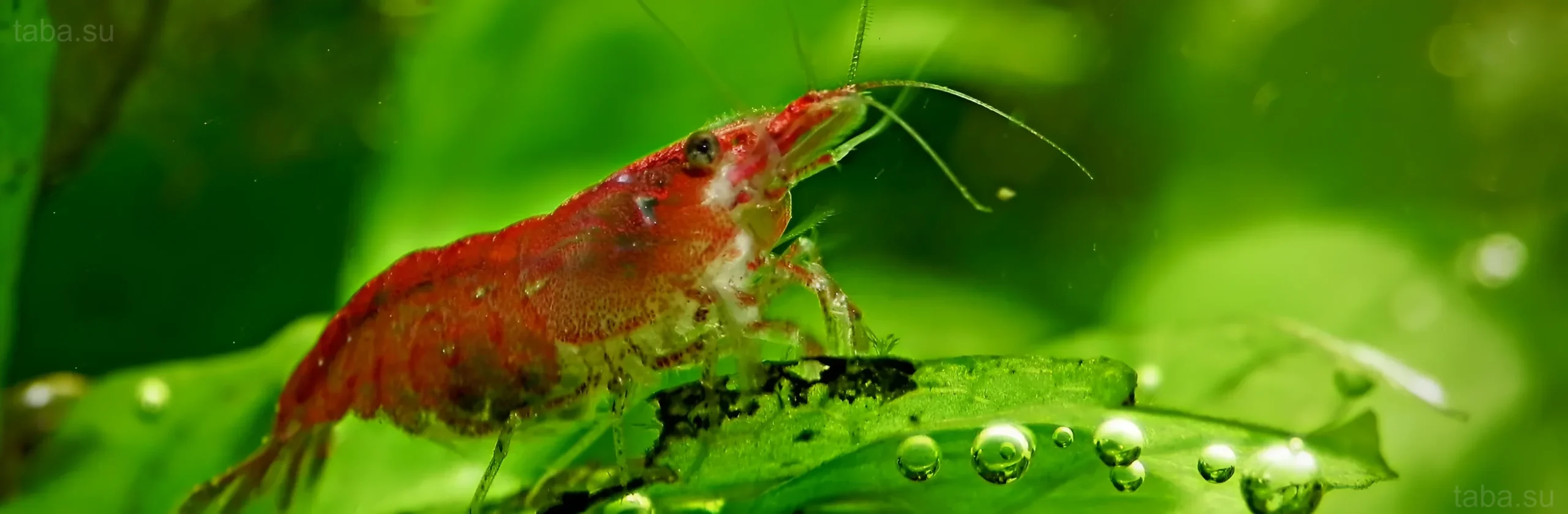
Cherry shrimp are omnivorous detritivores. Their primary diet in the aquarium should consist of biofilm (microorganisms growing on surfaces) and plant matter. Overfeeding is the most common cause of shrimp death and deterioration of water quality.
Recommended Diet:
Basic Food (70%):
- Specialized shrimp foods (containing calcium for molting).
- Spirulina and chlorella in tablet or flake form.
Supplementary (Vegetable) Food (20%):
- Blanched vegetables: zucchini, carrots, spinach. Leave in the aquarium for no more than 12–24 hours.
- Dried leaves (almond, oak, beech) – serve as a long-term food source and source of tannins.
Protein Food (10%):
- Occasionally (no more than once a week) – bloodworms, brine shrimp (frozen or freeze-dried). Protein is essential for growth, but excess is harmful.
Feeding Frequency: It is sufficient to feed shrimp 3–5 times a week in small portions. If food remains uneaten after 2 hours, the portion was too large.
Color Grading in Cherry Shrimp: From Light Red to Dark Burgundy
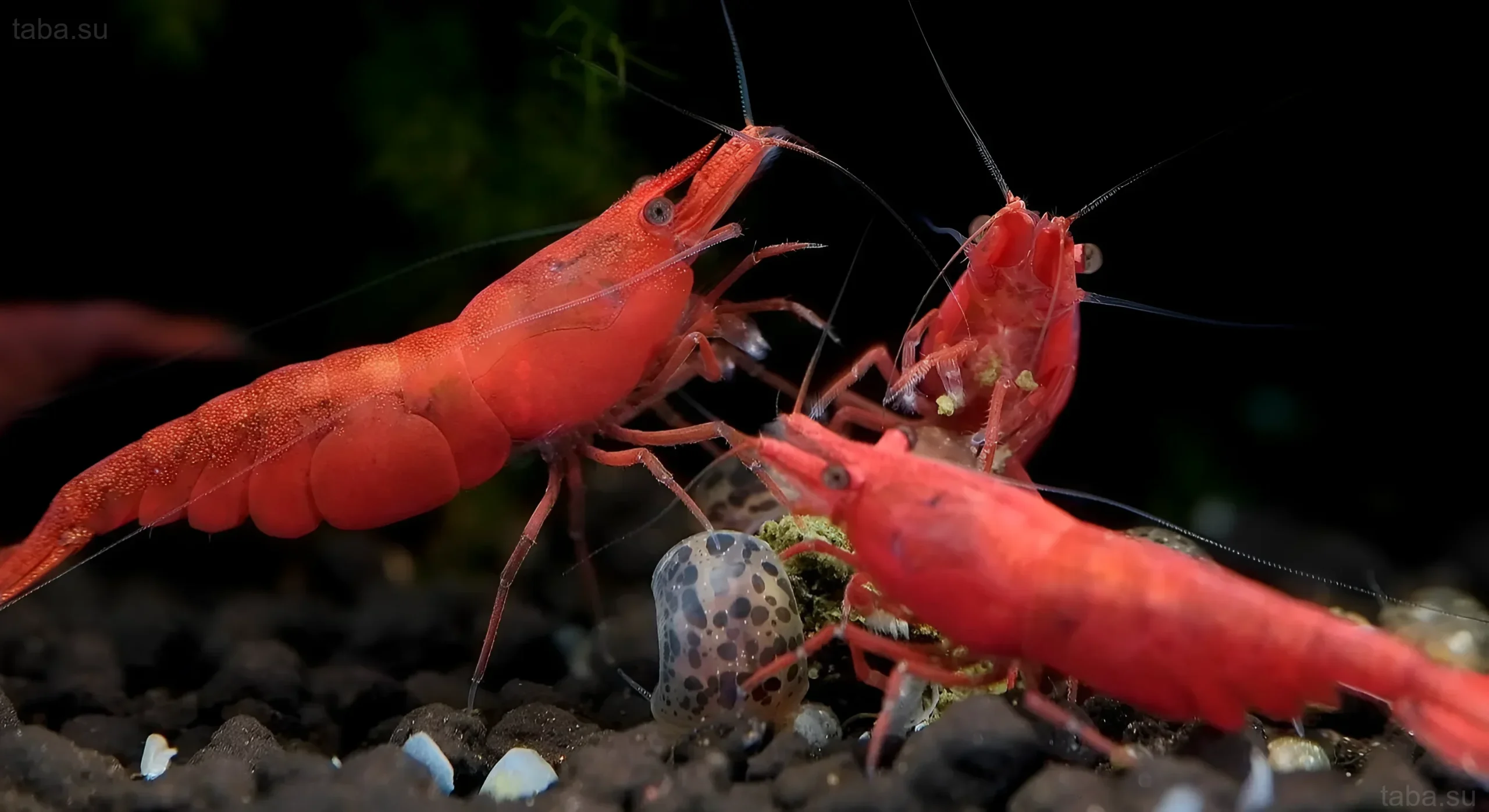
Color grading (or classification) is used by breeders to assess the quality of shrimp and determine their price. The denser and more saturated the red pigment, the higher the grade. All these morphs are the result of selective breeding of Neocaridina davidi.
Red Cherry Shrimp (RCS) Grading System:
1. Cherry:
- The lowest grade. Females have red color, but it is transparent or patchy. Males can be almost colorless.
2. Sakura:
- The red color is denser, covering most of the female’s body. Transparency may be visible in some areas.
3. Fire Red:
- The color is saturated, almost completely covering the female’s body and a significant part of the male’s body. Transparent areas are minimal or absent.
- This is a popular standard for most aquarists.
4. Painted Fire Red / High Grade Fire Red:
- The red color is so dense that it appears matte and opaque. The color covers even the legs (pleopods) and rostrum.
- The female’s saddle (eggs) may be barely visible.
5. Bloody Mary:
- The highest grade. Shrimp have a very deep, almost burgundy or dark red color.
- Note: Bloody Mary is often the result of a separate breeding line where the red pigment (astaxanthin) is located not in the epidermis but in the muscle tissues, giving exceptional depth of color.
Factors Affecting Color:
Color intensity depends not only on genetics but also on keeping conditions:
- Genetics: The primary factor. Only selective breeding (removing pale individuals) allows maintaining a high grade.
- Diet: Foods rich in carotenoids (astaxanthin, spirulina) enhance red pigment.
- Stress: Shrimp become pale under stress (transport, sudden changes in water parameters, presence of predators).
- Background: On dark substrate (e.g., black basalt), shrimp appear significantly brighter than on light substrate.
Breeding Cherry Shrimp: Sex Differences, Egg and Larvae Care
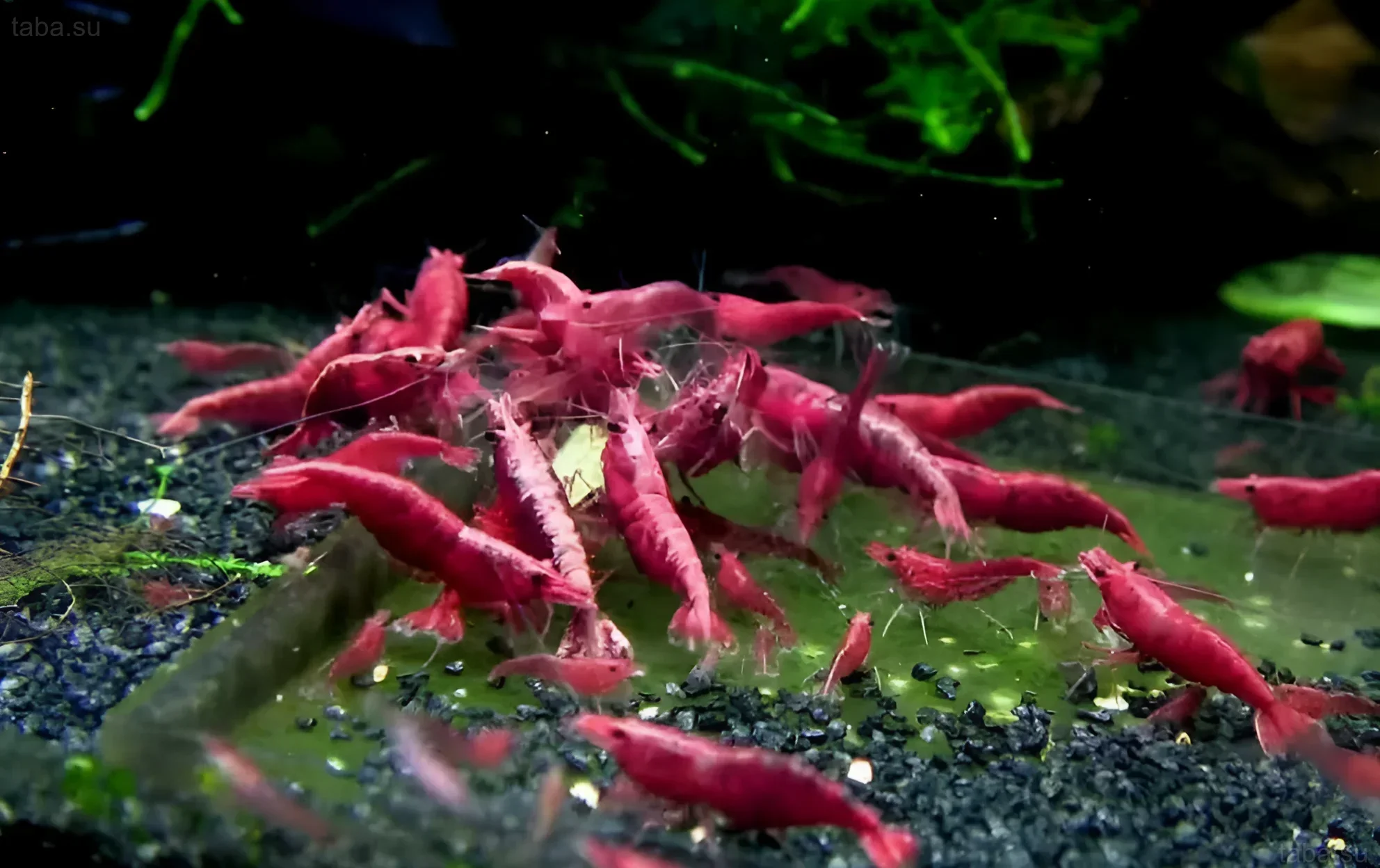
Breeding Cherry shrimp is one of the simplest processes in aquaristics. They do not require special stimulation, breeding when water parameters are stable and food is available.
Sex Differences:
- Size and Shape: Females are larger, with a more rounded and wider abdomen (for carrying eggs). Males are more slender.
- Color: Females are always brighter and more intensely colored, especially in higher grades.
- Saddle: Mature females have a “saddle” behind their head, containing immature eggs.
Breeding Process:
After molting, the female releases pheromones that attract males. After mating, the fertilized eggs are carried by the female under her abdomen (at this stage, she is called gravid).
- Incubation Period: Lasts about 3 weeks (depends on temperature). The female constantly fans the eggs with her pleopods, ensuring aeration and cleaning.
- Appearance of Young: Fully formed miniature copies of adult shrimp hatch from the eggs (there is no complex larval stage).
- Care for Young: Young shrimp feed on biofilm. In an aquarium with dense moss and almond leaves, they will find enough food. Additionally, powdered shrimp foods can be used.
Cherry Shrimp Diseases and How to Combat Them: Symptoms and Treatment

Cherry shrimp have good immunity, but the most common problems are not due to infections but to care errors or the presence of parasites.
Main Problems:
1. Molting Problems (Ring of Death):
- Symptoms: The shrimp cannot fully shed its old exoskeleton, which remains around the body, forming a ring.
- Cause: Lack of minerals (GH too low) or sudden fluctuations in water parameters.
- Treatment: Prevention. Regular use of remineralizers (e.g., GH/KH+) during water changes to ensure stable GH and KH levels.
2. Bacterial and Fungal Infections:
- Symptoms: Appearance of white or brown spots on the carapace, a “milky” appearance of the body (internal bacterial infection).
- Cause: Poor water quality, high organic load.
- Treatment: In early stages of fungal infection, salt baths (not in the main aquarium!) may help. For systemic infections, special crustacean antibiotics are required (use with caution).
3. Parasites (Planaria and Hydra):
- Planaria: Flatworms with triangular heads. Dangerous as they can eat newly molted shrimp and young.
- Hydra: Small polyps with stinging tentacles, dangerous to baby shrimp.
- Treatment: Use specialized medications safe for shrimp, such as those based on fenbendazole (strictly follow dosage).
FAQ: Answers to the Most Popular Questions About Cherry Shrimp Care
Q: Can Cherry shrimp be kept with fish?
A: Yes, but only with peaceful and small species. Otocinclus (Otocinclus affinis), Neon Tetras (Paracheirodon innesi), and micro rasboras are ideal. They absolutely cannot be kept with predators, large cichlids, or even some tetras that may eat young shrimp.
Q: How often should I change the water?
A: It is recommended to change 10–20% of the water volume weekly. It is crucial that the new water has the same parameters (especially temperature and TDS) to avoid shocking the shrimp.
Q: Why did my shrimp suddenly become pale?
A: Paleness is almost always a sign of stress. Causes can include: sudden changes in water parameters, high nitrate concentration, presence of a threat (fish), or an upcoming molt.
Q: What is a “Rili Cherry”?
A: Rili is a color morph of Neocaridina davidi where the red color is present only on the head and tail, while the middle part of the body remains transparent. This is an intermediate grade that is also bred selectively from the Cherry line.
Interesting Facts About Cherry Shrimp (Red Cherry)

- Copper Sensitivity: Shrimp, like all crustaceans, are extremely sensitive to copper ions (Cu). Even small concentrations safe for fish can be lethal to Neocaridina davidi. All fish medications containing copper must be avoided.
- Color and Mood: Shrimp can actively change color intensity depending on their emotional state. In a calm, well-fed colony on a dark background, they will be maximally red.
- Algae Eaters: Cherry shrimp are very effective against soft algae and biofilm, but unlike Amano shrimp (Caridina multidentata), they cannot handle hard filamentous algae or black beard algae.
- Aquarium Thermometer: Cherry shrimp often “sit” on aquarium thermometers or heaters, as they prefer slightly warmer spots for resting and foraging for biofilm.
Keeping Cherry shrimp is a fascinating and uncomplicated process that, by adhering to basic rules of water stability and selective breeding, allows for the creation of a vibrant and continuously growing colony in the aquarium. Observing their behavior and breeding cycle brings immense pleasure and serves as an excellent school for the beginner aquarist.
Additional Images
Gallery of remaining images (click to view):