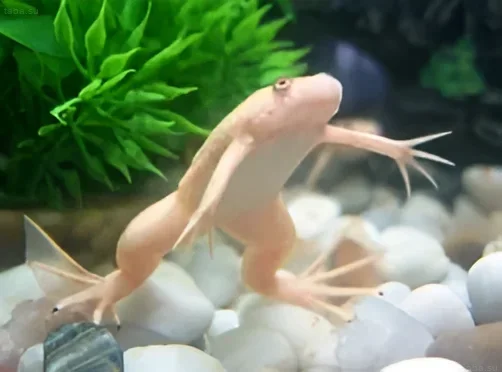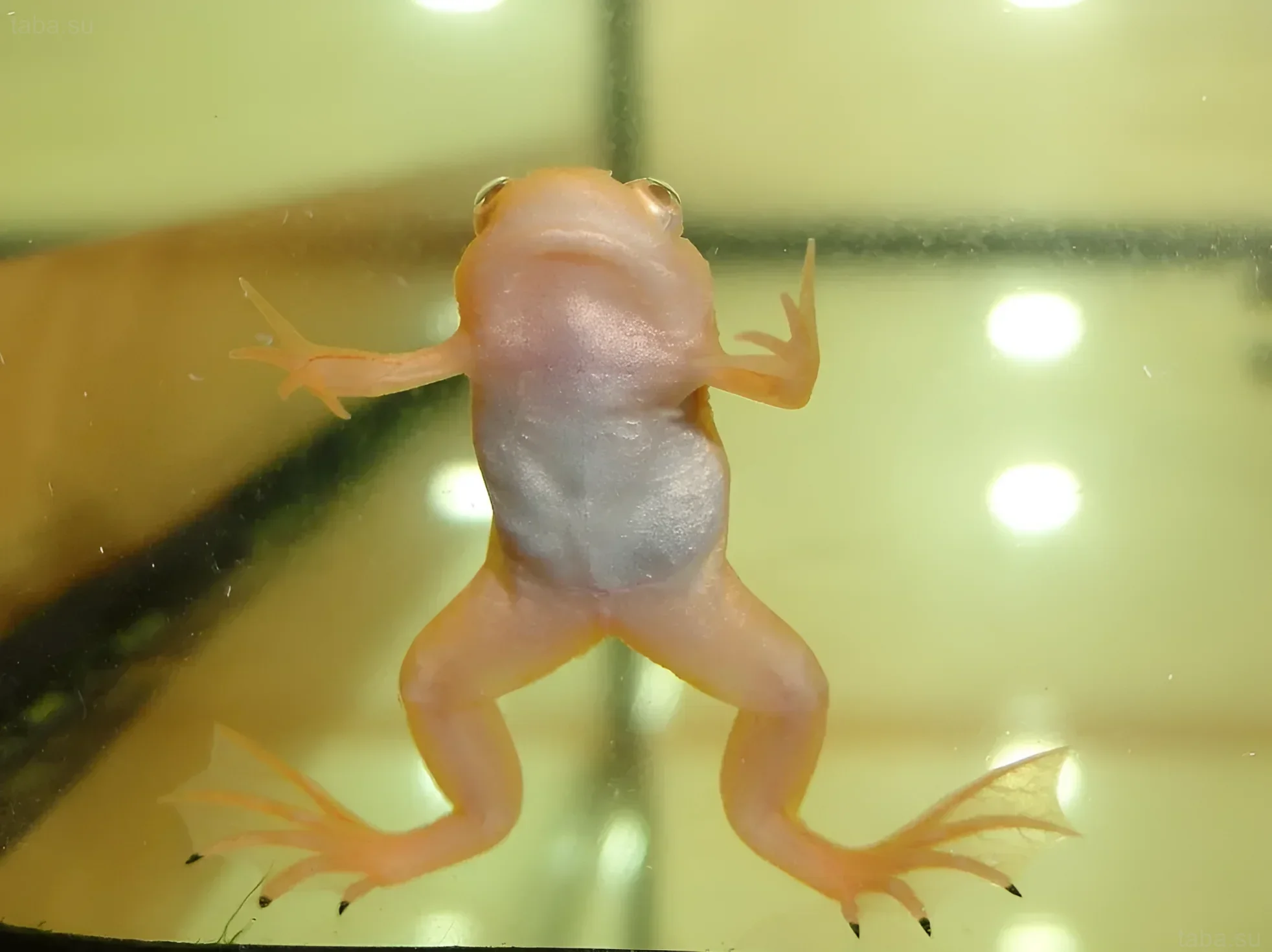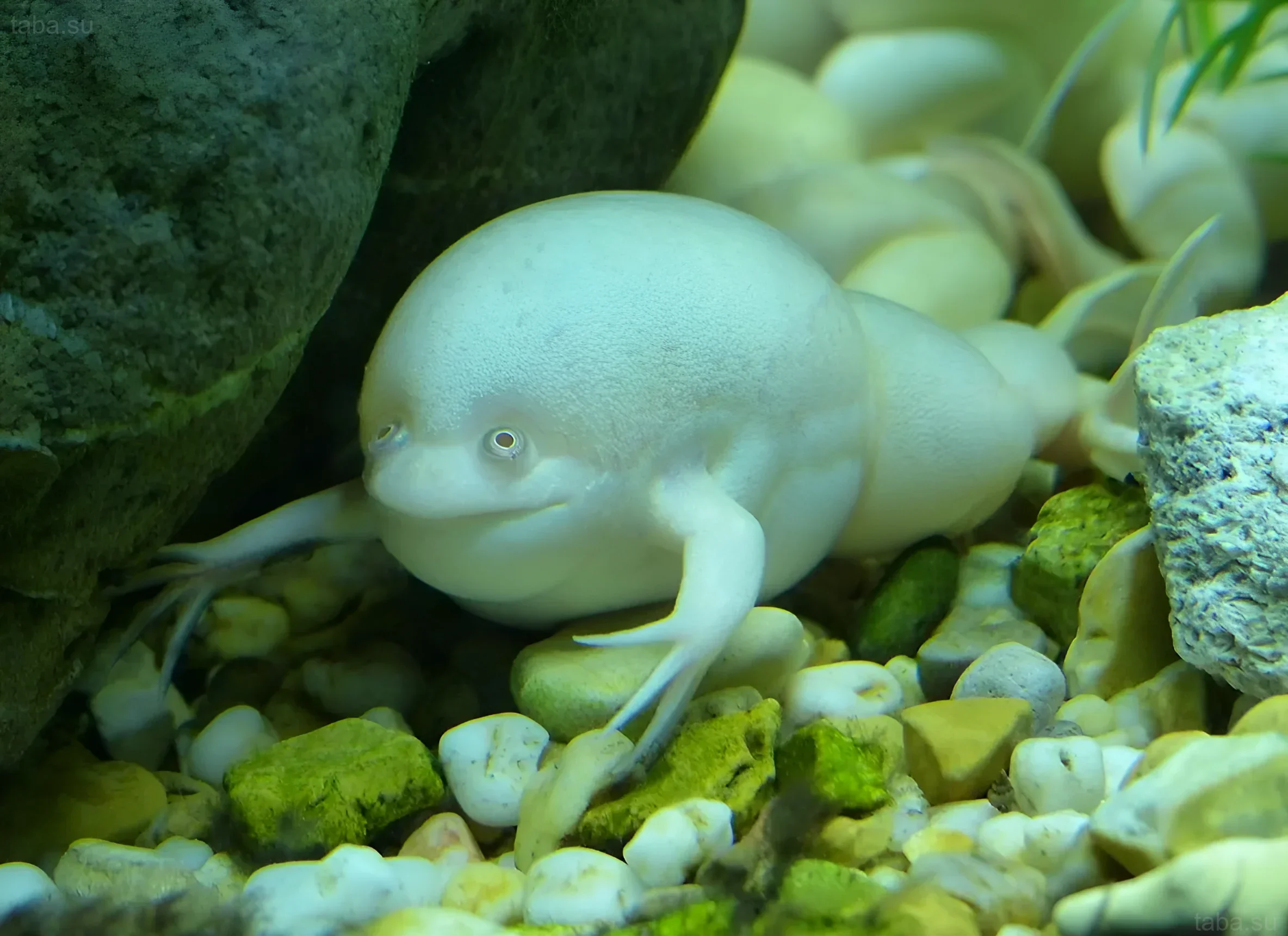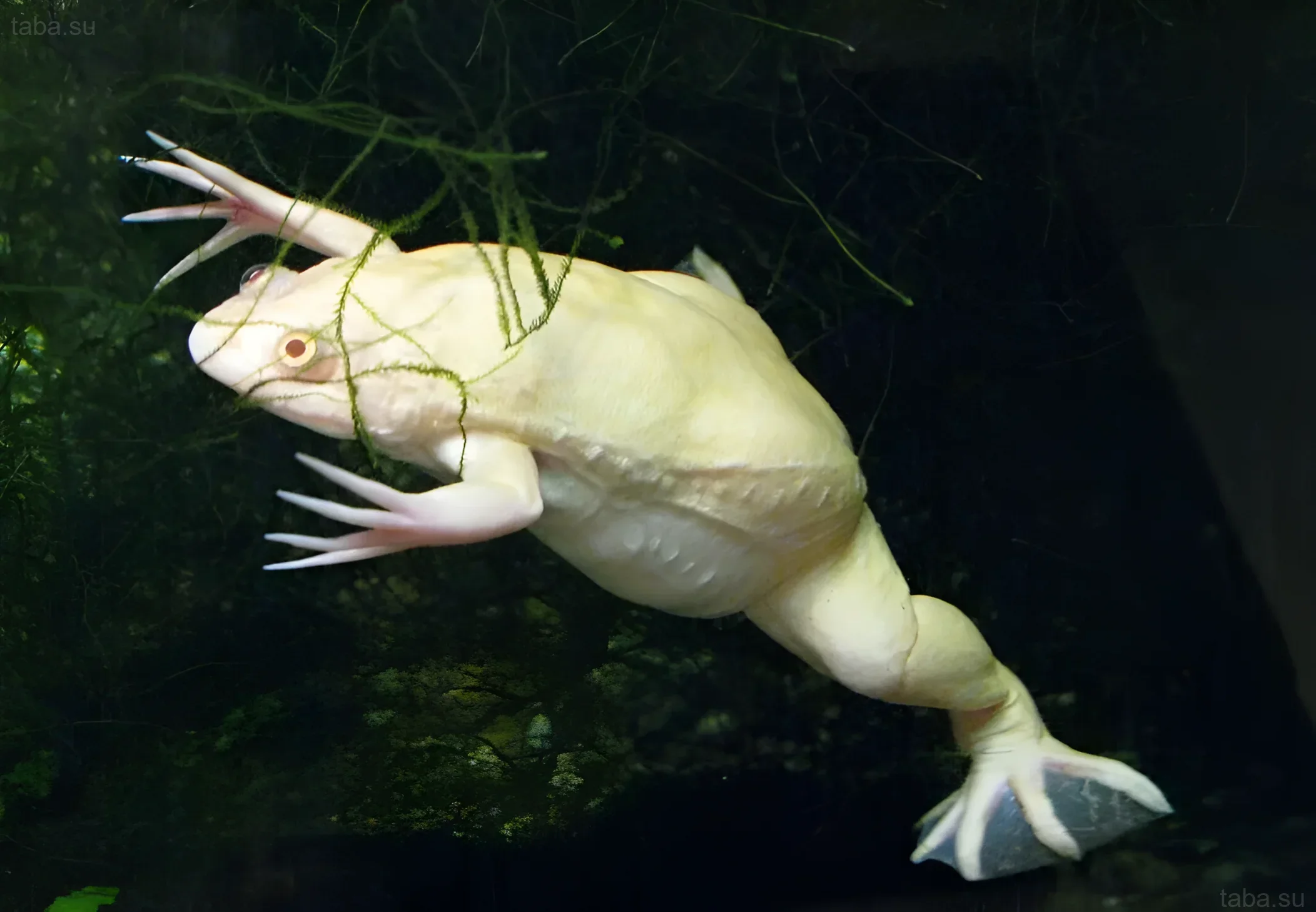
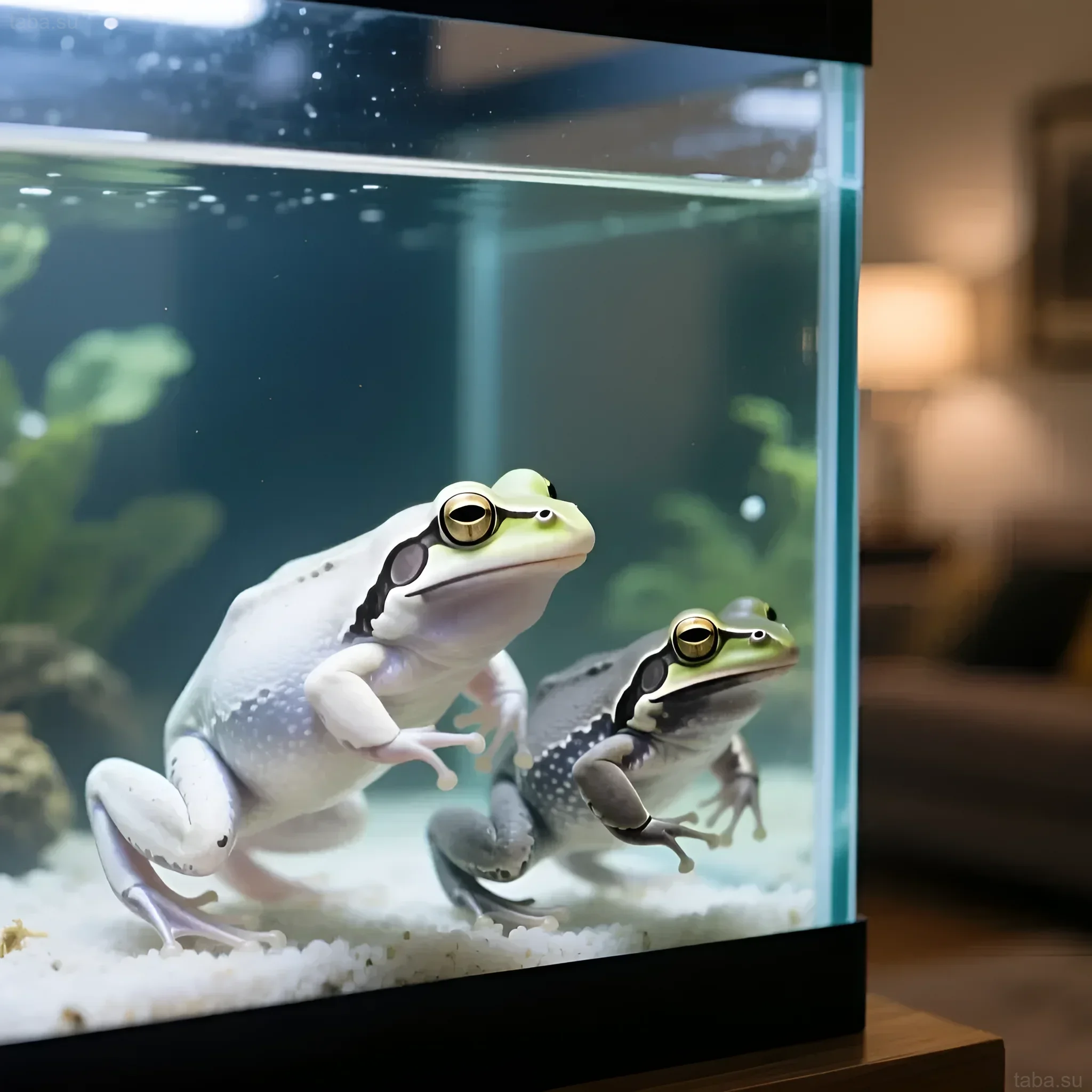
The African clawed frog, known to the scientific community as Xenopus laevis, is one of the most popular and long-lived inhabitants of home aquaterrariums. These fully aquatic amphibians, native to Africa, have won the love of aquarists due to their hardiness, activity, and unique appearance. On the taba.su portal, we provide comprehensive information on how to create ideal conditions for these amazing animals, with a special focus on maintaining both the natural gray and the widely common albino (white) morphs.
African Clawed Frog (Xenopus laevis): A Complete Care Guide

African clawed frogs are exclusively aquatic animals, which distinguishes them from many other aquarium amphibians that require land. Their care requires a specific approach, different from caring for fish, primarily due to their sensitive skin and breathing peculiarities.
Key advantages of keeping Xenopus laevis:
- Longevity: With proper care, they can live for 15–25 years.
- High adaptability: They tolerate fluctuations in water parameters within reasonable limits well.
- Activity: They exhibit interesting behavior, actively swim and hunt.
- Morph variety: Both natural gray (wild type) and aesthetically pleasing white (albino) forms are available.
It is important to remember that despite their hardiness, Xenopus laevis produce a significant amount of waste, which requires effective filtration and regular water changes.
Biology and Characteristics of African Clawed Frogs: From Anatomy to Behavior
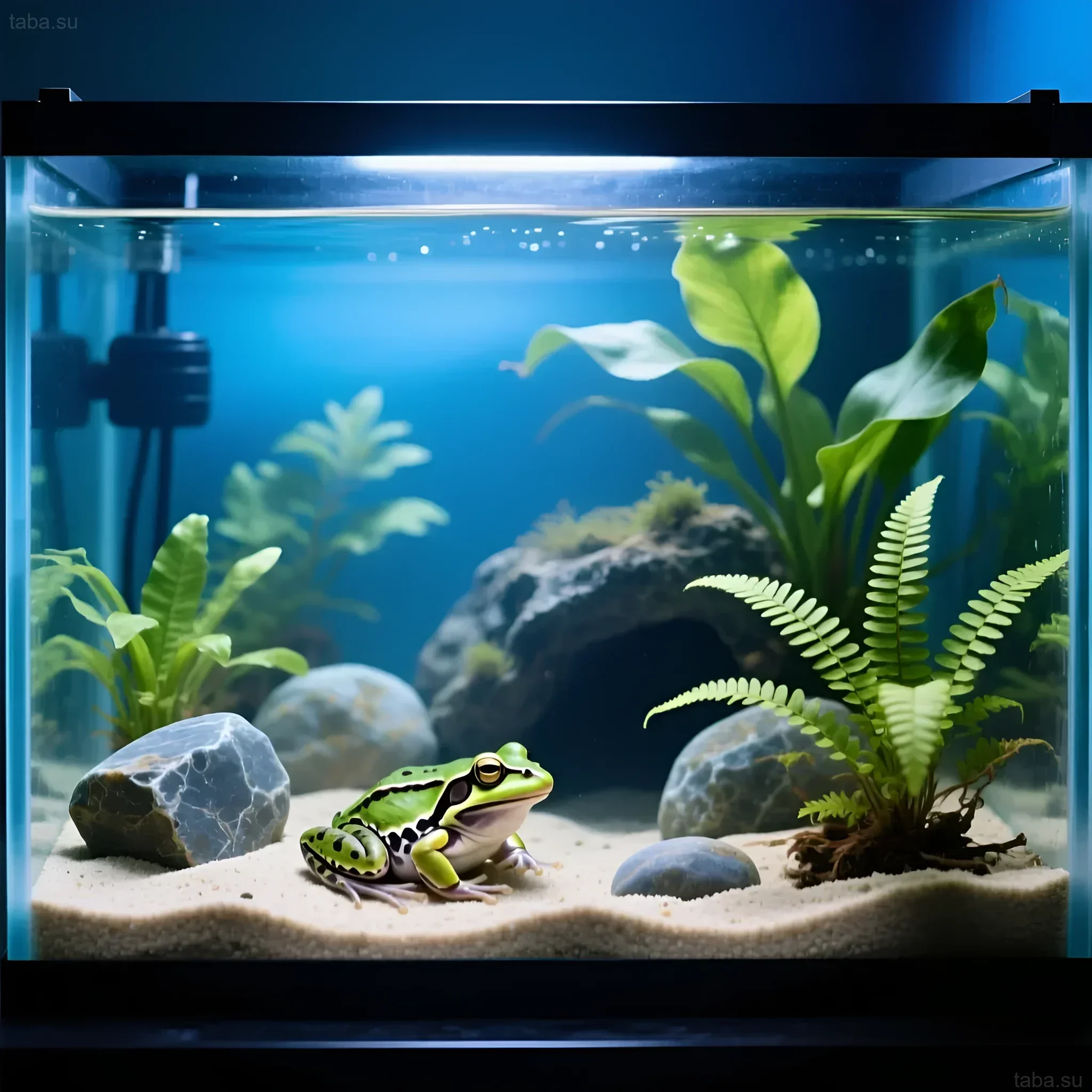
Understanding the anatomy and behavioral characteristics of African clawed frogs is critically important for their successful keeping. Their bodies are adapted for life in water.
Anatomical Differences
African clawed frogs possess a number of unique features that distinguish them from most other amphibians:
- Claws (spurs): They have three claws (spurs) on their hind legs, which are used for digging substrate, tearing food, and defense. Hence the name – clawed frog.
- Lateral line: Like fish, they have a lateral line system that allows them to detect vibrations and water movement, which is essential for hunting in murky water.
- Absence of tongue: They do not have a tongue like terrestrial frogs. They catch food with their front legs and push it into their mouths.
- Sexual dimorphism: Females are significantly larger than males. During the breeding season, males develop black breeding pads on their front legs.
Differences Between Morphs
The two most common morphs, which have no significant differences in care requirements, are:
1. Gray (Wild Type):
- Coloration: Olive-green or gray, often with dark spots.
- Eyes: Dark.
- Advantages: Better camouflage, may be slightly more resistant to stress.
2. White (Albino):
- Coloration: From pure white to light pink.
- Eyes: Red or pink.
- Features: May be more sensitive to bright light, so they require more hiding places.
Creating the Ideal Aquarium for an African Clawed Frog: Size, Equipment, and Decor
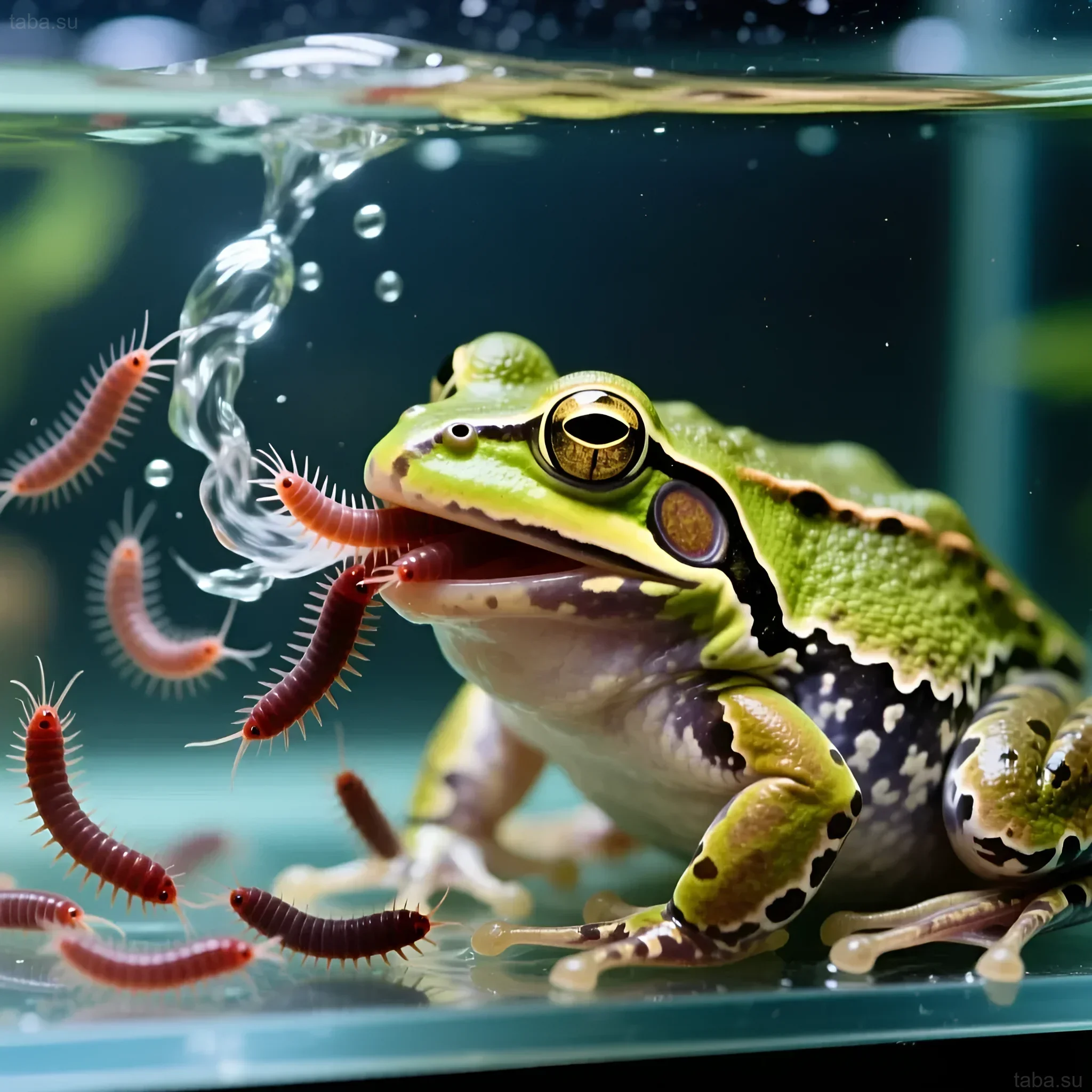
To ensure the frog’s comfort and long life, the aquarium must be properly designed. Although they are fully aquatic, they need access to the surface for breathing.
Volume Requirements
The minimum recommended volume for one adult is 40 liters. For a pair or a small group, it is better to use an aquarium of 60 to 100 liters. The aquarium should be covered, as frogs can jump out, especially at night.
Substrate Choice: Safety First
This is perhaps the most important aspect of setup. Frogs actively dig and grab food from the bottom. They can accidentally swallow small gravel, leading to fatal intestinal blockage.
- Recommended substrate: Bare bottom or large, smooth river stones (larger than the frog’s head).
- Strictly forbidden: Small or medium gravel, sharp stones.
Equipment
The equipment should ensure clean but calm water.
1. Filtration:
A powerful biological and mechanical filter is required. External canister filters or powerful sponge filters (airlift) are ideal. The main condition is minimal current. Strong water flow causes stress to the frogs.
2. Heating:
Optimal water temperature: 18–24°C. In most cases, room temperature is sufficient, but if the temperature drops below 18°C, a submersible heater is necessary, protected by a plastic casing so the frog doesn’t get burned by pressing against it.
3. Lighting:
Moderate. Bright light is not required, and for albino (white) morphs, it can be uncomfortable. If there are plants in the aquarium, use standard aquarium lamps, providing shaded areas.
Decor and Hiding Places
Frogs love to hide. Use large, smooth driftwood, ceramic tubes, pots, or caves. It is important that the decorations do not have sharp edges that could damage the amphibian’s delicate skin.
Feeding African Clawed Frogs: What to Feed and How Often?
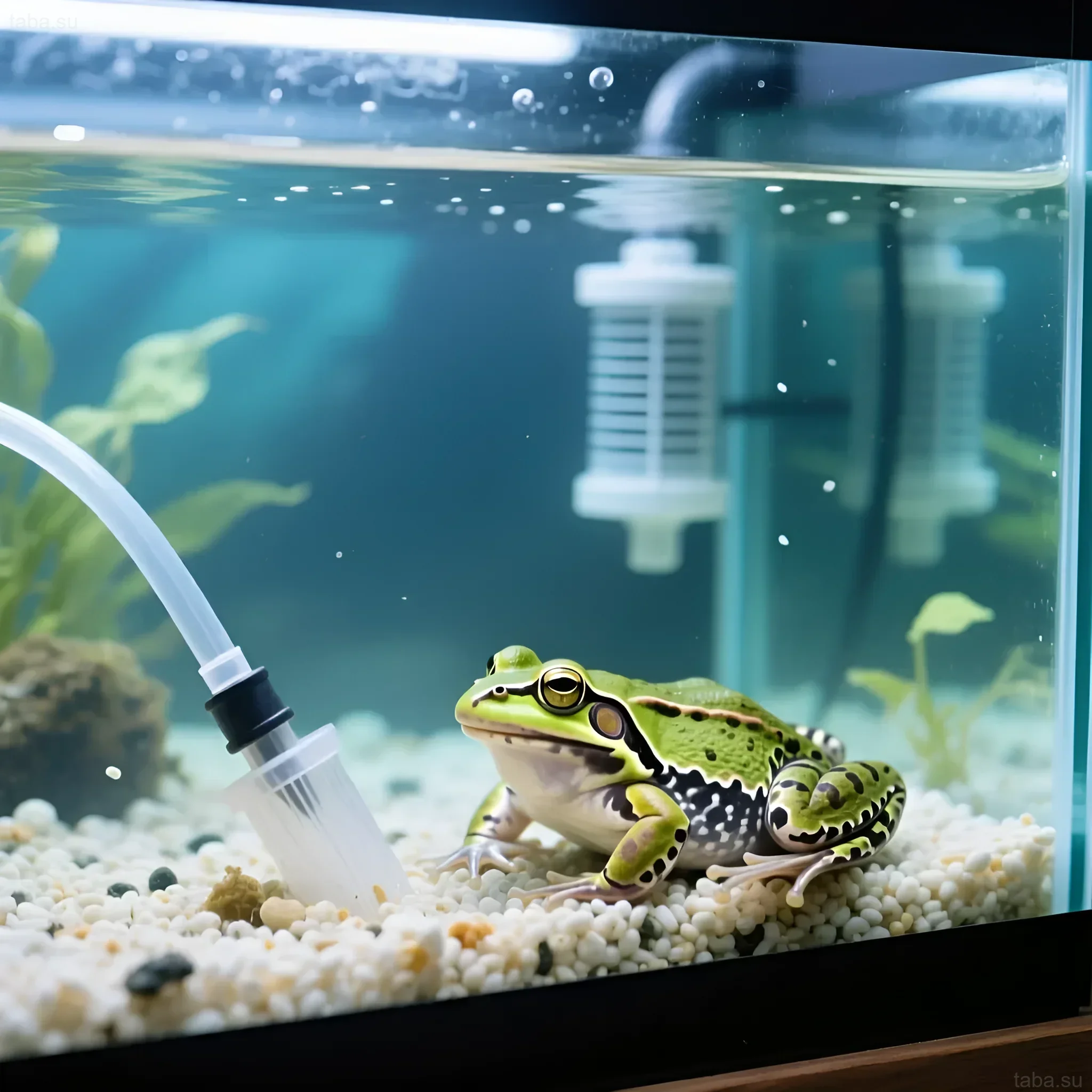
African clawed frogs are ambush predators. They have an insatiable appetite and are prone to overeating, which often leads to obesity and health problems.
Main Diet
The diet should be varied and rich in protein:
- Specialized feeds: High-quality pellets for aquatic frogs or sinking pellets for predatory fish (e.g., for cichlids) with high protein content.
- Frozen foods: Bloodworms, tubifex, brine shrimp (Artemia salina), shrimp.
- Live foods: Earthworms (chopped), guppies (Poecilia reticulata) or tadpoles (as a treat).
- Caution: It is not recommended to frequently feed live tubifex from questionable sources due to the risk of parasite transmission.
Feeding Schedule
Feeding frequency depends on age:
Fry and juveniles: Daily, in small portions.
Adults: 2–3 times a week. The portion should be consumed within 5–10 minutes.
Important rule: Never feed frogs mammalian or bird meat (beef, chicken). It contains too much fat, which amphibians cannot digest, leading to serious liver diseases.
Caring for African Clawed Frogs: Maintaining Cleanliness and Health
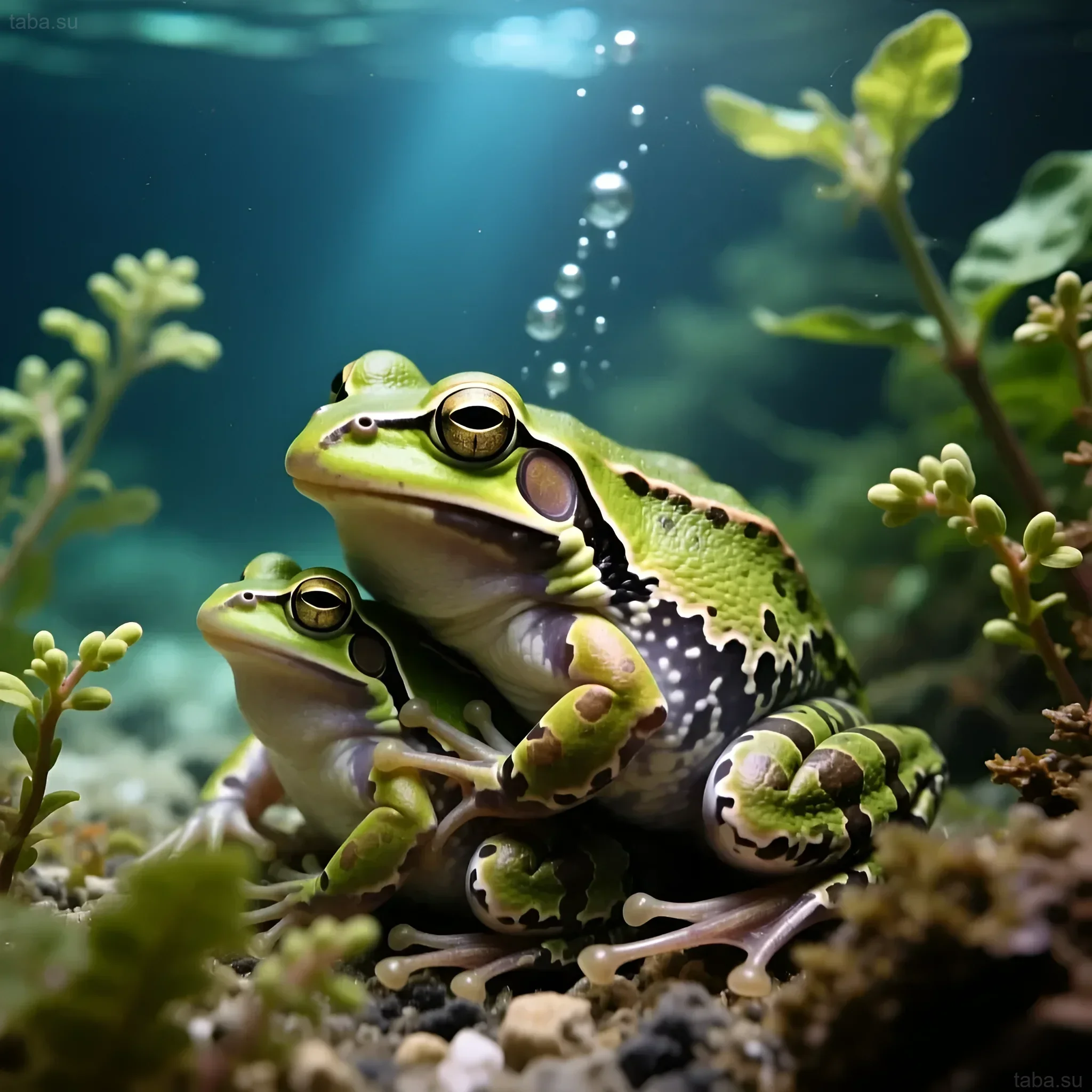
Caring for Xenopus laevis involves maintaining impeccable water cleanliness, as they are sensitive to the accumulation of nitrates and ammonia.
Water Changes and Parameters
30–50% of the water should be changed weekly. If the aquarium is heavily stocked, two changes per week may be necessary.
- Temperature: 18–24°C.
- pH: 6.5–7.8 (neutral to slightly alkaline).
- Hardness (GH/KH): Medium.
- Dechlorination: Always use a water conditioner that removes chlorine and chloramines, as they are toxic to amphibian skin.
Molting (Shedding Skin)
Frogs molt regularly. This process takes several days. The old skin peels off, and the frog often helps itself with its legs, and then eats the shed skin. This is absolutely normal behavior and requires no intervention.
Compatibility with Fish
African clawed frogs are territorial predators. They can coexist peacefully with large, fast fish that they cannot swallow. However, any fish that fits in the frog’s mouth will be eaten. This includes neons, guppies, small tetras, and even small catfish.
Expert recommendation: It is best to keep Xenopus laevis in a species-only aquarium (frogs only) or with large, peaceful fish (e.g., some species of barbs or plecostomus catfish).
Breeding African Clawed Frogs in Captivity: From Stimulation to Raising Tadpoles
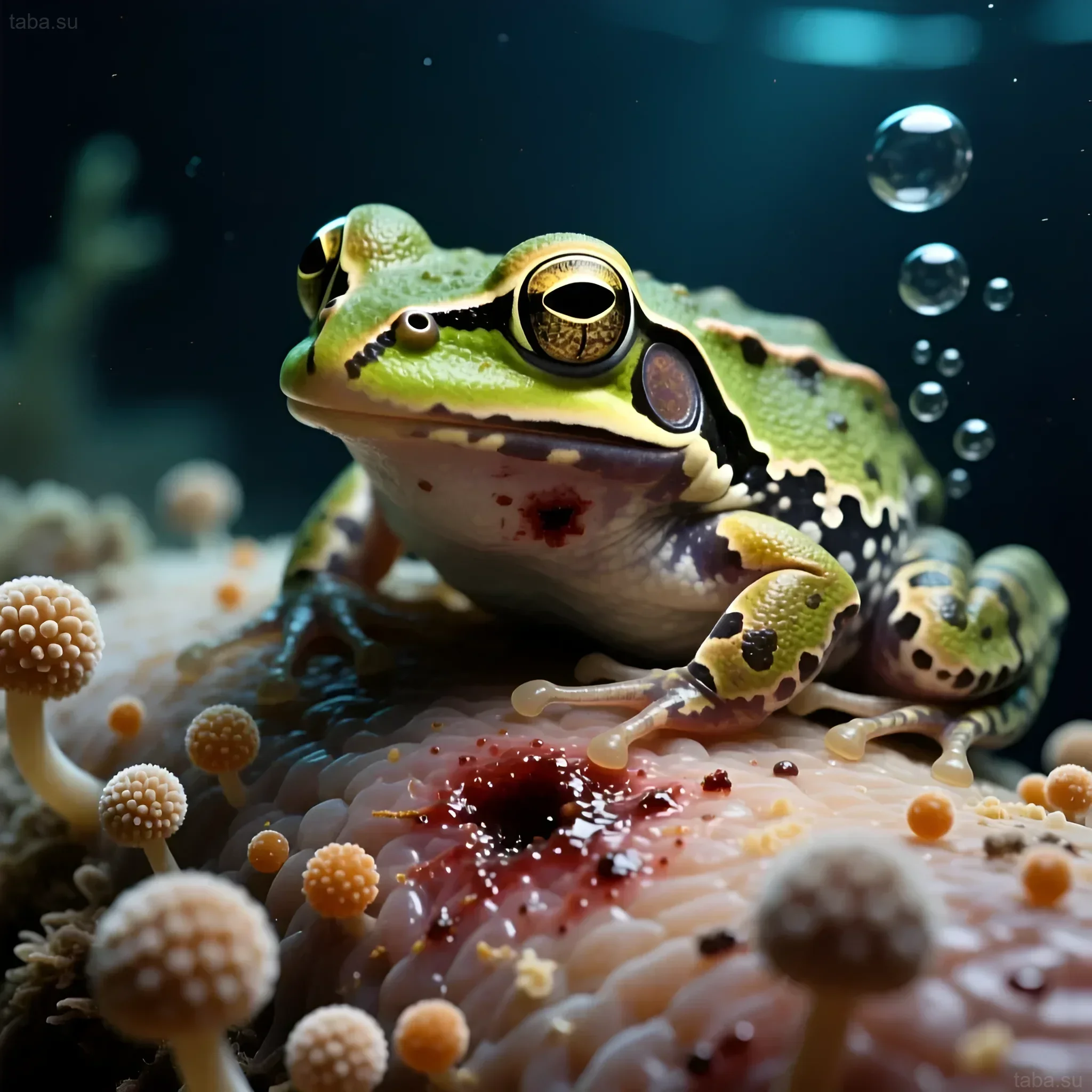
African clawed frogs breed easily in captivity, and this often happens spontaneously under optimal conditions. However, controlled breeding requires simulating the rainy season.
Stimulating Spawning
In their natural environment, spawning is stimulated by changes in temperature and water volume. To stimulate it in an aquarium:
- Simulate drought: Lower the temperature to 18°C for 1-2 weeks and reduce feeding frequency.
- Simulate rain: Raise the temperature to 22–24°C and perform a large (50–70%) water change with fresh, cooler water. Increase the amount of protein-rich food.
Breeding Process
- Amplexus: The male clasps the female around the waist, this is called amplexus. It can last for several hours or days.
- Spawning: The female lays up to several hundred small, sticky eggs, attaching them to plants or decorations.
- Removing parents: The parents must be immediately removed from the spawning tank, as they tend to eat the eggs.
Raising Tadpoles
Tadpoles hatch in 2–4 days. They are filter feeders and do not have mouths like adult frogs. They swim vertically, feeding on microscopic particles.
- Feeding tadpoles: Very fine powdered food is required, such as spirulina powder, yeast, or specialized tadpole food.
- Metamorphosis: The transformation into a small frog takes 6 to 10 weeks. During this period, they begin to feed on larger foods (e.g., brine shrimp nauplii).
Diseases of African Clawed Frogs and Treatment Methods
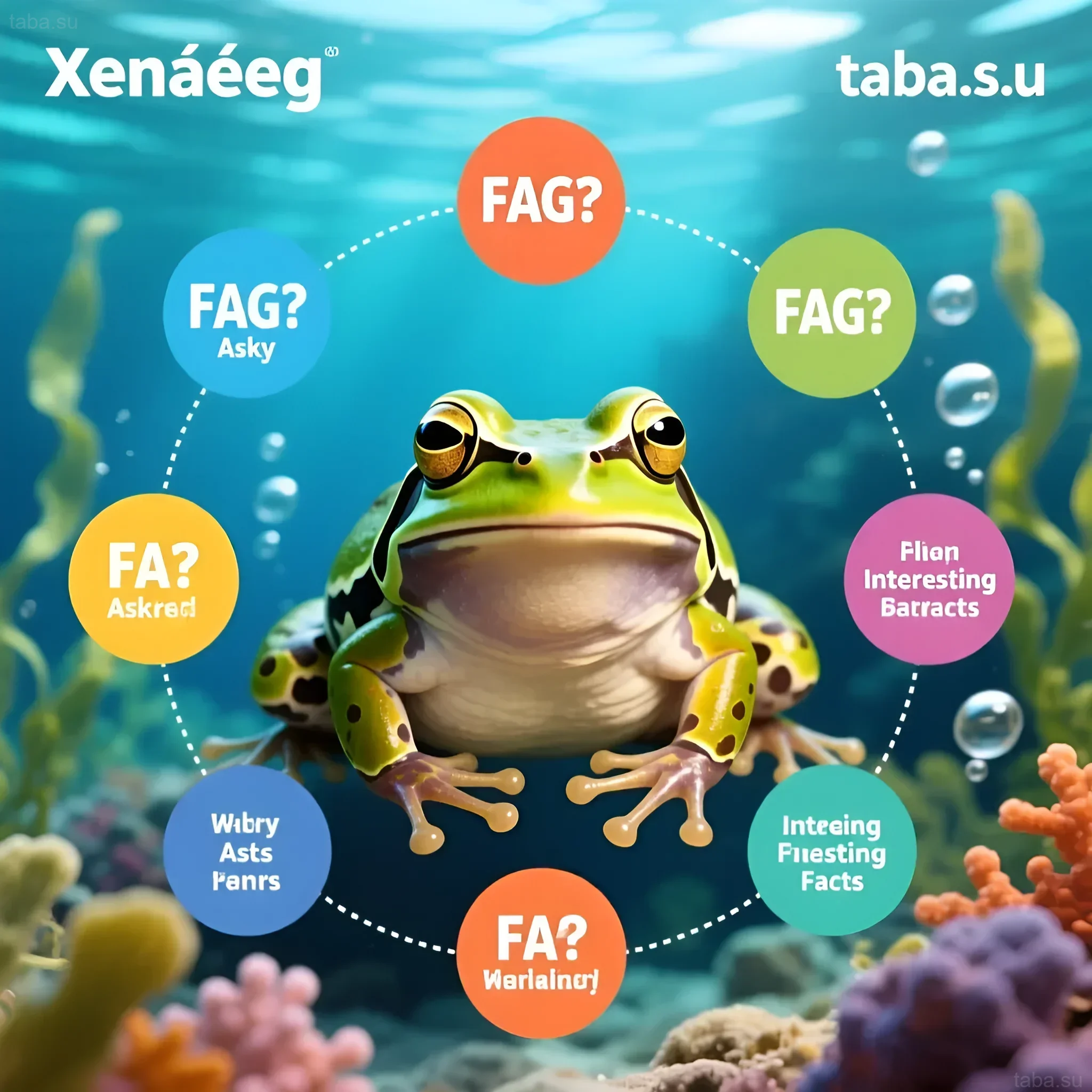
Frogs, like fish, are susceptible to diseases, but their treatment is complicated by the fact that many standard aquarium medications (especially those containing copper or malachite green) are toxic to amphibians.
Common Problems and Symptoms
1. Bloating (Dropsy):
- Cause: Often associated with kidney failure, poor water quality, or chronic overfeeding.
- Symptoms: Severely bloated, watery body, especially in the abdominal area.
- Treatment: Difficult, requires consultation with a veterinarian-herpetologist. Sometimes increasing the temperature and using broad-spectrum antibiotics helps.
2. Red Leg Disease:
- Cause: Bacterial infection (*Aeromonas hydrophila*), often caused by stress and dirty water.
- Symptoms: Redness or bruising on the lower abdomen and legs.
- Treatment: Requires immediate isolation and treatment with antibiotics (e.g., Baytril) prescribed by a veterinarian.
3. Fungal infections (*Saprolegnia*):
- Cause: Skin damage or poor keeping conditions.
- Symptoms: Cotton-like white or gray growths on the skin.
- Treatment: Move to a quarantine tank and treat with mild antifungal agents safe for amphibians.
Prevention is the best treatment. Maintain stable water parameters, avoid stress, and do not overfeed the animals.
African Clawed Frog (Xenopus laevis): FAQ and Interesting Facts
Frequently Asked Questions (FAQ)
Q: Can I handle an African clawed frog?
A: It is not recommended. The frog’s skin is very sensitive and absorbs chemicals (soap, lotions) from human skin. If necessary (e.g., for examination), use wet gloves or a clean, damp net.
Q: Can African clawed frogs live without a lid?
A: No. They can jump out of the aquarium, especially if the water is dirty or they are looking for a mate. A lid is mandatory.
Q: How to distinguish a male from a female?
A: Females are larger and plumper. Mature males develop dark, almost black bumps on the inner side of their front legs – breeding pads.
Q: Why is my frog sitting at the bottom and not moving?
A: Xenopus laevis often sit motionless, buried in the substrate or a hiding place, waiting for prey. However, if it refuses food or appears lethargic when trying to surface, check the water quality.
Interesting Facts About Xenopus laevis
The African clawed frog has a rich history not only in aquaristics but also in science:
- Medical use: Until the 1960s, Xenopus laevis were used as a biological pregnancy test. If a female was injected with the urine of a pregnant woman, she would begin to lay eggs.
- Research model: Due to their unique genetics and regenerative abilities, they are an important model organism in molecular biology and genetics.
- Invasiveness: In some regions of the world (e.g., in the USA, Chile), released African clawed frogs have become an invasive species, threatening local amphibians and fish. Therefore, it is crucial never to release them into natural bodies of water.
Additional Images
Gallery of remaining images (click to view):