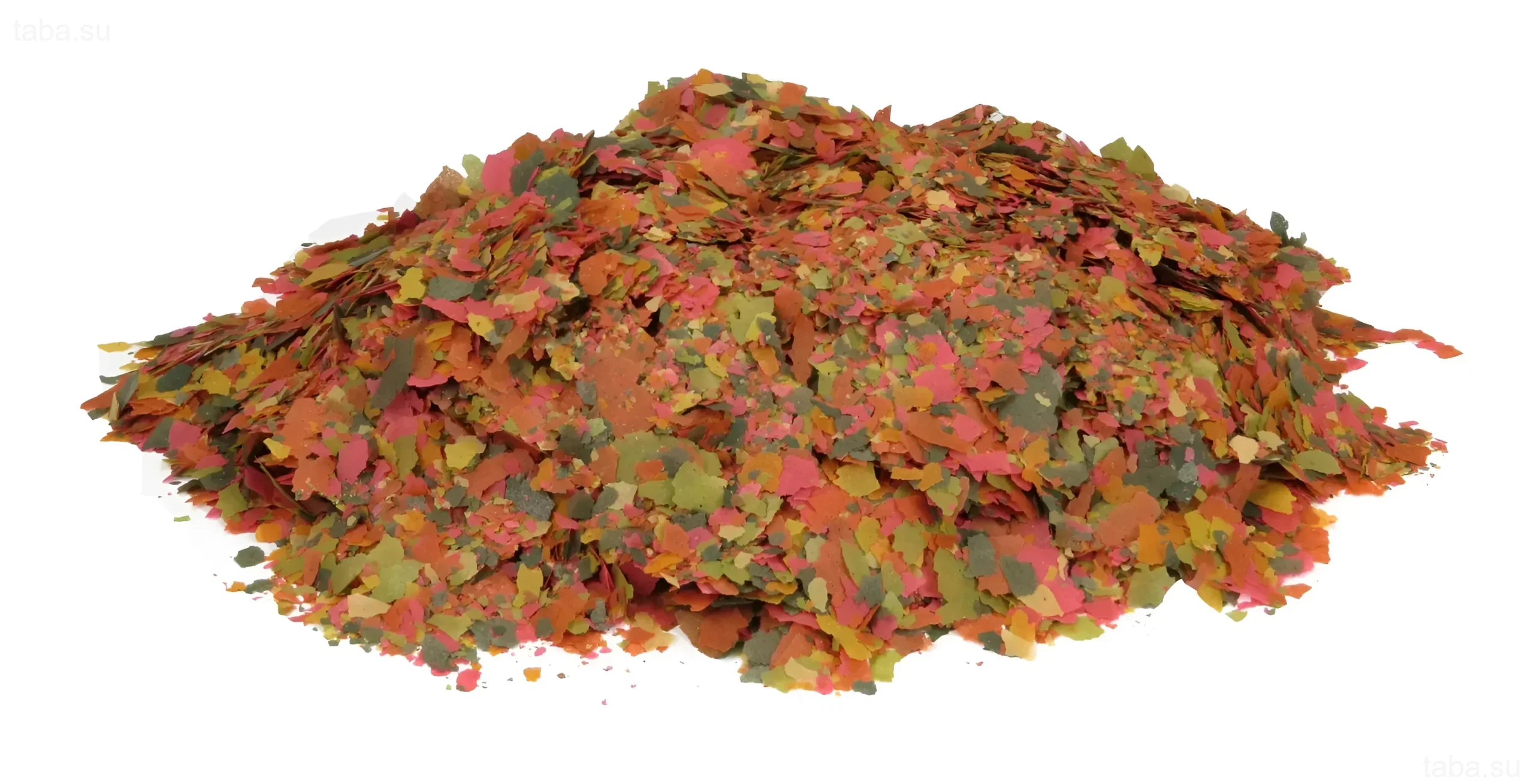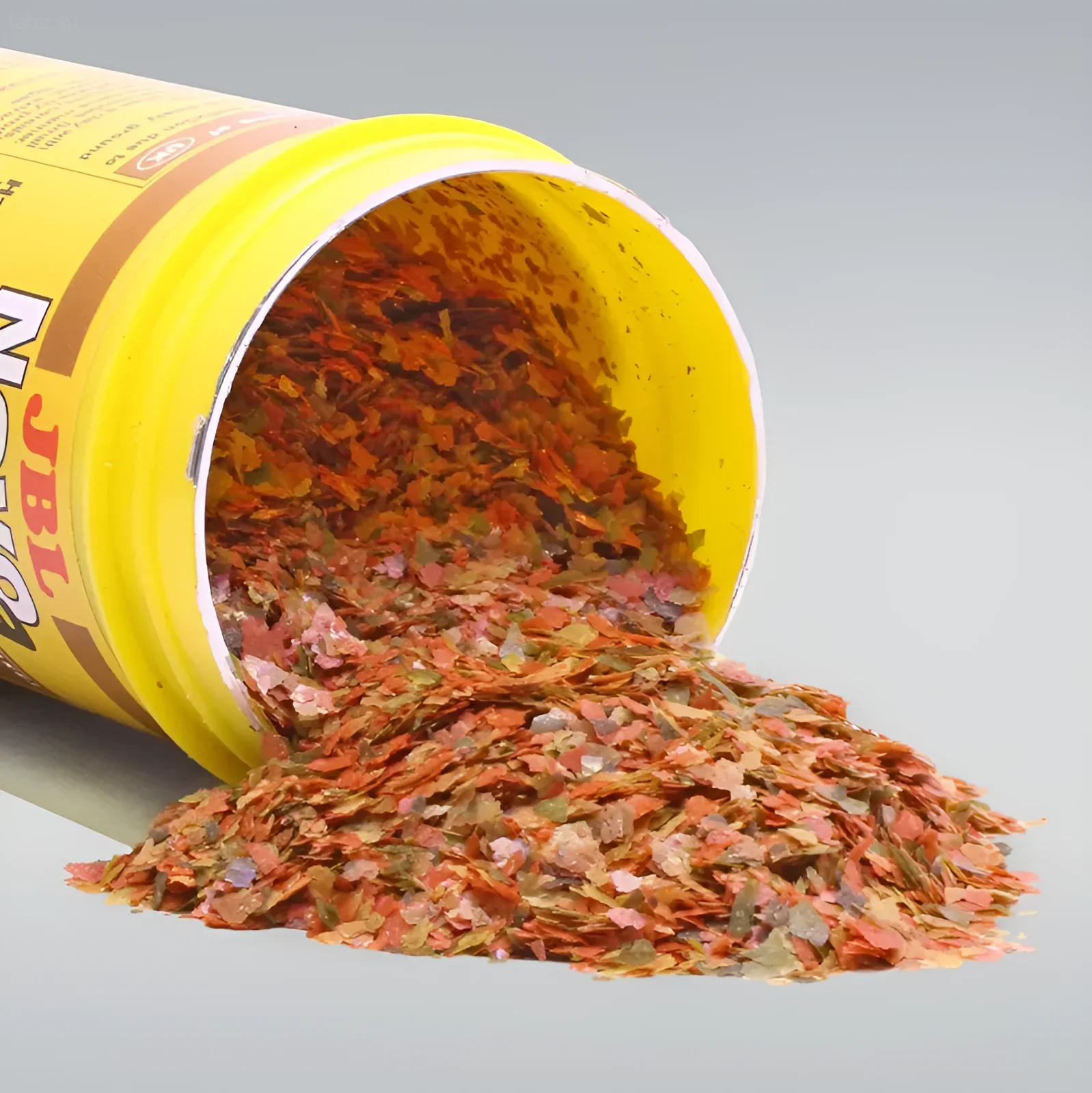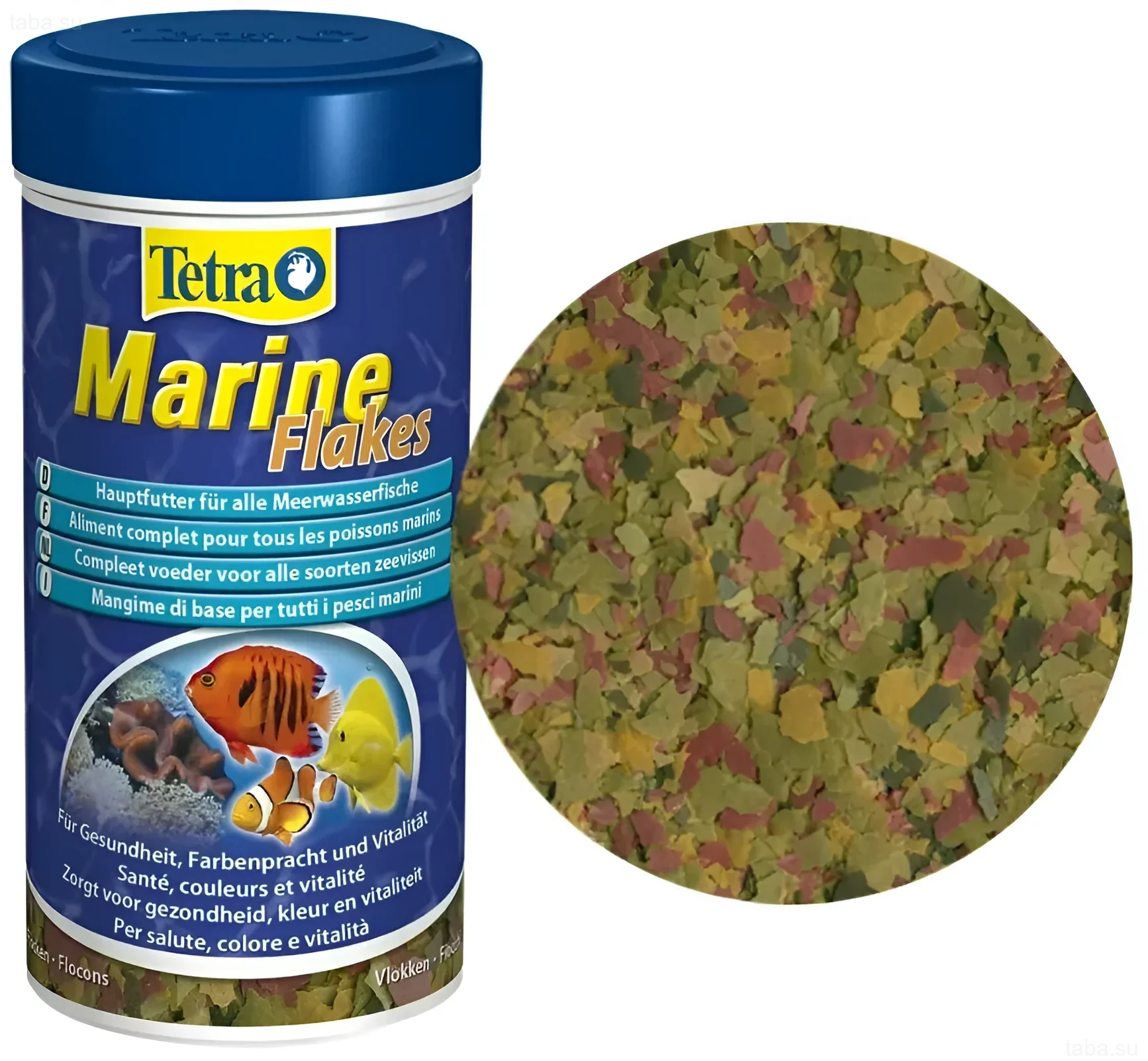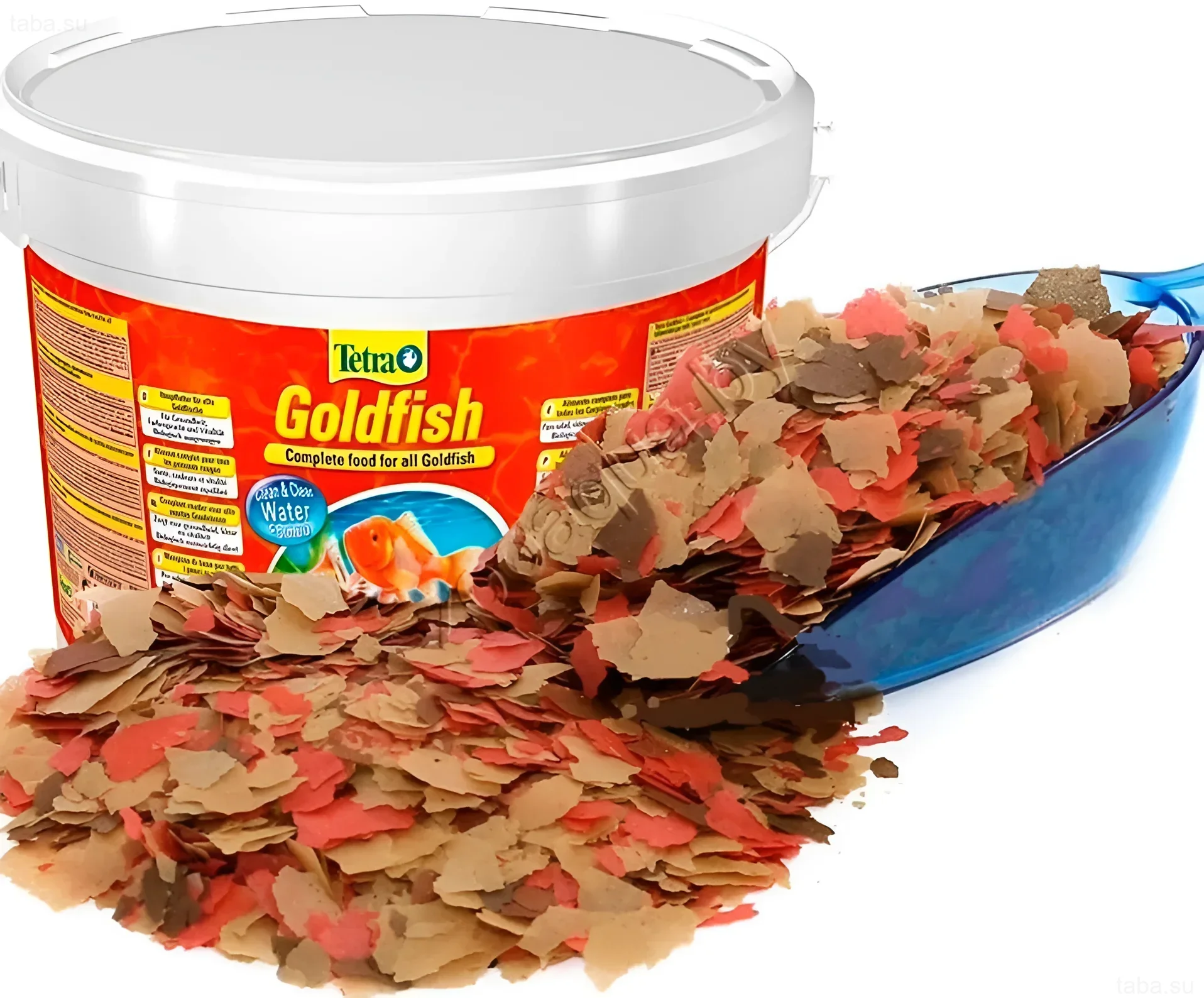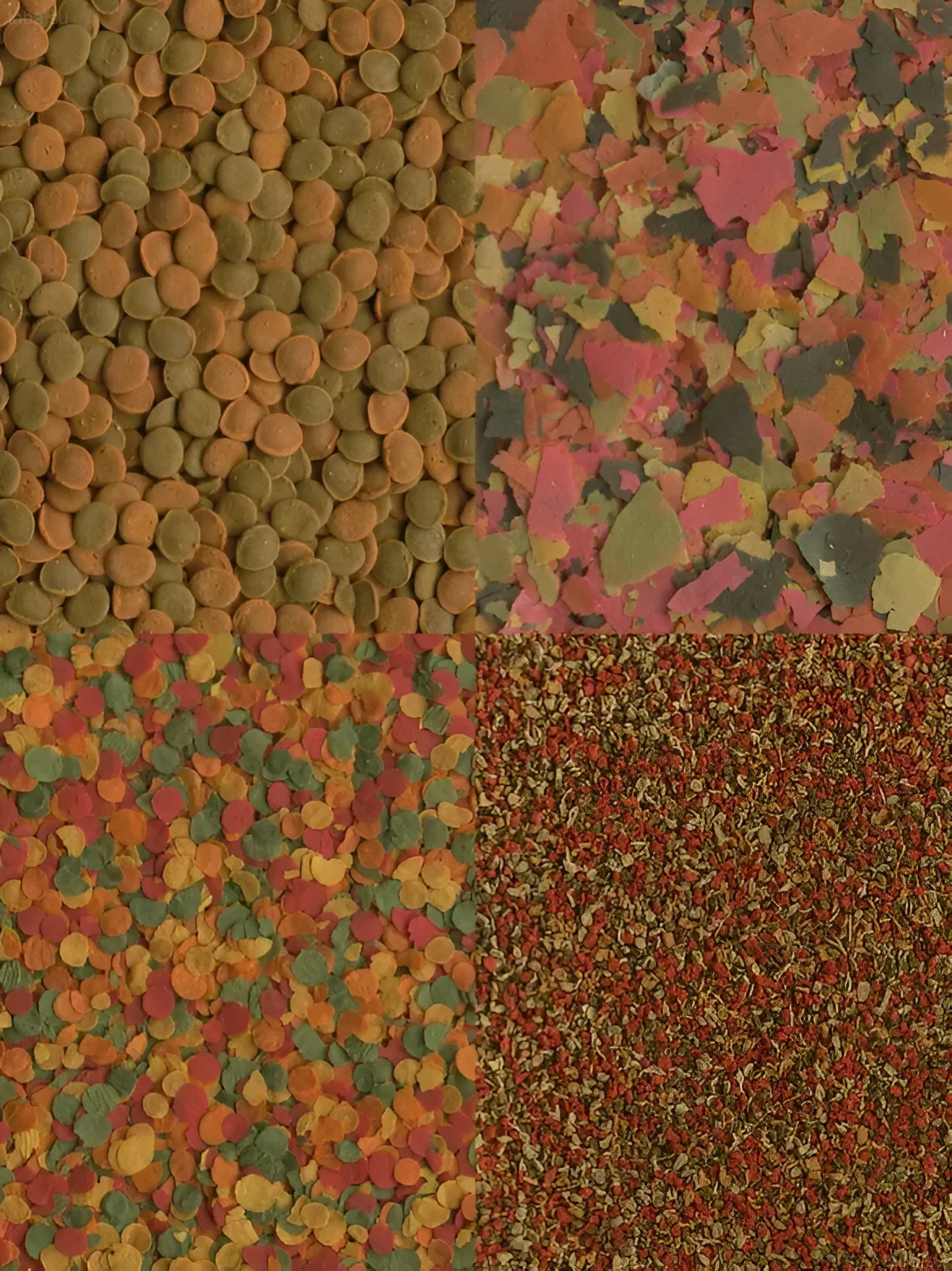
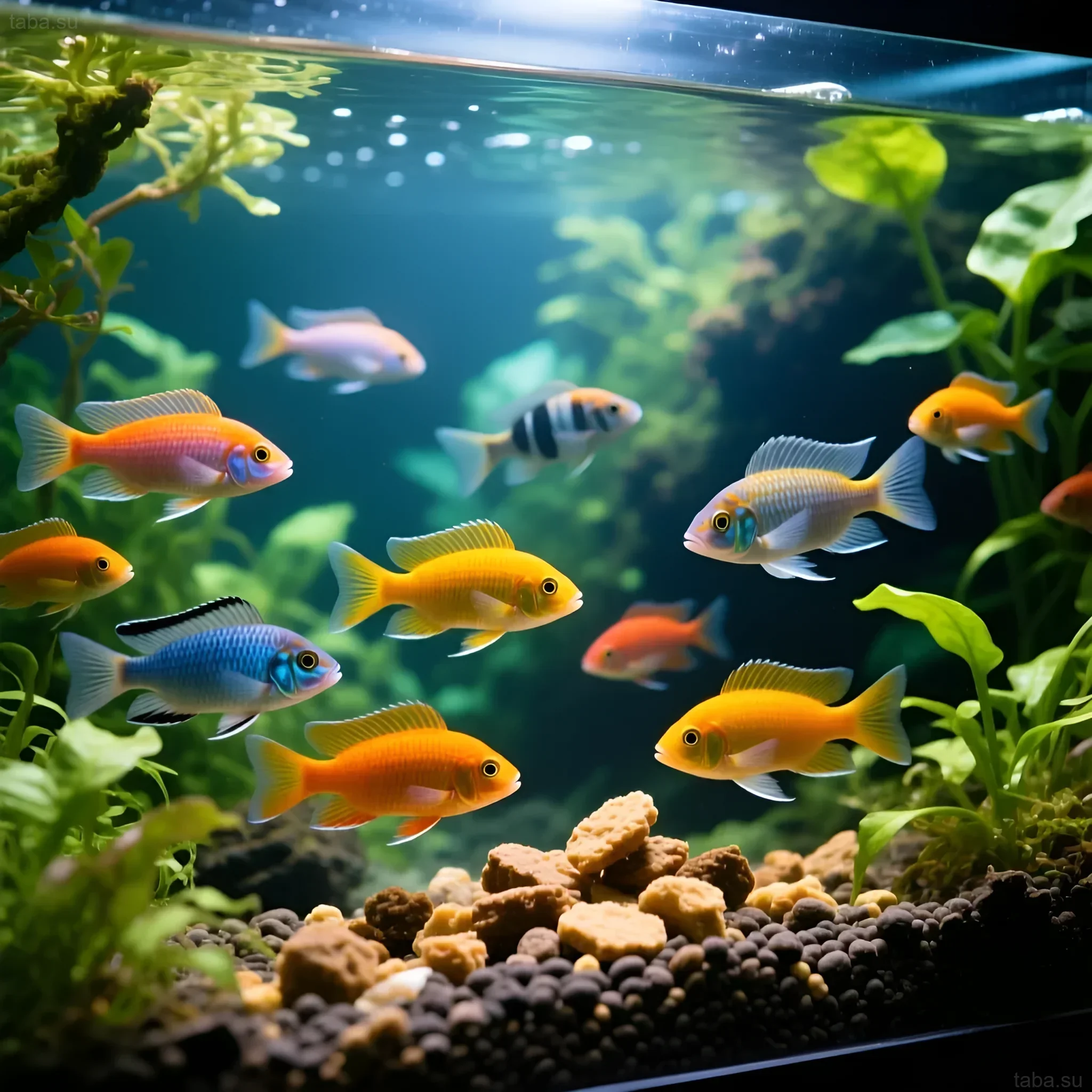
Dry flakes are perhaps the most common and recognizable form of food in the world of aquaristics. Since their introduction to the market, they have become the standard diet for most species of tropical fish. However, like any product, flakes have their strengths and weaknesses. Experts from taba.su have conducted a detailed analysis to determine how well this type of food meets the modern requirements for feeding aquarium inhabitants.
Dry Flakes for Aquarium Fish: A Complete Guide from taba.su Experts
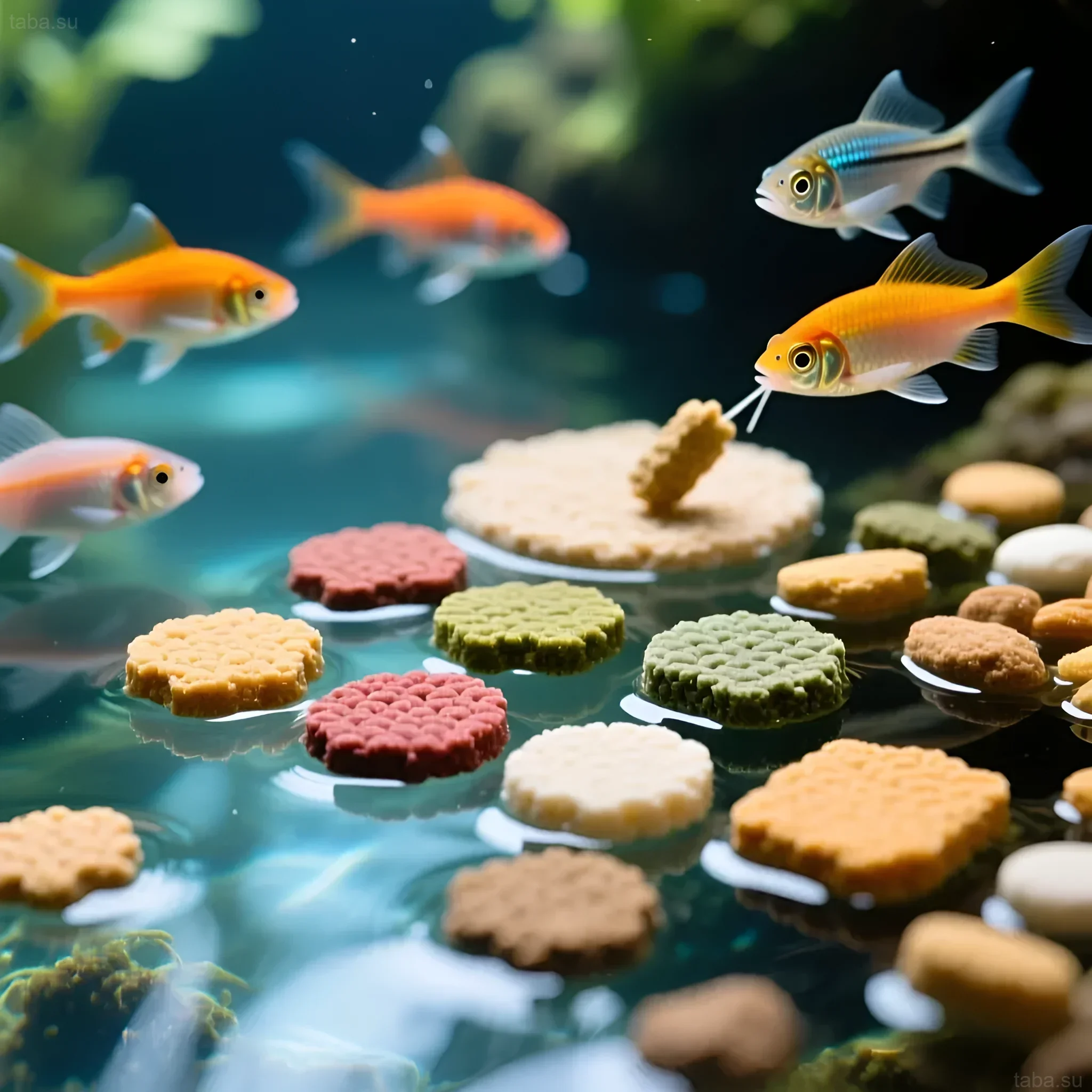
Dry flakes are thin, layered plates made by mixing, heating, and rapidly drying a nutritious mixture. This form of food was developed to provide maximum surface area, allowing flakes to stay on the water’s surface for a long time, making them ideal for fish that feed in the upper and middle layers, such as guppies (Poecilia reticulata) or neons (Paracheirodon innesi).
Choosing quality food is the foundation of the health and longevity of aquarium inhabitants. The aquarist’s task is not only to add food but also to understand its composition, digestibility, and potential impact on the aquatic environment.
Composition and Types of Dry Flakes: What Really Matters for Your Fish
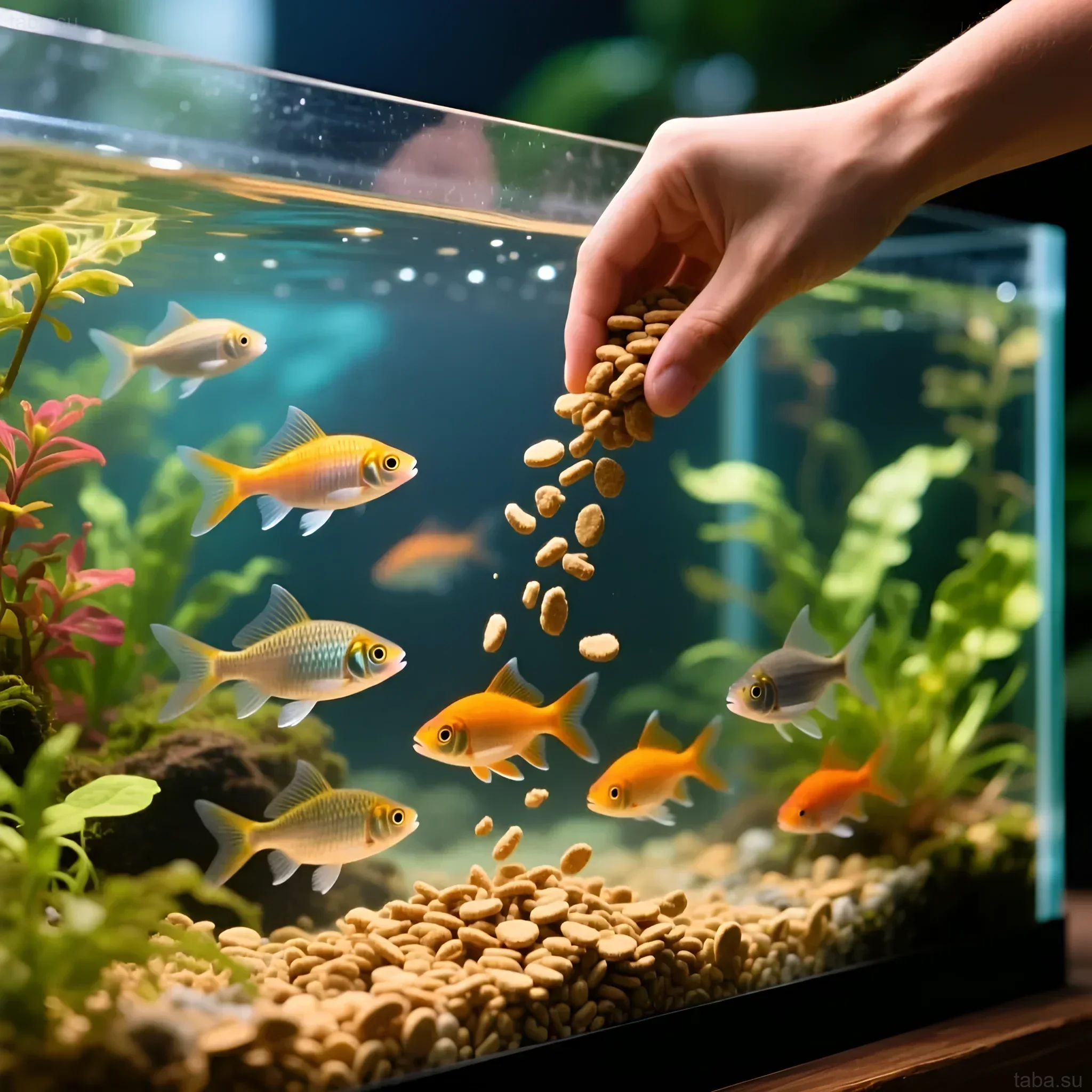
Modern flakes are not just dried waste but high-tech products with carefully balanced compositions. However, the quality of ingredients can vary greatly between manufacturers.
Key Components of Quality Flake Food:
- Protein Sources: Should be easily digestible. Ideally, these are meals from fish, shrimp, krill, or other aquatic organisms. High-quality flakes contain at least 40% protein.
- Fats (Lipids): Necessary for energy and absorption of fat-soluble vitamins. The presence of Omega-3 and Omega-6 fatty acids is important.
- Carbohydrates and Fiber: Provide energy, but an excess can lead to digestive problems, especially in predatory species.
- Vitamins and Minerals: Vitamins C (immune support) and D3 (calcium absorption) are particularly important.
- Natural Color Enhancers: Carotenoids (e.g., astaxanthin) are often used to enhance the natural coloration of fish.
Main Types of Flakes by Purpose:
- Basic (Standard): Suitable for most omnivorous tropical fish. Balanced in essential macronutrients.
- Vegetable (Vegetarian): Contain a high percentage of spirulina (Spirulina platensis) or other algae. Ideal for herbivorous cichlids (e.g., from Lake Malawi) and mollies.
- Color Enhancing: Enriched with carotenoids. Used to intensify red and orange pigments.
- Specialized: For fry (finely ground) or for specific groups of fish (e.g., for goldfish).
Pros of Dry Flakes: Why They Are So Popular Among Aquarists
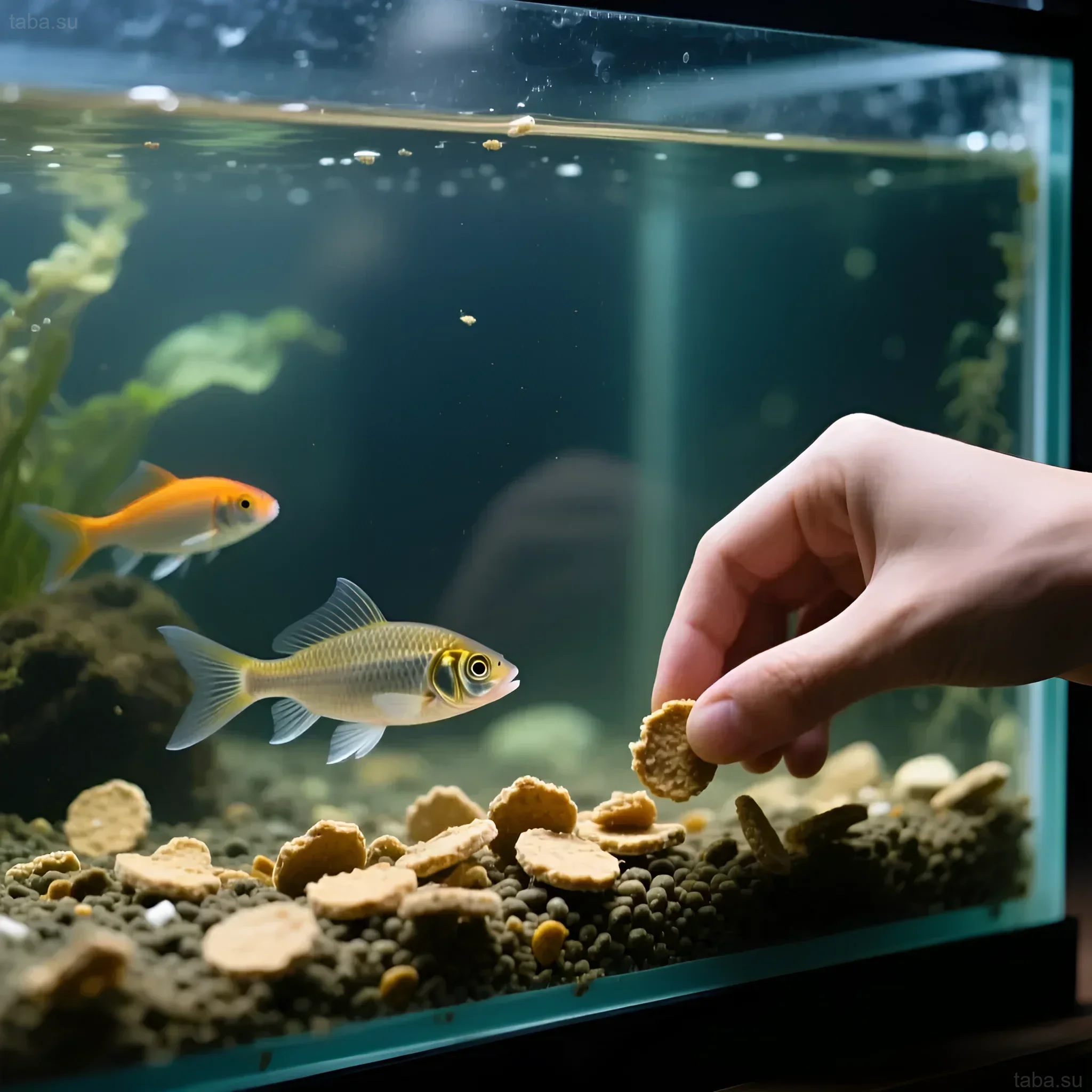
The popularity of flakes is due to a number of undeniable advantages that make them the primary choice for daily feeding.
Main Advantages of Flake Food:
- Convenience and Ease of Use: Flakes are easy to dose and store. They do not require special preparation (except when pre-soaking is recommended).
- Long Shelf Life: Due to their low moisture content, hermetically sealed flakes can be stored for up to two years without loss of quality.
- Buoyancy: Flakes stay on the surface for a long time, which is ideal for surface-feeding fish. This allows the aquarist to control how much food is eaten.
- Completeness: Quality flakes are a complete food, containing all necessary vitamins, trace elements, and proteins.
- Affordability: Per gram of nutrients, flakes are often the most affordable type of commercial food.
- Suitable for Small Fish: Due to their thin structure, even large flakes can be easily crushed or crumbled, becoming accessible to the smallest species.
Cons of Dry Flakes: Pitfalls and How to Avoid Them
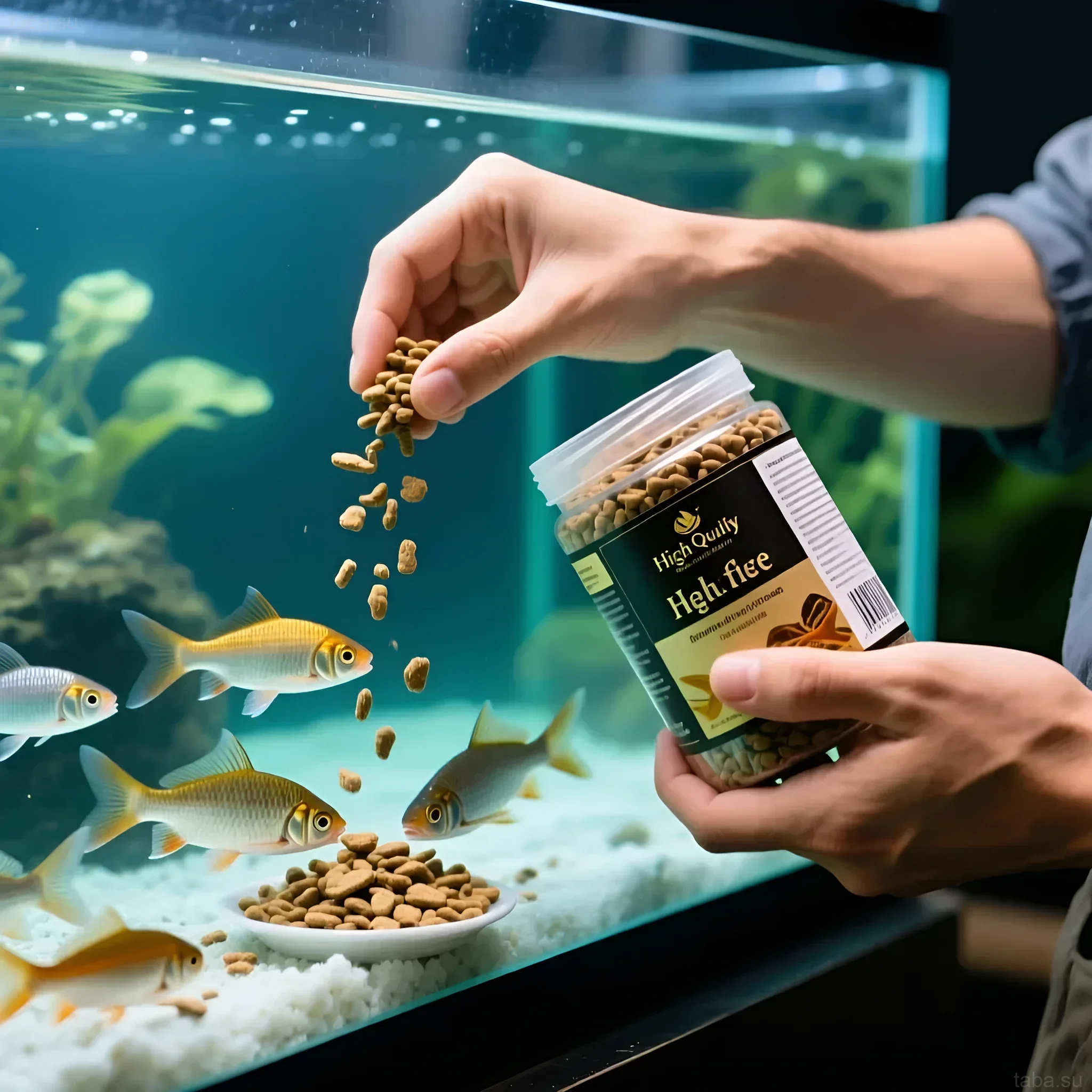
Despite all the conveniences, flakes have significant drawbacks that can negatively affect fish health and water quality if feeding rules are not followed.
Key Disadvantages and Risks:
1. Rapid Loss of Nutrients After Opening
- After opening the package, vitamins, especially C and B vitamins, begin to oxidize rapidly under the influence of air and moisture. After 3–6 months, the food can lose up to 50% of its vitamin content.
- Solution: Purchase food in small packages that can be used within 2–3 months. Store food in a tightly sealed, opaque container.
2. Risk of Water Contamination
- Flakes dissolve quickly in water if not eaten within a few minutes. This leads to an increase in nitrates and phosphates, as well as cloudy water and algae blooms.
- Solution: Feed fish in small portions 2–3 times a day. Anything not eaten within 3–5 minutes should be removed.
3. Insufficient for Bottom-Dwelling Fish
- Since flakes float for a long time, they are not always effective for feeding bottom dwellers like Corydoras catfish (Corydoras) or loaches. These fish may not receive adequate nutrition.
- Solution: Supplement the diet with sinking pellets or tablets specifically designed for bottom-dwelling species.
4. Risk of Digestive Problems
- High-quality flakes are well-digested, but cheap foods may contain an excess of fillers (grains) that swell in the fish’s stomach, causing constipation and bloating (especially in goldfish).
- Solution: Before feeding, you can lightly soak the flakes in aquarium water for 30–60 seconds. This will allow them to absorb moisture before entering the fish’s digestive system.
Practical Application of Dry Flakes: How to Choose and Feed Correctly
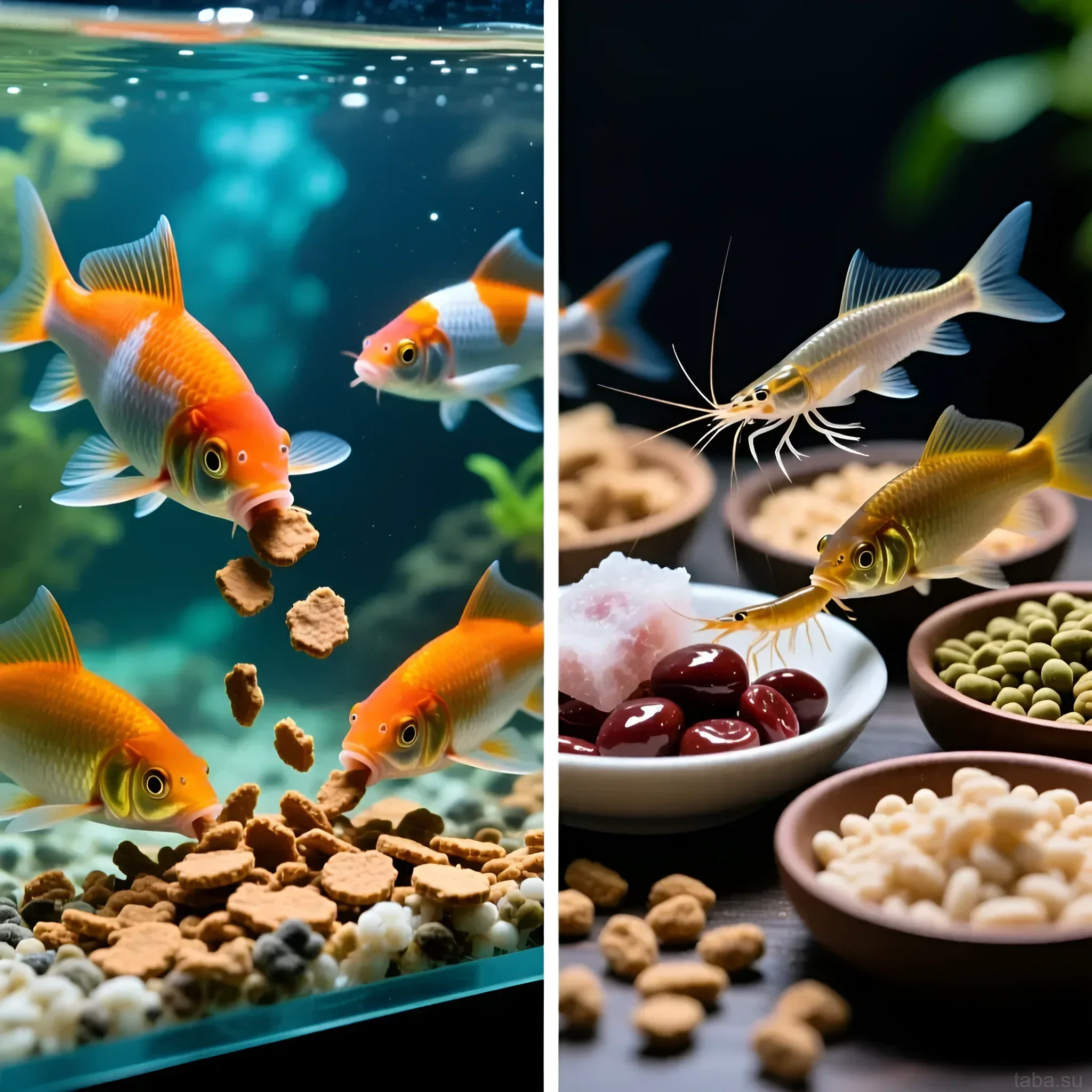
Choosing the right product and following proper feeding techniques are critical to maximizing the benefits of flakes.
Criteria for Choosing Quality Flakes:
- Check the Ingredients: The first three ingredients should be sources of animal or plant protein (fish meal, krill, spirulina). Avoid foods where wheat flour or corn is listed first.
- Analyze the Guaranteed Analysis: Crude protein content should be at least 40% for most tropical fish.
- Packaging Integrity: Always choose foods in vacuum-sealed or airtight packaging that protects from light and moisture.
- Brand Reputation: Prefer well-known manufacturers who invest in scientific research and use high-quality raw materials.
Technique for Proper Flake Feeding:
Feeding “a pinch” is a dangerous myth. Feed strictly according to the fish’s needs.
The 5-Minute Rule:
- Measure out the amount of food that the fish can completely consume within 3–5 minutes.
- If food remains, reduce the portion. If the fish eat everything within 30 seconds, the portion may be too small.
- Feed 2–3 times a day in small portions, not once in a large portion.
Importance of Variety: Even the best flakes should not constitute 100% of the diet. They should be combined with frozen (bloodworms, brine shrimp) or live foods to stimulate natural behavior and ensure a full spectrum of nutrients.
Dry Flakes vs. Other Types of Food: When to Switch or Supplement
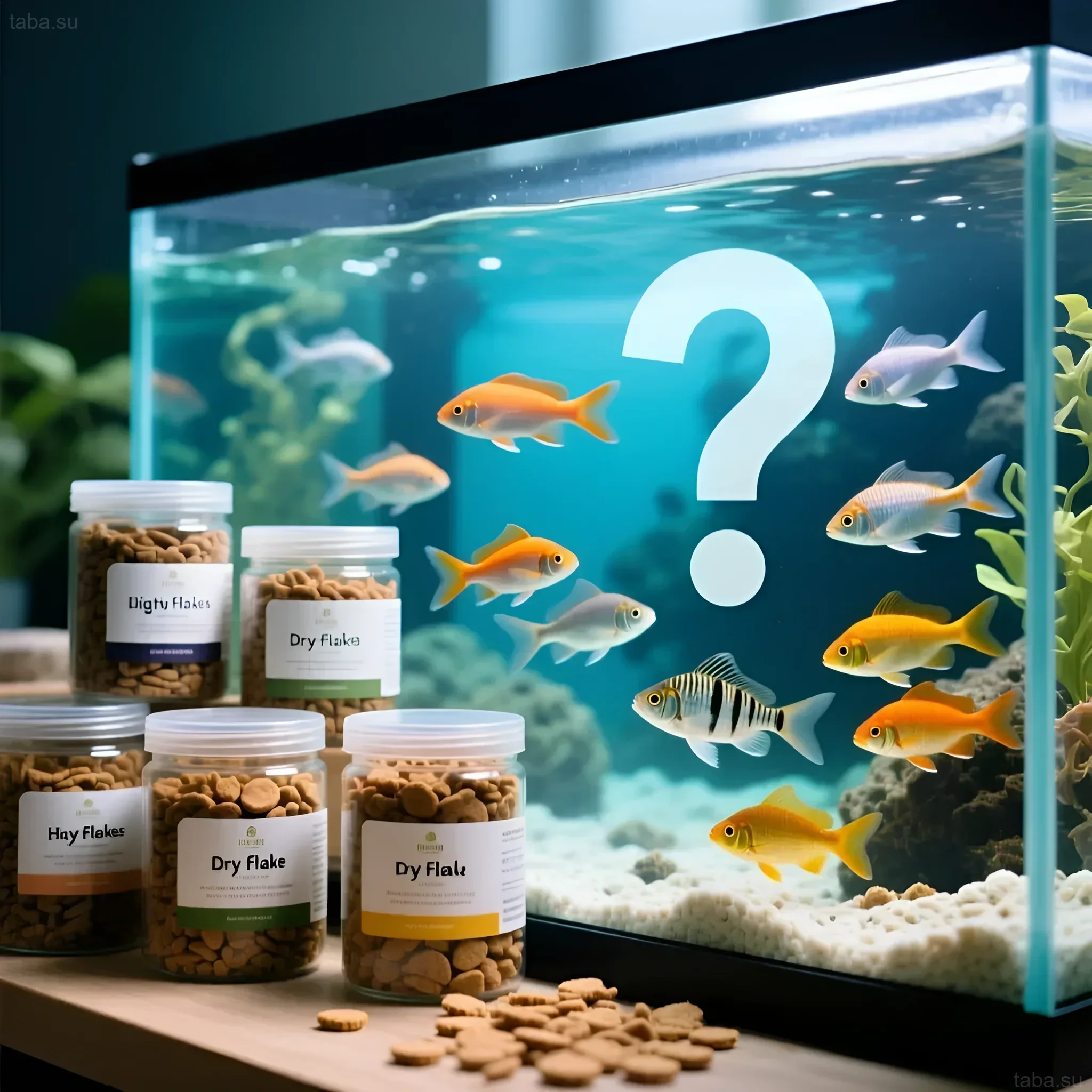
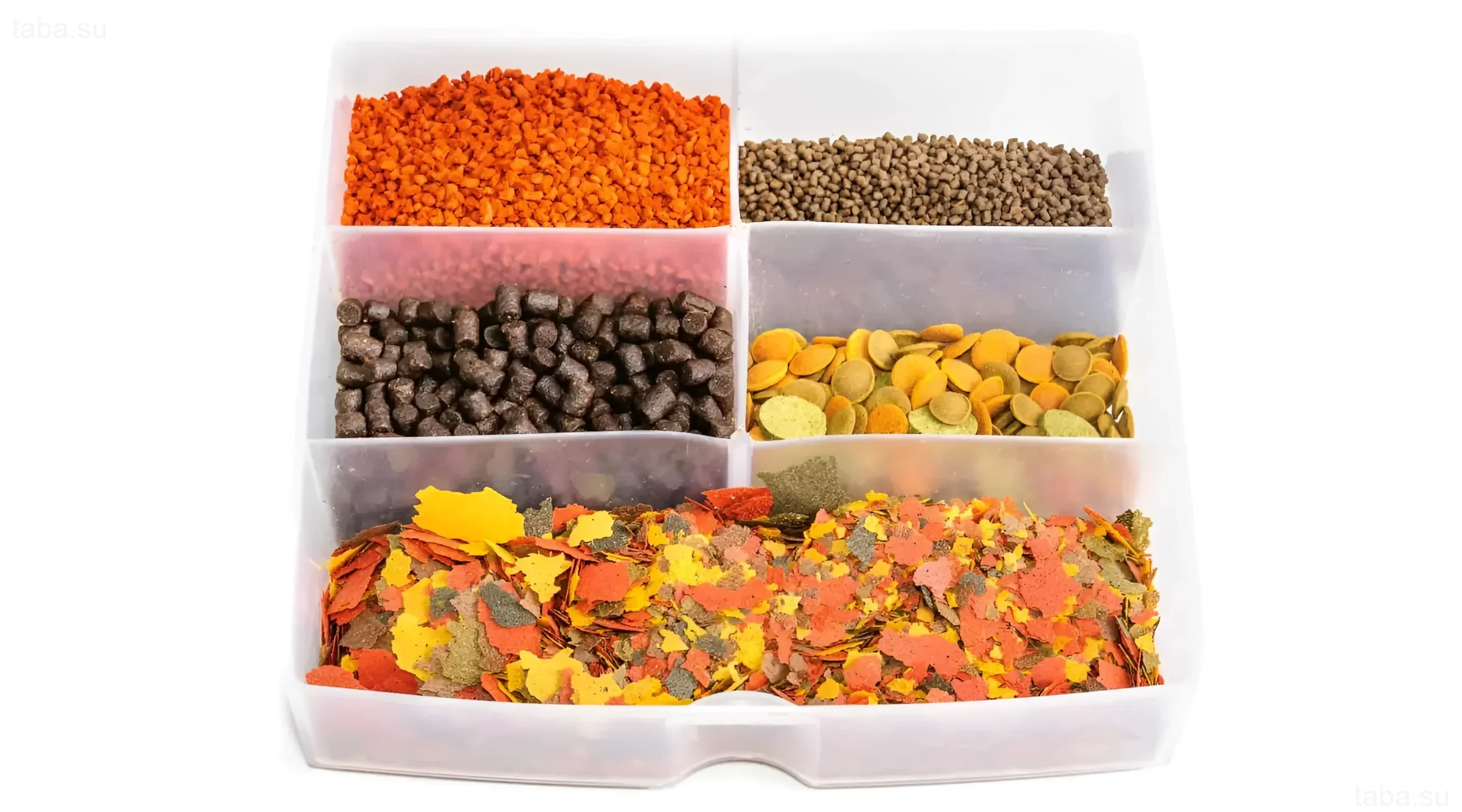
There are many forms of food in aquaristics (pellets, tablets, sticks, frozen), each serving its own purpose. Flakes are an excellent base, but they are not universal.
| Type of Food | Advantages over Flakes | Recommended for |
|---|---|---|
| Pellets/Granules | Denser, pollute water less, sink. Retain nutrients longer. | Large fish, cichlids, mid and lower water levels. |
| Tablets (Wafers) | Sink quickly, remain intact on the bottom for a long time. | Catfish (Ancistrus), Corydoras, bottom-dwelling fish. |
| Frozen/Live | High nutritional value, mimics natural prey, contains more moisture. | Predatory fish, breeding stimulation, essential diet supplement. |
Conclusion: Flakes should constitute approximately 50–70% of the diet for most omnivorous fish, with the remaining 30–50% coming from more specialized and fresh foods.
Frequently Asked Questions About Aquarium Flakes
Can flakes be the only food?
Expert Answer: Theoretically, high-quality, complete flakes can ensure survival. However, for optimal health, vibrant coloration, active growth, and successful breeding, variety is critical. A monodieta, even on the best food, will eventually lead to a deficiency of certain micronutrients and a weakened immune system.
Is it true that flakes cause swim bladder problems?
Expert Answer: Flakes themselves do not cause swim bladder problems, but improper feeding does. If a fish quickly swallows dry flakes that then swell in its stomach, it can compress the swim bladder. This risk is especially high in goldfish and other short-bodied species. Soaking flakes is recommended.
How long can an opened can of flakes be stored?
Expert Answer: Most manufacturers recommend using opened food within 3–6 months. After this period, even if the food looks normal, the content of vitamins and fatty acids drops sharply, and it becomes practically an “empty” filler.
Interesting Facts About Aquarium Fish Nutrition
- Historical Breakthrough: The first commercial dry flakes were invented in the 1950s, revolutionizing aquaristics and making the hobby accessible to the general public, as live foods were the primary diet before.
- Pellet Technology: Modern pellets and granules are often produced using an extrusion process (high pressure and temperature), which allows nutrients to be “sealed” inside, protecting them from oxidation better than in flakes.
- Fish Do Not Need a “Feeling of Fullness”: Unlike mammals, fish often lack a clear satiety signal and will eat as long as food is available. This is why overfeeding is the most common mistake of beginner aquarists, not underfeeding.
- Need for Chitin: Many fish that feed on insects or crustaceans in nature need chitin (found in exoskeletons) to stimulate intestinal function. Quality flakes often contain shrimp or krill meal, providing this component.
Dry flakes remain an indispensable tool in the hands of an experienced aquarist. By understanding their composition and adhering to storage and dosage rules, you can provide your pets with healthy and balanced nutrition, using flakes as a reliable dietary base.
Additional Images
Gallery of remaining images (click to view):