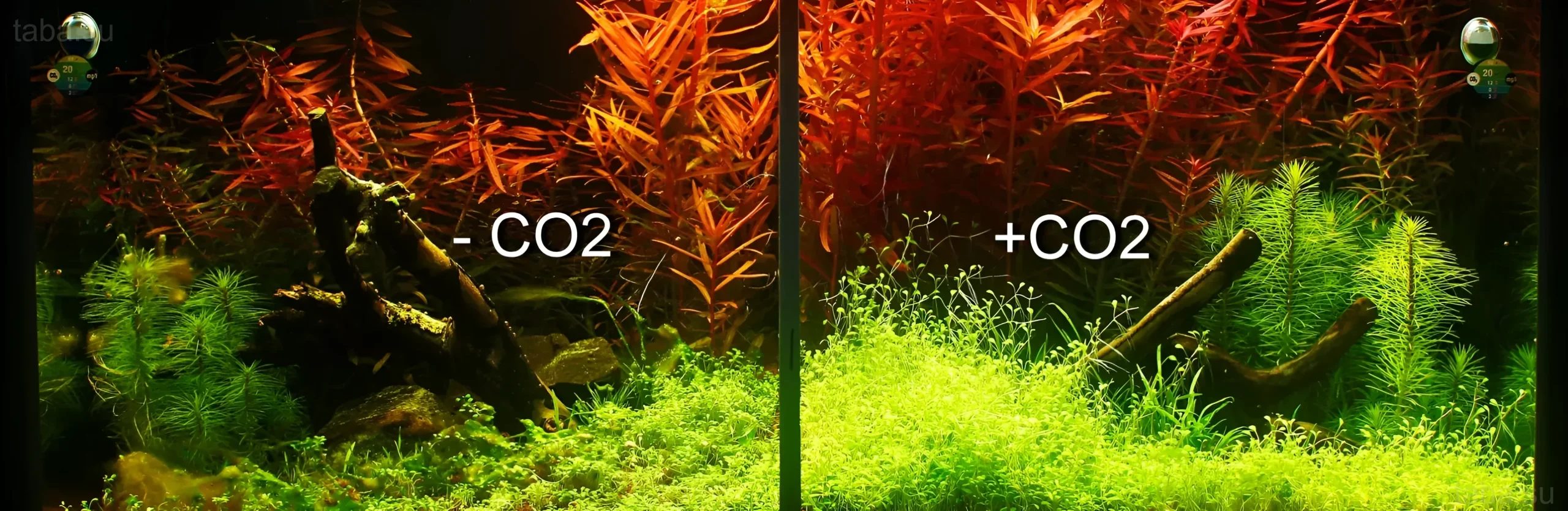
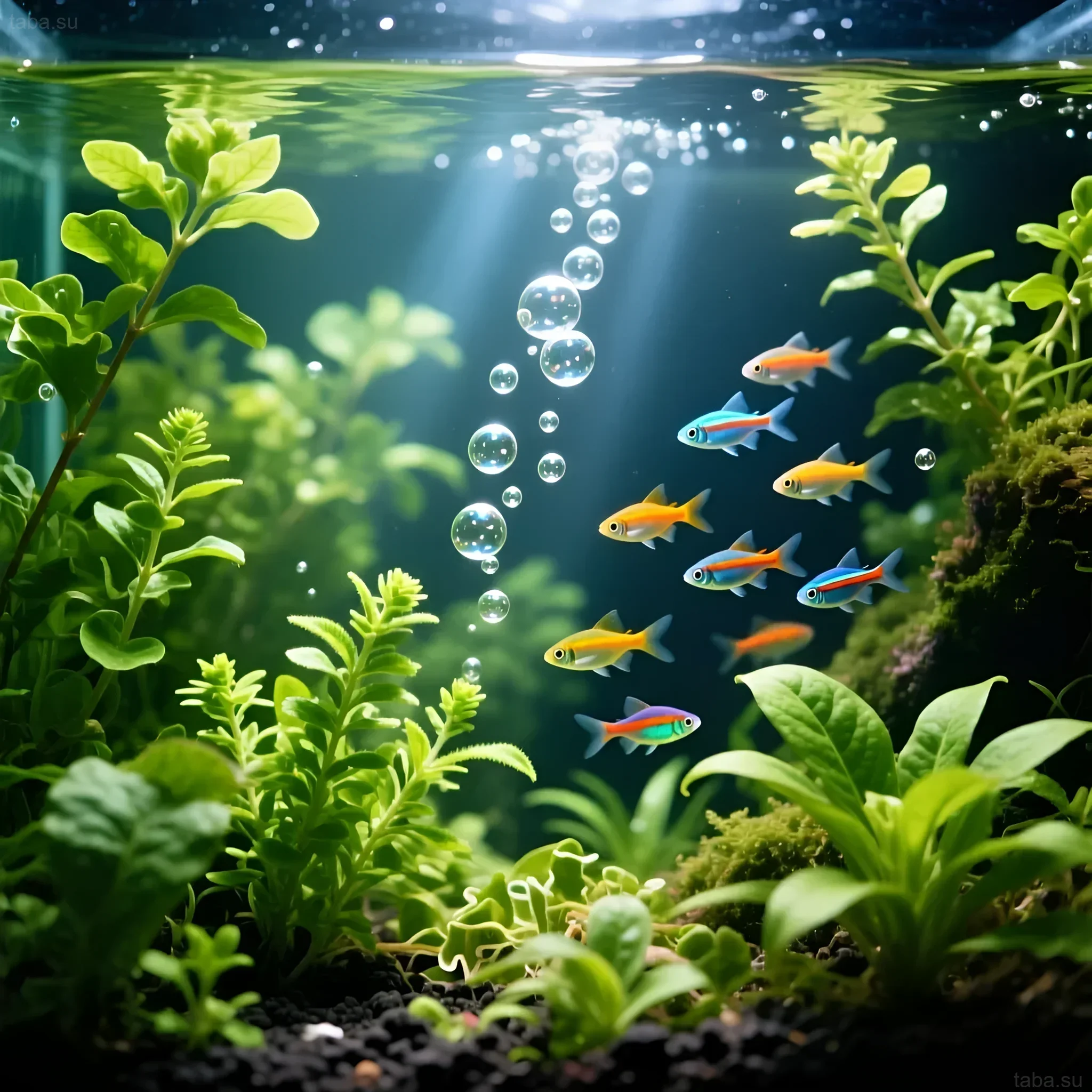
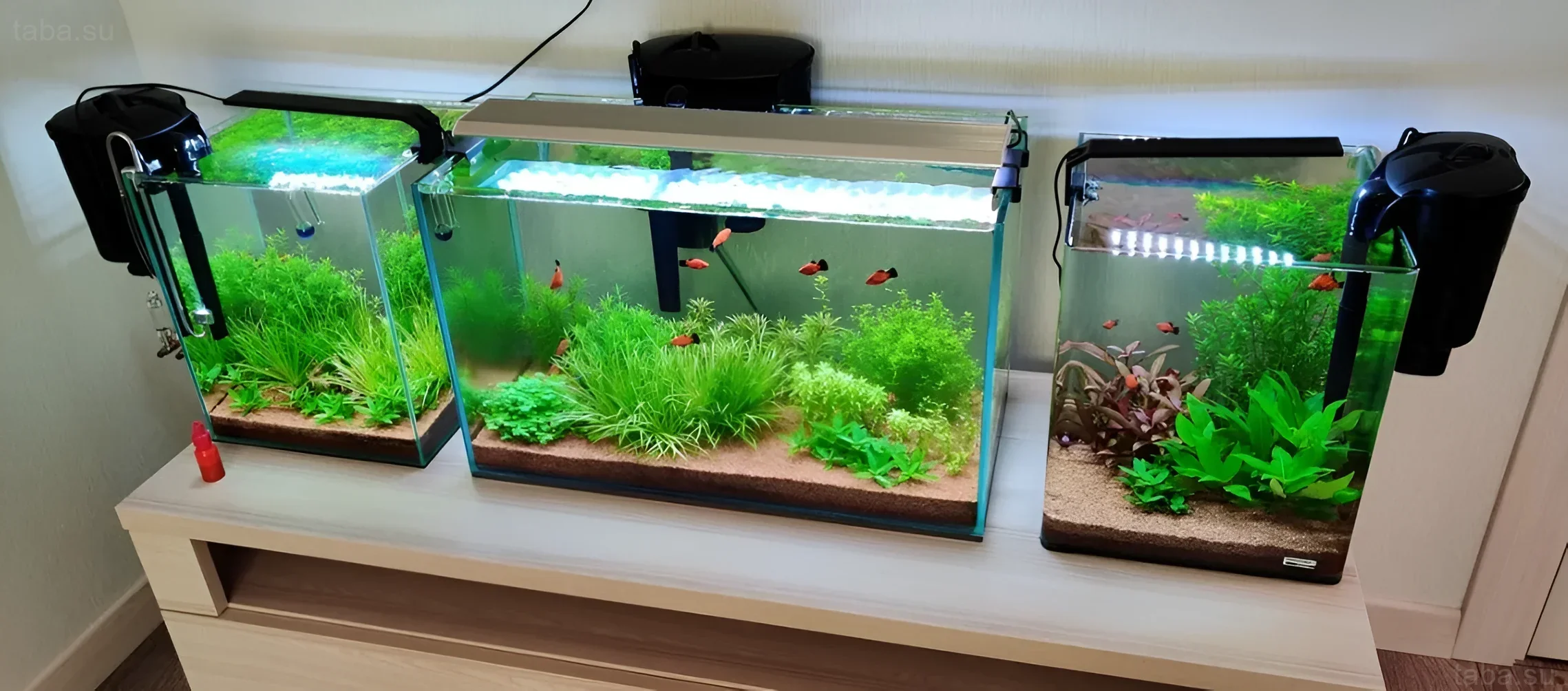
Aquaristics with live plants is not just a hobby, it’s a balance of a complex ecosystem where every element plays a critically important role. To achieve lush, healthy, and intensely green underwater landscapes (aquascaping), plants need to be provided with three key components: light, macro- and microelements, and, most importantly, carbon. Carbon (C) is the building material for all organic compounds, and its primary source in an aquarium is carbon dioxide (CO2).
CO2 in the Aquarium: Why Carbon is Vital for Plants
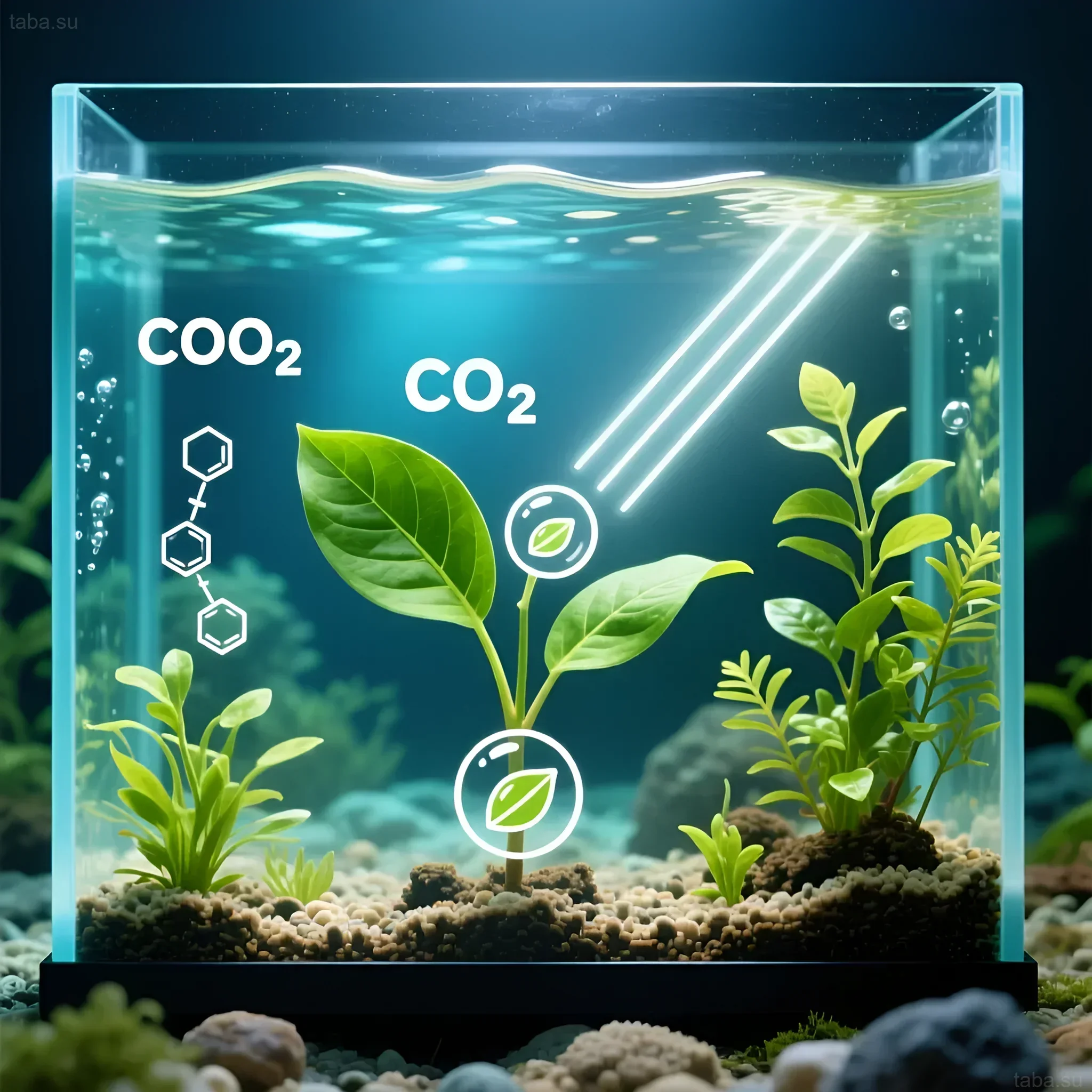
Carbon makes up to 40-50% of the dry weight of any plant. Without a sufficient amount of this element, plant organisms cannot build cells, synthesize proteins, and consequently, grow. In their natural environment, aquatic plants obtain CO2 from the atmosphere dissolved in water, as well as from decomposing organic matter. In a closed aquarium system, natural sources are often insufficient, especially if the aquarium is densely planted or uses powerful lighting.
Supplying additional carbon dioxide is not a luxury but a necessity for maintaining intensive growth. When experts talk about the “three pillars” of aquascaping, they always imply:
- Light: Energy to initiate the process of photosynthesis.
- Nutrients (Fertilizers): Building blocks (N, P, K, Fe, and microelements).
- CO2: The main building material (carbon).
If one of these factors is deficient, plant growth slows down or stops, inevitably leading to a disbalance and active growth of undesirable algae.
Photosynthesis and CO2: Basics for Beginner Aquarists
Carbon dioxide is a key reactant in the process of photosynthesis. Plants use light energy to convert water (H₂O) and carbon dioxide (CO₂) into glucose (sugar, necessary for growth) and oxygen (O₂). This process can be simplified by the formula:
Light + Carbon Dioxide + Water → Glucose + Oxygen
In the absence of sufficient CO2, even with ideal lighting and a full set of fertilizers, the photosynthesis process slows down. Plants are forced to use alternative, less efficient carbon sources, such as bicarbonates (HCO3-), which requires more energy expenditure.
For most popular and demanding species, such as Hemianthus callitrichoides ‘Cuba’ or Rotala rotundifolia, the CO2 concentration in the water should be in the range of 20–30 mg/l. This level cannot be achieved without forced supply.
Signs of CO2 Deficiency in an Aquarium: How to Recognize the Problem
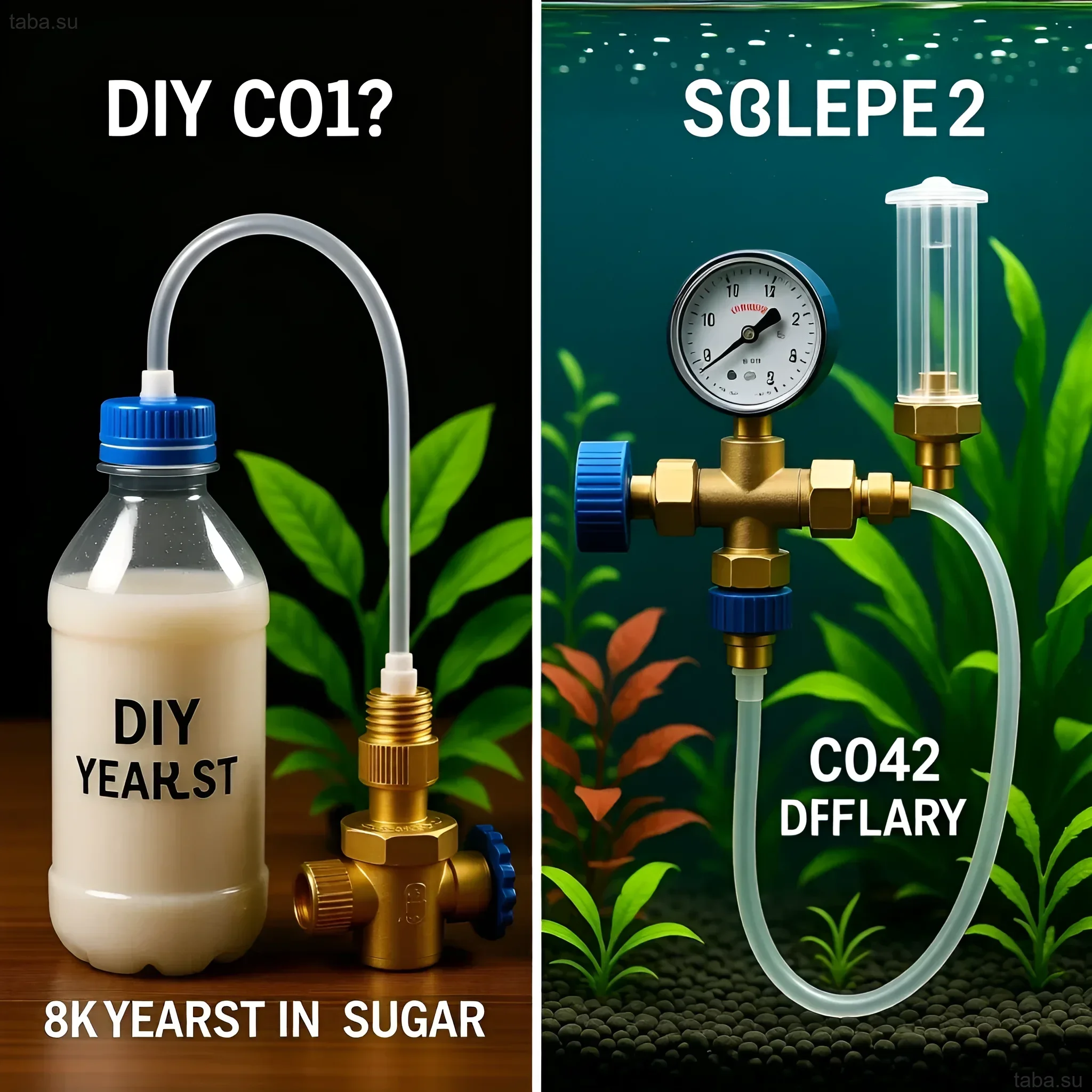
An experienced aquarist can determine carbon dioxide deficiency by the appearance of plants and the overall condition of the aquarium. CO2 deficiency is almost always accompanied by growth stagnation and active algae growth, as plants cannot compete for nutrients.
Typical signs of carbon deficiency:
- Growth Stoppage (Stagnation): Plants that should grow rapidly (e.g., Ludwigia or Hydrocotyle) stop producing new leaves or their growth slows to a minimum.
- Brittle and Fragile Leaves: Leaves become thin, pale, and break easily, especially in stem plants.
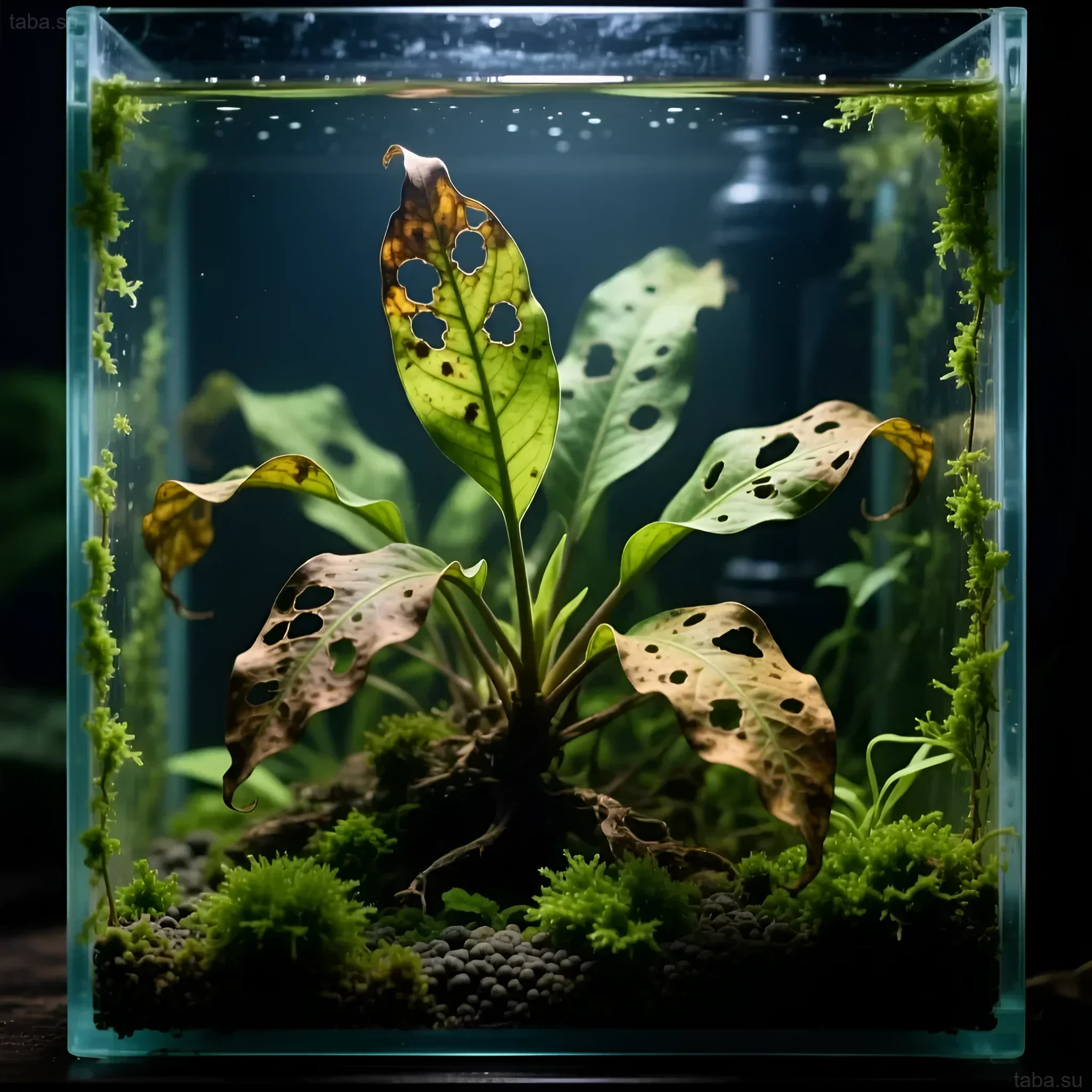
- Formation of “Holes” or Necrosis: Yellow or brown necrotic spots may appear on older leaves, although this can also indicate a deficiency of potassium or other macroelements.
- “Lime Scale” (Biogenic Calcification): Plants use bicarbonates, causing calcium carbonate to deposit on leaves as a white film. This effect is often observed in Vallisneria (Vallisneria spp.) and Egeria (Egeria densa).
- Algae Outbreak: The most common companion of CO2 deficiency is filamentous and Xenococcus algae, which infest slow-growing plants (e.g., Anubias barteri).
Methods of CO2 Supply to the Aquarium: Overview of Systems and Methods
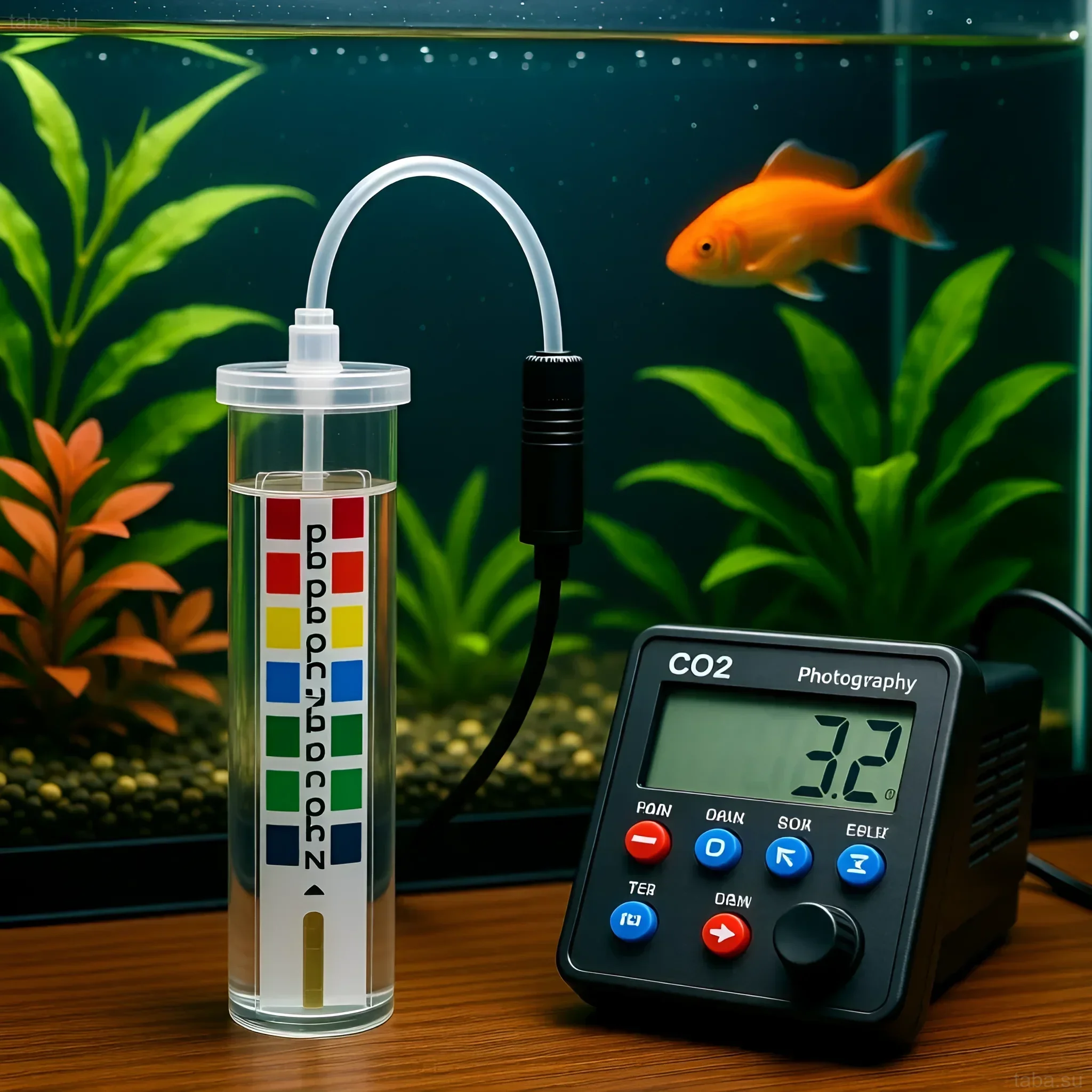
The choice of CO2 supply method depends on the aquarium size, budget, and plant requirements. Experts identify three main approaches, each with its pros and cons.
1. Cylinder (Professional) Systems
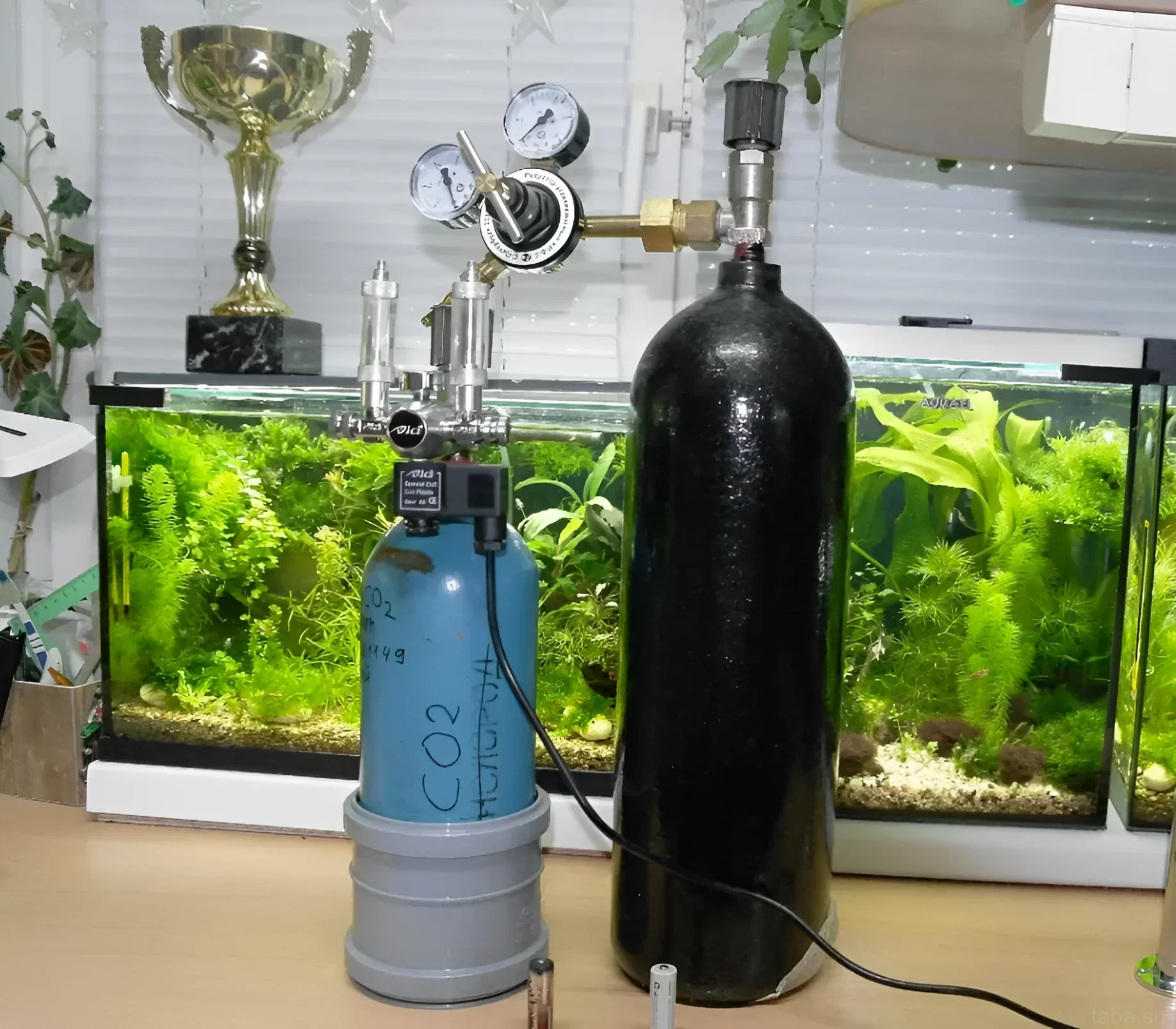
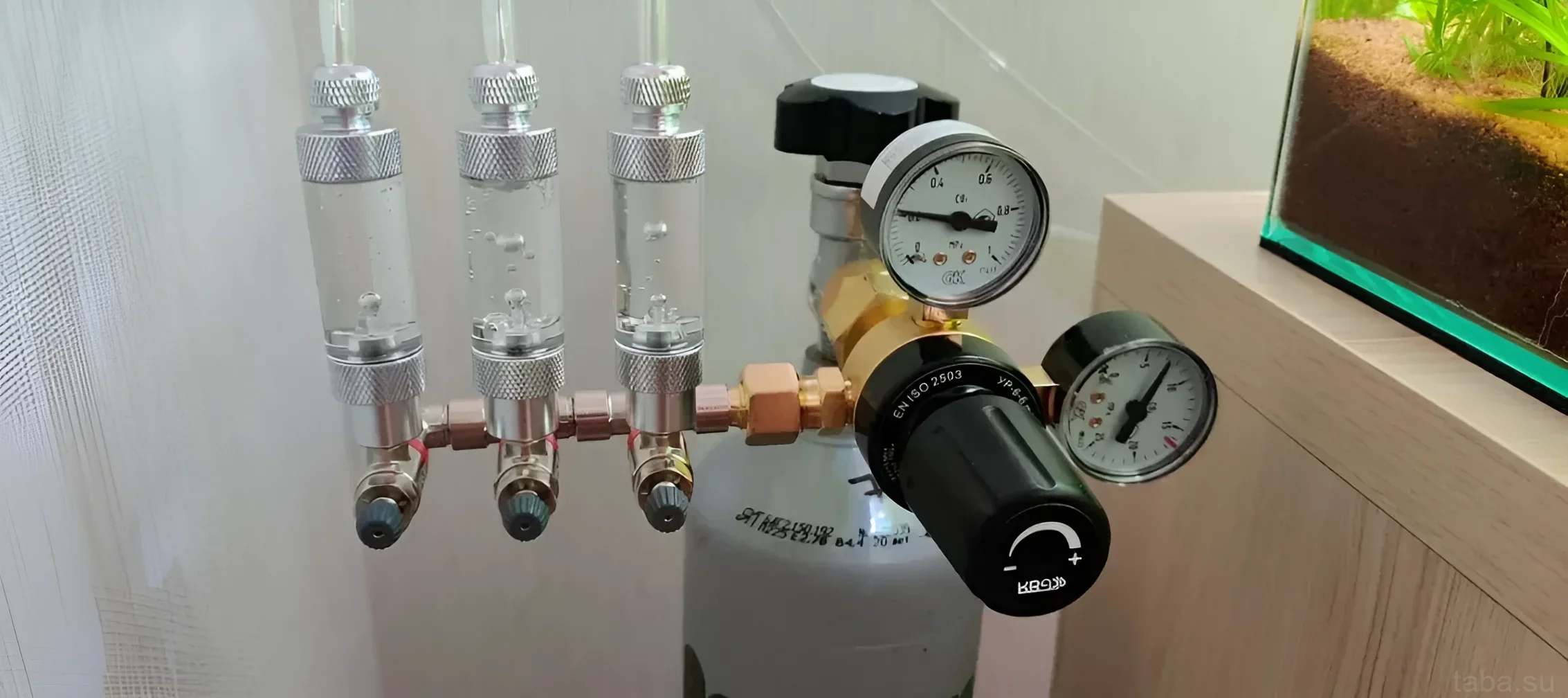
This is the most reliable and accurate method, recommended for aquariums from 50 liters and for aquascaping. The system consists of a high-pressure cylinder, a regulator, a solenoid valve, and a diffuser.
- Advantages: Stable concentration, high dosing accuracy, automation possibility (timer/pH controller), long-term cost-effectiveness.
- Disadvantages: High initial equipment cost, need for cylinder refilling.
2. Fermentation-Based Systems (Braga)
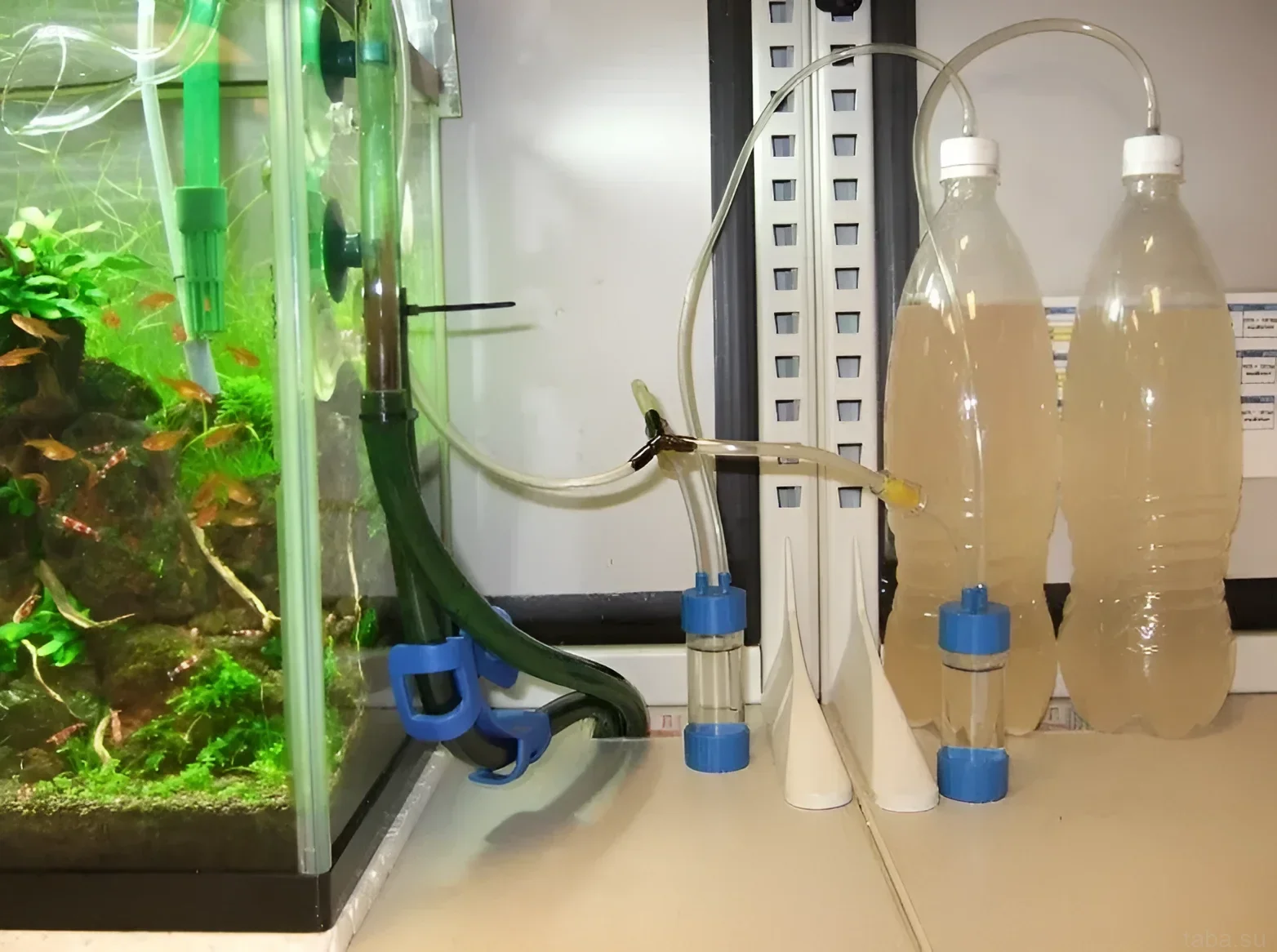
This method uses yeast and sugar to generate CO2. It is ideal for small aquariums (up to 60 liters) and for beginners who want to try the effect of CO2 without significant investment.
- Advantages: Extremely low cost, simple assembly.
- Disadvantages: Unstable supply (gas production depends on temperature and fermentation stage), impossibility of precise regulation, need for regular mixture replacement.
3. Liquid Carbon (Aldehydes)
Products like glutaraldehyde (e.g., “Seidex”) are not a direct source of CO2 but serve as a source of organic carbon and have a strong algicidal effect. This is an additive, not a complete replacement for a gas system.
- Application: Used as a supplement to fertilizers in aquariums without gas supply, and also for algae control.
- Important: Strict dosing is required, as overdose is toxic to some aquatic life, especially shrimp.
CO2 Setup and Control: A Practical Guide
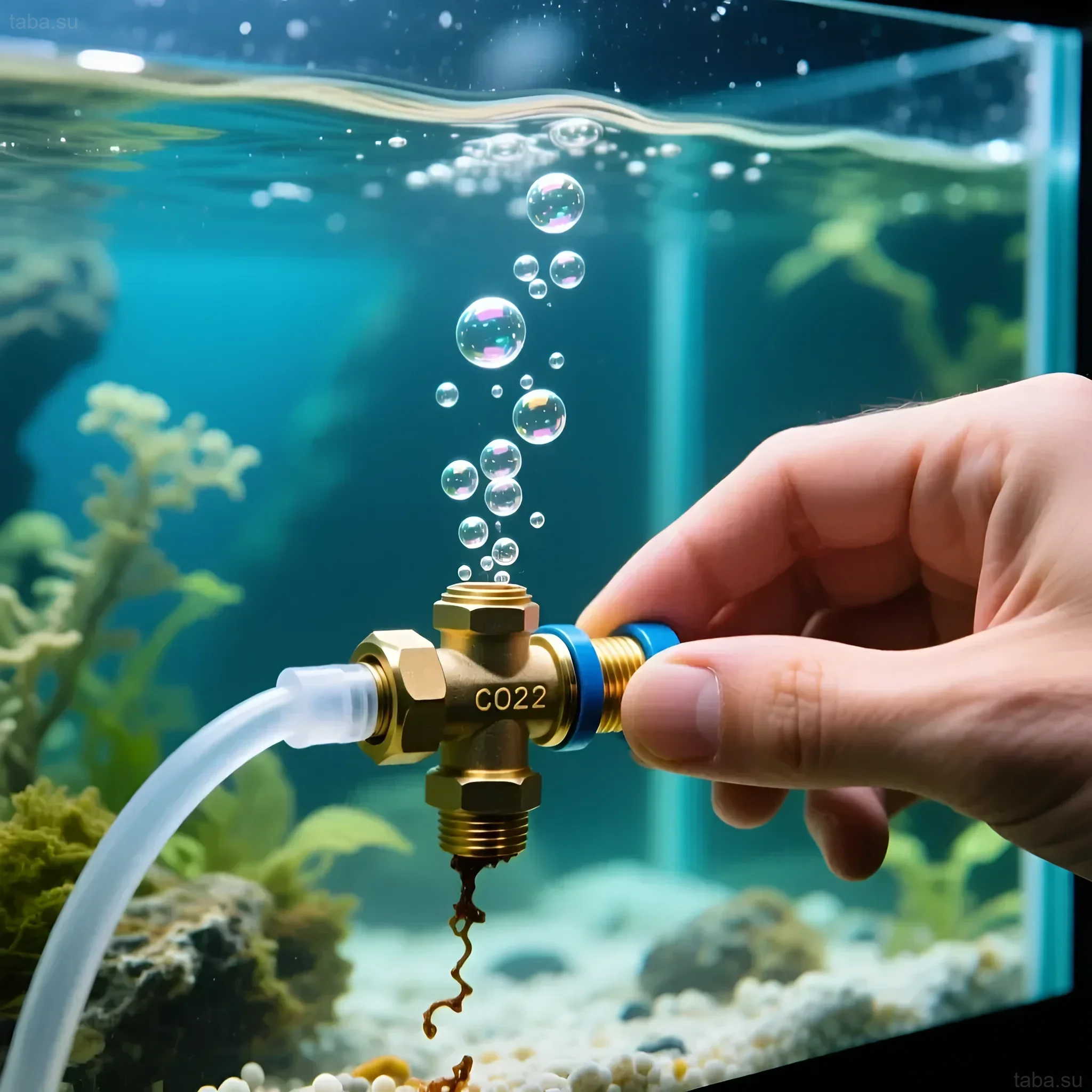
Proper CO2 system setup is critically important for fish safety and plant health. The main goal is to maintain a stable CO2 concentration within the range of 20–30 mg/l during the light period.
Key Control Elements
1. Regulator and Needle Valve: The regulator reduces the high pressure in the cylinder to a working pressure, and the needle valve allows for precise adjustment of the gas flow rate (bubbles per minute).
2. Solenoid Valve: Allows for automatic switching of CO2 supply on and off. The valve should be connected to a light timer. CO2 supply should begin 1–2 hours before the lights turn on and stop 1 hour before they turn off.
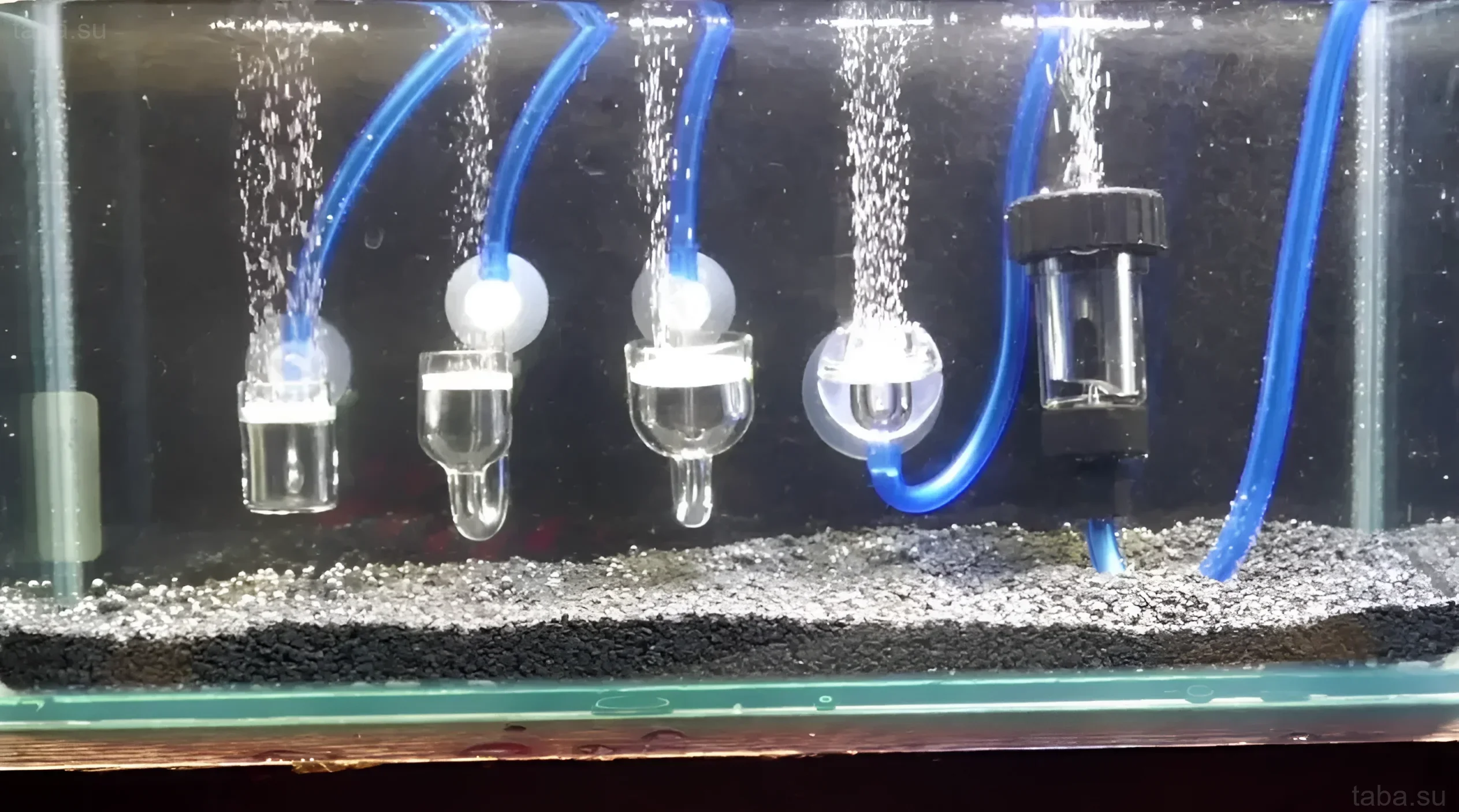
3. Diffuser: A device that breaks the gas into tiny bubbles for efficient dissolution in water. The smaller the bubbles, the better the absorption. For large aquariums (from 200 L), reactors are often used, which completely dissolve the gas in the external filter.
Using a Drop Checker
A drop checker is an essential tool for monitoring CO2 concentration. It contains an indicator fluid (a solution of KH 4° and pH reagent) that changes color depending on the CO2 level in the aquarium:
- Blue: CO2 deficiency (less than 15 mg/l).
- Green: Ideal level (20–30 mg/l).
- Yellow: CO2 overdose (over 35 mg/l), dangerous for fish.
The drop checker reacts to changes in the water with a 1–2 hour delay, so it should be used for general monitoring, not for immediate reaction.
Problems and Solutions: What to Do if CO2 Isn’t Working or Causes Issues
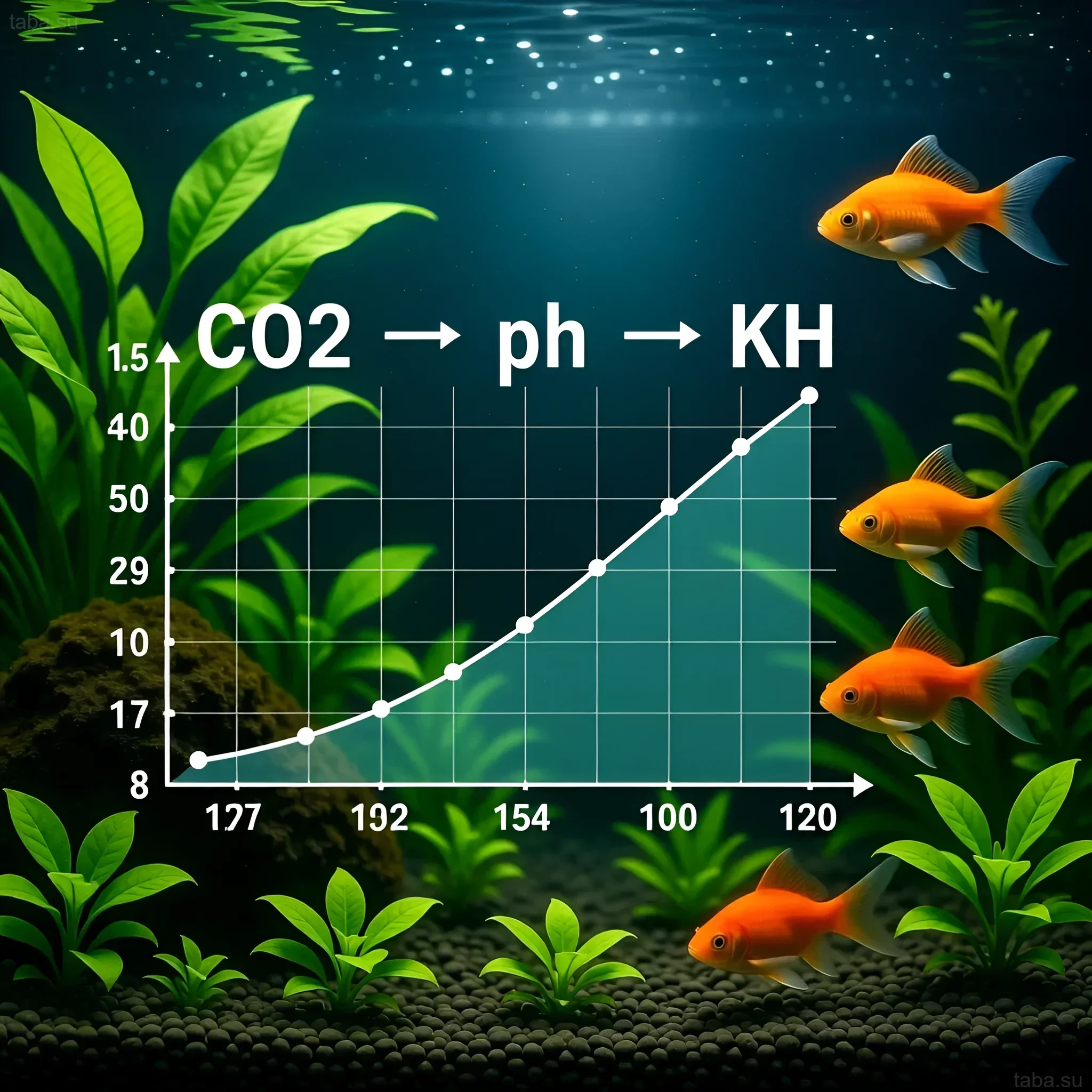
Introducing CO2 can cause a number of problems if the balance with other parameters is not maintained. Most difficulties are related to either insufficient gas dissolution or overdose.
Problem 1: Fish are Suffocating
Cause: Too high CO2 concentration (yellow drop checker color). CO2, when dissolved, reduces oxygen levels and pH. Fish (e.g., neons, Paracheirodon innesi, or rasboras, Trigonostigma heteromorpha) start rising to the surface and gasping for air.
Solution: Immediately turn off CO2 supply. Increase aeration (turn on the air pump or raise the filter output). Perform a water change. Reduce the gas flow rate.
Problem 2: Plants Aren’t Growing Despite CO2
Cause: “Law of the limiting factor” – if there is a deficiency of light or another nutrient (e.g., nitrates or phosphates), adding CO2 will not help. Often, it’s a deficiency of potassium (K) or iron (Fe).
Solution: Check water parameters for macro- and microelements. Ensure that the lighting meets the plants’ needs. Check the diffuser’s effectiveness – the gas may not be dissolving well.
Problem 3: Active Algae Growth
Cause: Unstable CO2 supply or insufficient CO2 at the beginning of the light period. Algae adapt to fluctuations faster than higher plants.
Solution: Ensure a stable supply (ideally 24/7, but with nighttime shutdown for economy). Make sure the supply starts well before the lights turn on.
CO2 and Other Water Parameters: Interconnection and Balance
Carbon dioxide is closely linked to two crucial water parameters: pH (acidity) and KH (carbonate hardness).
Effect of CO2 on pH
When dissolved in water, CO2 forms carbonic acid (H₂CO₃), which lowers pH. This relationship allows for the use of pH controllers to automatically manage CO2 supply: as soon as the pH rises above the set value, the controller turns on the gas supply.
Important Formula (Redfield Table):
There is a direct relationship between pH, KH, and CO2 concentration. Knowing two parameters allows you to calculate the third. This table is the basis for safe dosing.
The Role of Carbonate Hardness (KH)
KH is the buffering capacity of water, i.e., its resistance to pH changes. The higher the KH, the more CO2 will be required to reach the target pH level and, consequently, a concentration of 20–30 mg/l. In water with very low KH (e.g., 1–2°), even a small amount of CO2 can cause a sharp drop in pH, which is dangerous for fish.
- Low KH (1–3°): Requires very careful CO2 supply and constant pH monitoring. Ideal for many tropical fish, but the risk of pH shock is high.
- Medium KH (4–8°): The most stable range for working with CO2.
- High KH (over 10°): Requires a very large amount of CO2, which can be uneconomical.
FAQ: Answers to the Most Popular Questions About CO2 in Aquariums
1. Is it necessary to supply CO2 at night?
During darkness, plants do not photosynthesize; instead, they consume oxygen and release CO2 (respiration). If gas supply continues at night, CO2 concentration can critically rise, causing suffocation in fish. Therefore, experts recommend always turning off CO2 supply at night using a solenoid valve.
2. Can CO2 be used in an aquarium with shrimp?
Yes, but with caution. Shrimp (especially dwarf species like Cherry shrimp, Neocaridina davidi) are very sensitive to sudden pH fluctuations. It is necessary to maintain a stable CO2 concentration, not exceeding 30 mg/l (yellow drop checker color).
3. Do all plants need additional CO2?
No. There are “undemanding” species (e.g., Java moss – Taxiphyllum barbieri, or Anubias – Anubias spp.) that grow well using natural carbon in the water. However, to achieve maximum growth rate and density, even these species will benefit from CO2 supply. For most red, carpeting, and fast-growing plants, CO2 is a mandatory condition.
4. What number of bubbles per minute is optimal?
The number of bubbles (BPS – bubbles per second) is only an approximate guideline that depends on the aquarium size, diffuser efficiency, and water KH. The general rule is 1 bubble per second for every 50 liters of volume. However, the only reliable control method is the drop checker, which should show a stable green color.
Additional Images
Gallery of remaining images (click to view):