
Professional aquaristics requires not only a deep understanding of biology and chemistry but also impeccable control over water parameters. Manual addition of supplements, especially in large volumes or in systems with high stability requirements, is always associated with the risk of error and, more importantly, with inevitable daily fluctuations in concentrations. Transitioning to automated dosing systems is a key step towards creating a truly stable and thriving aquatic system, whether it’s a high-tech planted tank or a specialized shrimp aquarium.
The use of dosing pumps, which have come into the freshwater world from marine aquaristics (where they are standard for the Balling method), allows for precise and regular addition of essential macroelements such as calcium, magnesium, and carbonates (soda), ensuring ideal conditions for aquatic plant growth and the health of aquatic life.
Dosing Pumps in the Aquarium: Automating Balling for Lush Plant Growth
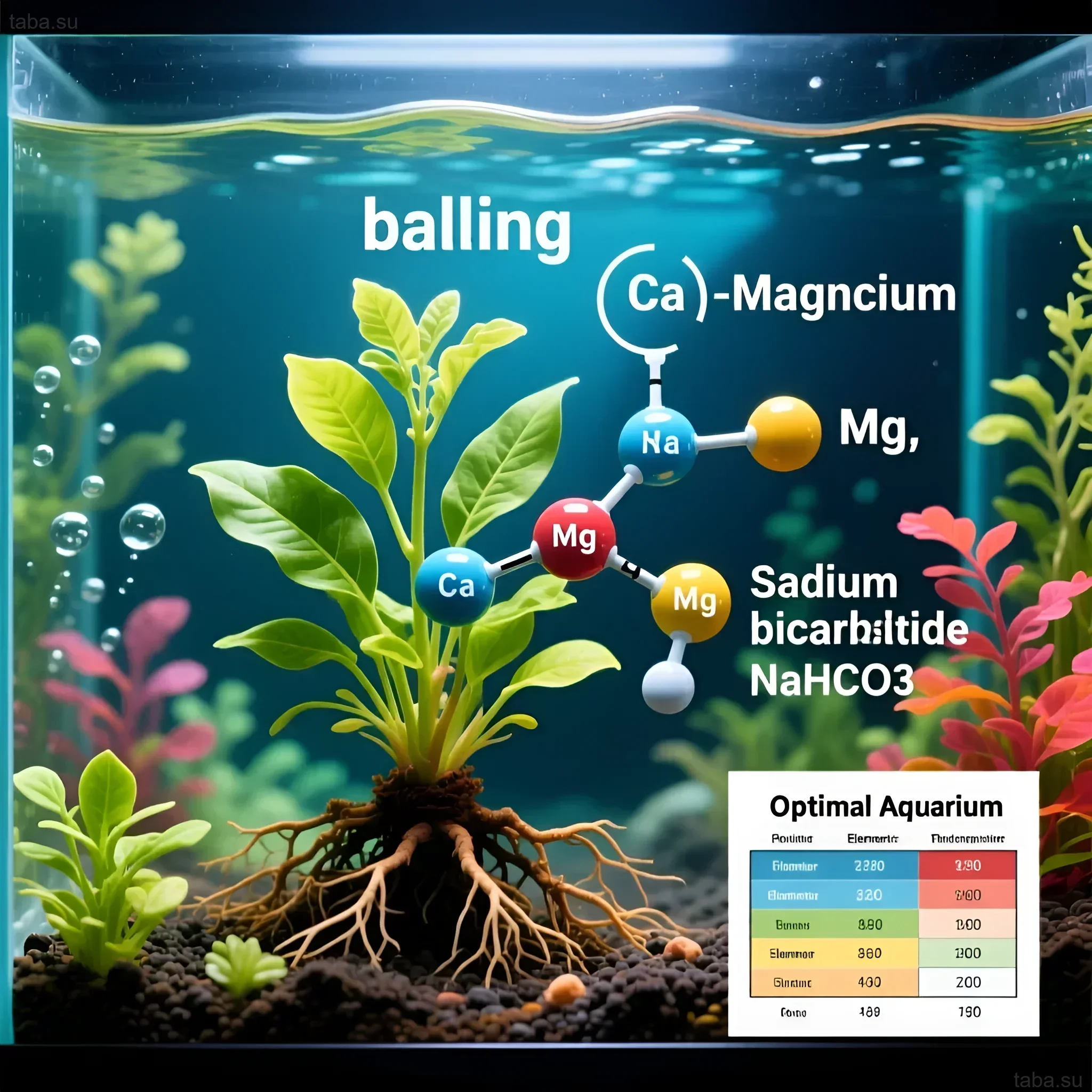
A dosing system is the heart of an automated aquarium. Its primary task is to mimic natural processes where nutrients are supplied to the water constantly and evenly, rather than in a single “shock” dose, as happens with manual addition.
Why is Dosing Automation Necessary?
- Parameter Stability: Constant addition of small portions prevents sharp fluctuations in GH (general hardness) and KH (carbonate hardness), which are critical for many delicate plants and invertebrates (e.g., Caridina shrimp).
- Accuracy: Dosing pumps (dispensers) provide accuracy up to 0.1 ml, which is impossible with manual measurement.
- Time Saving: After initial setup, the system operates autonomously, freeing the aquarist from daily duties.
- Deficiency Prevention: Regular supply of macroelements prevents the development of calcium deficiency, which manifests as deformation of young leaves or slow growth of mollusks.
Balling: Basics and Why Calcium, Magnesium, and Soda are Needed
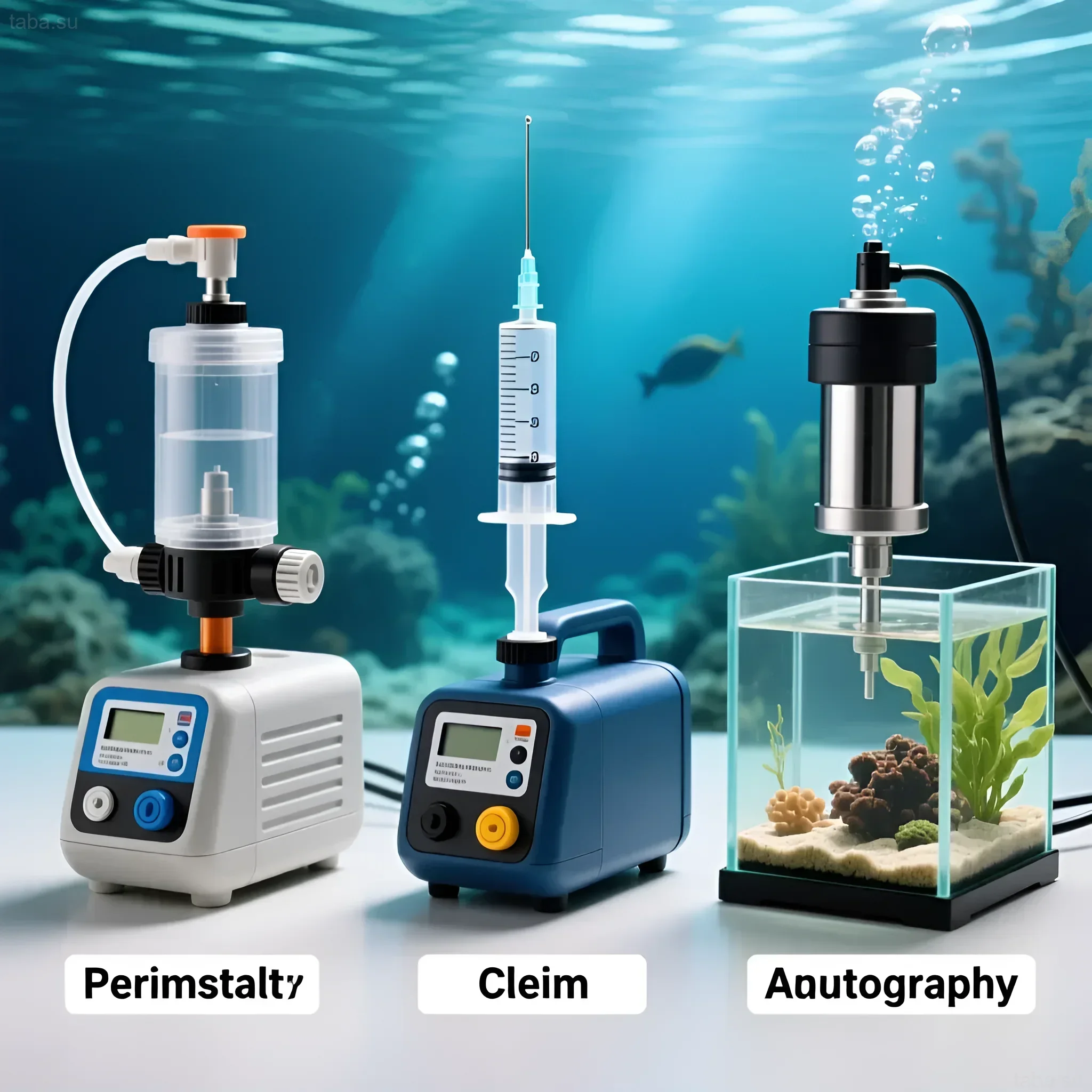
Although the term “Balling Method” is historically associated with marine aquariums and maintaining alkalinity and calcium for coral growth, its principle is perfectly adaptable for controlling macroelements in freshwater systems, especially with high consumption rates.
Key Components of the Balling System (Adaptation for Freshwater Aquarium):
In a freshwater aquarium, the Balling system often boils down to the balanced addition of three key solutions that maintain general and carbonate hardness, as well as prevent ionic imbalance:
- Calcium (Ca): Usually added in the form of calcium chloride (CaCl₂) or calcium nitrate (Ca(NO₃)₂). Calcium is essential for plant cell wall formation, tissue strengthening, and, importantly, for building the shells of snails (e.g., Neritina, Pomacea) and the exoskeletons of shrimp.
- Magnesium (Mg): Added in the form of magnesium sulfate (MgSO₄). Magnesium is the central atom in the chlorophyll molecule. Its deficiency leads to chlorosis (yellowing) of older leaves, especially in fast-growing species (e.g., Hygrophila polysperma).
- Carbonates (Soda): Added in the form of sodium bicarbonate (NaHCO₃), i.e., baking soda. This component is critically important for maintaining carbonate hardness (KH) and water buffering capacity. KH stabilizes pH, preventing dangerous fluctuations, especially in aquariums with active CO₂ injection.
Importance of Balance: The key principle of Balling is the addition of balanced ions. When we add calcium (Ca²⁺), we must simultaneously add carbonates (HCO₃⁻) and magnesium (Mg²⁺) to avoid excessive accumulation of one type of ion (e.g., chlorides or sulfates) and prevent precipitation of essential elements.
Dosing Pumps: Types, Principle of Operation, and Choosing the Right Model
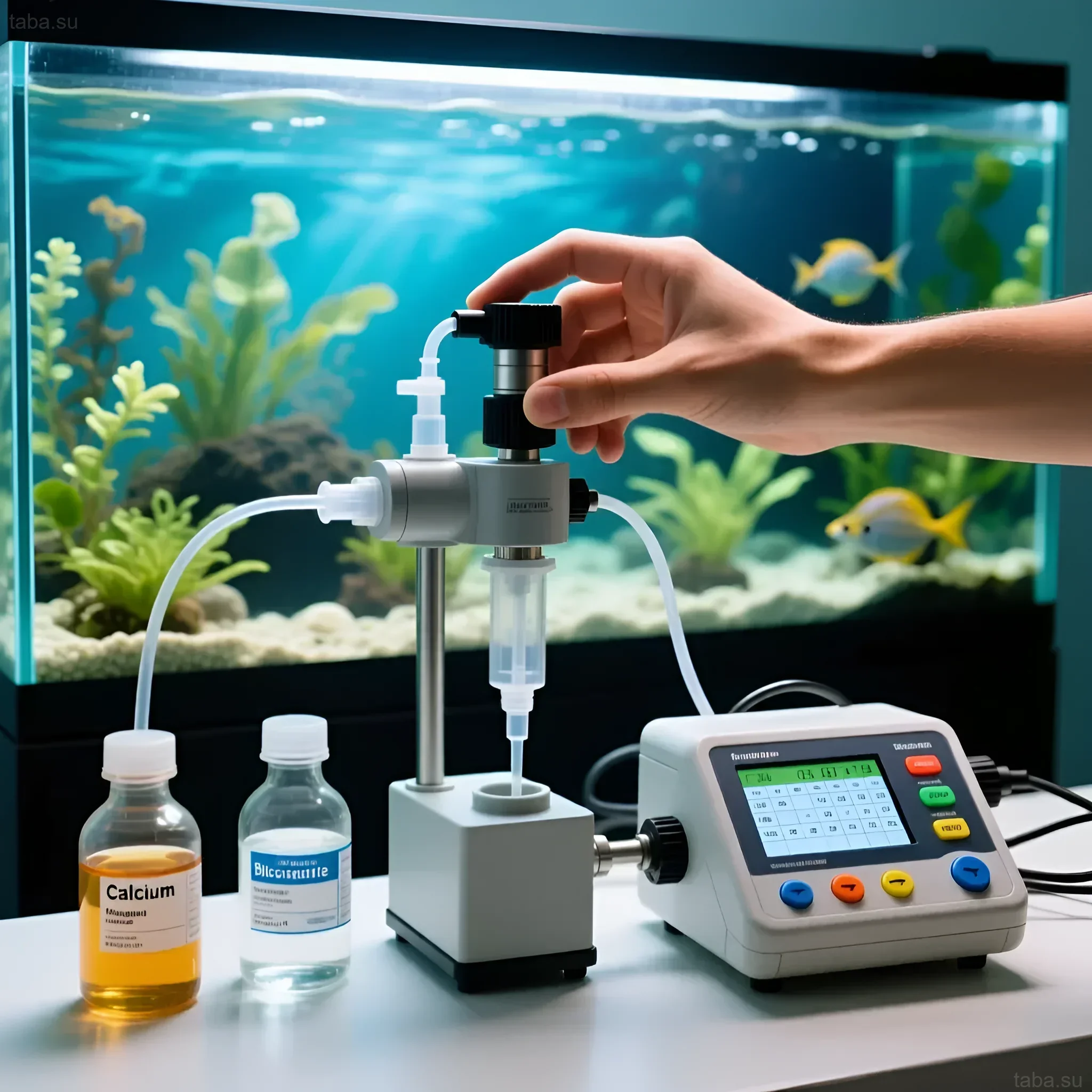
The vast majority of dosing systems are based on the use of peristaltic pumps. Their design is ideal for aquaristics, as the solution only comes into contact with the tubing, not the mechanical parts of the pump, which minimizes the risk of corrosion and contamination.
Princ of Operation of a Peristaltic Pump
A peristaltic pump works by compressing a flexible tube. A rotor with rollers rotates, sequentially squeezing the tube. This creates a closed volume of liquid that moves forward. Advantages include high accuracy and the ability to work with aggressive chemical solutions.
Criteria for Choosing a Dosing Pump
- Number of Channels (Heads): For a basic Balling system (Ca, Mg, KH), at least three channels are required. If you also plan to automate the addition of liquid fertilizers (NPK, trace elements), choose models with 4–8 channels.
- Dosing Accuracy: Professional models should provide accuracy from 0.1 ml. This is critical when working with highly concentrated solutions.
- Flow Rate: Ensure the pump can dispense both very small volumes (e.g., 1 ml per day) and, if necessary, large volumes for larger aquariums.
- Tubing Quality: Tubing should be made of durable materials (e.g., Tygon or Santoprene) resistant to chemical attack from salts and acids.
- Interface and Programming: Modern pumps offer convenient programming via Wi-Fi or Bluetooth, allowing you to set multiple doses throughout the day (e.g., 24 doses of 0.5 ml instead of one dose of 12 ml).
Installation and Setup of a Dosing Pump for Balling: Step-by-Step Instructions
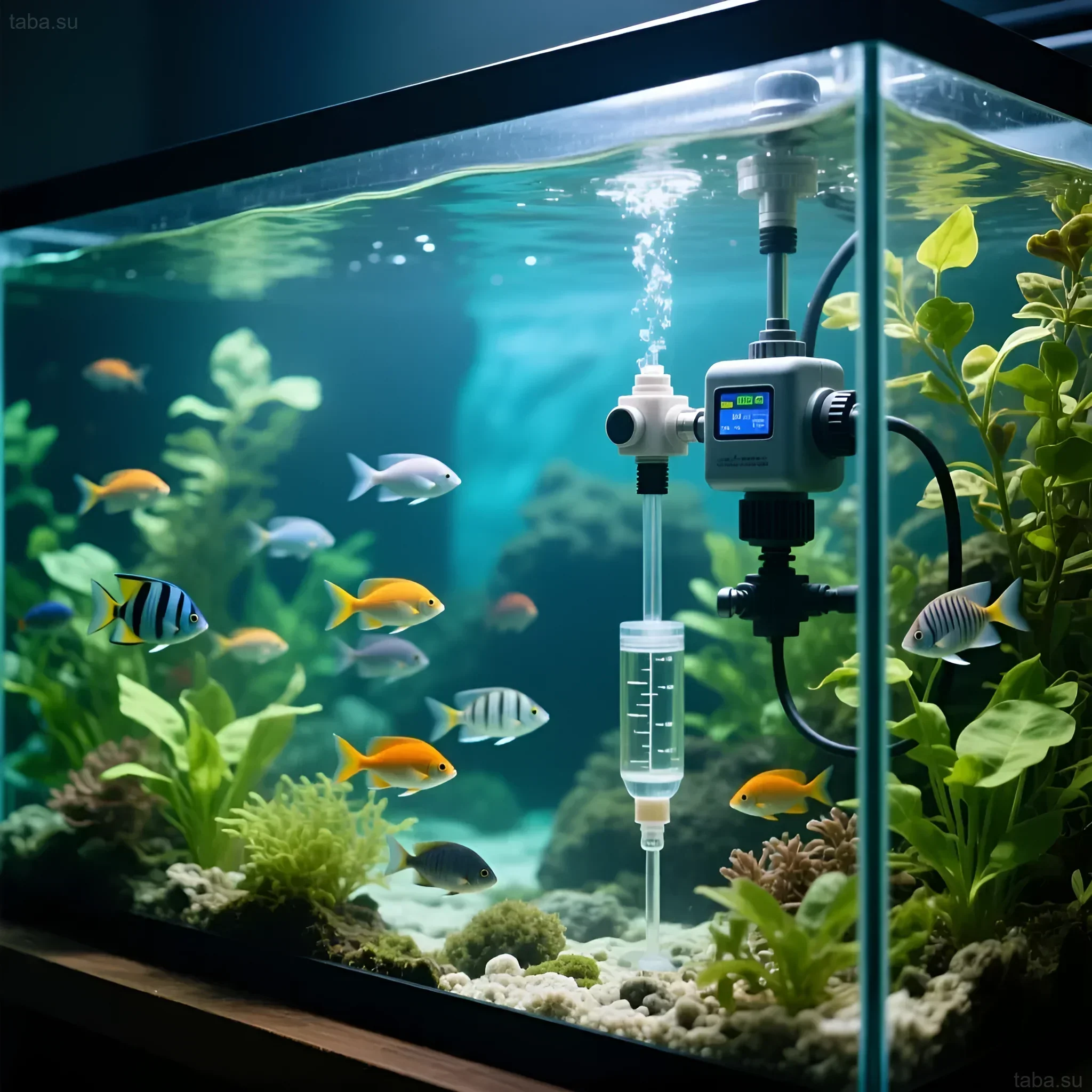
Proper setup ensures accuracy and prevents overdosing, which can be detrimental to the system.
Step 1: Preparing and Labeling Solutions
Solutions (Ca, Mg, NaHCO₃) are prepared separately in distilled or RO water. The concentration should be such that the daily dose is at least 5-10 ml. This increases the pump’s accuracy.
- Containers: Use sealed, opaque containers for storing solutions.
- Labeling: Strictly label containers to avoid confusion when connecting tubing.
- Safety: Never mix concentrated calcium and carbonate solutions in the same container, as they will immediately precipitate.
Step 2: Pump Calibration
Even new pumps can have inaccuracies. Calibration is mandatory:
- Set the pump to dispense, for example, 10 ml.
- Collect the dispensed volume in a graduated cylinder.
- If the pump dispensed 9.8 ml, make an adjustment in the pump’s software (if possible) or manually adjust the daily dose calculation.
Step 3: Calculating the Initial Dose
Start with a minimal dose, based on the current consumption of elements in the aquarium. Consumption is determined by daily or weekly measurement of KH, GH, Ca, and Mg.
- Example: If KH drops by 1° dKH per day, calculate how many milliliters of soda solution (NaHCO₃) are needed to restore this parameter.
- Rule: Start with 50% of the calculated dose and gradually increase, monitoring water parameters.
Step 4: Placement and Programming
Place the pump above the water level to prevent siphoning. Tubing should be securely fixed in the aquarium or sump, preferably in an area of strong flow for rapid mixing.
Expert Programming Tip: Divide the daily dose into 4–8 additions. This ensures maximum stability and prevents local concentration spikes at the dosing point.
Auto-Top-Off in the Aquarium: Integration with Dosing Pumps and Water Level Control
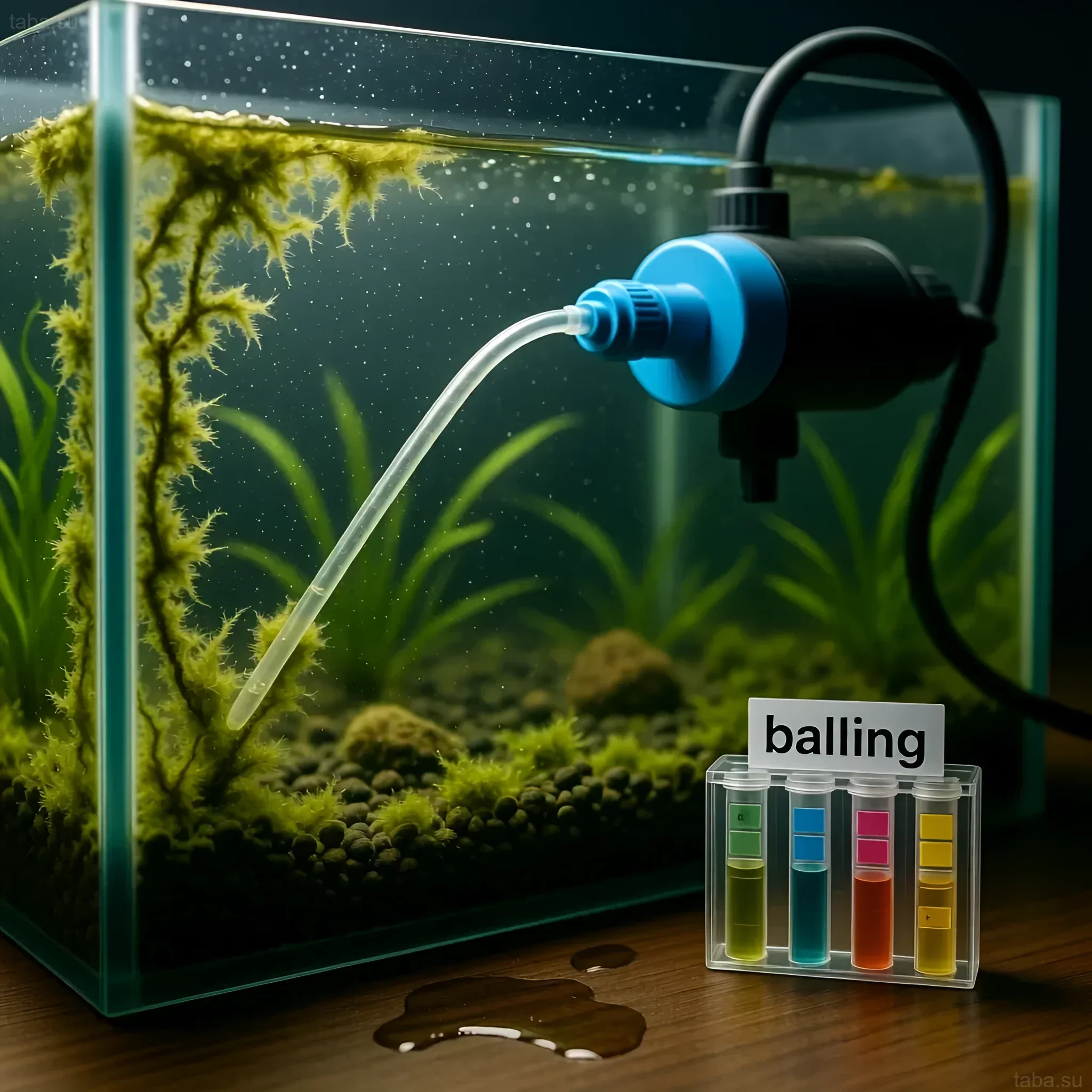
Automatic top-off (ATO) is an essential companion to the Balling system. Water evaporation leads to an increase in the concentration of all dissolved salts. If evaporation is not compensated with pure water (RO or distilled), hardness and salinity parameters will continuously rise.
Connection of ATO and Dosing
The auto-top-off system maintains a constant water level, ensuring that the aquarium volume remains unchanged. This makes dosing calculations, based on the total volume, accurate and reliable.
- ATO Principle of Operation: Optical or float sensors are used, which activate the pump when the water level drops below the set mark.
- Water Source for ATO: Always use the purest water possible (RO/DI), as it is this water that evaporates, leaving salts behind. Adding tap water via ATO will lead to catastrophic mineral buildup.
System Integration
Dosing tubes and the auto-top-off tube should be placed in different zones of the aquarium or sump to avoid accidental transfer of concentrated solutions from the pump back into the ATO container.
Caution: Some advanced controllers (e.g., Apex, GHL) allow integration of ATO and dosing pumps, automatically disabling dosing if the water level is critically low or high, which increases system safety.
Problems and Solutions: What to Do if Balling Isn’t Working or Causes Issues
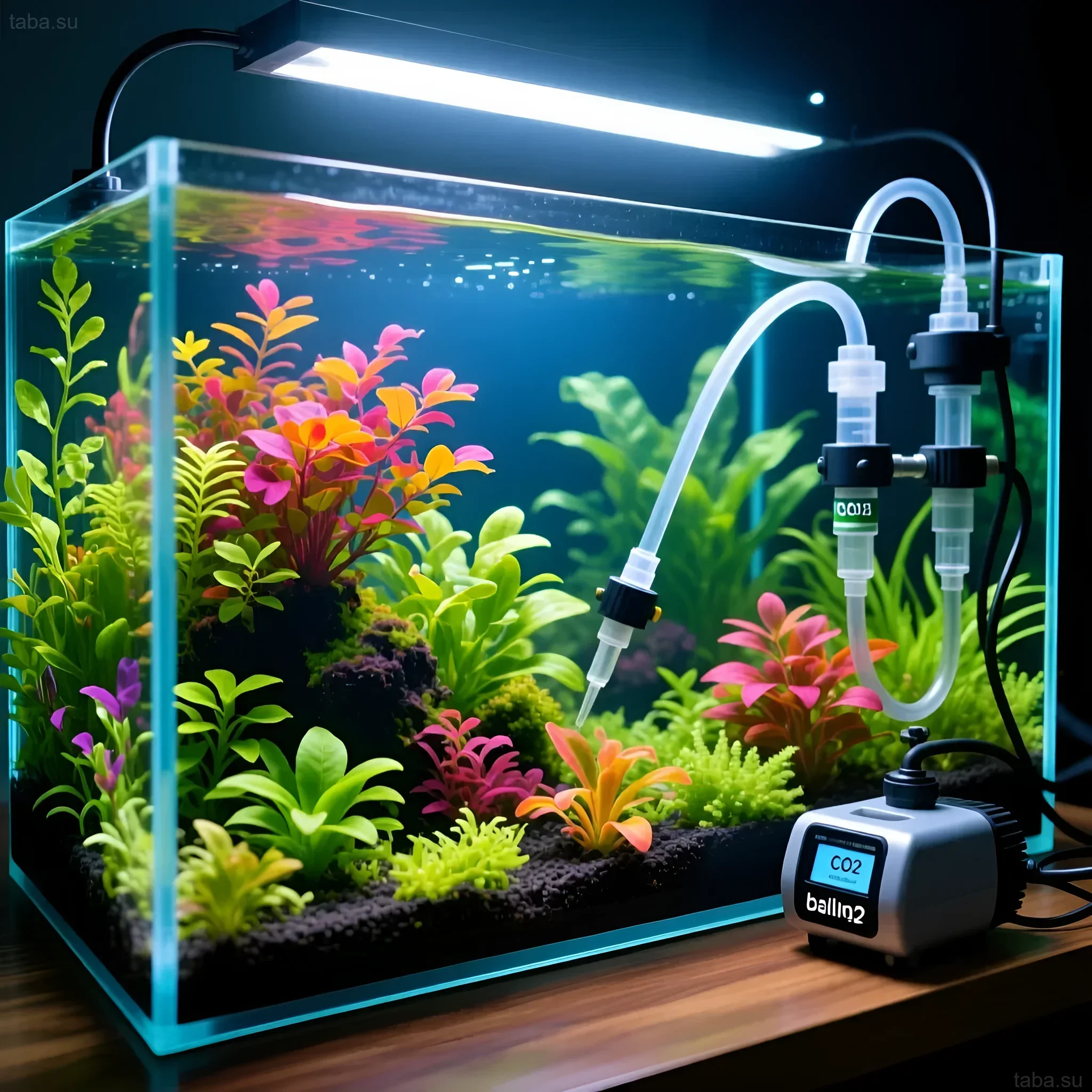
Despite their high efficiency, automated dosing systems can encounter a number of problems that require the aquarist’s attention.
1. Uncontrolled Increase/Decrease in KH
- Problem: KH is rising (soda overdose) or falling (insufficient dosing).
- Solution: Check the pump’s calibration accuracy, especially the soda (NaHCO₃) channel. Recalculate consumption using tests and reduce/increase the daily dose.
2. Precipitation
- Problem: White residue on equipment or tank walls, caused by the reaction of calcium and carbonates.
- Solution: Ensure that Ca and NaHCO₃ solutions are dosed into different points in the aquarium, as far apart as possible, or with a time difference (e.g., 15 minutes between doses). Reduce the concentration of the stock solutions.
3. Air in Tubing
- Problem: Bubbles form in the tubing, the pump doses inaccurately or stops working.
- Solution: Ensure that the ends of the intake tubes are always submerged deep in the solutions. Periodically perform manual purging to remove air.
4. pH Problems
- Problem: Overly active dosing of soda (NaHCO₃) can cause an undesirable rise in pH, especially in aquariums with low CO₂ or low biomass.
- Solution: Temporarily stop dosing soda or reduce its volume. Increase CO₂ supply to compensate for alkalinity, if it’s a planted tank.
Expert Tips: Optimizing Balling and Dosing for Maximum Plant Growth
To ensure the Balling system works with maximum efficiency and promotes lush plant growth, experts recommend considering the following nuances:
1. Accounting for Trace Element Consumption
Since Balling focuses on macroelements (Ca, Mg, KH), it’s essential to ensure that other critically important elements (iron (Fe), manganese, boron) are also supplied in sufficient quantities. Use additional channels of the dosing pump to add complex microfertilizers (e.g., Seachem Flourish Trace or similar).
2. Regular Hardness (GH) Testing
GH is the sum of calcium and magnesium. In an ideal Balling system, the Ca:Mg ratio should be between 3:1 or 4:1. Regular testing of GH and Mg allows for precise adjustment of the dosing of these two components, ensuring their synergistic effect.
3. Using a UPS (Uninterruptible Power Supply)
A sudden power outage can reset settings or cause pump malfunctions. Connecting the controller and pump through a UPS ensures that the dosing program is not interrupted.
4. Tube Rotation
Over time, peristaltic tubes wear out and lose elasticity due to constant compression by the rollers. This leads to reduced accuracy. Experts recommend replacing pump tubing every 6–12 months, depending on the intensity of use.
FAQ: Answers to Frequently Asked Questions About Dosing Pumps and Balling
1. Can I use a dosing pump to add liquid CO₂ (e.g., glutaraldehyde)?
Answer: Yes, but with caution. Glutaraldehyde (e.g., in products based on Cidex) can be aggressive towards some types of tubing. Always check the compatibility of the tubing material with the chemical composition. It is preferable to use a separate, chemically resistant channel.
2. How often do I need to refill the solutions?
Answer: This depends on the aquarium volume and consumption rate. On average, for a 200–300 liter aquarium, 2–5 liter containers last for 2–4 weeks. Try not to let the container completely empty, so the pump doesn’t start drawing air.
3. Can all fertilizers be dosed at the same time?
Answer: No. It is recommended to separate additions. Although Balling components (Ca, Mg, KH) should be added as frequently and evenly as possible, phosphates (P) and iron (Fe) are often added separately from calcium to avoid their mutual binding and precipitation. Separate doses by time (e.g., Ca in the morning, Mg in the afternoon, Fe in the evening).
4. Is Balling necessary in an aquarium with low plant stocking?
Answer: If the aquarium does not have high element consumption (low biomass, no active coral growth or a large number of snails), then the need for Balling is minimal. However, if you keep demanding mollusks or shrimp, maintaining stable KH and GH through automatic dosing will be extremely beneficial, even with low plant stocking.