
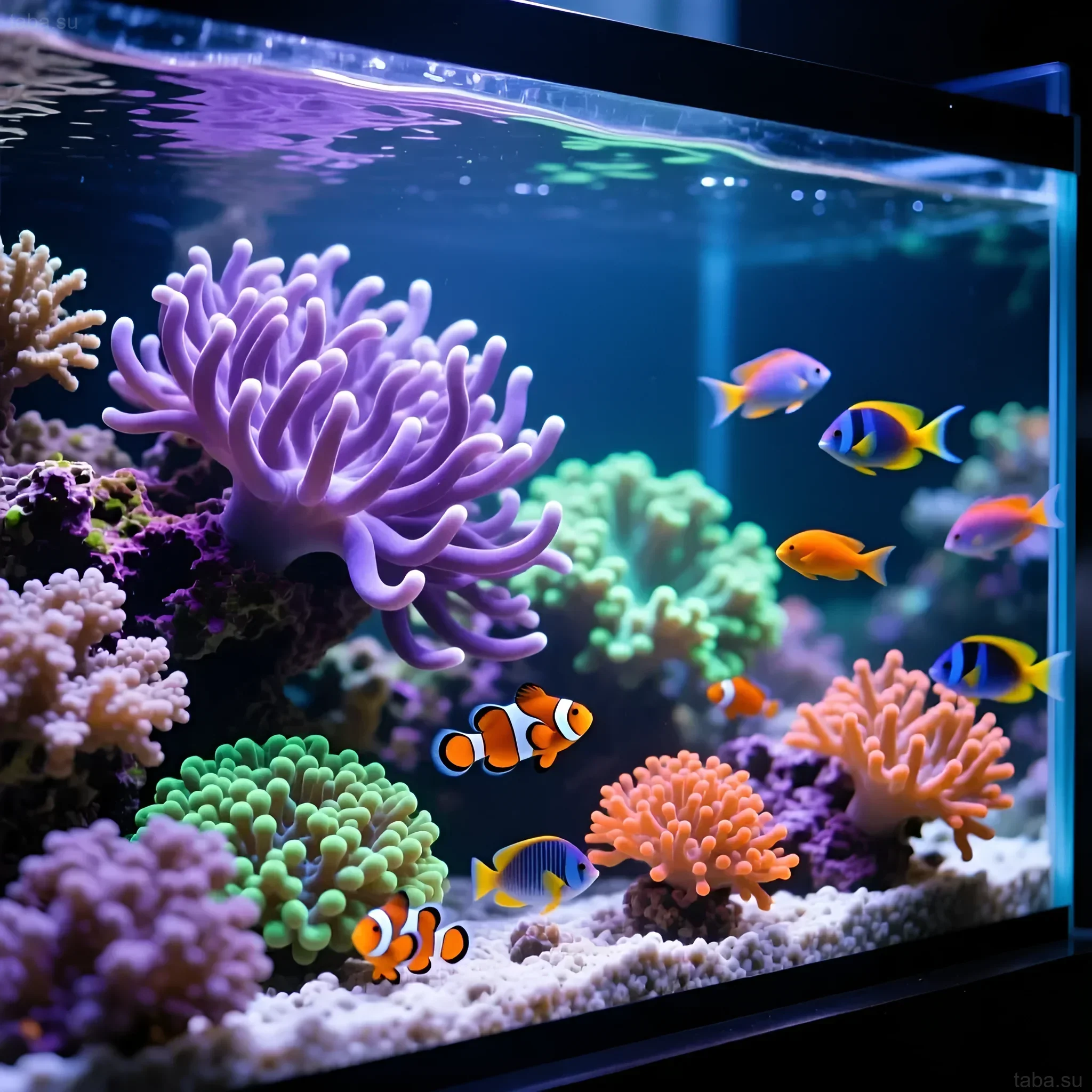
Transitioning from freshwater aquatics to a marine reef system is an exciting yet responsible step. For those new to marine aquariums, soft corals (Alcyonacea) are an ideal starting point. They not only possess incredible beauty and dynamism but also exhibit high resilience to fluctuations in water parameters, significantly simplifying the start and learning process.
Soft Corals in a Marine Aquarium: A Complete Guide for Beginners
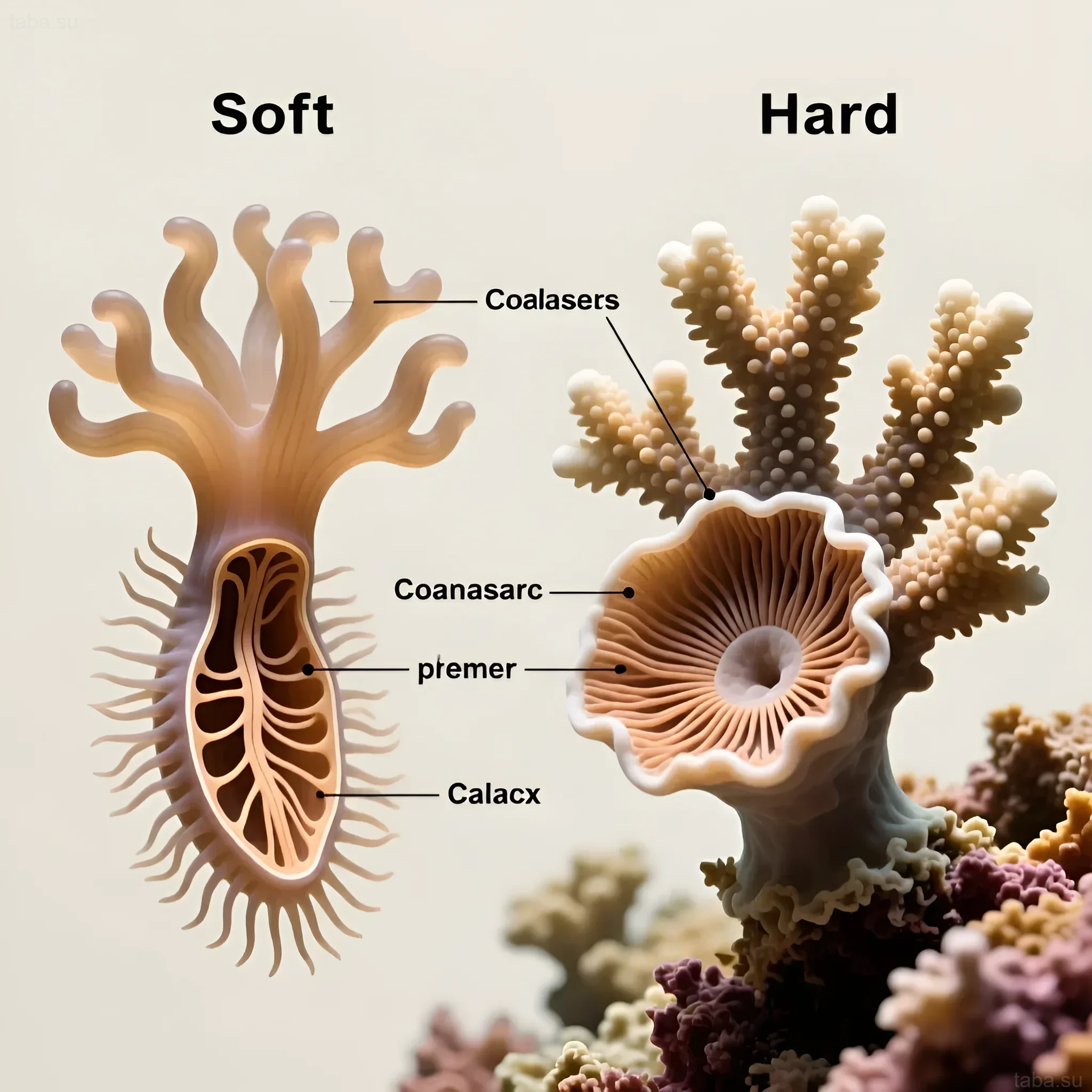
Soft corals are the cornerstone of many successful reef aquariums. Their popularity is explained not only by their aesthetics but also by their relative hardiness. They require less stringent conditions compared to hard corals (SPS/LPS), allowing beginner aquarists to focus on maintaining system stability rather than complex chemical supplements.
Key Advantages of Soft Corals for Starting:
- Nitrate Tolerance: Many soft corals tolerate higher levels of nitrates and phosphates, which are inevitable during the initial stages of setting up an aquarium.
- Minimal Supplementation Requirements: Unlike SPS corals, soft corals generally do not require daily dosing of calcium, alkalinity, or magnesium, as they do not build a massive skeleton.
- Growth Rate: Many species grow and reproduce quite rapidly, allowing for the quick creation of a “filled” reef appearance.
What are Soft Corals and How Do They Differ from Hard Corals?
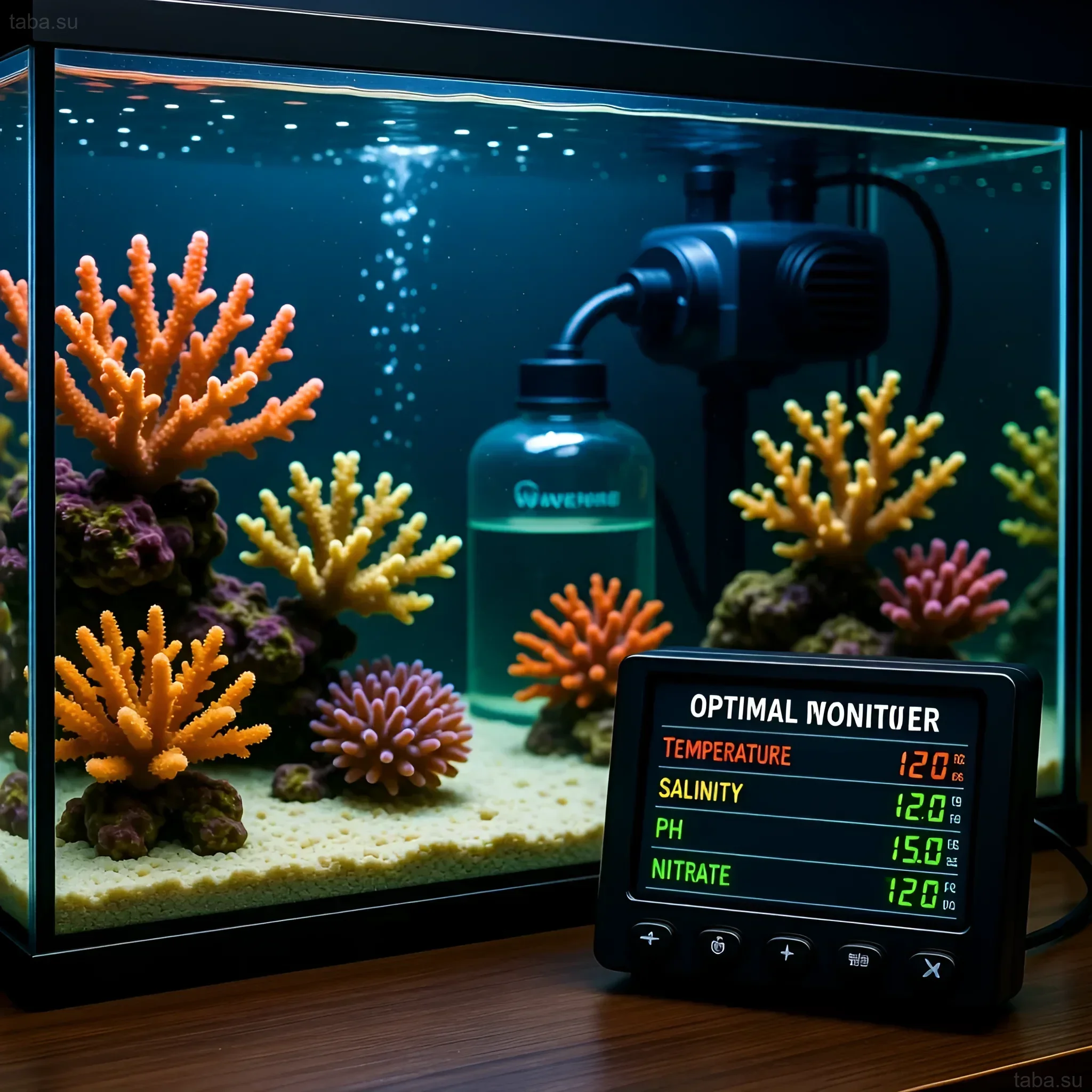
Corals are divided into two main categories: hard corals (Scleractinia) and soft corals (Alcyonacea). The fundamental difference lies in their structure and the way their bodies are built.
Hard Corals (SPS and LPS):
- Possess a massive, rigid skeleton made of calcium carbonate (CaCO₃).
- Require high and stable levels of Ca, Alk, and Mg for skeleton formation and maintenance.
- Examples: Acropora, Trachyphyllia.
Soft Corals:
Soft corals do not have a solid external skeleton. Their bodies are flexible and fleshy, supported by internal microscopic calcareous elements called sclerites. These sclerites give the coral some shape but do not make it rigid.
Important Aspect: Like most reef-building corals, soft corals live in symbiosis with algae – zooxanthellae – which provide most of their nutrition through photosynthesis.
Water Parameters for Soft Corals: Creating the Ideal Environment
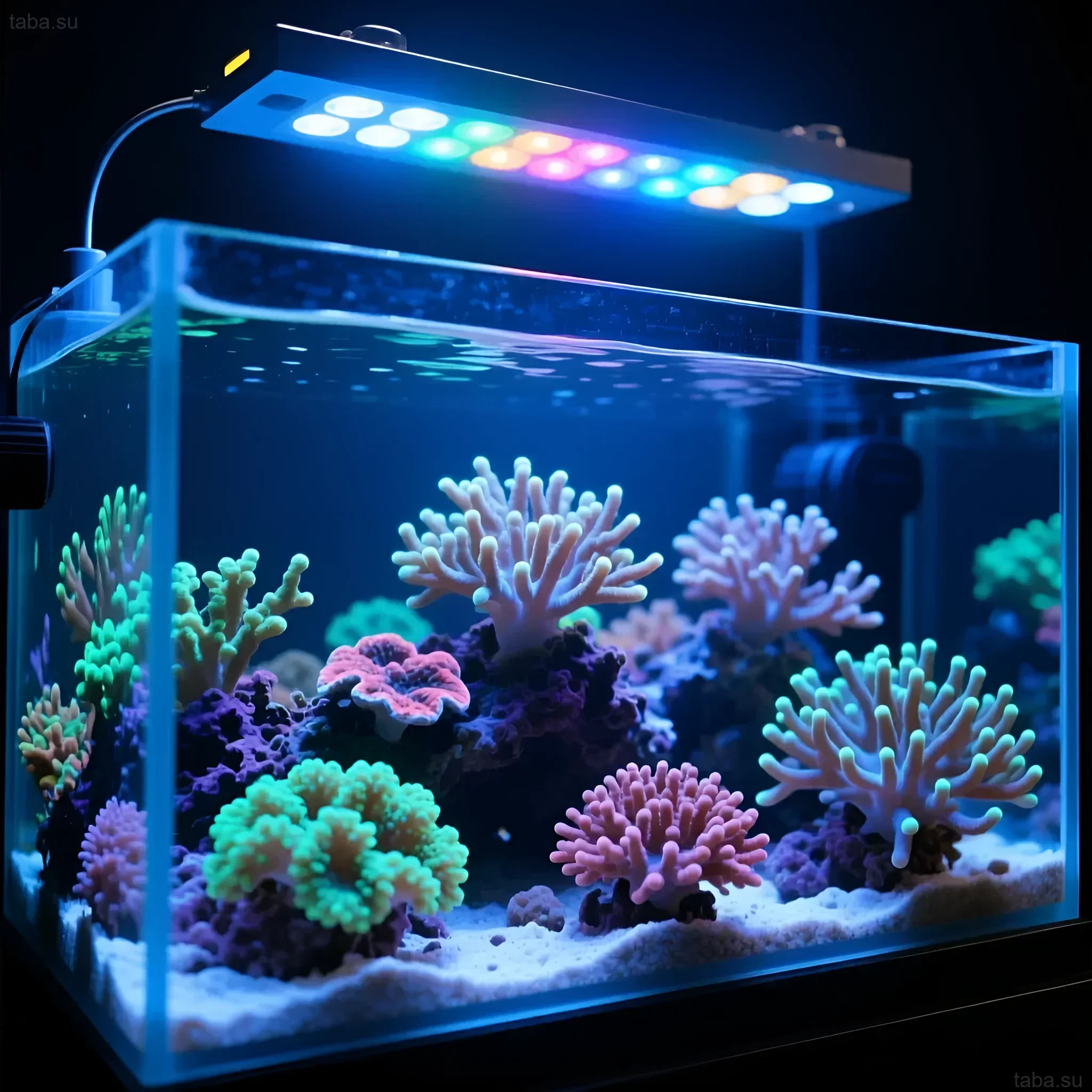
Stability is key to success in keeping any corals, but for soft species, the parameters can have a slightly wider range than for demanding SPS.
Critical Parameters and Their Target Values:
- Salinity: 1.024–1.026 SG (34–35 ppt). Salinity stability is critically important.
- Temperature: 24–26 °C. Avoid sharp fluctuations.
- pH: 8.1–8.4.
- Alkalinity (kH): 7–10 dKH. Soft corals consume alkalinity slowly, so frequent water changes can be sufficient to maintain the level.
- Calcium (Ca): 380–450 ppm. Although consumption is low, a stable level is necessary for sclerite formation.
- Magnesium (Mg): 1250–1350 ppm. Magnesium helps stabilize calcium and alkalinity.
- Nitrates (NO₃): 5–20 ppm. Many soft corals thrive at levels that would be detrimental to SPS. However, if the level exceeds 30 ppm, growth may slow down.
- Phosphates (PO₄): 0.03–0.1 ppm. It is advisable to keep it below 0.1 ppm to prevent algae growth.
Expert Tip: If you only keep soft corals, regular weekly water changes (10%) with quality saltwater prepared with RO water often fully cover the demand for Ca, Alk, and Mg.
Lighting for Soft Corals: Choosing the Right Spectrum and Intensity
Since soft corals rely heavily on the photosynthesis of their zooxanthellae, proper lighting is vital. However, they generally require much lower light intensity (PAR) compared to hard corals.
Light Intensity (PAR):
- Low Intensity: 50–100 PAR (suitable for Discosoma mushrooms, some Zoanthus species).
- Moderate Intensity: 100–250 PAR (suitable for Sarcophyton, Sinularia leather corals).
Spectrum:
Soft corals, like most corals, respond best to blue and actinic spectrum light (450–470 nm), as this light penetrates deep into the water and is utilized by zooxanthellae. A color temperature of 10,000K to 20,000K is recommended.
Acclimation:
When purchasing a new coral, always start with lower light intensity and gradually increase it over 2–4 weeks to avoid coral “burnout” or stress.
Popular Soft Coral Species for Beginners: Overview and Features
There are many species of soft corals, but some are particularly recommended for a first marine aquarium due to their hardiness.
Mushroom Corals
- Genera: Discosoma, Rhodactis, Ricordea.
- Features: Very low light and flow requirements. They reproduce easily by division (budding) and can quickly cover large areas of reef rock.
- Tip: Place them at the bottom of the aquarium or in shaded areas. Some Rhodactis species can be semi-aggressive.
Zoanthids (Zoanthids)
- Genera: Zoanthus, Palythoa, Protopalythoa.
- Features: They are colonies of small polyps attached to a common base. They are available in hundreds of color variations and adapt well to various conditions.
- ATTENTION: Some species of Palythoa and Protopalythoa contain a potent neurotoxin – palytoxin. When handling them (especially when cutting or cleaning), always wear protective goggles and gloves.
Leather Corals
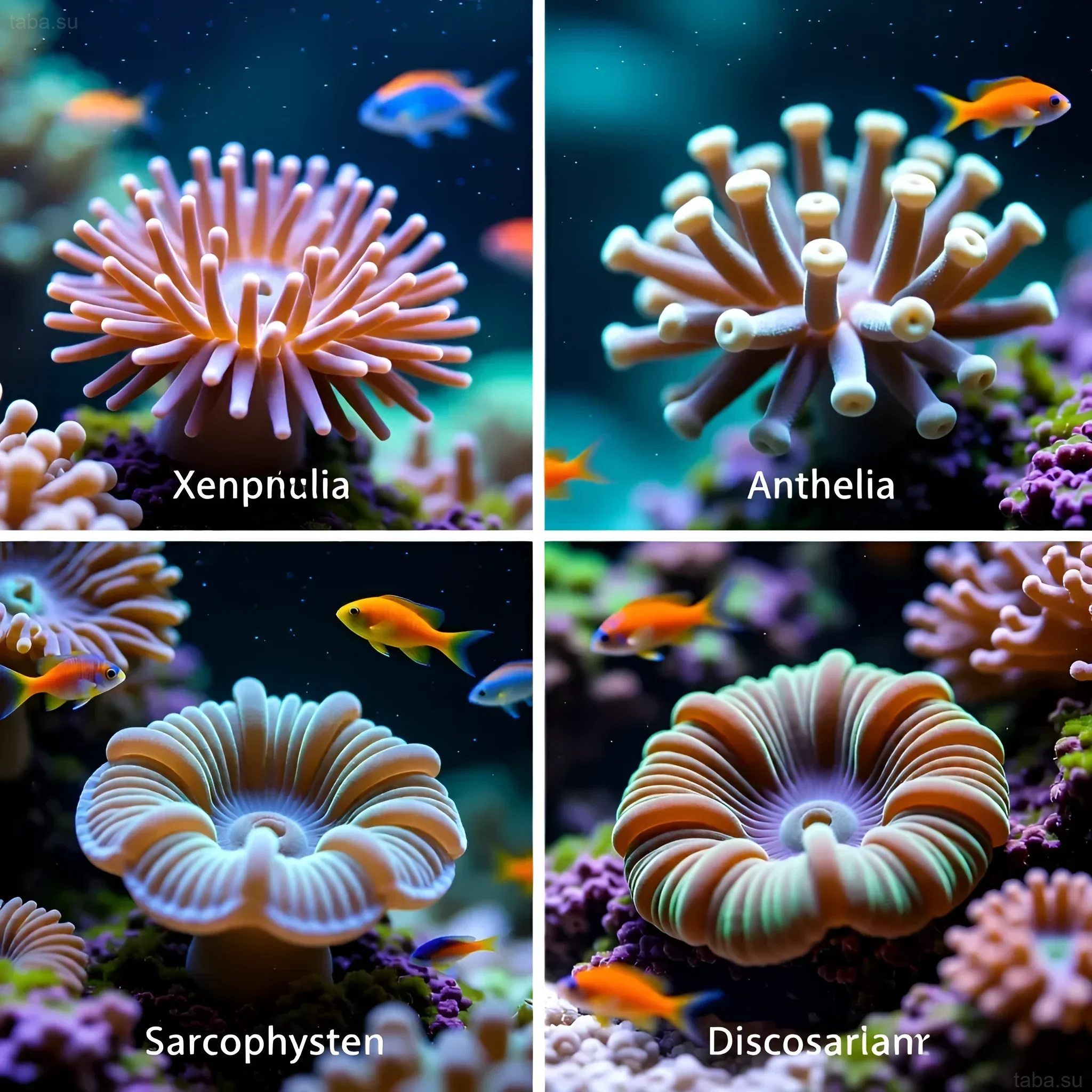
- Genera: Sarcophyton (Umbrella Corals), Sinularia, Lobophytum.
- Features: Large, fleshy corals, often shaped like mushrooms or trees. They are very hardy and tolerate moderate flow and light well.
- Tip: Leather corals can release toxic substances (allelopathy) to defend their territory. Good filtration with activated carbon is required.
Pulsating Corals (Xenia)
- Genera: Xenia.
- Features: Known for their ability to rhythmically pulsate, pumping water. They are an excellent indicator of good water quality. They grow very fast and can become invasive.
Planting and Placement of Soft Corals in the Aquarium: Practical Tips
Proper coral placement is the key to its long-term health and preventing conflicts with neighbors.
Preparation and Attachment
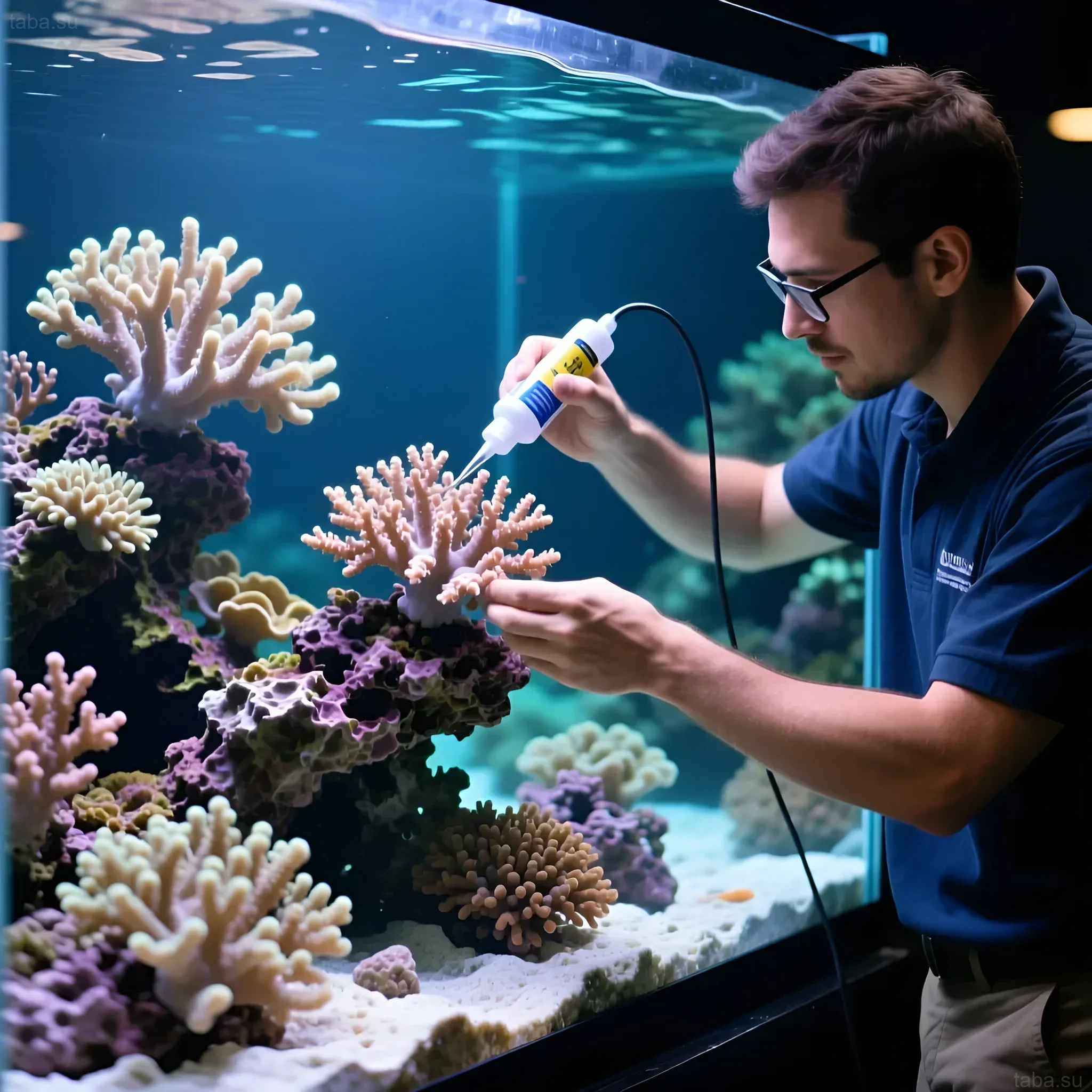
Many soft corals are sold as frags (small pieces attached to a ceramic or stone base). If the coral is not attached, it needs to be secured.
- Using Glue: Cyanoacrylate gel (super glue) works best, as it hardens quickly underwater.
- Securing: If the coral has a thick base (like Leather Corals), it can be temporarily secured in a crevice of reef rock or weighed down with a small rock until it attaches on its own.
- Quarantine: It is always recommended to perform saltwater or iodine baths (dips) for new corals before placing them in the main aquarium to eliminate flatworms or harmful nudibranchs.
Flow Requirements
Soft corals need moderate, but not direct and strong, flow. Flow serves several functions:
- Removes mucus and waste products from the coral’s surface.
- Delivers nutrients and oxygen.
- Helps the coral shed its skin (a process characteristic of Leather Corals).
Avoid: direct, laminar flow, which can damage the delicate polyp tissues.
Caring for Soft Corals: Feeding, Water Changes, and Disease Prevention
Caring for soft corals is relatively simple but requires discipline in maintenance.
Feeding
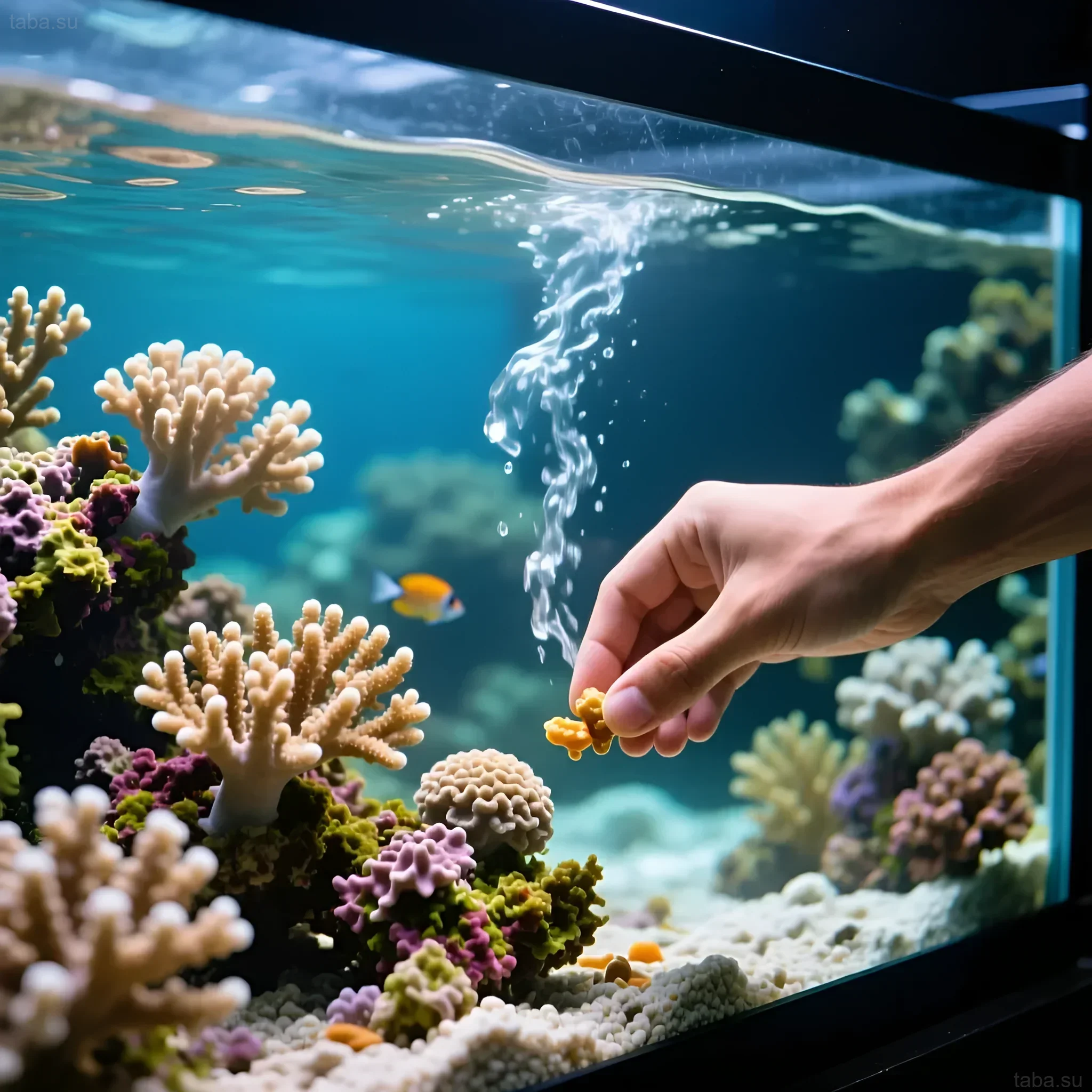
Most soft corals, especially those that photosynthesize actively (e.g., Sarcophyton), can survive solely on light and products from their zooxanthellae.
However, supplemental feeding can significantly accelerate their growth and improve coloration:
- Phytoplankton: Suitable for many soft corals (especially Xenia and zoanthids).
- Zooplankton: Small particles like Cyclop-Eeze can be beneficial for Zoanthus and Rhodactis.
Important: Feeding should be moderate to avoid polluting the water and causing algae blooms.
Managing Allelopathy (Chemical Warfare)
Soft corals, especially Leather Corals, release toxic chemicals (terpenes) into the water to suppress the growth of other corals and compete for space. This phenomenon is called allelopathy.
- To combat allelopathy, always use activated carbon in your filtration and change it regularly (every 2–4 weeks).
- Ensure your skimmer (protein skimmer) is working effectively to remove organic compounds.
Disease and Pest Prevention
The most common problems with soft corals are pest infestations.
- Pests: Flatworms (Plathelminthes), various types of predatory snails, predatory nudibranchs.
- Treatment: Use specialized “dips” (coral baths) based on iodine or other antiseptics when purchasing new corals.
- Shedding Skin: If a Leather Coral or Sinularia stops opening its polyps and becomes covered in mucus, it is likely a natural process of shedding old skin. Ensure strong, but indirect, flow to help them clean themselves.
FAQ: Answers to Frequently Asked Questions About Soft Corals
1. Why are my mushroom corals shrinking and not opening?
There can be several reasons:
- Acclimation: New corals need time (up to a week) to adapt.
- Stress: Sudden changes in water parameters, especially salinity or alkalinity.
- Irritation: Direct, too strong flow or an attempt to shed mucus.
- Chemical Burn: Contact with an aggressive hard coral or anemone.
2. Do soft corals need supplements like Calcium and Alkalinity?
If your aquarium does not contain other demanding hard corals, complex dosing systems (dosers or reactors) are not required. Regular water changes (with quality salt) are usually sufficient to replenish the minimal consumption of Ca, Alk, and Mg needed for sclerite formation.
3. Can soft corals become invasive?
Yes. Some species, such as Xenia and Discosoma, reproduce very quickly and can overrun reef rocks. If you don’t want them to spread, place them on isolated rocks that do not touch the main reef structure. Frags that detach should be removed or sold.
4. What is the best flow for soft corals?
Chaotic, indirect flow is best. Use flow pumps with a random or pulsing mode (e.g., wave pumps). The flow should be strong enough for the corals to sway gently but not be constantly pressed against the rock or glass.
5. Can soft corals harm hard corals?
Yes, due to the release of allelopathic toxins. When placing soft corals, especially Leather Corals (*Sarcophyton*), maintain a distance of at least 15–20 cm from hard corals (LPS/SPS) to avoid chemical burns. Regular use of activated carbon is essential in a mixed reef.