
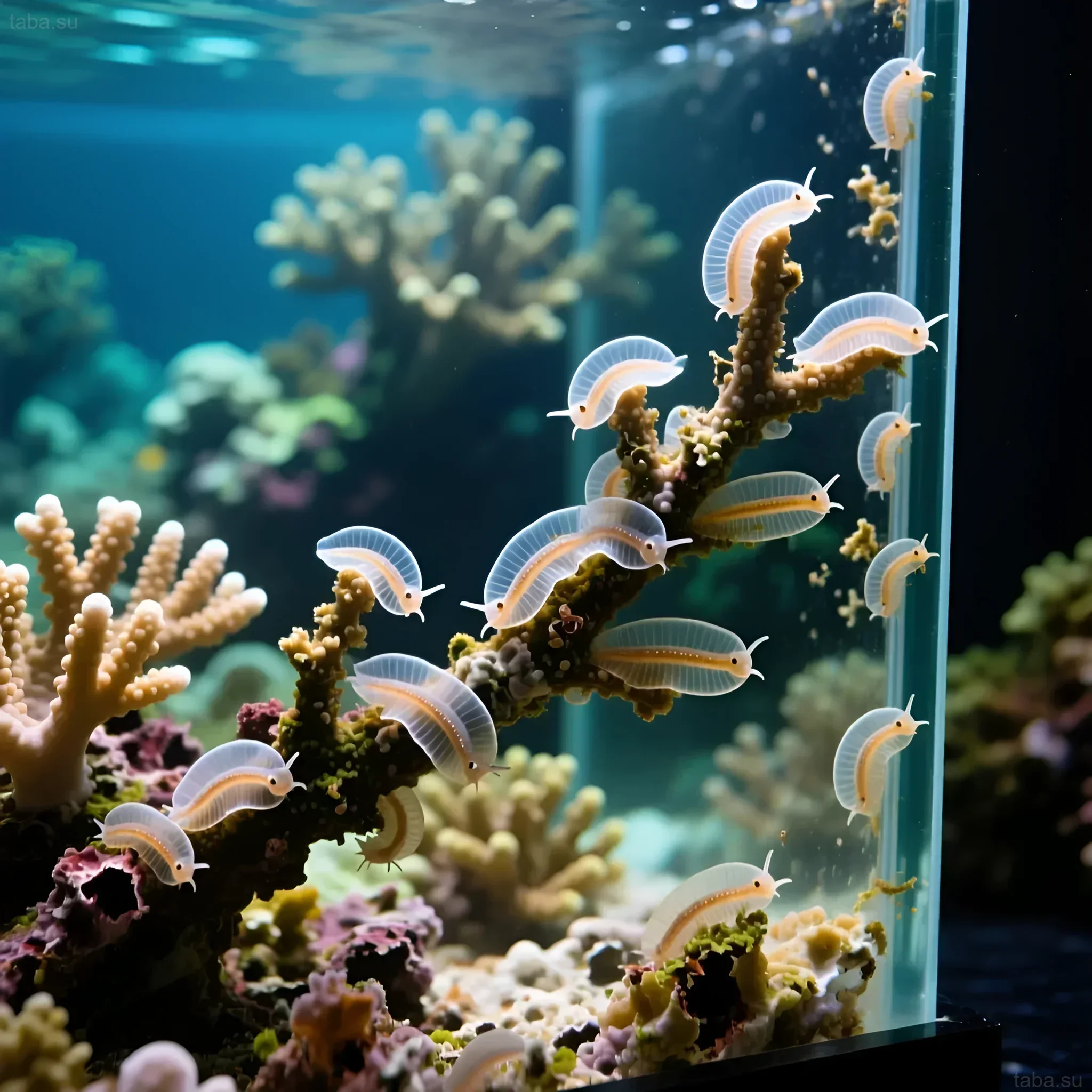
Planaria, or flatworms, are among the most common and unpleasant pests encountered by reef aquarium owners. These tiny organisms can multiply rapidly, covering corals, decorations, and substrate with a dense carpet. While most are not direct predators, their presence causes significant damage to the ecosystem by blocking light and stressing corals. Effective control requires a comprehensive approach, combining chemical treatments and natural predators like wrasses.
Planaria in Marine Aquariums: A Complete Guide to Control and Prevention
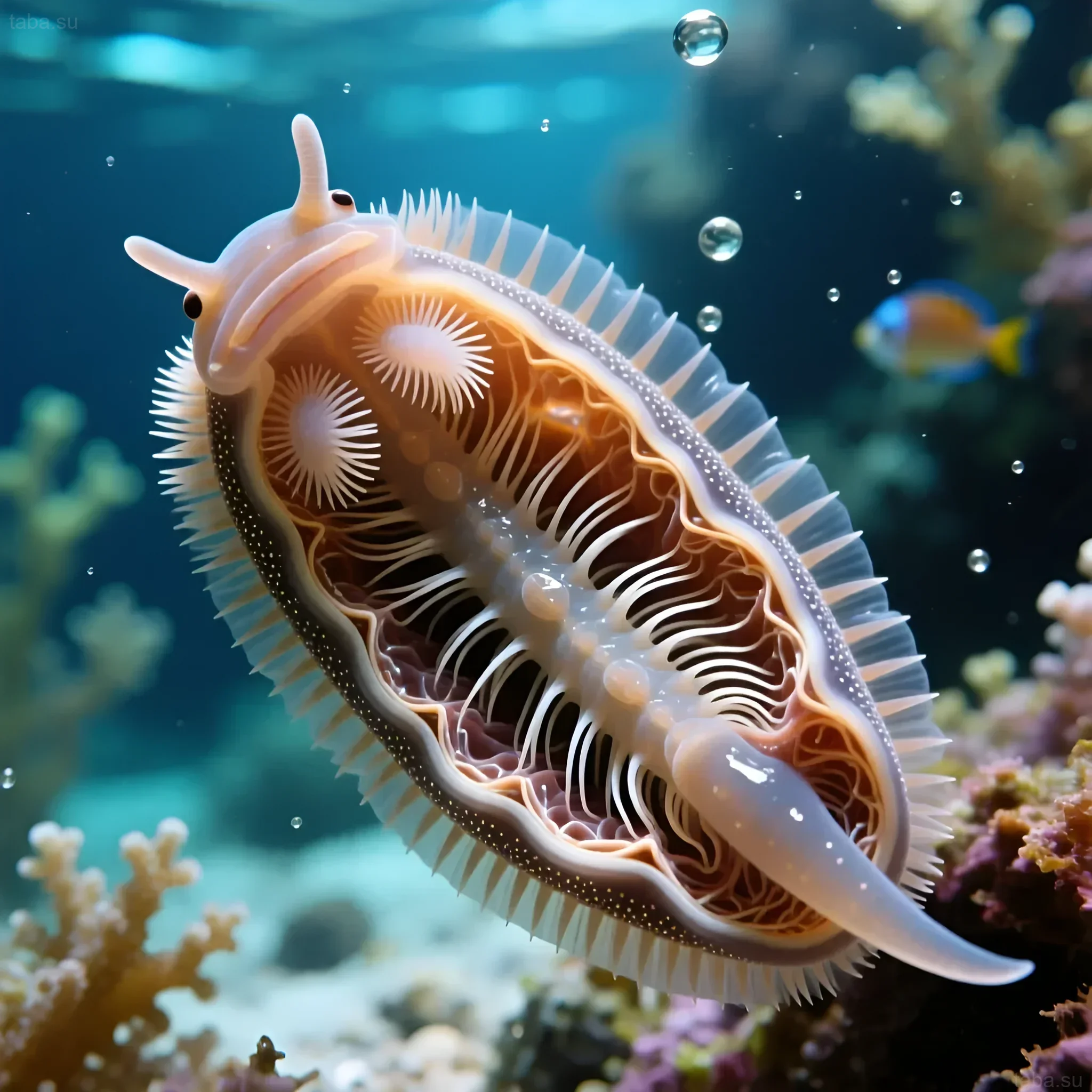
Successful elimination of planaria (Phylum Plathelminthes) is based on three pillars: accurate pest identification, rapid application of effective treatment methods, and strict prevention. It’s important to understand that planaria are not a single species but a group of organisms, but in reef aquaristics, two types cause the most problems: red planaria (*Convolutriloba retrogemma*) and brown planaria (*Waminoa*).
Red planaria are generally less dangerous, but their sheer numbers spoil the aesthetics and can smother small corals. Brown planaria, in turn, are often associated with zooxanthellae and can cause more harm due to toxins and direct coverage of polyps.
What are Planaria and Why Do They Appear in a Marine Aquarium?
Planaria are tiny, usually oval or leaf-shaped worms that move across surfaces using cilia. Their size rarely exceeds 3–5 mm. They possess an astonishing ability to regenerate: even a fragment of their body can regrow into a whole individual.
Main Ways Planaria Enter the System:
- New Corals: This is the most frequent source. Planaria or their eggs can be found at the base of a frag or on its surface.
- Live Rock and Sand: Untreated or poorly quarantined rocks may harbor planaria populations.
- Water from Other Aquariums: Transferring water when buying fish or invertebrates, although less likely than transfer on corals.
Types of Planaria Most Commonly Found in Aquariums:
- Red Planaria (*Convolutriloba retrogemma*): They are reddish, brown, or orange in color. They do not use a mouth for feeding but live off symbiotic algae (zooxanthellae). Their appearance is often linked to an excess of nutrients (nitrates and phosphates) in the water.
- Brown/Beige Planaria (*Waminoa* spp.): Often camouflage themselves as sand or rocks. They can secrete mucus and toxins that irritate corals.
The Danger of Planaria to Marine Life: Who Do They Attack and How?
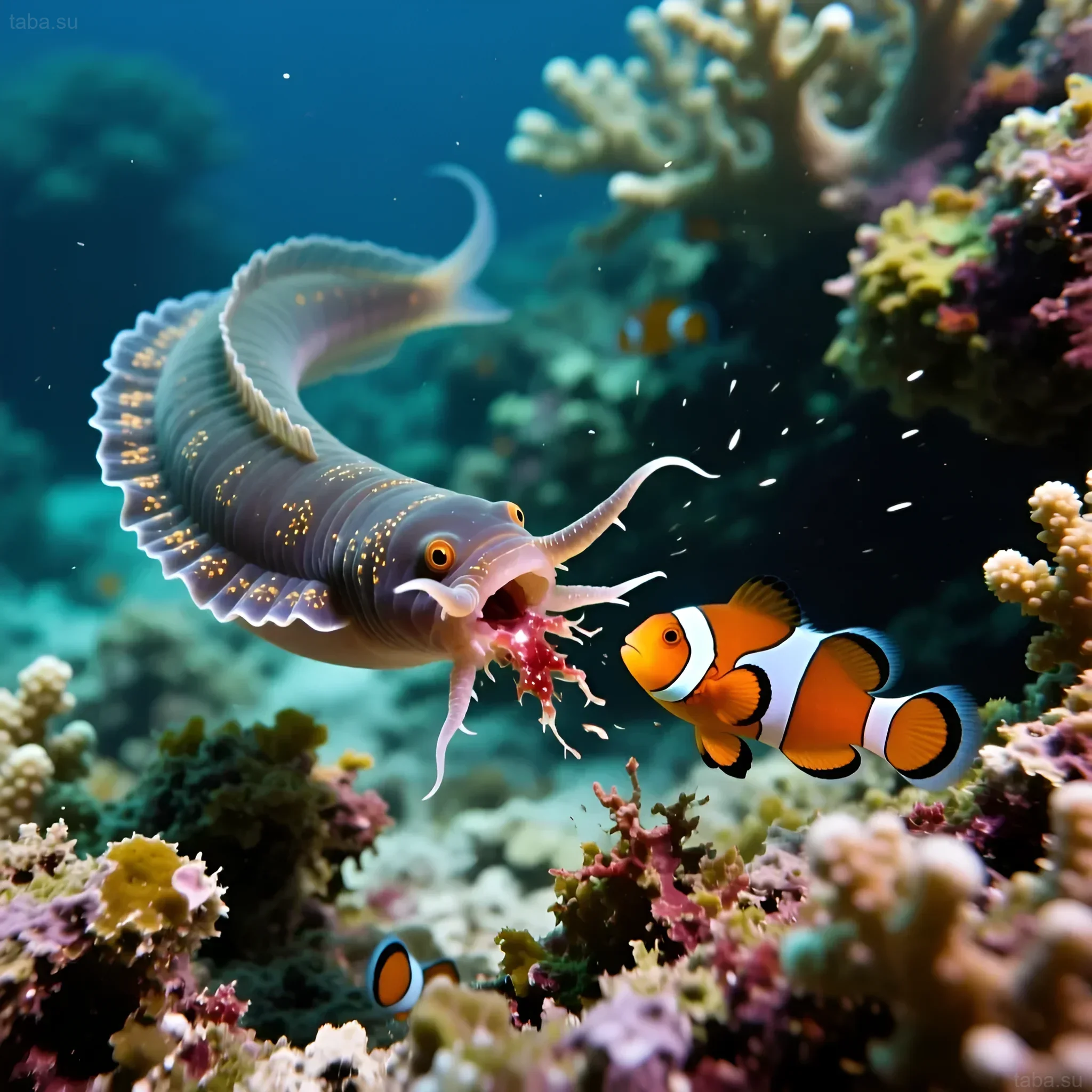
While most planaria are not direct parasites, their massive presence causes serious problems, especially for sensitive corals.
Key Threats:
- Light Blocking: Planaria, by covering the tissues of SPS and LPS corals, physically obstruct the light necessary for zooxanthellae photosynthesis. This leads to starvation and bleaching.
- Irritation and Stress: The constant movement and attachment of planaria cause mechanical irritation to polyps, causing them to retract, reducing their ability to feed and grow.
- Toxic Effects: Some planaria species, especially brown ones, can release toxins into the water when they die in large numbers or are stressed. During chemical treatment, this can lead to sudden poisoning of fish and invertebrates.
- Nutrient Competition: Planaria actively consume nitrates and phosphates, although their primary food source is photosynthesis. Mass reproduction indicates an excess of nutrients in the system.
Methods for Controlling Planaria in Marine Aquariums: An Overview of Effective Medications
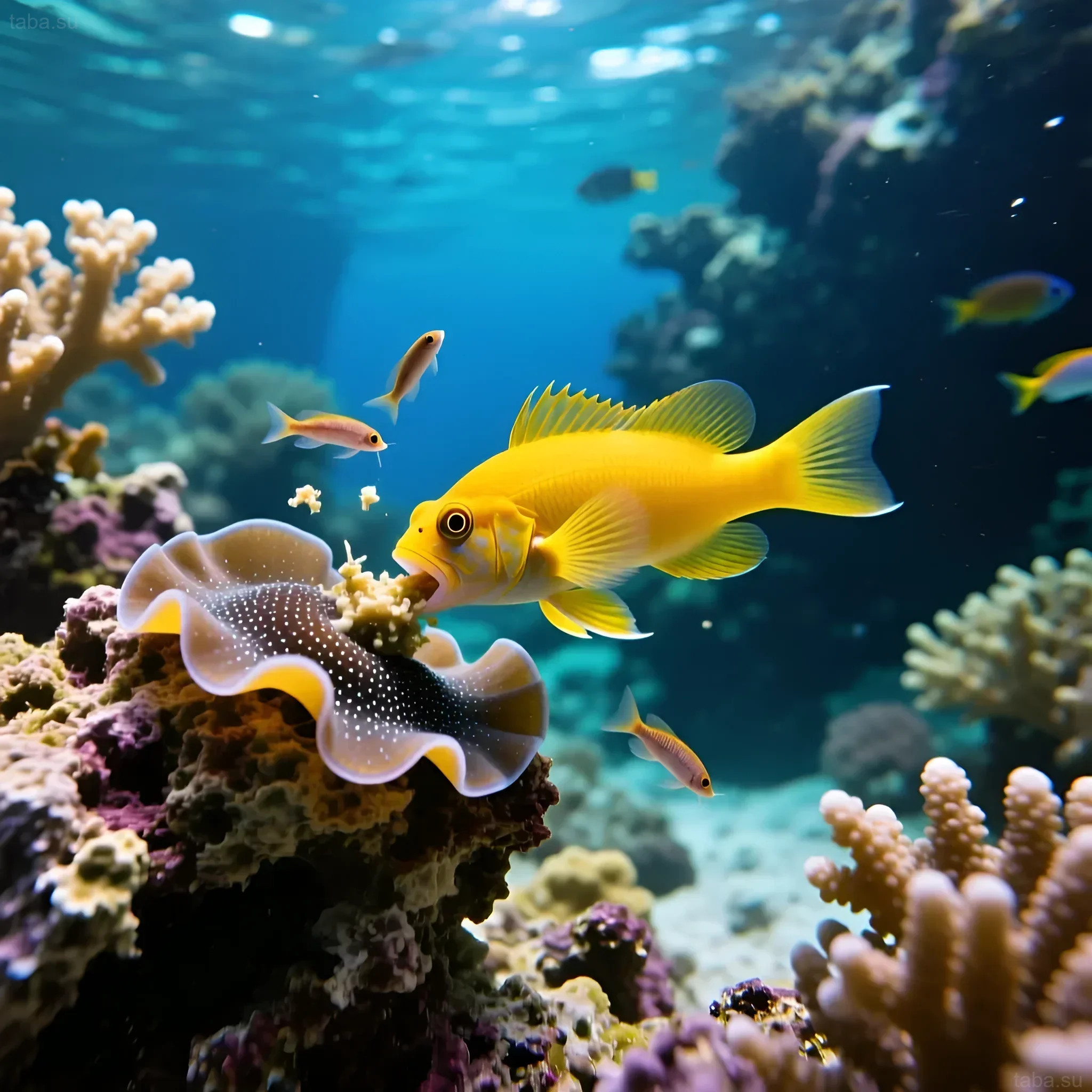
Chemical treatment is the fastest and most effective method for eradicating planaria. However, it requires strict preparation and monitoring to avoid secondary poisoning of aquarium inhabitants by the decomposition products of dead worms.
1. Fenbendazole-Based Medications
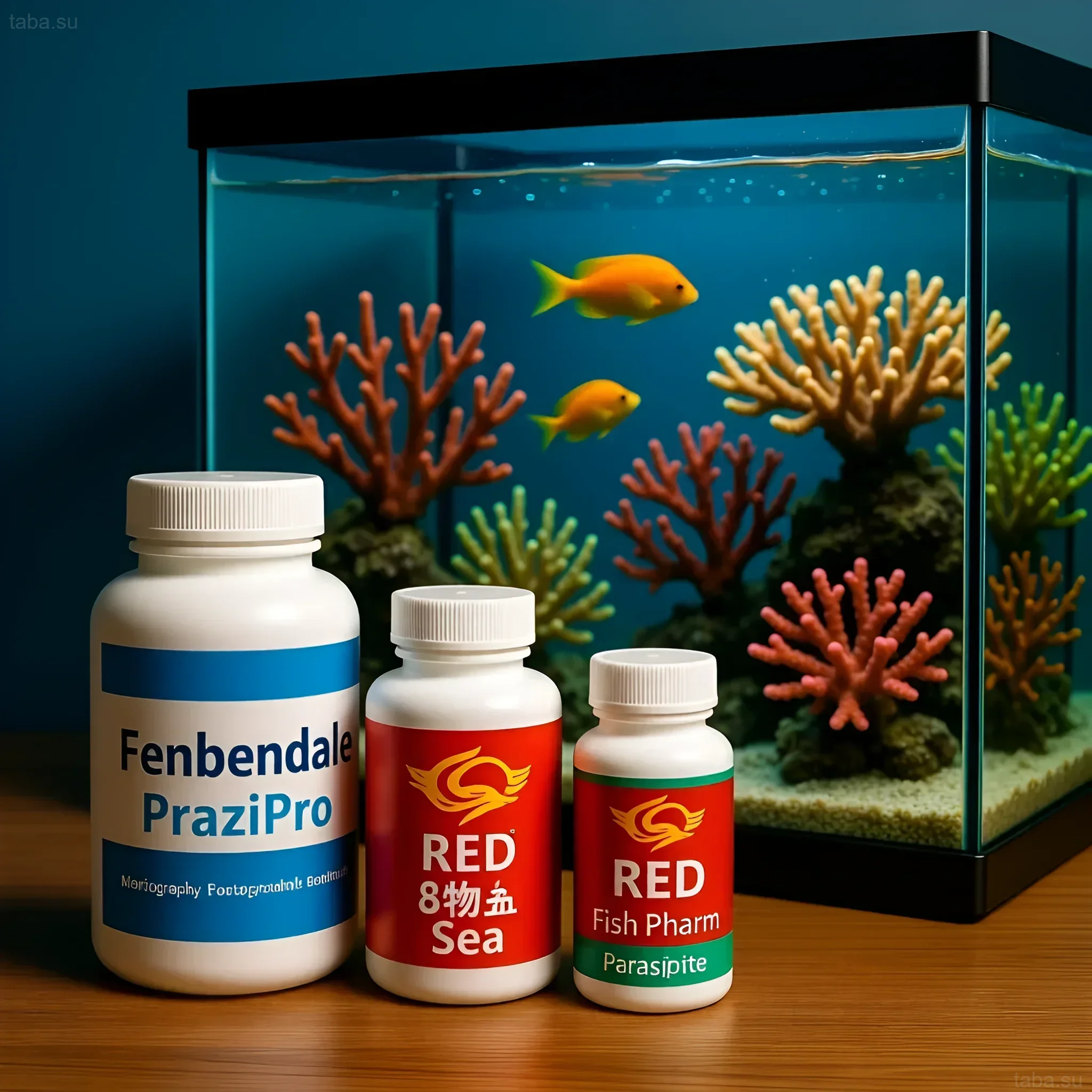
Fenbendazole is a potent anthelmintic drug successfully used to eliminate planaria. The most well-known commercial product containing this active ingredient is No-Planaria (although it was originally developed for freshwater aquariums, it is actively used in marine settings, but with caution).
- Pros: High efficacy against most planaria species.
- Cons: Extremely toxic to some invertebrates, especially worms (polychaetes), shrimp, and snails. Strict dosage control is necessary.
2. Levamisole-Based Medications
Levamisole, also an anthelmintic, is used to combat planaria. It is often considered milder than fenbendazole, but its effectiveness can vary.
3. Specialized Aquarium Medications
Several manufacturers produce specialized treatments, such as Flatworm Exit (Salifert). These medications typically contain pyrantel or other substances that paralyze the planaria’s nervous system.
Chemical Treatment Protocol (General):
- Preparation: Several hours before treatment, manually collect as many planaria as possible (using a siphon).
- Filter Removal: Be sure to turn off the UV sterilizer, ozonizer, and most importantly, remove activated carbon and other chemical media that can adsorb the medication.
- Treatment: Administer the medication strictly according to instructions. Planaria will begin to die within 30–60 minutes.
- Siphoning: A critically important step. Immediately after the worms die, siphon the substrate and corals as thoroughly as possible to remove dead bodies and prevent toxin release into the water.
- Water Change: Perform a massive water change (25–50%) within 1–2 hours after siphoning.
- Filtration: Reintroduce activated carbon and possibly polymer absorbents (like Purigen) to quickly remove medication residues and toxins.
Expert Insight: The mass death of red planaria (*Convolutriloba retrogemma*) is the least dangerous, as they are primarily photosynthetic. However, the death of brown planaria (*Waminoa*) can cause severe poisoning, so siphoning dead worms must be as rapid and complete as possible.
Wrasses – Natural Enemies of Planaria: Species and Usage Features
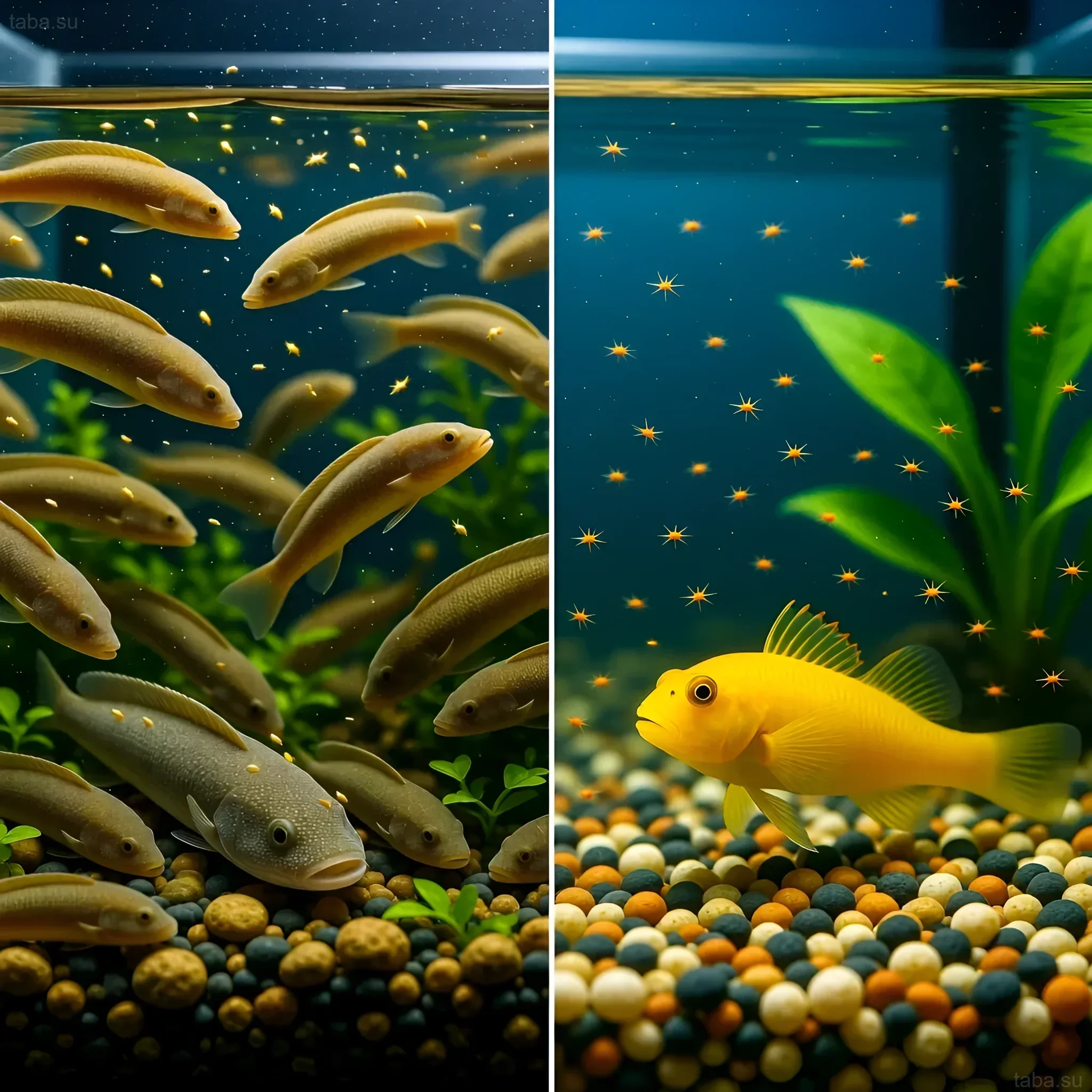
Biological control is an ideal complement to chemical treatment or a preventive measure. Wrasses (family Labridae) include several species that actively feed on flatworms.
The Most Reliable and Popular Planaria-Eating Wrasses:
- Six-Line Wrasse (*Pseudocheilinus hexataenia*): One of the most reliable and popular planaria predators. It is relatively small, peaceful, and usually does not bother corals. It’s an excellent choice for most reefs.
- Eight-Lined Wrasse (*Pseudocheilinus octotaenia*): Less common than the six-lined wrasse, but also known for its effectiveness in controlling small pests.
- Fairy Wrasses (*Cirrhilabrus* spp.): Some species may eat planaria, but it’s not their primary food, and their reliability is lower.
Specialized Wrasses (for Larger Systems):
This group includes species that show high effectiveness but require larger water volumes and can be territorial or difficult to keep.
- Dragon Wrasses (*Macropharyngodon* spp.): For example, *M. bipartitus* or *M. meleagris*. They specialize in finding small invertebrates in the sand and on rocks. They are very effective but require a deep sand bed for burrowing and can be sensitive to water quality.
- Flasher Wrasses (*Halichoeres* spp.): Many species, such as *H. chrysus* (Yellow Wrasse), are excellent hunters of small worms and snails. They are usually very active and can quickly clean a system.
Features of Using Wrasses:
Wrasses are most effective when the planaria population has not reached critical mass. If the aquarium is already covered in a carpet of worms, a wrasse cannot handle it alone – chemical treatment will be needed first, and the wrasse will then maintain the population at a minimal level.
Important: Not all individual wrasses will eat planaria. This depends on the fish’s individual preferences and the availability of easier food in the aquarium. A wrasse should be purchased only as a supplement to a control strategy, not as the sole solution.
A Comprehensive Approach to Planaria Control: Medications + Wrasses + Prevention
Experienced aquarists know that only a combination of chemical intervention and biological control yields long-term results. A comprehensive strategy looks like this:
Stage 1: Shock Therapy (Chemical Eradication)
- Administer a specialized medication (e.g., Flatworm Exit) to rapidly reduce the population to a minimal level.
- Thorough siphoning of dead worms and water changes are mandatory.
- After 7–10 days (egg maturation cycle), a second, less intensive treatment is performed to eliminate newly hatched juveniles.
Stage 2: Biological Support (Introducing Predators)
- After the planaria level has been significantly reduced, introduce a planaria-eating wrasse (*Pseudocheilinus hexataenia* or *Halichoeres* spp.) to the aquarium.
- The wrasse will patrol the system, consuming remaining adults and, more importantly, destroying egg clutches before they hatch.
Stage 3: Nutrient Control
- Ensure nitrate (NO3) and phosphate (PO4) levels are within acceptable limits (preferably PO4 < 0.03 ppm). High nutrient levels promote rapid reproduction of *Convolutriloba retrogemma*.
- Use GFO (granular ferric oxide) or other phosphate absorbents.
Preventing Planaria in Marine Aquariums: Expert Tips
The best way to combat planaria is to prevent them from appearing in the first place. Prevention requires discipline when adding new corals or decorations.
Key Prevention Measures:
- Quarantine Tank (QT): All new corals should undergo quarantine in a separate container. This allows for the detection of not only planaria but also other pests (e.g., Acropora pests).
- Dipping: Mandatory bathing of new corals in a special solution.
Effective Dipping Solutions:
- Iodine-Based Preparations: Iodine-based solutions (e.g., Lugol’s solution) are used for short baths (5–10 minutes).
- Specialized Coral Dips: Products like Coral RX, ReVive, or Two Little Fishies ReVive are specifically designed to eliminate flatworms and other small pests.
- Freshwater Dip: Extremely effective against planaria but very stressful for the coral. The coral (only stony corals!) is dipped in aquarium water adjusted to freshwater osmolality for 30–60 seconds. This method is used with great caution.
Dipping Technique: During the bath, the coral should be actively shaken or a small pump used to dislodge worms and eggs that may be attached in hard-to-reach areas.
FAQ: Answers to Frequently Asked Questions About Planaria and Control Methods
Can Planaria Survive a Freshwater Dip?
No, most marine planaria cannot withstand a sudden change in salinity and die in freshwater within a minute. However, planaria eggs may be resistant to dipping, so quarantine and a repeat dip after a week are mandatory.
Is it Safe to Use No-Planaria in a Reef Aquarium?
Fenbendazole-based medications (No-Planaria) are effective but pose a risk to polychaete worms, filter feeders, and some snail species. When using them, be prepared for mass mortality of these invertebrates and be ready for rapid siphoning.
Which Wrasse is Best at Controlling Red Planaria?
Experts often agree that the Six-Line Wrasse (*Pseudocheilinus hexataenia*) is the most reliable and least aggressive choice for most reef aquariums. If the aquarium is very large, the Yellow Wrasse (*Halichoeres chrysus*) can be considered.
Why Do Planaria Return After Chemical Treatment?
The return of planaria is most often due to two factors: incomplete eradication of eggs (chemicals usually do not affect eggs) and lack of siphoning. If dead planaria are not removed, their toxins can cause problems, and the remaining eggs will hatch in 7–14 days, requiring repeat treatment.
How to Tell if Planaria are Dead but Not Poisonous?
Immediately after successful chemical treatment, planaria detach from surfaces and settle on the substrate. They may appear white or curled up. If you observe fish or shrimp showing signs of poisoning (difficulty breathing, erratic movements), a large water change and increased skimmer and carbon filtration activity are immediately necessary.