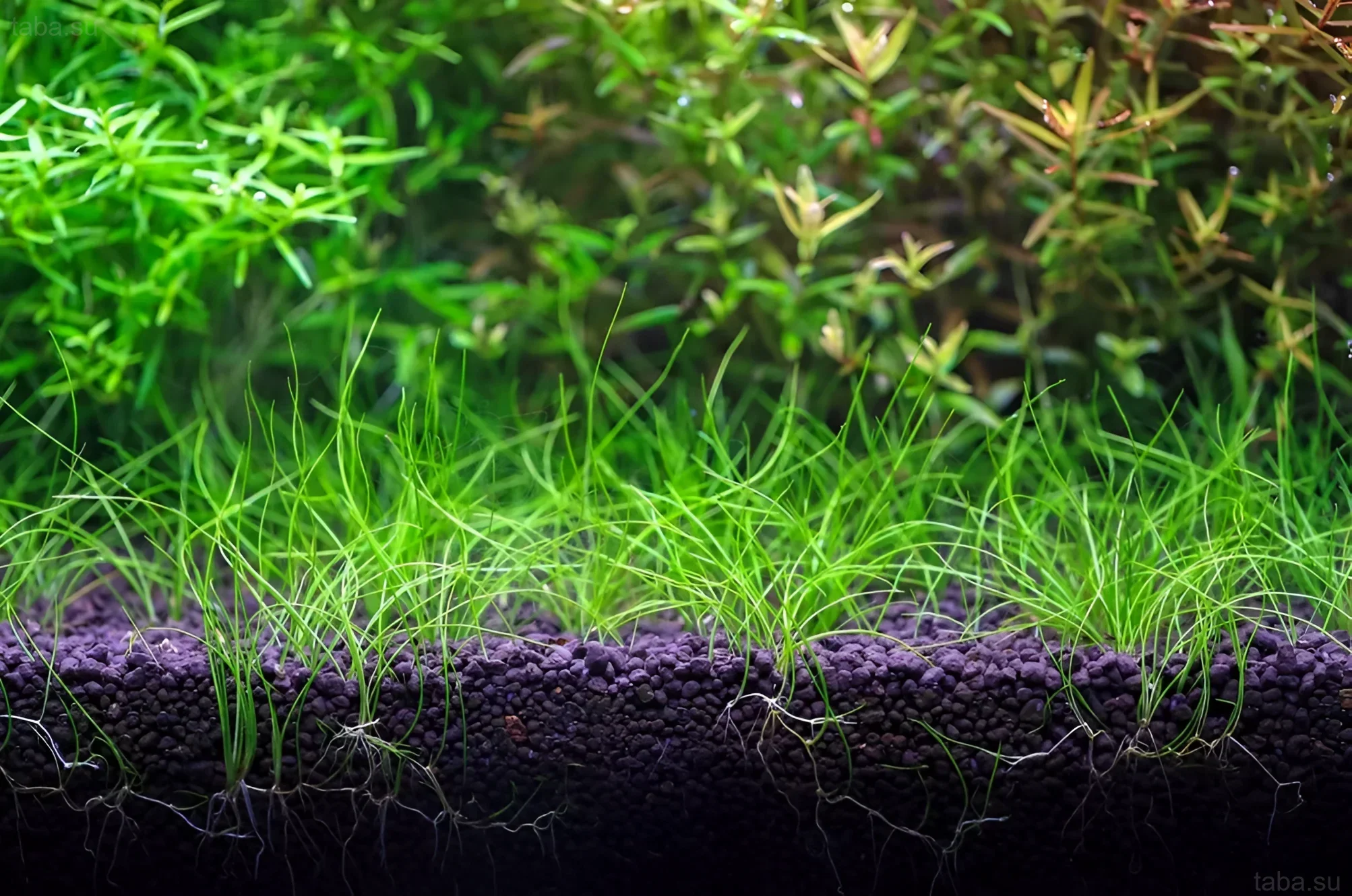
Modern aquaristics, especially in the fields of aquascaping and the cultivation of complex aquatic plants, is unthinkable without the use of specialized nutrient substrates known as Active Soil. Soil is not just a decorative substrate; it is a complex chemical-biological system that fundamentally changes the approach to setting up and maintaining a planted aquarium. Its development has enabled aquarists to grow demanding flora species that were previously considered extremely difficult or even impossible to cultivate in home aquariums.
The primary function of soil is to create an ideal environment for the root system, ensure a stable pH level, and provide a necessary supply of macro- and microelements. This guide aims to provide comprehensive answers to questions about what soil is, how to use it correctly, and how to avoid common mistakes when working with this unique substrate.
What is Active Soil: Composition, Principle of Operation, and Types
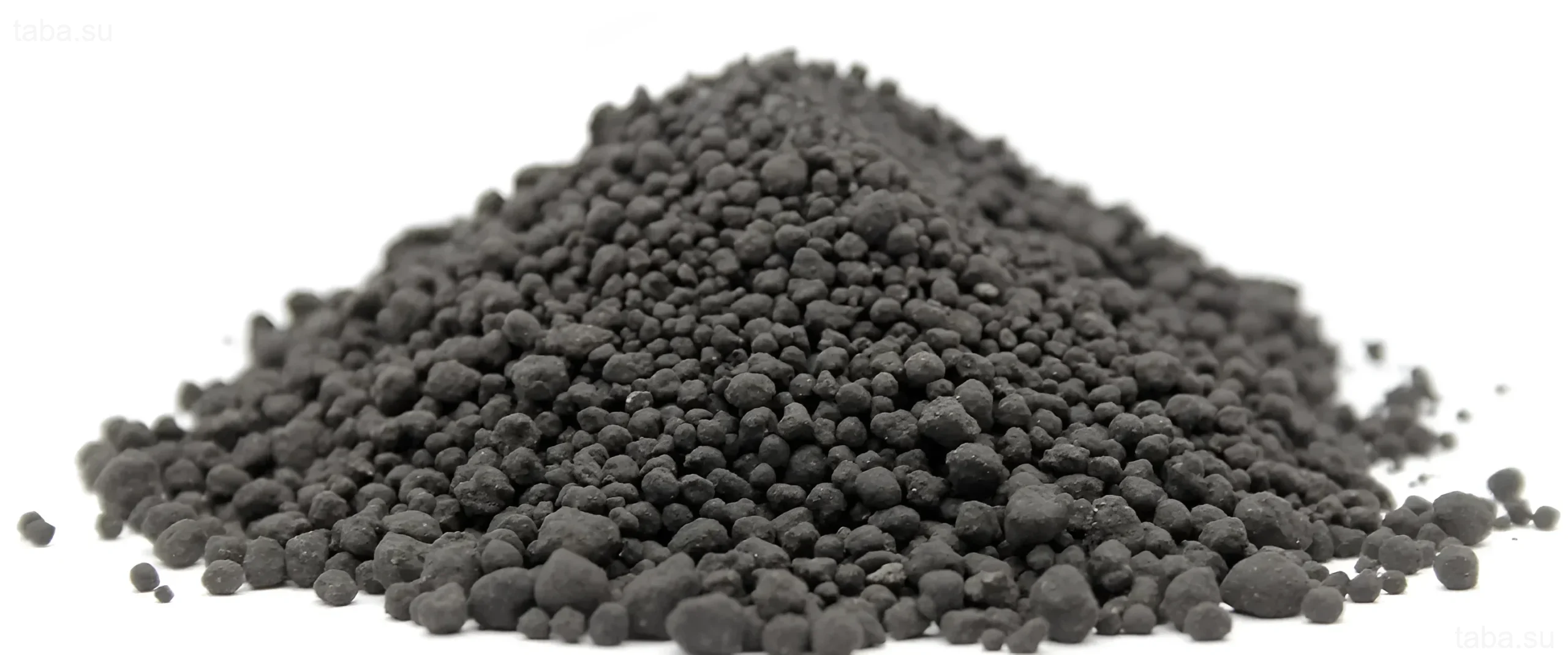
Active Soil, or nutrient substrate, is a granular material produced from natural volcanic soil and clay. Unlike inert gravel or sand, soil is a chemically active material capable of interacting with water and the plant’s root system.
Composition and Structure
Soil granules typically have a porous structure, which is critically important for root aeration and the colonization by beneficial bacteria. Key components:
- Volcanic soil and clay: The base, providing physical structure and high ion-exchange capacity.
- Organic additives (peat): A source of humic and fulvic acids, which soften water and promote nutrient uptake.
- Nutrient elements: The composition initially includes macroelements (nitrogen, phosphorus, potassium) and a full complex of microelements (iron, manganese, molybdenum, etc.) in chelated form.
Principle of Operation: Cation Exchange Capacity (CEC)
The main difference between soil and regular substrate is its high Cation Exchange Capacity (CEC). This is the substrate’s ability to bind and temporarily hold positively charged ions (cations) such as ammonium (NH4+), potassium (K+), and magnesium (Mg2+). When a plant needs nutrients, it “exchanges” hydrogen ions (H+) for necessary cations, which are released from the soil granules. This provides plants with stable access to nutrients and prevents valuable elements from leaching into the water.
Buffering Function
Soil has a pronounced buffering effect aimed at reducing and stabilizing water parameters:
- It actively absorbs carbonates, reducing carbonate hardness (KH).
- The reduction in KH, in turn, leads to a decrease and stabilization of pH, usually within the range of 6.0–6.5.
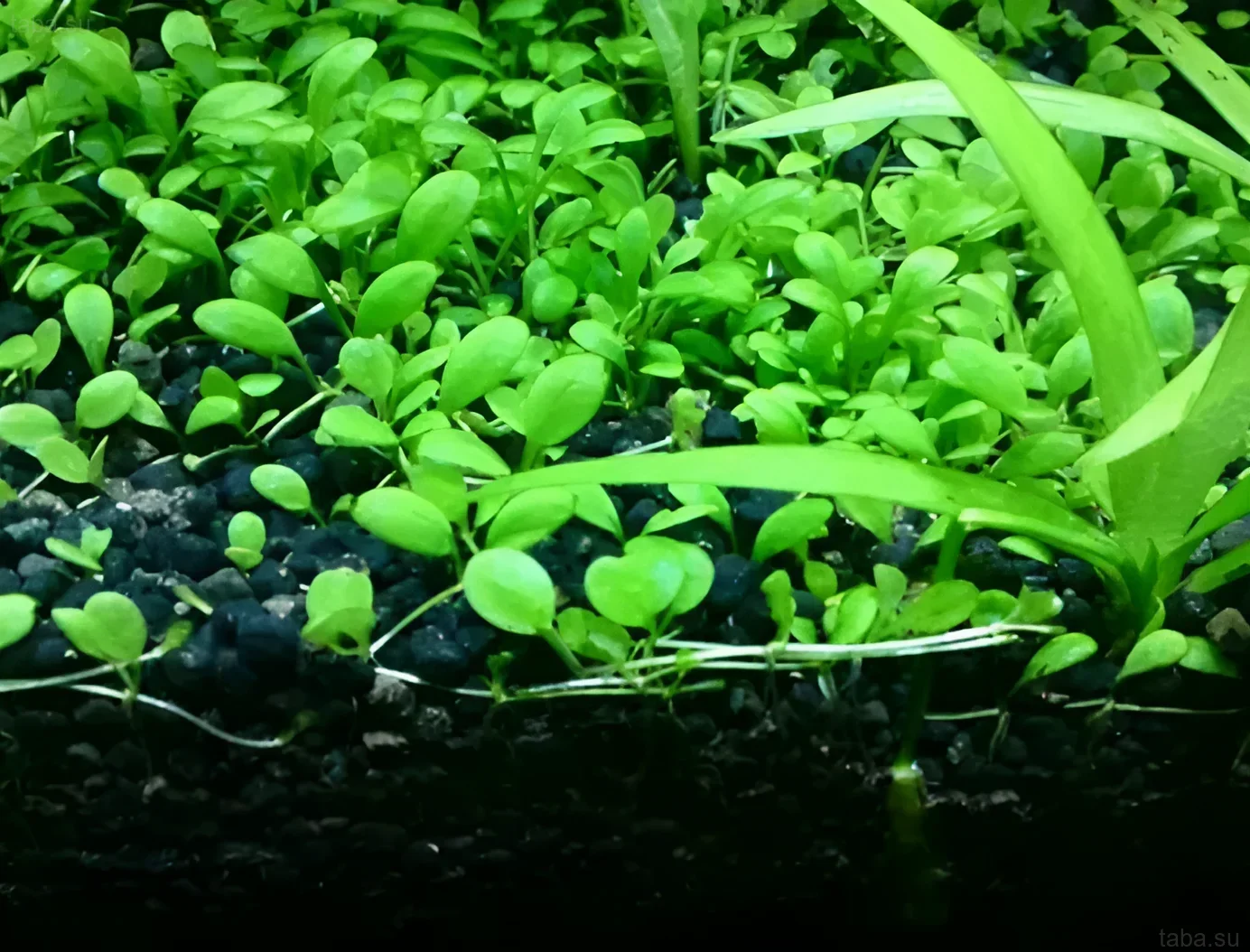
This makes soil ideal for growing most demanding aquarium plants (e.g., Hemianthus callitrichoides “Cuba”) and for keeping certain types of shrimp, such as those of the genus Caridina (e.g., Crystal Red shrimp).
Advantages of Using Soil for Aquarium Plants and Shrimp

Choosing Active Soil offers a number of critical advantages that are difficult to achieve with inert substrates.
1. Optimal Nutrition for Plants
- Long-lasting supply: Soil is a “slow-release” source of nutrients, gradually releasing elements over 1–2 years.
- Healthy root system: The porous structure promotes deep root penetration and aeration, preventing rot.
- Reduced algae: By retaining nutrients in the substrate rather than in the water column, soil helps reduce the risk of early-stage algae blooms.
2. Ideal Environment for Shrimp
Keeping demanding shrimp such as Bee shrimp, Crystal Red shrimp (Caridina cantonensis), and Taiwan shrimp requires soft, slightly acidic water. Soil is a key tool for achieving these parameters:
- pH stabilization: Soil maintains pH in a safe range for Caridina (6.0–6.5).
- KH/GH reduction: It effectively reduces general and carbonate hardness, which is a mandatory condition for the successful breeding of these species.
3. Simplification of Aquascaping
The granular form of soil allows for easy creation of complex landscapes, elevation changes, and terraces that remain stable after filling with water.
How to Properly Prepare Soil for Use: Soaking, Rinsing, and Adding to the Aquarium

Properly setting up an aquarium with soil is critically important. Any mistake at this stage can lead to long-term water quality problems.
Preparation: The Main Rule
Never rinse Active Soil. Rinsing will lead to the loss of some nutrients and the destruction of the granule structure, which will cause severe water cloudiness.
Step-by-Step Substrate Installation
- Volume calculation: Determine the required layer thickness. Most plants require a layer of 5–7 cm. In the front of the aquarium, you can use 3–4 cm.
- Placement: Carefully pour the soil into the dry aquarium. Use a scraper or a special spatula to form the desired landscape.
- Moistening (optional): If you plan to plant using the Dry Start Method (DSM) or simply want to make planting easier, lightly mist the soil with water so it becomes damp, but not wet.
- Planting: Plant your aquarium plants while the substrate is still damp. This is much easier than planting in a flooded aquarium.
- Slow filling: This is the most crucial step. Cover the substrate with a saucer or a clean plastic film. Slowly pour water in a thin stream to avoid disturbing the granules. It is recommended to use demineralized water (reverse osmosis) or lightly mineralized tap water.
- Filtration: Turn on the filter immediately after filling. The water may be cloudy for the first 24 hours – this is normal. Fine suspended particles will settle within 12–24 hours.
Aquarium Care with Soil: Maintaining Stable Water Parameters and Substrate Replacement
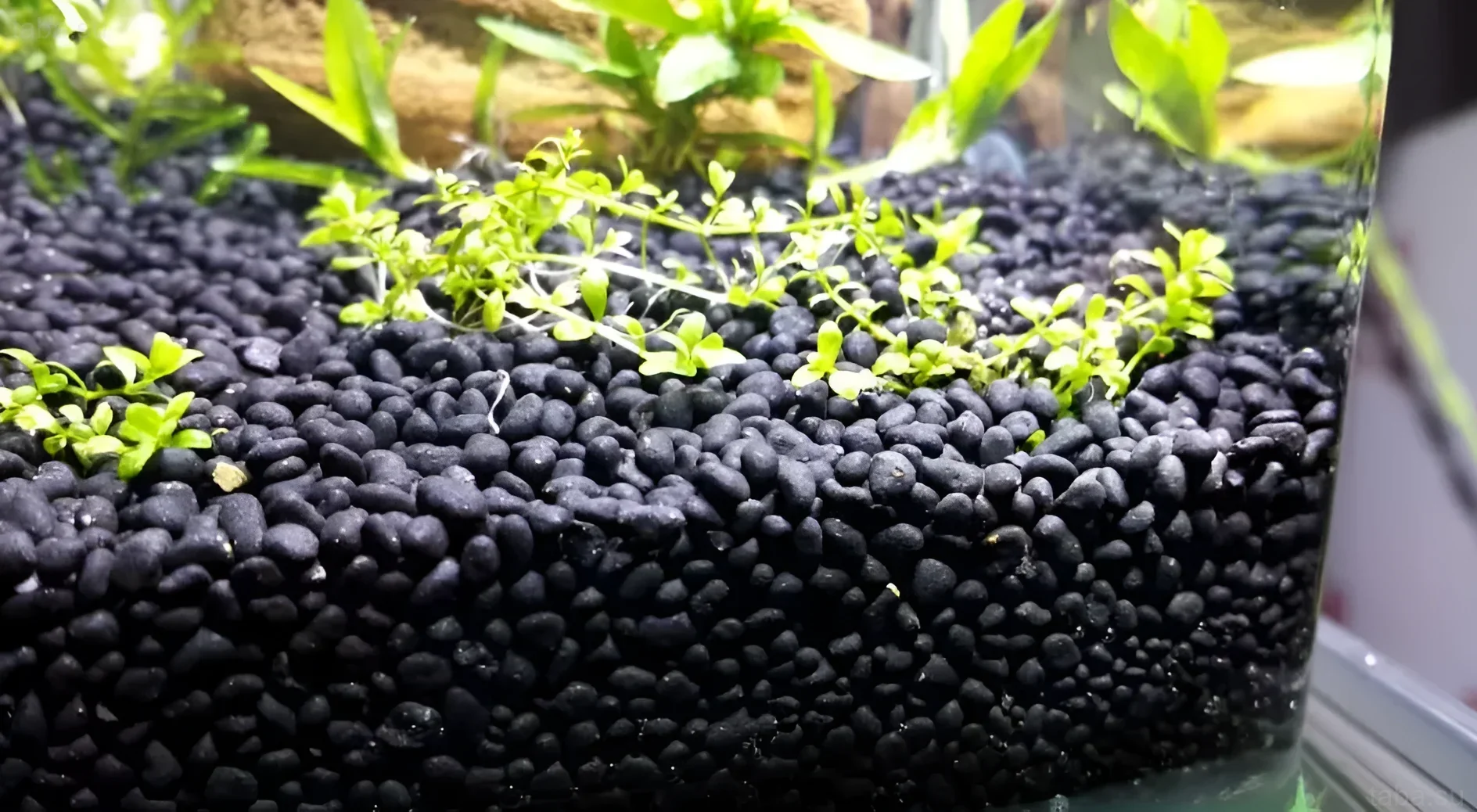
Caring for an aquarium with Active Soil differs from caring for an aquarium with inert substrate, especially in the first few weeks.
Startup Period (First 4–6 Weeks)
In the initial period of use, soil releases a large amount of nutrients, primarily ammonia (NH3/NH4+). This can be dangerous for fish and shrimp, so a strict water change regimen is necessary.
- Daily water changes: In the first week, it is recommended to change 30–50% of the water daily.
- 2–3 water changes per week: For weeks 2–4, change 30% of the water every other day.
- Monitoring: Regularly test the water for ammonia, nitrite, and nitrate. You can introduce livestock only after all three parameters have dropped to zero.
Long-Term Care and Fertilization
As the soil depletes (usually after 12–18 months), its nutrient-releasing capacity decreases. Plants will begin to show signs of deficiency.
Methods for replenishing nutrients:
- Liquid fertilizers: Transition to regular dosing of liquid fertilizers into the water.
- Root fertilization: Introducing clay or peat balls, or special nutrient capsules (e.g., JBL 7 Balls) directly under the roots of demanding plants (e.g., Echinodorus, or Cryptocoryne).
Substrate Replacement
Complete replacement of soil is required when its buffering capacity and nutrient potential are exhausted. This typically occurs after 1.5–3 years, depending on the layer thickness and plant density. Replacing soil is essentially a restart of the aquarium.
Problems with Soil Use and Solutions: Ammonia Spike, Water Acidification, and Others
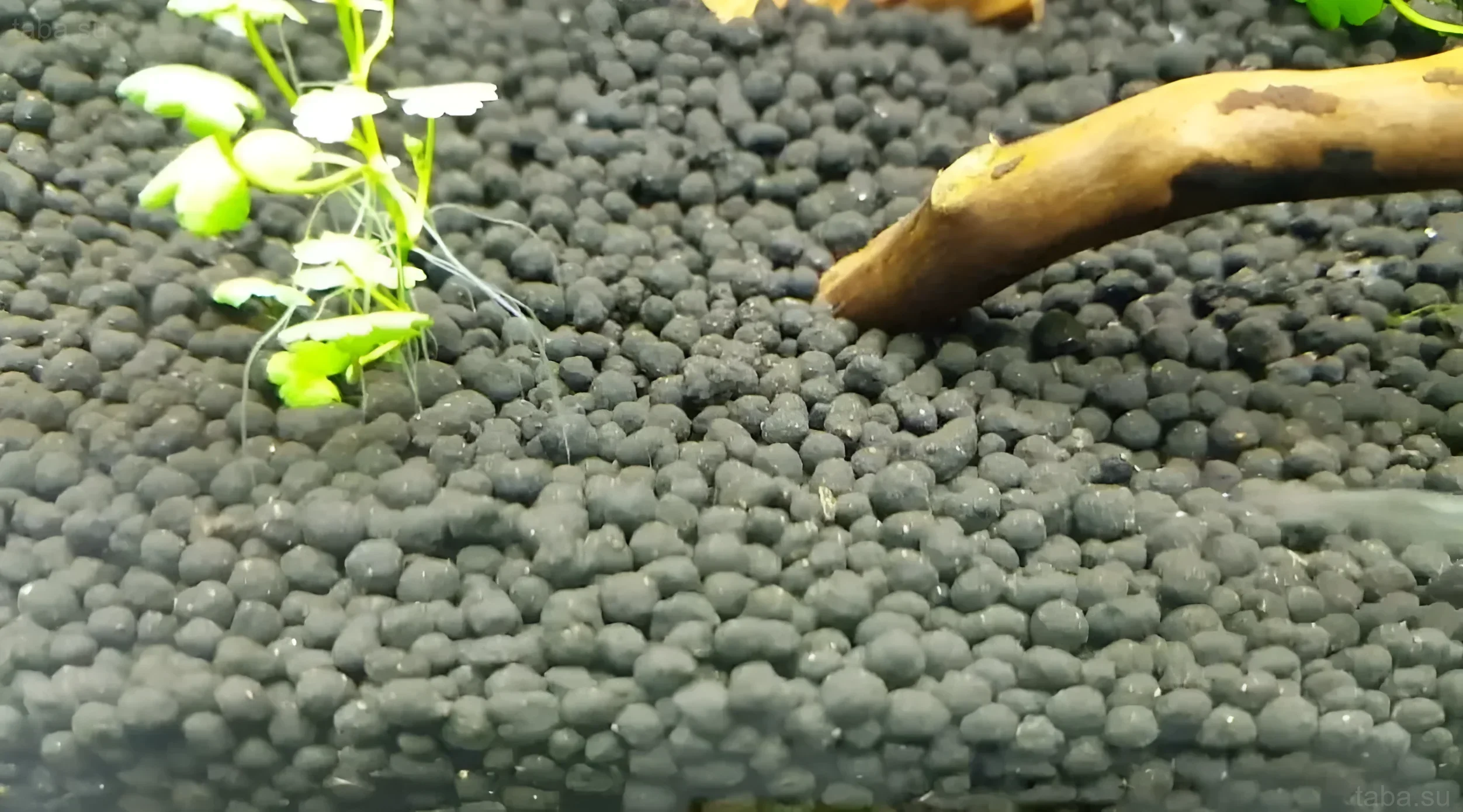
While Active Soil is a powerful tool, it requires attention and an understanding of its chemical activity. Several problems are typical for soil-based aquariums.
1. Ammonia Spike
Problem: In the first days and weeks, soil releases a significant amount of ammonia, which can kill fish and shrimp. This is a natural process related to the release of bound nitrogen.
Solution:
- Strict adherence to the daily water change regimen (30–50%) for the first 2–3 weeks.
- Do not introduce livestock until the nitrogen cycle is fully complete.
- Use bacterial starters to accelerate filter colonization.
2. Severe Water Cloudiness
Problem: Cloudiness caused by fine soil dust or a bacterial bloom.
Solution:
- If the cloudiness is caused by dust: wait and use a high-quality mechanical filter (filter floss). Do not attempt to rinse the substrate in the aquarium.
- If the cloudiness is bacterial: increased aeration and frequent, but small, water changes. A UV sterilizer can be used.
3. Excessive Acidification (pH Crash)
Problem: Over time, especially when using soft water (RO), soil can reduce KH to zero. In the absence of buffering capacity, pH can drop sharply to critical levels (below 5.0), which is dangerous for fish and bacteria.
Solution:
- Use remineralizers (e.g., Salty Shrimp GH/KH+) when preparing water for changes.
- Regularly (once a week) measure KH. KH should not be below 1–2 dKH.
4. Compaction
Problem: Over time, the porous soil granules break down and compact, which impairs water circulation in the substrate and leads to the formation of anaerobic zones (rotting).
Solution:
- Avoid deep substrate siphoning.
- Use substrate-dwelling snails (e.g., Malaysian Trumpet Snails – Melanoides tuberculata) that aerate the top layers.
- In case of severe compaction, perform a partial or complete substrate replacement.
FAQ: Most Common Questions About Active Soil

Can soil be used with regular substrate?
Theoretically yes, but it is not recommended. Soil should be the top layer, as it provides the nutrient medium and buffering. If soil is mixed with inert substrate, its buffering capacity will significantly decrease, and the granules will break down quickly.
Do I need to use a substrate underlayment for soil?
No. Unlike inert substrate, Active Soil already contains all the necessary nutrients and functions as a nutrient underlayment. Using an additional underlayment can lead to oversaturation of water with nutrients and severe algae blooms.
What is the lifespan of Active Soil?
The lifespan depends on the manufacturer, plant density, and the hardness of the water used. On average, the nutrient potential lasts for 1.5–2 years, and the buffering capacity (ability to reduce KH/pH) may be exhausted faster, especially when using hard tap water.
Can old soil be reused?
No. Depleted soil loses its porous structure and nutrients. It turns into inert clay. A new setup requires fresh soil.
Interesting Facts About Soil and Its History

The advent of Active Soil was a revolution in aquaristics, closely linked to the development of aquascaping.
- ADA’s pioneering role: The concept of nutrient substrate was popularized by the Japanese company Aqua Design Amano (ADA), founded by Takashi Amano. Their product, ADA Aqua Soil Amazonia, became the standard that all modern soil manufacturers strive to emulate.
- Mimicking nature: Soil mimics the soil of tropical rainforests, which is rich in humic acids and has an acidic pH, perfectly matching the habitat of many popular aquarium plants (e.g., Blyxa japonica) and character fish.
- Two types of granules: Most manufacturers offer soil in two sizes: Normal (standard, for a thick layer) and Powder (fine, for the top layer, facilitating the planting of ground cover plants like Glossostigma elatinoides).
Using Active Soil allows the aquarist to reach a qualitatively new level, providing plants and shrimp with a stable, nutrient-rich, and biologically active environment necessary for thriving. It is an investment that pays off with the health and beauty of the underwater landscape.
Additional Images
Gallery of remaining images (click to view):