
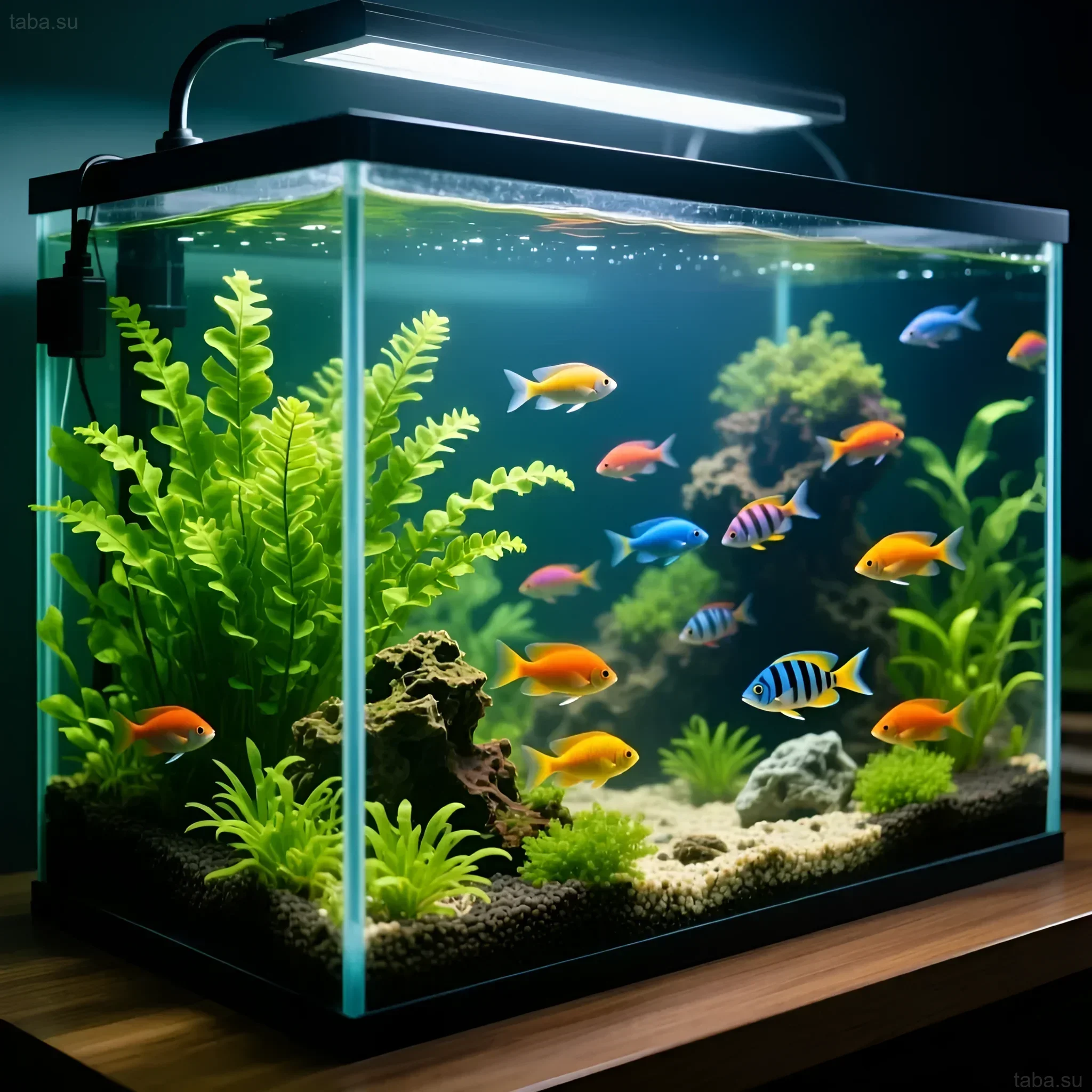
Maintaining a stable biological balance is the cornerstone of successful aquaristics. In conditions of high population density or intensive feeding, aquarium systems often face the problem of accumulating end products of the nitrogen cycle – nitrates (NO3) and phosphates (PO4). These substances, being nutrients for plants, in excess provoke outbreaks of undesirable algae and can negatively affect the health of aquatic organisms. One of the most effective, natural, and elegant solutions to this problem is the installation of an algae scrubber, or refugium, which utilizes the power of fast-growing macroalgae for nutrient export.
Algae Scrubber (Refugium) in a Freshwater Aquarium: A Natural Filter and More
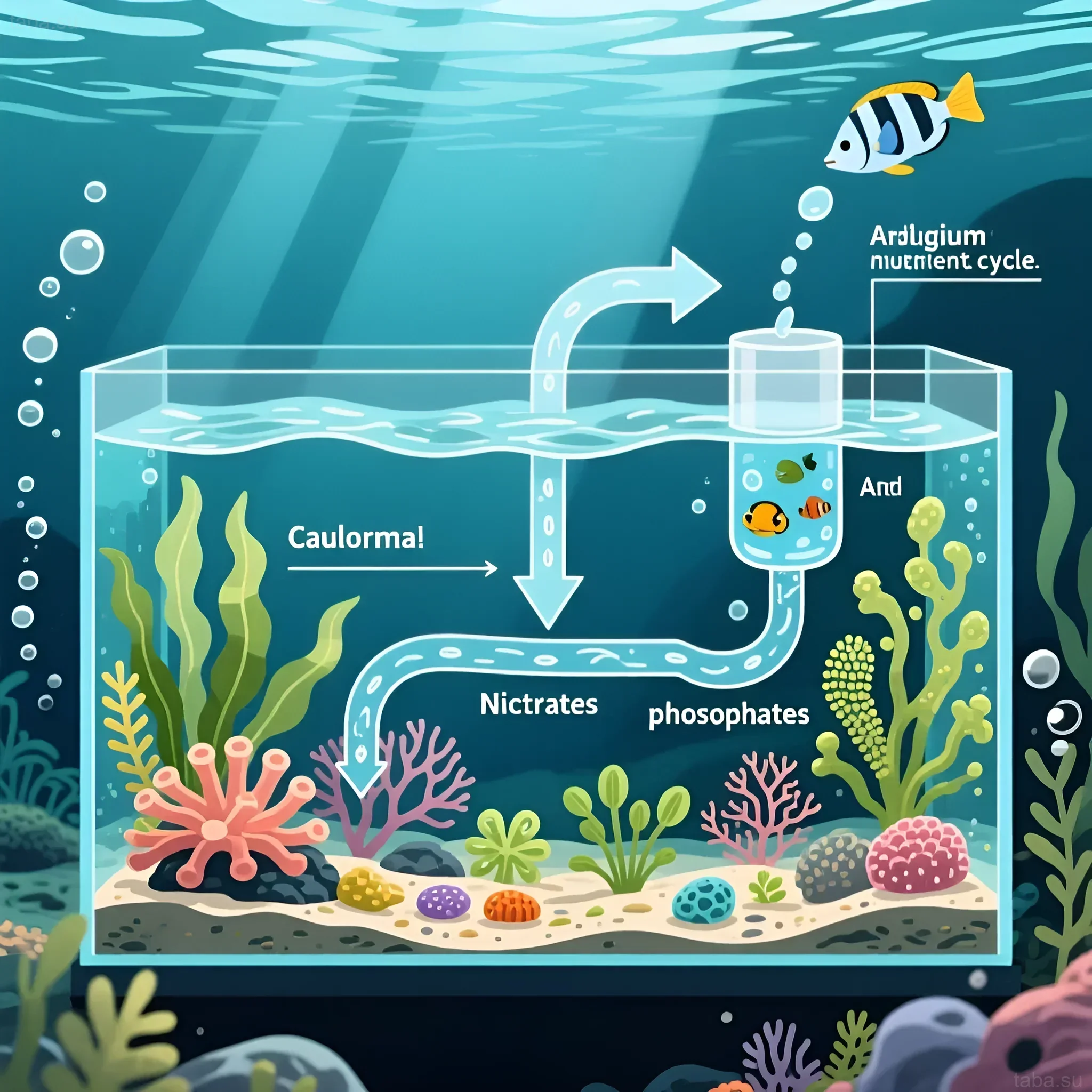
An algae scrubber is a separate container connected to the main aquarium, serving as a sanctuary for beneficial microfauna and, most importantly, for growing fast-growing plant biomass. In the context of freshwater aquaristics, although the term “refugium” is traditionally associated with marine systems, its principle is successfully adapted using both specialized algae and fast-growing higher plants.
The main purpose of an algae scrubber is to create a controlled environment where beneficial organisms or plants will consume nutrients, competing with undesirable algae in the main aquarium.
Benefits of Using an Algae Scrubber:
- Nitrate and Phosphate Control: Plants or macroalgae actively absorb excess NO3 and PO4.
- pH Stabilization: Photosynthesis, especially when using a Reverse Daylight Cycle (RDC), helps stabilize pH fluctuations.
- Sanctuary for Microfauna: The refugium becomes a breeding ground for beneficial microorganisms (e.g., copepods), serving as live food.
- Biological Competition: Active nutrient consumption in the refugium “starves” undesirable algae in the main volume.
What is an Algae Scrubber (Refugium) and How Does It Work?
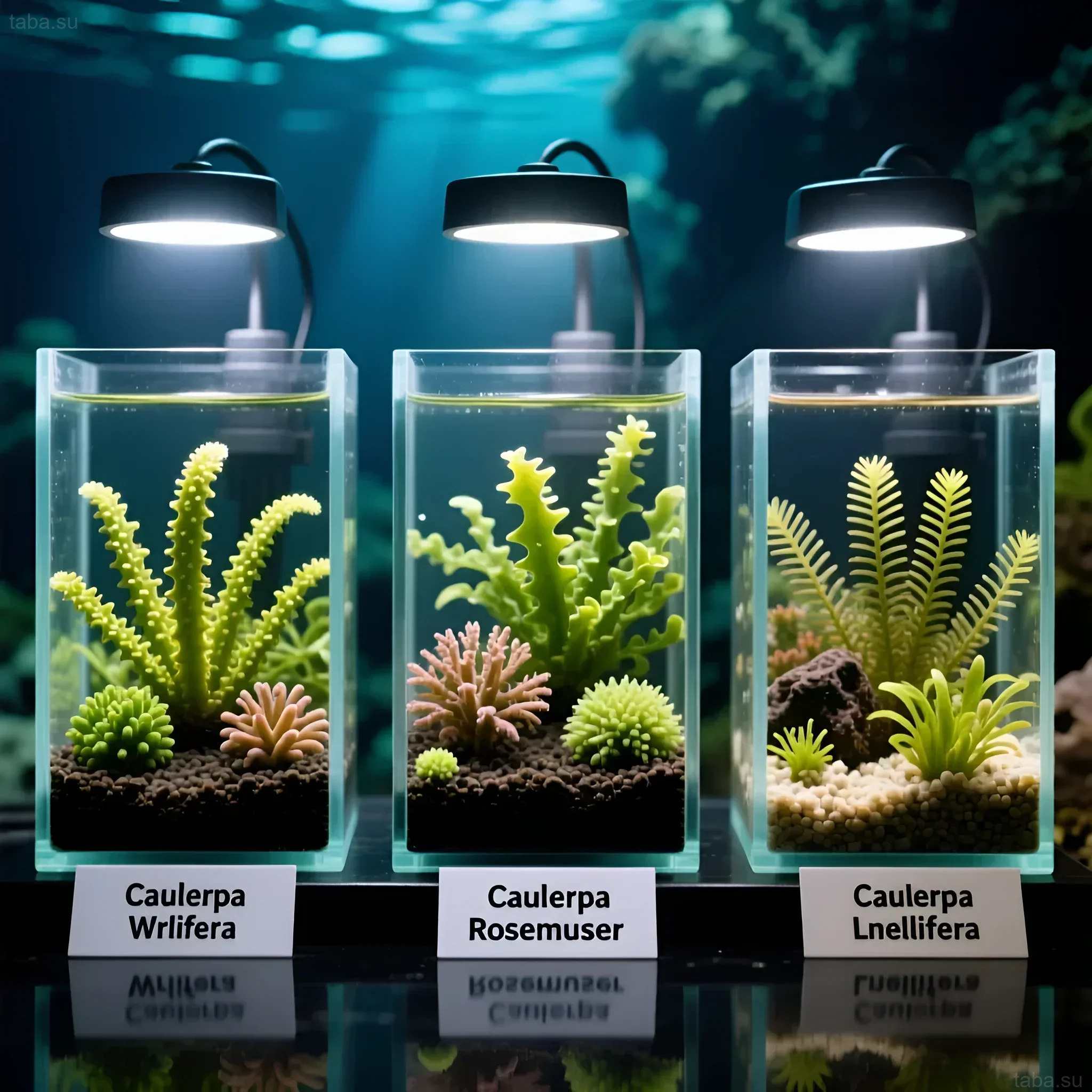
Essentially, an algae scrubber is an additional compartment that can be implemented as an external sump, a hang-on-back refugium, or even a dedicated internal compartment. Its operation is based on the principle of nutrient export.
Key Elements of Refugium Operation:
- Water Inflow: Water saturated with nitrates and phosphates flows from the main aquarium.
- Absorption: In the refugium, due to intense lighting and a high concentration of plant mass, rapid nutrient absorption occurs.
- Export: When the biomass (algae or plants) grows, the aquarist physically removes a portion of it, permanently removing accumulated nitrates and phosphates from the system.
- Water Return: Purified water is returned to the main aquarium.
For freshwater systems, either specialized sump sections with fast-growing plants (such as hornwort (*Ceratophyllum demersum*) or floating plants) are often used, or systems where the roots of terrestrial plants (e.g., Pothos or Epipremnum) are submerged in water, but the leaves themselves are in the air.
Chaetomorpha – The Best Choice for an Algae Scrubber: Species and Features
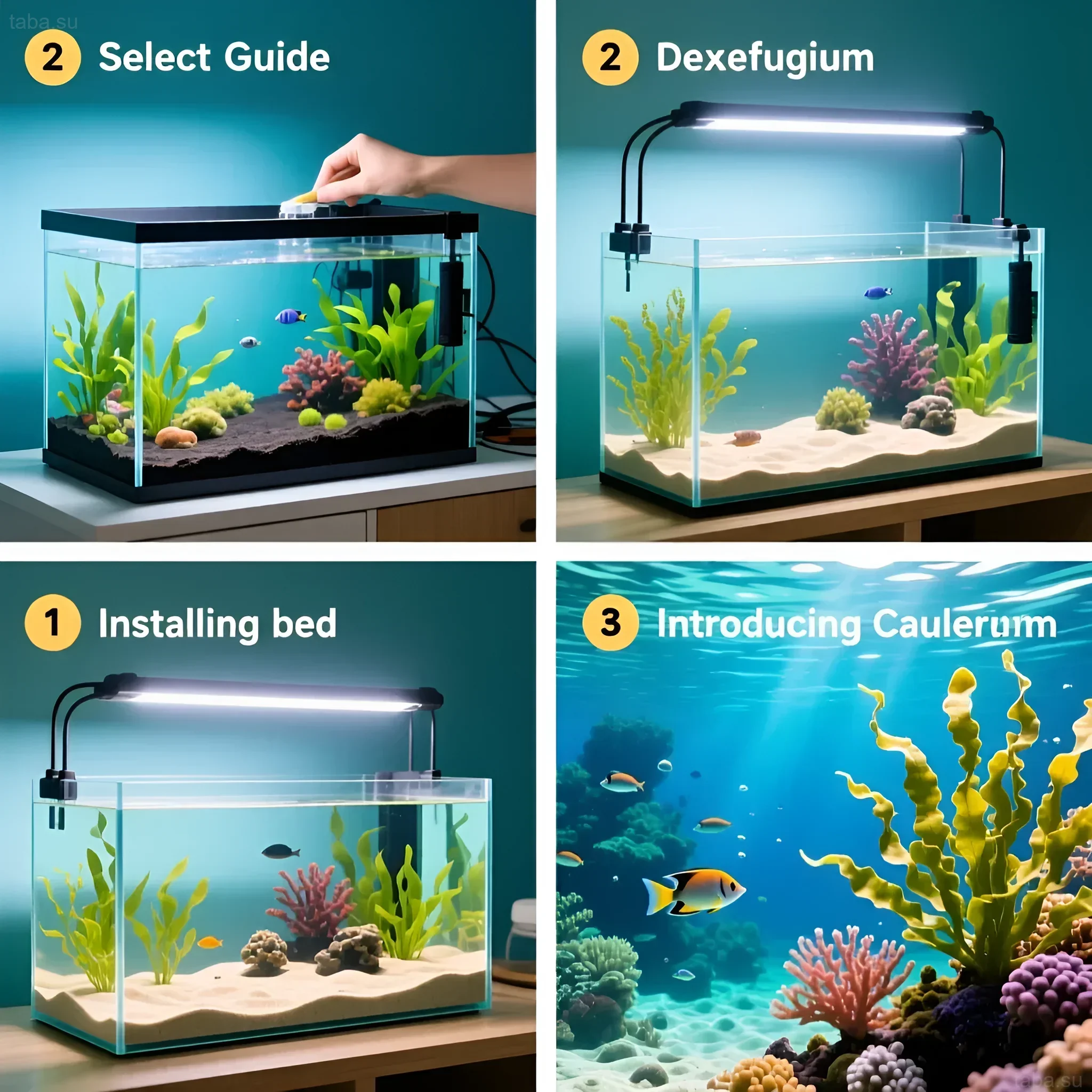
Although chaetomorpha (*Chaetomorpha linum*) is a classic marine macroalgae and cannot be used in a standard freshwater aquarium, its mechanism of action and structure serve as an ideal model for understanding the principle of an effective algae scrubber. Chaetomorpha is considered the gold standard for nitrate export in marine aquaristics.
Why Chaetomorpha is So Effective (and Why We Seek Its Freshwater Analogues):
- Structure: It forms a dense, tangled ball (similar to a sponge) that does not attach to the substrate. This makes it easy to collect and remove.
- Growth Rate: With sufficient lighting and nitrates, chaetomorpha exhibits exponential growth, rapidly binding nutrients.
- No Spawning: Unlike many other macroalgae (e.g., Caulerpa), chaetomorpha does not have a “sexual release” that can cause a sudden collapse of algae and release accumulated nitrates back into the water.
In freshwater aquariums, the role of chaetomorpha in nutrient export is often performed by:
Freshwater Analogues for Algae Scrubbers:
- Hornwort (*Ceratophyllum demersum*): An extremely fast-growing, floating plant that does not require rooting. Ideal for HOB refugiums.
- Riccia (*Riccia fluitans*): A fine-leaved floating moss that rapidly absorbs nitrates under intense lighting.
- Emergent Plants: Plants whose roots are submerged in water (e.g., Dracaena, Pothos). They use atmospheric CO2, allowing them to grow even faster than fully submerged plants, ensuring maximum export.
Creating and Installing an Algae Scrubber: A Step-by-Step Guide
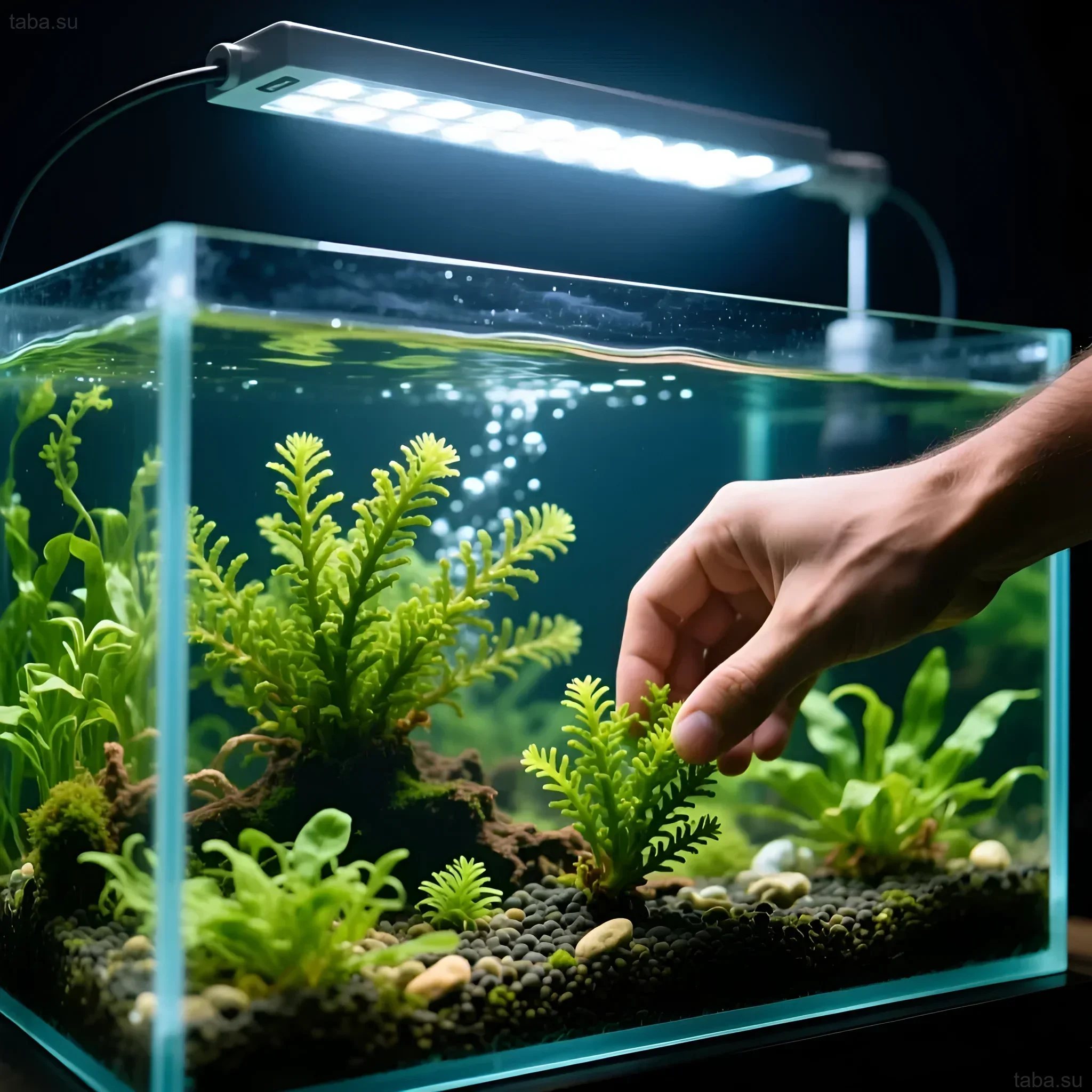
Creating an effective algae scrubber requires careful planning of water flow, lighting, and container selection. The most common and effective is an algae scrubber integrated into a sump.
Step 1: Choosing the Type of Algae Scrubber
Installation Options:
- Sump Refugium: The most preferred option. A separate section is designated in the sump, where water enters after mechanical filtration.
- HOB (Hang-On-Back Refugium): A compact external box that hangs on the back of the aquarium. Suitable for small systems.
- Internal Box: A small mesh container placed inside the aquarium but with dedicated lighting. Less effective due to limited volume.
Step 2: Ensuring Water Flow
The key requirement is a moderate but constant flow. Water needs to be renewed to deliver nutrients, but not so quickly that plants or algae don’t have time to absorb them.
- Optimal Flow: Ensure that water from the refugium returns to the main aquarium at a rate of approximately 10–20% of the total system circulation.
Step 3: Lighting (The Most Important Factor)
Intense lighting is required for maximum nutrient consumption. Use full-spectrum LED lamps or grow lights directed straight at the biomass.
Reverse Daylight Cycle (RDC):
It is recommended to turn on the light in the algae scrubber when the main aquarium lighting is off. This has two important advantages:
- pH Stabilization: At night, when fish and bacteria release CO2, pH drops. Photosynthesis in the refugium consumes CO2, helping to maintain a higher pH level.
- Effective Competition: Plants in the refugium continue to consume nitrates when algae in the main aquarium are “sleeping.”
Step 4: Seeding the Biomass
Fill the compartment with selected fast-growing plants or algae (e.g., hornwort or, if it’s a marine system, chaetomorpha). The larger the initial mass, the faster the system will start working.
Algae Scrubber Maintenance: Maintaining Balance and Controlling Growth
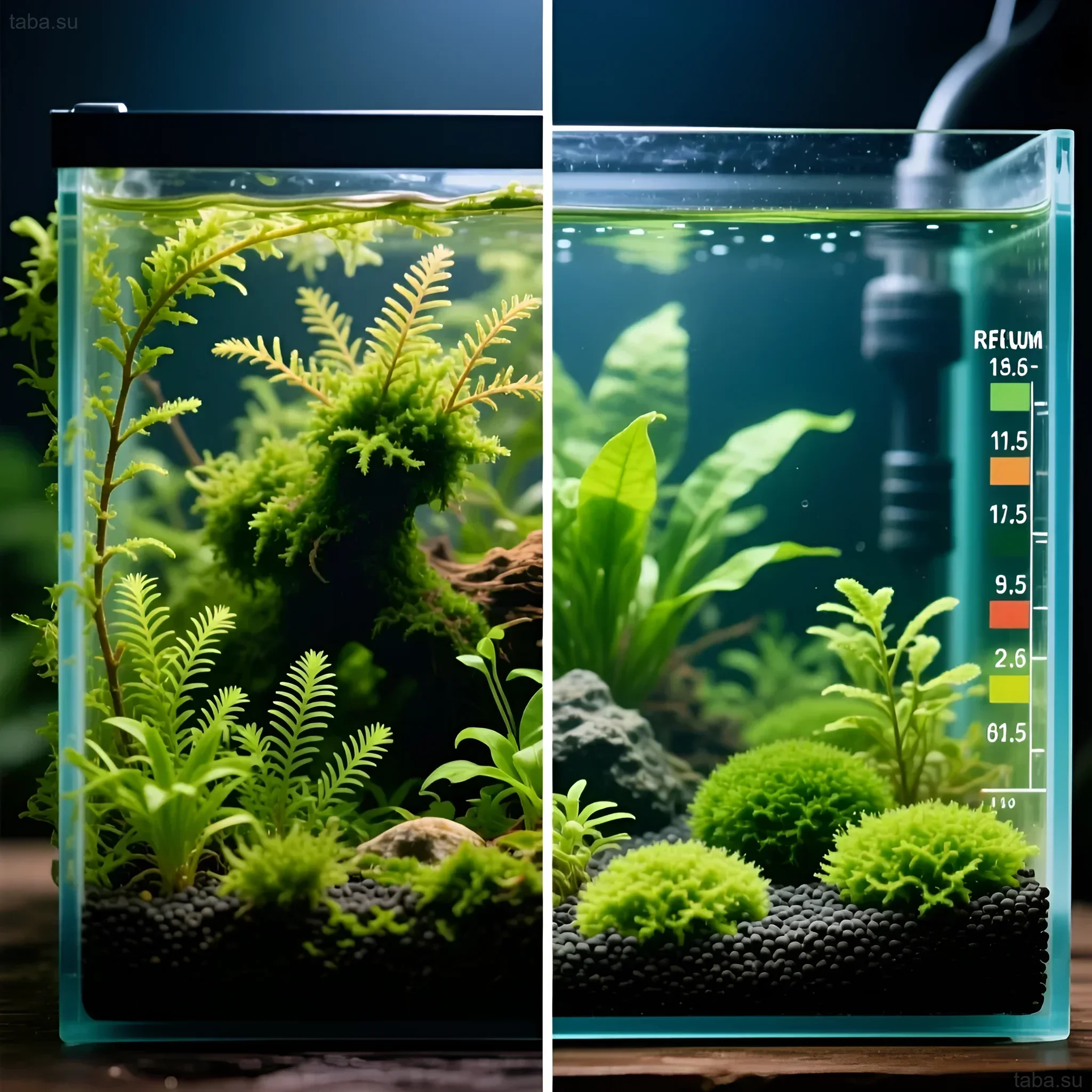
An algae scrubber is not a “set it and forget it” system. Regular intervention – harvesting – is required to ensure continuous nitrate export.
Regular Harvesting
Harvesting is the physical removal of a portion of the biomass, which is the final stage of nitrate export.
- Frequency: Depends on the growth rate. In a well-tuned system, harvesting can be done weekly or bi-weekly.
- Amount: Remove approximately 30–50% of the total mass, leaving enough for rapid regrowth.
- Tool: For a ball of chaetomorpha or hornwort, simply removing a portion by hand is sufficient.
Monitoring Parameters and Lighting
If the algae or plants in the refugium stop growing, it’s a sign of a problem.
Factors Affecting Growth:
| Problem | Cause | Solution |
|---|---|---|
| Slow Growth | Depletion of nutrients (N, P) or trace elements (Iron, Fe) | Add trace elements; increase feeding or population. |
| Brown Film Growth | Low flow or aging lamps | Increase flow through the compartment; replace lamps. |
It is also important to regularly clean the bottom of the refugium of detritus, which can accumulate and, by decomposing, return nitrates to the system.
Problems and Solutions: Common Mistakes and How to Avoid Them
While an algae scrubber is a powerful tool, beginners often make mistakes that reduce its effectiveness or even lead to undesirable consequences.
Mistake 1: Insufficient Lighting
If the light is too weak, the algae/plants will not grow fast enough to compete with undesirable algae in the main aquarium.
- Solution: Install a specialized high-intensity (PAR) light designed for deep penetration, even if the compartment is shallow.
Mistake 2: Too Fast Flow
If water flows through the refugium too quickly, nutrients do not have time to be absorbed, and the algae themselves can be dislodged by the flow.
- Solution: Use an adjustable valve or pump to limit the flow rate to an optimal level (1–2 refugium volumes per hour).
Mistake 3: Lack of Regular Harvesting
Algae or plants that have reached maximum size and stopped growing are no longer effective nitrate absorbers.
- Solution: Implement a strict harvesting schedule. Remove old, pale biomass, stimulating the growth of young and active material.
Algae Scrubber and Its Inhabitants: Beneficial Neighbors for Your Aquarium

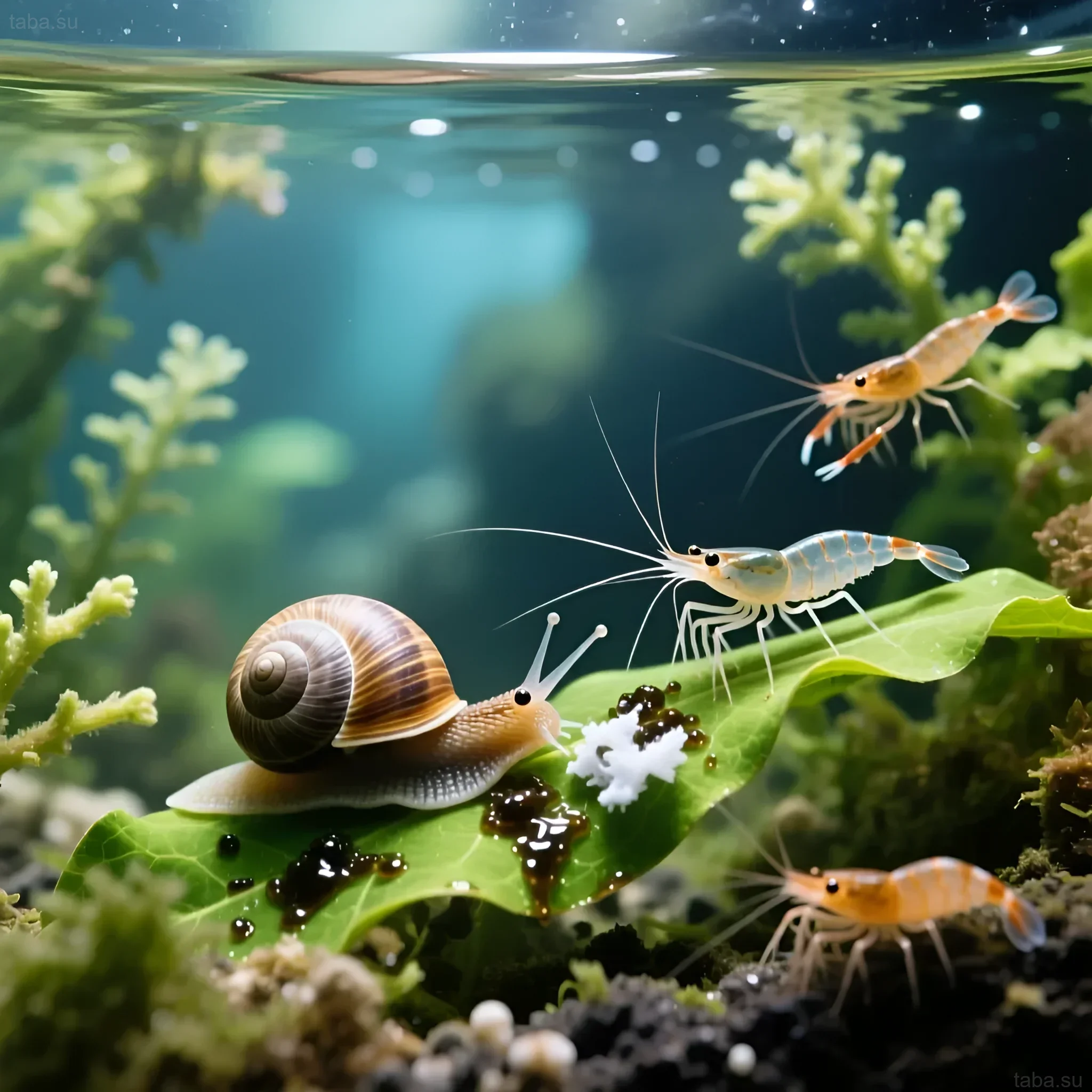
A refugium is not just a filter; it’s an ecosystem. Its environment, protected from predators in the main aquarium, is ideal for the reproduction of small invertebrates that play an important role in the food chain.
Key Refugium Inhabitants:
- Copepods and Amphipods: In marine systems, these are gammarids; in freshwater, various types of small crustaceans. They reproduce in the dense algae and periodically enter the main aquarium, serving as live food for small fish, shrimp, and fry.
- Malaysian Trumpet Snails (*Melanoides tuberculata*): These snails help aerate the substrate (if used) and consume detritus, preventing its decay.
- Small Detritivorous Worms: Help in the utilization of organic waste.
Important: Avoid adding fish to the refugium that might prey on beneficial microfauna or the algae themselves, negating its primary function.
Algae Scrubber (Refugium): FAQ and Interesting Facts
Frequently Asked Questions
Q: Can I use an algae scrubber if I don’t have a sump?
A: Yes, you can. In this case, hang-on-back (HOB) refugiums or specially designed external canister filters modified to accommodate plant mass and separate lighting are used. However, a sump offers the greatest volume and flexibility.
Q: How long does it take for an algae scrubber to start working?
A: The biomass needs to acclimatize and start growing actively first. This process can take from 2 to 6 weeks. The effectiveness of nitrate export will only become noticeable after the first 4–8 weeks of active growth and harvesting.
Q: Do freshwater plants in an algae scrubber need CO2?
A: No, generally CO2 supplementation is not required. The goal of a refugium is to consume nitrates and phosphates that are already present in the water as quickly as possible. The plants used for this purpose (e.g., hornwort) are undemanding and grow excellently without additional carbon dioxide, using dissolved CO2.
Interesting Facts About Algae Scrubbers
- Macroalgae as an Indicator: Healthy growth of chaetomorpha (or its freshwater analogues) is the best indicator that your system has sufficient nitrates and phosphates for its effective functioning.
- Reduced Need for Water Changes: In systems with a highly efficient algae scrubber, the frequency and volume of water changes can be reduced, as a significant portion of accumulated nitrates is exported.
- Stimulation of Spawning: The constant supply of live food (microfauna) from the refugium to the main aquarium often stimulates spawning behavior in many fish species, mimicking natural conditions.