

Aquaristics with live plants is not just a hobby, it’s a balance of a complex ecosystem where every element plays a critically important role. To achieve lush, healthy, and intensely green underwater landscapes (aquascaping), plants need to be provided with three key components: light, macro- and microelements, and, most importantly, carbon. Carbon (C) is the building material for all organic compounds, and its primary source in an aquarium is carbon dioxide (CO2).
 taba
taba
Optimal Temperature for Tropical Fish: A Guide to Aquarium Thermoregulation
Maintaining a stable and optimal temperature is one of the cornerstones of successful aquaristics, especially when keeping tropical species. Deviations of just a few degrees from the norm can lead to stress, weakened immunity, disease outbreaks, and even the death of aquatic inhabitants. Experts from the taba.su portal emphasize that temperature affects all physiological processes of aquarium inhabitants, including metabolism, respiration, and reproduction.
Starting an Aquarium from Scratch: A 30-Day Step-by-Step Guide
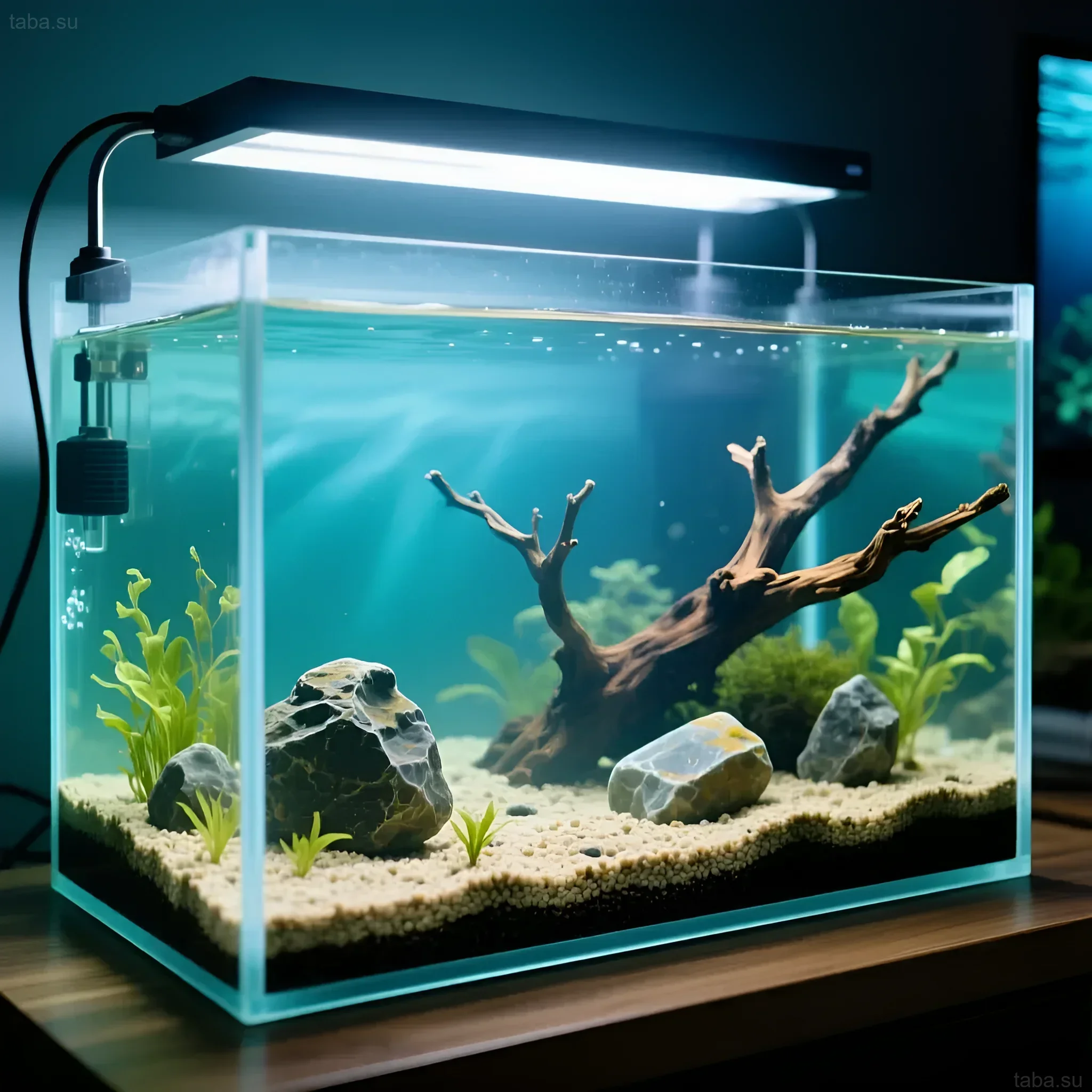
Starting a new aquarium is not just about filling it with water and adding fish. It’s a complex but fascinating process of establishing a stable biological system, at the core of which lies the nitrogen cycle. The health of future inhabitants and the overall stability of the ecosystem depend on how correctly and patiently this preparatory stage is carried out. Leading aquarists recommend adhering to a strict 30-day plan to ensure complete maturation of the biofiltration.
pH in Aquariums: A Comprehensive Guide to Acidity for Fish Health
Maintaining optimal water parameters is the cornerstone of successful aquaristics. Among all chemical indicators, pH, or the hydrogen potential, holds a central place. It is pH that determines how comfortable and safe the environment will be for aquarium inhabitants, affecting their metabolism, immunity, and reproductive capacity.
Weekly Water Change: 10%, 30%, or 50% — The Expert’s Choice
Maintaining a stable and healthy aquatic environment is the cornerstone of successful aquaristics. Regardless of experience, every aquarist faces the question: how often and in what volume should water be changed? This process not only removes dirt but is also critically important for chemical balance, preventing the accumulation of invisible toxic compounds. The correct choice of water change volume (10%, 30%, or 50%) depends on many factors: stocking density, presence of plants, filtration type, and, of course, the maturity of the biotope itself.
Dry Flakes for Aquarium Fish: A Complete Analysis of Pros and Cons
Dry flakes are perhaps the most common and recognizable form of food in the world of aquaristics. Since their introduction to the market, they have become the standard diet for most species of tropical fish. However, like any product, flakes have their strengths and weaknesses. Experts from taba.su have conducted a detailed analysis to determine how well this type of food meets the modern requirements for feeding aquarium inhabitants.
Ichthyophthirius and Oodinosis: How to Distinguish “Ich” from “Velvet Disease”
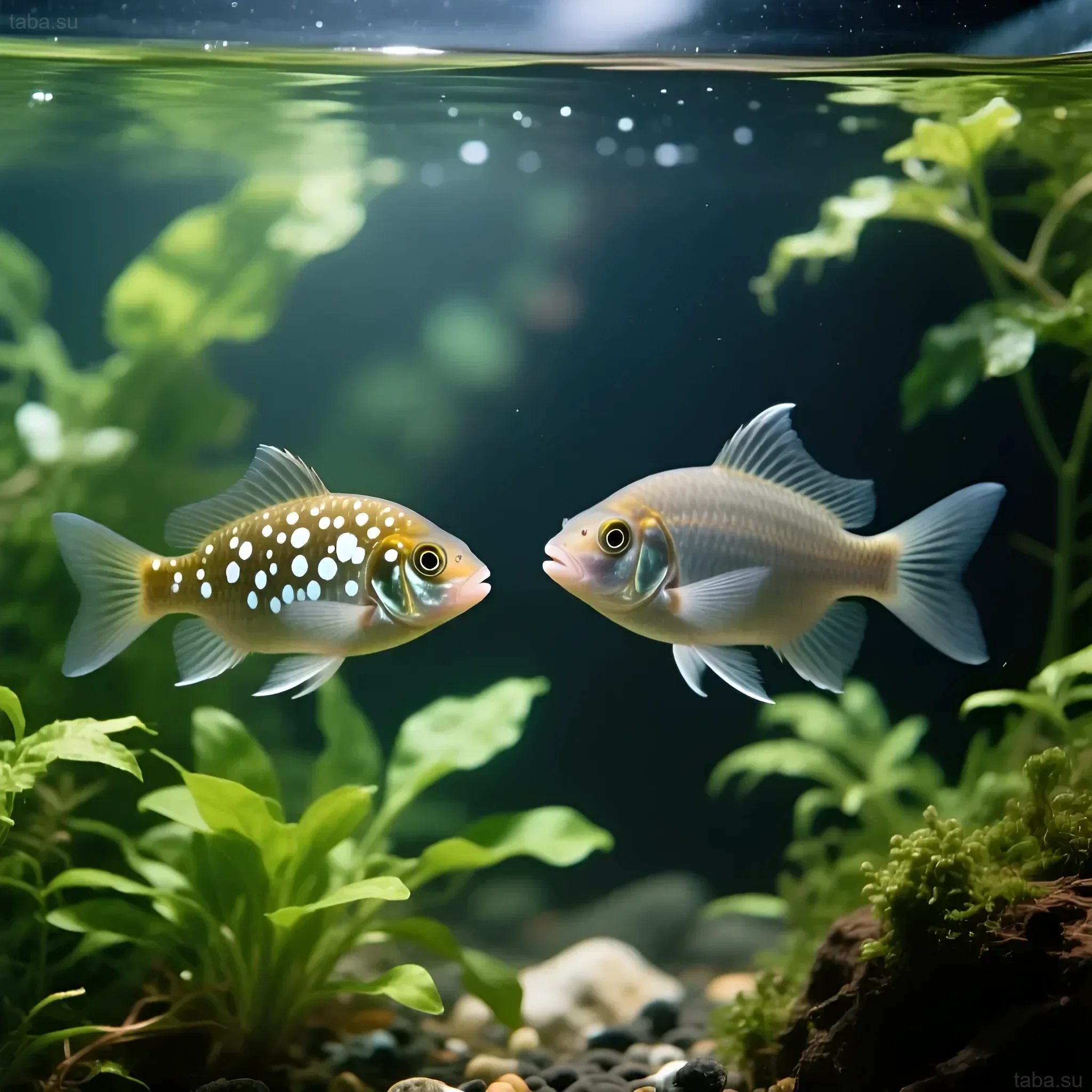
The appearance of white spots on the body of aquarium fish is one of the most common and alarming signals for any aquarist. This condition is often mistakenly called “ich,” but behind this general term can hide two completely different, though superficially similar, diseases: ichthyophthirius and oodinosis. Correct identification of the pathogen is a critically important step, as the treatment protocols for these diseases differ significantly. An incorrect diagnosis can lead to the loss of the entire fish population.
Ichthyophthirius: A Complete Guide to Treatment with Heat and Medication
Ichthyophthirius, widely known in aquaristics as “white spot disease” or “ich,” is one of the most common and potentially fatal diseases of freshwater fish. The causative agent is the ciliate protozoan Ichthyophthirius multifiliis. This disease affects the skin and gills, causing characteristic white spots resembling grains of semolina. It is critically important for an aquarist to immediately recognize the symptoms and begin effective treatment. Currently, there are two main approaches to combating ichthyophthirius: raising water temperature and using specialized medications. Experts from the taba.su portal provide a detailed analysis of both methods and offer optimal treatment strategies.
Antipar: A Universal Parasite Remedy, Instructions and Application
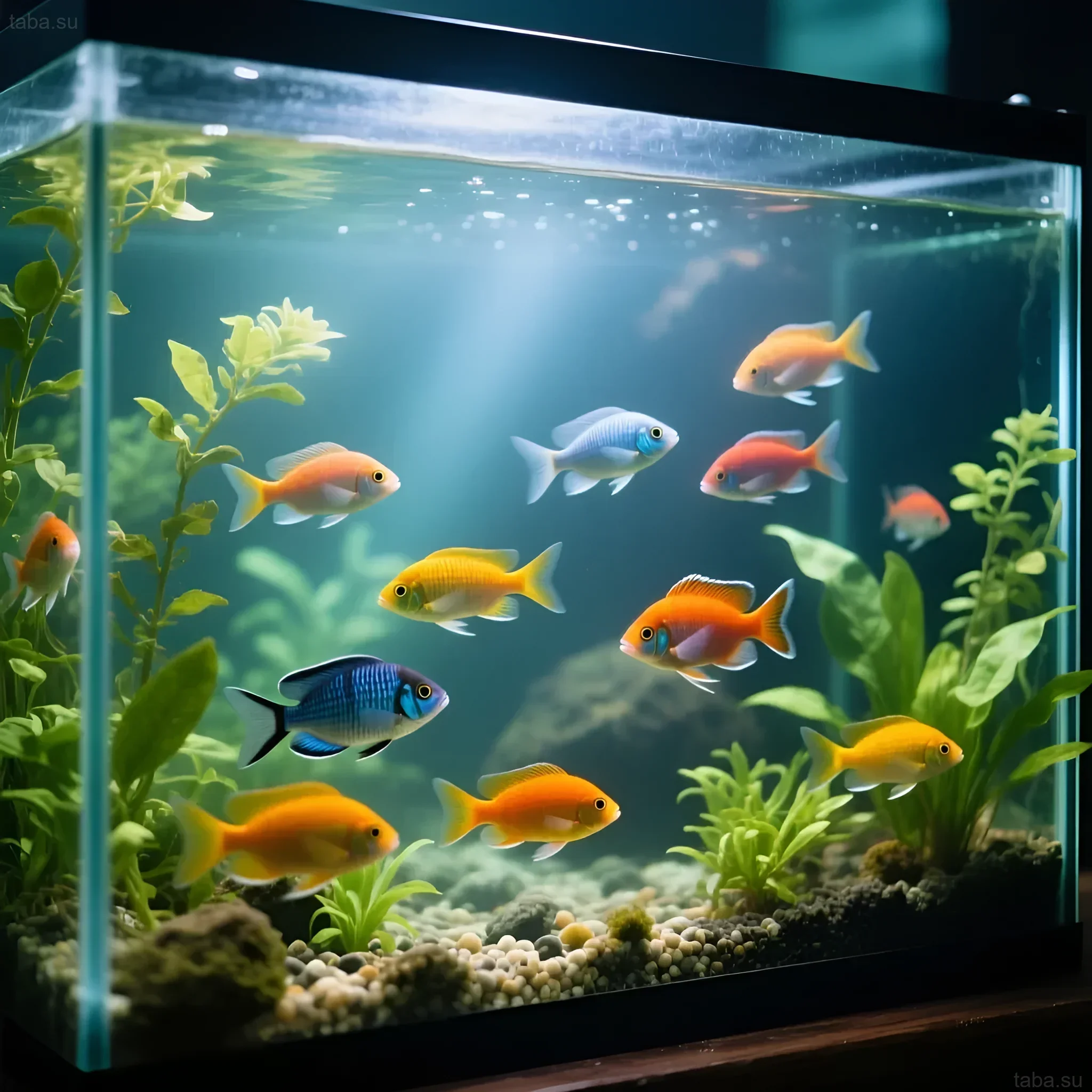
Aquarium keeping, despite all its beauty and tranquility, inevitably faces challenges, one of which is fish diseases caused by parasites. An experienced aquarist’s arsenal should always include a universal and reliable remedy capable of quickly containing an outbreak of disease. Such a remedy, time-tested and used in thousands of aquariums, is Antipar – a complex preparation combining the power of methylene blue and malachite green.
Dragon Stone (Ohko Stone): Properties, Preparation, and Application in Aquascaping
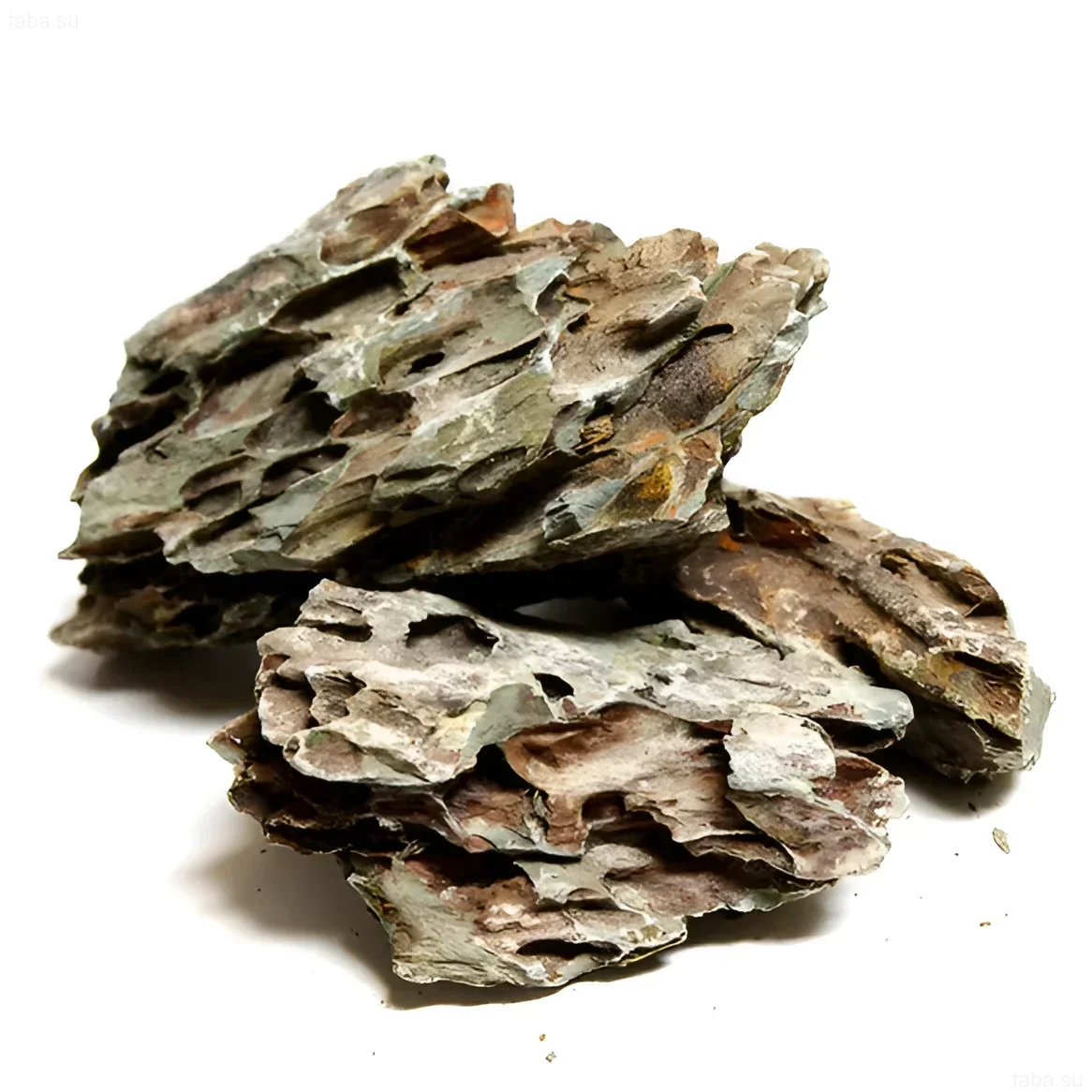
Dragon Stone, known internationally in aquascaping as Dragon Stone or Ohko Stone, is rightfully considered one of the most sought-after and visually impressive natural materials for decorating freshwater aquariums. Its unique texture, resembling dragon scales or time-worn rock, allows for the creation of deep and natural compositions that mimic terrestrial landscapes.