
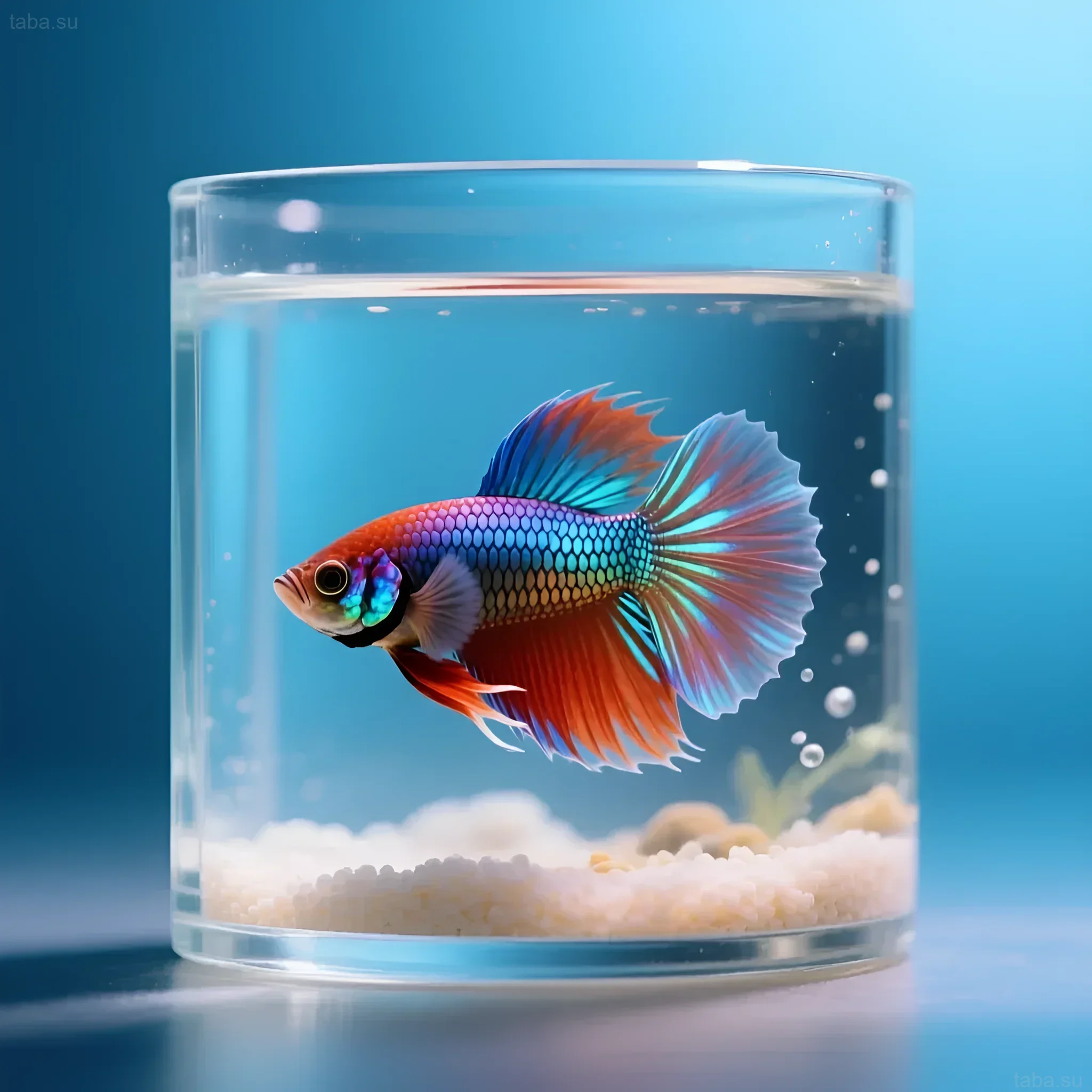
The Betta fish, or fighting fish (Betta Splendens), is deservedly considered one of the most popular inhabitants of freshwater aquariums. Its bright, luxurious fins and expressive character attract both experienced and novice aquarists. However, despite the common misconception about the unpretentiousness of bettas, keeping them in a limited volume requires special attention and strict adherence to rules. Experts from the taba.su portal have prepared a comprehensive guide that will help ensure Betta Splendens live long and healthy lives even in a mini-aquarium environment.
Betta Fish in a Mini-Aquarium: Beauty and Ease of Care
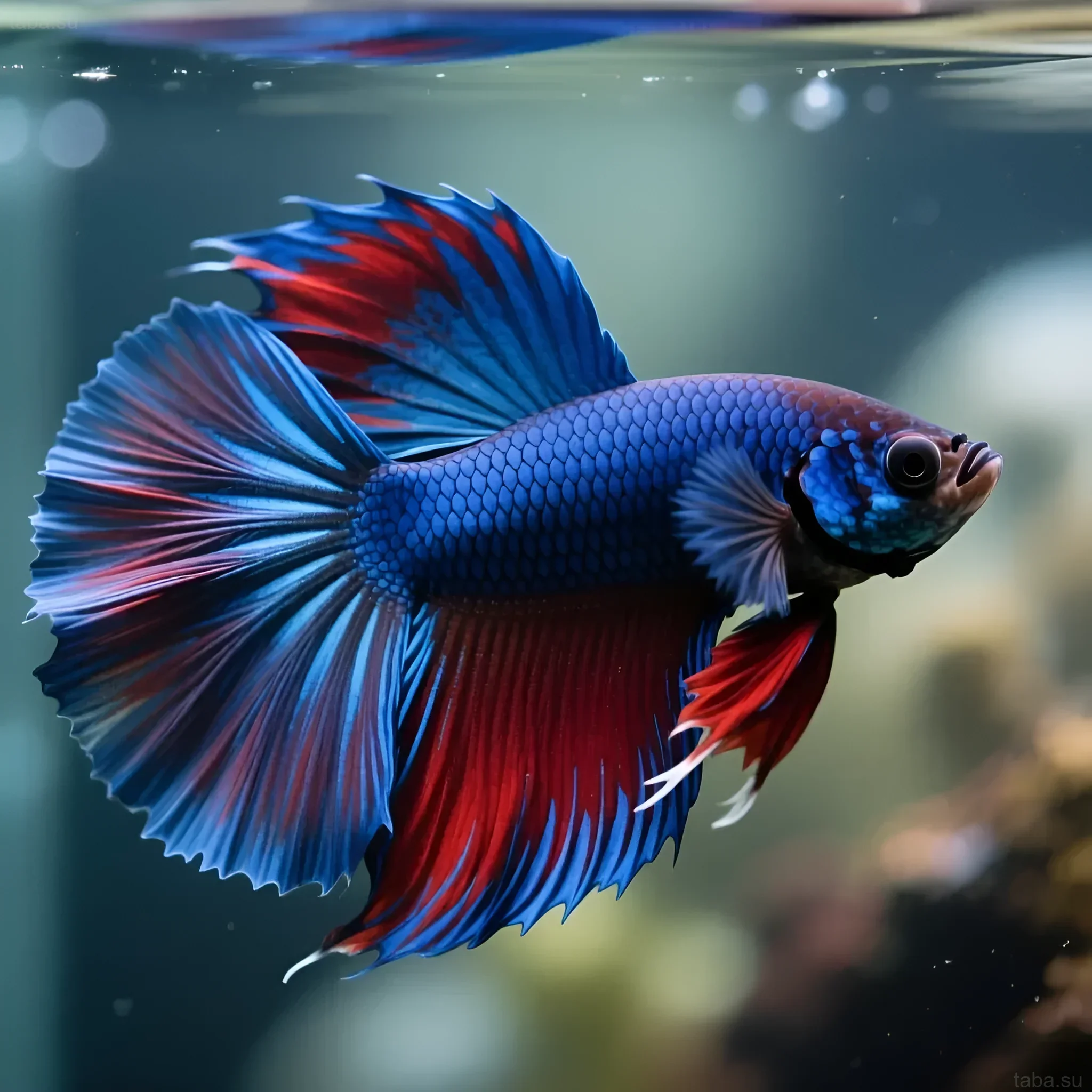
Many aquarists get betta fish precisely because of their ability to live in small volumes. This is indeed possible, but it requires increased responsibility from the owner, as toxic substances accumulate much faster in a small volume of water. Successful keeping of a betta fish in a mini-aquarium is not just about survival, but about providing it with comfortable conditions comparable to its natural environment.
Myths and Realities of Keeping Betta Fish:
- Myth: A betta fish can live in a glass or vase without equipment.
- Reality: A betta fish, like any tropical fish, needs a stable temperature (from 24°C) and clean water. This is impossible without a minimal set of equipment.
- Reality: A mini-aquarium (up to 10 liters) is ideal for a single male betta fish, but is absolutely unsuitable for keeping a group of fish or other tank mates.
The main advantage of a mini-aquarium is the ability to create a personalized, easily controllable environment for one fish that will highlight its individuality.
Betta Splendens: A Brief Overview and Species Characteristics
The Betta fish, belonging to the Osphronemidae family, originates from stagnant or slow-moving waters of Southeast Asia (Thailand, Cambodia, Vietnam). Understanding the biological characteristics of this species is critically important for proper care.
Key Betta Characteristics:
- Labyrinth Organ: Bettas are labyrinth fish. This means they can breathe atmospheric air by rising to the water surface. This feature allows them to survive in oxygen-poor waters, but does not negate the need for clean water.
- Territoriality and Aggression: The name “fighting fish” speaks for itself. Male Betta Splendens are extremely aggressive towards each other. Keeping two males in the same aquarium, even a large one, always ends in fights and injuries.
- Fin Types: There is a huge variety of fin shapes bred through selection:
- Halfmoon: The tail fin spreads 180 degrees.
- Crowntail: The fin rays extend outwards, creating a “crown” effect.
- Plakat: A short-finned form, closest to the wild type.
The Ideal Small Aquarium for a Betta Fish: Selection and Preparation

Choosing the right volume and equipment is the foundation for successfully keeping a betta fish.
Aquarium Volume
Experts recommend the following minimum volume for a single male Betta:
- Absolute Minimum: 5 liters. This is a very small volume that requires daily parameter monitoring.
- Recommended Volume: 8–10 liters. This volume provides greater stability of the water environment and a better quality of life for the fish.
Important: The aquarium should be rectangular or square. Round aquariums or vases distort the fish’s vision and are not recommended.
Required Equipment
In a mini-aquarium, equipment should be compact yet effective.
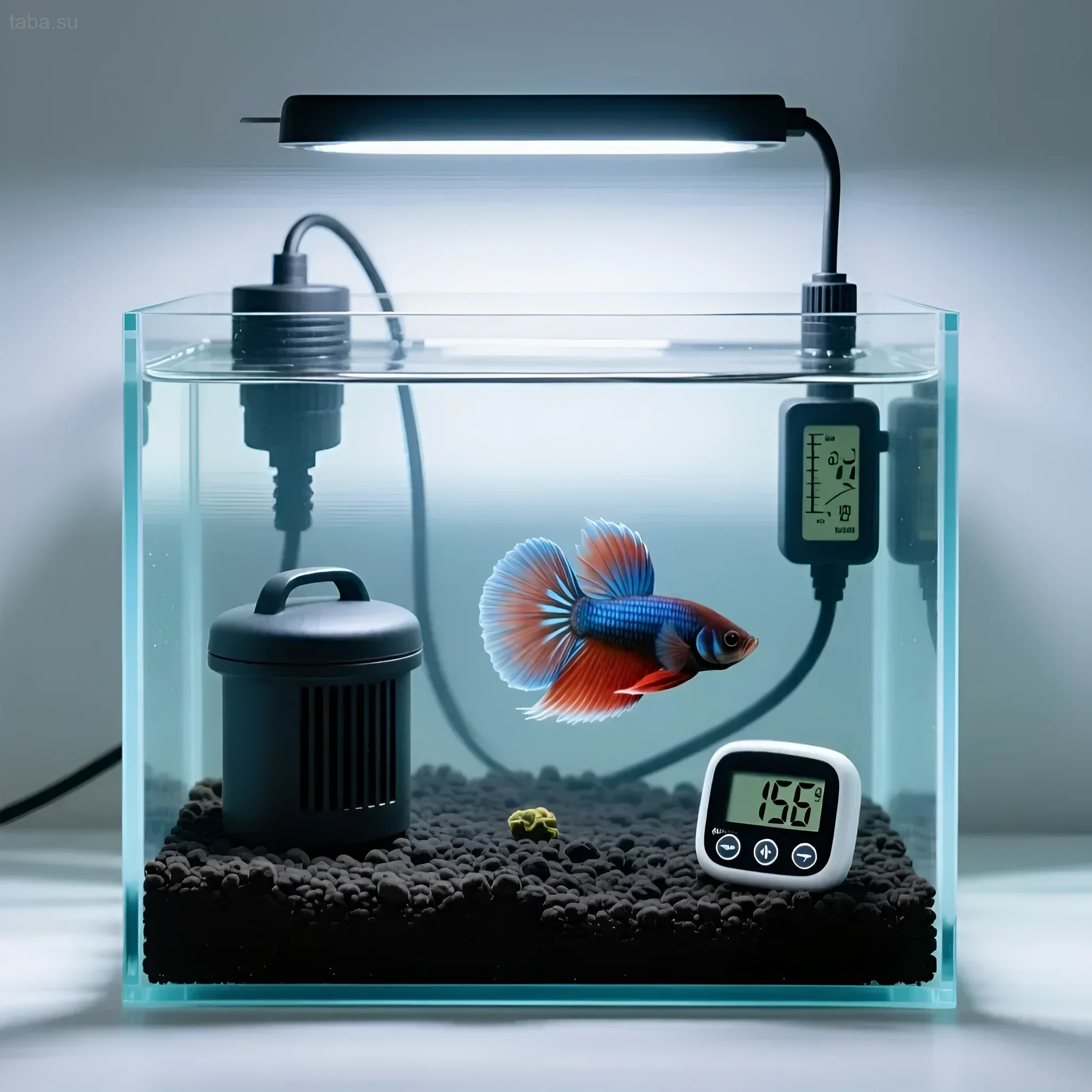
1. Heater (Thermostat):
- The water temperature should be maintained in the range of 24–27°C. Bettas are sensitive to fluctuations.
- Use miniature heaters with a power of 10–25 W, designed specifically for nano-aquariums.
2. Filtration:
Betta fish with long fins (Halfmoon, Crowntail) tolerate strong currents poorly. A filter is needed for mechanical and biological purification, but its flow should be minimal.
- Optimal Choice: An air-lift filter (sponge powered by a compressor) or an internal filter with an adjustable, very weak flow.
- Tip: If the filter creates too strong a current, direct the outlet towards the aquarium wall or use a spray bar.
3. Lighting:
Light is needed for the growth of live plants and to highlight the fish’s coloration. Avoid excessively bright light, which can cause stress to the betta and promote algae growth in a small volume.
4. Lid or Cover Glass:
Essential! Betta fish are excellent jumpers, and a lid also helps maintain a stable air temperature above the water, which is critically important for their labyrinth breathing.
Creating a Paradise Corner: Decorating an Aquarium for a Betta Fish

The decoration should be functional and safe. Betta fish are delicate, and their long fins can easily be damaged by sharp decorations.
Choosing Substrate and Decorations
- Substrate: Use fine, dark gravel or sand. Dark substrate helps the fish appear brighter and reduces stress.
- Driftwood and Hiding Places: Driftwood (e.g., mangrove) serves as a natural hiding place. Ensure it has no sharp edges. Bettas love to rest in secluded spots.
- Danger: Absolutely avoid decorations with sharp angles or rough surfaces (e.g., some types of artificial corals or cheap plastic plants). They can tear delicate fins.
Live Plants: The Best Choice for Bettas
Live plants not only beautify the aquarium but also act as natural filters, consuming nitrates. This is especially important in a small volume.
Recommended Species for Nano-Aquariums:
- Anubias (Anubias barteri): A hard-leaved, slow-growing plant that does not require strong lighting. Ideal for attaching to driftwood.
- Cryptocoryne (Cryptocoryne wendtii): Unpretentious bushy plants that provide good hiding places.
- Java Fern (Microsorum pteropus): Attaches to decorations, creates dense thickets.
- Floating Plants: Hornwort (Ceratophyllum demersum) or Water Lettuce (Pistia stratiotes). They dim the light and create a “cushion” for nest building.
Important Detail: Ensure the betta always has free access to the water surface for breathing.
Proper Feeding and Care for Betta Fish in a Small Aquarium
Betta fish are carnivorous. Their diet should be rich in protein. In a small aquarium, overfeeding is the most common cause of problems, as food remnants quickly pollute the water.
Feeding Basics
A balanced diet should include:
- Specialized Foods: High-quality pellets or flakes specifically designed for Betta.
- Frozen/Live Foods: Bloodworms, daphnia, brine shrimp. These foods should constitute a significant portion of the diet, as they are closest to natural feeding.
- Schedule: Feed the betta 1–2 times a day, in portions that it will consume within 2–3 minutes.
Attention to Overfeeding: In a mini-aquarium, excess food instantly leads to a spike in ammonia and nitrites. If the fish does not finish its food, it must be removed immediately with a siphon.
Mini-Aquarium Maintenance Schedule
In small volumes, the maintenance schedule should be more frequent than in larger ones:
| Frequency | Action | Purpose |
|---|---|---|
| Daily | Check temperature, remove leftover food. | Prevent pollution. |
| Twice a week | Water change (25–30% of volume). | Remove nitrates, replenish mineral content. |
| Once a week | Siphon substrate. Rinse filter sponge (in siphoned aquarium water!). | Remove organic matter, maintain biofiltration. |
Important: Always use a water conditioner to remove chlorine and heavy metals from tap water, and ensure the replacement water is at the same temperature as the aquarium water.
Betta Fish Diseases and Prevention Methods

Most health problems in betta fish in mini-aquariums are related to poor water quality or sudden temperature fluctuations. Prevention is always better than cure.
Disease Prevention
- Stability: Ensure a constant temperature and regularly monitor water parameters (ammonia, nitrites, nitrates).
- Stress Factors: Avoid bright light, noise, and vibration. Stress weakens the immune system.
- Quarantine: If you add new plants or decorations to the aquarium, they must be treated beforehand.
Common Betta Diseases
Due to their long fins and sensitivity to dirty water, betta fish often suffer from the following ailments:
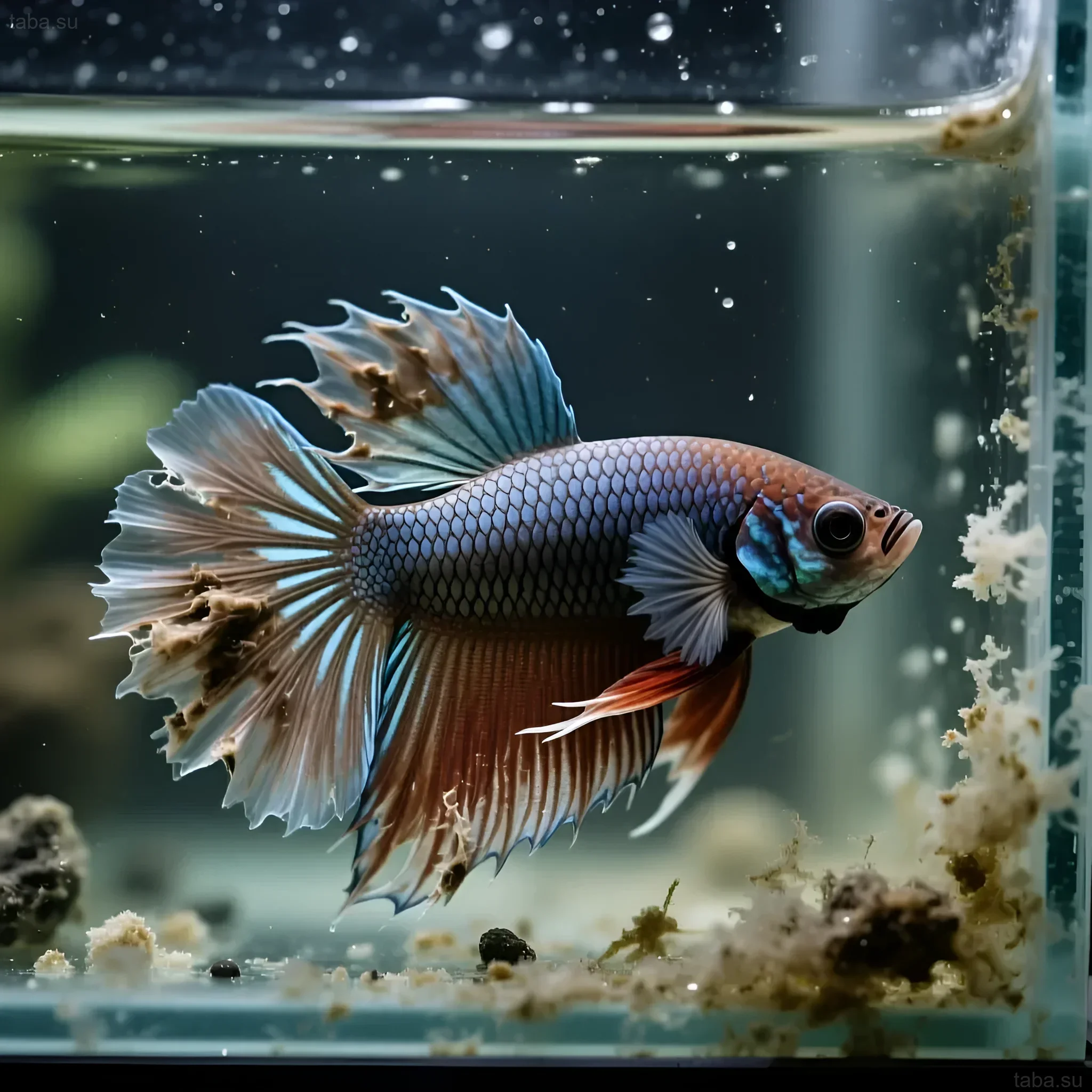
1. Fin Rot:
- Cause: Bacterial infection, often caused by high levels of nitrates and organic waste.
- Symptoms: Fin edges turn white, then fray and “melt” away.
- Treatment: Immediate improvement of water quality (frequent changes) and the use of antibacterial medications.
2. Ichthyophthirius multifiliis (Ich, “White Spot Disease”):
- Cause: Parasitic disease (Ichthyophthirius multifiliis).
- Symptoms: White spots resembling salt grains all over the body and fins.
- Treatment: Gradual increase in temperature (up to 28–30°C) and the use of specialized antiparasitic agents.
3. Dropsy:
- Cause: Often a symptom of kidney failure or a systemic bacterial infection related to poor nutrition or chronic stress.
- Symptoms: The fish’s body swells, and its scales protrude (“pinecone” appearance).
- Treatment: The prognosis is often unfavorable. Immediate isolation and intensive antibiotic treatment are required.
FAQ: Most Popular Questions About Betta Fish Care
Does a Betta Fish Need a Filter if it Can Breathe Air?
Answer: Yes, a filter is absolutely essential. The labyrinth organ allows the betta to breathe, but it does not purify the water from toxic waste products (ammonia and nitrites). The filter provides biological and mechanical purification, which is critically important for the fish’s health.
Can a Betta Fish Be Kept with Other Fish in a Small Aquarium?
Answer: Absolutely not. In volumes up to 10 liters, a betta fish should be kept alone. Even peaceful tank mates, such as shrimp or snails, can become objects of aggression for the betta in confined conditions, or their presence will increase the biological load on the system.
How Often Should a Small Aquarium Be Cleaned?
Answer: In a mini-aquarium (5–10 liters), it is necessary to change 25–30% of the water twice a week, and also to siphon the substrate at least once a week. The smaller the volume, the more often you need to monitor cleanliness.
How to Tell if a Betta Fish is Cold?
Answer: If the water temperature drops below 22°C, the betta becomes lethargic, inactive, refuses to eat, and may spend a lot of time “hanging” at the bottom or on the surface. This is a sure sign that the heater needs to be checked and adjusted.
Interesting Facts About Betta Fish: From History to Behavior
Betta fish are not only beautiful but also intellectually developed fish with a rich history and complex behavior.
- Fighting Past: Before becoming popular aquarium inhabitants, betta fish were bred in Thailand (Siam) for fighting. This is where their aggressive nature comes from. The King of Thailand even imposed a tax on the trade of these fish.
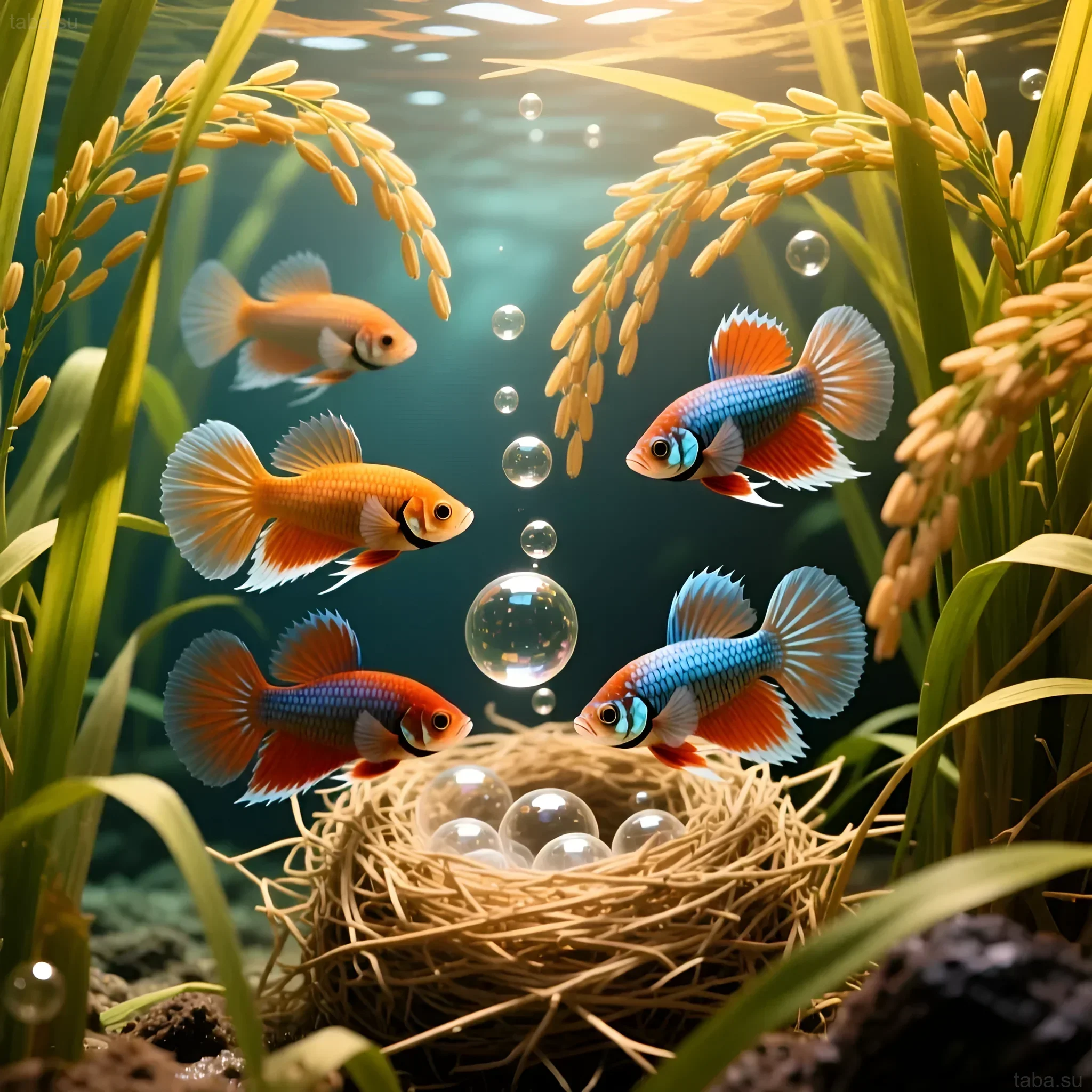
- Nest Builders: The male betta fish builds a nest of bubbles, held together by its saliva, on the water surface. This happens even in the absence of a female. Such behavior is a sign that the fish is healthy and ready to breed.
- Intelligence: Betta fish possess sufficient intelligence to recognize their owner. Some aquarists have even successfully taught them simple tricks, such as swimming through a hoop or taking food from their hands.
- Sleeping Mode: Betta fish often sleep by “hanging” on plants or lying on the bottom. Beginners may mistake this for illness. If the fish immediately reacts to movement or food, it is simply resting.
Keeping Betta Splendens in a small aquarium is a fascinating and responsible process. With careful monitoring of water parameters, stable temperature, and quality feeding, you can enjoy the beauty and individuality of this amazing fish for many years.