
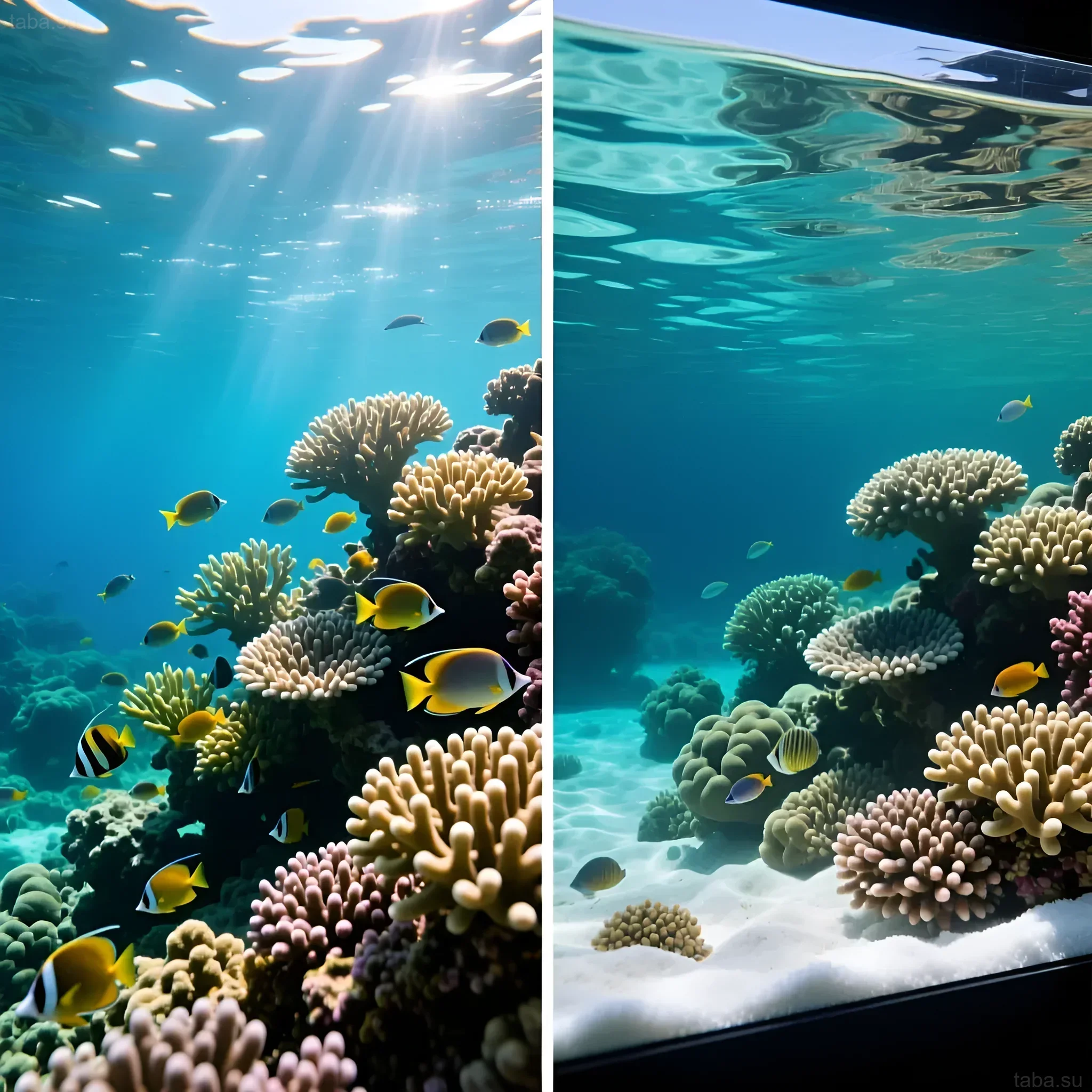
Maintaining a stable and biologically balanced aquatic environment is a fundamental requirement for the successful keeping of a marine aquarium. Unlike freshwater systems, where the main focus is on filtration and water changes, in marine aquariums, the quality and composition of artificial marine salt are critical elements. It is the salt that determines how closely we can recreate the natural ocean conditions necessary for coral growth and fish health.
Saltwater
Reef Parameters: Calcium, Magnesium, and KH – The Cornerstones of Aquarium Stability
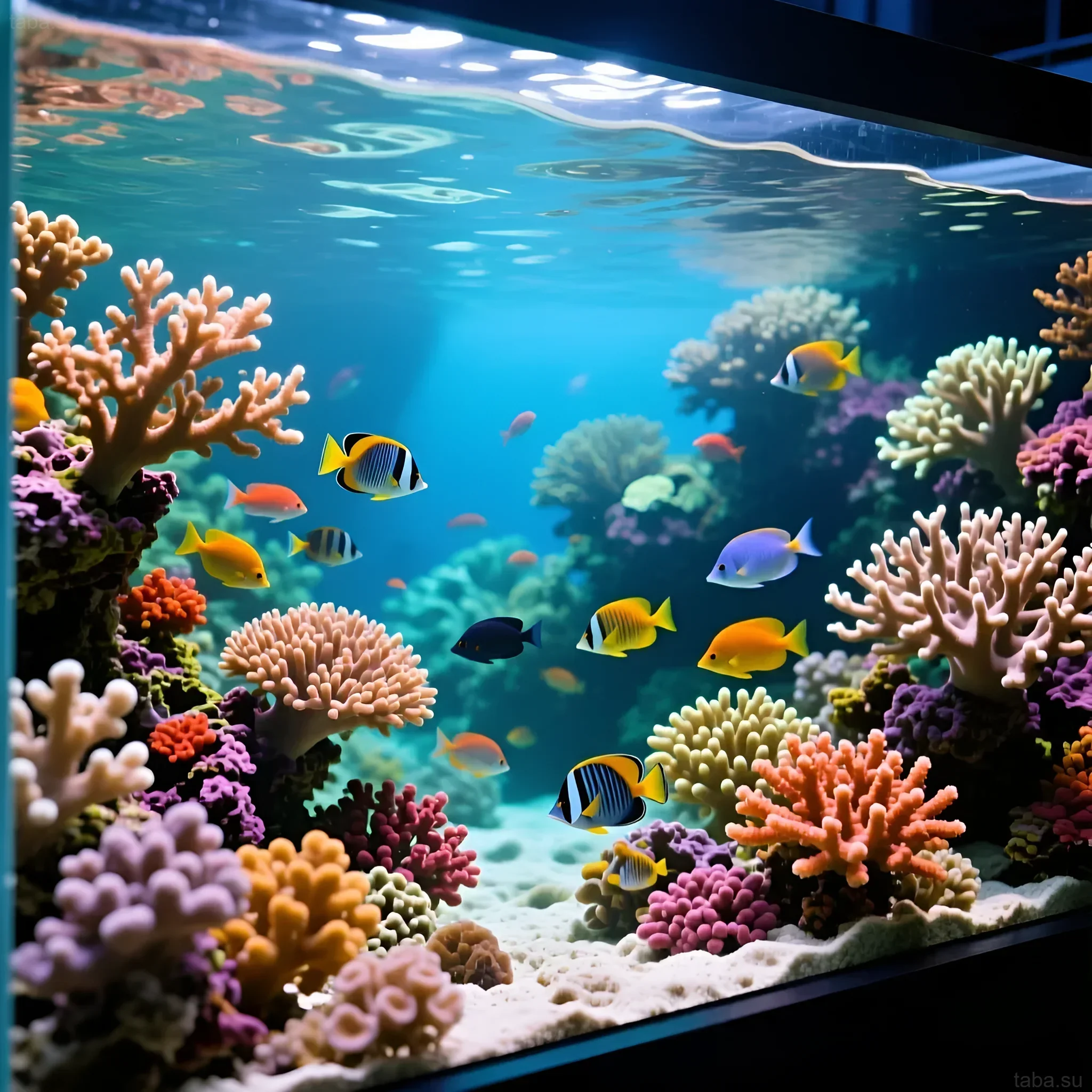
Maintaining a stable chemical environment is the cornerstone of successful reef aquaristics. Unlike freshwater systems, a marine aquarium with corals requires constant and precise control over three key elements, often referred to as the “Big Three”: Calcium (Ca), Magnesium (Mg), and Carbonate Hardness (kH). These parameters are not just important – they are the building blocks for the skeletons of hard corals and critically influence the overall ionic balance of the system. Experts at taba.su emphasize that understanding the interaction of these elements is the first step towards creating a thriving and sustainable reef.
Tests for Marine Aquariums: Salifert or Hanna Checker? A Complete Comparison for Reef Tanks
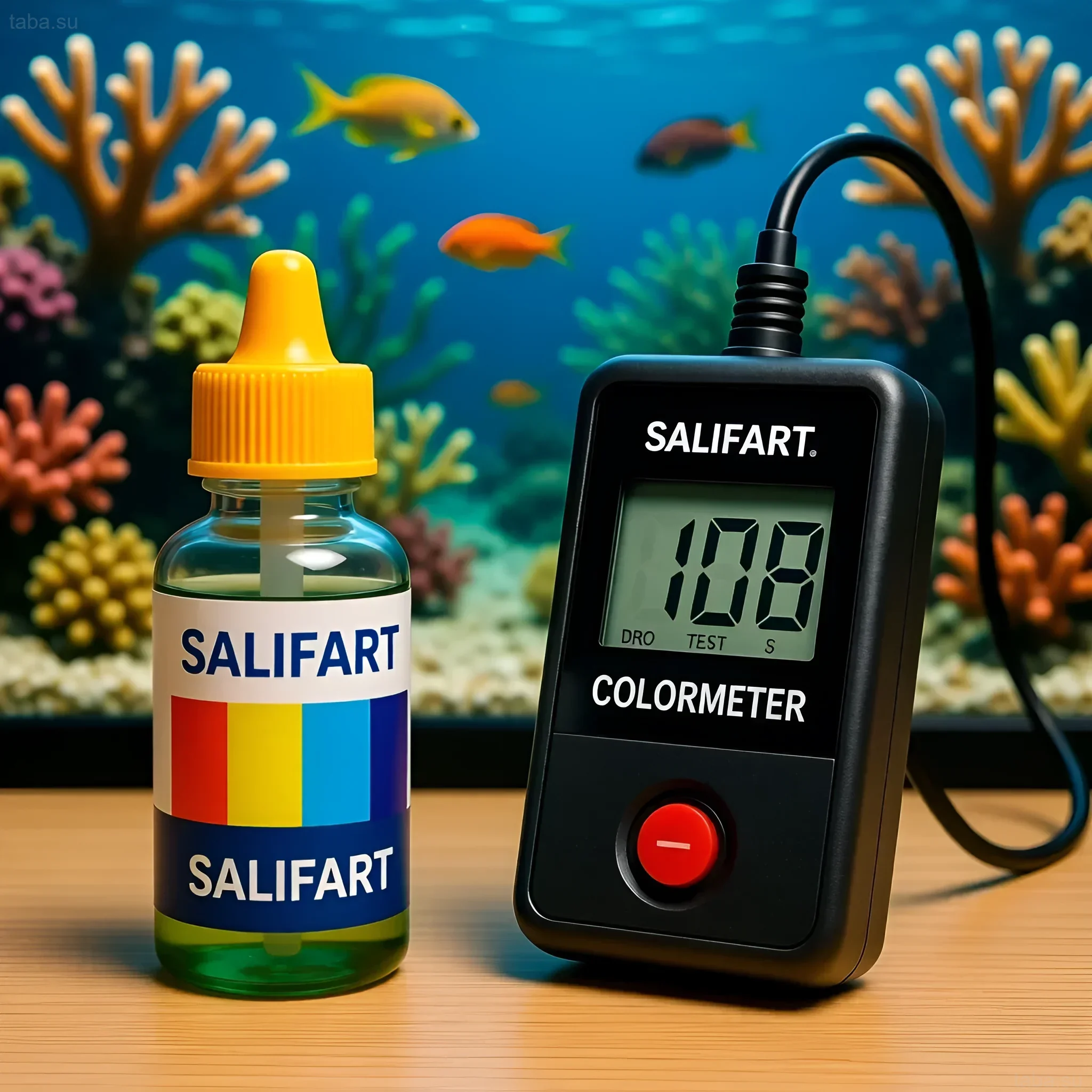
Maintaining a stable marine environment is the cornerstone of a successful reef aquarium. Unlike freshwater aquatics, where water parameter tolerances are often broad, a marine system demands surgical precision. Two global market leaders – Dutch drip test manufacturer Salifert and American digital colorimetry giant Hanna Instruments (Checker series) – offer the most popular solutions for monitoring critical parameters. The choice between them often becomes a stumbling block for aquarists of all levels.
Starting a Saltwater Aquarium with Live Rock: A Complete Guide to the Nitrogen Cycle
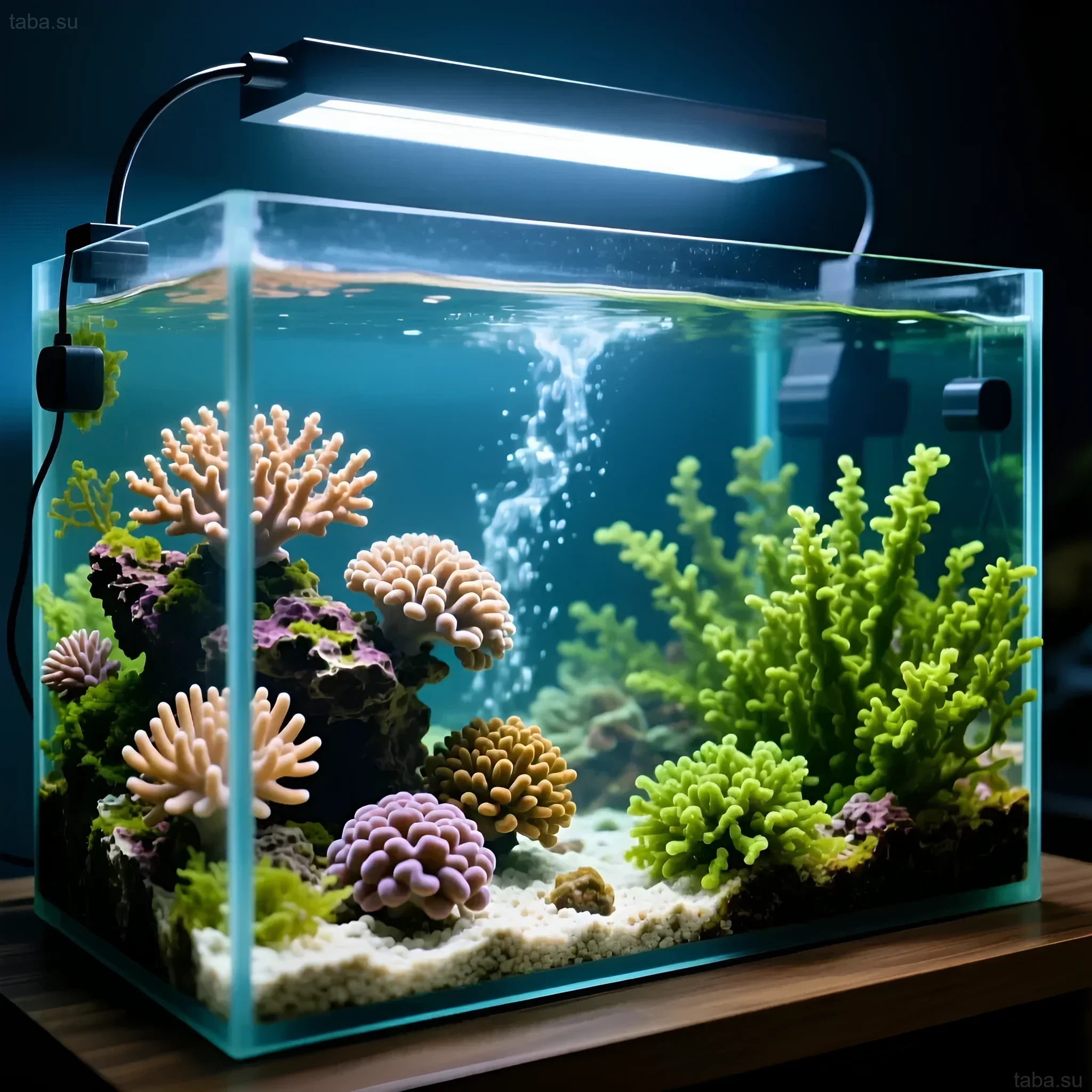
Saltwater aquariology is traditionally considered the pinnacle of mastery, requiring a deep understanding of the biological and chemical processes occurring in a closed ecosystem. Unlike freshwater systems, where stabilization occurs relatively quickly, a saltwater aquarium requires careful planning and patient progression through the maturation process. The key element of this maturation is the nitrogen cycle, and its main accelerator and stabilizer is Cured Reef Rock (CRR), or Live Rock.
Dinoflagellates (Dinos): How to Defeat the Scourge of the Marine Aquarium
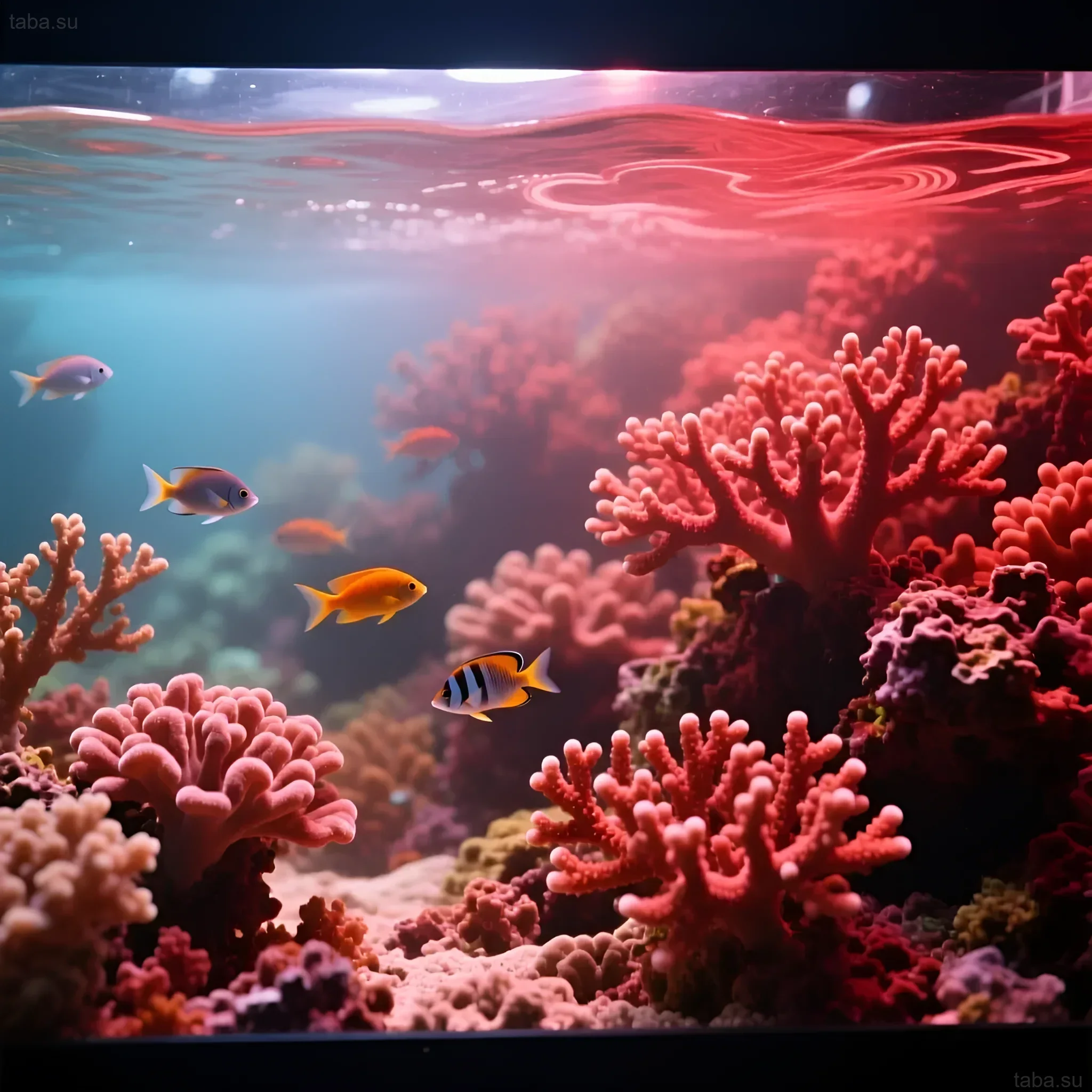
Dinoflagellates, or simply “Dinos,” are one of the most difficult and unpleasant phenomena faced by marine reef aquarium owners. These microscopic organisms can transform a thriving ecosystem into a chaotic, brown landscape in a matter of days. Unlike more harmless algae, dinoflagellates can release potent toxins that pose a serious threat to corals, fish, and invertebrates. Understanding their biology and choosing the right strategy to combat them is key to saving your aquarium.
Aiptasia: A Complete Guide to Eradicating the Glass Rose in a Marine Aquarium
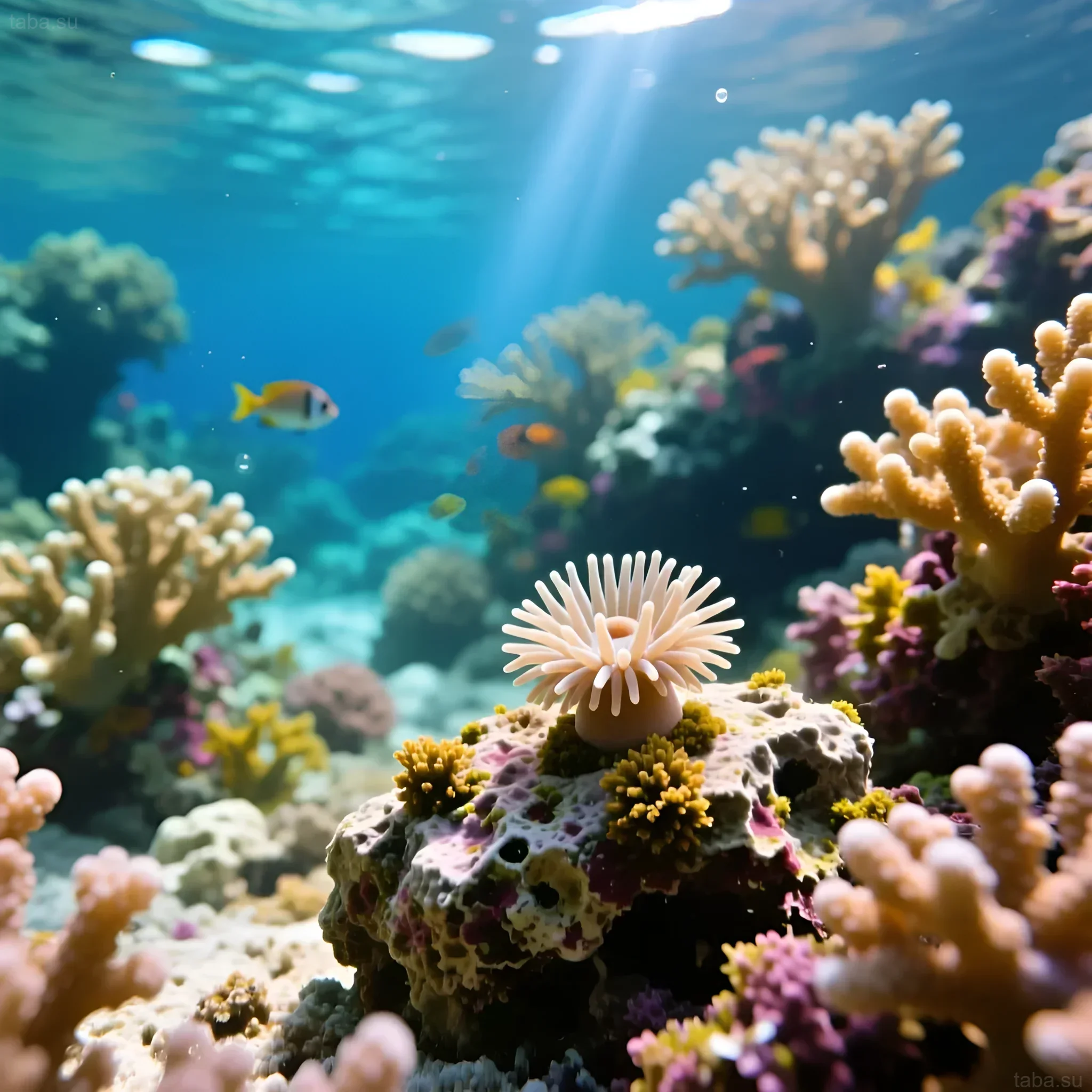
Aiptasia, known in the aquarist community as the Glass Rose (lat. Aiptasia), is one of the most common and insidious pests encountered by marine aquarium owners. This small polyp, with its high reproduction rate and potent stinging cells, can quickly infest live rock and cause serious damage to corals and other invertebrates. The expert community of taba.su has prepared a comprehensive guide to help effectively identify, control, and completely eradicate this problem using proven mechanical, chemical, and biological methods.
Planaria in Marine Aquariums: A Complete Guide to Control, Medications, and Wrasses
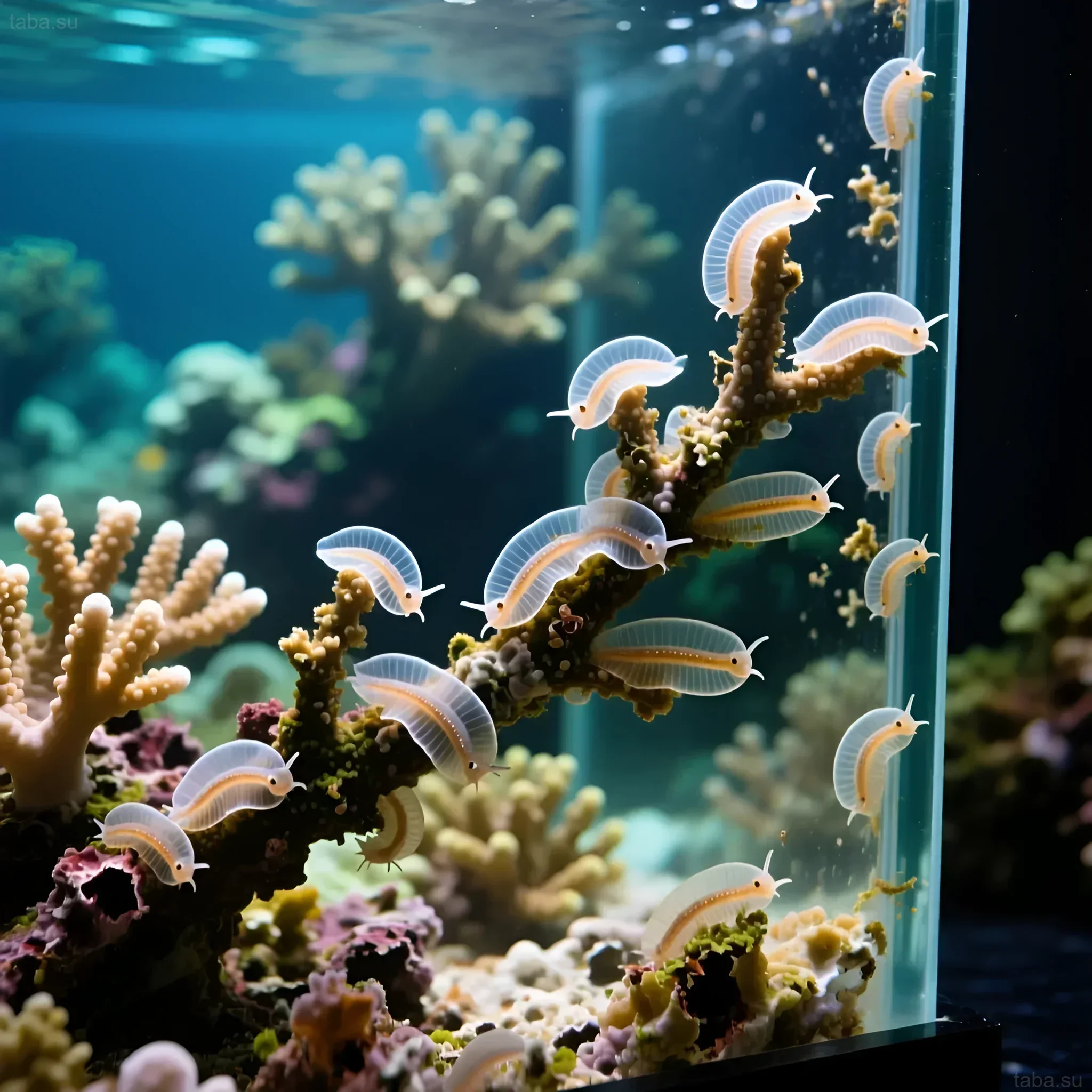
Planaria, or flatworms, are among the most common and unpleasant pests encountered by reef aquarium owners. These tiny organisms can multiply rapidly, covering corals, decorations, and substrate with a dense carpet. While most are not direct predators, their presence causes significant damage to the ecosystem by blocking light and stressing corals. Effective control requires a comprehensive approach, combining chemical treatments and natural predators like wrasses.
Ocellaris Clownfish (Nemo): A Complete Guide to Care and Breeding
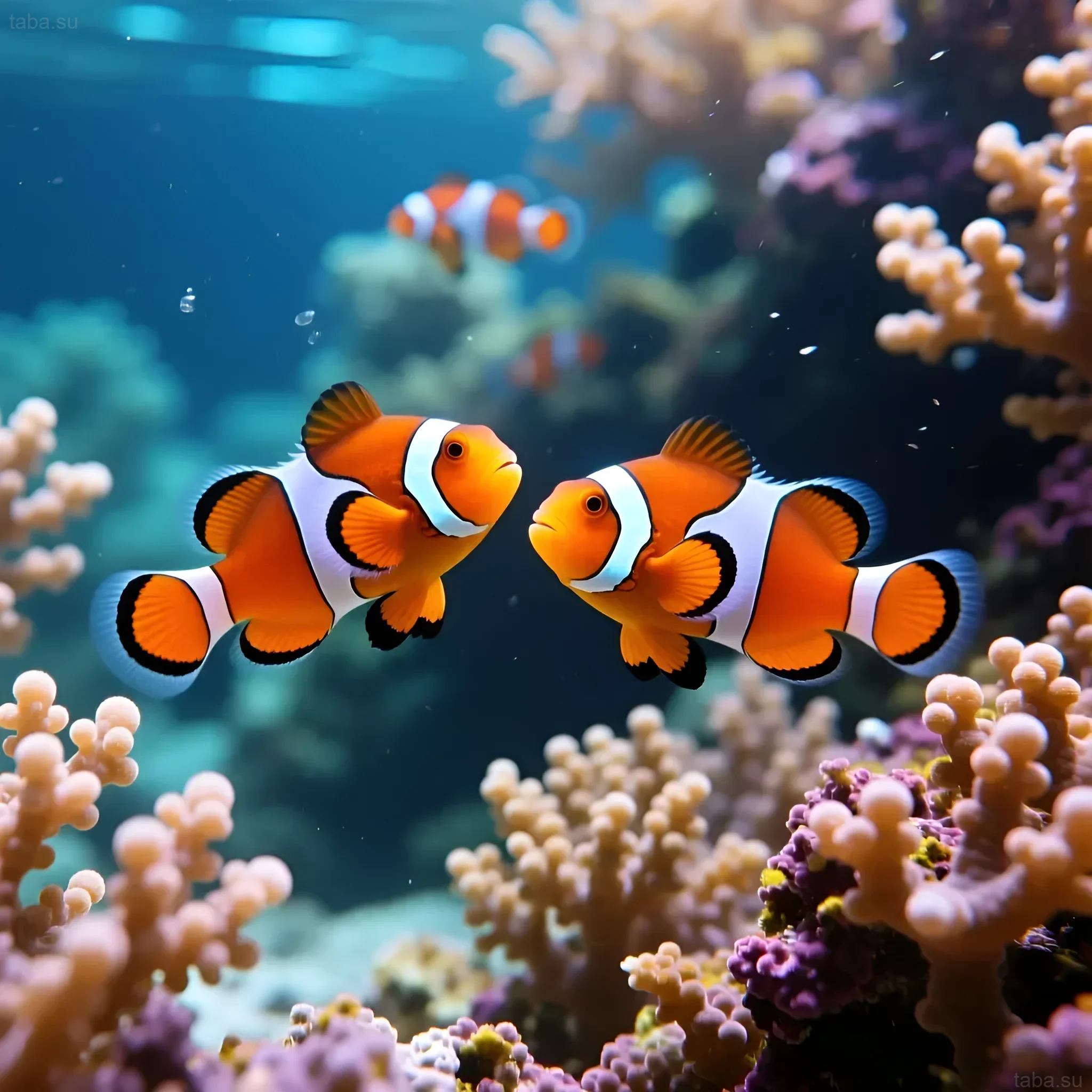
The Ocellaris clownfish, widely known to the public as Nemo, is perhaps the most recognizable marine aquarium fish in the world. Its bright coloration, unique behavior, and relative ease of care make it an ideal choice for both beginner and experienced aquarists looking to explore the marine world. However, successful keeping and, even more so, breeding of Amphiprion ocellaris requires a deep understanding of their biology and specific requirements for a marine environment.
Soft Corals in a Marine Aquarium: A Complete Start for Beginners
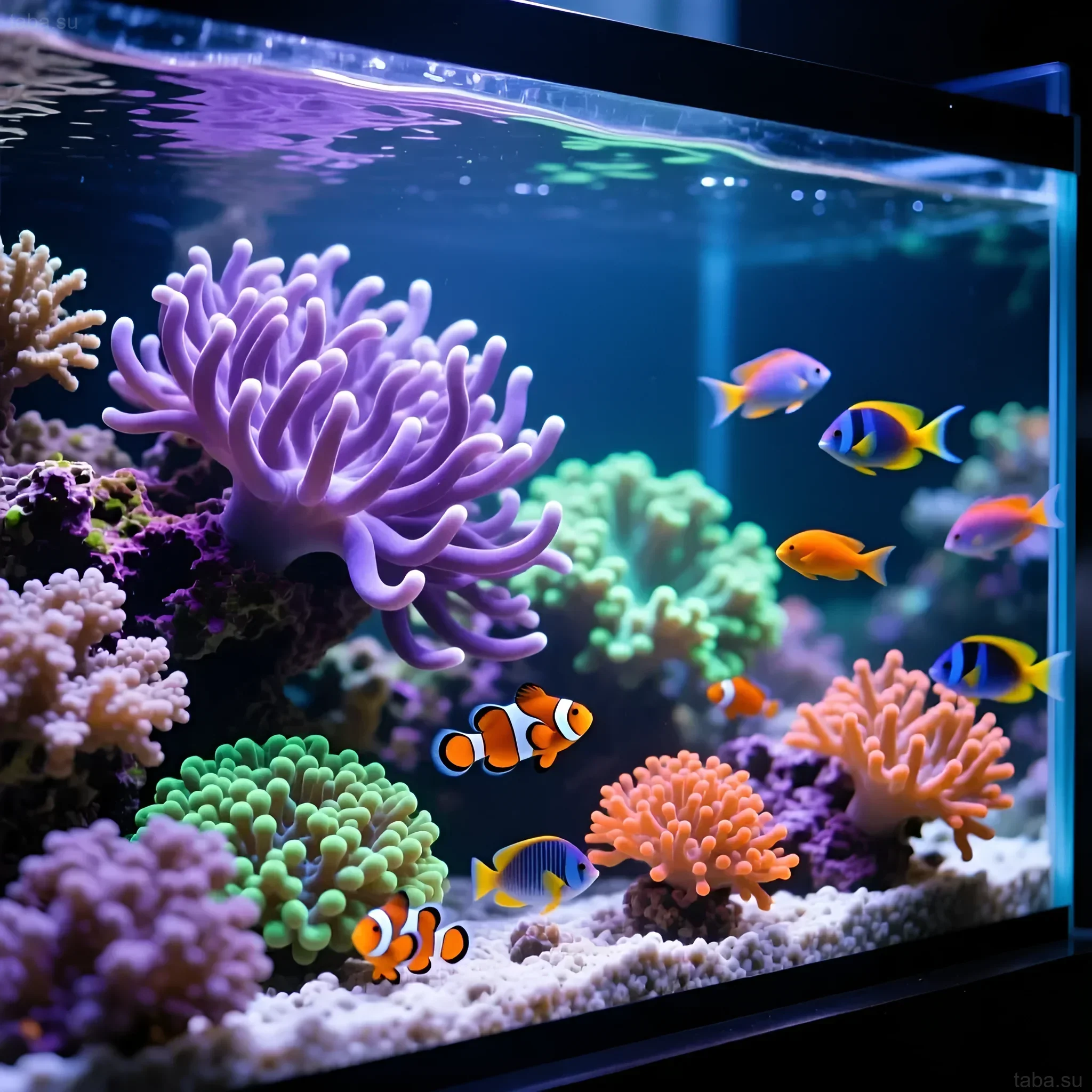
Transitioning from freshwater aquatics to a marine reef system is an exciting yet responsible step. For those new to marine aquariums, soft corals (Alcyonacea) are an ideal starting point. They not only possess incredible beauty and dynamism but also exhibit high resilience to fluctuations in water parameters, significantly simplifying the start and learning process.
Protein Skimmer for Marine Aquariums: Principle of Operation and Selection Guide
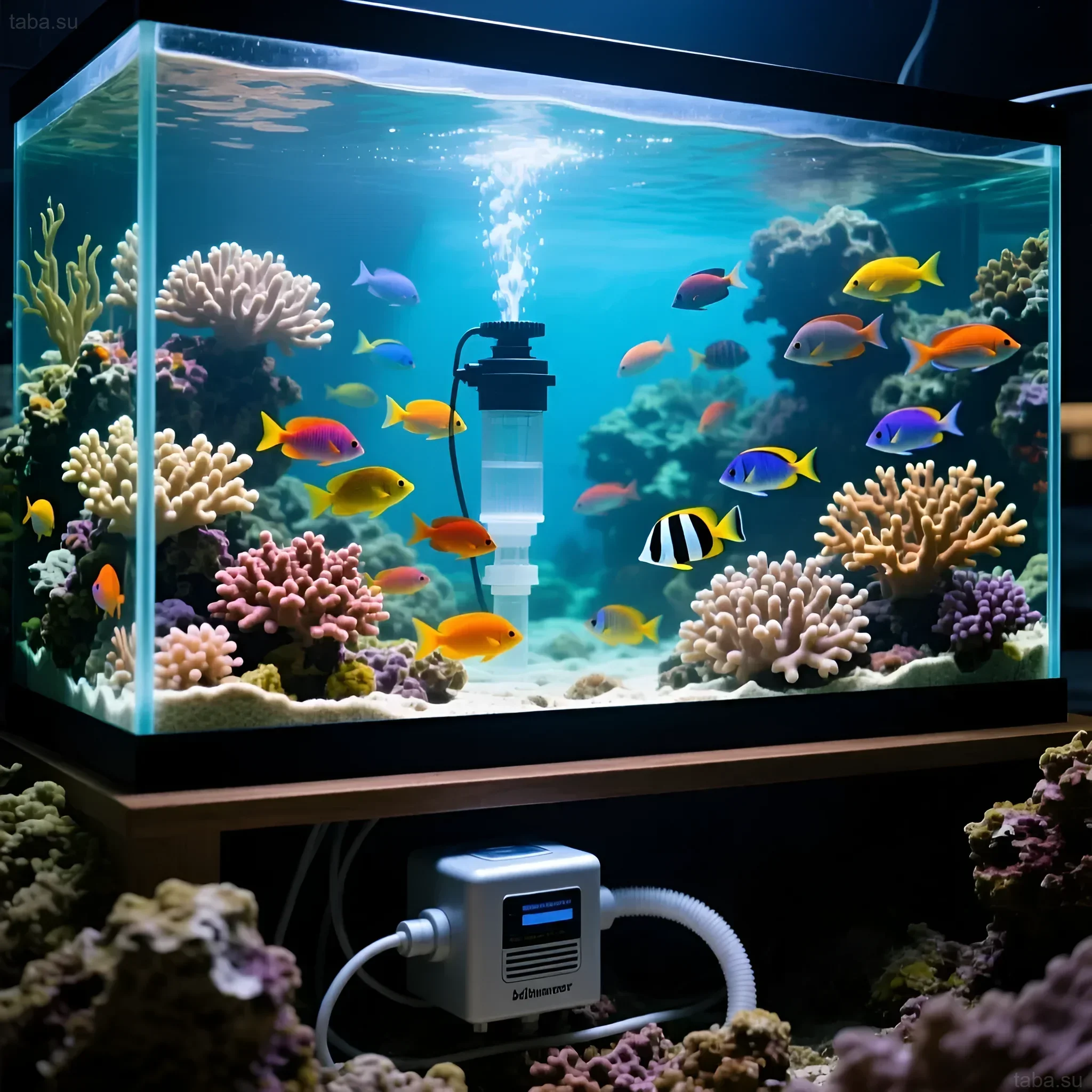
Aquaristics, especially marine, requires a deep understanding of filtration processes and maintaining the ideal chemical balance of water. Unlike freshwater systems, where the main load falls on biological filtration and regular water changes, marine reef aquariums need an aggressive mechanism to remove organic compounds before they break down into nitrates and phosphates. This is precisely the critical function performed by a protein skimmer (also known as a foam fractionator).