
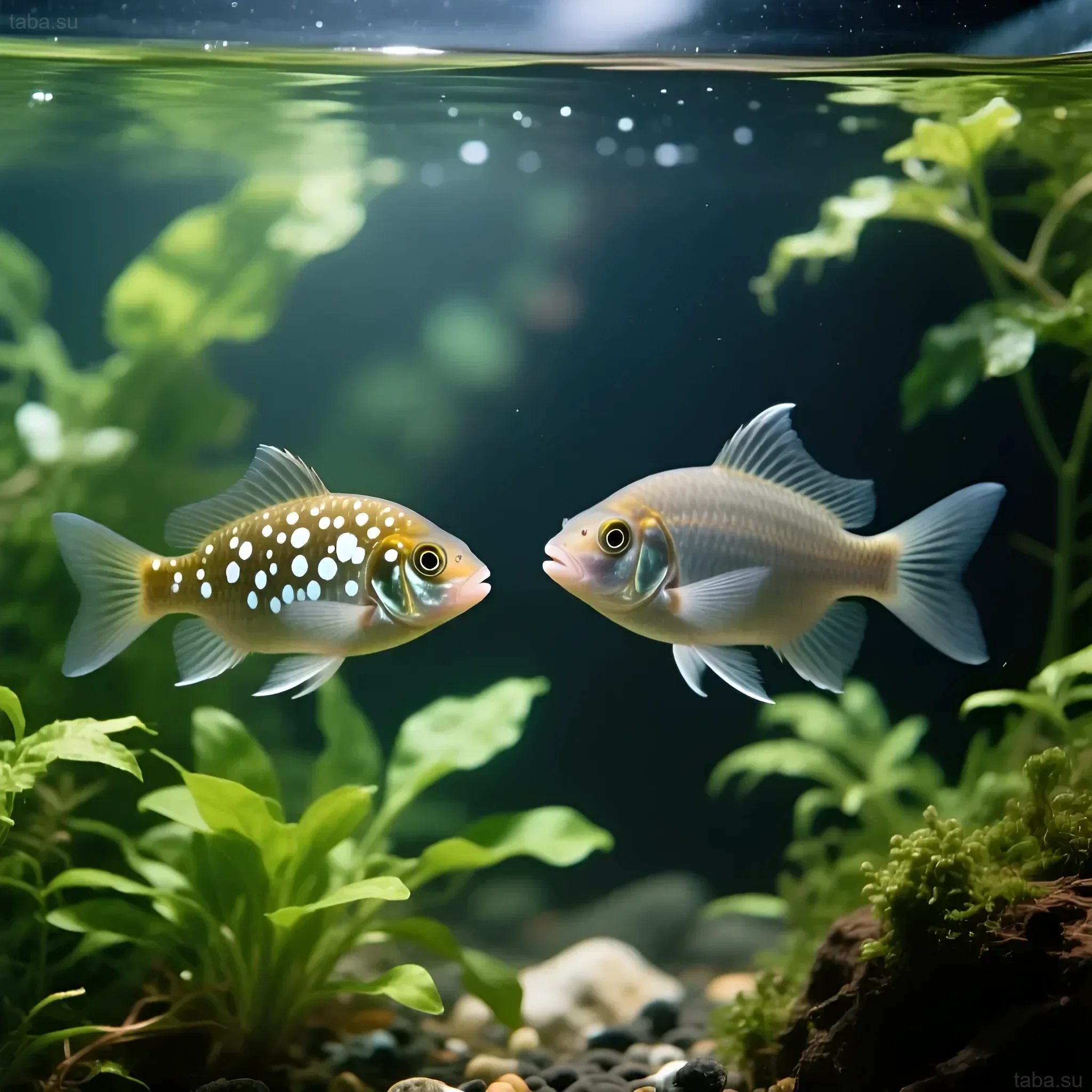
The appearance of white spots on the body of aquarium fish is one of the most common and alarming signals for any aquarist. This condition is often mistakenly called “ich,” but behind this general term can hide two completely different, though superficially similar, diseases: ichthyophthirius and oodinosis. Correct identification of the pathogen is a critically important step, as the treatment protocols for these diseases differ significantly. An incorrect diagnosis can lead to the loss of the entire fish population.
Treatment
Ichthyophthirius: A Complete Guide to Treatment with Heat and Medication
Ichthyophthirius, widely known in aquaristics as “white spot disease” or “ich,” is one of the most common and potentially fatal diseases of freshwater fish. The causative agent is the ciliate protozoan Ichthyophthirius multifiliis. This disease affects the skin and gills, causing characteristic white spots resembling grains of semolina. It is critically important for an aquarist to immediately recognize the symptoms and begin effective treatment. Currently, there are two main approaches to combating ichthyophthirius: raising water temperature and using specialized medications. Experts from the taba.su portal provide a detailed analysis of both methods and offer optimal treatment strategies.
Antipar: A Universal Parasite Remedy, Instructions and Application
Aquarium keeping, despite all its beauty and tranquility, inevitably faces challenges, one of which is fish diseases caused by parasites. An experienced aquarist’s arsenal should always include a universal and reliable remedy capable of quickly containing an outbreak of disease. Such a remedy, time-tested and used in thousands of aquariums, is Antipar – a complex preparation combining the power of methylene blue and malachite green.