The question of whether an additional compressor is needed when an aquarium already has a filter equipped with an aeration function (Venturi or spray bar) is one of the most common among beginner and even experienced aquarists. This is not just a matter of duplicating functions, but a key aspect of ensuring an optimal environment for aquatic life. Experts from the taba.su portal conducted a thorough analysis to determine under which conditions a filter can cope on its own, and when installing a separate compressor becomes a vital necessity.
Is an Aquarium Compressor Necessary: A Thorough Examination
The answer to the main question in aquaristics – is a compressor needed if there’s already a filter with aeration – always sounds like “it depends on the specific situation.” Both devices, despite a similar end goal (oxygenating the water), use different mechanisms and offer different levels of efficiency and control. An aerating filter performs two functions, but aeration is secondary for it, whereas a compressor is designed exclusively for air supply.
To make the right decision, it is necessary to evaluate three key aquarium parameters:
- Biological Load: The number and size of fish.
- Volume and Geometry: The depth of the aquarium.
- Temperature Regime: The warmer the water, the less oxygen dissolves in it.
Oxygen in the Aquarium: Why is it So Important?
Oxygen (O₂) is a critically important element for maintaining a healthy freshwater ecosystem. Its deficiency, or hypoxia, quickly leads to stress, illness, and death of its inhabitants. Dissolved oxygen is necessary not only for fish but also for other key components of the system.
Oxygen Consumers in the Aquarium:
- Fish and Invertebrates: Use oxygen for respiration (metabolism). For example, angelfish (*Pterophyllum scalare*) and many characins (*Characidae*) require high O₂ levels.
- Aerobic Bacteria: Crucial for the nitrification process – the conversion of toxic ammonia (NH₃) into less dangerous nitrates (NO₃⁻). The better the aeration, the more effective the biological filtration.
- Plants (at night): Although during the day plants like cryptocorynes (*Cryptocoryne*) and vallisneria (*Vallisneria spiralis*) release O₂, at night they consume it during respiration.
It is important to understand: Oxygen enters the water not so much from bubbles as from the movement of the water surface, which increases the area of gas exchange with the atmosphere.
Aerating Filter: How Does it Oxygenate Water?
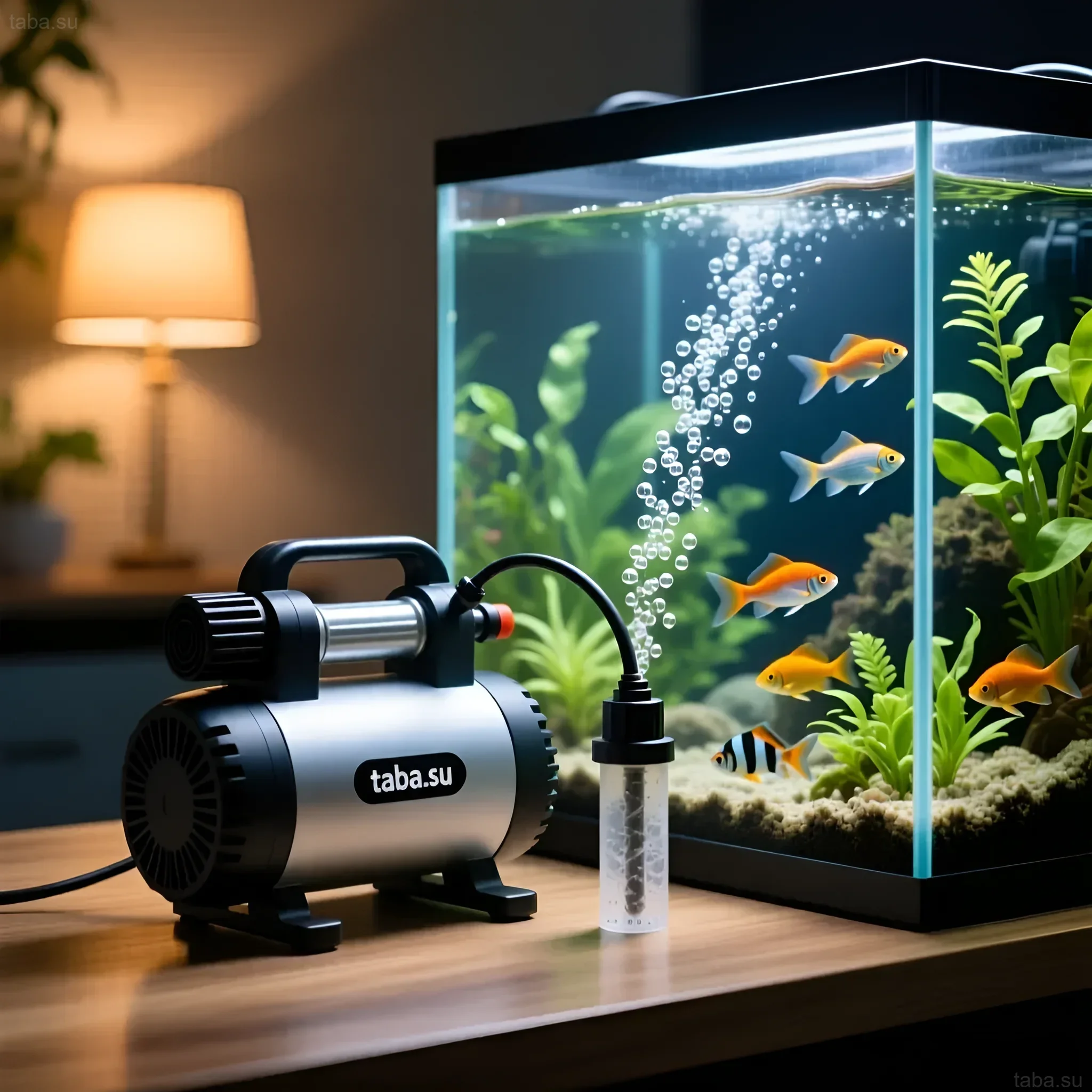
Most mid-range internal filters are equipped with an aeration function. This is usually implemented in two main ways.
Filter Aeration Mechanisms:
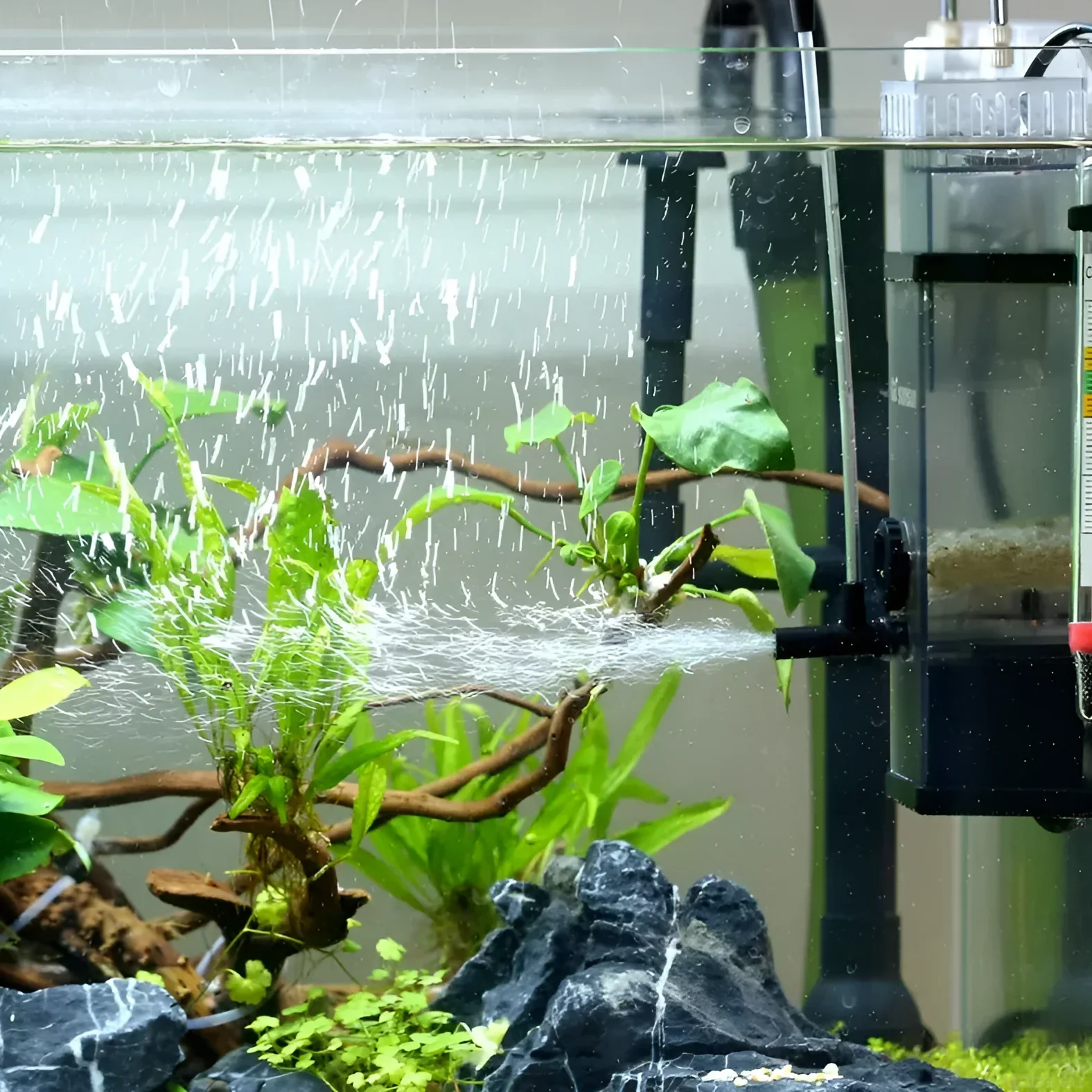
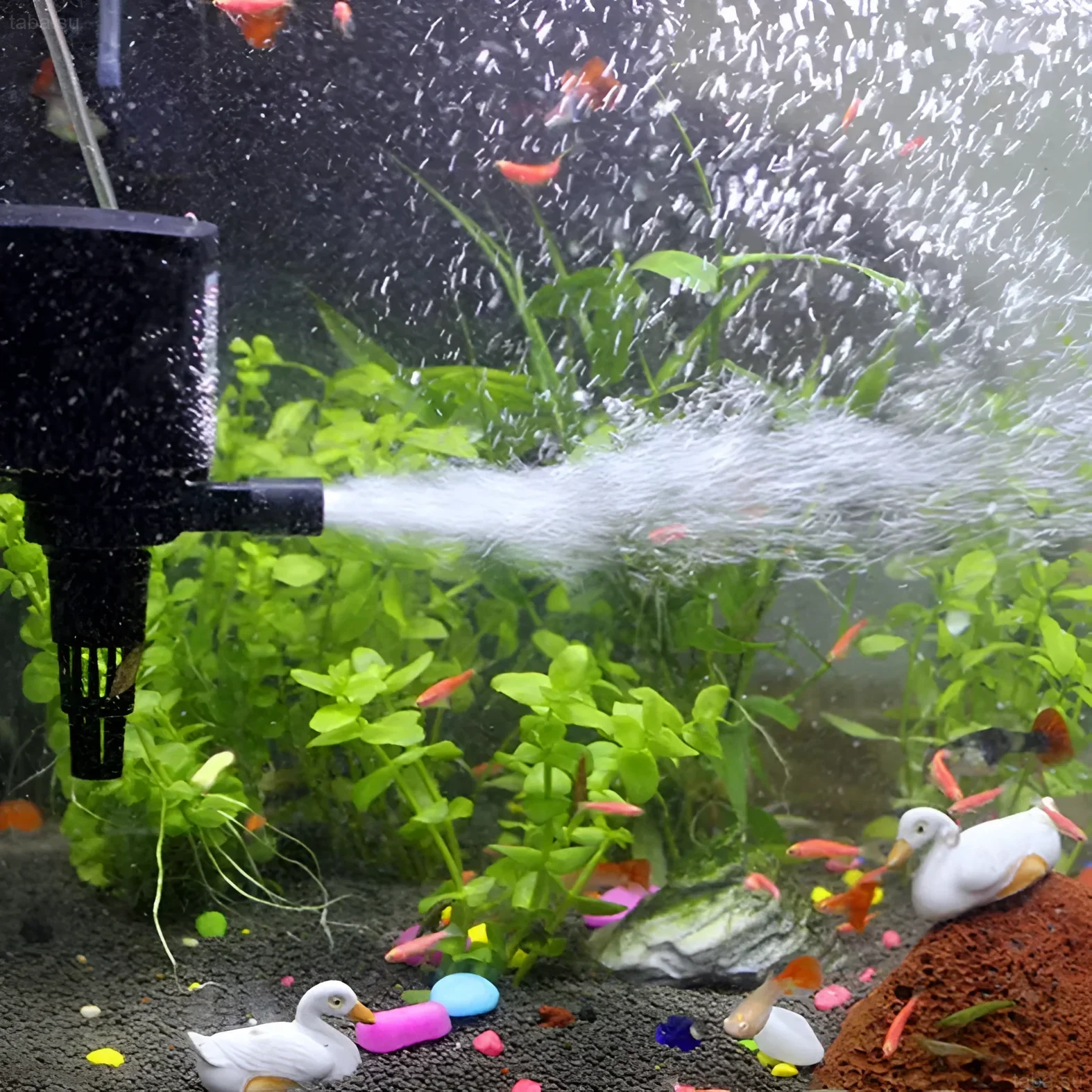
- Venturi Effect: A small nozzle at the filter’s outlet creates negative pressure (vacuum), which draws air through a thin tube, introducing it into the water flow as fine bubbles. This ensures direct water oxygenation.
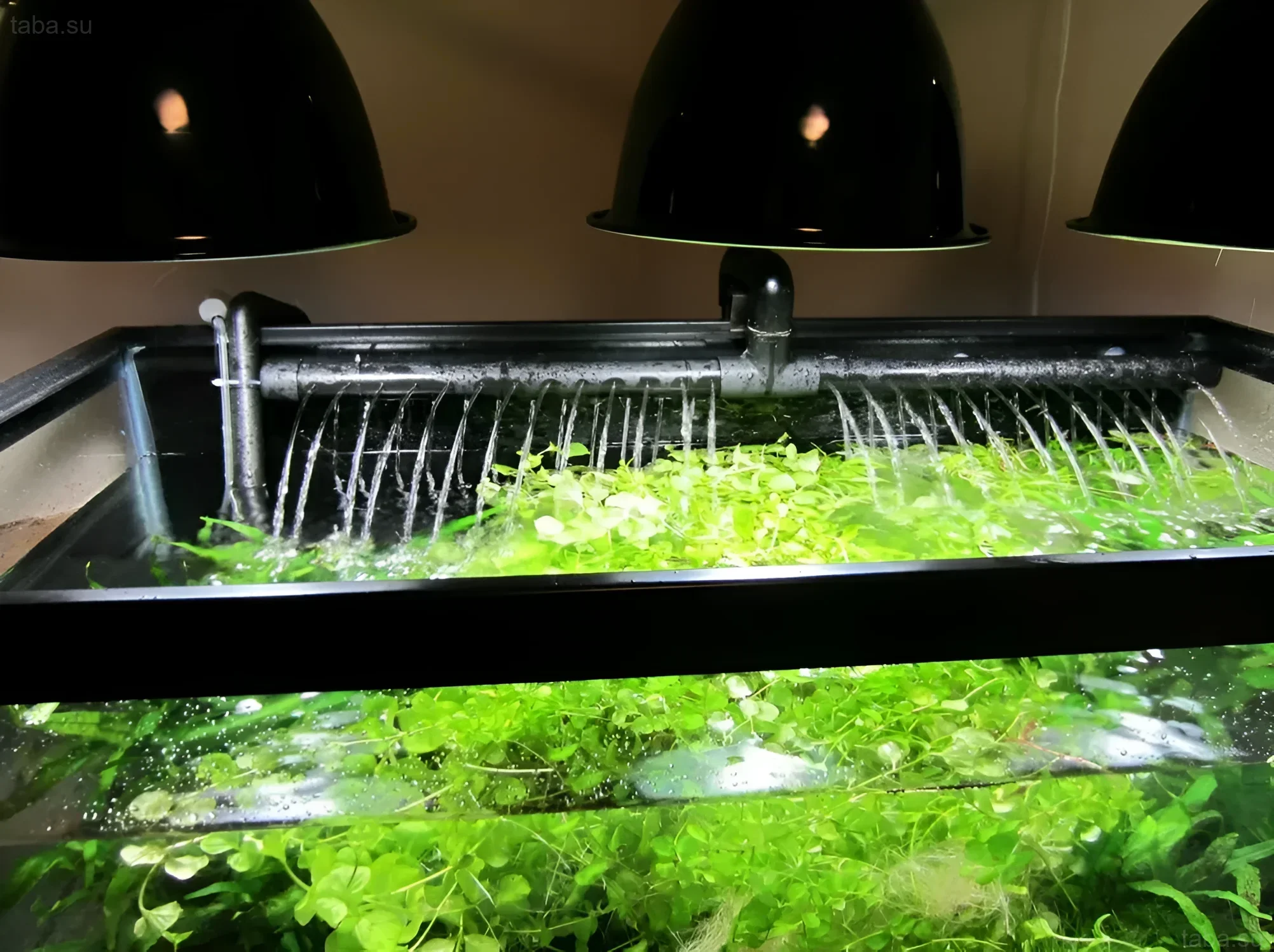
- Spray Bar: This device directs the filtered water flow along the surface, creating strong movement and ripples. This significantly improves gas exchange.
Advantages of an Aerating Filter:
- Saves space and electricity (two devices in one).
- Sufficient aeration for small, sparsely populated aquariums (up to 100 liters).
- Convenient adjustment of water flow direction.
Disadvantages:
- Aeration efficiency directly depends on the filter’s power and cleanliness. A clogged filter pumps water poorly and, consequently, aerates poorly.
- In deep aquariums (over 50 cm), surface aeration may be insufficient for the lower layers.
- When the filter is turned off (e.g., for maintenance or feeding), aeration completely stops.
Aquarium Compressor: Additional Capabilities
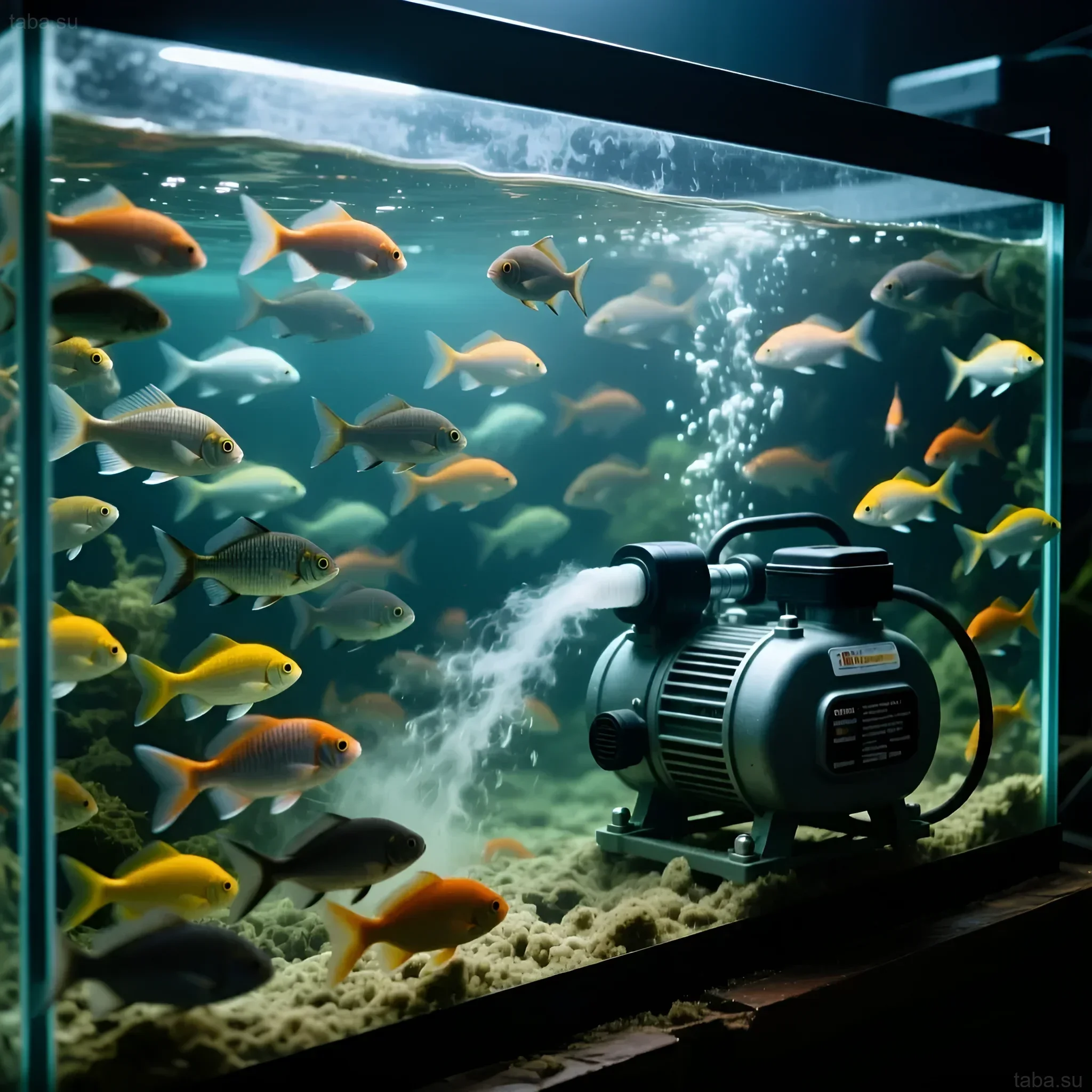
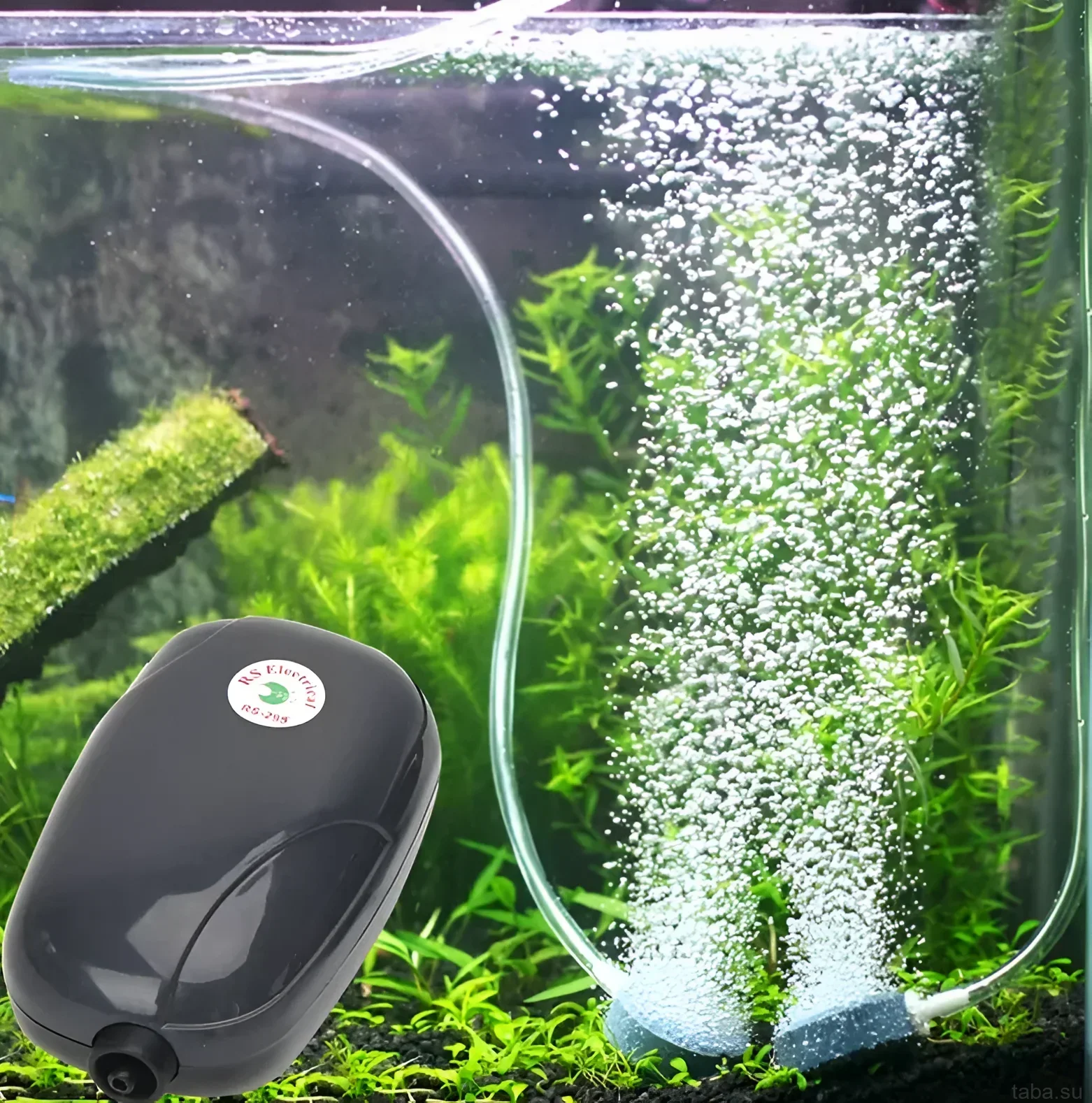
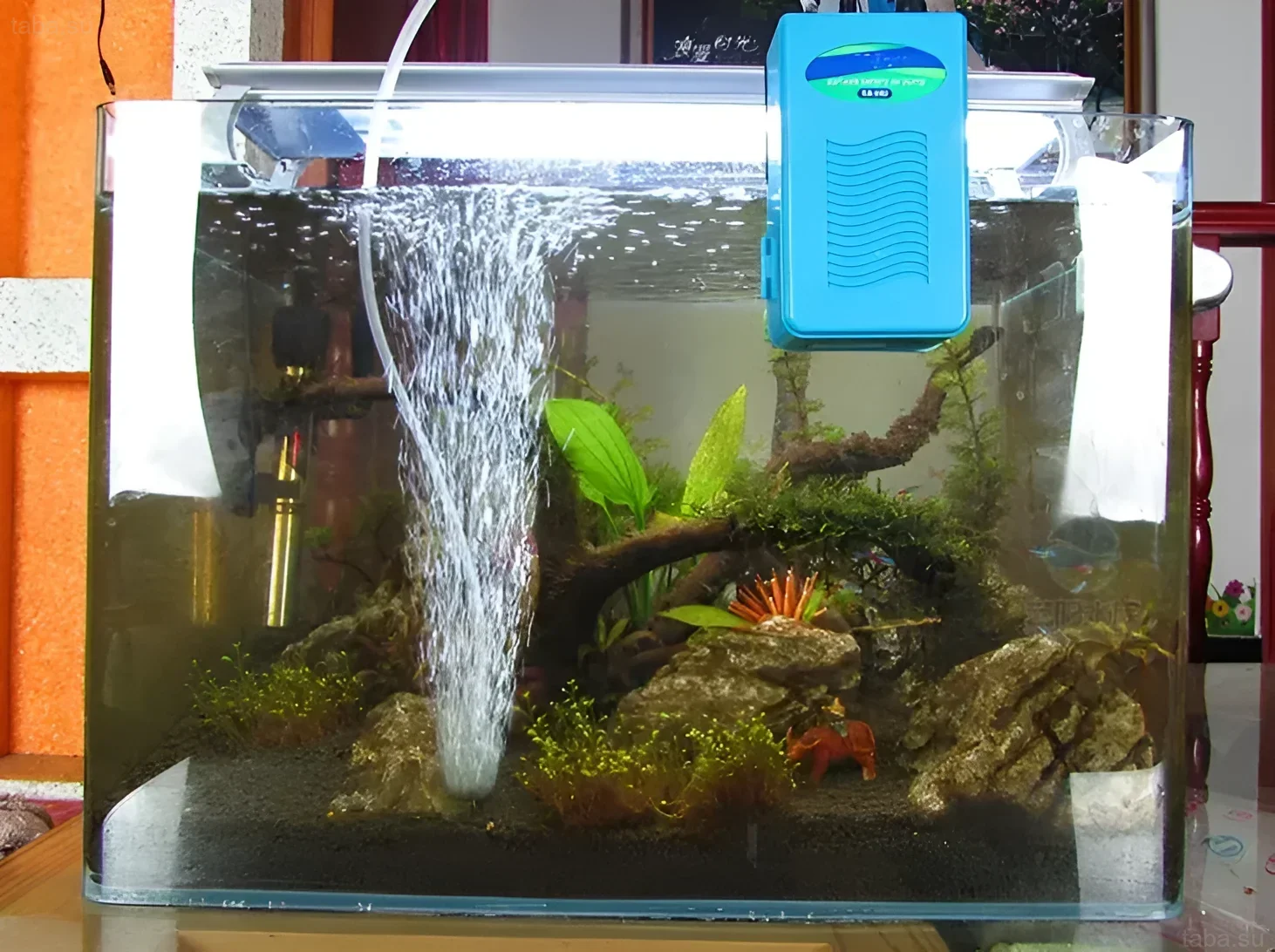
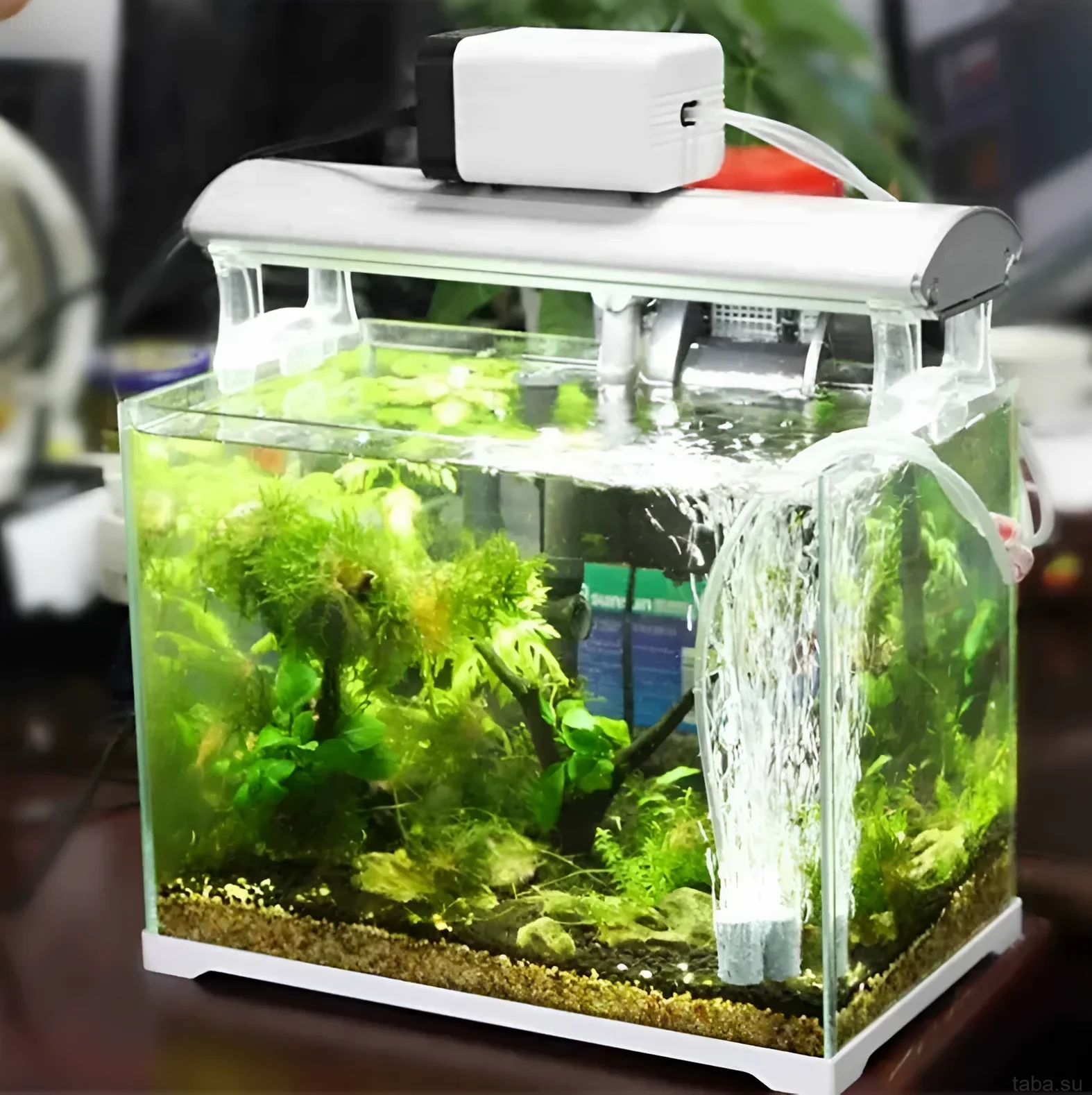
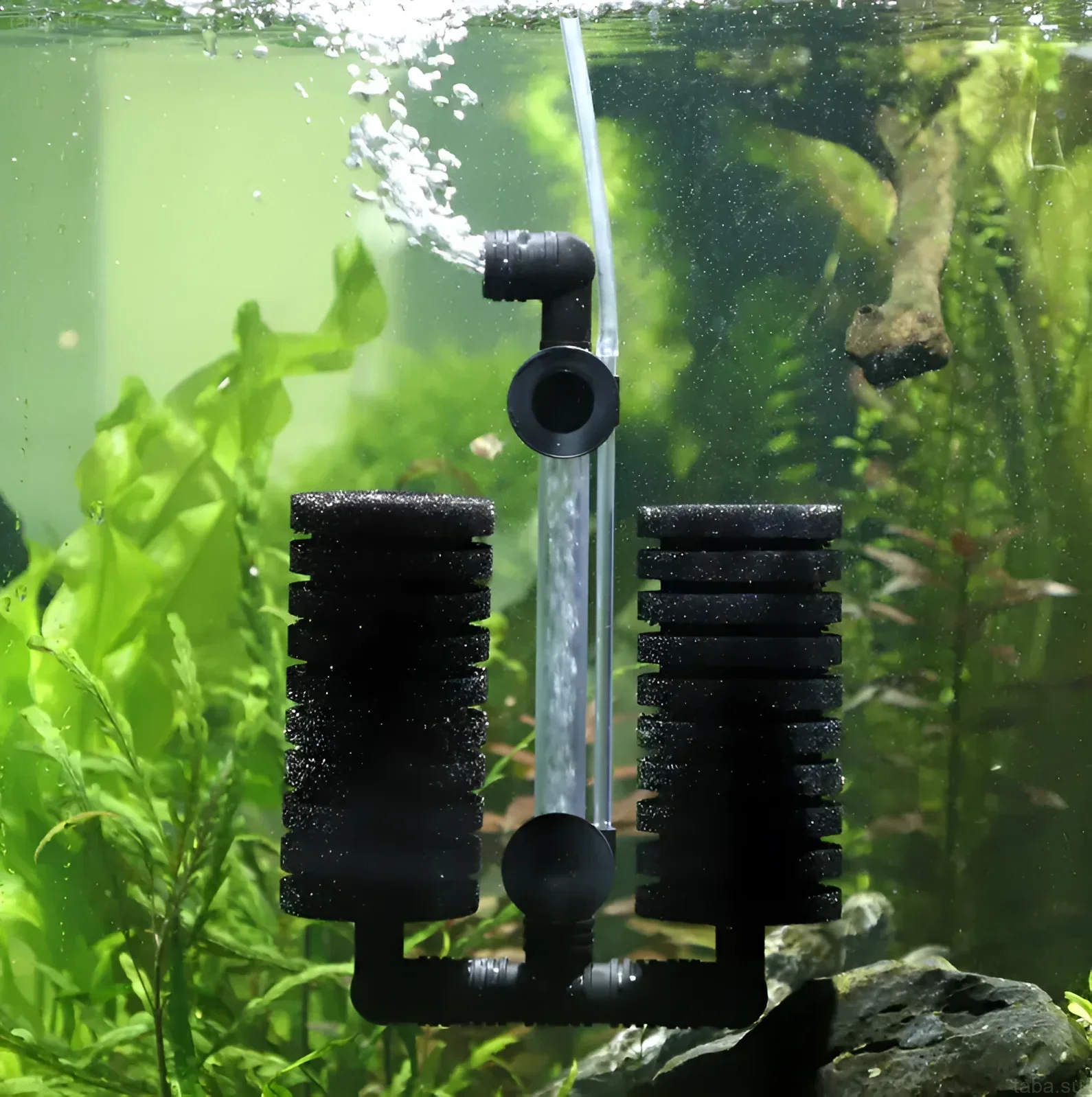
A compressor (or air pump) is a specialized device designed solely for air supply. It operates independently of the filter and provides a stable, controlled flow of bubbles that can be distributed throughout the aquarium volume via diffusers (air stones).
Unique Advantages of a Compressor:
A compressor performs functions that an aerating filter cannot provide or does so inefficiently:
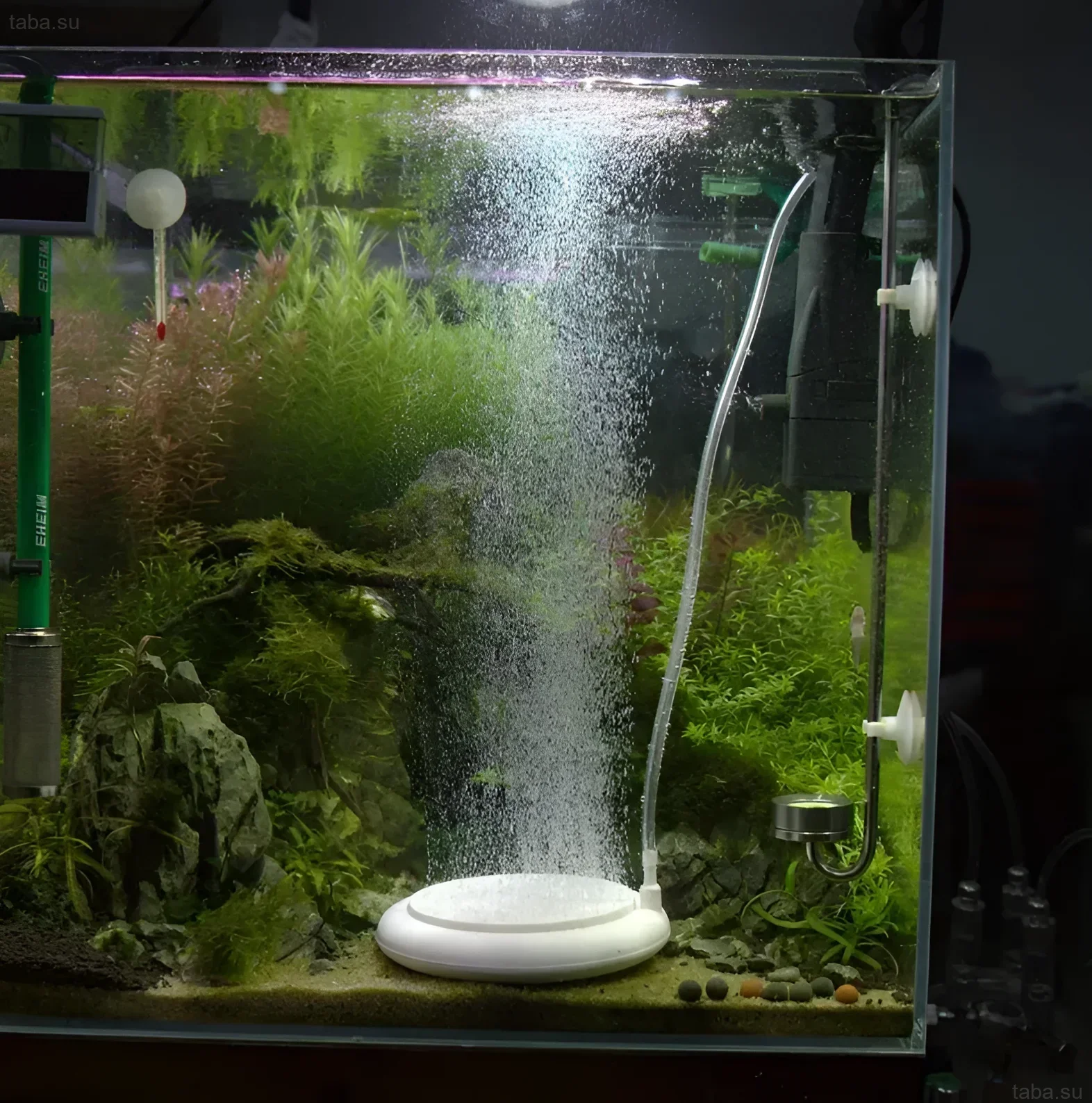
- Targeted Oxygenation: The ability to place a diffuser at the bottom of the aquarium, ensuring oxygenated water rises from bottom to top, guaranteeing circulation in the bottom layers.
- Decorative Features: The use of air curtains, decorative elements, and special diffusers, which is impossible when using only a filter.
- Medication Treatment: Many medications reduce oxygen levels in the water or impair the function of the biofilter. A compressor provides the intense aeration necessary to support fish during treatment.
- Backup: In case of main filter failure, a compressor can sustain inhabitants until the malfunction is resolved.
- Powering Additional Equipment: Compressors can be used to operate air-lift filters (especially in breeding and quarantine tanks) or protein skimmers (though the latter is more common in marine aquariums).
When is a Compressor Necessary, Even with an Aerating Filter?
There are clear scenarios where even the most powerful aerating filter cannot provide a sufficient O₂ level, and installing a compressor becomes a mandatory measure, not a luxury.
Critical Conditions Requiring a Compressor:
- Overstocking (High Biological Load): If the number of fish exceeds recommended norms (e.g., more than 1 cm of fish per liter of water), O₂ consumption increases sharply. The filter will not cope with such a load.
- High Water Temperature: During summer or when keeping heat-loving species (e.g., discus – *Symphysodon*) when the temperature exceeds 27°C, oxygen solubility decreases. Intense additional aeration is required.
- Deep Aquariums: In tanks over 60 cm high, the surface water movement created by the filter is ineffective for oxygenating the lower layers, where bottom-dwelling fish (e.g., corydoras – *Corydoras*) may reside.
- Aquarium Cycling (Nitrogen Cycle): During the establishment of biological filtration, aerobic bacteria consume a huge amount of oxygen to multiply and process nitrogenous compounds. Intense aeration accelerates this process.
- Chemical Changes: The use of pH-lowering agents or the addition of plant fertilizers (especially CO₂). Introducing carbon dioxide can temporarily reduce O₂ levels.
Expert Advice: If you see fish staying at the surface, gasping for air, or notice rapid gill movement, it’s a clear sign of oxygen starvation. In such cases, a compressor is needed immediately.
How to Properly Install and Configure a Compressor and Aerating Filter?
To achieve maximum efficiency and safety, both devices must be correctly placed and configured.
Compressor Setup:
- Placement: The compressor should always be placed above the water level in the aquarium to prevent backflow of water during power outages. If this is not possible, be sure to use a check valve.
- Diffuser: Place the air stone in the opposite corner from the filter’s water intake. This will ensure maximum circulation and prevent “dead zones.”
- Noise: Place the compressor on a soft base (e.g., sponge or rubber mat) to reduce vibration noise.
Aerating Filter Setup:
- Spray Bar Adjustment: If you are using a spray bar, direct it slightly above the water level. This will create ripples and noise but ensure maximum gas exchange. If noise is critical, direct it slightly downwards at an angle to create strong flow without splashing.
- Venturi: If you are using the Venturi effect, ensure the air supply tube is clean and not clogged with salts or algae.
Synchronization: The ideal system is when the filter provides mechanical filtration and horizontal water flow, and the compressor provides vertical flow and additional oxygenation in critical zones.
FAQ: Most Common Questions About Aquarium Aeration
1. Can Aeration Be Turned Off at Night?
Answer: Absolutely not recommended. At night, plants consume oxygen instead of releasing it. During this time, O₂ levels can drop to critically low levels, especially in densely planted aquariums. Aeration should run 24/7.
2. How to Tell if the Bubbles are Too Large?
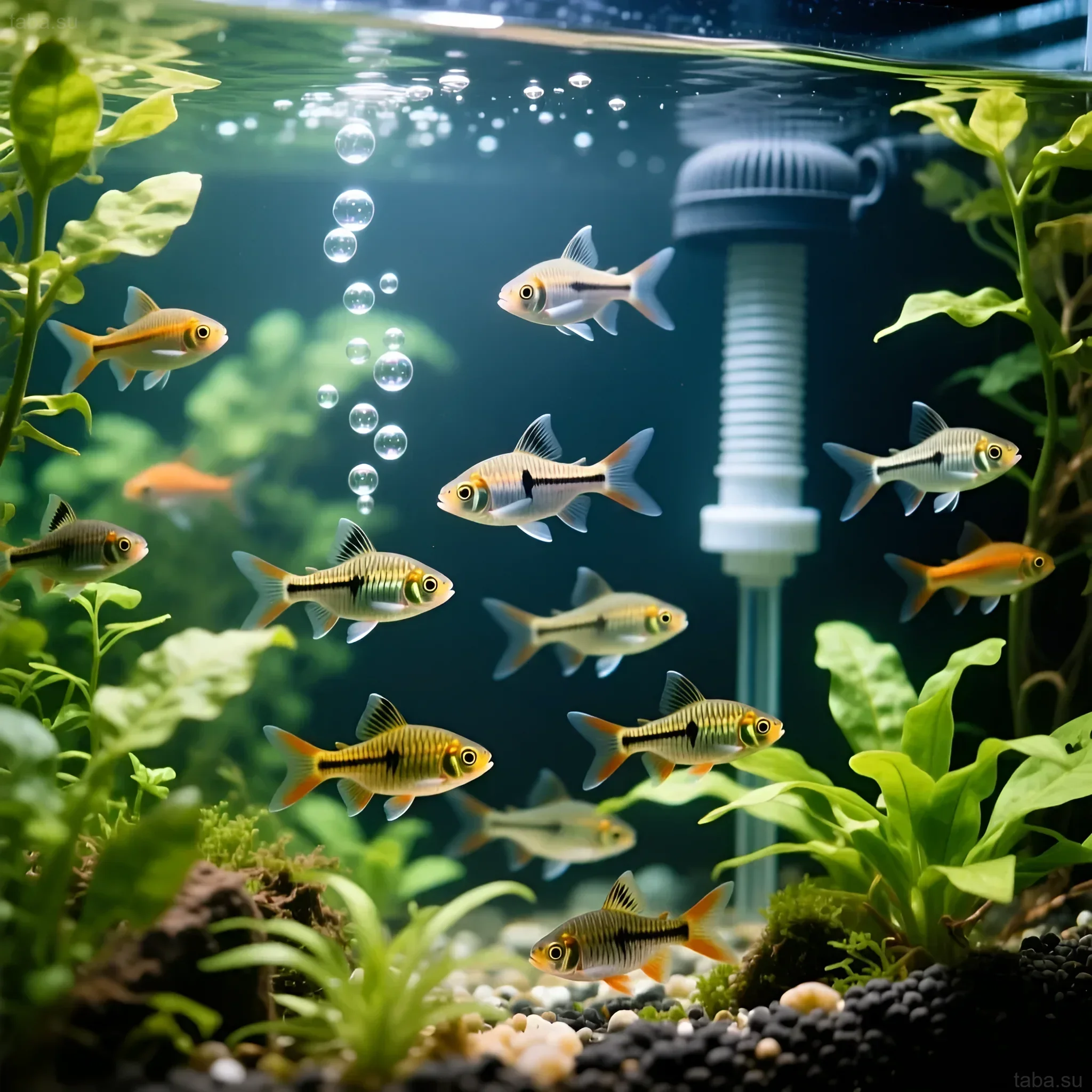
Answer: Large bubbles rise to the surface quickly and provide less gas exchange than small ones. They also create more noise. Use a high-quality, fine-pored diffuser that generates a “mist” or very small bubbles.
3. Does a Compressor Affect CO₂ Supply for Plants?
Answer: Yes, it does. Aeration (especially intense aeration) actively drives carbon dioxide (CO₂) out of the water. In planted tanks where CO₂ is supplied, a compressor is usually used only at night (when CO₂ is turned off) or in critical situations to avoid disrupting the carbon balance.
4. Is a Compressor Needed in a Shrimp Aquarium?
Answer: Shrimp, such as cherry shrimp (*Neocaridina davidi*) and crystal shrimp (*Caridina cantonensis*), are extremely sensitive to low oxygen levels and rapid temperature fluctuations. In shrimp aquariums, stable aeration (usually via a compressor) is a high priority.
Interesting Facts About Aeration and Oxygen in Aquariums
Understanding the physical processes behind aeration helps make more informed decisions when choosing equipment.
- Henry’s Law: The amount of gas dissolved in a liquid (in this case, oxygen in water) is proportional to the partial pressure of that gas above the liquid. This is why the water’s contact area with air (surface movement) is more important than the volume of bubbles.
- Saturation: Water in an aquarium can only be saturated with oxygen up to a certain limit (100% saturation), which depends on temperature and atmospheric pressure. It is extremely difficult to supersaturate water with oxygen, but it is possible in rare cases with specialized equipment.
- Oxidation-Reduction Potential (ORP): Oxygen is the primary oxidant in an aquarium. The higher the O₂ level, the higher the ORP, which promotes the decomposition of organic waste and maintains water clarity.
- Role of Plants: In a densely planted tank where plants actively photosynthesize, O₂ levels can reach 150-200% saturation during the day. However, this does not negate the need for aeration at night.
Expert Conclusion: An aerating filter is an excellent basic solution for small, sparsely populated aquariums. However, to ensure stability, safety, and optimal conditions in medium and large aquariums, as well as in critical situations (heat, treatment, overstocking), a separate compressor is a necessary piece of equipment. It provides the aquarist with control and a backup that are invaluable for the health of aquatic life.
Additional Images
Gallery of remaining images (click to view):