
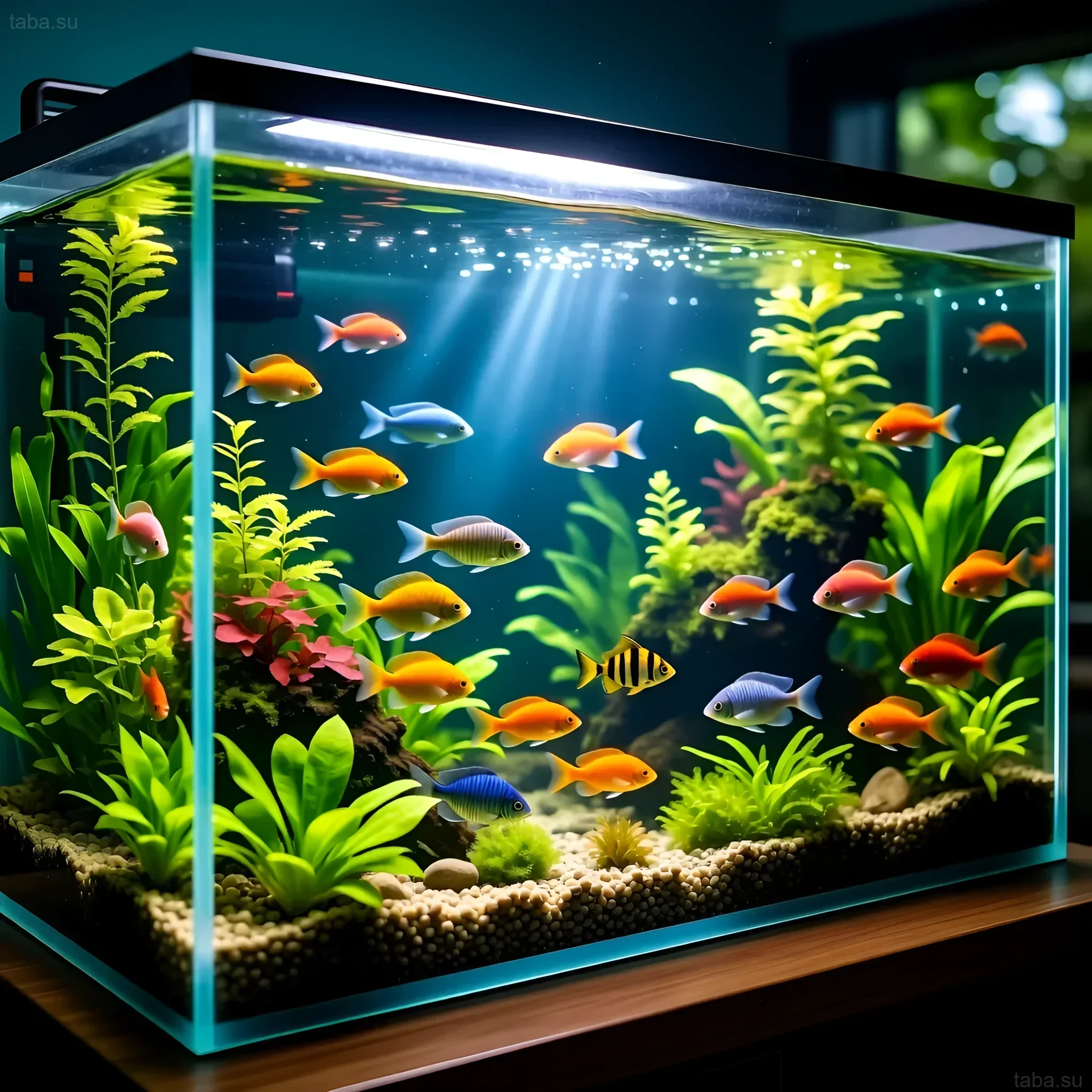
Experienced aquarists have long known: an aquarium is not just a static vessel of water. It is a dynamic, complex ecosystem that requires constant movement and exchange. While external filters provide basic filtration, they are rarely capable of creating the necessary hydrodynamic picture that mimics natural bodies of water. This is where current pumps, or as they are often called, wavemakers and circulation pumps, come into play.
Current Pumps in Aquariums: Creating a Healthy and Beautiful Underwater World
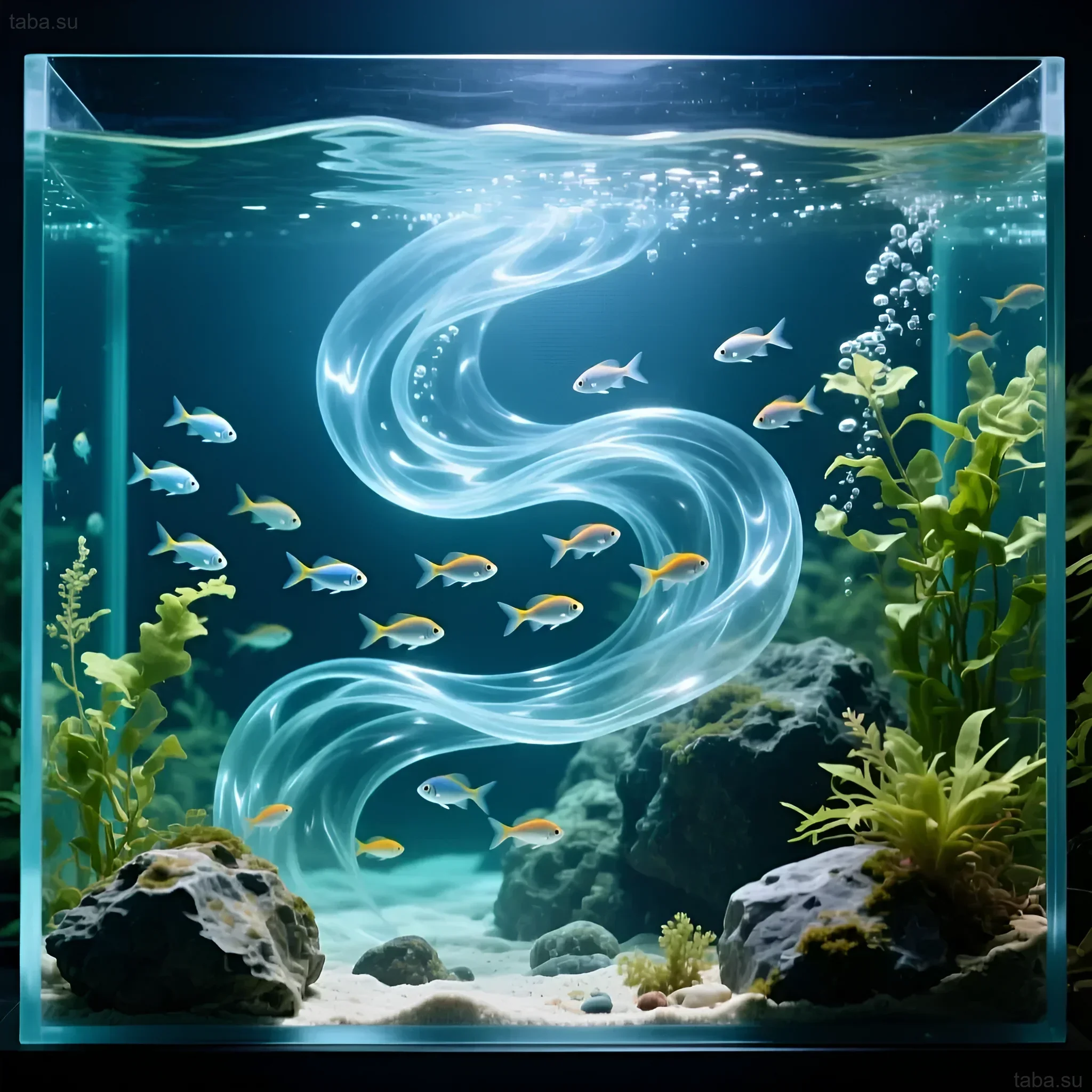
A current pump (Powerhead) is a specialized device whose main task is to create a powerful, directed flow of water inside the aquarium. Unlike filter pumps, which work to push water through the substrate, current pumps focus on the volume and speed of water movement within the water column.
Initially, these devices were developed primarily for marine aquaristics, where intense water movement is critical for the survival of corals. However, in recent years, their use has become essential for many types of freshwater biotopes, especially for the following:
- Rheophilic Aquariums: for keeping fish that inhabit fast-flowing rivers, such as hillstream loaches (*Sewellia lineolata*) or some species of barbs.
- Large Cichlid Tanks: a strong current helps distribute oxygen and effectively remove waste products from large fish (e.g., African cichlids from Lake Malawi and Tanganyika).
- Complex Planted Tanks (High-Tech Planted Tanks): for uniform distribution of CO2 and nutrients throughout the water column, including the furthest corners.
Why You Need a “Storm” in Your Aquarium: Hydrodynamics Basics for Aquarists
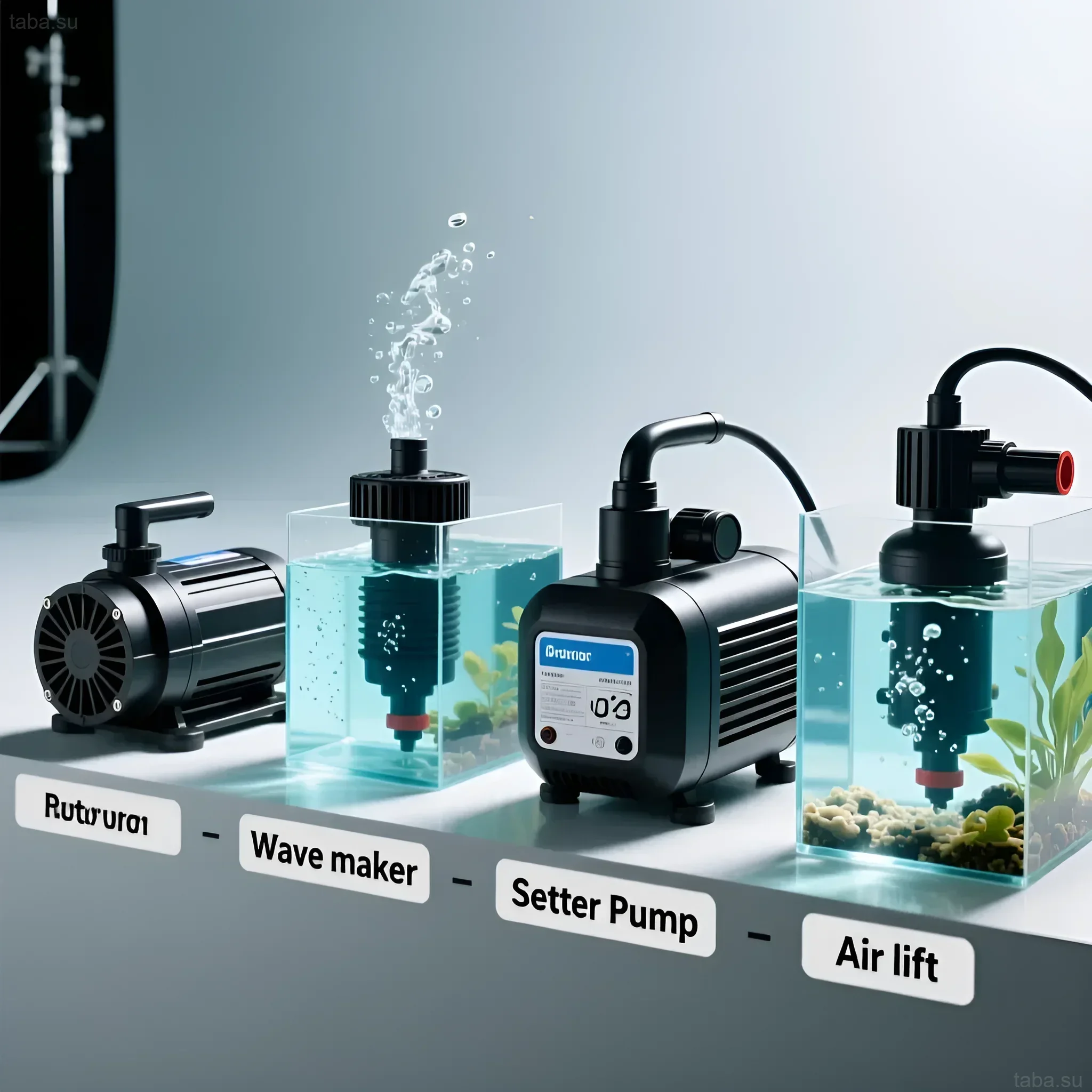
Creating a controlled “storm” or strong current is not just a whim, but a fundamental aspect of maintaining biological balance. Insufficient water circulation leads to the formation of stagnant zones, which are breeding grounds for problems.
Key Functions of Intense Current:
1. Gas Exchange Optimization (Oxygenation):
- A strong current breaks up the surface film, sharply increasing the water’s contact area with the air. This promotes maximum saturation of water with oxygen (O2) and removal of excess carbon dioxide (CO2).
2. Prevention of Stagnant Zones:
- In corners, under decorations, and in dense plant growth, detritus, uneaten food, and decomposition products accumulate without current. This leads to a local drop in pH and the formation of toxic compounds.
- A current pump lifts this detritus, directing it straight to the filter’s intake.
3. Nutrient Distribution:
- In densely planted aquariums (e.g., with Echinodorus or Cryptocoryne), the current ensures uniform delivery of macro- and microelements, as well as CO2, to all leaves, preventing starvation of the lower layers.
4. Fish Health and Behavior:
- Fish accustomed to currents in nature become more active and healthier, using the flow for “exercise.”
- A strong current also helps simulate seasonal changes in biotopes, stimulating spawning in some species.
Types of Aquarium Current Pumps: An Overview and Comparison
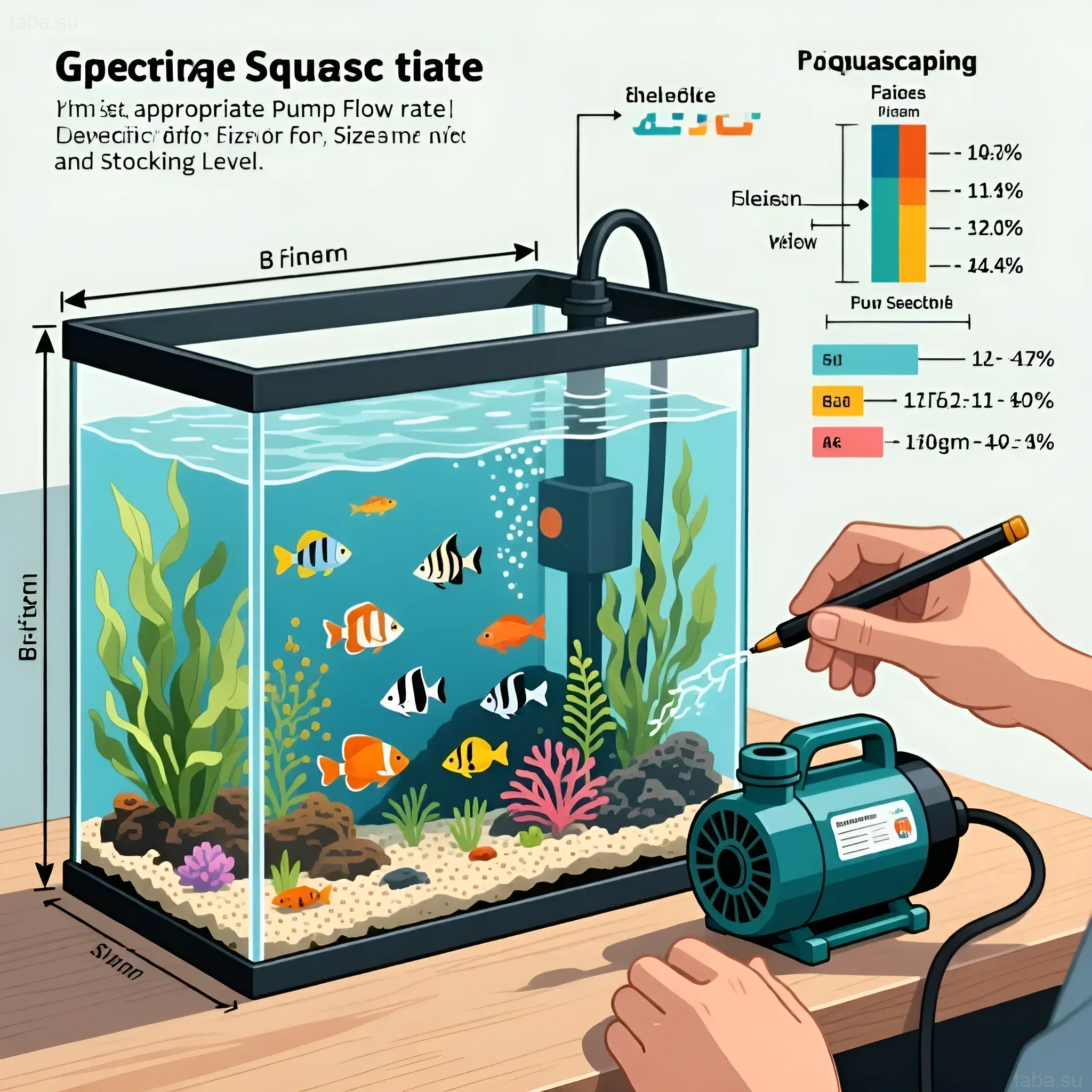
The market offers several structurally different types of pumps, each suitable for specific tasks and aquarium volumes:
- Standard Current Pumps (Fixed Powerheads): The simplest type. They provide a constant, directed flow. Usually used to create constant circulation in large tanks or to supply water to UV sterilizers.
- Propeller Pumps: Characterized by a large, wide propeller. They provide very high flow rates (up to 20,000 L/h and more) at relatively low pressure. Ideal for simulating wide, slow river currents or “waves” in marine aquariums.
- Wavemakers: These are essentially propeller pumps with an advanced controller. They can operate in pulse mode, turning on and off according to a set algorithm or simulating random natural currents. Extremely important for creating a surf effect.
- Pumps with Oscillating Nozzles (Oscillating Powerheads): Have a mechanism that slowly rotates the pump’s nozzle, distributing the flow in a wide arc. This allows covering a large area while avoiding a strong direct impact on one spot.
Pump Comparison Table:
| Pump Type | Advantage | Application in Freshwater Aquarium |
|---|---|---|
| Standard | Reliability, constant flow | Basic circulation, water supply to reactors |
| Propeller | High water volume (L/H) | Large cichlid tanks, riverbed simulation |
| Wavemaker | Dynamic flow change | Behavioral enrichment, stagnation prevention |
How to Choose a Current Pump for Your Aquarium: A Practical Guide
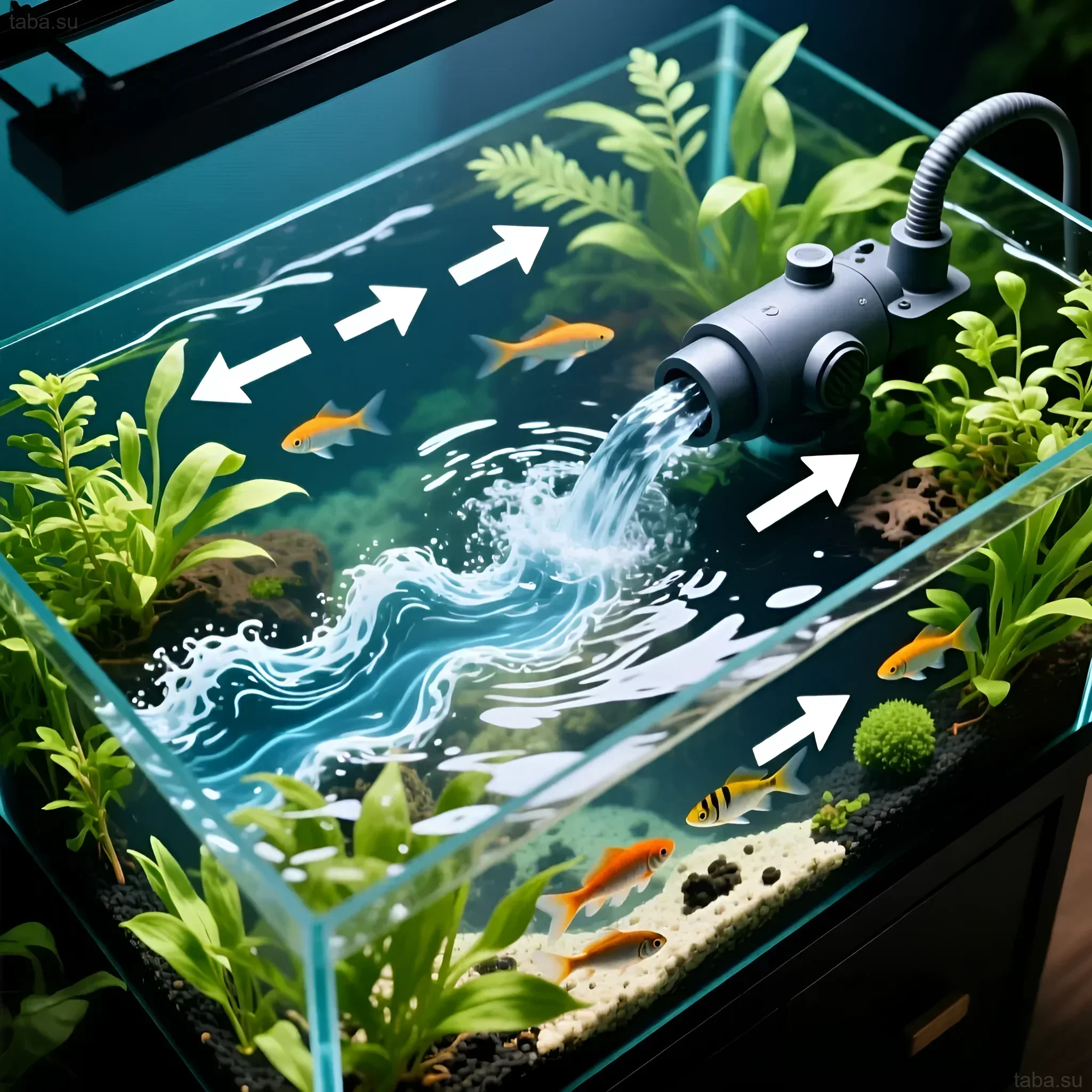
Choosing a pump is a balance between power, aquarium size, and the needs of its inhabitants. Too weak a flow will be ineffective, too strong a flow will stress the fish and uproot plants.
Key Selection Parameters:
1. Flow Rate Calculation (L/H)
For most freshwater aquariums, it is recommended that the total circulation volume (including the filter and pumps) be between 5 and 10 full aquarium volumes per hour. However, for specialized biotopes, the requirements are higher:
- General Aquarium (Low Flow): 5–7 volumes/hour.
- Dense Planted Tank (Medium Flow): 10–15 volumes/hour (for CO2 distribution).
- Rheophilic/Cichlid Tank (High Flow): 15–20 volumes/hour and more.
Example: For a 300-liter rheophilic aquarium, you will need a total circulation of about 4500–6000 L/h.
2. Type of Inhabitants
Keep in mind that slow-moving fish, such as guppies (*Poecilia reticulata*) or mollies (*Poecilia sphenops*), tolerate constant strong currents poorly. For them, it is better to use pulsating wavemakers with periodic activation, giving them time to rest.
3. Size and Aesthetics
Pumps should be compact enough not to spoil the appearance and to be easily hidden behind decorations. Pay attention to the mounting type – magnetic mounts are preferable to suction cups, as they are more reliable and durable.
Installing and Adjusting a Current Pump: Tips from Professionals
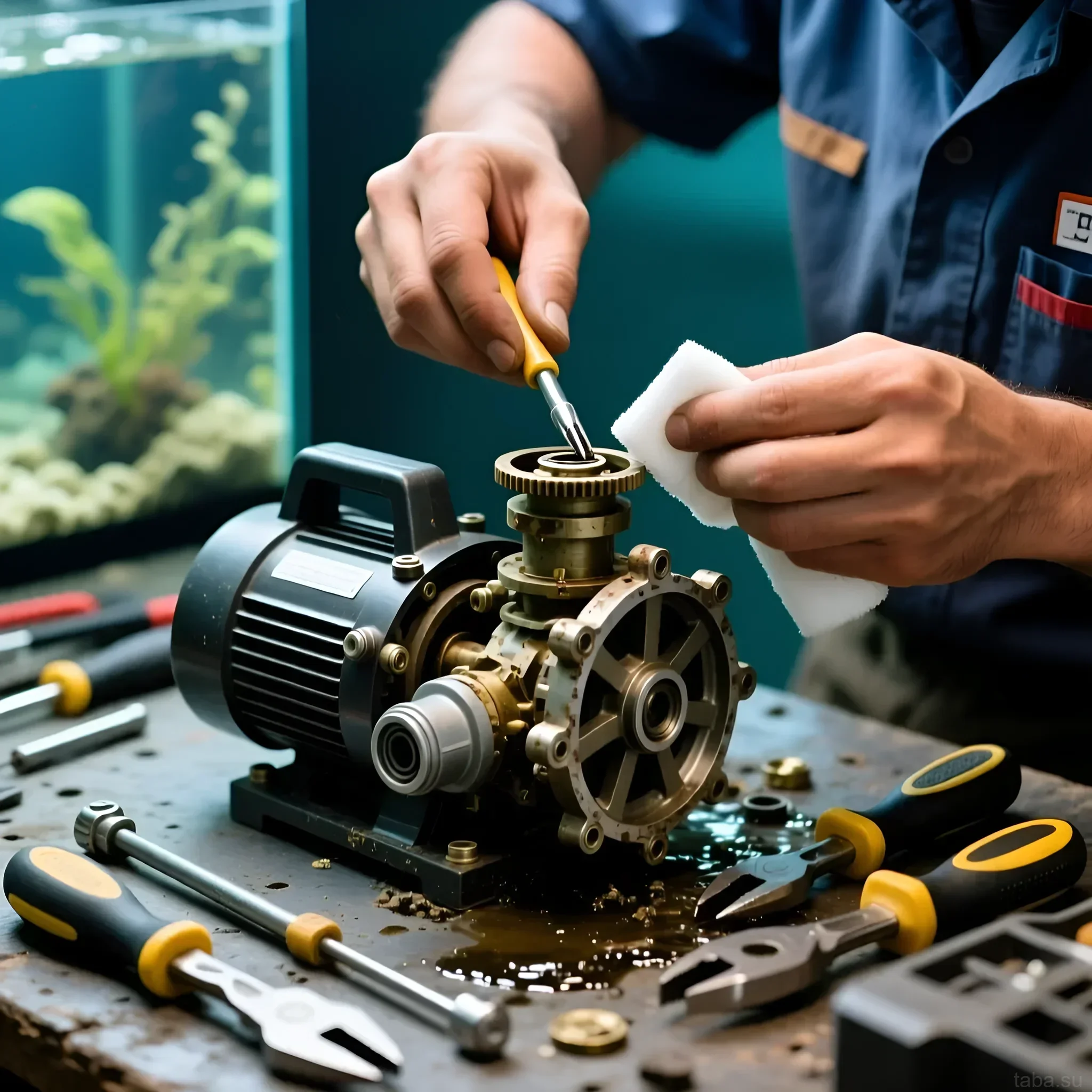
Proper placement of the current pump is critical for creating effective hydrodynamics and eliminating dead zones.
Placement Principles
- Opposite Corner: The classic method is to install the pump in one corner, directing the flow diagonally to the opposite corner. This creates a circular water movement.
- Interaction with the Filter: Direct the pump’s flow so that it “pushes” detritus towards the intake of the external filter.
- Surface Movement: Direct the stream slightly upwards to break up the water surface as much as possible. This sharply improves oxygenation.
- Avoid Direct Impact: Do not direct a strong flow directly at fish, especially their resting or spawning areas.
Wavemaker Settings
If you are using a programmable wavemaker, set it for cyclical operation:
- Night Mode: Reduce power to a minimum or turn off completely, as gas exchange slows down at night, and fish need rest.
- Pulse Mode: To simulate surf, use short, powerful pulses with pauses. This is most effective for preventing detritus settling.
Current Pump Problems and Solutions: Diagnosis and Repair
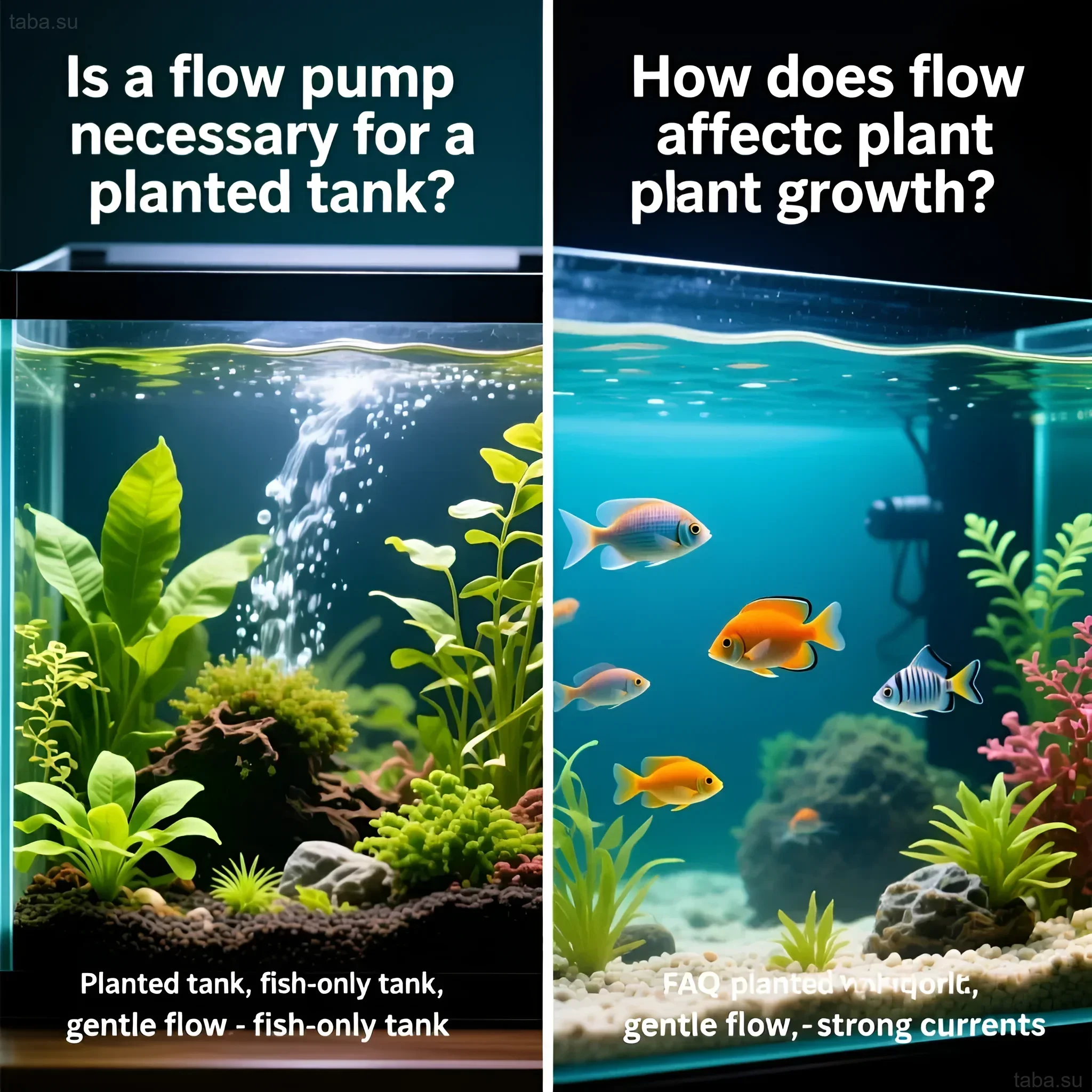
Like any technical equipment, current pumps require regular maintenance. The two most common problems are reduced power and noise.
1. Noise and Vibration
If the pump suddenly becomes loud, it is almost always related to the impeller or the mounting.
- Diagnosis: Check if small debris, a snail, or a large plant leaf is stuck between the impeller blades.
- Solution: Completely disassemble the pump and clean the impeller housing and the impeller itself. If the pump is old, the shaft or the rubber bushings that dampen vibration may be worn out.
2. Reduced Flow Power
A gradual decrease in performance is a sign of clogging.
- Cause: Accumulation of biological film (slime) or, in hard water, calcium deposits (limescale) on the blades and inner walls.
- Solution: Mechanical cleaning is sufficient to remove biological film. To remove calcium, soak the pump (without electronics!) in a weak solution of vinegar or citric acid for several hours.
3. On and Off (for Wavemakers)
Check the controller. Often, power supply issues or incorrect timer settings lead to abnormal pump behavior.
FAQ: Most Popular Questions About Current Pumps
Q: Can a current pump from a marine aquarium be used in a freshwater one?
A: Yes, technically it is possible. Most modern pumps are universal. However, marine pumps often have excessive power for freshwater aquariums, and they can be difficult to adjust to a lower flow. Always ensure that the pump’s materials are resistant to freshwater.
Q: Is a strong “storm” always necessary?
A: No. The intensity of the current should match the biotope. For example, for an aquarium with gouramis (*Trichogaster lalius*) or bettas (*Betta splendens*), which inhabit stagnant or slow-moving waters, a strong current will be a source of constant stress and can even lead to death.
Q: Where is the best place to direct the flow to avoid damaging plants?
A: Avoid directing the flow directly at delicate, long-stemmed plants. Direct the flow along the back wall or across the surface. Plants with tough leaves, such as Anubias (*Anubias barteri*), usually tolerate moderate currents well, which helps clean their leaves from algae.
Interesting Facts About Aquarium Currents: From Nature to Aquaristics
Understanding water movement in nature gives us clues to creating the ideal aquarium.
1. Current as a Navigator: In natural conditions, fish use water currents for navigation, finding food, and migration. Simulating currents in an aquarium can stimulate their natural behavior, making them more active and promoting reproduction.
2. Biofiltration in Motion: In rivers and streams, biofilm (beneficial bacteria) forms not only on the bottom but also on stones and driftwood washed by water. Intense current in an aquarium allows biofilm to form on all surfaces, increasing the system’s overall biological filtration.
3. Necessity for Bottom Dwellers: Many bottom-dwelling fish, including corydoras (*Corydoras*) and Loricariidae catfish (e.g., bristlenose plecos *Ancistrus dolichopterus*), prefer areas with moderate currents, as it brings them food and removes waste. Creating such a microclimate with a current pump significantly improves their keeping conditions.