
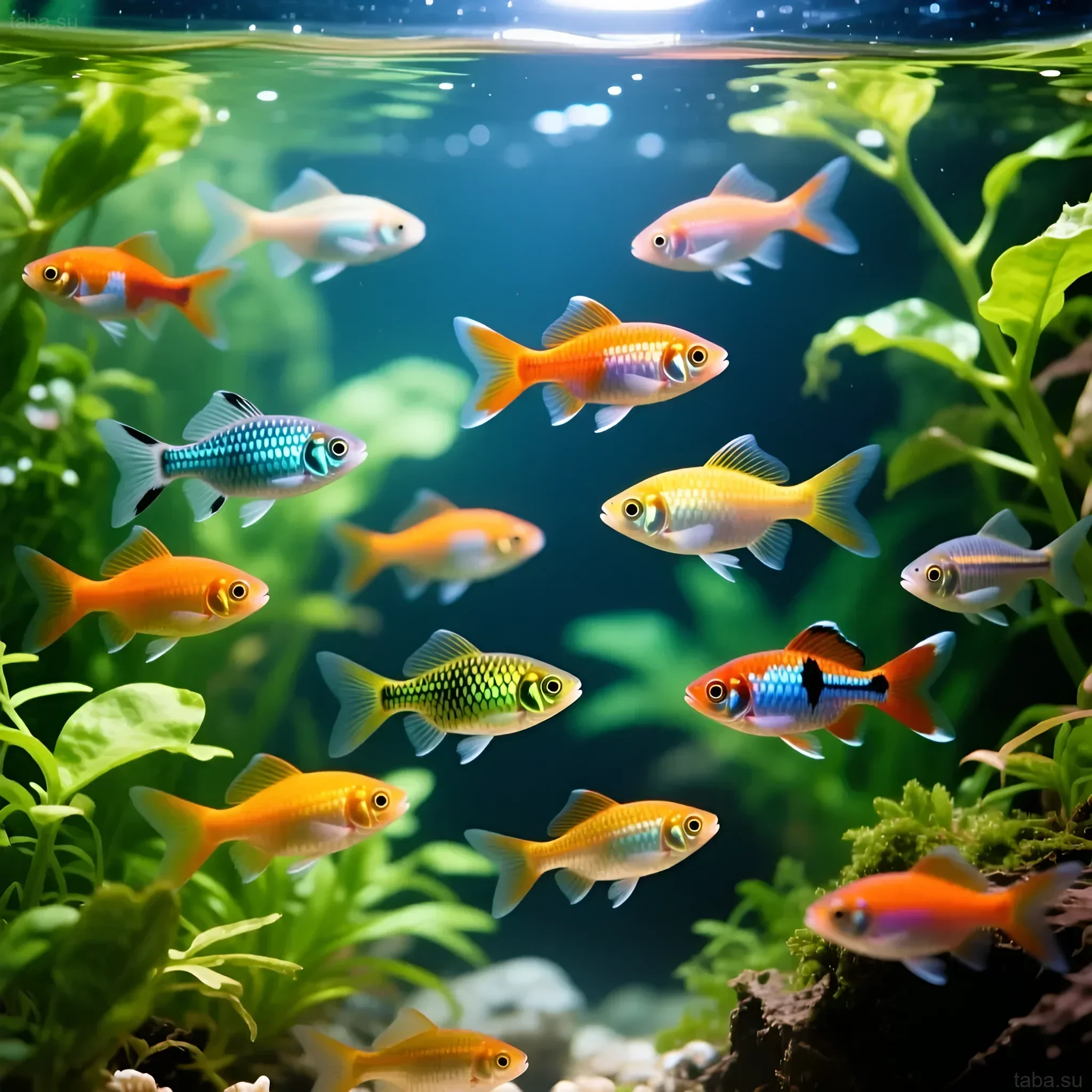
Guppies, or Poecilia reticulata, are rightly considered one of the most popular and beloved aquarium fish in the world. Their hardiness, live-bearing nature, and incredible variety of colors have made guppies an ideal choice for both beginner aquarists and experienced breeders. However, the apparent simplicity of keeping these tropical beauties often leads to mistakes. To ensure a long and healthy life for guppies, an understanding of their biological needs, proper equipment selection, and a competent approach to breeding is required.
Guppies: Bright and Hardy Aquarium Fish – A Complete Guide
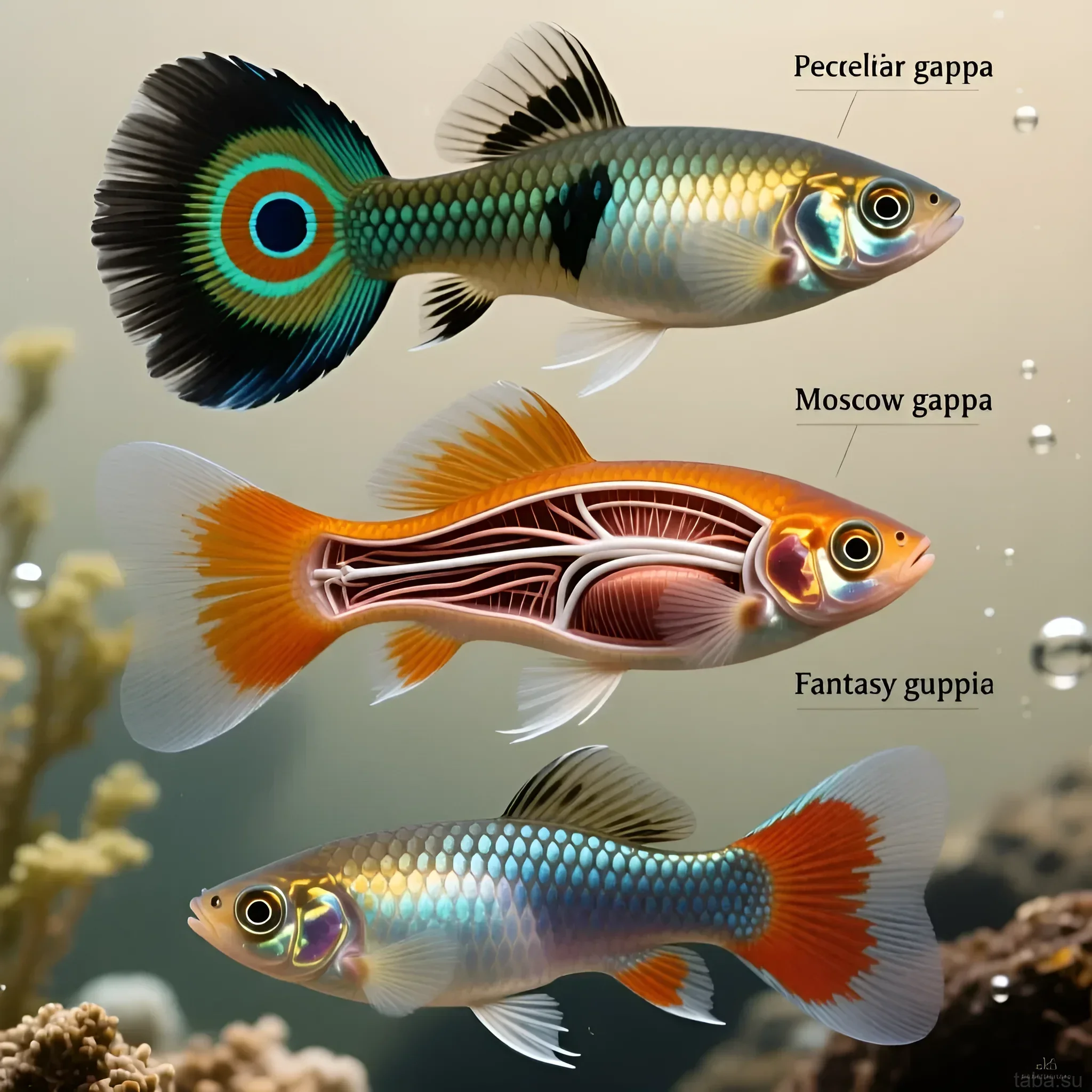
Guppies are not just aquarium fish; they are a living legend of aquaristics. They belong to the family Poeciliidae and originate from the fresh and brackish waters of South America (Brazil, Venezuela, Guyana, as well as the Caribbean islands). Their key feature is live-bearing, meaning they give birth to fully formed fry rather than laying eggs.
Why are guppies so popular?
- Hardiness: The ability to adapt to a wide range of water parameters (although stability is always preferable).
- Size: Compact size (males up to 3 cm, females up to 6 cm) allows them to be kept even in relatively small aquariums.
- Beauty: Males have magnificent, often veil-like, tails and the brightest coloration.
- Ease of breeding: An ideal subject for observing the reproductive cycle at home.
Guppy Biology and Varieties: From Wild Ancestors to Bred Forms

Understanding the biology of Poecilia reticulata begins with sexual dimorphism – the difference between males and females. This difference is very pronounced in guppies.
Sexual Dimorphism
- Males: Significantly smaller in size, have bright, rich coloration and long, often fan-shaped or lyre-shaped caudal fins. The anal fin is modified into a gonopodium (copulatory organ).
- Females: Larger, body coloration is usually dull, grayish-olive. Fins are short. Mature females have a “gravid spot” in the abdominal area – a dark area where embryos develop.
Bred Forms
Thanks to the efforts of breeders, there is now a huge number of guppy breeds, classified by tail shape and color pattern.
Classification by tail shape:
- Veiltail: Long, drooping, often triangular tail.
- Lyretail: Tail shaped like a lyre or fork.
- Flagtail: Rectangular tail shape.
- Roundtail: Short, rounded tail.
Classification by color (examples):
- Moscow Blue: Rich blue or purple color covering most of the body and tail.
- Cobra/Snakeskin: Characterized by a complex, reticulated or snake-like pattern on the body.
- Tuxedo: The front part of the body is light, and the rear, including the caudal peduncle, is black.
- Platinum and Metallic: Have a pronounced metallic sheen.
The Ideal Aquarium for Guppies: Water Parameters, Equipment, and Setup
Guppies are schooling fish, so they should be kept in groups. The recommended ratio is one male to two to three females to reduce stress on females from constant male attention.
Aquarium Volume
The minimum volume for a small group of guppies (6–8 individuals) is 40 liters. Although they can survive in smaller tanks, sufficient volume is necessary for their health and stable water parameters. Each adult fish should have at least 2–3 liters of water.
Water Parameters
Guppies prefer hard or medium-hard water (pH 7.0–8.0; dGH 10–20°). In excessively soft water, male fins may “melt,” and immunity decreases. Guppies also tolerate slight salinization (1 teaspoon of table salt per 10 liters), which is often used for fungal infection prevention, but this is not a mandatory condition.
- Temperature: 22–26°C. Bred forms with long fins are better kept at a higher temperature (24–26°C) to avoid fungal diseases.
- Nitrates and Nitrites: Nitrites (NO₂) should be 0. Nitrates (NO₃) should not exceed 20 mg/l.
Equipment
A standard set of equipment is necessary to ensure a stable habitat.
- Filtration: An internal or external filter with moderate flow is used. Guppies do not like strong water movement, which can damage their veil-like tails.
- Heater: Necessary to maintain a stable temperature in the range of 24–26°C.
- Aeration: Mandatory, especially at elevated temperatures.
- Lighting: Standard aquarium lighting, sufficient for plant growth.
Decor and Plants
The setup should include both open swimming areas and dense vegetation for hiding (especially for fry and pregnant females).
- Plants: Guppies thrive in densely planted aquariums. Fast-growing species such as hornwort (Ceratophyllum demersum), Java moss (Taxiphyllum barbieri), and Vallisneria (Vallisneria spiralis) are recommended.
- Substrate: Fine gravel or sand.
- Decor: Driftwood and rocks that do not acidify the water (e.g., do not use peat).
Feeding Guppies: A Balanced Diet for Health and Vibrant Coloration
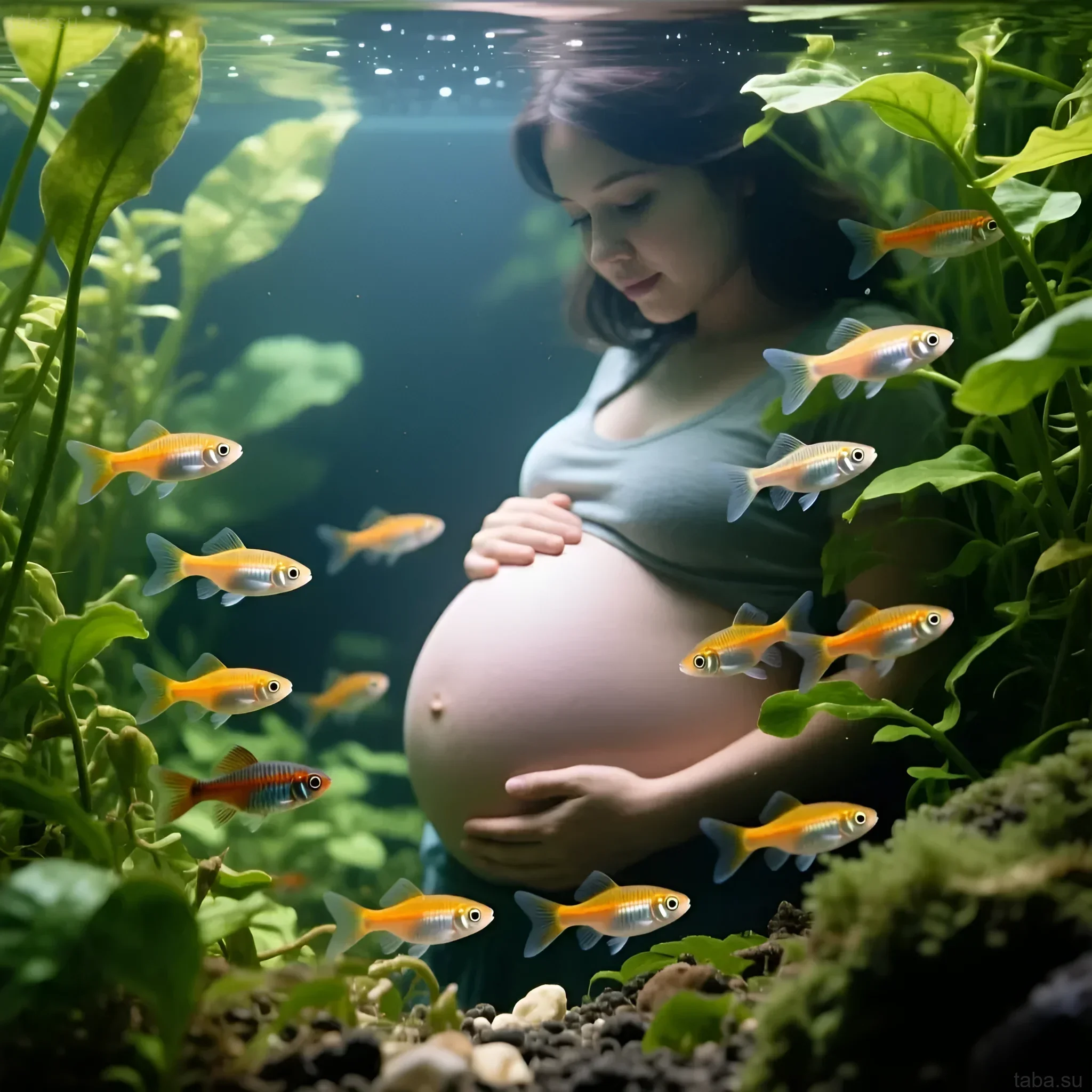
Guppies are omnivores. In nature, they feed on small invertebrates, algae, and detritus. In an aquarium, their diet should be as varied as possible, which directly affects their immunity and color saturation.
Diet Basics
The basis of their diet should be high-quality dry foods in the form of flakes or small granules, specifically designed for live-bearing fish. These foods often contain special color-enhancing additives (carotenoids).
Types of food essential in the diet:
- Dry foods: Flakes and micro-granules (up to 70% of the diet).
- Live foods: Daphnia, bloodworms (Chironomidae) (in small quantities), Tubifex.
- Frozen foods: Brine shrimp (Artemia), cyclops (Cyclops).
- Vegetable matter: Spirulina, blanched lettuce or spinach leaves.
Feeding Schedule
Guppies should be fed 2–3 times a day in small portions. The portion size should be such that the fish consume all the food within 2–3 minutes. Overfeeding is one of the most common causes of health problems and deterioration of water quality.
Important: Guppies are prone to overeating. If food remains on the bottom, it quickly spoils, causing ammonia and nitrite spikes.
Guppy Breeding: From Courtship to Raising Fry
Guppies are live-bearing fish, and breeding them does not require special effort. If males and females are present in the aquarium, breeding occurs constantly.
Breeding Process
- Fertilization: The male uses his gonopodium for internal fertilization. A unique feature of guppies is that the female can store the male’s sperm and give birth to fry multiple times (up to 6–8 broods) after a single mating.
- Gestation: Lasts about 28–35 days (depending on temperature). Signs of approaching birth include an enlarged “gravid spot,” a square abdomen, and the female seeking solitude.
- Birth: The female gives birth to 10 to 100+ fully formed fry.
Raising Fry
The main problem in breeding guppies is cannibalism. Adult fish, including the mother, can eat the fry immediately after birth.
Methods for protecting fry:
- Breeder box (nursery): Use a special mesh or plastic breeder box where the pregnant female is placed. After birth, the female is immediately returned to the main aquarium.
- Dense vegetation: If you do not plan to save all the fry, provide them with maximum floating plants (e.g., water lettuce, duckweed) for hiding.
Feeding fry:
Guppy fry are born large and are ready to feed immediately. In the first few weeks, they require a high-protein, easily digestible food:
- Live brine shrimp nauplii (the best starter food).
- Infusoria (for the smallest fry).
- Special dry foods for fry (so-called “fish dust”).
Guppy Diseases and Treatment Methods: Prevention and First Aid
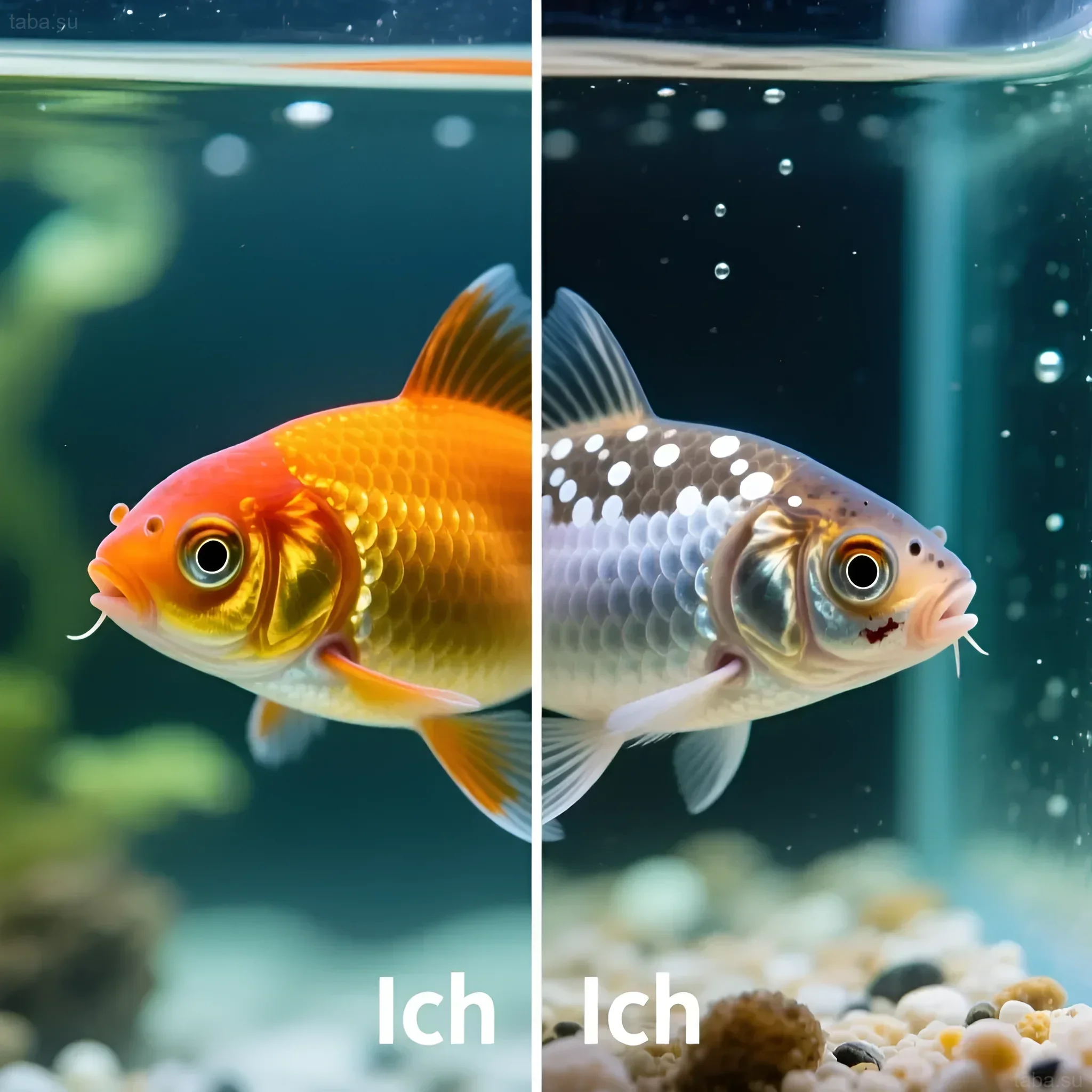
Guppies are quite hardy, but they are vulnerable to diseases caused by stress, sudden temperature fluctuations, and poor water quality. Long-finned bred forms are more susceptible to fin infections.
Common Diseases
- Ichthyophthirius (White Spot Disease): Caused by the ciliate Ichthyophthirius multifiliis. Symptoms: small white dots resembling grains of salt all over the body and fins. Requires immediate treatment with special medications and temperature increase.
- Fin Rot: Bacterial infection. Fins become cloudy, edges fray and split. Often occurs due to poor water quality (high nitrate levels). Treatment: antibacterial medications, mandatory water changes.
- Fungal Infections (Saprolegniasis): Appear as white cottony growths on the body or damaged fins. Often affects weakened fish. Treatment: antifungal medications.
- Tail Curl (Pistophorosis): Fish hangs vertically, tail down and clamped. Often a sign of internal parasites or severe stress.
Prevention is Key to Health
Preventive measures:
- Quarantine: All new fish should be kept in quarantine (separate aquarium) for at least two weeks.
- Water changes: Regular weekly water changes of 25–30%.
- Temperature control: Avoid sudden temperature fluctuations.
- Varied diet: Strengthening immunity through vitamins and live foods.
Guppies and Aquarium Neighbors: Compatibility and Creating a Harmonious Community
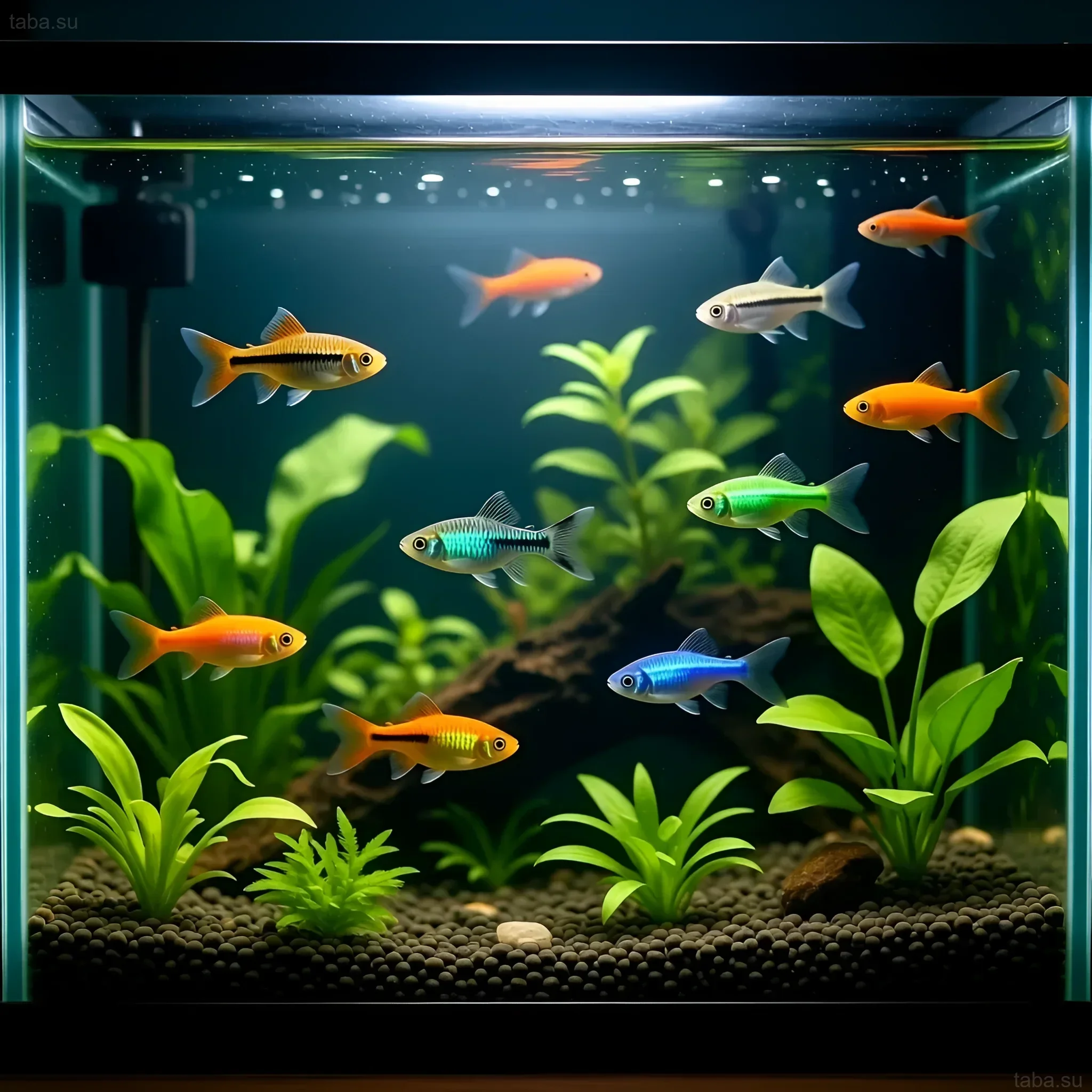
Guppies are peaceful and social fish, but their long, bright tails can become a target for aggressive neighbors. When choosing tank mates, temperament and size must be considered.
Ideal Neighbors
The best neighbors for guppies are calm, small fish that are not aggressive and are not fin-nippers.
- Corydoras Catfish (Corydoras): Bottom-dwelling, peaceful fish that occupy the lower level. They do not compete for food and do not bother guppies.
- Otocinclus (Otocinclus affinis): Peaceful algae eaters.
- Swordtails and Platies (Xiphophorus, Poecilia): Close relatives with similar water parameter requirements.
- Tetras (e.g., Neon Tetras Paracheirodon innesi): Small, peaceful tetras.
- Dwarf Shrimp: Cherry shrimp (Neocaridina davidi) or Amano shrimp (Caridina multidentata).
Who to Avoid
It is strictly not recommended to keep guppies with fish known for their fin-nipping or predatory tendencies.
- Barbs: Sumatra barbs (Puntigrus tetrazona) and fire barbs are very active and constantly nip at the veil-like tails of male guppies.
- Large Cichlids: Angelfish (Pterophyllum scalare) and many species of African cichlids consider small guppies as food.
- Anabantoids: Bettas (Betta splendens) can be aggressive towards male guppies due to the similarity in fin shapes.
- Predatory Tetras: Serpae tetras or large Congo tetras.
FAQ: Answers to the Most Popular Guppy Care Questions
How long do guppies live?
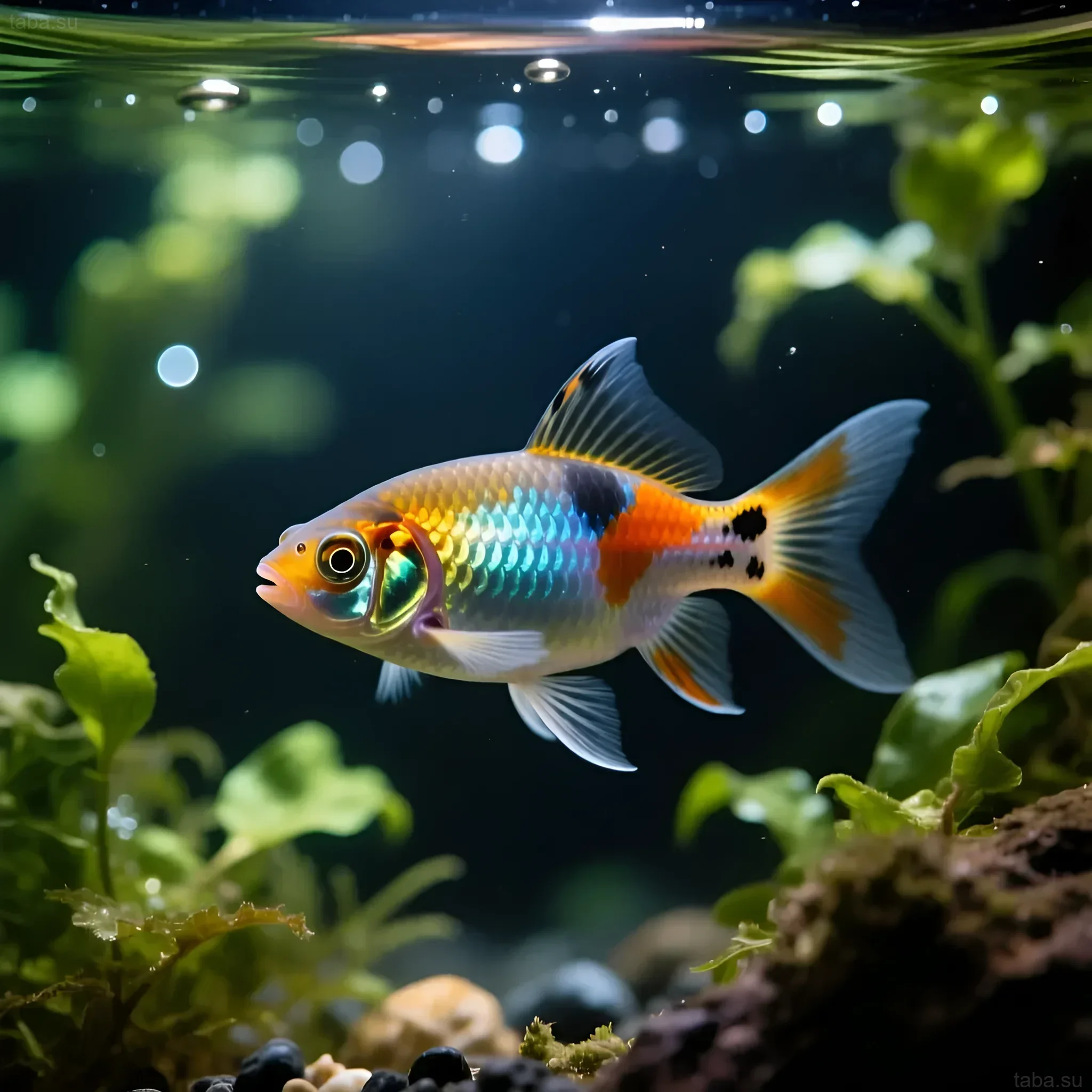
Under good conditions and stable water, the lifespan of guppies is 2–3 years. Bred forms with very large fins may live slightly less due to genetic load.
Is salt needed in a guppy aquarium?
Salt is not a mandatory element, but guppies tolerate slight salinization well, as their natural habitat often contains seawater. Using salt (1 tsp per 10 L) can be beneficial for preventing external parasites and fungal infections, but it should not be used constantly if the aquarium contains salt-sensitive plants or other fish (e.g., corydoras).
How often do guppies give birth?
A female guppy gives birth approximately every 28–35 days. This cycle will repeat as long as she is able to utilize the stored sperm.
Can I keep only male guppies?
Yes, this is an excellent way to avoid aquarium overcrowding and preserve the beauty of the males, as they will not constantly chase females. In a male-only school, they behave peacefully.
Interesting Facts About Guppies: Amazing Features of These Aquarium Beauties
Guppies possess a number of unique features that set them apart from other aquarium inhabitants.
- Named after an explorer: The fish was named after Reverend Robert John Lechmere Guppy, who discovered it on the island of Trinidad in 1866.
- Malaria fighters: Guppies have been artificially introduced to many tropical regions worldwide to combat malaria, as they actively consume mosquito larvae.
- “Supermale” phenomenon: Guppies exhibit an evolutionary phenomenon where males with the brightest and largest tails, despite their vulnerability to predators, are more often chosen by females for mating (sexual selection phenomenon).
- Rapid evolution: Guppies are one of the most studied species in evolutionary biology, as their coloration and adaptability change incredibly rapidly depending on the presence of predators in the water.
Keeping guppies is a fascinating hobby that, with proper attention to water quality and nutrition, will bring joy to any aquarist. These small fish, despite their simplicity, can transform any aquarium into a vibrant tropical corner.