
Ichthyophthirius, widely known in aquaristics as “white spot disease” or “ich,” is one of the most common and potentially fatal diseases of freshwater fish. The causative agent is the ciliate protozoan Ichthyophthirius multifiliis. This disease affects the skin and gills, causing characteristic white spots resembling grains of semolina. It is critically important for an aquarist to immediately recognize the symptoms and begin effective treatment. Currently, there are two main approaches to combating ichthyophthirius: raising water temperature and using specialized medications. Experts from the taba.su portal provide a detailed analysis of both methods and offer optimal treatment strategies.
What is Ichthyophthirius (Ich)? Symptoms and Life Cycle of the Parasite
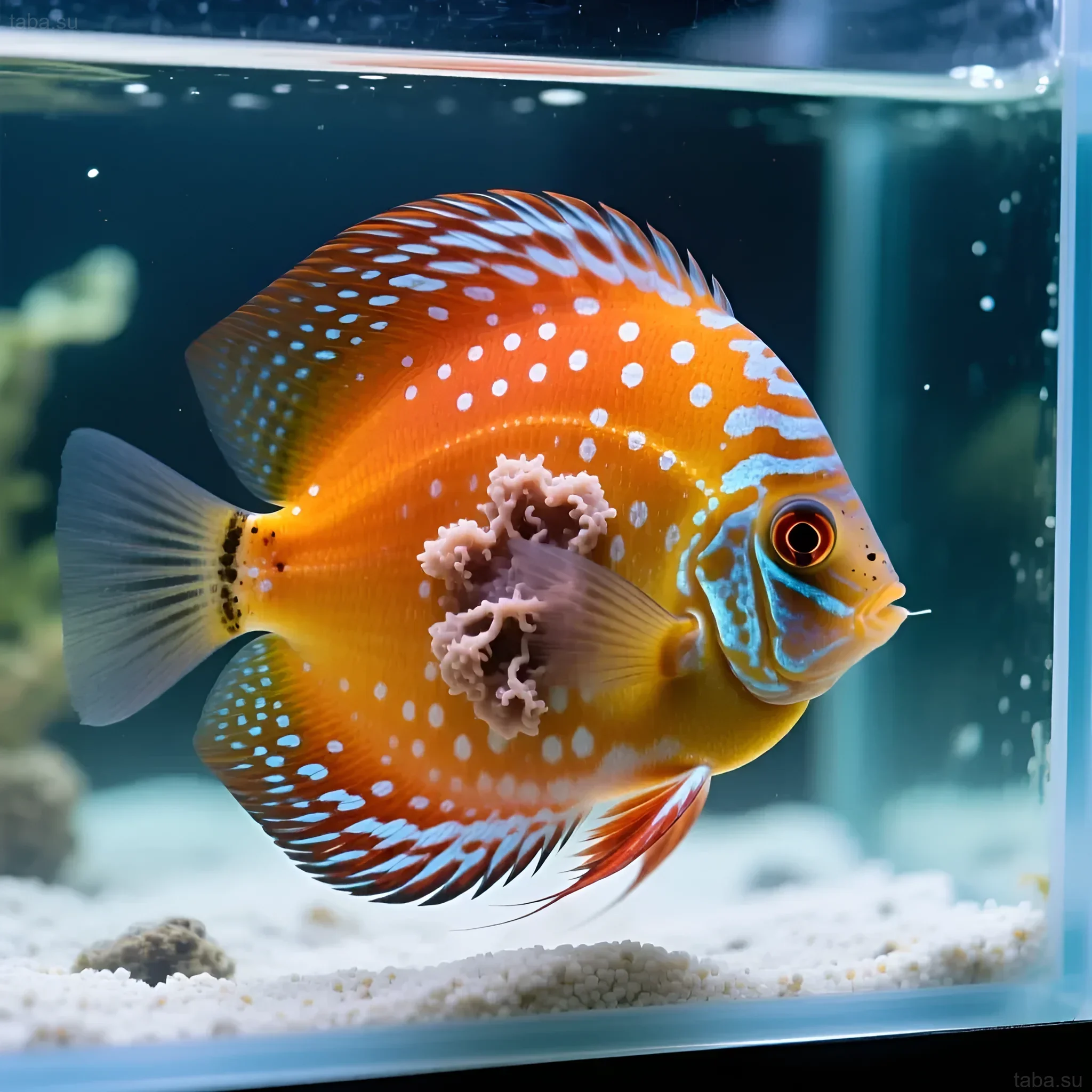
Ichthyophthirius is a highly contagious disease that, if left untreated, quickly spreads throughout the aquarium and can lead to the death of the entire population. The cause is a parasitic ciliate with a complex life cycle, knowledge of which is necessary for successful therapy.
Key Symptoms of Infection:
- White Spots: White or grayish nodules (trophonts) 0.5–1 mm in size, resembling semolina, appear on the fish’s body and fins.
- Behavioral Changes: Fish begin to rub themselves against decorations and the substrate (so-called “itching”).
- Stress and Apathy: Loss of appetite, refusal to eat, tendency to stay near the surface or, conversely, in the corners of the aquarium.
- Breathing Problems: When the gills are affected, fish breathe rapidly, staying near the surface and gulping air.
Life Cycle of Ichthyophthirius multifiliis
The parasite goes through three stages, but treatment is only effective against one of them:
- Trophont: The feeding stage. The parasite is under the fish’s epithelium, protected from external influences (medications). These are the white spots.
- Tomont: The reproductive stage. The parasite leaves the fish, falls to the bottom or decorations, forms a cyst, and begins to divide. The speed of division depends on temperature.
- Theront: The free-swimming, invasive stage. Thousands of new parasites leave the cyst and actively seek a new host. This stage lasts only 24–48 hours and is the only one vulnerable to medication.
Important: All treatment methods are aimed at destroying theronts before they can infect the fish.
Treating Ichthyophthirius by Raising Temperature: Effective and Safe?
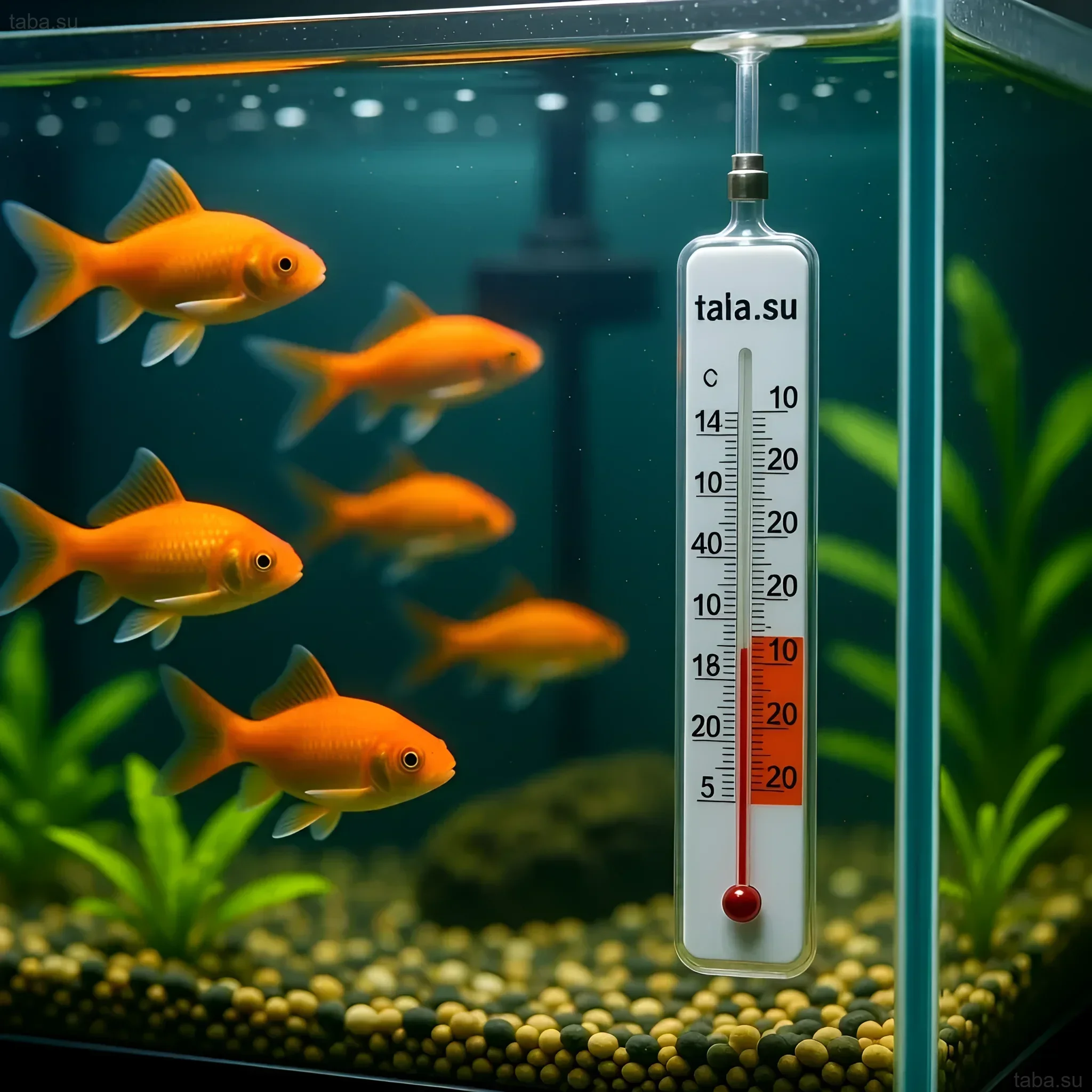
The method of treatment by raising temperature is based on accelerating the parasite’s life cycle. The faster the parasite goes through the trophont and tomont stages, the faster it enters the vulnerable theront stage, which, in turn, can be killed even by high water temperatures.
Principle of the Temperature Method
At a standard temperature of 24–25°C, the development cycle of Ichthyophthirius multifiliis can take 4–7 days. By raising the temperature to 29–32°C, the cycle is reduced to 24–48 hours. At temperatures above 30°C, theronts released from cysts often die before finding a host.
Step-by-Step Guide to Thermotherapy:
- Gradual Increase: The temperature should be raised slowly, no more than 1–2°C per hour, until the target range of 30–32°C is reached.
- Increased Aeration: At high temperatures, the dissolved oxygen content in the water drops sharply. Aeration must be maximized (with a compressor or filter outlet).
- Duration: Maintain the temperature at 30–32°C for at least 10–14 days. This ensures that even the slowest cysts complete their cycle.
- Monitoring: Carefully monitor the condition of the fish, especially species that tolerate heat poorly (e.g., goldfish, Corydoras spp. catfish).
Advantages of the Method:
- Does not require the use of chemicals.
- Safe for beneficial microflora in the filter.
- Effective against parasite strains resistant to some medications.
Limitations of the Method:
- Not suitable for cold-water fish and many bottom-dwelling catfish.
- Requires very strong aeration.
- Does not kill the parasite instantly; it takes time.
Medication Treatment of Ichthyophthirius: An Overview of Effective Drugs
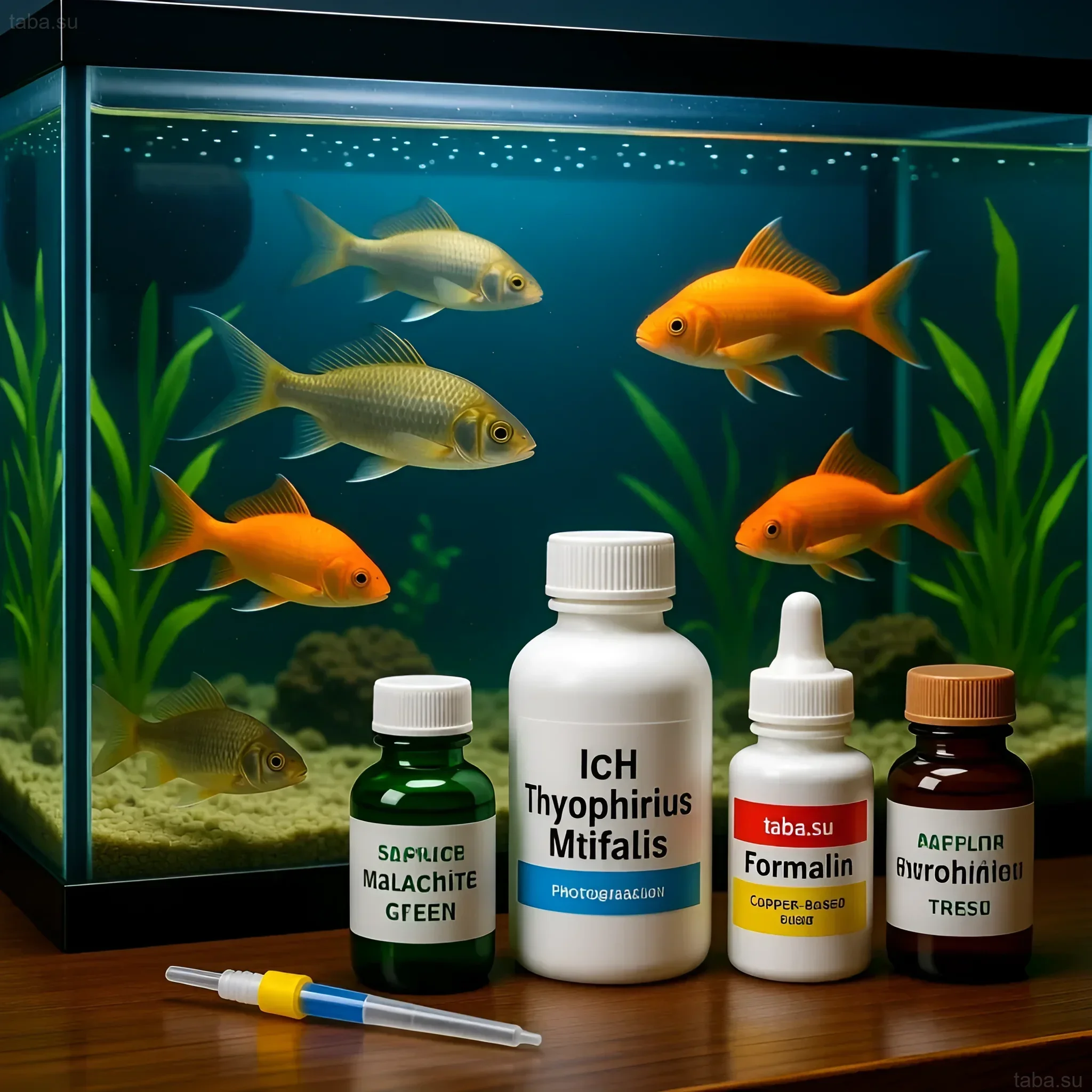
Medication treatment is standard, especially for severe infestations or in aquariums with fish sensitive to high temperatures. Modern medications are designed to kill theronts – the free-swimming stage of the parasite.
Main Active Ingredients and Their Use:
1. Malachite Green
- Action: Highly effective against theronts. Stains water blue-green.
- Forms: Included in most commercial preparations (e.g., Sera Costapur, Tetra ContraIck).
- Features: Can be toxic to some species (e.g., characins, loricariid catfish, scaleless fish). Sensitive to light, so treatment is often carried out with the lights off.
2. Formalin
- Action: A powerful antiparasitic component. Used in combination with malachite green.
- Features: Very toxic, requires precise dosing and good aeration. Not recommended for use by beginner aquarists at home without clear instructions.
3. Methylene Blue
- Action: A milder dye, often used as an adjunct, and also for treating eggs and fry.
- Features: Less effective against advanced ichthyophthirius but safe for plants and sensitive fish.
Medication Treatment Protocol:
- Water Preparation: Before starting treatment, a water change (30–50%) is necessary.
- Remove Adsorbents: Activated carbon, zeolite, and other chemical adsorbents should be removed from the filter, as they instantly neutralize the medication.
- Dosage: Strictly follow the manufacturer’s instructions. Typically, the treatment course lasts 3–7 days with repeated application of the drug every 24–48 hours (to kill new theronts).
- Completion: After the course of treatment, a large water change should be performed, and carbon should be returned to the filter to remove medication residues.
Combined Approach: Raising Temperature + Medications – Maximum Effectiveness

In most cases, especially with moderate to severe infestations, experts recommend using a combined method. It combines the advantages of both approaches, ensuring maximum speed and reliability of treatment.
The combination works as follows: raising the temperature (to 29–30°C) causes the parasites to leave the fish faster and form cysts, and then release theronts. Medications (e.g., based on malachite green) immediately destroy these theronts, interrupting the reproductive cycle.
Recommendations for Combined Treatment:
- Moderate Temperature Increase: Raise the temperature to 29–30°C. It is not advisable to raise it above 30°C if you are using strong chemical medications, as the toxicity of the drugs may increase.
- Medication Application: Apply the medication according to the instructions, considering that at higher temperatures, the parasite’s cycle is shorter, and application intervals may be reduced (e.g., every 24 hours instead of 48).
- Fish Monitoring: Pay particularly close attention to fish (e.g., angelfish – Pterophyllum scalare or gouramis) that may experience stress from the combination of high temperature and chemical exposure.
- Duration: Continue treatment for at least 3–5 days after the last visible spots disappear.
Note: Always check the compatibility of the chosen medication with increased temperatures using information from the manufacturer.
Ichthyophthirius Prevention: Easier to Prevent Than to Treat
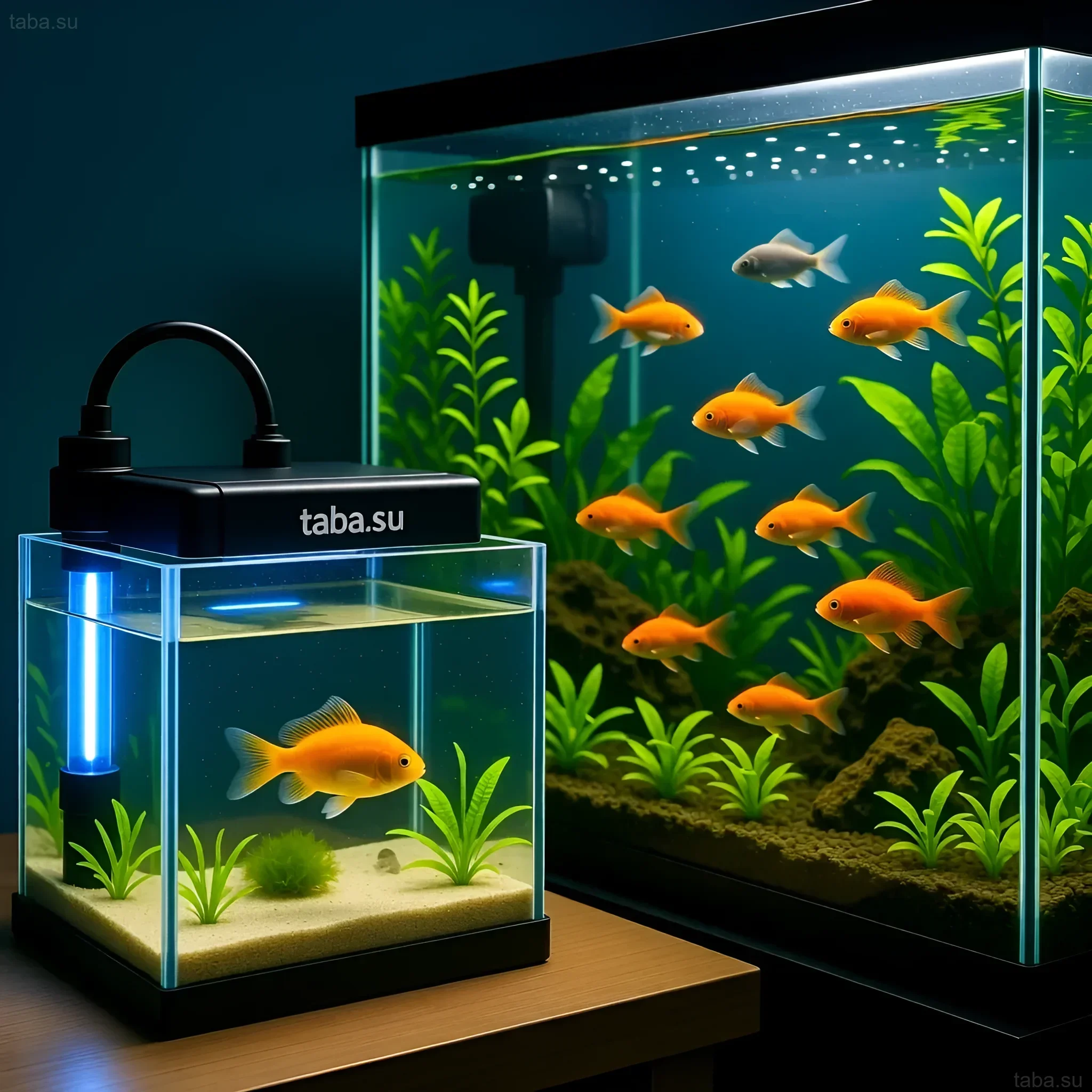
The best treatment is prevention. Since ichthyophthirius is most often introduced into an aquarium with new fish, plants, or live food, adhering to quarantine measures is critically important.
Key Prevention Measures:
- Quarantine: All new fish must undergo mandatory quarantine in a separate tank for 2–3 weeks. During this period, they are closely monitored.
- Parameter Stability: Sudden fluctuations in temperature, pH, or ammonia/nitrite levels cause stress, which weakens the fish’s immunity and makes them vulnerable.
- Plant Inspection: New plants, especially those grown in aquariums with fish (e.g., Anubias barteri), can carry parasite cysts on their surfaces. Disinfection or quarantine is recommended.
- Proper Nutrition: A balanced, high-quality diet strengthens fish immunity.
FAQ: Answers to Frequently Asked Questions About Ichthyophthirius
1. Can salt be used to treat Ich?
Yes, common (non-iodized) salt can be effective, especially in the early stages, at a concentration of 1–3 grams per liter. Salt helps the fish produce protective mucus and partially inhibits the free-swimming stage of the parasite. However, in severe infestations, salt is used as an adjunct to medication or heat therapy.
2. How long can the parasite live without a host fish?
Free-swimming theronts do not live long – usually no more than 48 hours. However, tomonts (cysts) on the substrate can remain viable for several weeks, depending on temperature, waiting for the right moment to release theronts.
3. Can ichthyophthirius affect plants?
No, Ichthyophthirius multifiliis is an obligate parasite that can only feed on fish tissues. However, cysts (tomonts) can be present on the surface of leaves, rocks, and equipment.
4. Do I need to treat the entire aquarium if only one fish is sick?
Absolutely yes. By the time you see spots on one fish, free-swimming theronts are already circulating in the water, and the disease is in its incubation period for other inhabitants. Treatment should be carried out in the main aquarium (or in a quarantine tank if you are treating only the infected batch).
Interesting Facts About Ichthyophthirius (Ich)
- Drug Resistance: In recent years, strains of Ichthyophthirius multifiliis have emerged that exhibit partial resistance to traditional malachite green-based medications. This makes the combined approach (temperature + medication) particularly relevant.
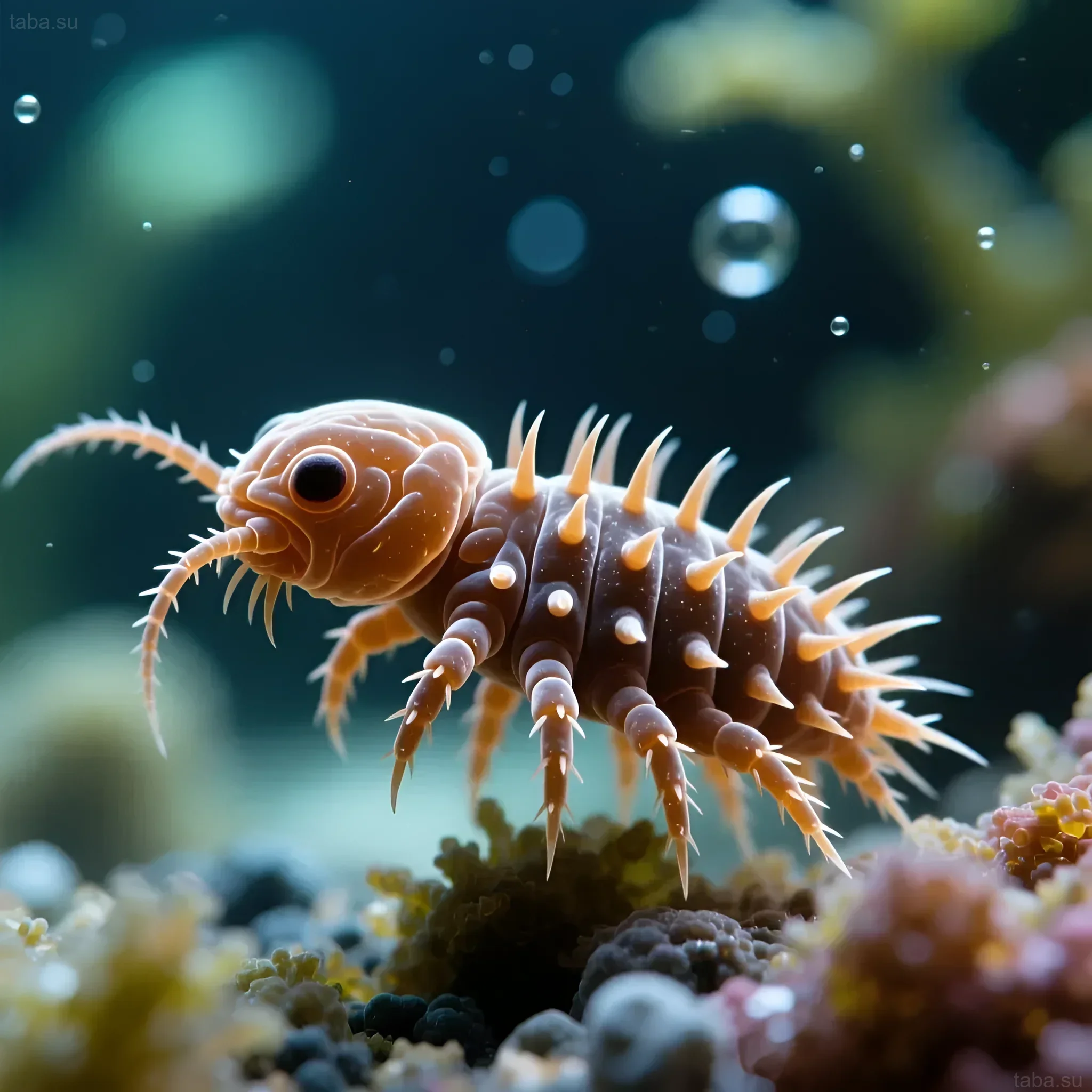
- Parasite Size: The trophont, which we see as a white spot, is one of the largest parasites of freshwater fish, reaching up to 1 mm in diameter.
- Natural Immunity: Fish that have successfully survived an ichthyophthirius infection develop temporary immunity to the parasite, which can last for several months but is not lifelong.