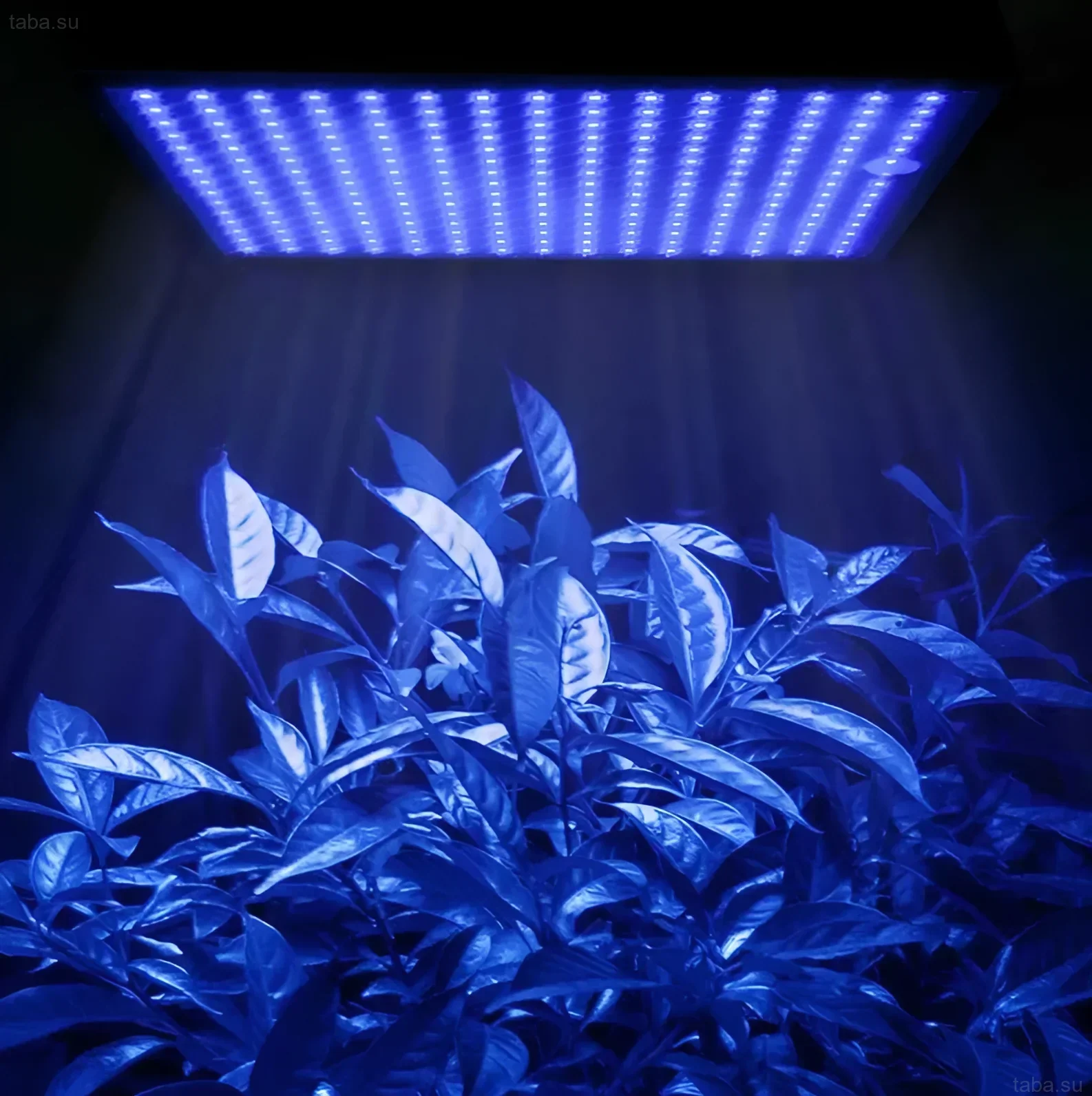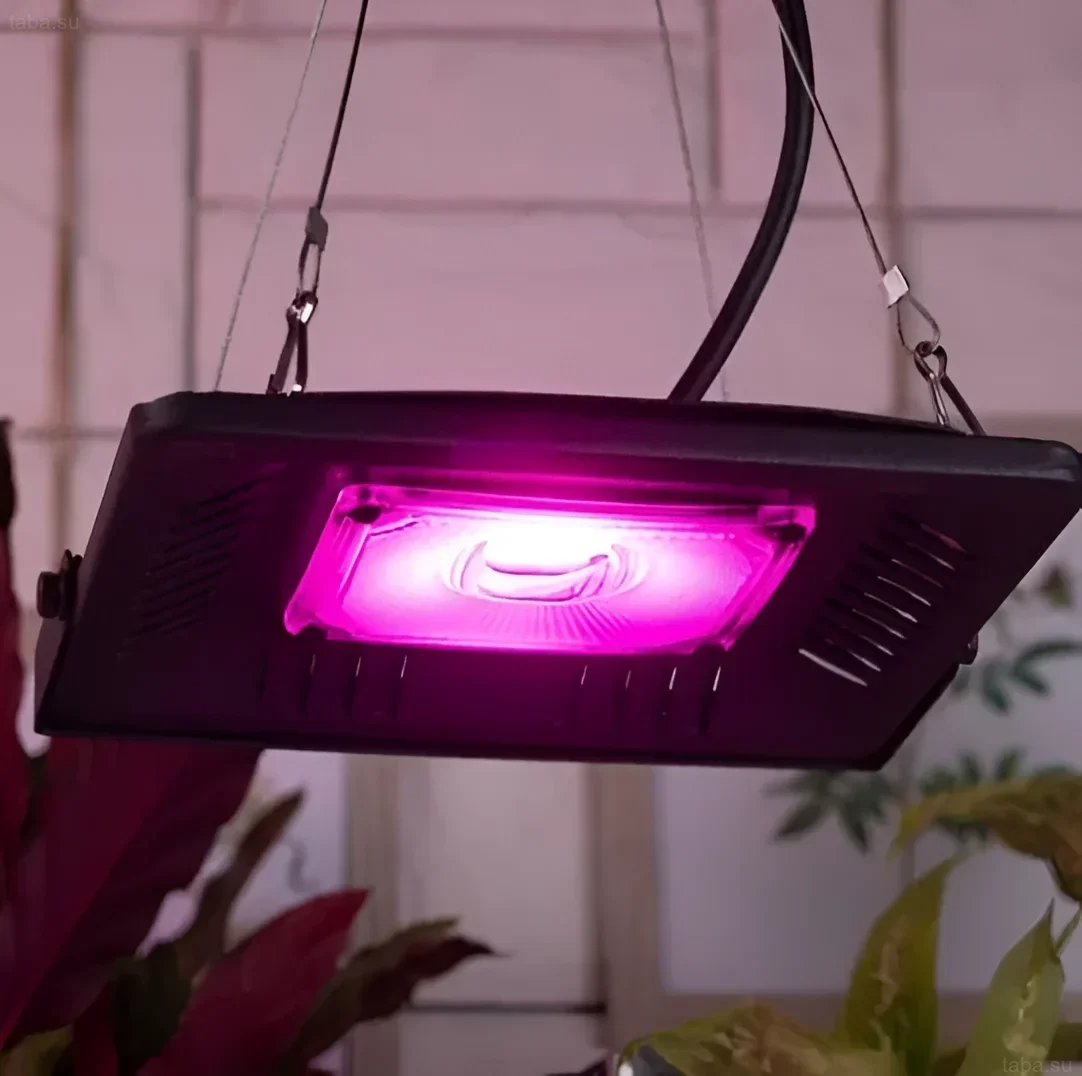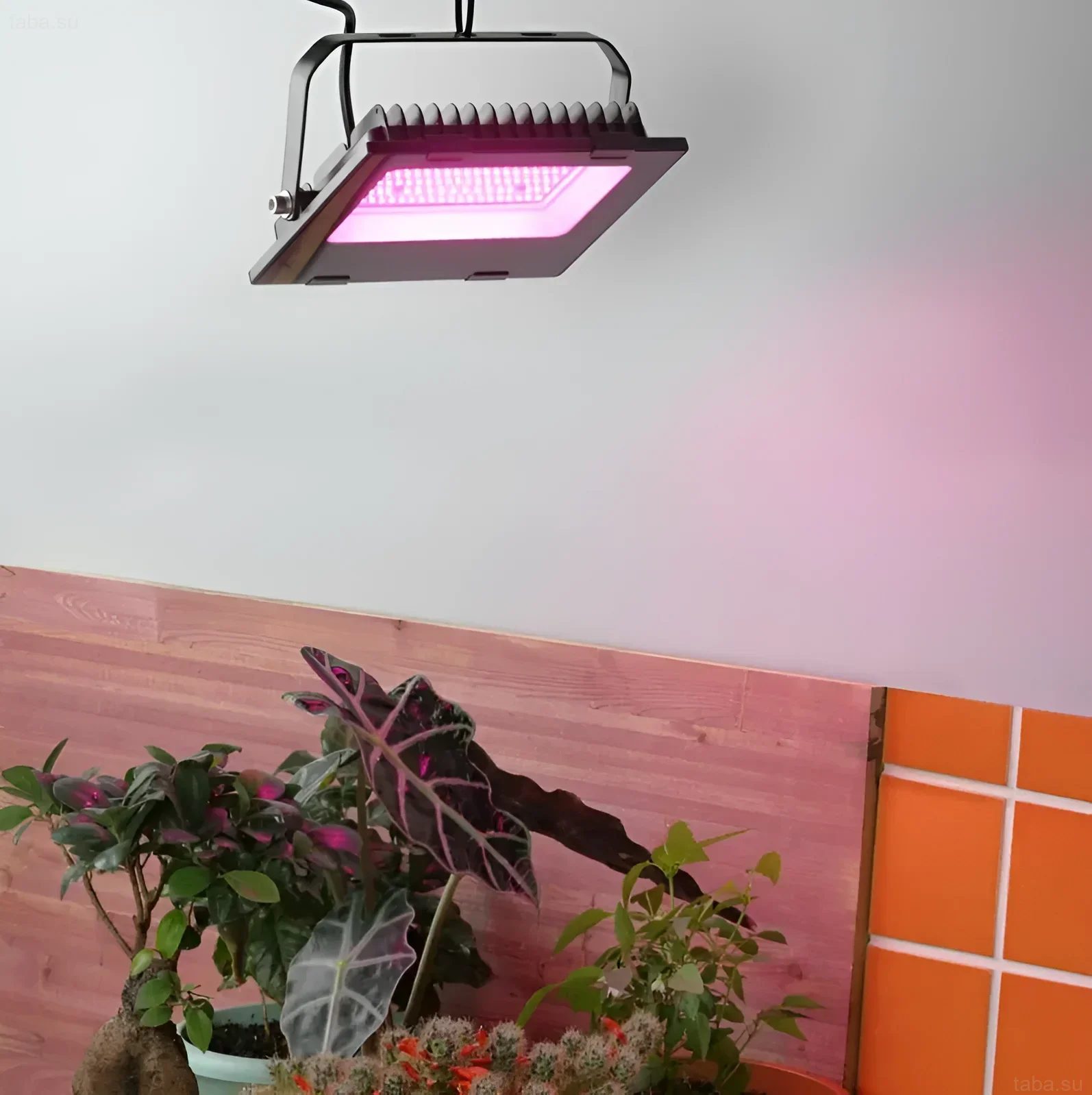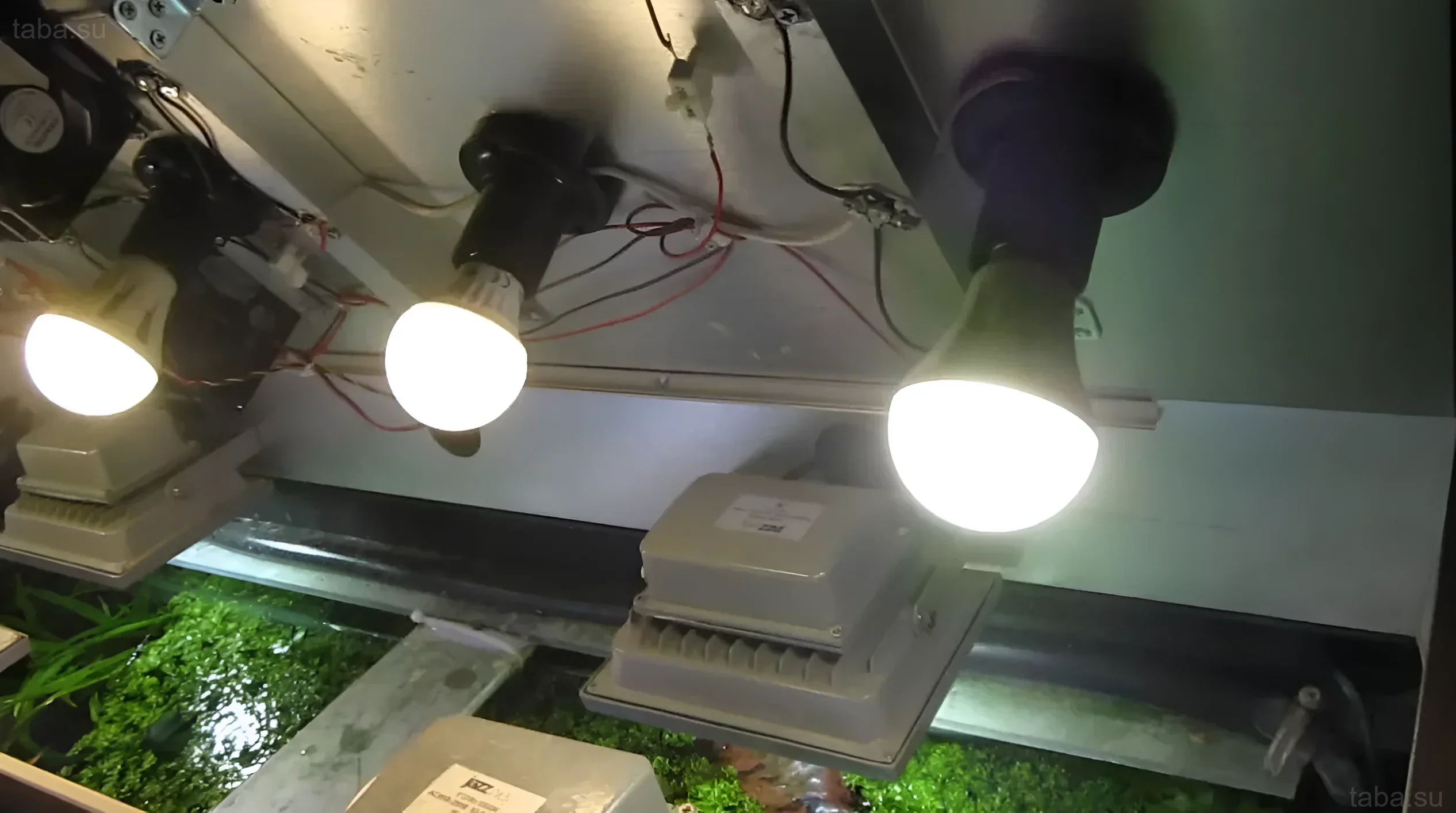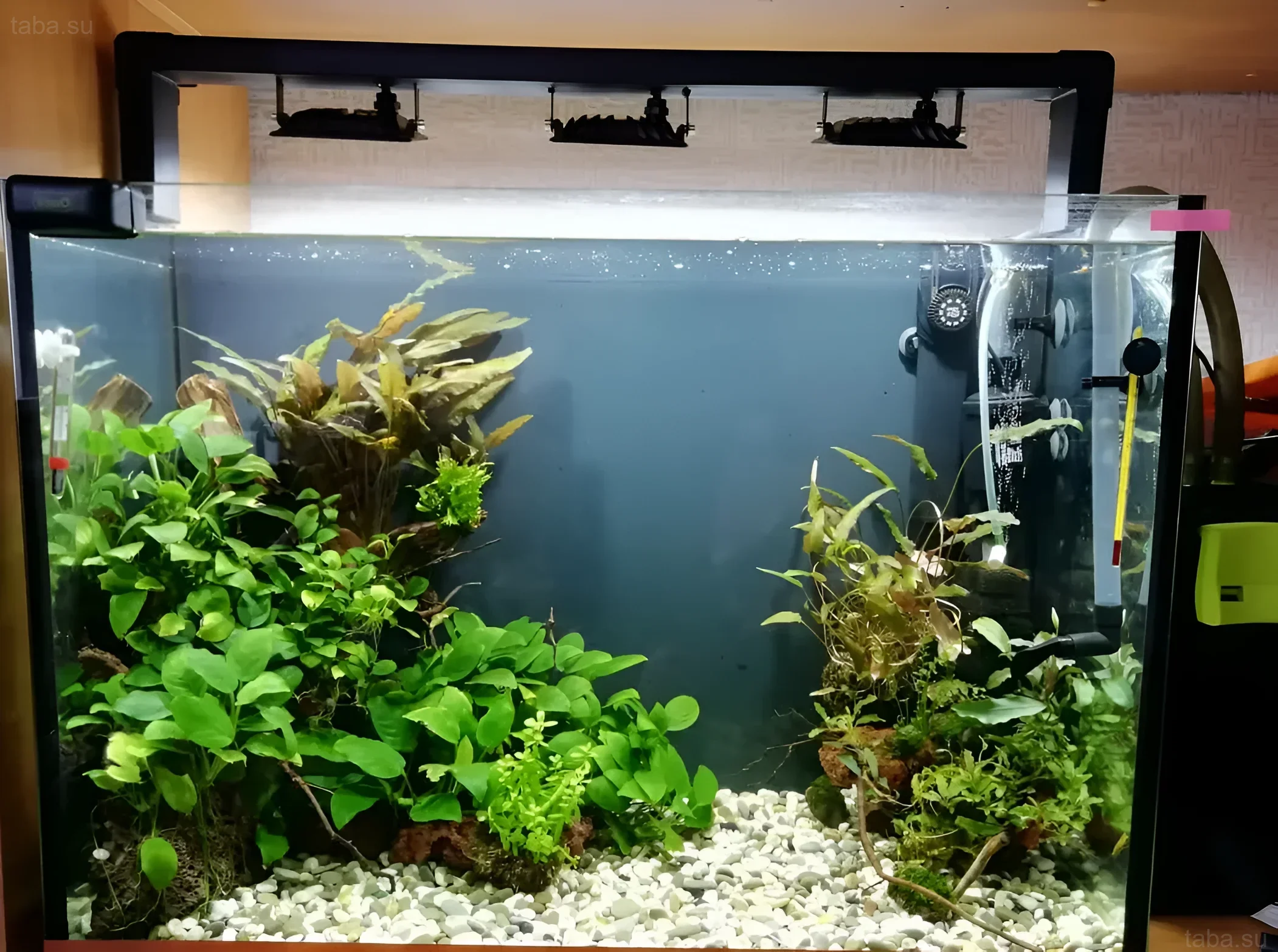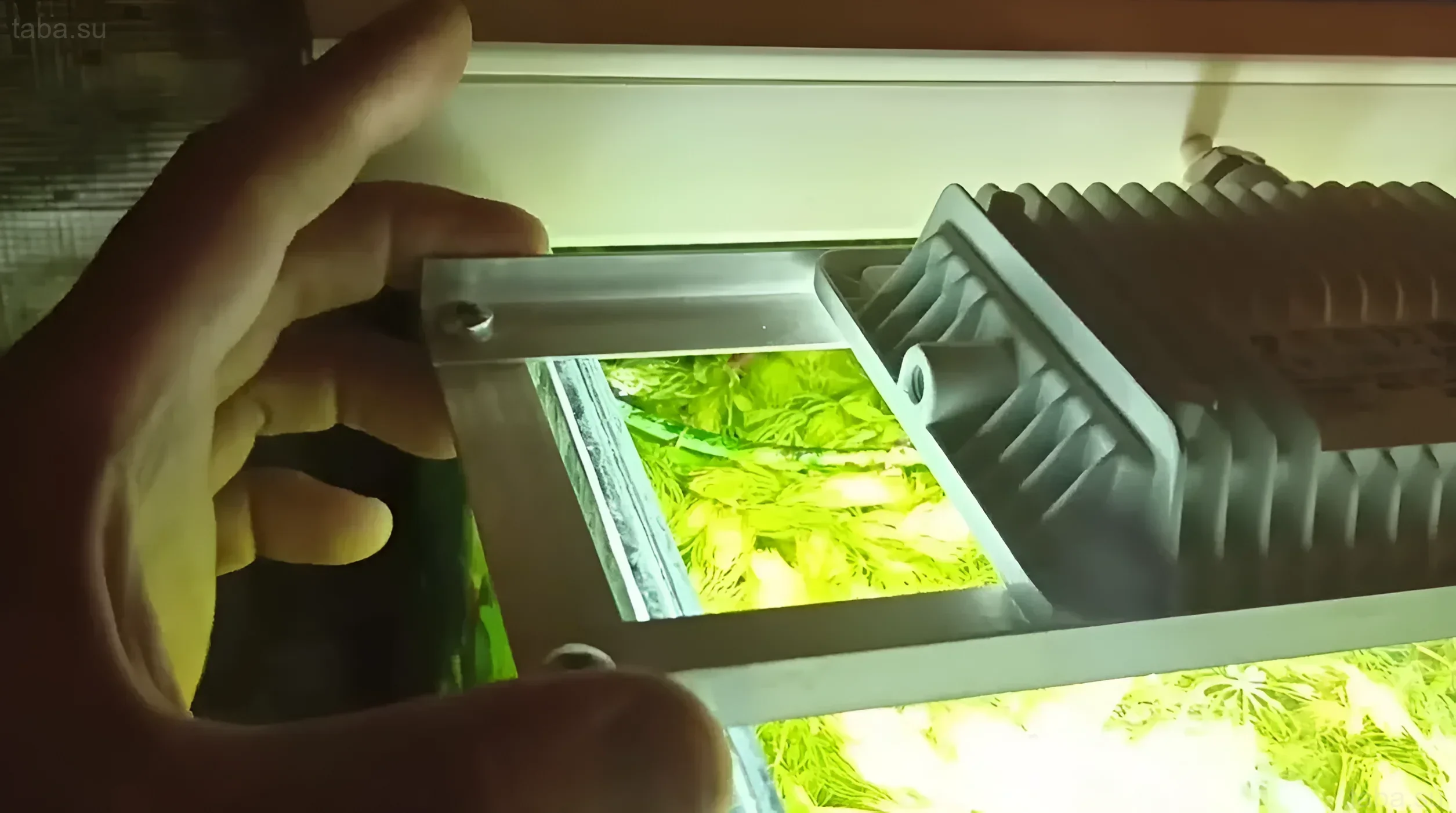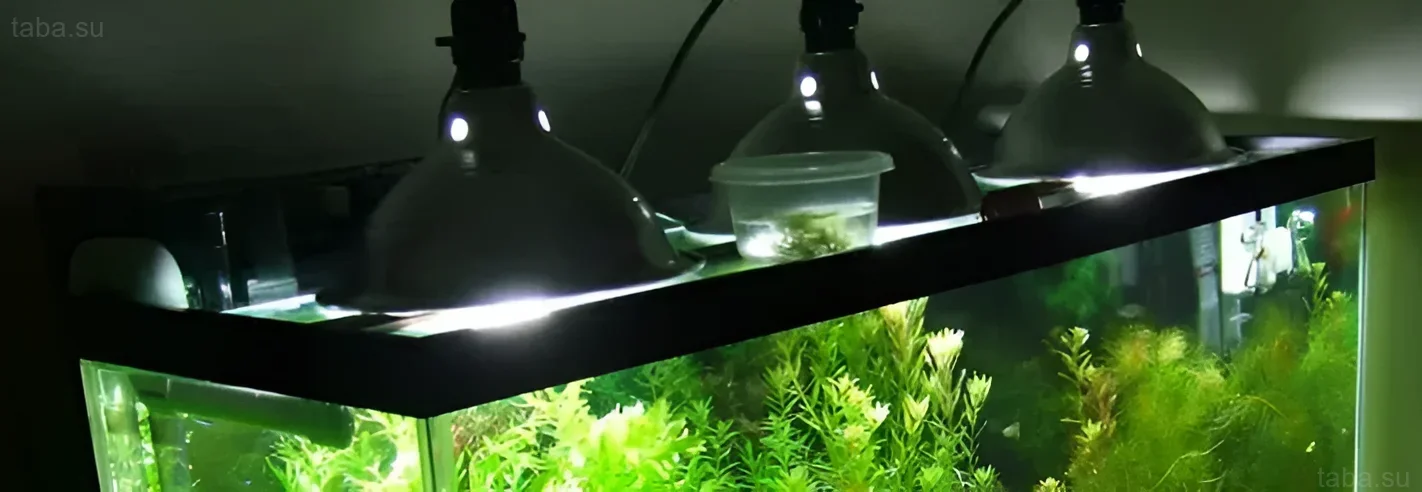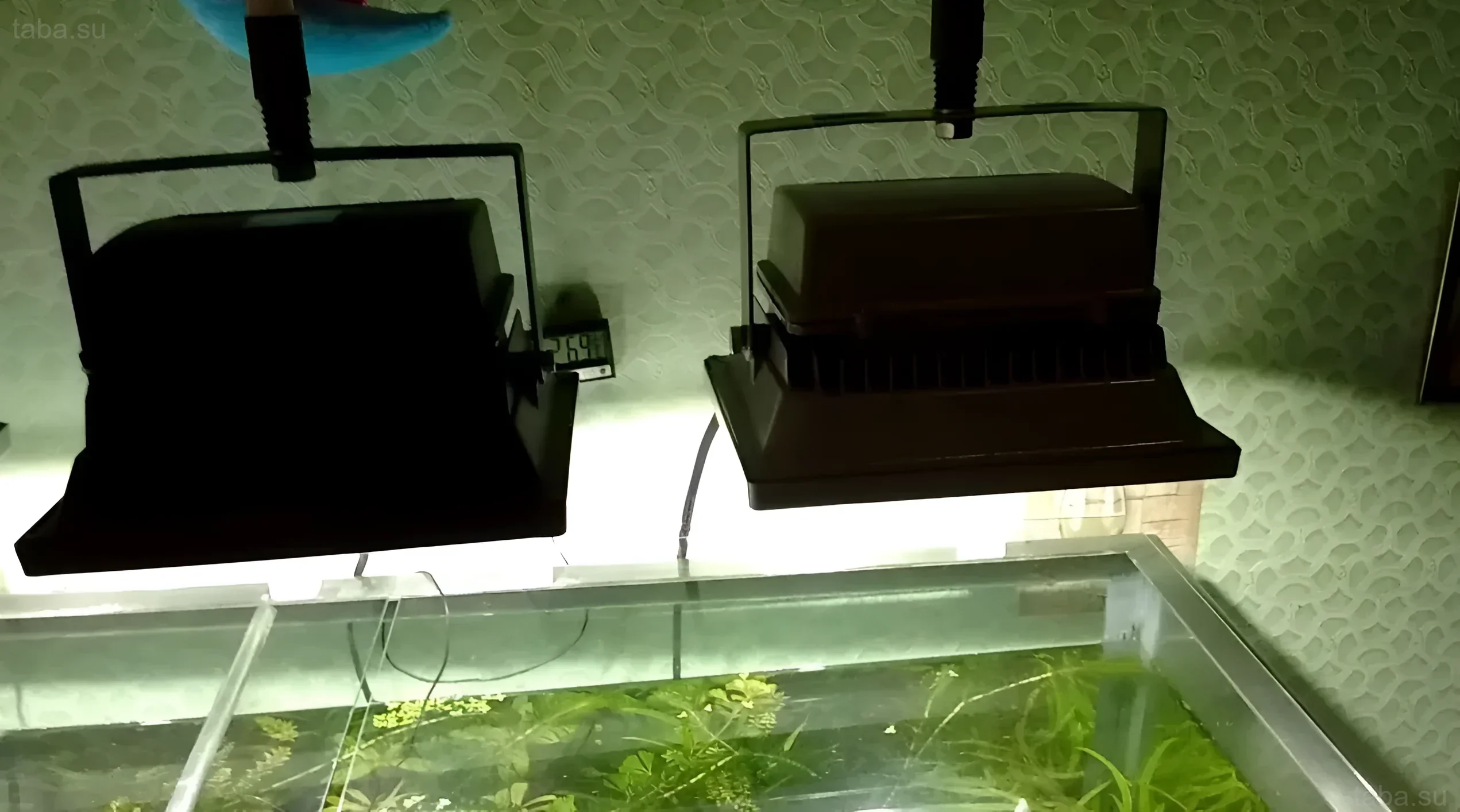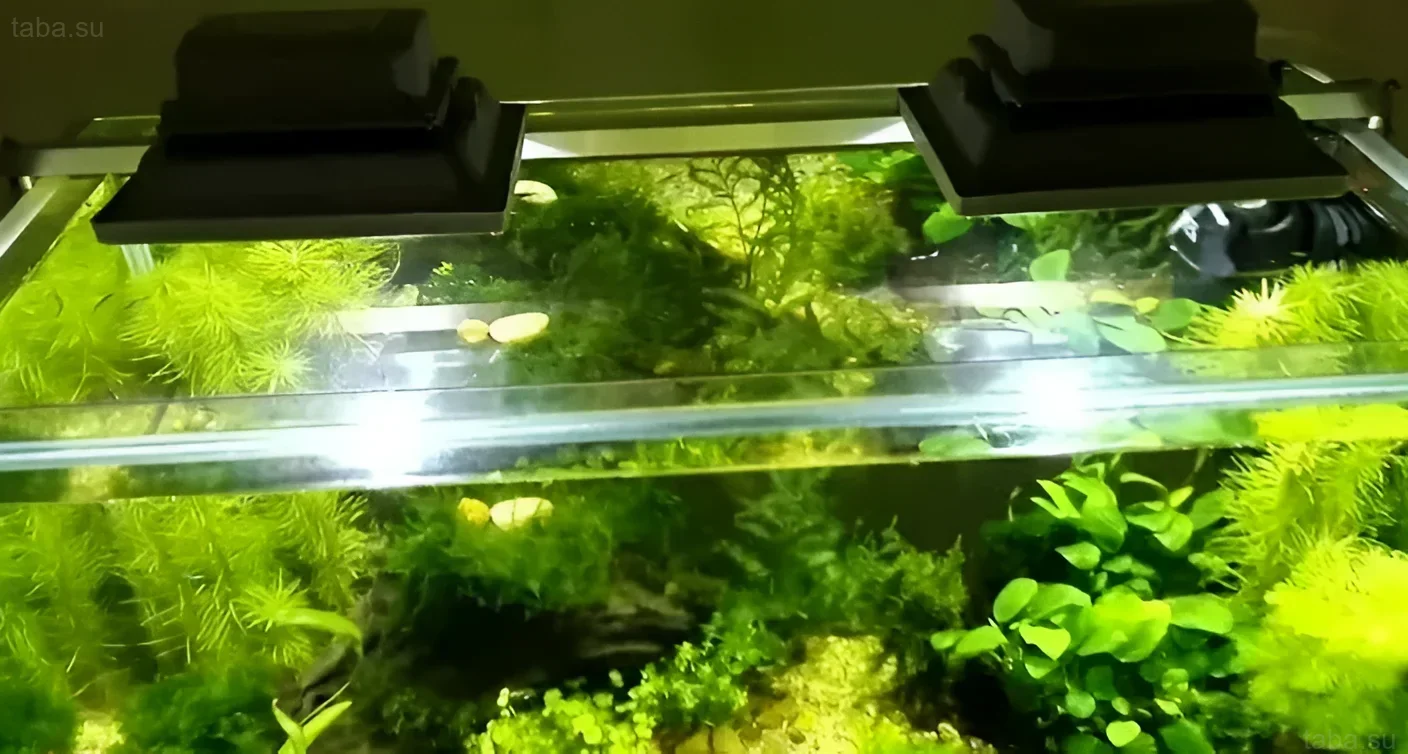
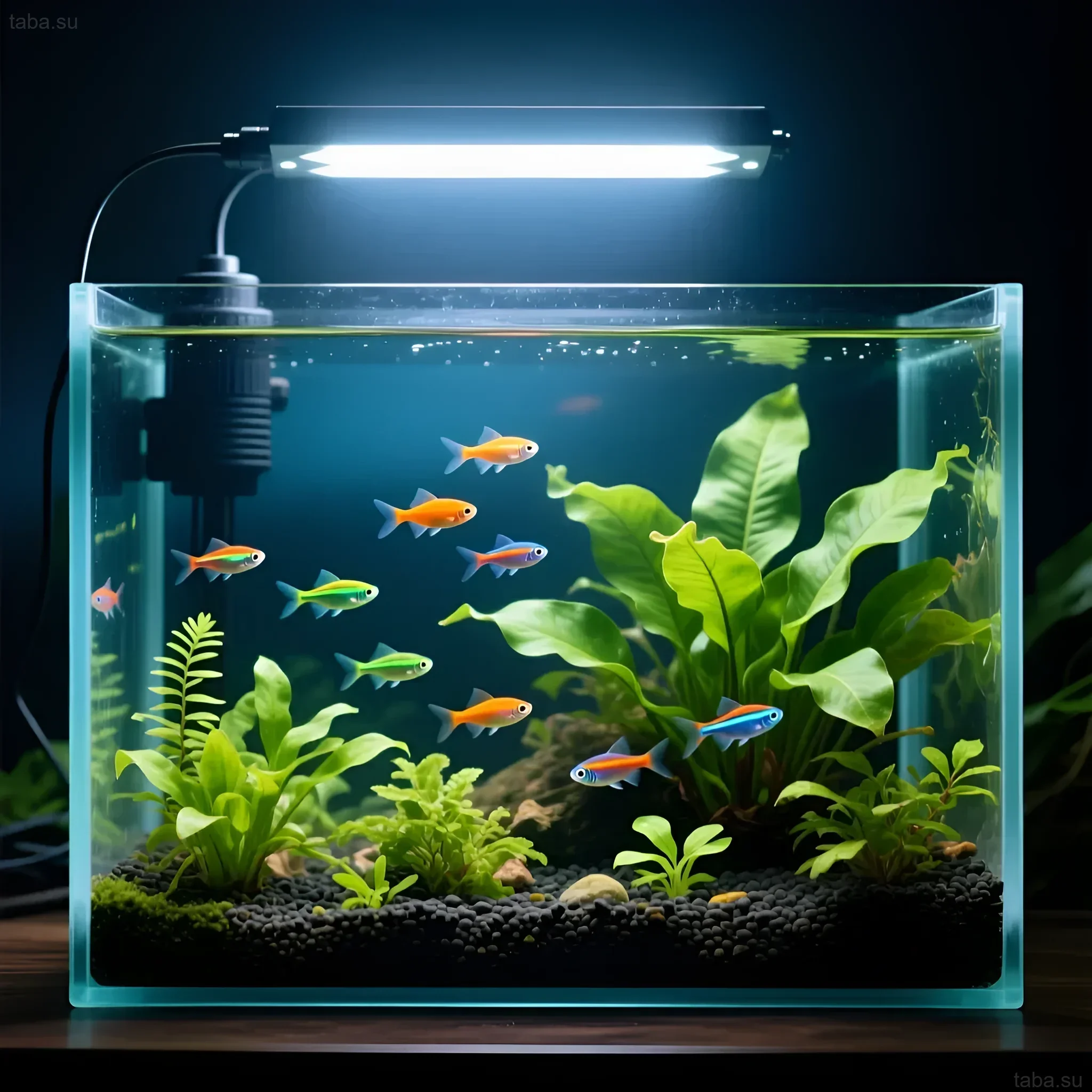
Light is one of the three key elements of a successful aquarium ecosystem, along with nutrition and carbon dioxide. However, the cost of specialized aquarium lights often becomes a significant barrier for beginner aquarists or those maintaining multiple tanks. In recent years, an affordable alternative has emerged on the market – powerful LED floodlights, originally designed for outdoor or industrial lighting. Experts from taba.su have investigated how effectively and safely these budget-friendly solutions can be used to support the life of undemanding aquarium plants.
LED Floodlights for Aquarium Plants: Is Budget Lighting Realistic?

Using standard LED floodlights in aquaristics is one of the most popular ways to drastically reduce lighting costs, especially for large-volume aquariums or low-tech systems. The answer is unequivocal: yes, it is realistic, but with significant caveats regarding spectrum and intensity.
LED floodlights offer several undeniable advantages:
- Low Cost: The price of a medium-power floodlight (30–50 W) is several times lower than that of a specialized aquarium light with a similar luminous flux.
- High Luminous Efficacy: Modern floodlights provide a large number of lumens per watt.
- Availability: They are easy to purchase in any hardware or home improvement store.
- Light Directionality: Floodlights typically have a narrow beam angle, which minimizes light scattering in the room and directs maximum energy into the aquarium.
However, it is important to understand that these devices are designed for illumination, not photosynthesis. Their spectrum is generally optimized for the human eye (white light), not for plant needs. This means they are only suitable for the most undemanding species that can effectively utilize the available light spectrum.
Aquarium Plant Lighting Basics: What You Need to Know?
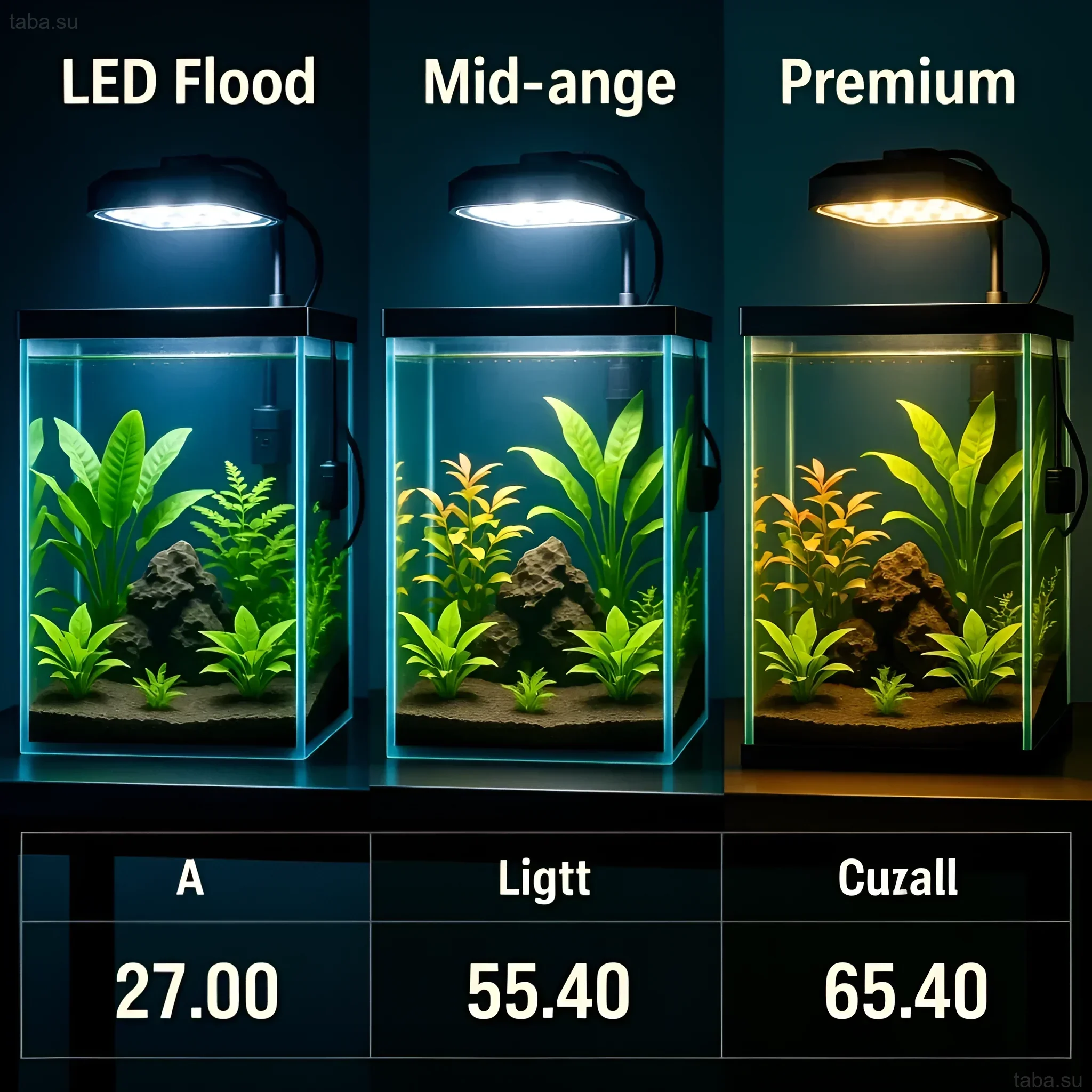
Before choosing a floodlight, an aquarist must understand the basic light parameters critical for photosynthesis.
Spectrum and Photosynthetically Active Radiation (PAR)
Plants use only specific wavelengths for growth, known as photosynthetically active radiation (PAR). Absorption peaks occur in blue (around 440 nm) and red (around 660 nm) light. Standard LED floodlights typically have a broad spectrum with a predominance of green and yellow light, making them less efficient than specialized grow lights, but sufficient for slow-growing species.
Color Temperature (Kelvin)
Color temperature is measured in Kelvin (K) and describes the hue of the light. For freshwater aquariums, cool white tones that mimic daylight are considered optimal:
- 5500K – 6500K: An ideal range that provides a natural look and good light absorption by plants.
- 7000K and above: More bluish, often used for deep aquariums, but can contribute to blue-green algae growth if excessive.
Light Intensity (Lumens and LUX)
Lumens (lm) represent the total brightness perceived by the human eye. LUX is the amount of lumens falling on one square meter. For low-tech aquariums where LED floodlights are planned, it is recommended to maintain low to moderate intensity to avoid algal blooms.
LED Floodlights for Aquariums: Selection and Specifications
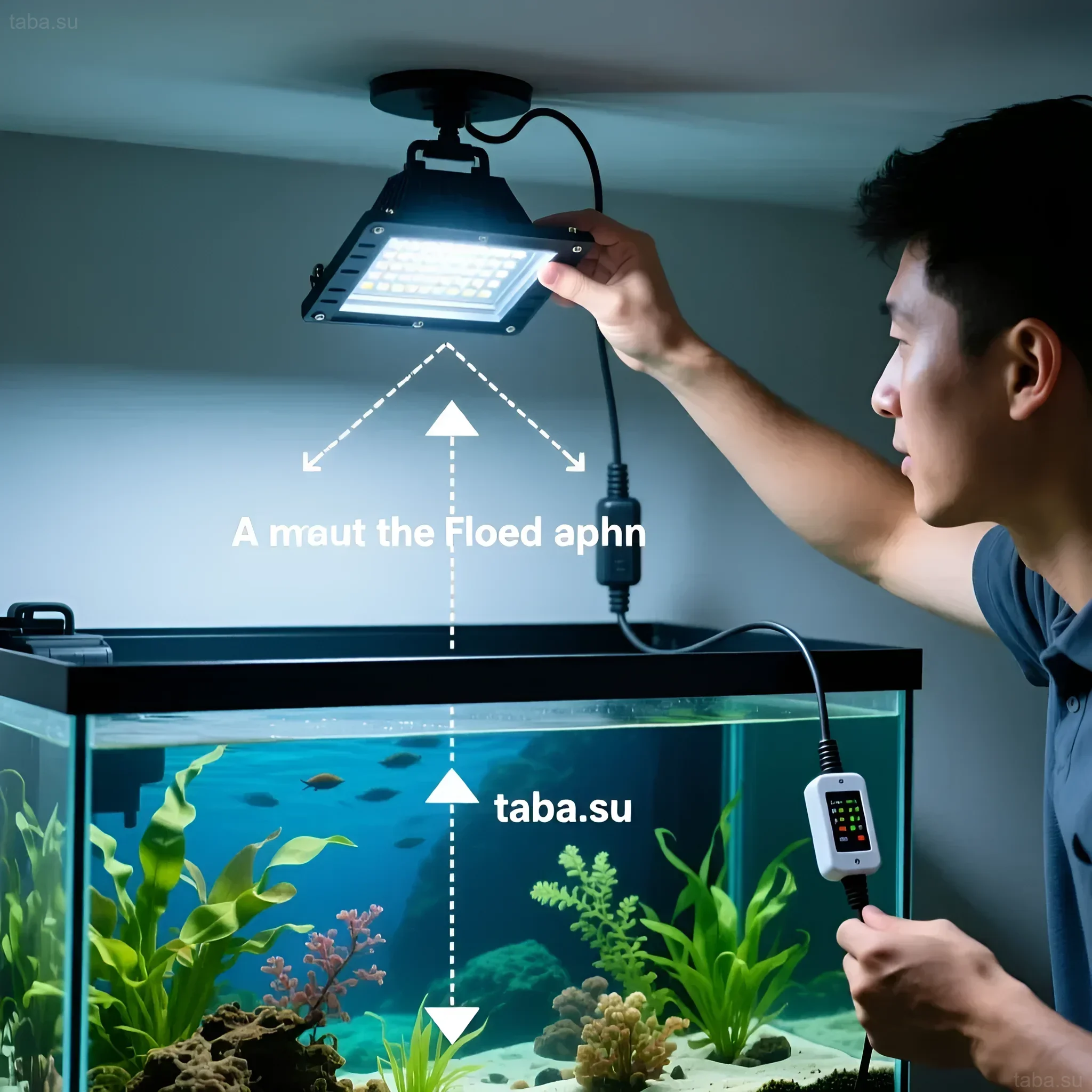
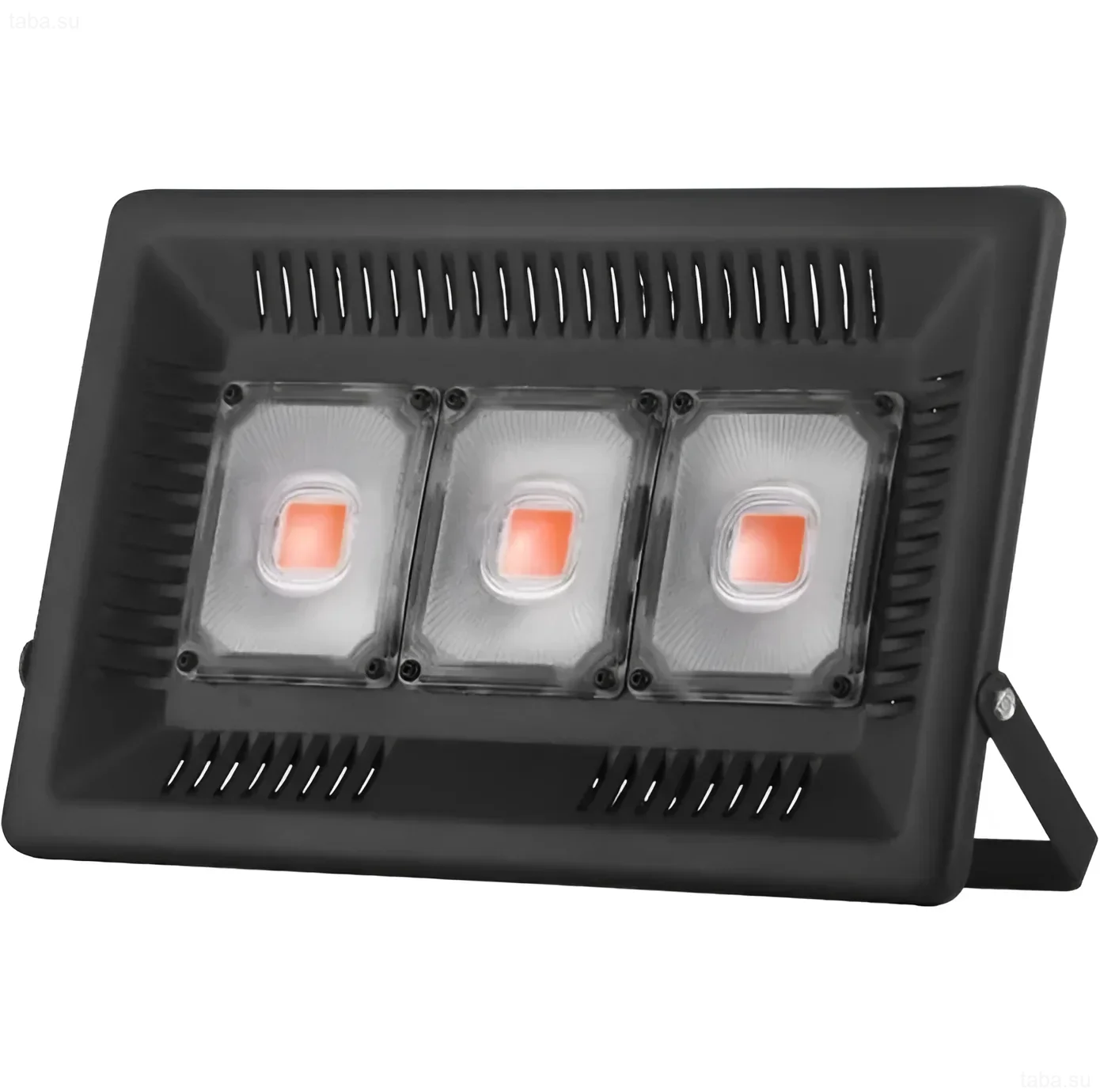
Choosing a floodlight requires attention, as most models are not designed for constant contact with high humidity or splashes. taba.su experts recommend paying attention to the following parameters:
1. Water Resistance (IP Rating)
This is the most crucial parameter. The floodlight must have a high degree of protection against moisture and dust. Models with an IP65 rating (protection against water jets) or IP67 (protection against temporary immersion) are recommended. Using floodlights with a low IP rating (e.g., IP44) over an open aquarium is dangerous.
2. Power and Luminous Flux
Power (W) should be calculated based on the aquarium’s volume and depth. For low-tech aquariums illuminated by floodlights, moderate power is often sufficient to provide low light levels (Low Light).
- Aquarium up to 50 cm deep: 0.2–0.3 W per liter (provided floodlights with a good lens are used).
- 60–80 liter aquarium: One 20–30 W floodlight may be sufficient.
- 150–200 liter aquarium: Two 30–50 W floodlights, evenly spaced, will be required.
3. Color Temperature and CRI
Choose floodlights with a cool or neutral color temperature (5500K – 6500K). The Color Rendering Index (CRI) is also important. The higher the CRI (ideally >80), the more natural and vibrant the colors of fish and plants will appear.
Important Note: Avoid cheap RGB floodlights without fine-tuning capabilities, as they often have low CRI and are inefficient for photosynthesis.
Installing and Setting Up LED Floodlights Over an Aquarium: Step-by-Step Guide
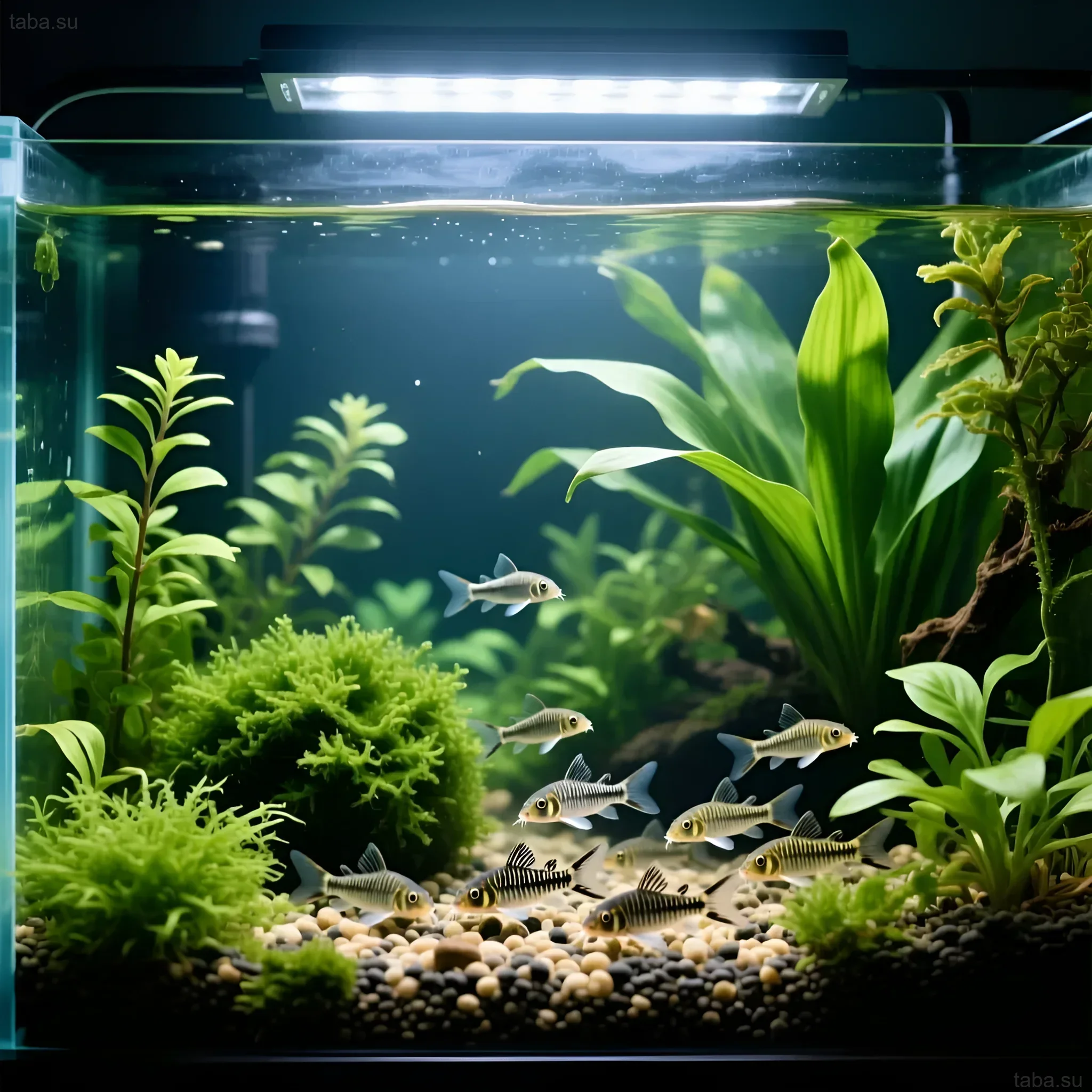
Proper floodlight installation is critical for safety and lighting efficiency. Since floodlights are powerful and directional light sources, they must be positioned correctly.
Step 1: Ensuring Safety and Water Resistance
Ensure all electrical connections (especially where the floodlight cable connects to the power cord) are waterproof. Use only floodlights with a declared IP rating of IP65 or higher. Wiring should be secured to prevent water from reaching outlets.
Step 2: Choosing Suspension Height
Suspension height directly affects the light intensity reaching the bottom. The higher the floodlight, the wider the light scatters, but the lower its intensity (PAR). For aquariums 40–50 cm deep, it is recommended to suspend the floodlight 10–20 cm above the water surface. This helps avoid overheating the water and ensures even coverage.
Step 3: Even Illumination
For aquariums longer than 60 cm, using a single floodlight will create a “spotlight” effect in the center. It is recommended to use two or more floodlights with overlapping light cones to ensure even illumination across the entire bottom area.
Step 4: Heat Dissipation
Powerful LED floodlights generate a significant amount of heat. Ensure the floodlight housing has adequate air access. Do not cover it with an aquarium lid or place it directly against the glass.
Which Plants Will Grow Under an LED Floodlight? A List of Proven Species
Since the spectrum of floodlights is not ideal for photosynthesis, it is necessary to choose plants that do not require high light intensity, CO2 systems, or complex fertilization. These plants thrive in low light conditions (Low Light).
Ground Cover and Foreground Plants (with moderate intensity)
- Dwarf Sagittaria (Sagittaria subulata): Undemanding, forms dense carpets.
- Amazon Sword (Echinodorus tenellus): Requires minimal light.
Midground Plants
- Cryptocoryne (Cryptocoryne spp.): Most species (e.g., C. wendtii, C. undulata) tolerate low light well and primarily receive nutrients from the substrate.
- Java Fern (Microsorum pteropus): Attaches to driftwood or rocks, undemanding regarding spectrum and intensity.
- Anubias (Anubias barteri): A very slow-growing plant that can become covered in algae with excessive light. Ideal for budget lighting.
Stem Plants and Background Plants
- Vallisneria (Vallisneria spiralis, V. americana): Grows rapidly, reaching towards the surface, utilizes available light well.
- Hornwort (Ceratophyllum demersum): Floating or rooted, extremely undemanding and rapidly absorbs nitrates.
- Red Ludwigia (Ludwigia repens): Grows well, but achieving rich red coloration may require more specialized light. Under floodlights, it will primarily be green.
Mosses
Virtually all aquarium mosses (e.g., Java Moss, Taxiphyllum barbieri) are ideal for LED floodlight illumination, as they are adapted to shade and low PAR.
Problems and Solutions: Common Mistakes When Using LED Floodlights
Transitioning to budget lighting often comes with specific problems that are easily solved once their causes are understood.
| Problem | Cause when using floodlights | Solution from taba.su |
|---|---|---|
| Green algae bloom (Xenococcus) | Excessively high light intensity for a Low-Tech system or incorrect suspension height. | Reduce the photoperiod (to 6–8 hours) or raise the floodlight higher. Ensure sufficient nutrients in the system. |
| “Spotlight” effect in the center of the aquarium | Using a single floodlight with a narrow beam angle over a long aquarium. | Replace one powerful floodlight with two less powerful ones, placed closer to the edges. Use a diffuser (frosted glass). |
| Water overheating | Floodlight is installed too low or covered by a lid, blocking heat dissipation. | Raise the floodlight 5–10 cm higher. Ensure good ventilation. |
| Poor light penetration to the bottom | Cloudy water or an excessively deep aquarium (over 60 cm). | Improve filtration. In deep aquariums, use floodlights with a narrower lens (smaller beam angle) to increase PAR at the bottom. |
FAQ: Answers to the Most Popular Questions About LED Aquarium Floodlights
1. Is a special “plant” spectrum necessary?
For simple and undemanding plants (Anubias, Cryptocoryne), a special spectrum is not mandatory. They grow successfully under standard white light of 6000K. However, if you plan to grow red or demanding species, budget floodlights may not provide the required quality.
2. How long should floodlights be on?
A standard photoperiod for a low-tech aquarium is 8–10 hours. When using very powerful floodlights (especially if the aquarium lacks CO2 or abundant fertilization), taba.su experts recommend starting with 6 hours to avoid algal blooms and gradually increasing the duration.
3. Can floodlights with a dimmer be used?
Yes, this is highly desirable. Using a dimmer allows for precise adjustment of light intensity, preventing algal blooms and ensuring a gradual sunrise/sunset. Make sure the chosen floodlight is dimmable (this is often indicated in the technical specifications).
4. Are floodlights worth using in nano-aquariums?
In nano-aquariums (up to 30 liters), even the weakest floodlight (10–20 W) can be too powerful. In this case, a very high suspension or mandatory use of a dimmer is required to avoid “burning” the plants.
Interesting Facts and Tips from taba.su Experts
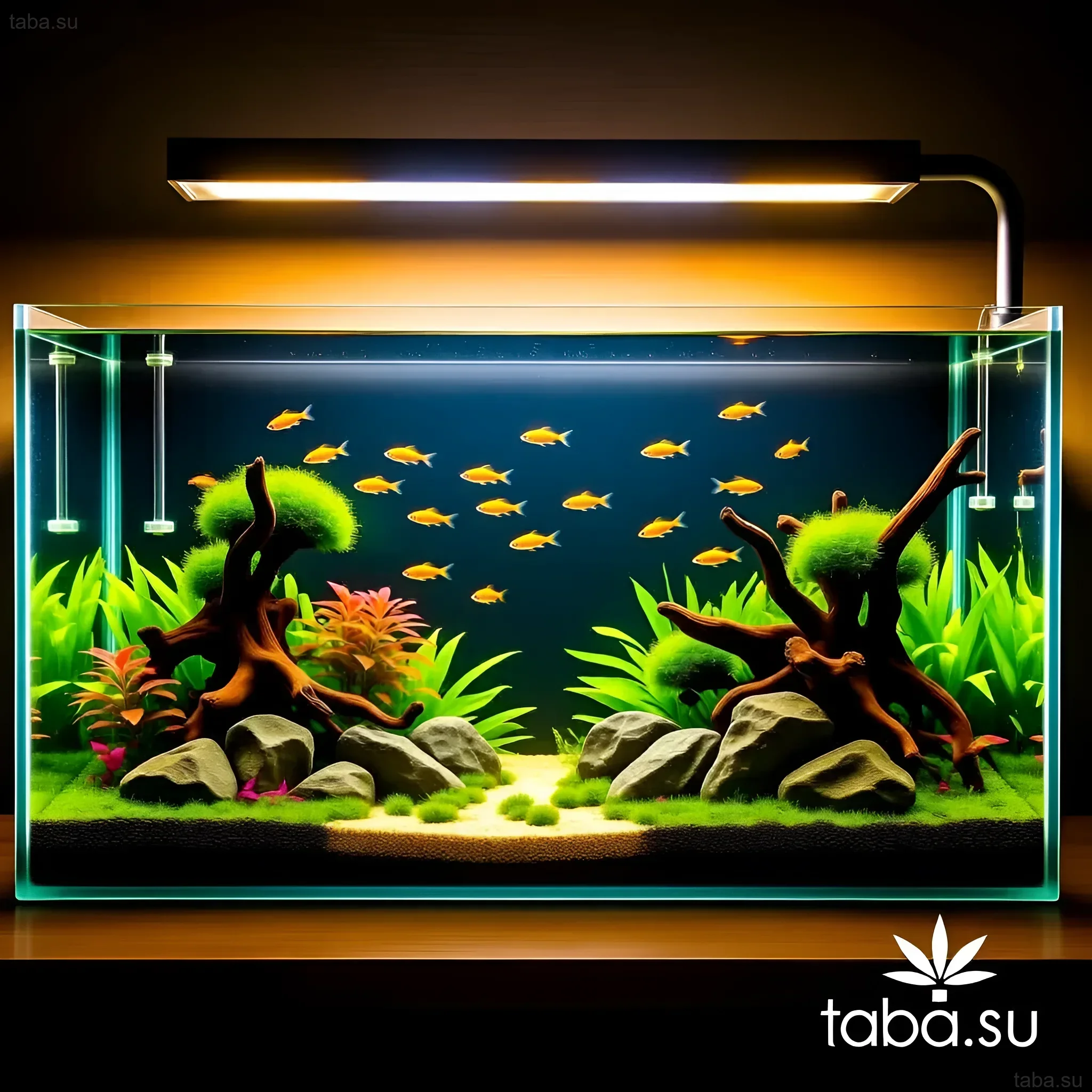
Aquarium lighting with budget LED floodlights is not only about savings but also a field for creativity. Here are a few professional tips:
- DIY Reflector Tip: If you are using a floodlight with a wide beam angle but want to increase intensity at depth, you can create a simple reflector from mirror film or foil. This will help direct scattered light back into the aquarium, increasing overall efficiency.
- Balance is Key to Success: Remember that intense light requires adequate nutrition. If you install a powerful floodlight but do not add fertilizers, plants will start to starve, and algae will gain an advantage. Budget lighting requires budget care: moderate illumination and regular macro-nutrient dosing.
- Using Secondary Optics: Some floodlights allow for lens changes. If the aquarium is very deep (over 60 cm), try replacing the standard lens with a narrower one (e.g., 60° instead of 120°). This will increase PAR at the bottom but narrow the light spot.
- Spectrum Check: If possible, check the floodlight’s spectrum using a smartphone or spectrometer. Ideal “white” light should have small peaks in the red and blue regions, not be completely flattened in the green zone.
LED floodlights have proven their effectiveness as a budget-friendly and powerful solution for aquariums with low light requirements. With proper selection (high IP rating, 5500K–6500K) and competent installation, they will become a reliable light source for your Anubias and Cryptocoryne, allowing you to focus on other aspects of aquaristics.
Additional Images
Gallery of remaining images (click to view):