
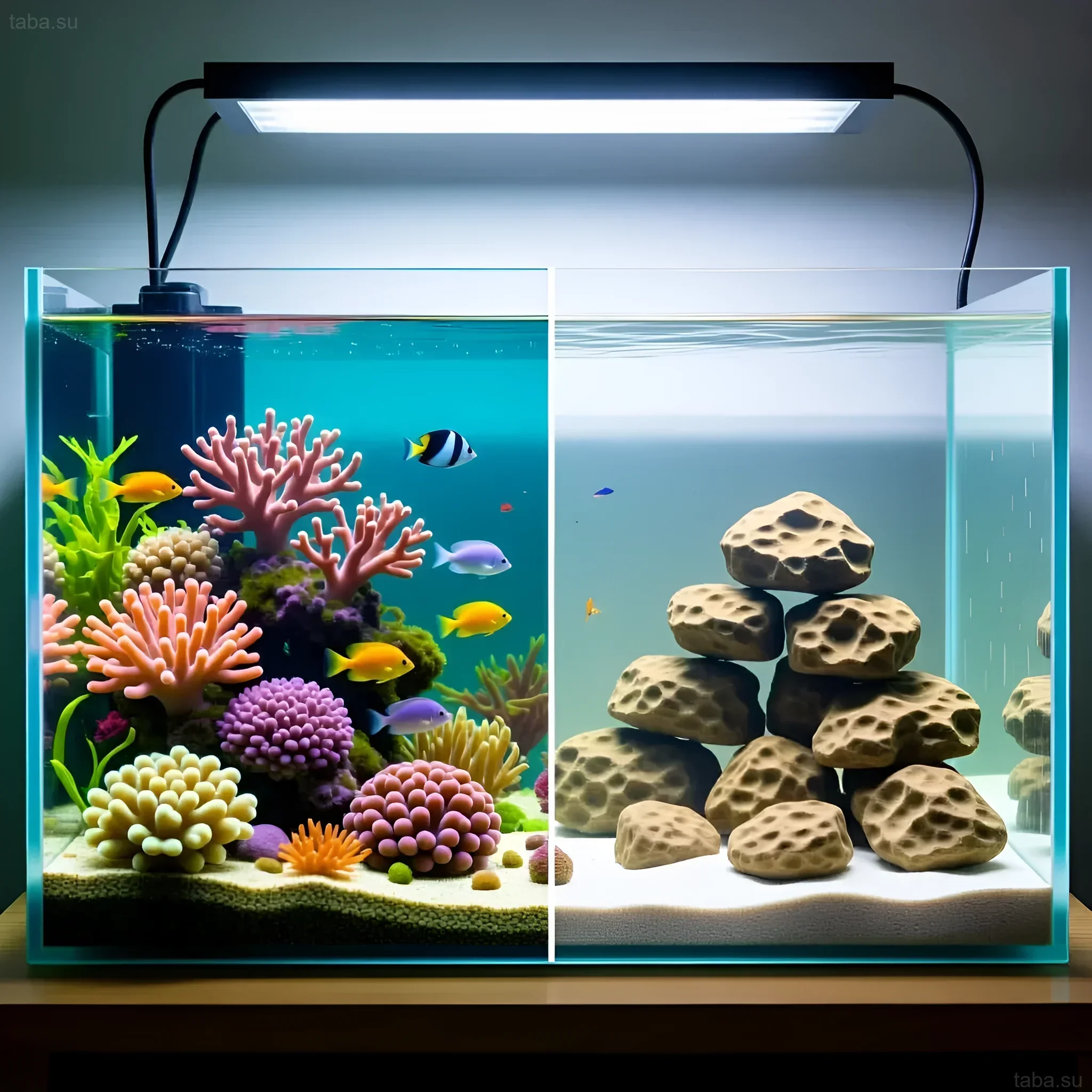
Choosing the substrate for aquascaping and, more importantly, for biological filtration in a saltwater aquarium is one of the most critical stages of setting up the system. The choice between Live Rock (LR) or Dry Reef Rock (DRR) significantly impacts the system’s maturation speed, stability, biodiversity, and ultimately, the success of the reef aquarist. This article provides a comprehensive guide developed by the experts at taba.su to help you make an informed decision on this crucial matter.
Live Rock (LR) and Dry Reef Rock (DRR): A Complete Guide to Choosing
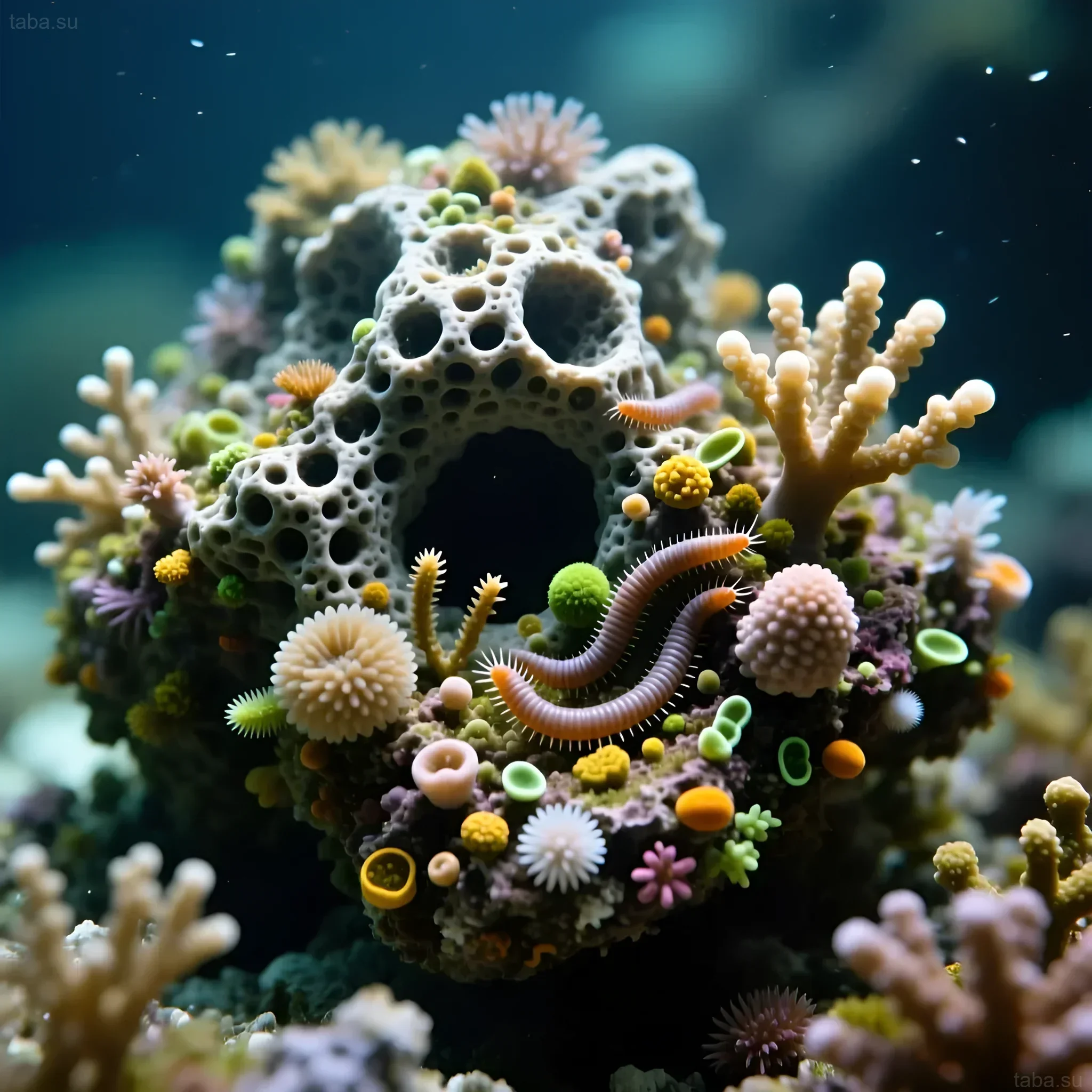
Both Live Rock and Dry Reef Rock serve as the foundation for creating a reef landscape (aquascaping) and act as the primary biological matrix for colonization by beneficial bacteria. They provide the necessary porosity that allows for both aerobic (nitrification) and anaerobic (denitrification) processes, which are critically important for maintaining a stable nitrogen cycle in a closed system.
While both types of rock originate from the calcareous skeletons of corals or ancient reef structures, their condition at the time of introduction into the aquarium differs drastically, leading to different preparation and maintenance requirements.
What is Live Rock (LR) and What Does it Consist Of?
Live Rock (LR) refers to porous, calcareous (CaCO₃) structures that have been harvested from the ocean and introduced into aquaristics while preserving the maximum amount of living organisms. It is not just decoration but a fully functional biological filter already populated with micro and macrofauna.
Biological Value of Live Rock
- Bacterial Colonization: LR contains billions of bacteria that immediately begin participating in the nitrogen cycle.
- Microfauna: Beneficial worms (e.g., polychaetes), amphipods, copepods, and other microorganisms inhabit the pores of the rock, serving as natural food for fish and participating in the system’s sanitary cleaning.
- Coralline Algae: The surface of quality LR is often covered with purple, pink, or red coralline algae (e.g., Corallinaceae), which is a sign of the rock’s stability and maturity.
- Biodiversity: LR can introduce beneficial invertebrates into the aquarium but also carries the risk of introducing unwanted “pest hitchhikers.”
The Problem of “Curing” Rock
Since LR is transported, some of the organic matter that doesn’t survive the journey (sponges, small algae) begins to decompose. This process is called “dying” or curing the rock. LR requiring curing releases large amounts of ammonia and nitrites, necessitating lengthy and thorough preparation in a separate container before being placed in the main aquarium.
Dry Reef Rock (DRR): An Alternative to Live Rock
Dry Reef Rock (DRR) is either ancient calcareous rock quarried on land or from deep mines, or it is synthetic (artificially manufactured) porous blocks. The key difference: DRR is completely devoid of organic matter and life. It is inert.
Advantages of Dry Reef Rock
DRR has become extremely popular in recent years, especially among aquarists seeking maximum control over their systems.
- Cleanliness: The absence of organic matter means DRR does not require lengthy curing. It does not release ammonia, allowing for faster aquarium startup or avoiding algae blooms associated with decomposing dead biomass.
- Eco-friendliness: The use of DRR reduces the demand for rock harvested directly from the ocean, aligning with sustainable aquaristics principles.
- Design Control: DRR is often available as pre-formed, lightweight, and porous blocks, simplifying the creation of complex, minimalist aquascapes (e.g., “open reef”).
- Pest-Free: DRR guarantees that no unwanted organisms (mantis shrimp, aiptasia, fireworms) will be introduced into the aquarium.
Preparing DRR for Use
Although DRR is clean, it is still recommended to rinse it thoroughly, and sometimes soak it in RO/DI water, to remove any potential residual dust, phosphates, or other minerals that may have been adsorbed during storage.
Comparing LR and DRR: Pros and Cons
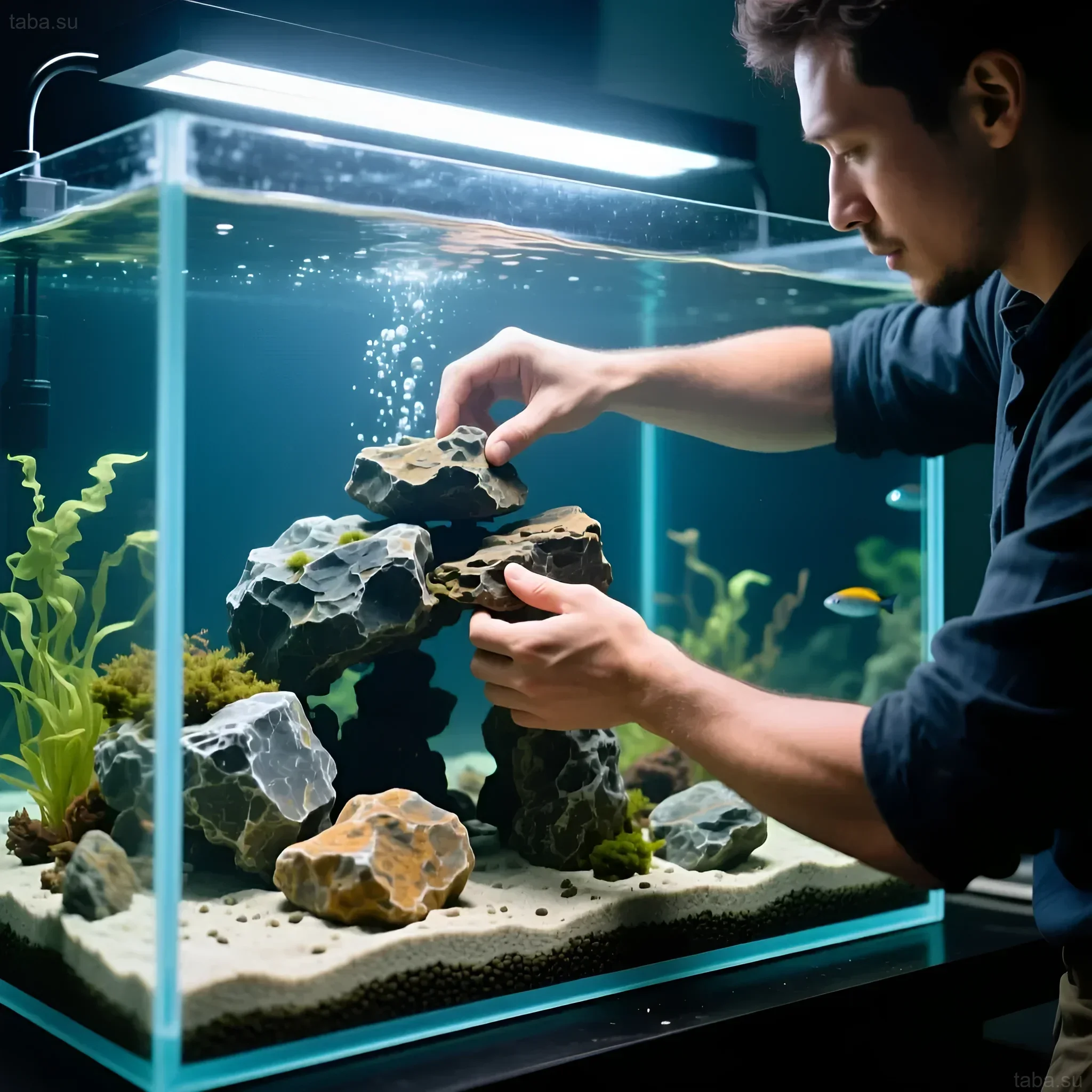
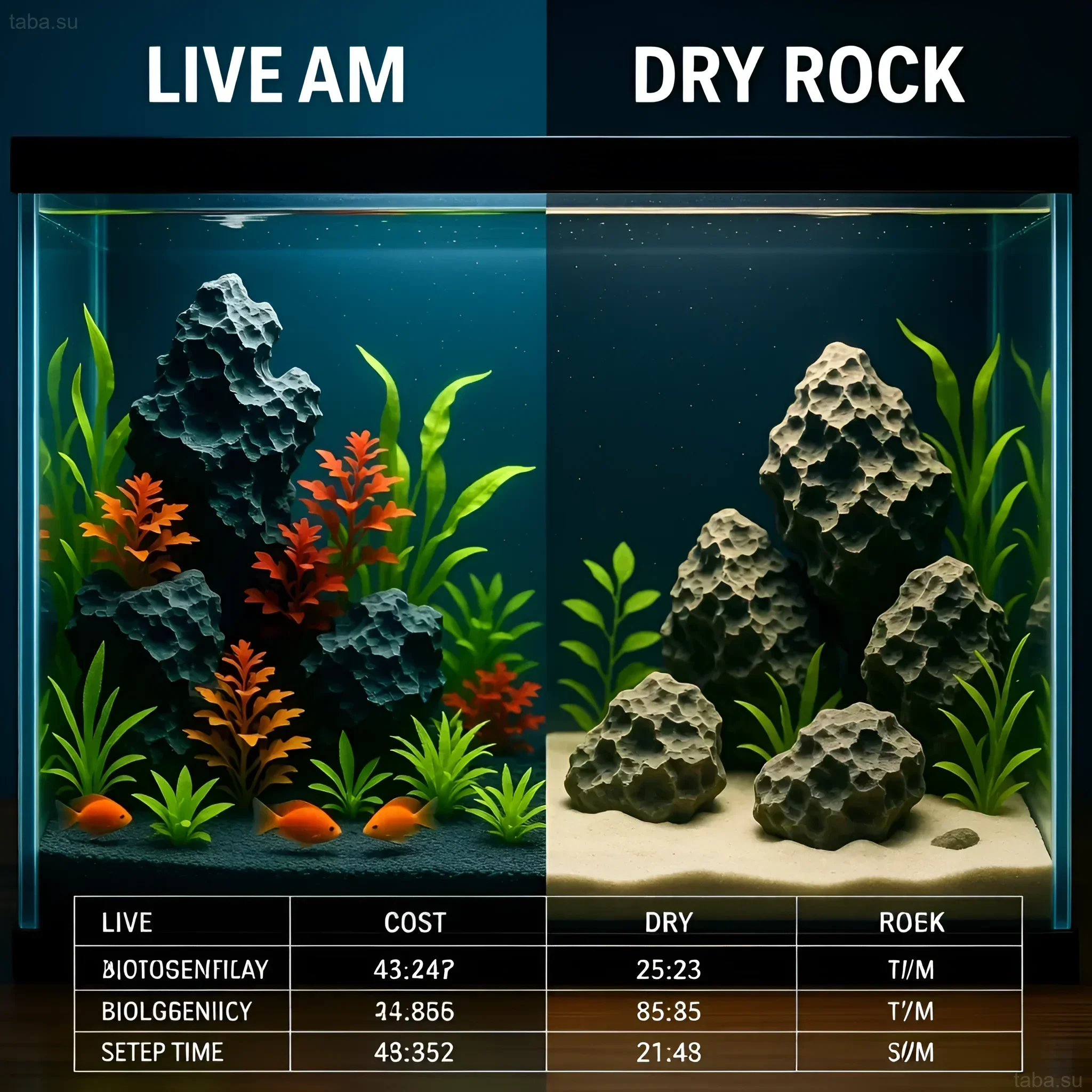
The choice between LR and DRR often comes down to a balance between “speed/biodiversity” and “cleanliness/control.” Experts recommend evaluating your priorities using the following comparison table.
Comparative Table of Characteristics
- Biological Activity:
- LR: High. Immediate colonization by beneficial bacteria and microfauna.
- DRR: Zero. Requires time (4 to 12 weeks) for bacterial colonization.
- Preparation Time (Curing):
- LR: Requires lengthy curing (2 to 6 weeks) to remove dead organic matter.
- DRR: Not required. Simple rinsing is sufficient.
- Risk of Pest Introduction:
- LR: High. Always a risk of aiptasia, crabs, or predatory worms.
- DRR: Zero. Completely sterile.
- Cost:
- LR: Generally higher, especially for quality, cured rock.
- DRR: Lower. Often sold by weight or volume.
- Weight and Porosity:
- LR: Often denser and heavier (less porosity per kg).
- DRR: Modern synthetic DRR is very lightweight and has high porosity, making it ideal for biological filtration.
Expert Conclusion: If you are a beginner and want to minimize the risks of algae blooms and pests, start with DRR. If you are an experienced reef keeper aiming for the fastest and most natural biodiversity possible, use LR, but only after thorough quarantine and curing.
Practical Experience: How to Properly Use LR and DRR in a Saltwater Aquarium
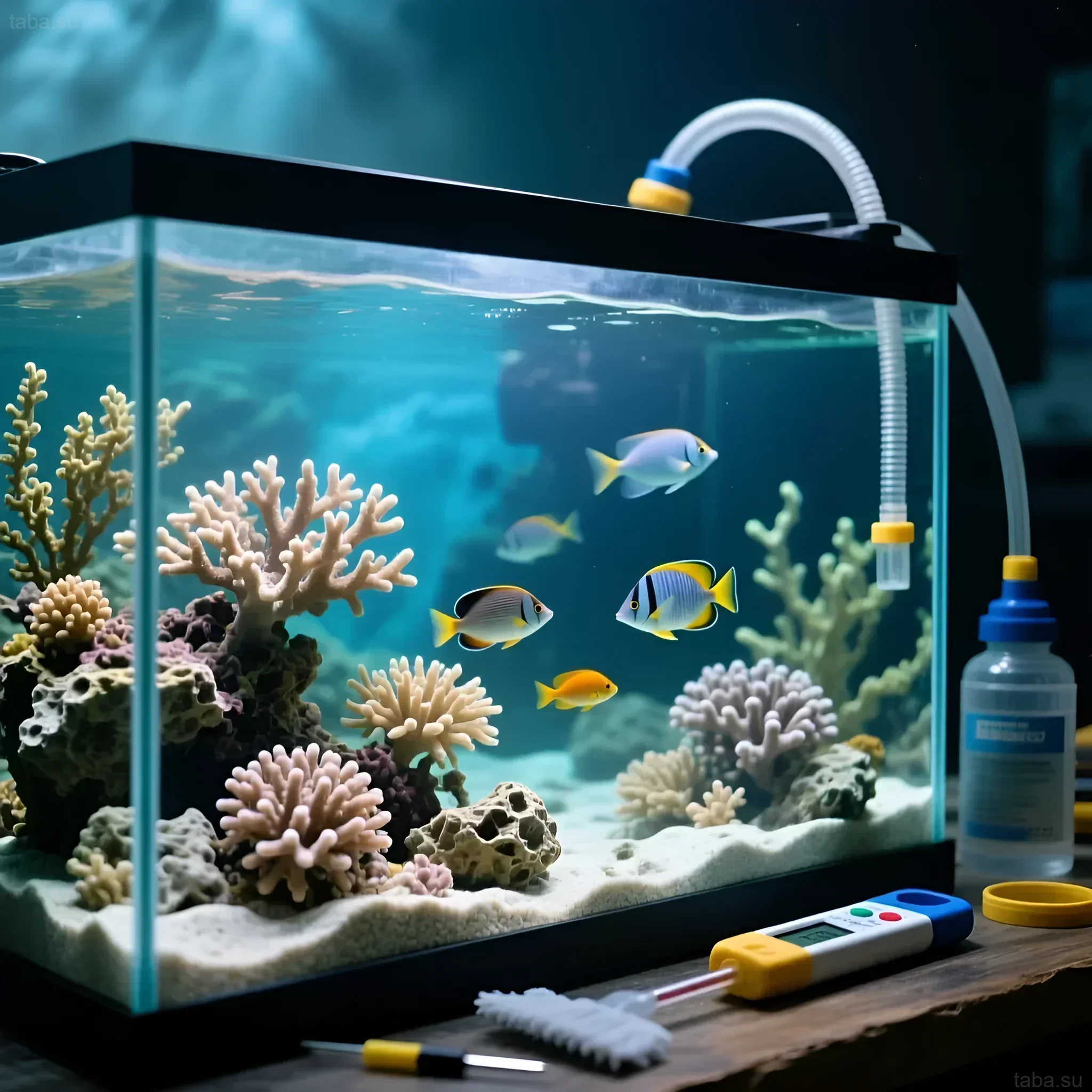
Experienced aquarists often use a hybrid approach, combining the best of both types of rock. This allows for risk control while still benefiting from natural colonization.
Hybrid Colonization Strategy
- DRR Base: 80–90% of the entire reef structure is created from Dry Reef Rock. This provides a stable architecture, low weight, and high porosity.
- LR Introduction: A small amount (10–20%) of carefully cured Live Rock is added. This rock acts as a “starter culture,” seeding the DRR with beneficial bacteria and microfauna.
Aquascaping Technique with DRR
Since DRR is inert, it is ideal for creating complex, glued structures. Using special aquarium-safe glue or epoxy resin allows for the creation of sturdy, airy structures that maximize water circulation.
- Goal: Ensure maximum water flow (GPH) through the rocks to prevent the formation of “dead zones” where nitrates and detritus can accumulate.
- Quantity Calculation: A common rule of thumb is that 0.5 to 1 kg of rock per 4 liters of water (1–2 pounds per gallon) is required for effective filtration. However, due to the high porosity of modern DRR, this ratio can be reduced.
Aquarium Maintenance with Live Rock and Dry Reef Rock

Regardless of the rock choice, its effectiveness as a biological filter directly depends on the quality of system maintenance.
Maintaining Porosity
Over time, the pores of the rocks can become clogged with detritus (waste, uneaten food). If this happens, the anaerobic zones cease to function, leading to increased nitrate levels.
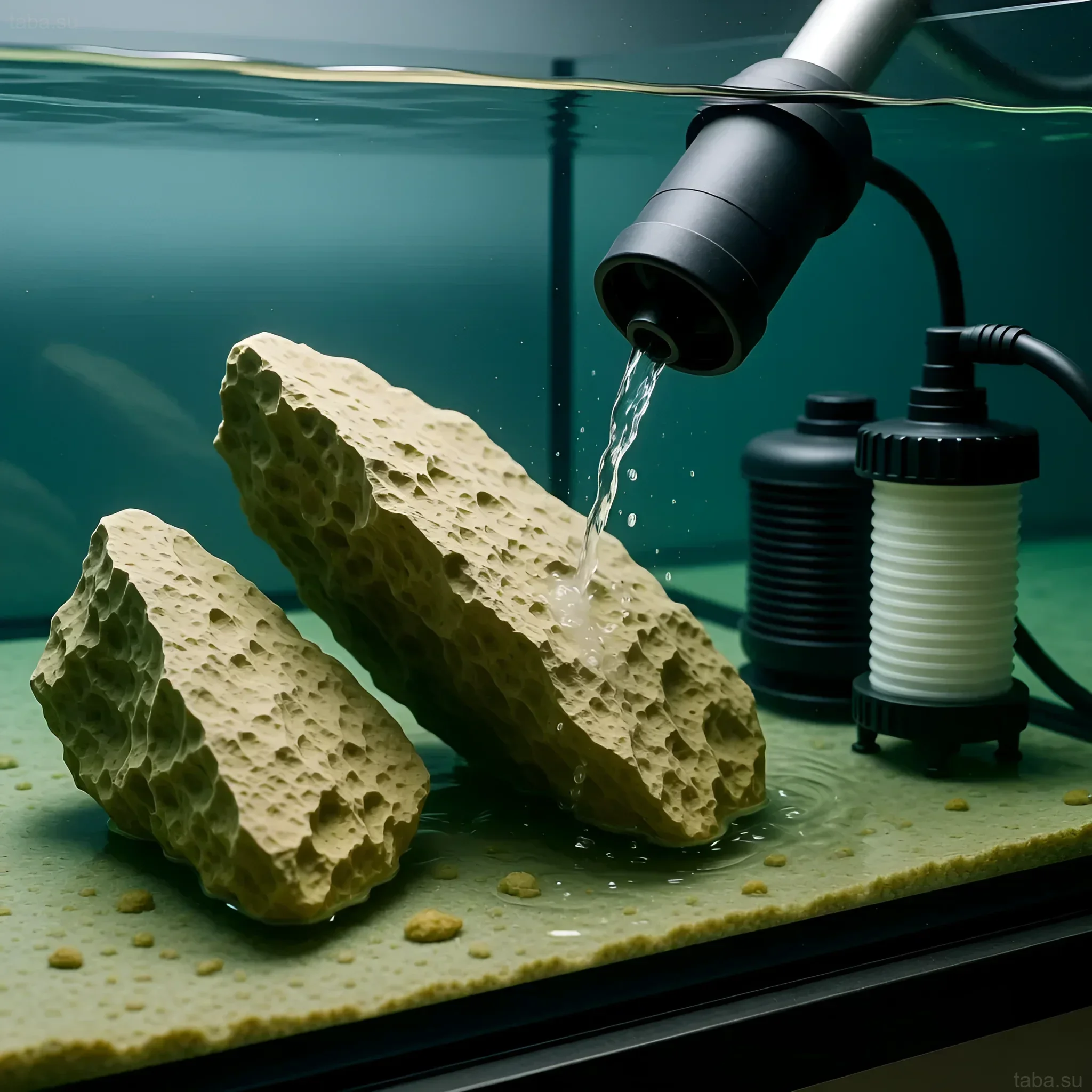
- Ensuring Flow: Position powerheads to blow across all rock surfaces, preventing debris from settling.
- Siphoning: During water changes, siphon the sand around the base of the rocks to remove accumulated detritus.
Algae Management
If Live Rock was poorly cured, or if Dry Reef Rock contains adsorbed phosphates, the aquarist may encounter outbreaks of undesirable algae (e.g., cyanobacteria or dinoflagellates) on the rock surfaces.
- Testing: Regularly test water for phosphates (PO₄) and nitrates (NO₃). High levels of these elements stimulate algae growth.
- Control: Use phosphate absorbers (e.g., GFO – Granular Ferric Oxide) and, if necessary, “cleaner crews” (e.g., Trochus snails, hermit crabs) to keep the rock surfaces clean.
FAQ: Answers to Popular Questions About Live and Dry Rocks
1. Can Live Rock that has been in freshwater be used?
Absolutely not. Freshwater will kill all microflora and microfauna, turning LR into ordinary DRR saturated with dead organic matter. Such rock will require lengthy curing before it can be used.
2. How to distinguish quality LR from poor quality?
Quality LR should be as porous as possible, have a pleasant marine smell (without a putrid or ammonia odor), and often be covered with purple coralline algae. It should feel light for its volume.
3. Can Dry Reef Rock completely replace Live Rock?
Yes, it can. When using DRR, the aquarium matures by adding bacterial cultures (e.g., nitrifying bacteria) from a bottle. However, natural biodiversity (copepods, amphipods) will need to be introduced separately, which is not possible with LR alone.
4. How long does the “curing” process for DRR take?
To create a fully functional biological matrix capable of denitrification, it takes 3 to 6 months. In the first 4–8 weeks, nitrifying bacteria colonize, after which the system is considered stable for introducing the first fish.
Interesting Facts About Live Rock and Dry Reef Rock
- Historical Context of LR: Before the 1990s, Live Rock was the only reliable way to start a saltwater aquarium. The development of synthetic rock technologies and commercial bacterial supplements has allowed aquarists to move away from total dependence on LR.
- Synthetic DRR: Modern synthetic DRR (often called ceramic rock) can have porosity significantly exceeding that of natural rock. This makes them more effective biological filters as the surface area for bacteria increases.
- Phosphate Risk: Some natural DRR, quarried from ancient deposits, can contain significant amounts of adsorbed phosphates. Upon contact with saltwater, these phosphates can leach out slowly, causing persistent algae problems. This is why thorough soaking of DRR before use is recommended.
- Color as an Indicator of Life: The purple and pink color on the surface of LR is due to coralline algae. These algae require stable water parameters (calcium, magnesium, alkalinity) and are an excellent indicator of system health.