
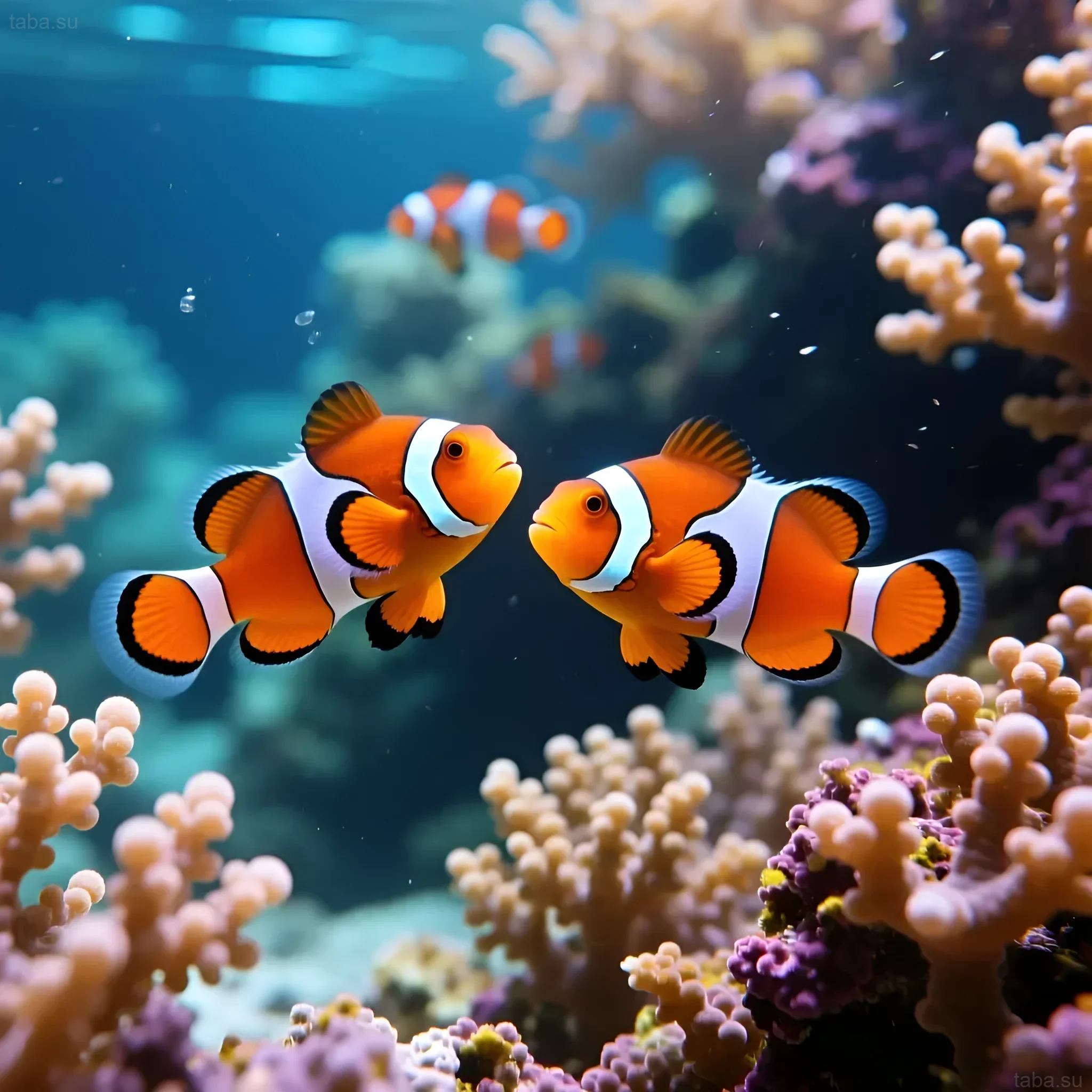
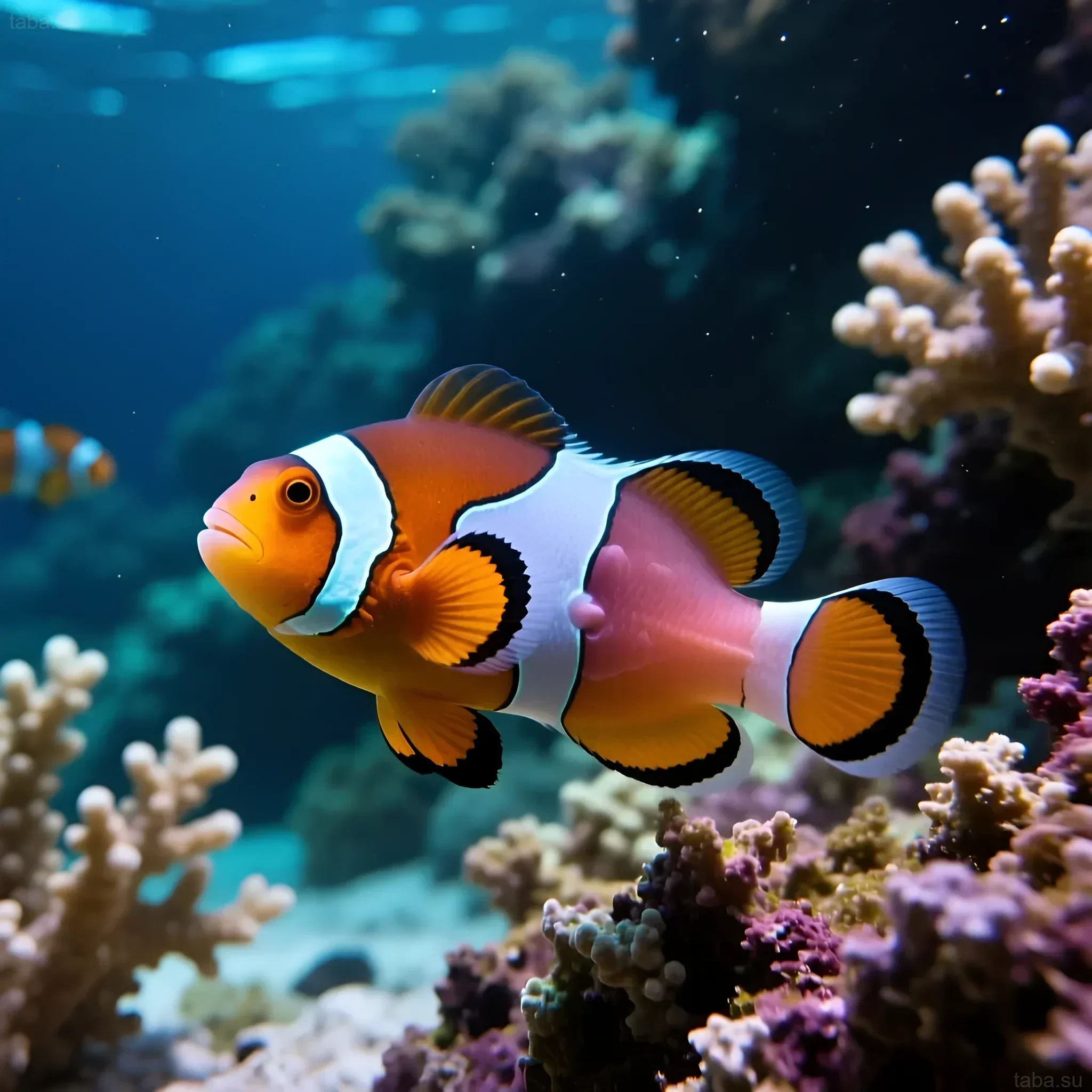
The Ocellaris clownfish, widely known to the public as Nemo, is perhaps the most recognizable marine aquarium fish in the world. Its bright coloration, unique behavior, and relative ease of care make it an ideal choice for both beginner and experienced aquarists looking to explore the marine world. However, successful keeping and, even more so, breeding of Amphiprion ocellaris requires a deep understanding of their biology and specific requirements for a marine environment.
Ocellaris Clownfish (Nemo): An Introduction to a Vibrant Reef Dweller
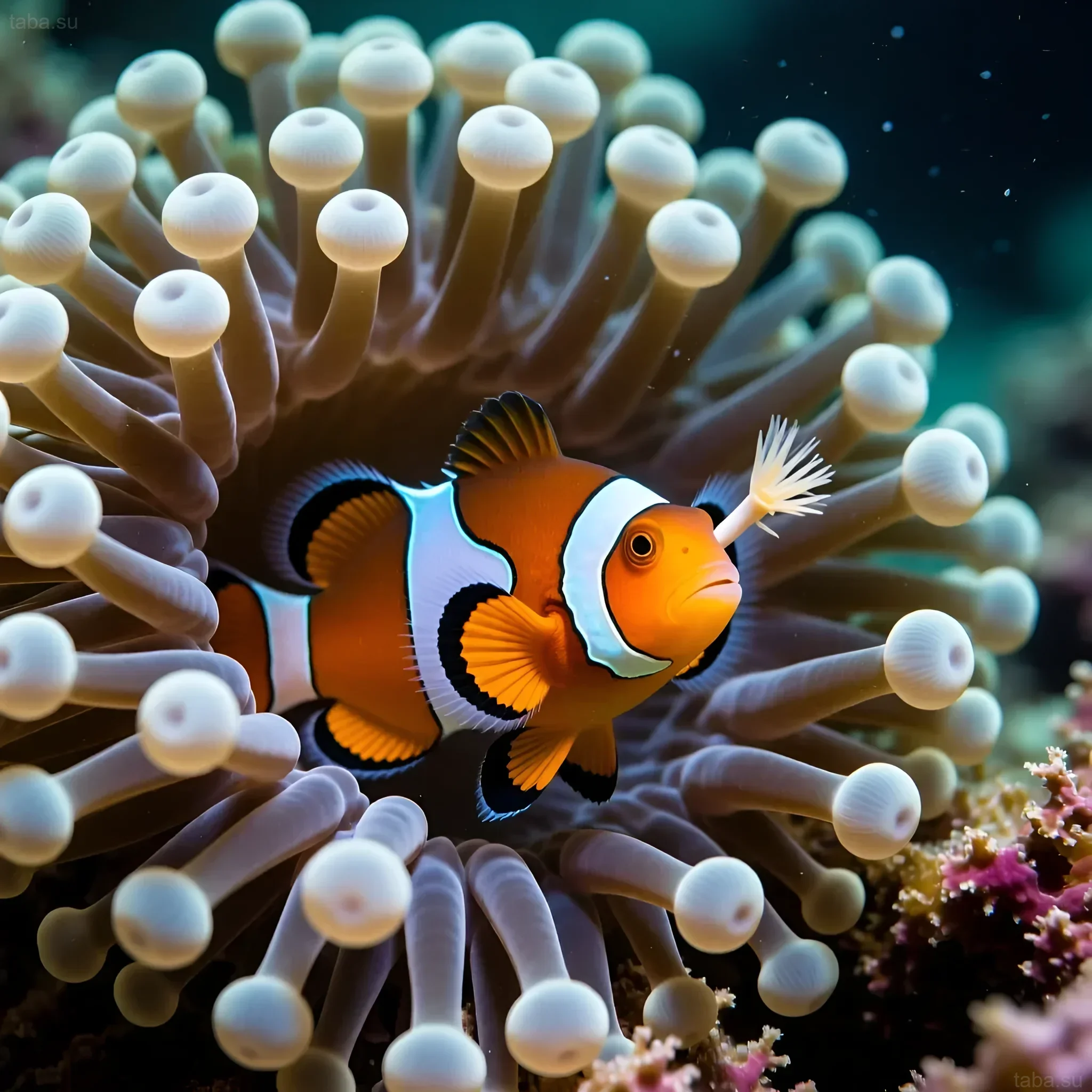
The Ocellaris clownfish (Amphiprion ocellaris) belongs to the Pomacentridae family. It is one of the most popular fish in reef aquariums due to its friendly disposition and high resistance to common diseases. Unlike many other marine species, Ocellaris are bred successfully in captivity, which significantly reduces the pressure on wild populations.
Key Characteristics of the Ocellaris:
- Size: Adult individuals reach 8–11 cm in length.
- Coloration: Bright orange or reddish-brown with three vertical white bands edged with thin black borders.
- Lifespan: With good aquarium care, they can live for 8–15 years.
- Social Behavior: They live in pairs or small hierarchical groups.
Biology and Natural Habitat of the Ocellaris Clownfish
Understanding the Ocellaris’ natural habitat is crucial for creating suitable aquarium conditions. In the wild, these fish inhabit the warm waters of the Indo-Pacific region, preferring protected lagoons and outer reef slopes.
Symbiosis with Anemones
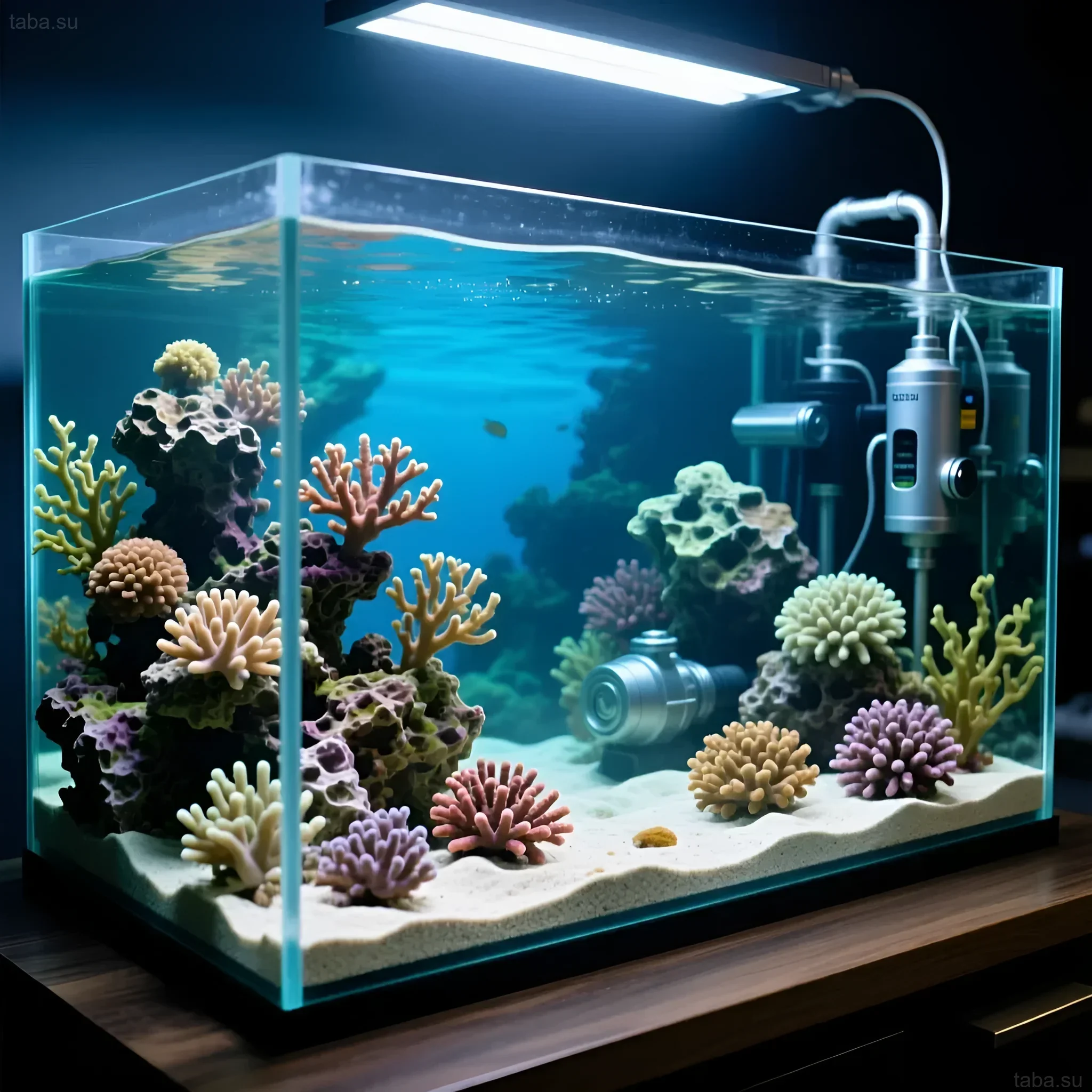
Clownfish are known for their unique symbiosis with sea anemones. The clownfish has a special protective mucus layer that prevents the anemone’s stinging cells (nematocysts) from harming it. In return, the clownfish protects the anemone from predators and cleans it of parasites.
Preferred Anemone Species for A. ocellaris:
- Magnificent Anemone (Heteractis magnifica)
- Carpet Anemone (Stichodactyla gigantea)
- Bubble-tip Anemone (Entacmaea quadricolor)
It is important to note that captive-bred clownfish do not require an anemone to survive, but its presence significantly reduces stress levels and encourages natural behavior.
Protandrous Hermaphroditism
Clownfish are protandrous hermaphrodites, meaning all individuals are born male. There is a strict hierarchy within a group. The dominant individual, the largest, becomes the functional female. The next largest fish becomes the dominant male. If the female disappears, the dominant male changes sex and takes her place, and the next largest male becomes the new dominant male.
Creating the Ideal Aquarium for Ocellaris Clownfish: Water Parameters and Equipment Requirements
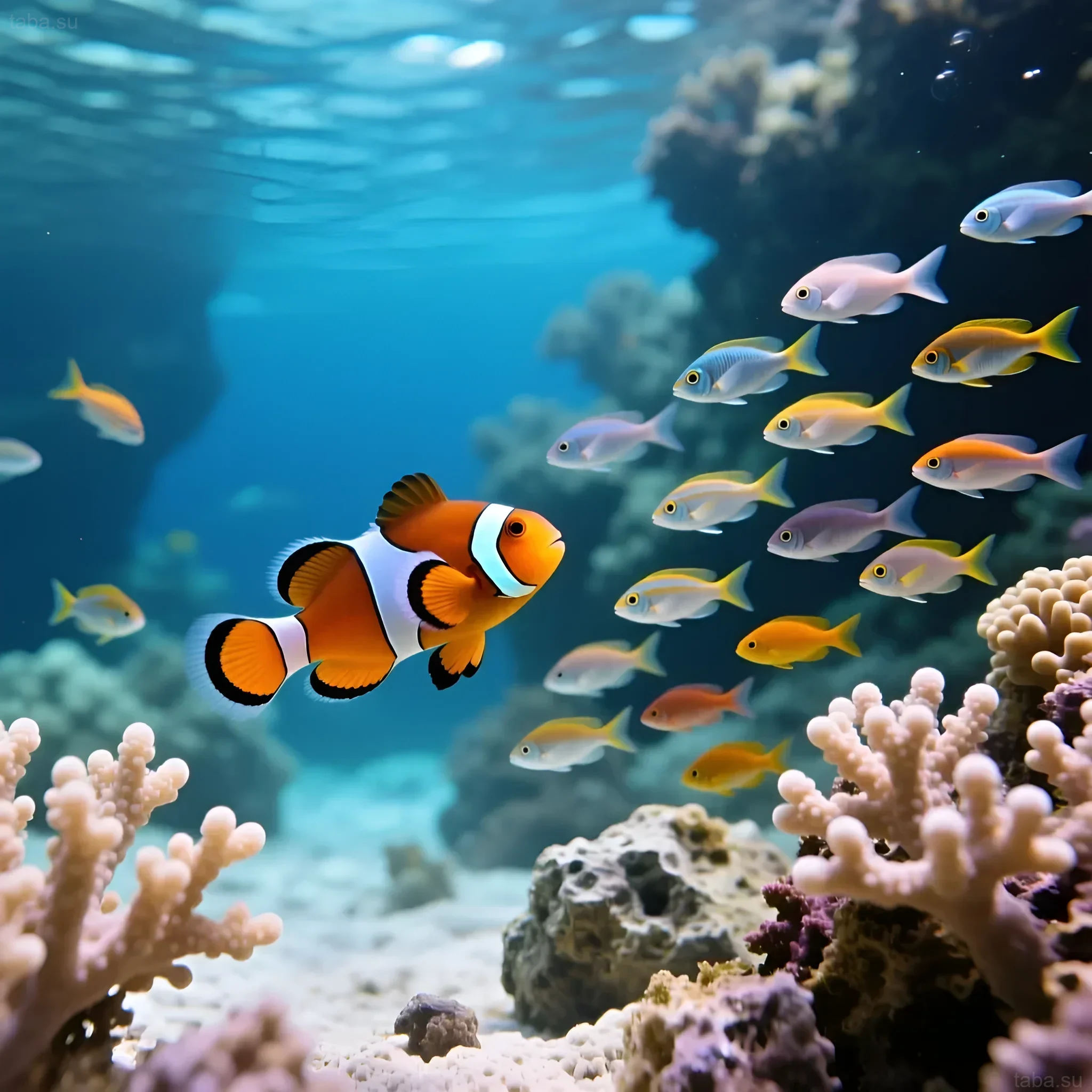
Successful keeping of Amphiprion ocellaris requires creating a stable marine environment. This necessitates specialized equipment and strict control over water chemistry.
Minimum Volume and Design
For a pair of Ocellaris, the minimum recommended aquarium volume is 100–120 liters. The aquarium should have plenty of live rock, which serves not only as hiding places but also as a basis for biological filtration.
Key Water Parameters (Saltwater)
Parameter stability is the key to the health of marine fish. Sharp fluctuations are unacceptable.
- Temperature: 24–27 °C
- Salinity (S.G.): 1.023–1.026 (or 33–35 ppt)
- pH: 8.1–8.4
- Nitrates (NO3): Preferably below 10 ppm
- Ammonia/Nitrites: 0
Required Equipment
A marine aquarium requires a more complex life support system than a freshwater one.
- Skimmer (Protein Skimmer): Essential. It removes organic waste before it breaks down into nitrates.
- Lighting System: If anemones or corals are planned, the light must be powerful (LED or T5). For fish-only tanks, moderate lighting is sufficient.
- Flow System: Moderate, but not too strong, flow is required to mimic reef conditions. This is achieved using powerheads.
- Auto Top-Off (ATO): Highly recommended for automatically replenishing evaporated freshwater, which ensures salinity stability.
Tank Mates: Who Can Be Housed with Ocellaris Clownfish?
Ocellaris clownfish are generally peaceful, but females can exhibit territorial aggression, especially when housed with an anemone. The selection of tank mates should be based on their peaceful nature and lack of threat to the clownfish.
Ideal Tank Mates
- Blennies, e.g., Two-spot Blenny (Ecsenius bicolor)
- Small to medium-sized Angelfish, e.g., Pygmy Angelfish (Centropyge spp.)
- Mandarin Fish, if the aquarium is mature enough to sustain them
- Most Goby species
- Tangs, provided the aquarium is large enough (from 300 liters)
Who to Avoid
Large predators and aggressive fish that could injure or intimidate clownfish should be excluded from the list of tank mates.
- Lionfish
- Triggerfish
- Large Groupers
- Aggressive Damsels (e.g., some Damselfish species)
Feeding Ocellaris Clownfish: What to Feed Nemo for Health and Happiness
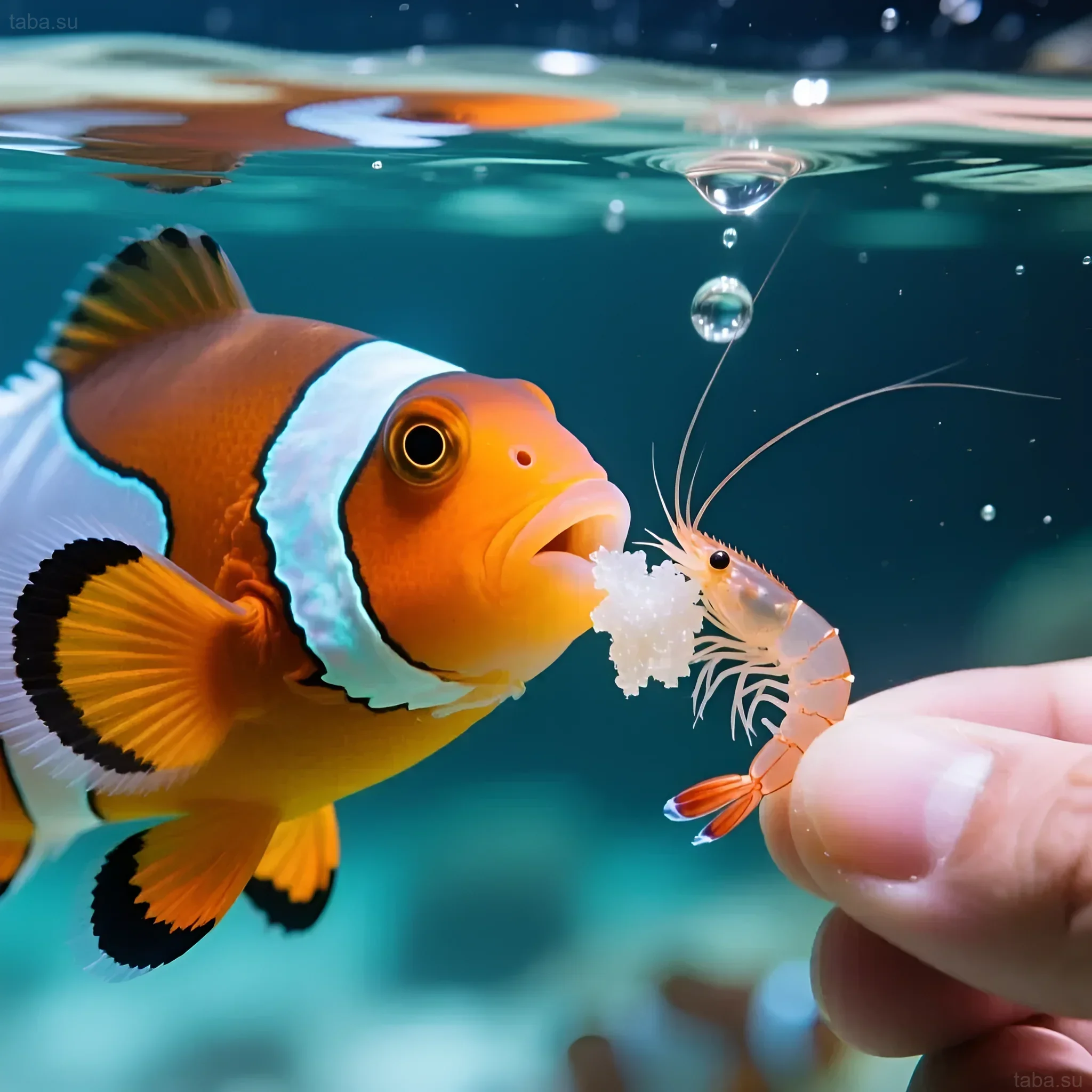
Ocellaris clownfish are omnivores. In the wild, their diet consists of small invertebrates, algae, and detritus. To maintain their vibrant coloration and strong immunity, their diet should be as varied as possible.
Feeding Recommendations
Adult clownfish should be fed 2–3 times a day in small portions that they consume within 2–3 minutes. Overfeeding leads to water quality deterioration.
Types of Food:
- Dry Foods: High-quality pellets and flakes enriched with spirulina and vitamins.
- Frozen Foods: The primary source of protein and fats. This can include brine shrimp, mysis shrimp, and finely chopped shrimp.
- Vegetable Supplements: Pieces of nori (seaweed) or specialized vegetable pellets.
Expert Tip: Regular addition of vitamin supplements to frozen foods (e.g., Selcon) significantly improves fish health and fertility, which is especially important when preparing for breeding.
Breeding Ocellaris Clownfish at Home: From Egg to Fry
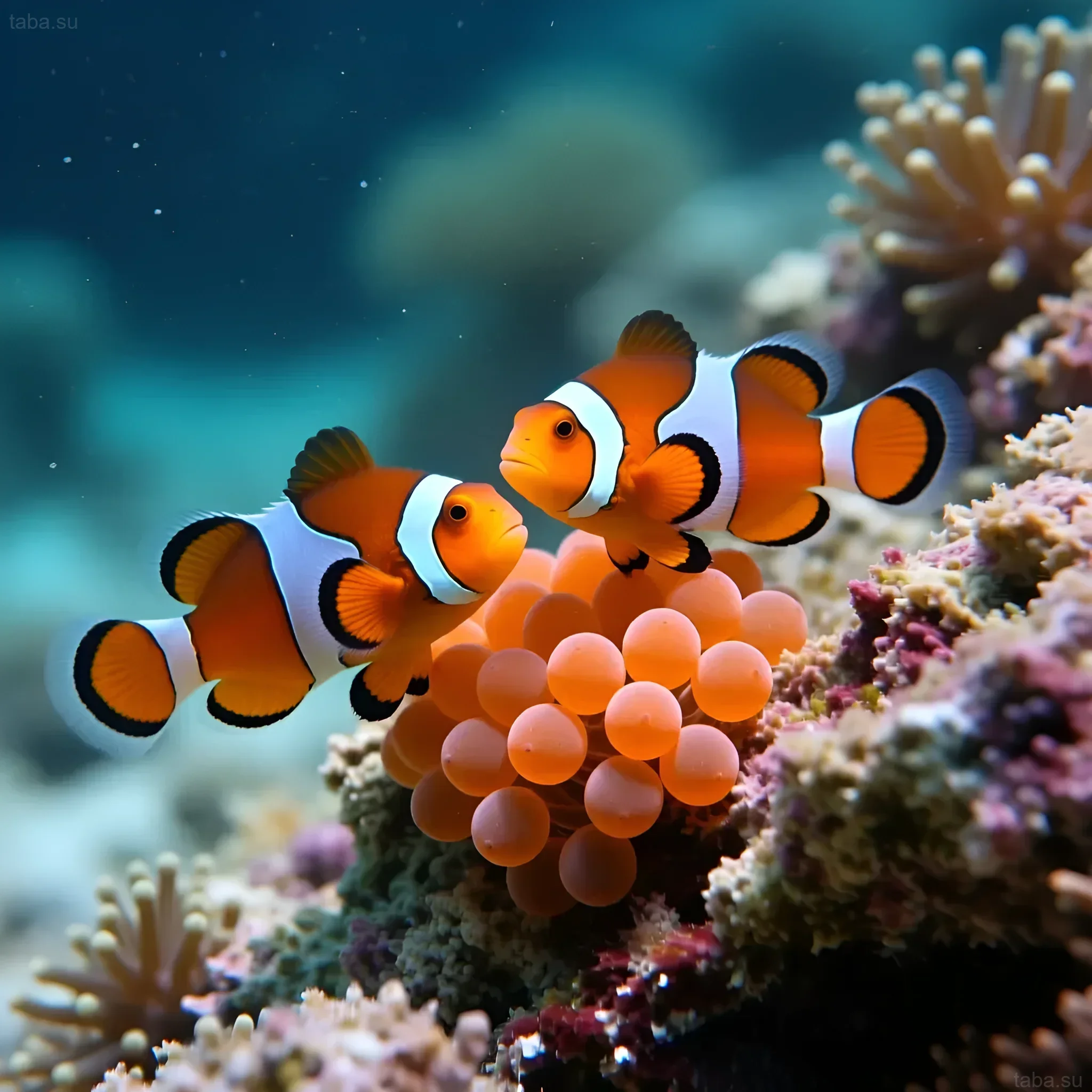
Breeding Amphiprion ocellaris in captivity is a complex but very fascinating process that requires separate equipment and careful monitoring.
Pair Formation and Spawning
A formed pair is necessary for breeding. If you purchase several young individuals, the largest will become the female, and the second largest will be the male. Pairs can spawn regularly, approximately every 10–14 days, if conditions are ideal.
Conditions Stimulating Spawning:
- High water quality and stable parameters.
- Abundant and varied feeding (live and frozen foods).
- Presence of a smooth surface for egg-laying (pot, ceramic tile, or anemone base).
The eggs are usually laid in an orange or yellowish mass. The male actively cares for the clutch, fanning it with his fins to ensure oxygen supply and removing unviable eggs.
Rearing Larvae
The incubation period lasts 7–10 days. The larvae hatch at night. At this point, they must be transferred to a separate nursery tank, as they will be eaten in the main aquarium.
Nursery Tank Requirements:
- Volume of 20–40 liters.
- Gentle aeration (no strong filter that could suck in fry).
- Temperature of 26–27 °C.
Feeding Larvae (The Most Difficult Stage)
Clownfish larvae are very small and require microscopic live food.
- Days 1–5: Rotifer culture is the essential starter food.
- Days 5–14: Gradual transition to brine shrimp nauplii, enriched with fatty acids (HUFA).
- After Day 14: Transition to finely ground dry foods and frozen mysis shrimp.
Rearing fry requires round-the-clock attention to water quality and maintaining a constant culture of live foods.
Diseases of Ocellaris Clownfish and Their Treatment
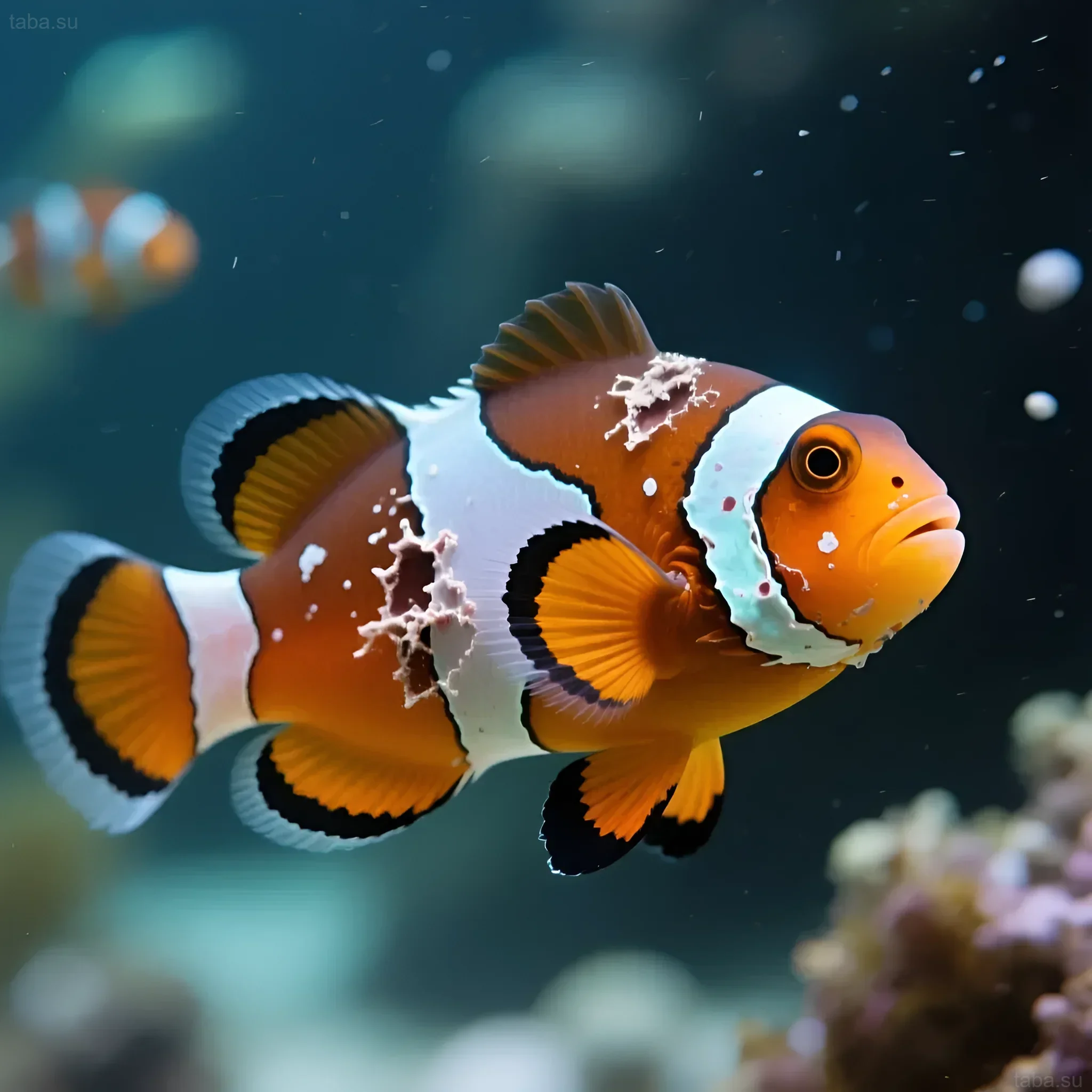
Although Ocellaris clownfish are quite hardy, they are susceptible to common marine diseases, especially under stress, poor water quality, or contact with new, unquarantined specimens.
Most Common Diseases
- Marine Ich (Cryptocaryon irritans): Manifests as small white spots on the body and fins. Treated in a quarantine tank using copper-based medications or by hyposalinity (lowering salinity).
- Marine Velvet (Amyloodinium ocellatum): A more dangerous and rapidly progressing disease, appearing as a golden or gray dust. Requires immediate treatment with copper or formalin.
- Head and Lateral Line Erosion (HLLE): Often linked to poor nutrition (lack of vitamin C and iodine), use of low-quality activated carbon, or poor water quality. Treatment: improve diet and eliminate stressors.
Prevention is the Best Method
To prevent diseases, strict quarantine for all new inhabitants (4–6 weeks) and maintaining impeccable water quality are essential.
FAQ: Answers to the Most Popular Questions About Ocellaris Clownfish Care
Does a Clownfish Need an Anemone?
No. Although they live in symbiosis in nature, captive-bred clownfish do perfectly well without an anemone. Furthermore, keeping anemones is often much more challenging than keeping clownfish themselves and requires very strong lighting.
How to Determine the Sex of a Clownfish?
It is very difficult to determine sex until the fish reach adult size. In a pair, the female will always be significantly larger than the male.
Why is My Clownfish Shaking or “Dancing”?
This is normal behavior called “clown dance.” It is either a greeting (to a dominant individual or the owner) or a display of submission to a larger fish in the hierarchy.
Can Two Females Live Together?
Generally, no. Two females will constantly fight until one dominates and kills the other. You can only keep one female with one or more males (if the aquarium volume allows).
Interesting Facts About the Ocellaris Clownfish
The world of clownfish is full of amazing biological features that make them even more fascinating to study.
- Sting Resistance: The clownfish’s protective mucus develops gradually. Young fish first cautiously touch an anemone, allowing it to sting them, and only then develop the necessary immunity.
- Auditory Communication: Clownfish can make sounds! They use rapid clicking or grunting sounds to establish hierarchy, defend territory, or during courtship.
- Color Variations: Breeders have developed many color morphs of the Ocellaris, including “Snowflake,” “Midnight,” and “Platinum,” which feature unique white band patterns.
Keeping Ocellaris clownfish is not just about decorating an aquarium; it’s an immersion into the complex and fascinating world of marine biology. By adhering to recommendations for water quality and feeding, Nemo will bring joy to its owner for many years.