Maintaining a stable and optimal temperature is one of the cornerstones of successful aquaristics, especially when keeping tropical species. Deviations of just a few degrees from the norm can lead to stress, weakened immunity, disease outbreaks, and even the death of aquatic inhabitants. Experts from the taba.su portal emphasize that temperature affects all physiological processes of aquarium inhabitants, including metabolism, respiration, and reproduction.
Ideal Temperature for Tropical Fish: A Guide for Aquarists
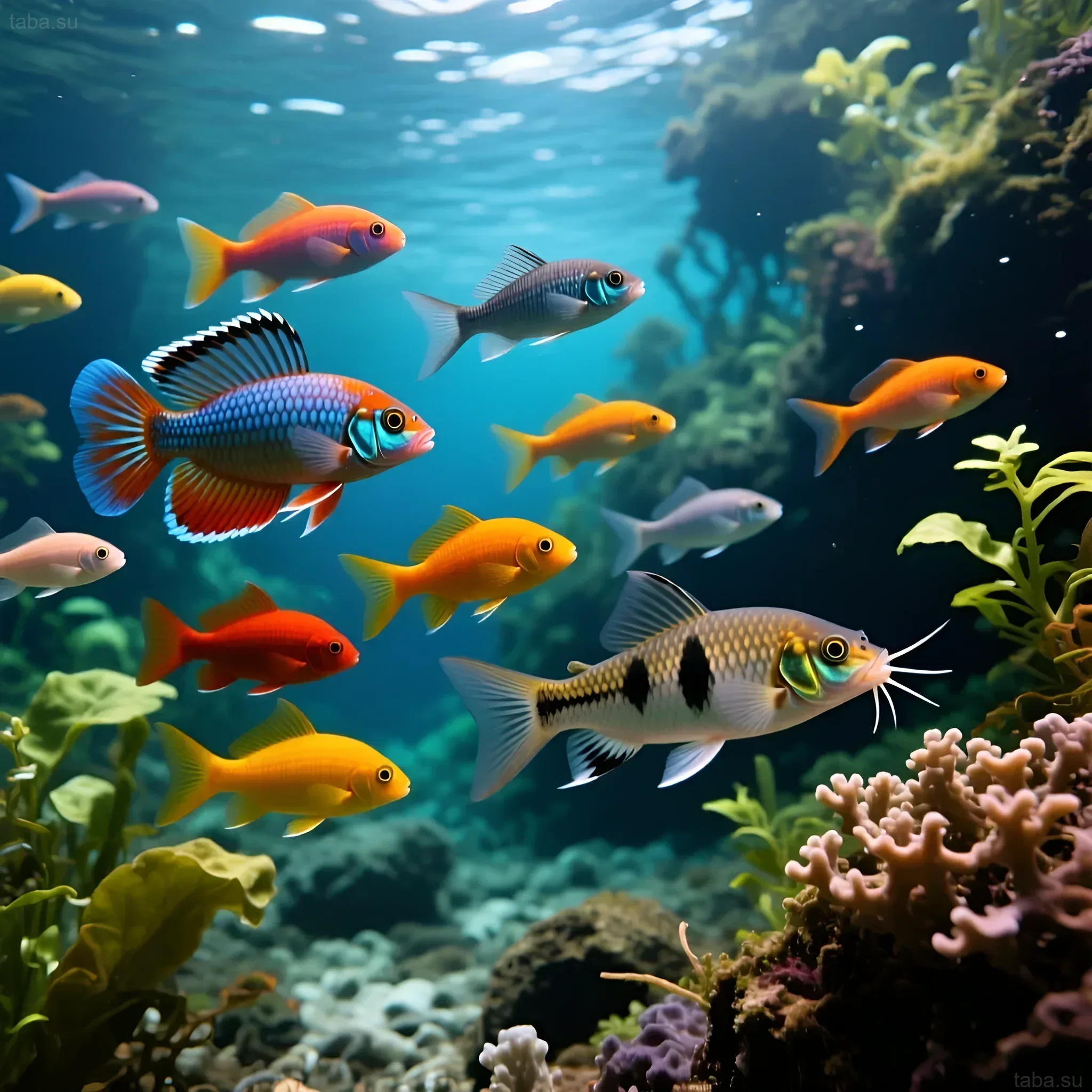
Tropical fish are species whose natural habitat is in the waters of the equatorial and subequatorial belts. In these regions, water temperature fluctuations throughout the year are minimal. Consequently, the aquarist should strive to replicate these stable conditions as accurately as possible.
General Range: For most popular tropical species, the optimal temperature is between 24°C and 27°C. This range ensures comfortable progression of all life processes without excessive stress or accelerated metabolism.
Why is Stability More Important Than the Absolute Value?
Fish tolerate sharp and frequent temperature fluctuations much worse than a slight, constant deviation from the ideal norm. A fluctuation of more than 2°C within a 24-hour period can be a critical stress factor, especially for sensitive species like Discus fish (Symphysodon spp.) or Neon tetras (Paracheirodon innesi).
- Optimal Zone: 25°C – 26°C is considered the golden mean for a general aquarium with diverse tropical inhabitants.
- Lower Limit: Temperatures below 22°C are critical for most tropical fish, slowing down their digestion and making them vulnerable to “white spot disease” (Ichthyophthirius multifiliis).
- Upper Limit: Temperatures above 29°C are typically used only for treatment or breeding stimulation, not for permanent keeping.
What Does ‘Tropical Fish’ Mean and Why is Temperature So Important?
The term “tropical fish” encompasses species that are evolutionarily adapted to warm, stable climates. Unlike cold-water or temperate species, they lack effective mechanisms for adapting to significant temperature drops.
Physiological Impact of Temperature
Temperature is a key factor regulating the speed of chemical reactions in a fish’s body. This phenomenon is described by the Q10 coefficient: a 10°C increase in temperature doubles or triples the metabolic rate.
- Metabolism and Growth: At higher temperatures, fish digest food faster and grow more quickly, but they also require more oxygen and age faster.
- Immune System: Optimal temperature is essential for the effective functioning of immune cells. When the temperature drops, immunity sharply declines, allowing parasites and bacteria to become active.
- Reproduction: For many species, an increase in temperature is a direct trigger for spawning, mimicking the rainy season or the onset of a favorable period.
The Interplay of Temperature and Oxygen
This is a critically important aspect that beginner aquarists often overlook. The higher the water temperature, the less dissolved oxygen it contains. Water at 30°C contains significantly less oxygen than water at 24°C. This is precisely why, during overheating, fish begin to suffocate and rise to the surface to gulp air.
Optimal Temperature Regimes for Popular Tropical Fish Species
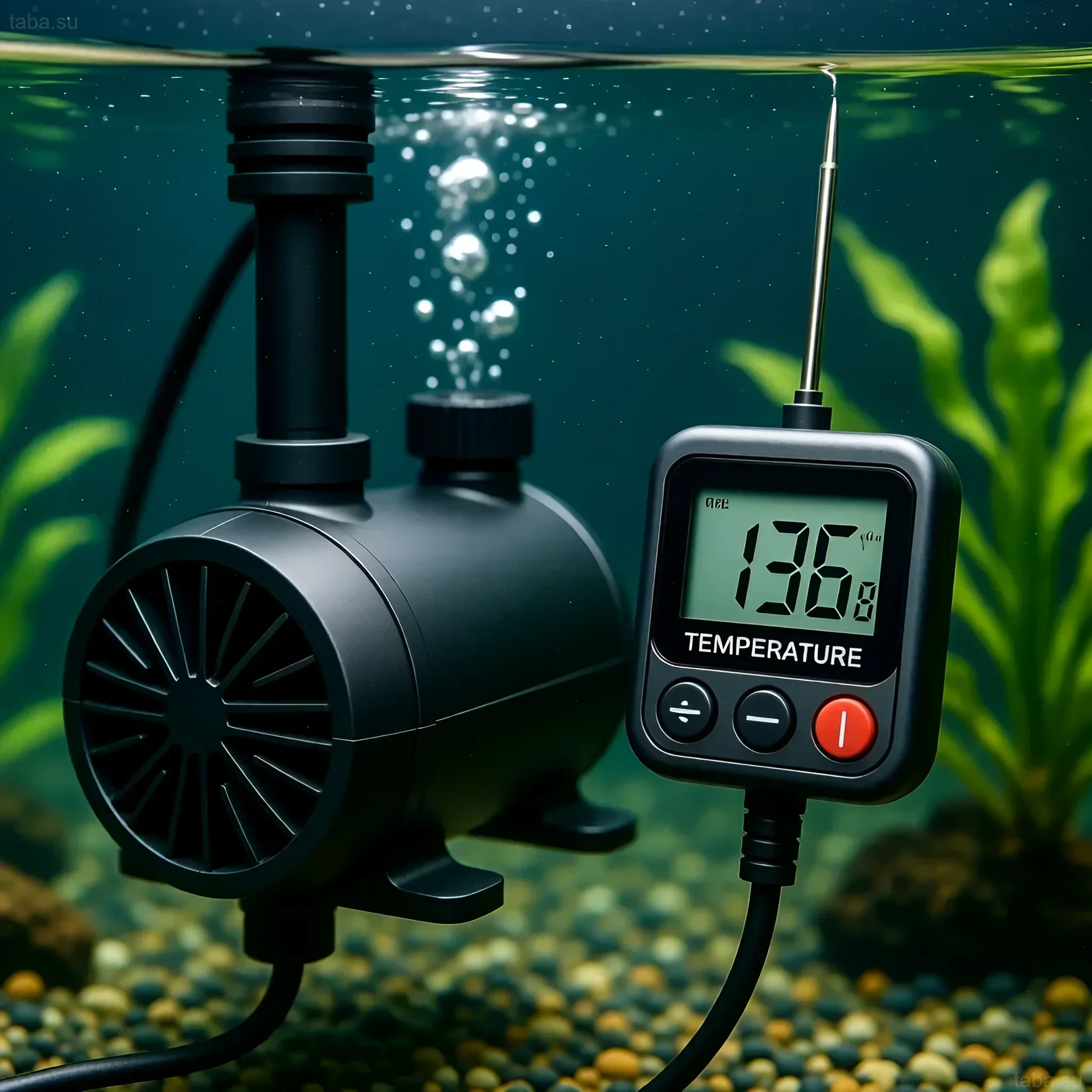
Despite the general range of 24–27°C, there are stenothermal species (requiring a very narrow range) and eurythermal species (more tolerant to fluctuations). The choice of optimal temperature should be based on the requirements of the most sensitive species in the aquarium.
Temperature Requirements of Key Groups (Table)
Experts recommend the following ranges for the most common inhabitants of freshwater tropical aquariums:
- Group 1: High-Temperature (28°C – 31°C)
- Discus fish (Symphysodon spp.): 28°C – 31°C. These fish require the warmest water and are extremely sensitive to drops below 27°C.
- Ramirezi Dwarf Cichlids (Mikrogeophagus ramirezi): 27°C – 29°C.
- Group 2: Standard Tropicals (24°C – 27°C)
- Neon Tetras (Red, Blue) (Paracheirodon innesi/axelrodi): 24°C – 26°C. Lower temperatures extend their lifespan.
- Angelfish (Pterophyllum scalare): 25°C – 27°C.
- Tetras, e.g., Black Phantom Tetra (Hyphessobrycon megalopterus): 24°C – 26°C.
- Gouramis and Dwarf Gouramis (Trichogaster/Colisa): 25°C – 27°C.
- Group 3: Hardy and Livebearers (22°C – 26°C)
- Guppies, Swordtails, Mollies (Poecilia spp.): 22°C – 25°C. They tolerate lower temperatures, but breed better in warmth.
- Zebrafish (Danio rerio): 20°C – 24°C. Can live at lower temperatures, but it’s optimal for a tropical aquarium to keep them within 24°C.
Equipment for Maintaining Stable Temperature in the Aquarium
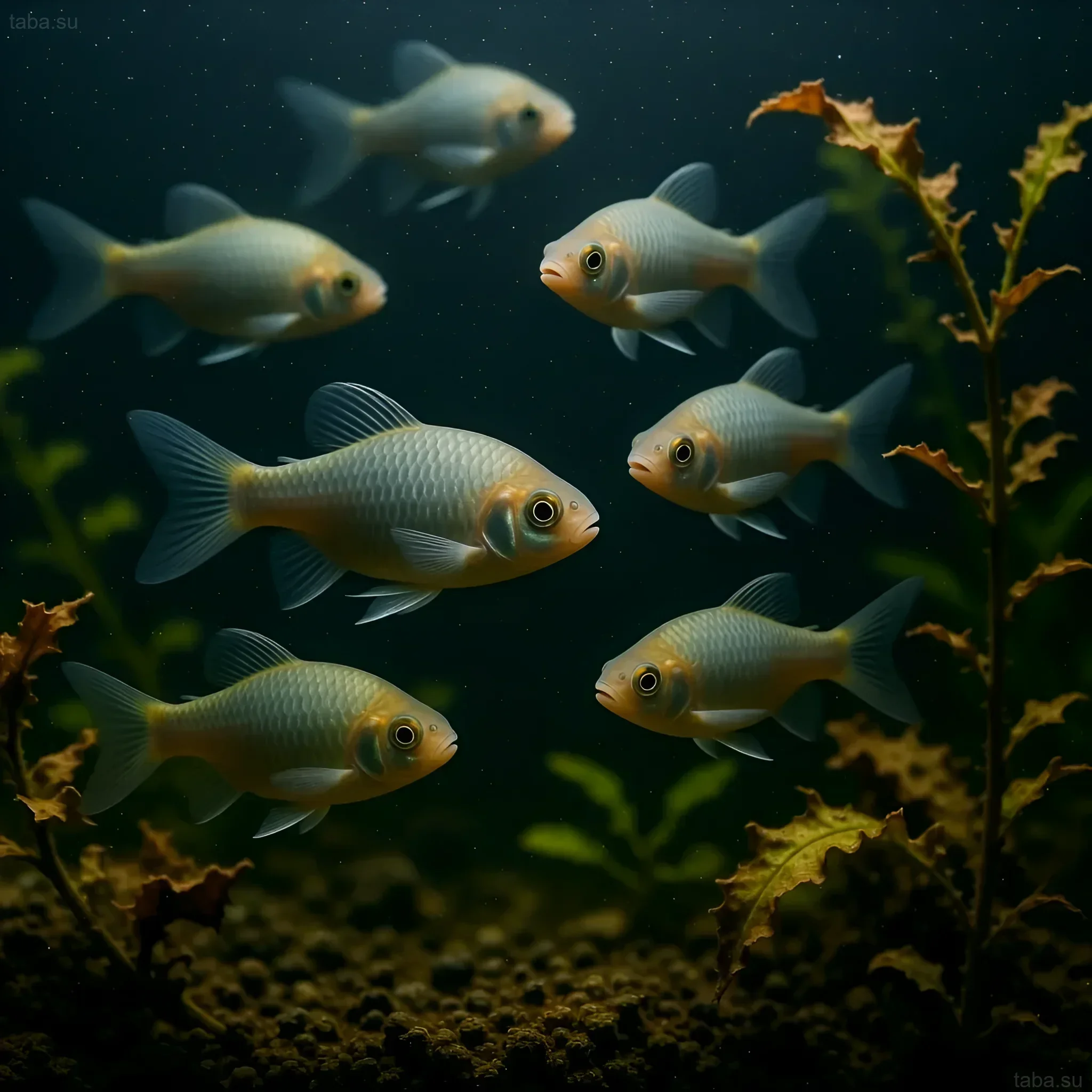
Reliable equipment is the guarantee of temperature stability. Economizing on heaters and thermometers is unacceptable, as their failure can lead to disaster.
Choosing a Heater (Thermoregulator)
Most modern heaters are submersible and equipped with a built-in thermostat. The key parameter when choosing is wattage.
- Wattage Rule: Experts recommend using about 1 watt of power per 1 liter of aquarium water. In cold rooms, this ratio can be increased to 1.5 W/l.
- Types: Submersible heaters (the most common), external inline heaters (installed in the filter hose line, providing uniform heating), and undergravel heating cables (primarily used to stimulate plant growth, but also provide a small amount of heat).
- Placement: The heater should be installed vertically or diagonally in an area of active water circulation (e.g., near the filter outlet) for even heat distribution.
Temperature Monitoring: Thermometers
A heater alone is not enough. It is necessary to regularly monitor the actual water temperature, as built-in thermostats can be inaccurate.
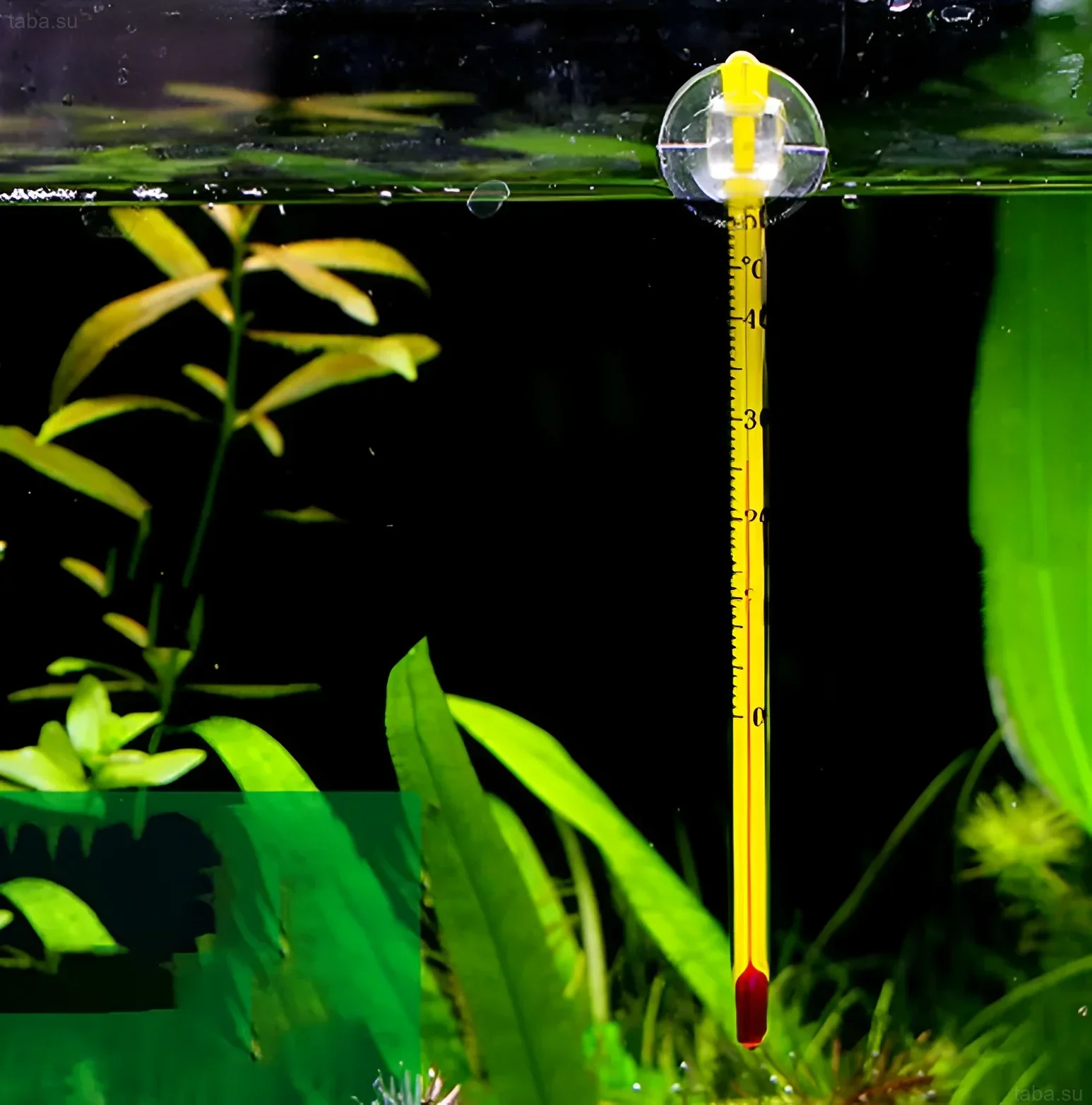
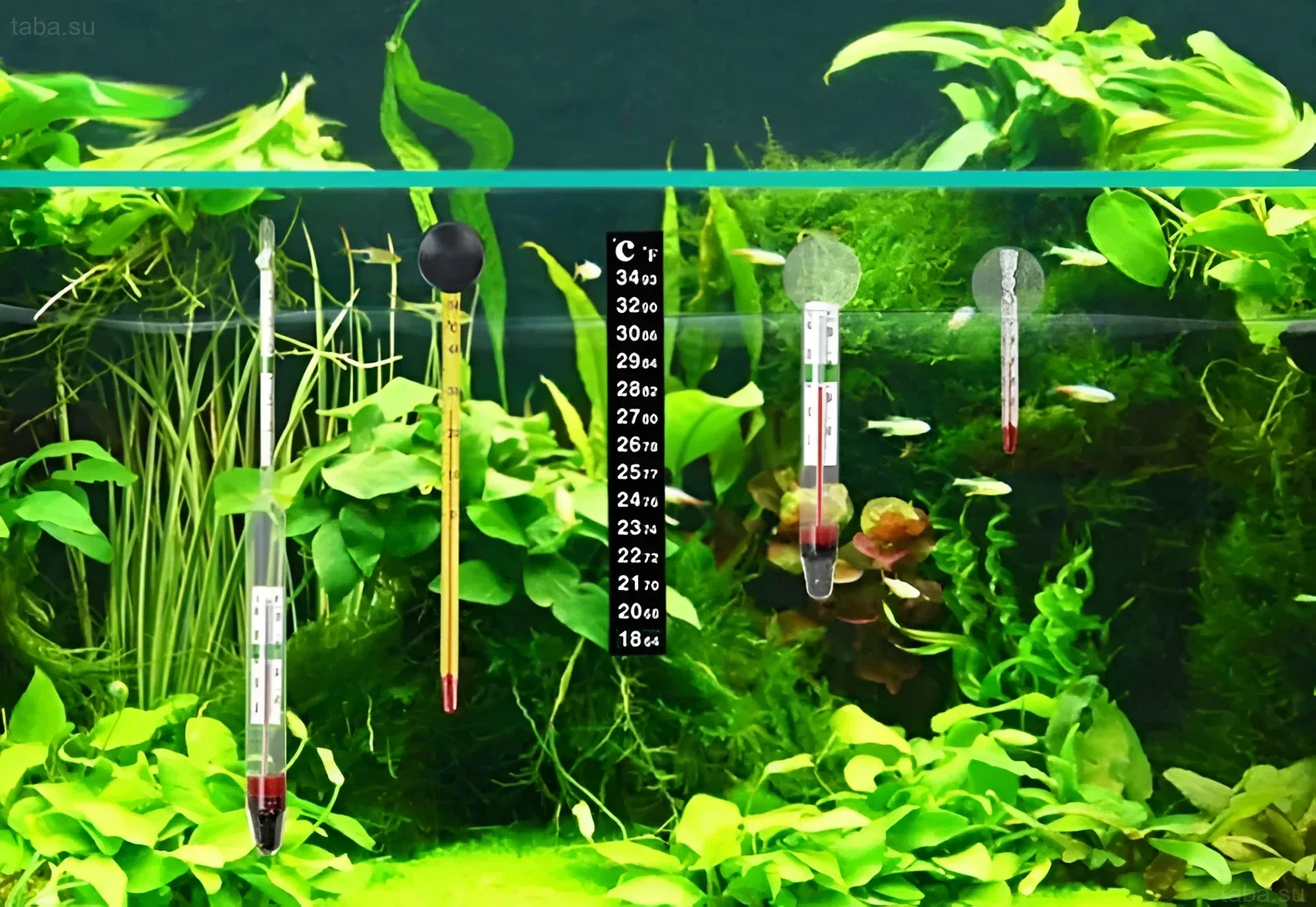
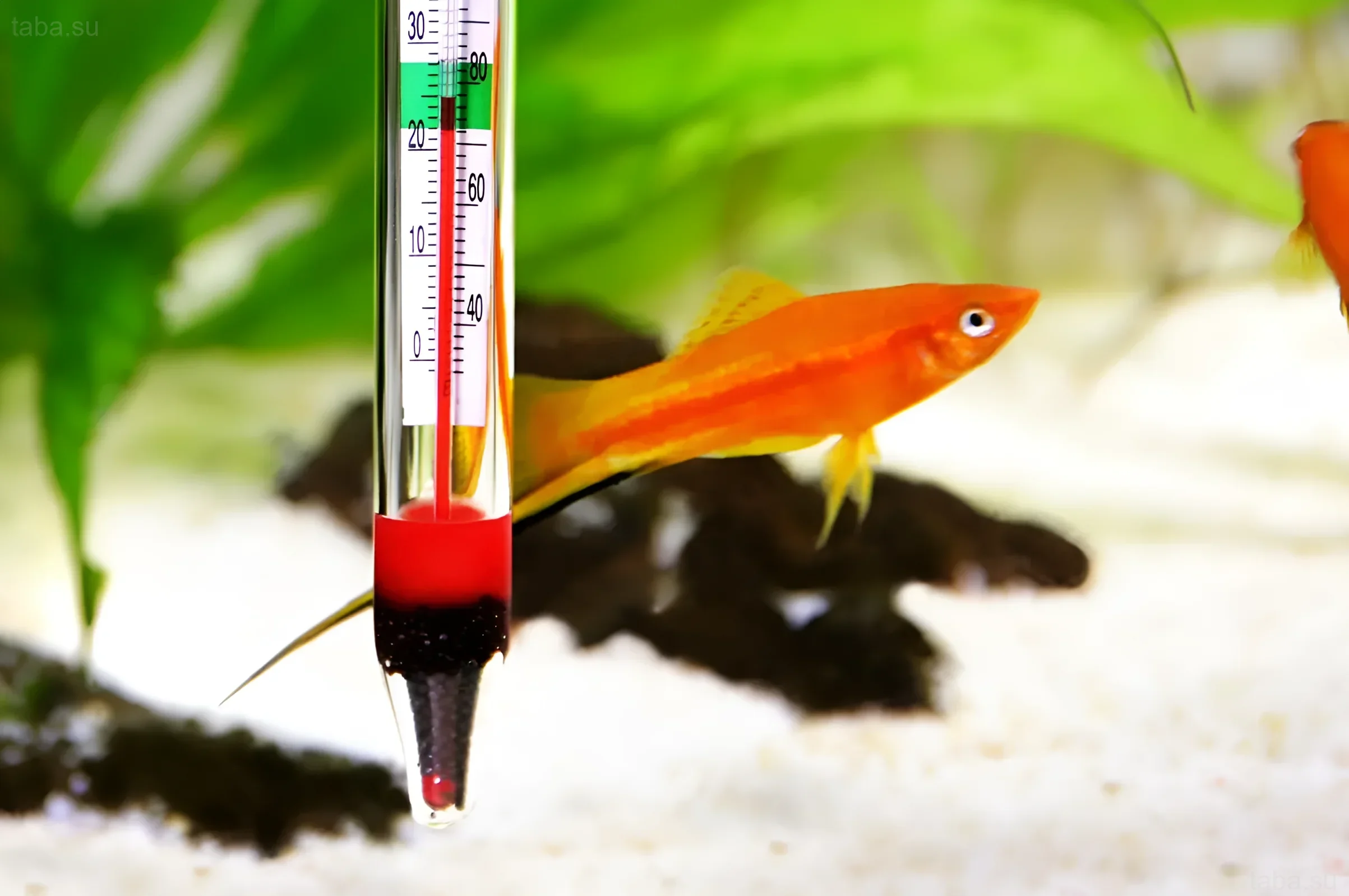
- Glass Mercury/Alcohol: The most accurate and reliable, but they should be placed away from the heater.
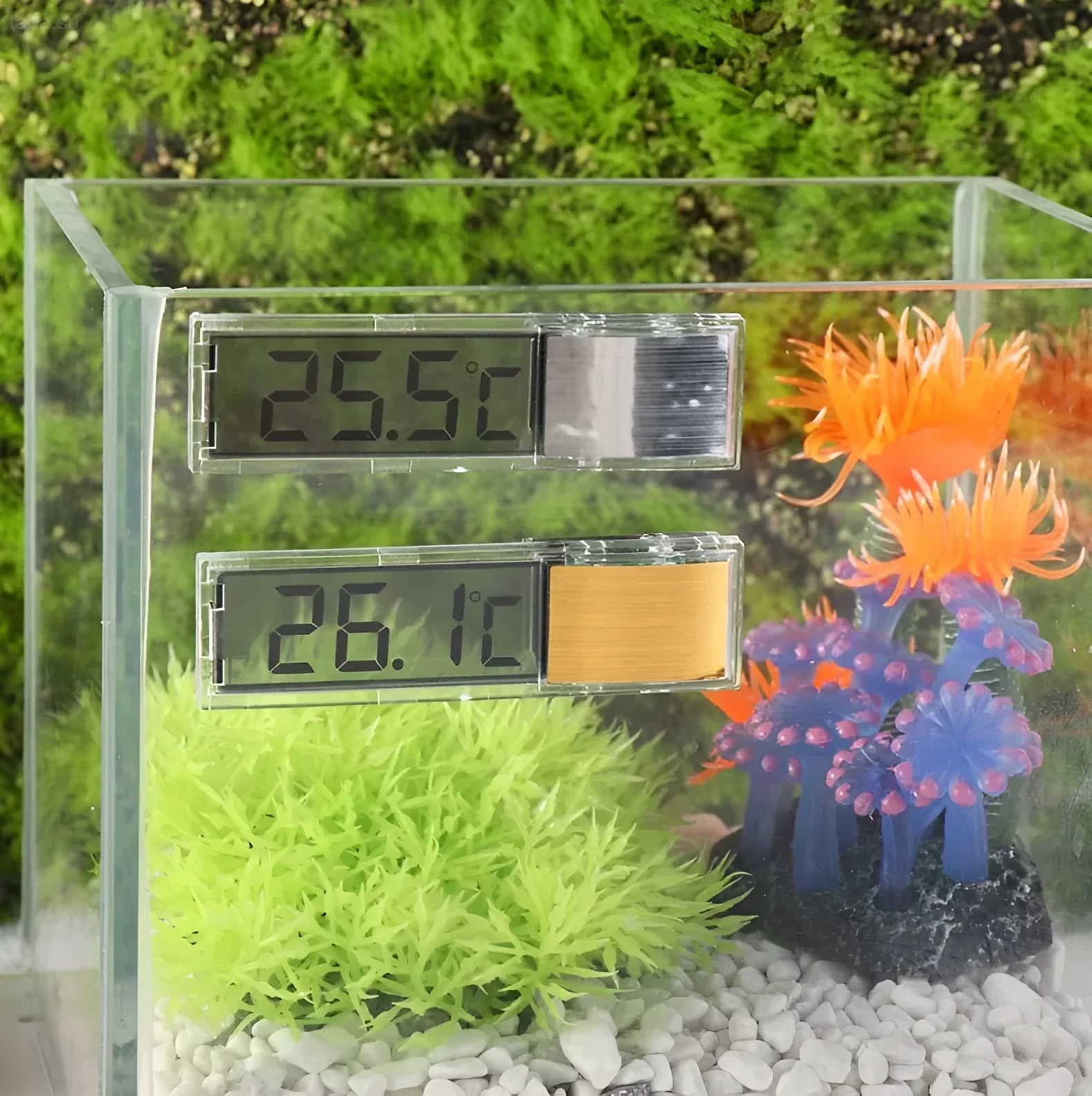
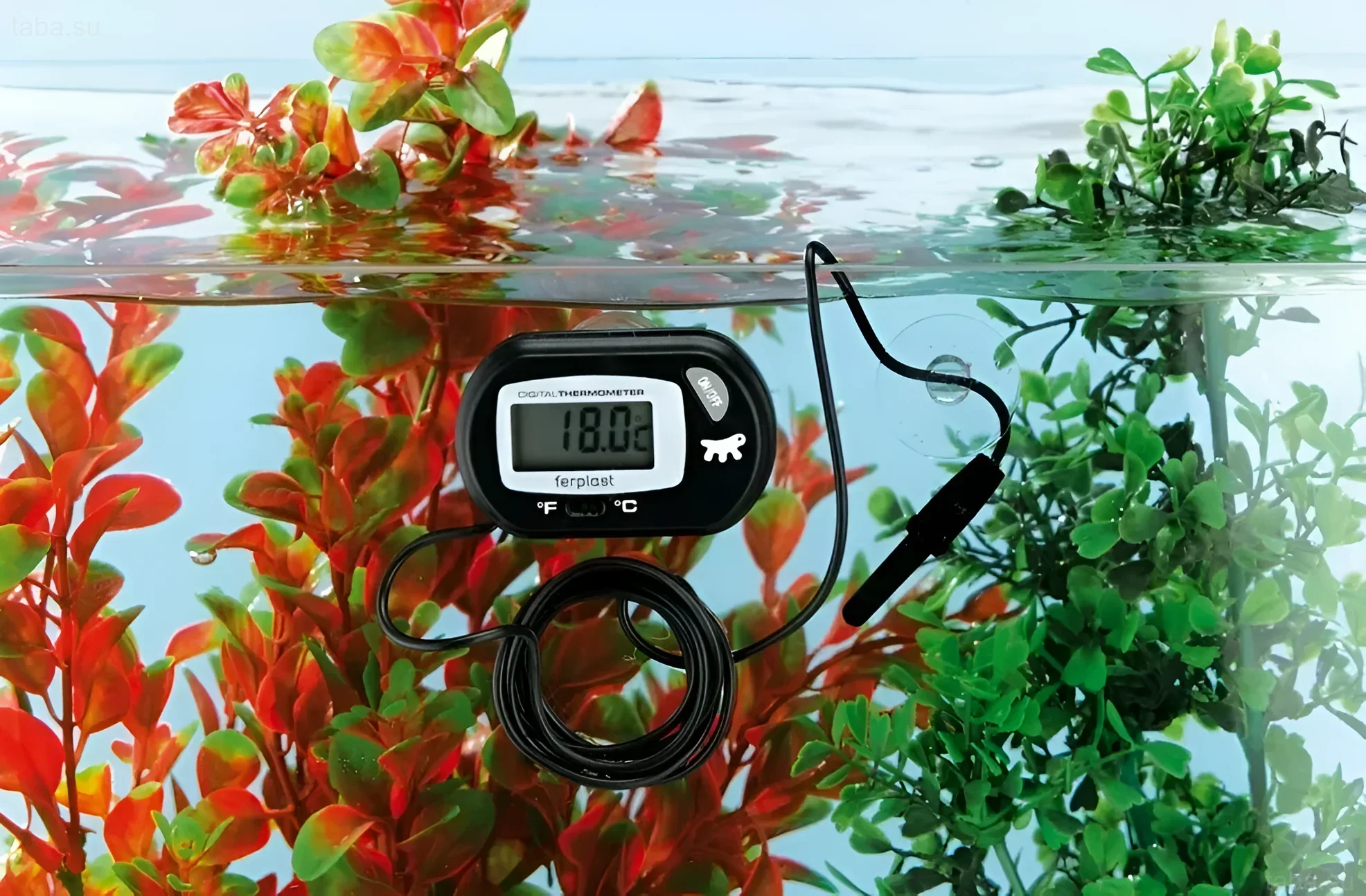
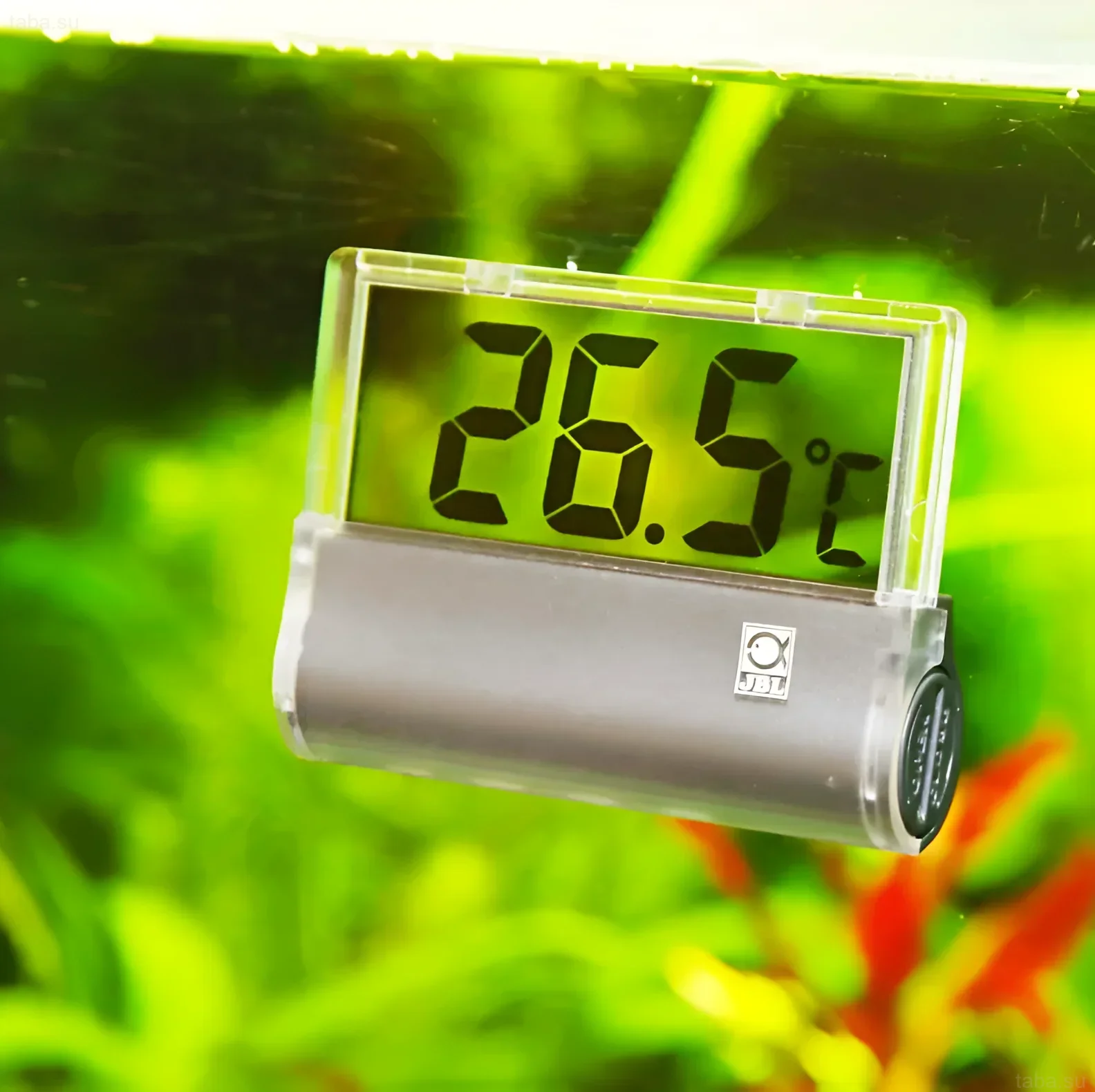
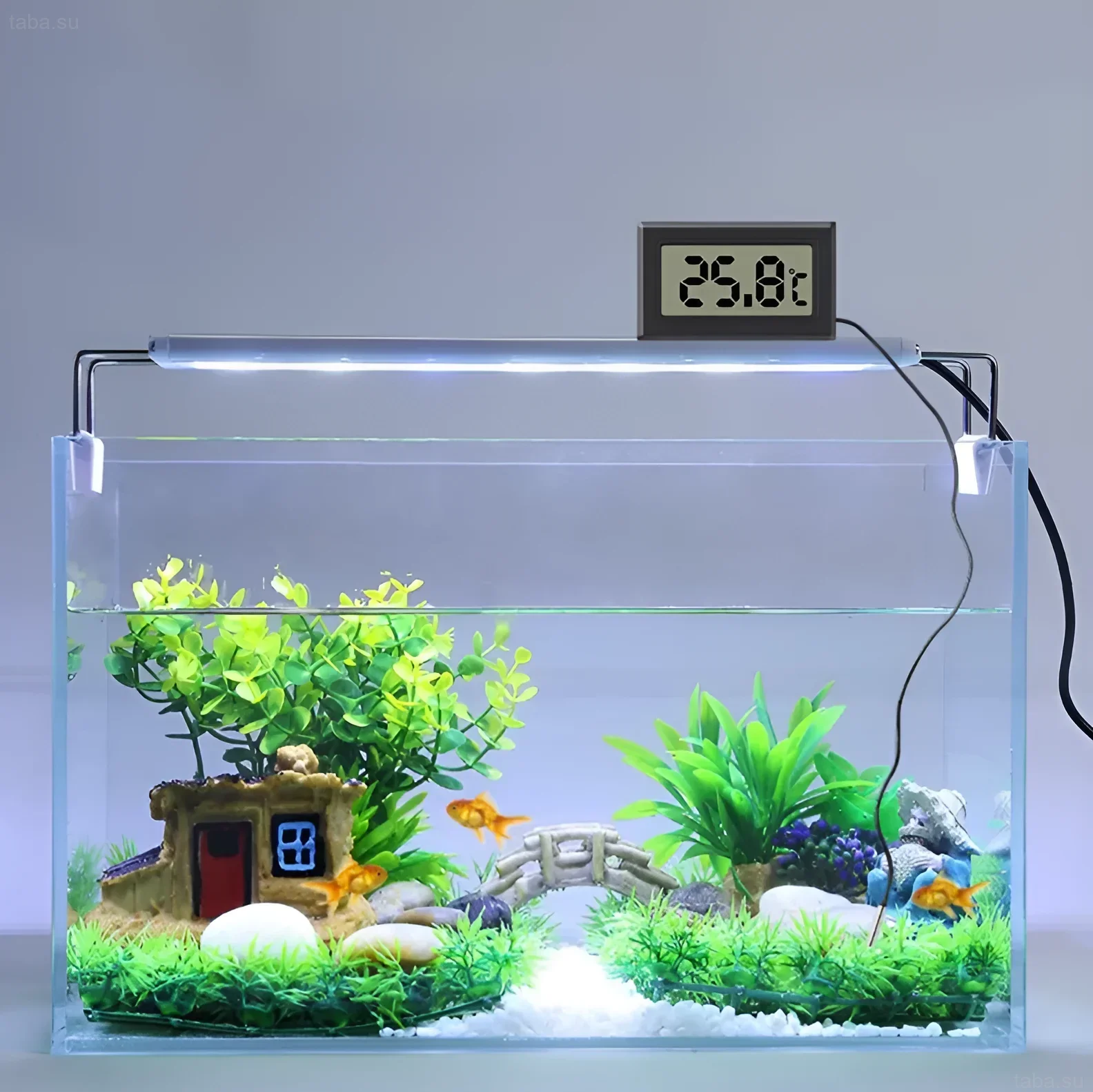
- Electronic with Remote Sensor: Convenient as they allow temperature monitoring without putting your hand in the water.
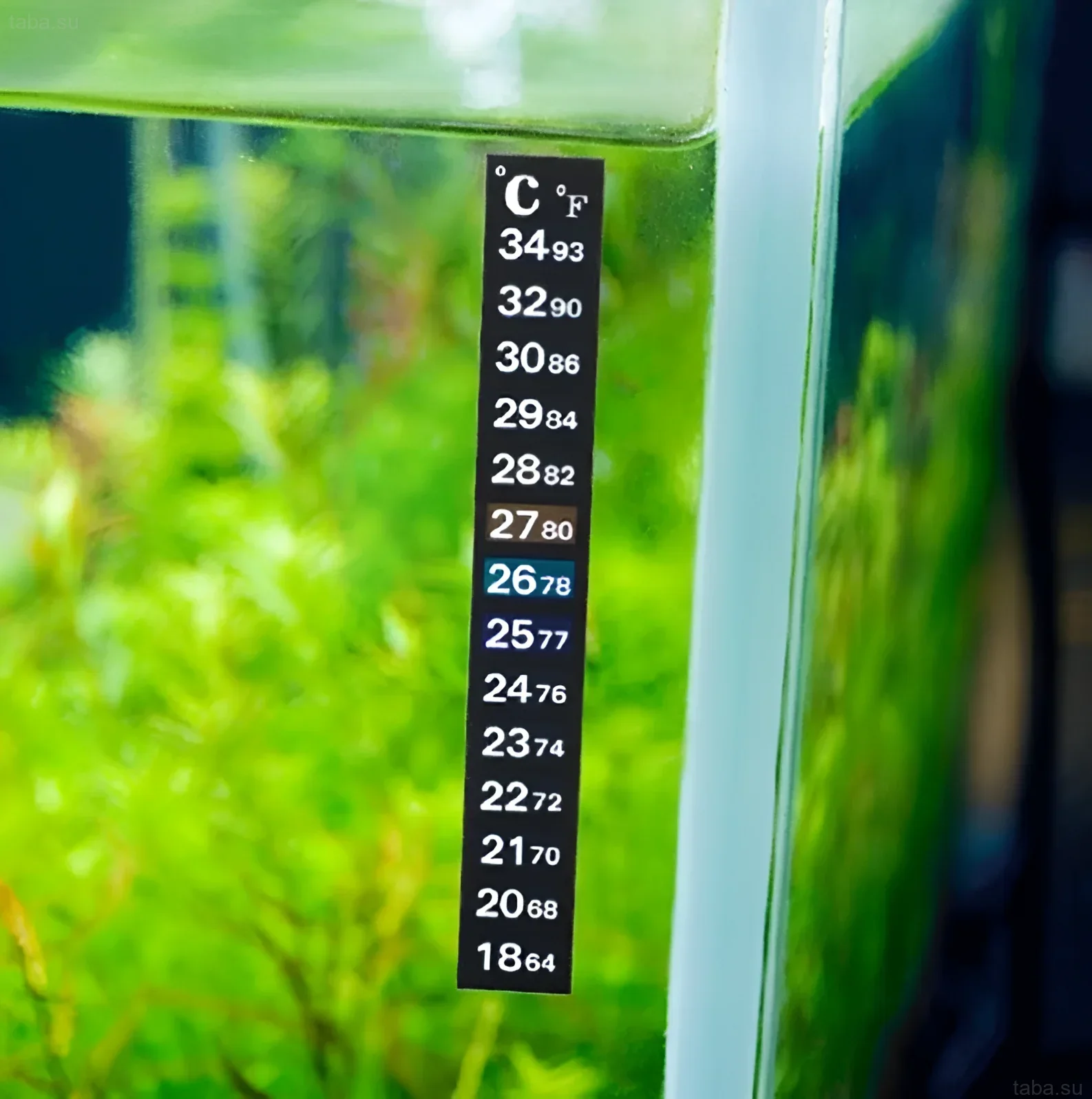
- Sticker Thermometers: The least accurate. They show the temperature of the glass, not the water, and can only be used for approximate monitoring.
Important Tip: It is recommended to use two different thermometers for cross-checking readings, especially after installing a new heater.
Signs That the Aquarium Temperature is Incorrect: How to Recognize the Problem?
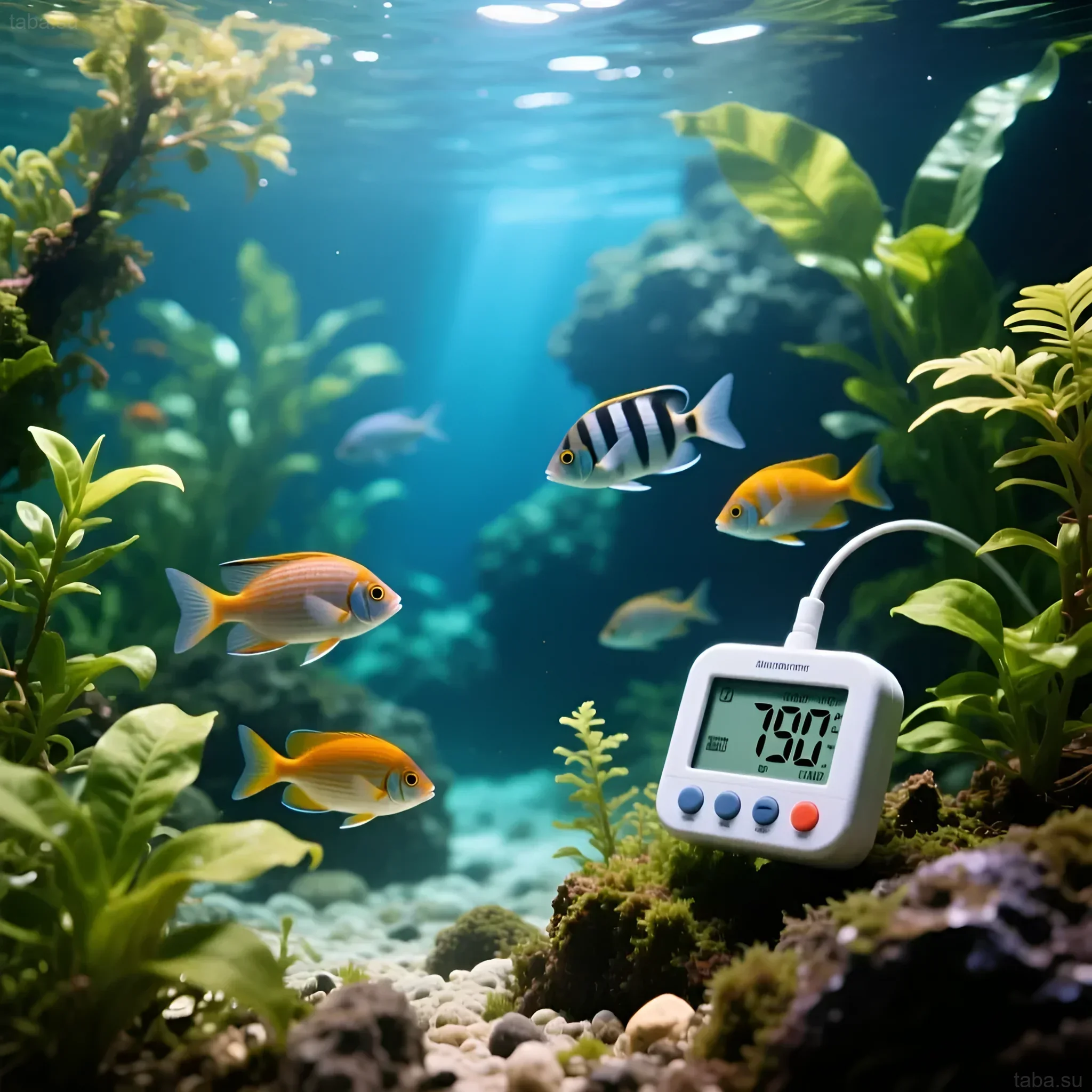
Fish give clear signals when the temperature regime is disturbed. The aquarist must be able to quickly interpret these behavioral and physiological changes.
Symptoms of Hypothermia (Temperature Below Normal)
A drop in temperature slows down all life processes and causes a state close to shock.
- Behavior: Fish become lethargic, inactive, and often lie on the bottom or hide.
- Appearance: Fins may be “stuck together” or pressed against the body (fins “curled”).
- Diseases: The risk of an Ichthyophthirius multifiliis outbreak sharply increases, as the parasite’s life cycle slows down at low temperatures, but the fish’s immunity weakens.
Symptoms of Overheating (Temperature Above Normal)
Overheating is a more dangerous condition, as it quickly leads to oxygen starvation.
- Behavior: Fish become hyperactive, nervous, and then quickly exhausted.
- Breathing: The most obvious sign is rapid breathing. Fish often rise to the surface and greedily gulp air (effect of oxygen deficiency).
- Color: Paleness of coloration may be observed, caused by severe stress.
Expert Tips: How to Avoid Sharp Temperature Fluctuations and Maintain Stability
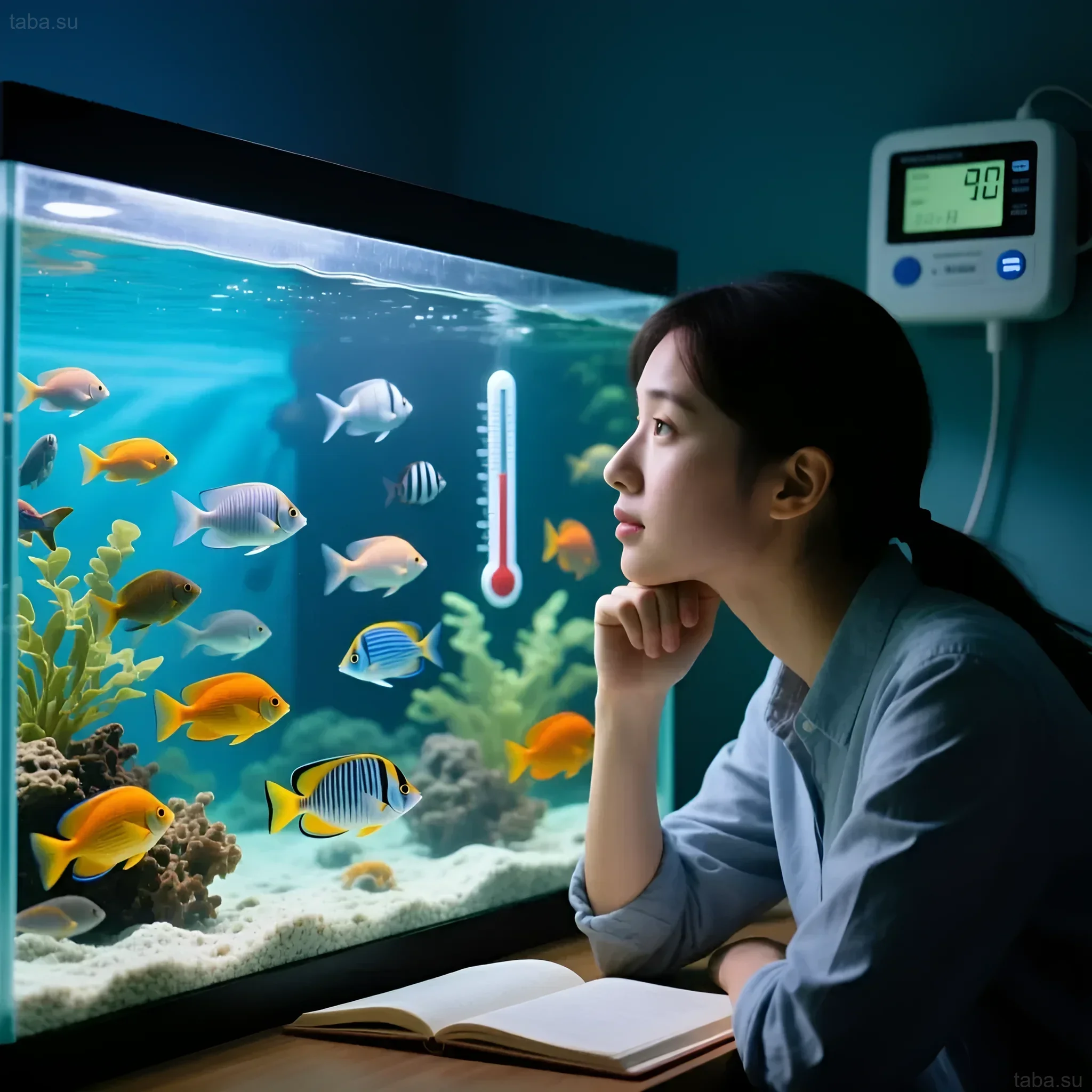
Maintaining the temperature regime requires attention not only to equipment but also to external conditions and care procedures.
Recommendations for Installation and Care
- Aquarium Location: Never place the aquarium near direct heat sources (radiators, heaters) or cold sources (windows, air conditioners, doors). Drafts are the enemy of stability.
- Insulation: Use an aquarium lid. It not only prevents evaporation but also significantly reduces heat loss, stabilizing water temperature.
- Water Preparation: When changing water, always use water whose temperature is as close as possible to the temperature in the aquarium (allowable difference not more than 1°C). Using water that is too cold is a common cause of shock and illness.
- Double Control: If the aquarium volume exceeds 300 liters, it is recommended to use two less powerful heaters instead of one very powerful one. This ensures more uniform heating and safeguards the system from complete failure in case one of the devices breaks down.
- Summer Cooling: In hot weather, when the room temperature rises above 28°C, active cooling is necessary: fans directed at the water surface (evaporation effectively lowers temperature), or special aquarium chillers.
FAQ: Most Common Questions About Optimal Temperature for Tropical Fish
Taba.su experts answer the most relevant questions related to aquarium temperature regimes.
1. What is the ideal temperature for spawning?
For most egg-laying tropical fish, such as Barbs (Puntius) or Neons, spawning stimulation is often achieved by raising the temperature by 1–3°C above the usual norm (e.g., to 27°C – 28°C) combined with softened water and abundant feeding. This mimics the onset of the rainy season, which signals reproduction.
2. How quickly can the temperature be raised or lowered?
Changes should be as gradual as possible. The optimal rate of change is no more than 1°C per hour. A sudden temperature change (thermal shock) is one of the most frequent causes of fish death.
3. Can fish with different temperature requirements be kept together?
This is not recommended. If an aquarium contains, for example, Discus fish (requiring 29°C) and Corydoras catfish (which prefer 23°C), then one of the species will be under constant stress. Always choose a temperature that is a compromise but does not exceed critical limits for the most sensitive inhabitant.
4. How to properly cool an aquarium in summer?
The safest method is to install computer coolers (fans) over the water surface. The evaporation of 1 liter of water can lower the temperature of a 100-liter aquarium by 2–4°C. Using ice bottles is not recommended, as it causes too sharp local temperature fluctuations.
Interesting Facts About the Temperature Preferences of Tropical Fish
The world of tropical aquaristics is full of amazing examples of how fish use temperature for survival and reproduction.
- Temperature-Dependent Sex Determination (TSD): In some cichlid species, especially African ones, the incubation temperature of eggs determines the sex of the future offspring. For example, higher temperatures may produce more males, which is an important tool for professional breeders.
- Raising Temperature for Treatment: Temperatures of 30°C – 31°C are often used for non-medicinal treatment of Ichthyophthirius multifiliis. At this temperature, the parasite’s life cycle accelerates, allowing it to be expelled from the fish’s body into the water, where it becomes vulnerable to chemical treatments or filtration. However, this requires additional aeration due to reduced oxygen levels.
- “Cold Season” for Longevity: Some species, like White Cloud Mountain Minnows (Tanichthys albonubes), although considered tropical, are actually subtropical and require periodic short-term temperature drops (to 18–20°C) to stimulate immunity and prolong life, mimicking their natural winter period.
In conclusion, it can be stated that the optimal temperature for tropical fish is not just a number on a thermometer, but a dynamic parameter requiring constant monitoring and adaptation. By ensuring a stable and comfortable thermal regime, the aquarist lays the foundation for the health, longevity, and successful reproduction of their underwater pets.
Additional Images
Gallery of remaining images (click to view):