
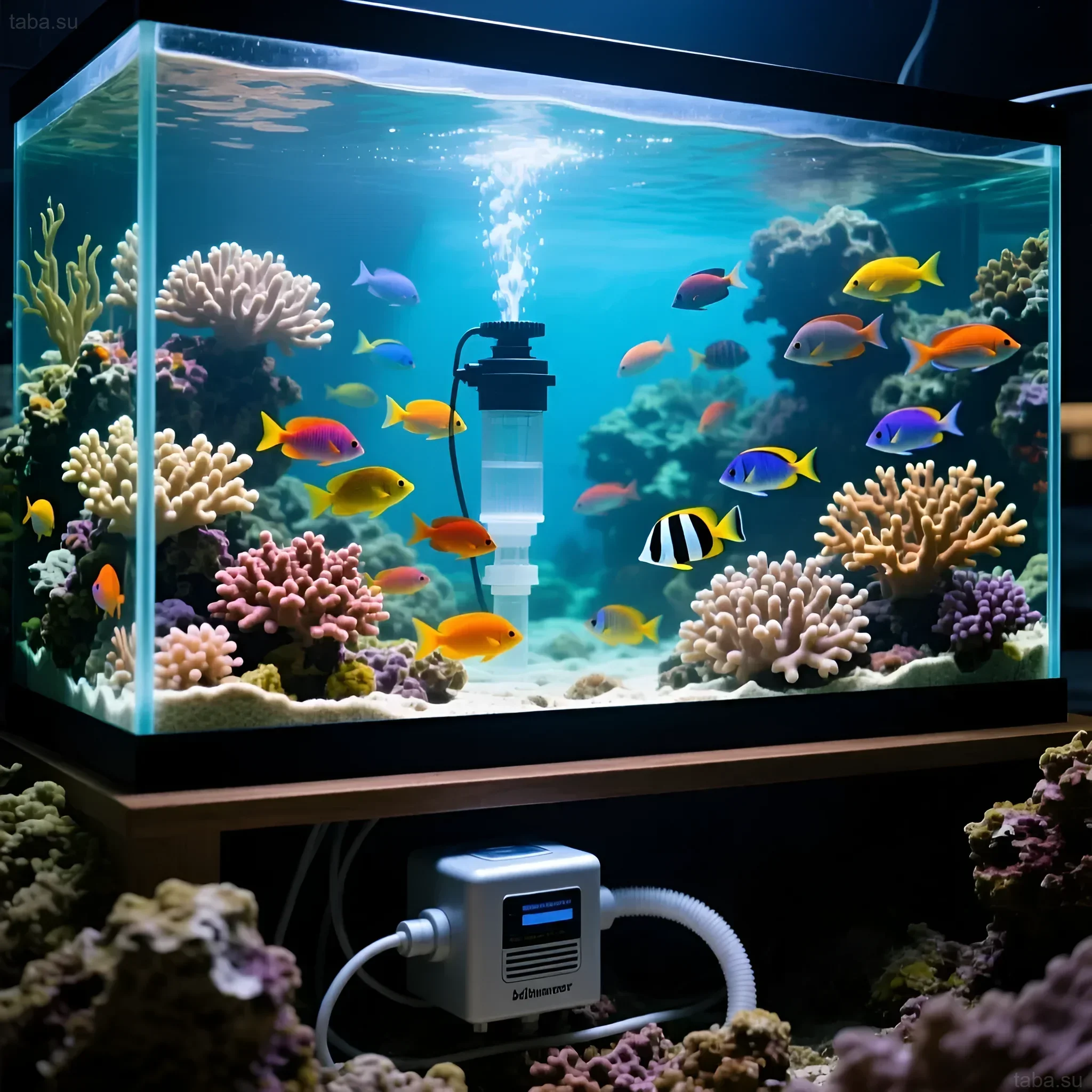
Aquaristics, especially marine, requires a deep understanding of filtration processes and maintaining the ideal chemical balance of water. Unlike freshwater systems, where the main load falls on biological filtration and regular water changes, marine reef aquariums need an aggressive mechanism to remove organic compounds before they break down into nitrates and phosphates. This is precisely the critical function performed by a protein skimmer (also known as a foam fractionator).
Current Pumps in Aquariums: Why You Need a “Storm” and How to Create It
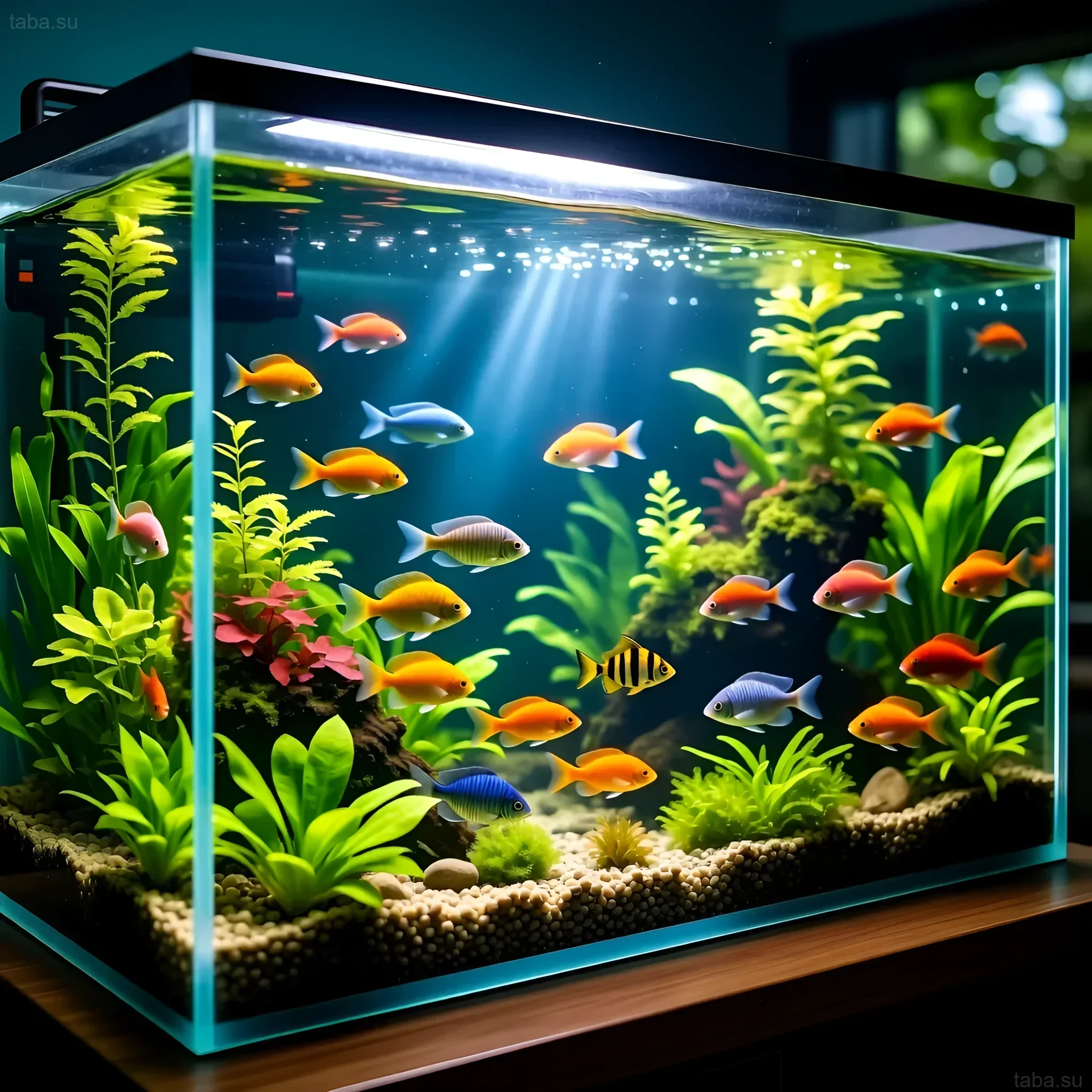
Experienced aquarists have long known: an aquarium is not just a static vessel of water. It is a dynamic, complex ecosystem that requires constant movement and exchange. While external filters provide basic filtration, they are rarely capable of creating the necessary hydrodynamic picture that mimics natural bodies of water. This is where current pumps, or as they are often called, wavemakers and circulation pumps, come into play.
Aquarium Sump: A Complete Guide to Design, Selection, and Maintenance
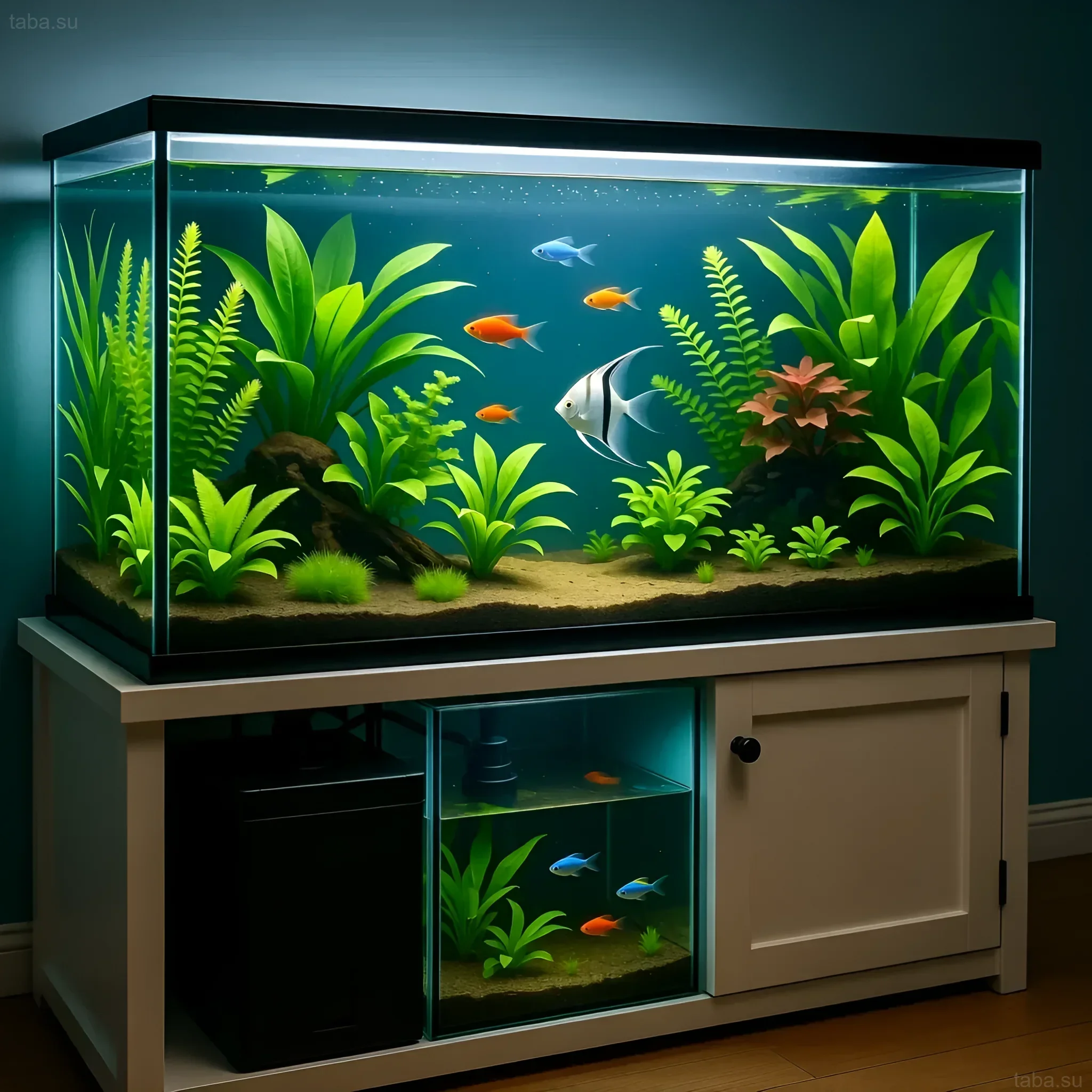
A sump (from the English word “Sump” – reservoir, tray) is an integral part of professional aquaristics, acting as an external technical compartment or reservoir. Its main purpose is to increase the total volume of the system, which is critical for stabilizing water parameters, as well as to house all the necessary equipment that is desirable to hide from the observer’s eyes. Initially popularized in marine aquaristics, today sumps are actively used in large freshwater systems, especially when keeping demanding fish species or in aquariums with high biological loads.
Algae Scrubber (Refugium): Chaetomorpha and Macroalgae for Nitrate Reduction
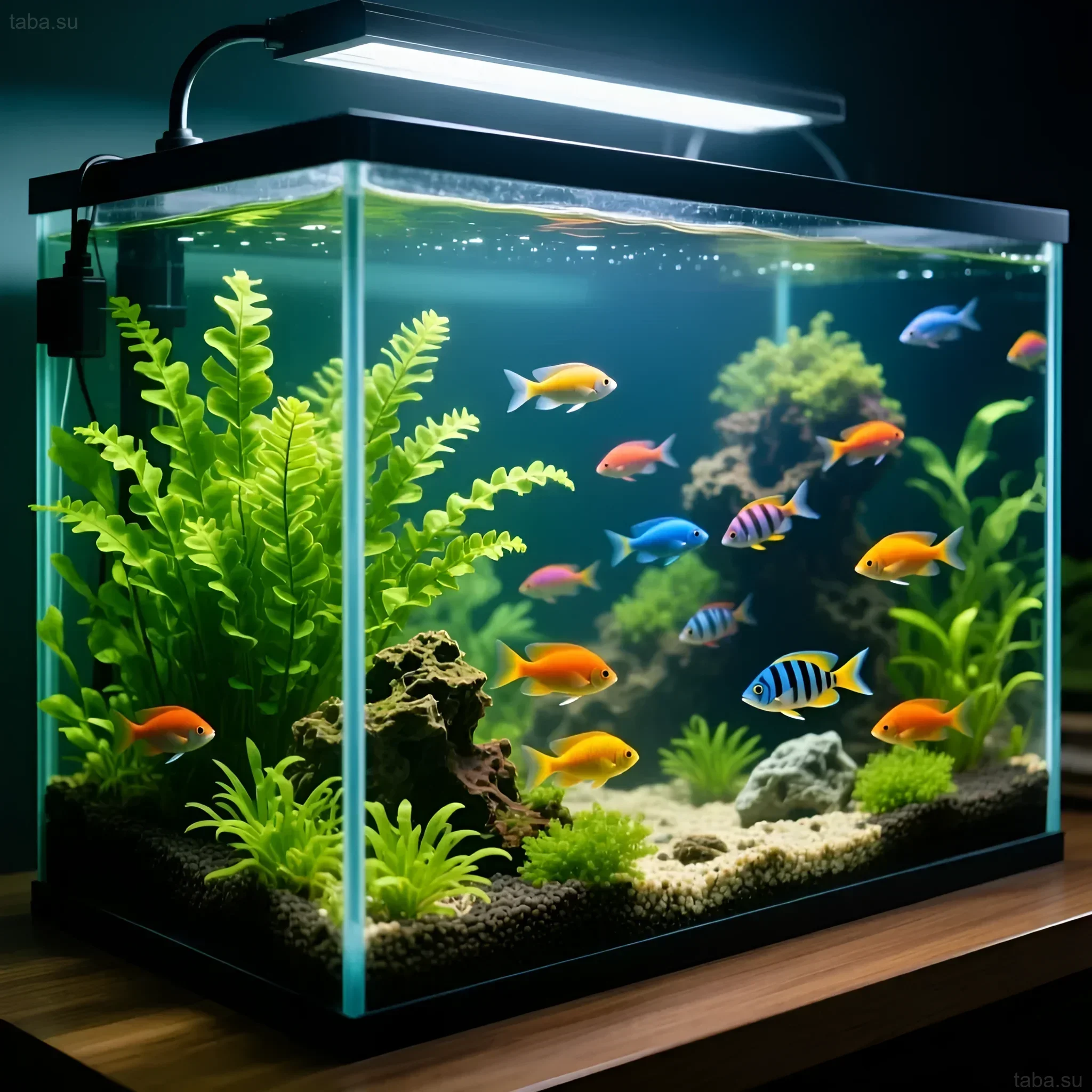
Maintaining a stable biological balance is the cornerstone of successful aquaristics. In conditions of high population density or intensive feeding, aquarium systems often face the problem of accumulating end products of the nitrogen cycle – nitrates (NO3) and phosphates (PO4). These substances, being nutrients for plants, in excess provoke outbreaks of undesirable algae and can negatively affect the health of aquatic organisms. One of the most effective, natural, and elegant solutions to this problem is the installation of an algae scrubber, or refugium, which utilizes the power of fast-growing macroalgae for nutrient export.
Actinic Light for Marine Aquariums: The Role of the Blue Spectrum in Coral Life
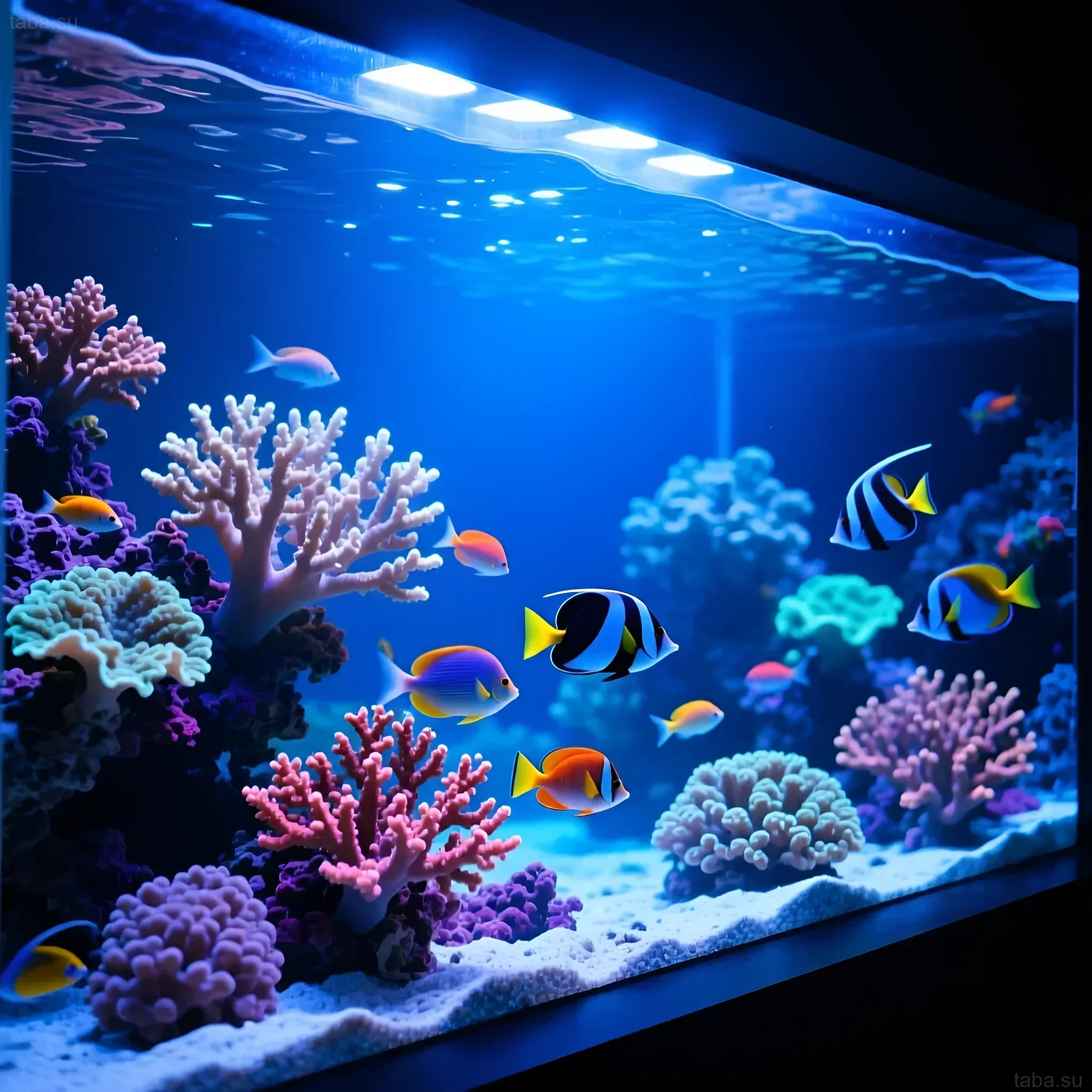
Lighting is one of the four pillars of a successful marine aquarium, alongside filtration, water chemistry, and flow. Unlike freshwater systems, where light spectrum is often chosen based on aesthetics or the needs of higher plants, in a reef aquarium, light is literal food for corals. Leading experts agree that the blue spectrum, known as Actinic, plays a key role in the life of reef organisms. Understanding its functions is the first step to creating a thriving, healthy reef.
Dosing Pumps: Automating Balling and Ensuring Stable Growth of Aquarium Plants
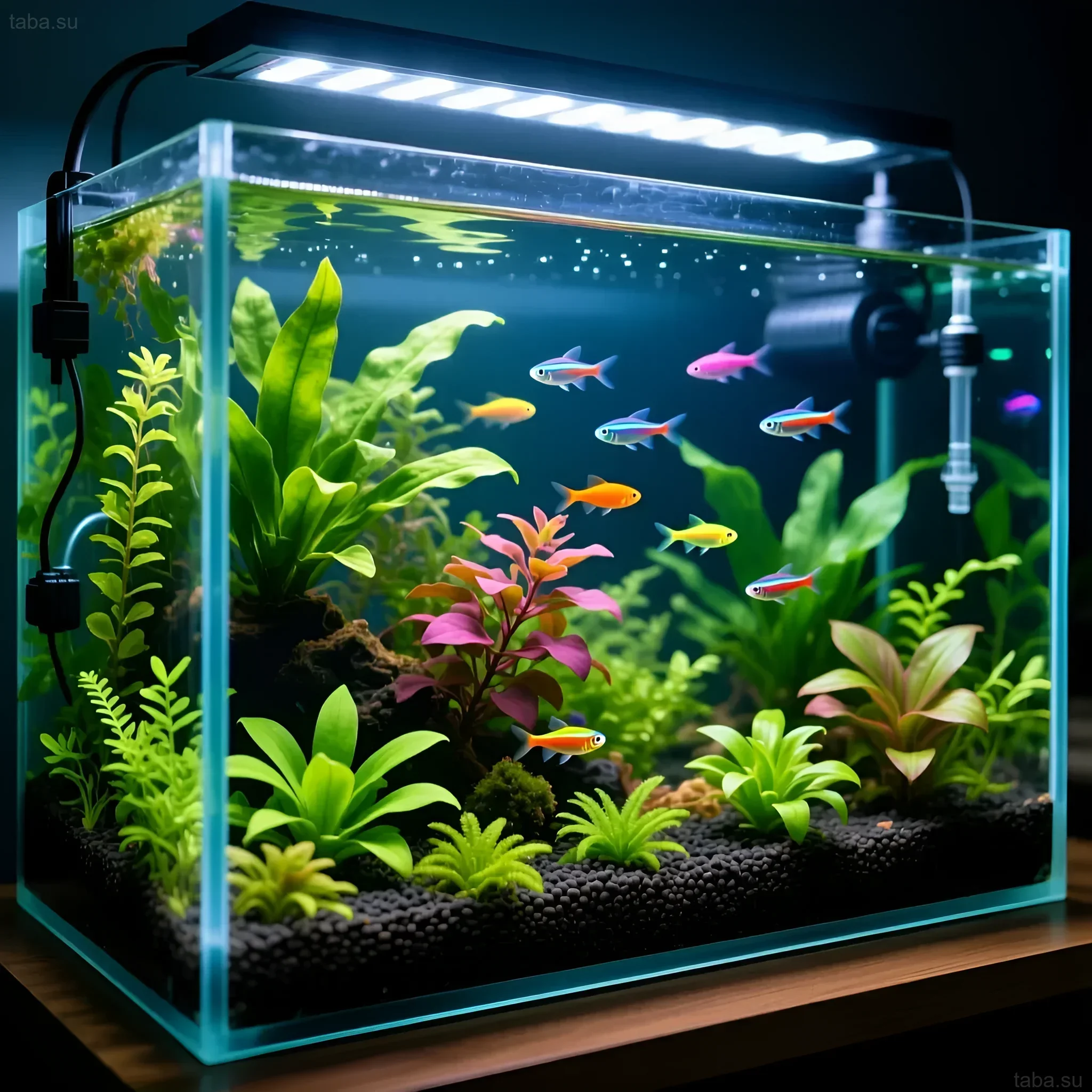
Professional aquaristics requires not only a deep understanding of biology and chemistry but also impeccable control over water parameters. Manual addition of supplements, especially in large volumes or in systems with high stability requirements, is always associated with the risk of error and, more importantly, with inevitable daily fluctuations in concentrations. Transitioning to automated dosing systems is a key step towards creating a truly stable and thriving aquatic system, whether it’s a high-tech planted tank or a specialized shrimp aquarium.
The use of dosing pumps, which have come into the freshwater world from marine aquaristics (where they are standard for the Balling method), allows for precise and regular addition of essential macroelements such as calcium, magnesium, and carbonates (soda), ensuring ideal conditions for aquatic plant growth and the health of aquatic life.
Automatic Water Top-off: Why Evaporation Changes Salinity and How to Control It
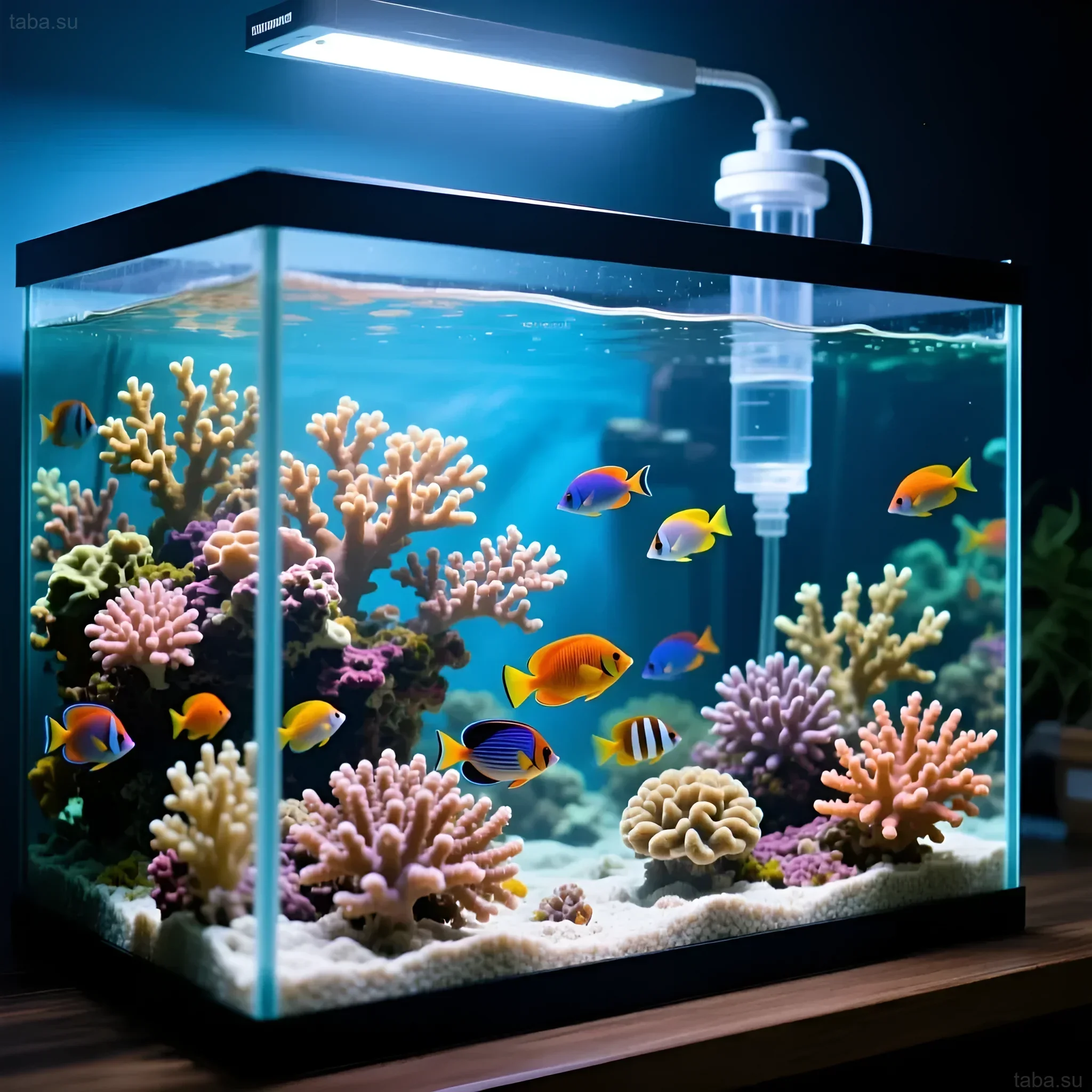
Maintaining stable water parameters is the cornerstone of successful aquaristics, whether it’s a freshwater system with sensitive shrimp (Caridina cantonensis) or a complex reef aquarium. One of the most insidious factors constantly threatening this stability is natural evaporation. Water leaves, but the dissolved substances within it – salts, minerals, trace elements – remain, leading to a gradual but steady increase in their concentration. Automatic Top-Off (ATO) systems were developed to address this problem, ensuring continuous and precise replenishment of evaporated moisture.
Live Rock vs. Dry Reef Rock: A Comprehensive Guide to Choosing for Your Saltwater Aquarium
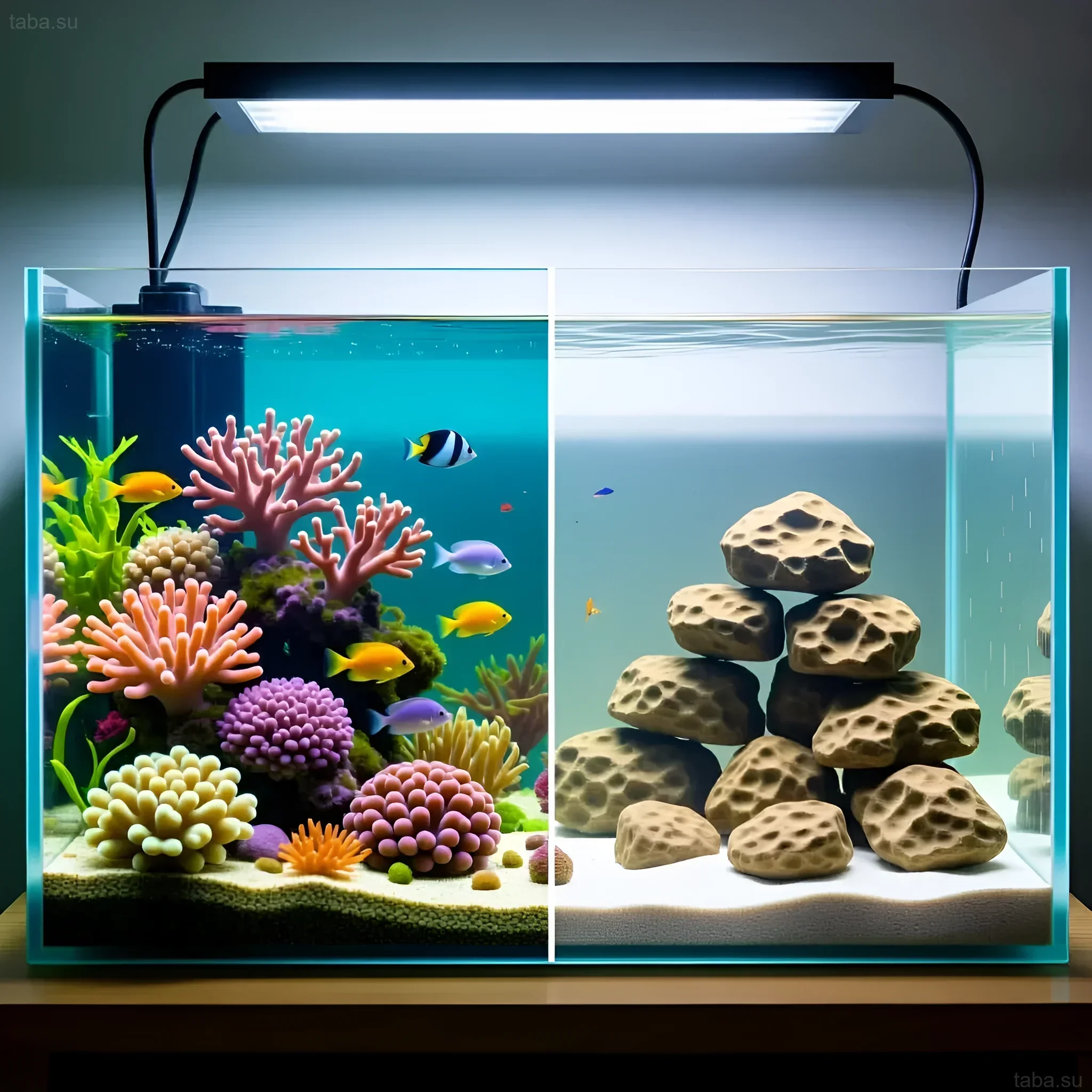
Choosing the substrate for aquascaping and, more importantly, for biological filtration in a saltwater aquarium is one of the most critical stages of setting up the system. The choice between Live Rock (LR) or Dry Reef Rock (DRR) significantly impacts the system’s maturation speed, stability, biodiversity, and ultimately, the success of the reef aquarist. This article provides a comprehensive guide developed by the experts at taba.su to help you make an informed decision on this crucial matter.
LED Floodlights for Aquariums: Budget Lighting for Undemanding Plants
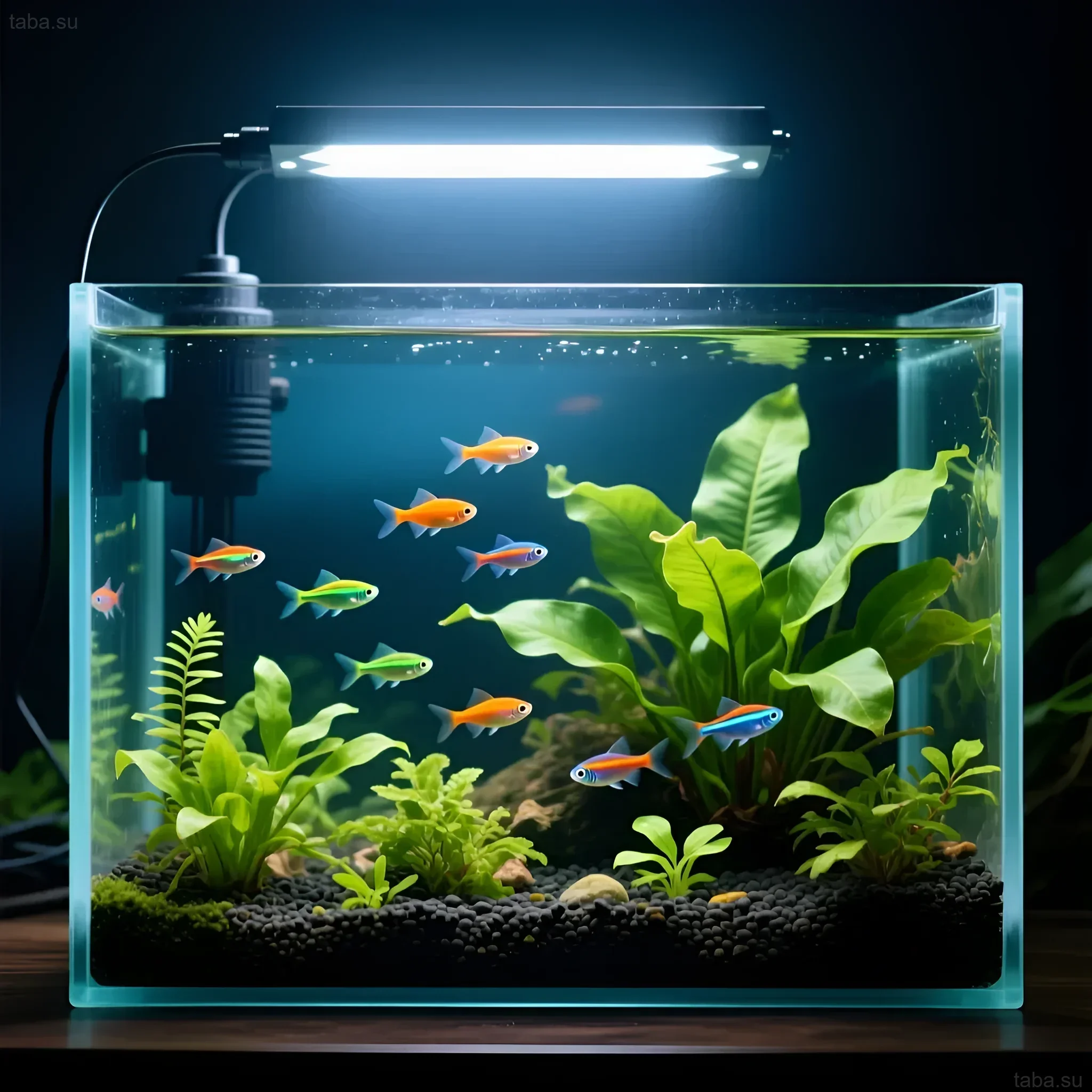
Light is one of the three key elements of a successful aquarium ecosystem, along with nutrition and carbon dioxide. However, the cost of specialized aquarium lights often becomes a significant barrier for beginner aquarists or those maintaining multiple tanks. In recent years, an affordable alternative has emerged on the market – powerful LED floodlights, originally designed for outdoor or industrial lighting. Experts from taba.su have investigated how effectively and safely these budget-friendly solutions can be used to support the life of undemanding aquarium plants.
Compressor and Aerating Filter: When is a Second Oxygen Source Needed?
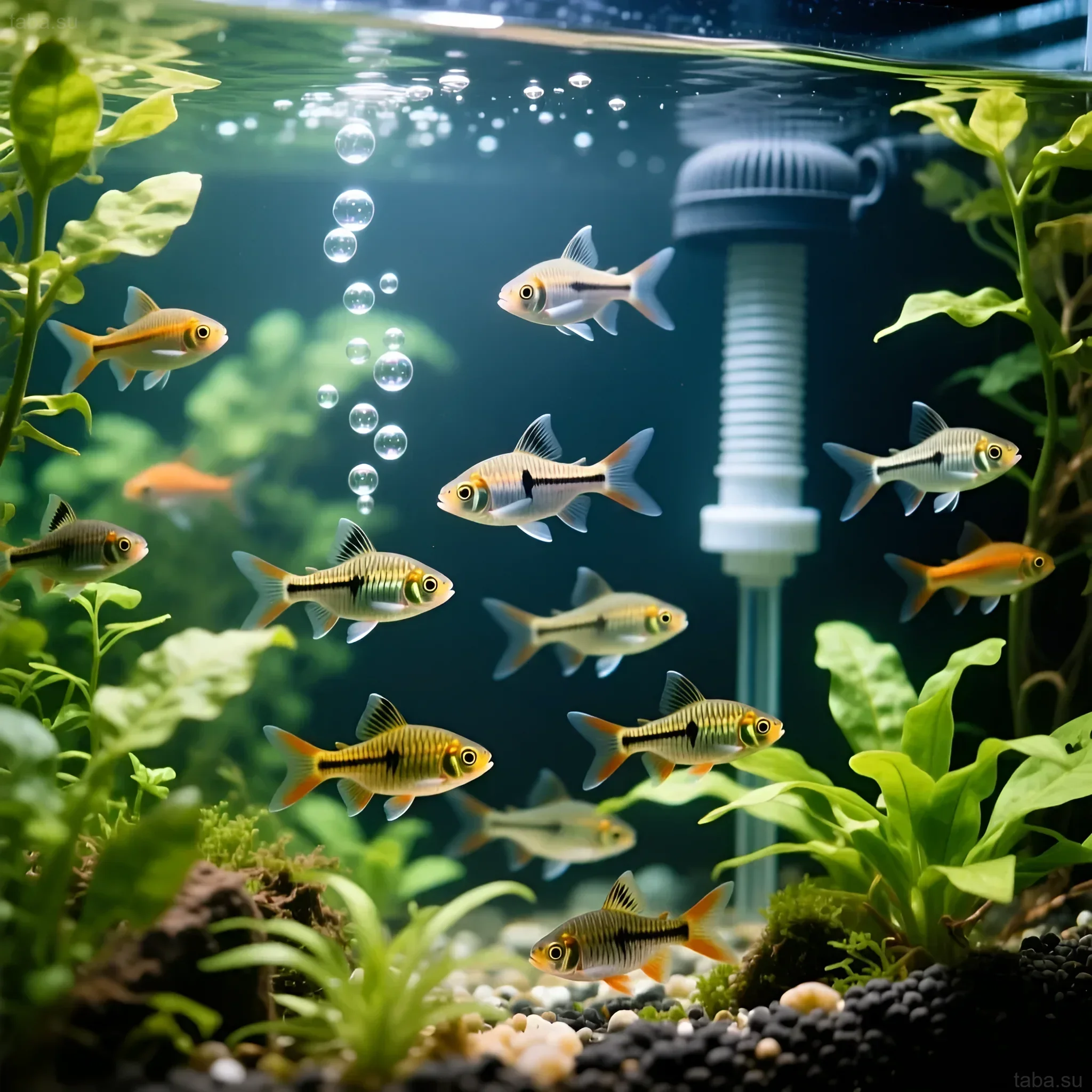
The question of whether an additional compressor is needed when an aquarium already has a filter equipped with an aeration function (Venturi or spray bar) is one of the most common among beginner and even experienced aquarists. This is not just a matter of duplicating functions, but a key aspect of ensuring an optimal environment for aquatic life. Experts from the taba.su portal conducted a thorough analysis to determine under which conditions a filter can cope on its own, and when installing a separate compressor becomes a vital necessity.