
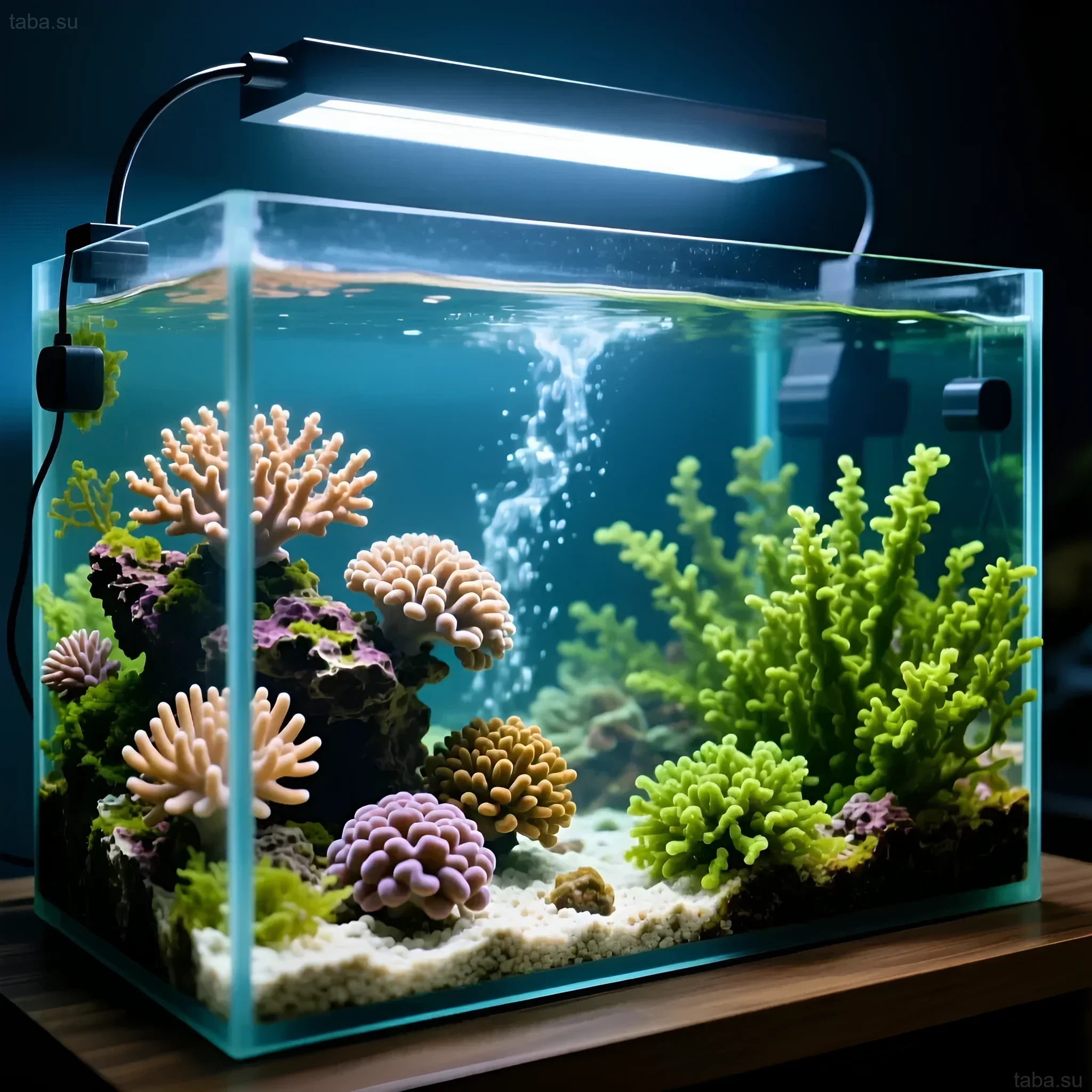
Saltwater aquariology is traditionally considered the pinnacle of mastery, requiring a deep understanding of the biological and chemical processes occurring in a closed ecosystem. Unlike freshwater systems, where stabilization occurs relatively quickly, a saltwater aquarium requires careful planning and patient progression through the maturation process. The key element of this maturation is the nitrogen cycle, and its main accelerator and stabilizer is Cured Reef Rock (CRR), or Live Rock.
Starting a Saltwater Aquarium with CRR: A Complete Guide to the Nitrogen Cycle
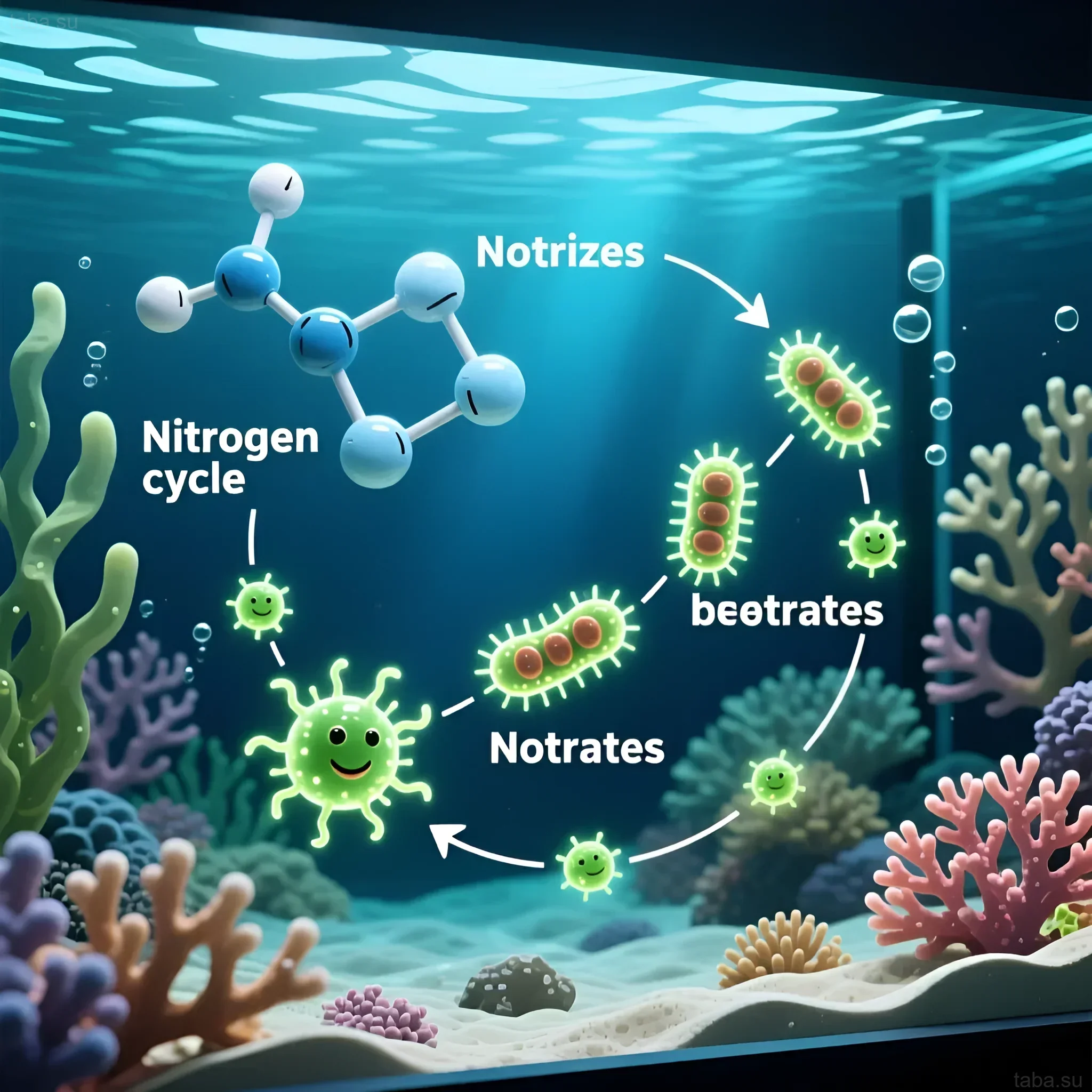
Successfully starting a saltwater aquarium with CRR is not just about filling a tank with water and decorating. It’s about creating a self-sustaining biological system capable of efficiently processing organic waste. CRR plays a central role, as it is not only a building material for the reef but also a home for billions of beneficial bacteria that immediately begin to establish the nitrogen cycle.
The goal of this guide is to provide aquarists, both beginners and experienced, with comprehensive information on how to monitor and manage the nitrogen cycle, utilizing the potential of CRR to create a healthy and stable reef system.
The Nitrogen Cycle in a Saltwater Aquarium: Theory and Fundamentals
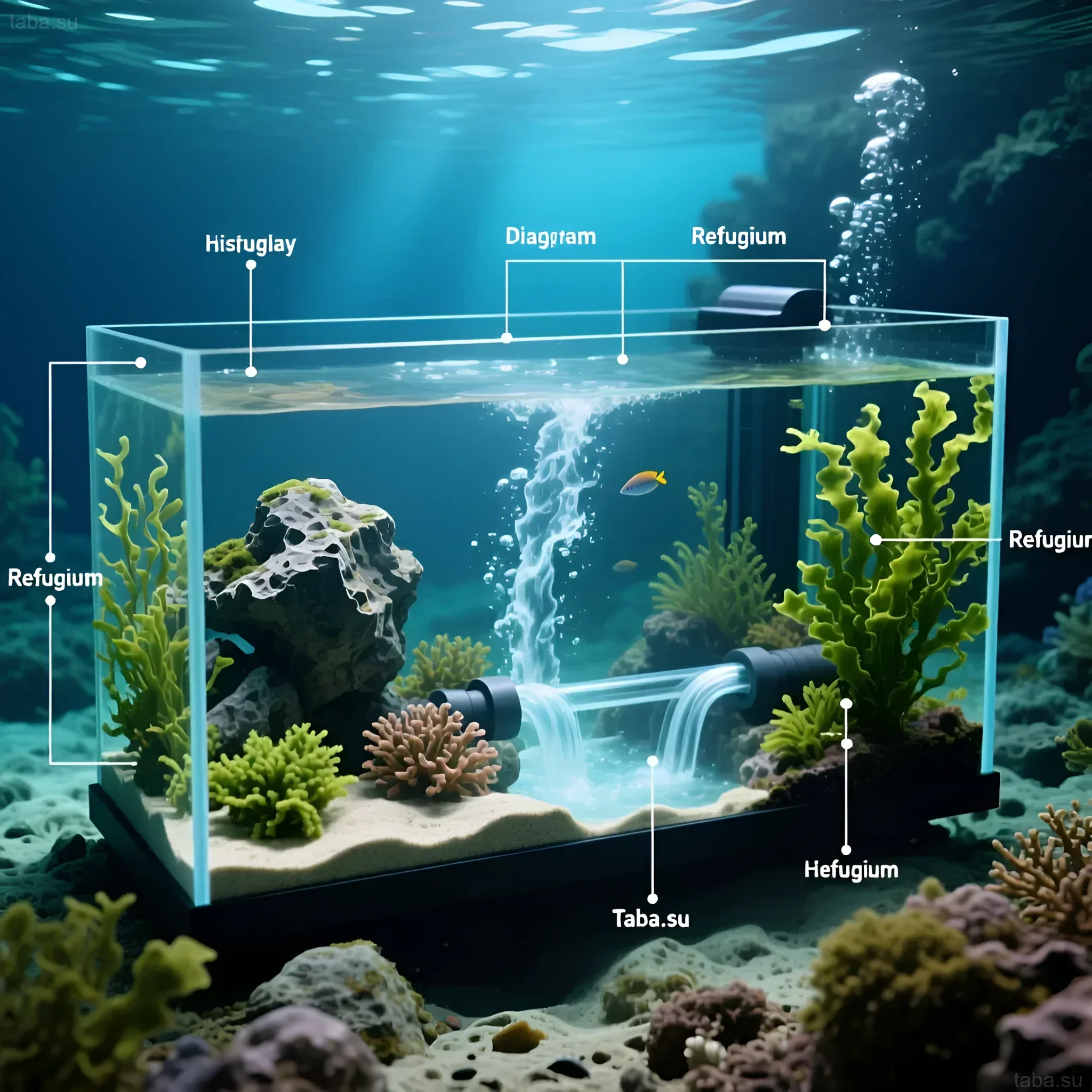
The nitrogen cycle is a fundamental biological process that ensures water detoxification. It converts highly toxic nitrogenous compounds, formed from the life activities of fish, invertebrates, and the decomposition of organic matter, into less dangerous forms.
Three Key Phases of the Cycle
The cycle proceeds in several sequential stages, each critically important for the survival of reef inhabitants:
- Phase 1: Ammonification and Ammonia (NH₄⁺/NH₃). Organic waste (food, excrement, dead organisms) decomposes, forming ammonia (NH₃) and ammonium ion (NH₄⁺). Ammonia is extremely toxic, especially in saltwater with high pH.
- Phase 2: Nitrification and Nitrites (NO₂⁻). Specialized aerobic bacteria of the genus Nitrosomonas oxidize ammonia to nitrites. Nitrites (NO₂⁻) are also highly toxic and can cause methemoglobinemia in fish.
- Phase 3: Nitration and Nitrates (NO₃⁻). Another type of aerobic bacteria, Nitrobacter and Nitrospira, oxidize nitrites to relatively safe nitrates (NO₃⁻).
Denitrification: The Final Stage
In saltwater aquariology, nitrates, although less dangerous than ammonia, become a cause of undesirable algae growth when accumulated and can harm sensitive corals. The process of denitrification is necessary for their removal. This process is carried out by anaerobic bacteria that live in low-oxygen zones, usually in deep sand beds (DSB) or, more importantly, within the porous structure of CRR. They convert nitrates into gaseous nitrogen, which exits the system.
CRR as an Accelerator and Stabilizer of the Nitrogen Cycle
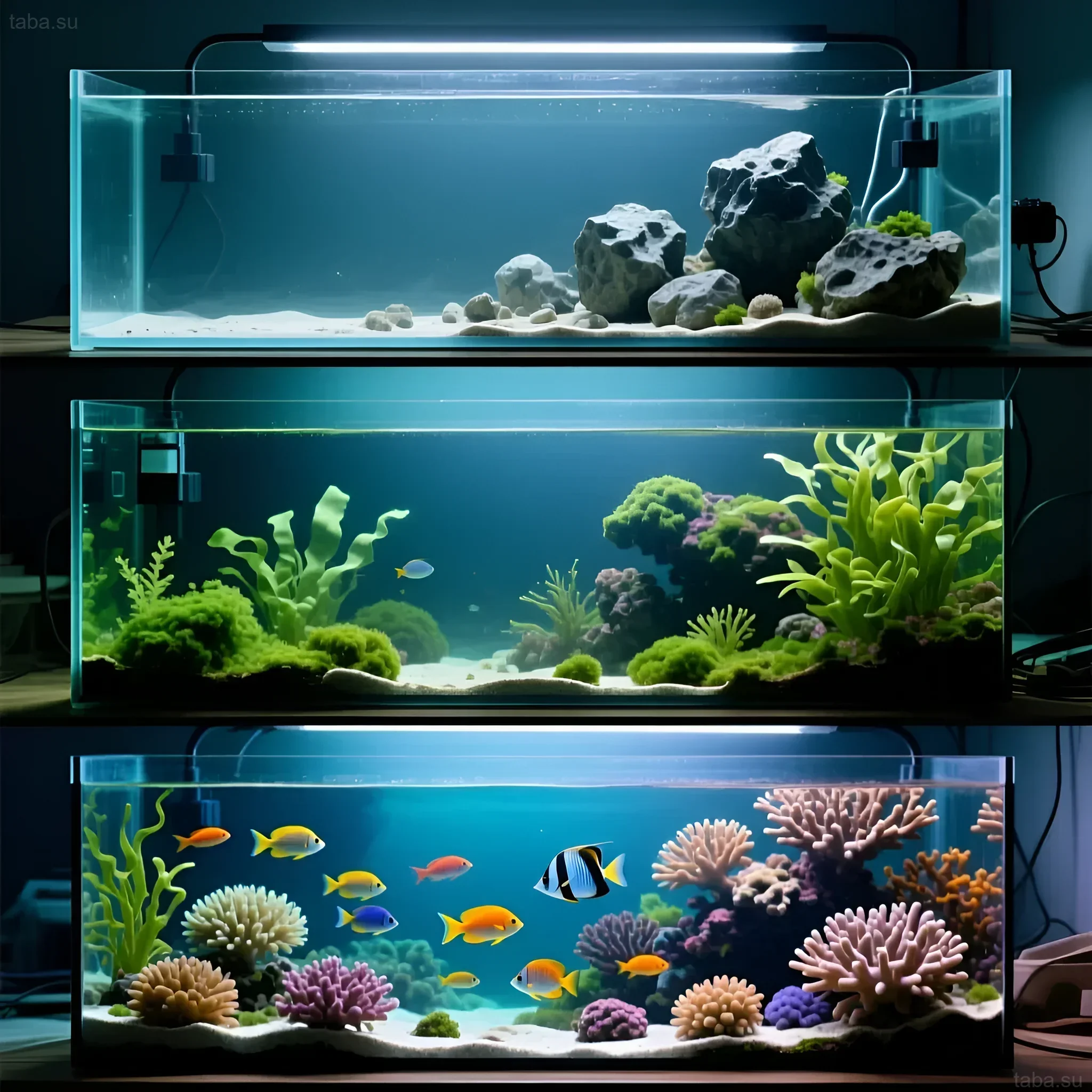
Live Reef Rock is not just decoration; it is a biological substrate that is introduced into the aquarium with pre-colonized bacteria, microfauna, and algae. It is CRR that significantly reduces the aquarium startup time.
Advantages of Using CRR
The porous structure of CRR provides ideal conditions for all stages of the nitrogen cycle:
- Vast Surface Area: One kilogram of quality CRR can host as many beneficial bacteria as tens of liters of ceramic media. This ensures fast and efficient nitrification.
- Oxygen Zonation: The porosity of CRR creates unique microenvironments. The outer layers of the rock are aerobic (high oxygen content), where Nitrosomonas and Nitrobacter thrive. The inner, deep layers are anaerobic (low oxygen content), where denitrification occurs.
- Source of Biodiversity: CRR introduces beneficial microfauna (copepods, amphipods) into the system, which aid in the utilization of detritus and organic waste, thereby reducing the load on the nitrogen cycle.
The CRR “Maturation” Process
Even “live” rock requires an initial maturation (or “curing”) phase. During transport and addition to the aquarium, some of the organic matter on the rock (microorganisms, algae) dies. This leads to an initial, often sharp, ammonia spike. This spike initiates the nitrogen cycle in the new system.
Step-by-Step Saltwater Aquarium Startup with CRR: A Practical Guide
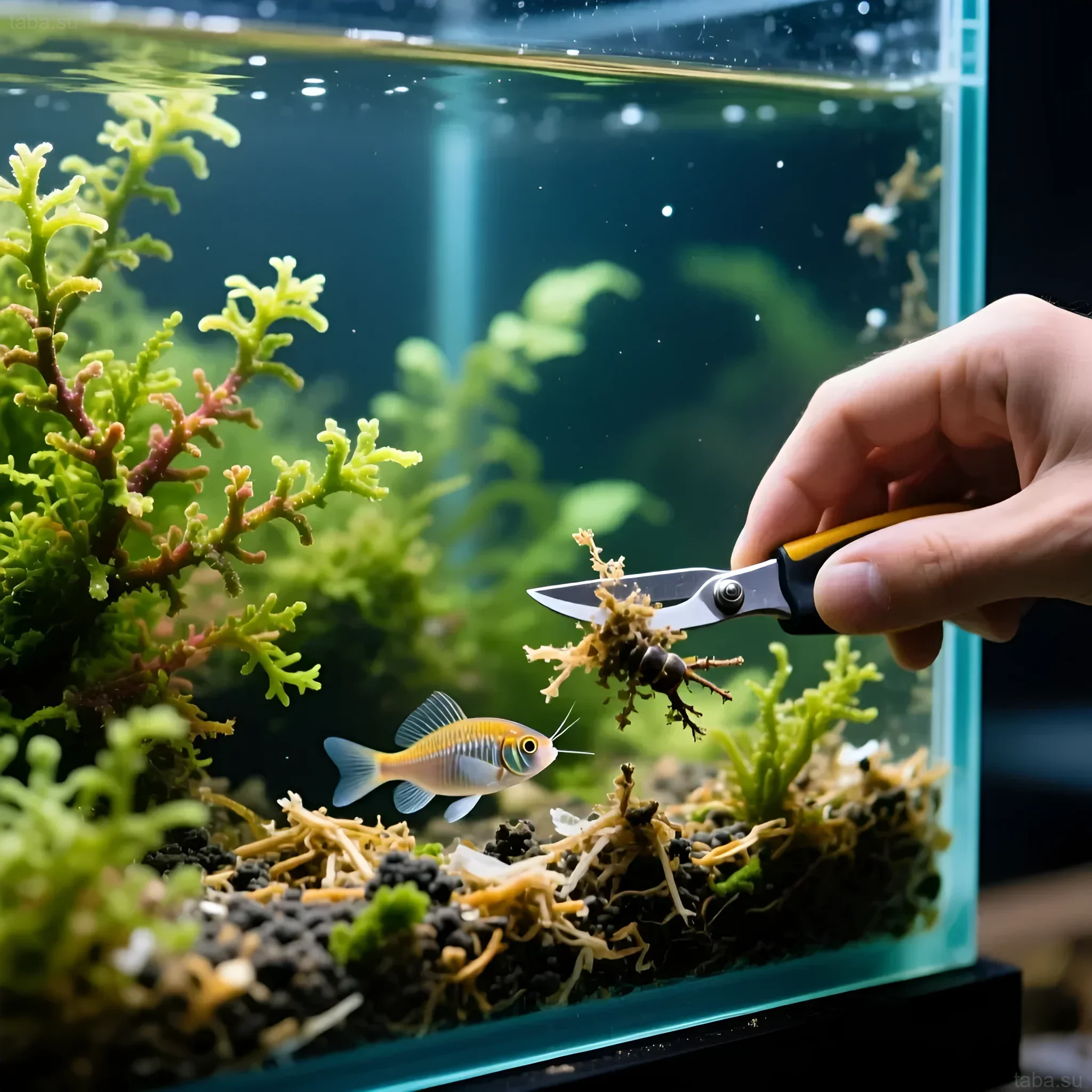
Starting an aquarium with CRR requires methodical approach and strict water parameter control. The key stages are outlined below.
Stage 1: Preparation and Setup
- Water: Use only reverse osmosis (RO/DI) water mixed with high-quality marine salt to achieve a salinity of 1.024–1.026 SG (34–35 ppt).
- Equipment: Start the filtration system, heater, skimmer (though it may not be very effective at the start), and most importantly, the powerheads. Strong flow is essential for delivering oxygen and ammonia to the CRR surface.
- Adding CRR: Arrange the rock in the aquarium to create the desired reef landscape (aquascape). It is recommended to use 0.5–1 kg of CRR per 4 liters of water.
Stage 2: Initiating the Cycle and Monitoring
After adding CRR, the “curing” and active nitrification phase begins. If the CRR was delivered moist and fresh, ammonia will appear within 24–48 hours.
Important Monitoring Steps:
- Test the water daily for ammonia (NH₃), nitrites (NO₂⁻), and nitrates (NO₃⁻).
- Ammonia Spike: Usually occurs within 3–7 days. At this time, ammonia will be high, and nitrites and nitrates will be zero.
- Nitrite Spike: As Nitrosomonas colonies grow, ammonia will start to drop, and nitrites will rise sharply (usually 7–14 days).
- Nitrate Appearance: As Nitrobacter colonies become active, nitrites will start to drop, and nitrates will rise.
The cycle is considered complete when tests show 0 ppm ammonia and 0 ppm nitrites for at least three consecutive days, with measurable nitrate levels.
Stage 3: Stocking (First Inhabitants)
After the cycle stabilizes, you can introduce a clean-up crew (turbo snails – Turbo spp., hermit crabs – Paguroidea). The first fish, preferably hardy ones (e.g., chromis – Chromis viridis or damselfish), should be introduced 1–2 weeks after the clean-up crew, in very small batches.
CRR Care and Nitrogen Cycle Maintenance: Tips and Recommendations
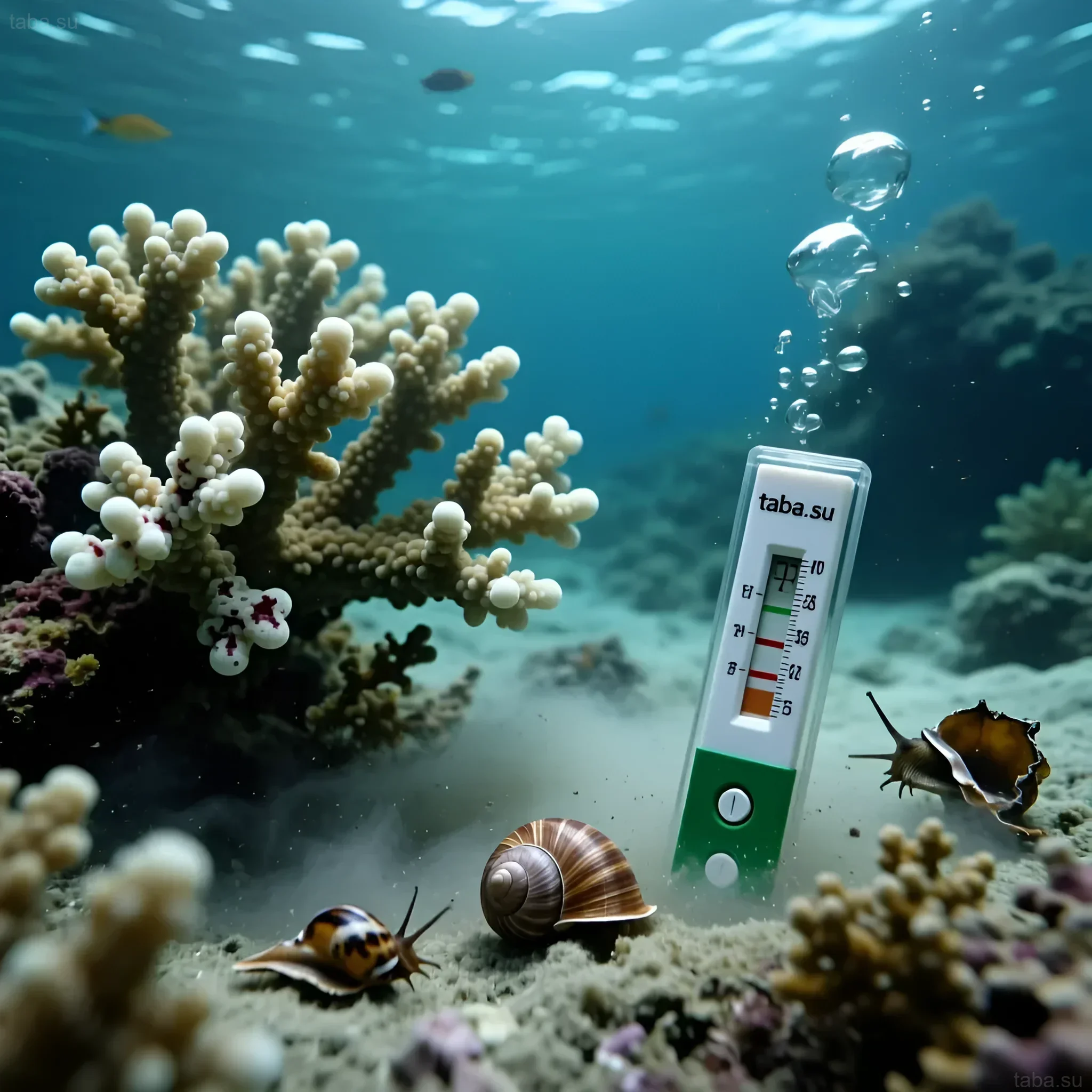
After the cycle is complete, CRR becomes the primary biological filter. Its health directly affects the stability of the entire system.
Optimizing the Environment for Bacteria
- Flow and Oxygen: Ensure strong, turbulent flow directed at the CRR. This guarantees oxygen delivery to aerobic bacteria and prevents detritus accumulation on the rock surface, which can become a source of ammonia.
- Lighting: Excessively bright light during the startup phase can trigger the growth of diatoms and cyanobacteria, which compete with nitrifying bacteria for nutrients. Initial lighting should be moderate.
- Skimmer: A skimmer (protein skimmer) is a mechanical means of removing organic matter before it decomposes into ammonia. Its effective operation reduces the overall load on the CRR’s biological filtration.
Nitrate Management
Although CRR contains anaerobic zones for denitrification, this may not be sufficient in densely populated aquariums. The following methods are used to control nitrates:
- Regular water changes (10–20% monthly).
- Use of chemical adsorbents or reactors for granular ferric oxide (GFO).
- Cultivation of macroalgae (e.g., Chaetomorpha linum) in a sump, which consume nitrates and phosphates.
Common Problems with the Nitrogen Cycle in Saltwater Aquariums and Their Solutions

Even when using CRR, aquarists may encounter difficulties related to disruptions in the nitrogen cycle balance.
1. Prolonged or “Stalled” Cycle
Problem: Ammonia levels drop, but nitrites remain high for weeks, or conversely, the cycle doesn’t start.
Causes: Insufficient initial ammonia (if CRR was fully “cured” before installation), or the introduction of medications that kill bacteria.
Solution: Add a small source of ammonia (e.g., a pinch of food). Ensure salinity, pH (should be 8.1–8.4), and temperature are within optimal ranges, as Nitrobacter bacteria are very sensitive to these parameters.
2. Diatom Algae Bloom (“Brown Dust”)
Problem: Appearance of a brown film on CRR and substrate 2–4 weeks after startup.
Causes: Diatoms use silicates and nitrates, which are often released in the early stages of CRR maturation or are present in poor-quality water.
Solution: Ensure RO/DI water with zero TDS is used. Increase the number of clean-up snails. Gradually introduce phosphate and silicate adsorbents into the system.
3. Sudden Ammonia Spike in a Mature System
Problem: Unexpected appearance of ammonia after months of stable operation.
Causes: Death of a large inhabitant (fish or invertebrate), a sharp drop in pH, skimmer malfunction, or mass die-off of organic matter on CRR (e.g., due to a sudden power outage).
Solution: Immediately locate and remove the source of decomposition. Perform a large water change (25–30%). Add a dose of high-quality commercial nitrifying bacteria (e.g., Seachem Stability).
FAQ: Frequently Asked Questions About Starting a Saltwater Aquarium with CRR and the Nitrogen Cycle
Q: How long does it take to start an aquarium with CRR?
A: When using quality, “fresh” CRR, the nitrification cycle (ammonia and nitrites to zero) typically takes 2 to 4 weeks. However, complete system maturation and nitrate level stabilization can take 2–6 months.
Q: Can “dry” rock be used instead of CRR?
A: Yes, it can. Dry Rock does not contain unwanted pests, but it also does not contain beneficial bacteria. Starting with dry rock requires the mandatory addition of commercial bacterial cultures and takes significantly longer (4–8 weeks) to establish effective biological filtration.
Q: Do I need to add ammonia if I’m using CRR?
A: Generally, no. CRR contains a sufficient amount of dead or dying organic matter to provide an initial ammonia spike. Additional ammonia may be necessary only if you are using completely “cured” CRR that does not produce any measurable NH₃ levels.
Q: When can I add the first corals?
A: Corals, especially sensitive SPS (Small Polyp Stony corals), should not be added until the system is fully stabilized. This means 0 ammonia, 0 nitrites, and critically, a consistently low level of nitrates (less than 10 ppm, ideally less than 5 ppm) and phosphates, as well as stable alkalinity (dKH), calcium, and magnesium parameters. This typically occurs no earlier than 6–8 weeks after the nitrogen cycle is complete.
Interesting Facts About the Nitrogen Cycle and CRR in Saltwater Aquariology
- Nitrification Speed: The bacteria responsible for converting nitrites to nitrates (Nitrobacter) reproduce and function significantly slower than the bacteria that convert ammonia to nitrites (Nitrosomonas). This is why the nitrite spike often lasts longer than the ammonia spike.
- Temperature Dependence: The optimal temperature for nitrifying bacteria is 24–28°C. At temperatures below 20°C, their activity slows down sharply.
- Porosity is Life: Quality Live Rock (CRR) from Indonesia or Fiji is valued for its high porosity and low density. The lighter the rock, the more internal cavities it has, and the more effectively it performs the denitrification function.
- Role of Algae: In the early stages of the cycle, when nitrates are high, the growth of macroalgae on CRR (e.g., coralline algae) is a positive sign. They compete with undesirable filamentous algae for nutrients and help stabilize pH by consuming carbon dioxide.
Using CRR when starting a saltwater aquarium is the most reliable way to quickly and effectively establish the nitrogen cycle. Patience, regular water testing, and maintaining optimal flow and chemistry conditions will ensure the transformation of a simple tank into a thriving marine reef.