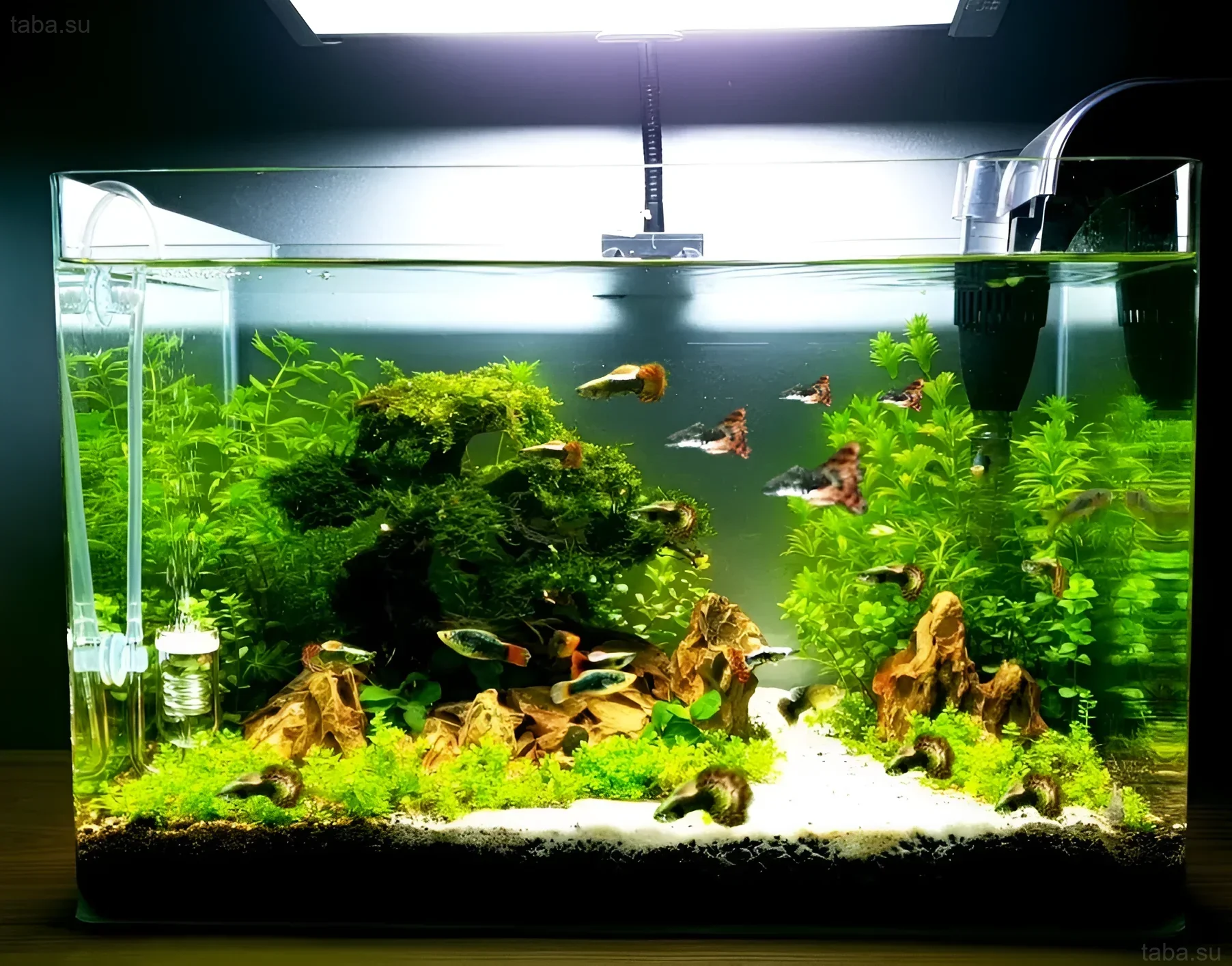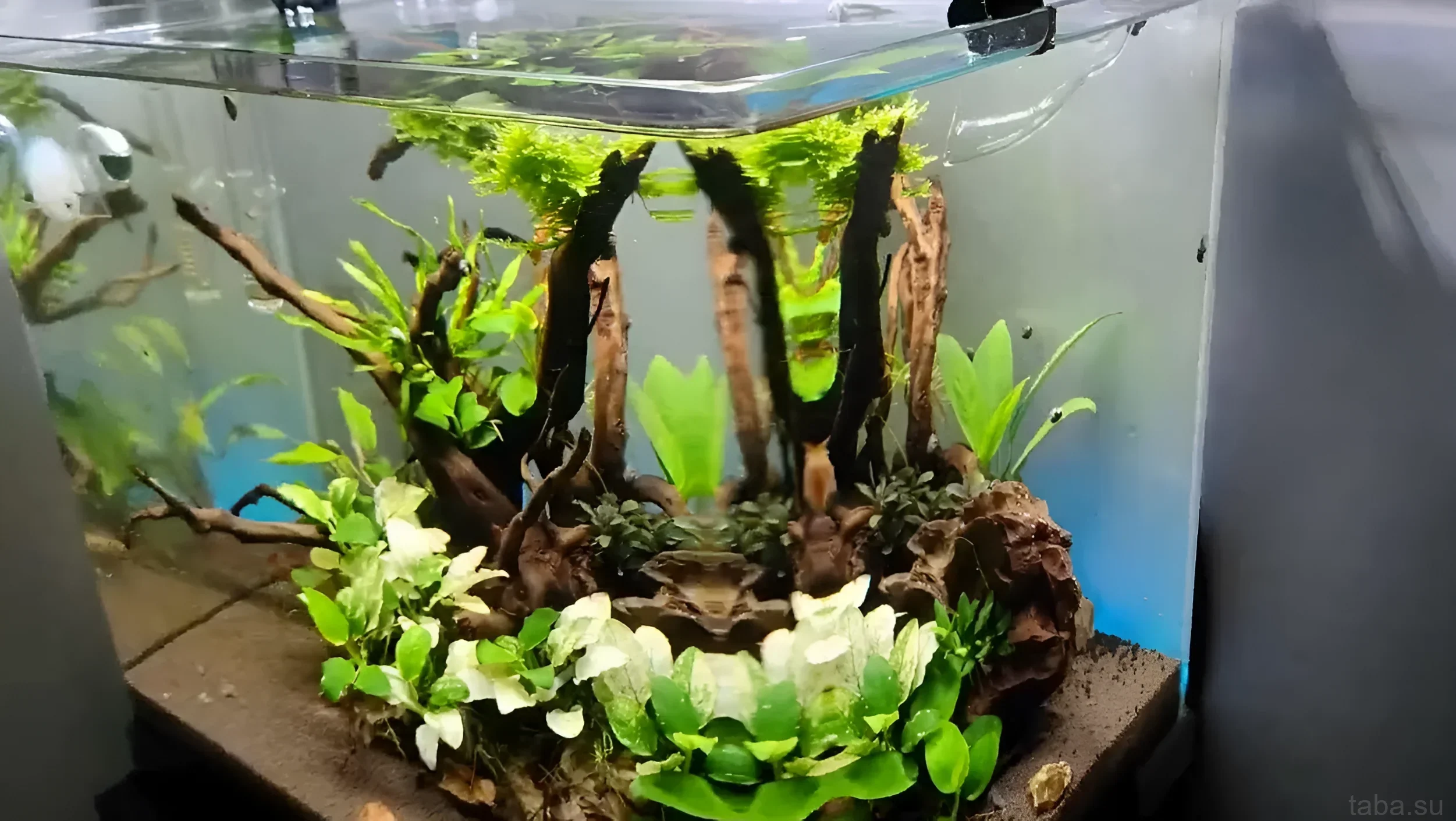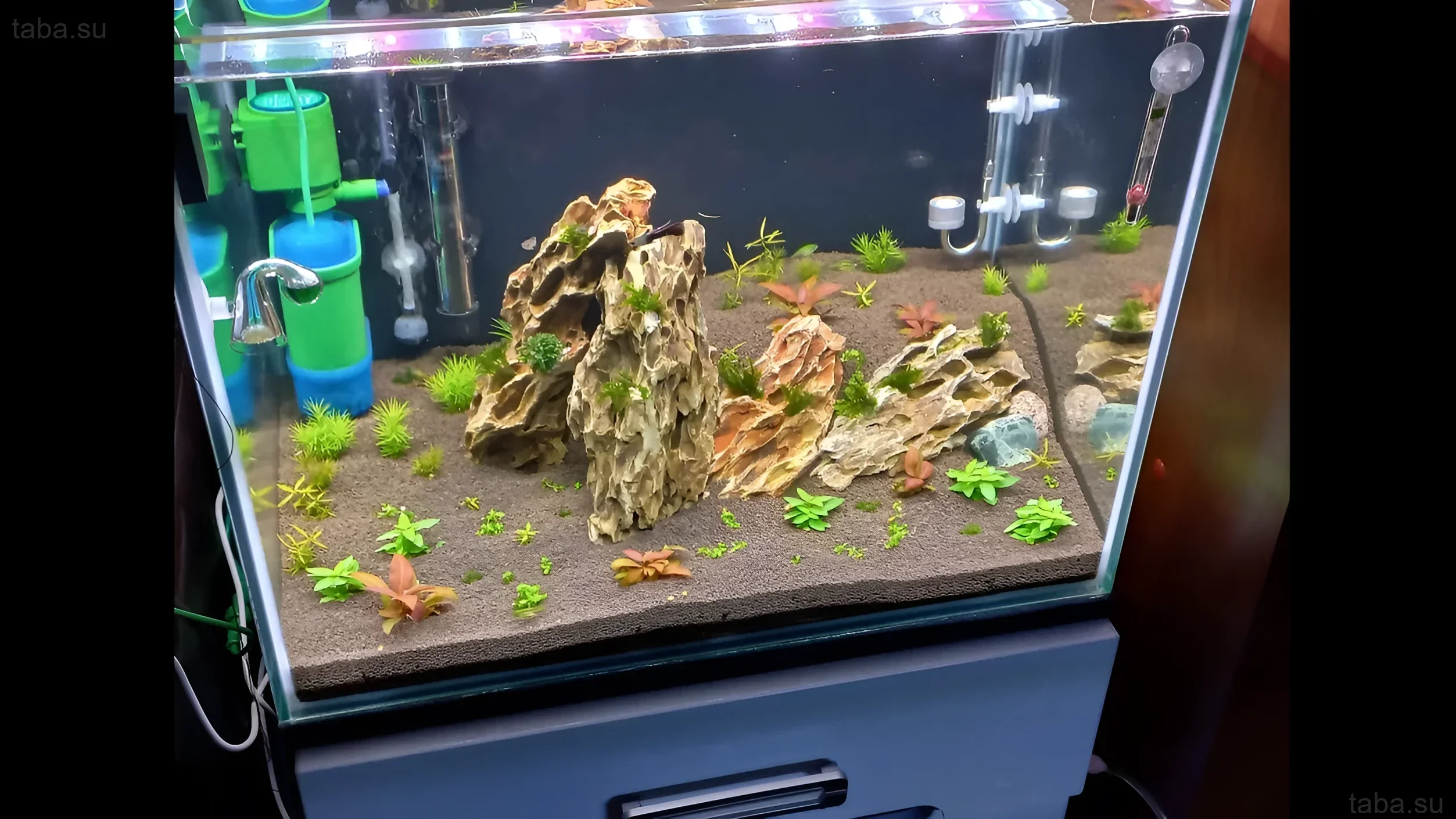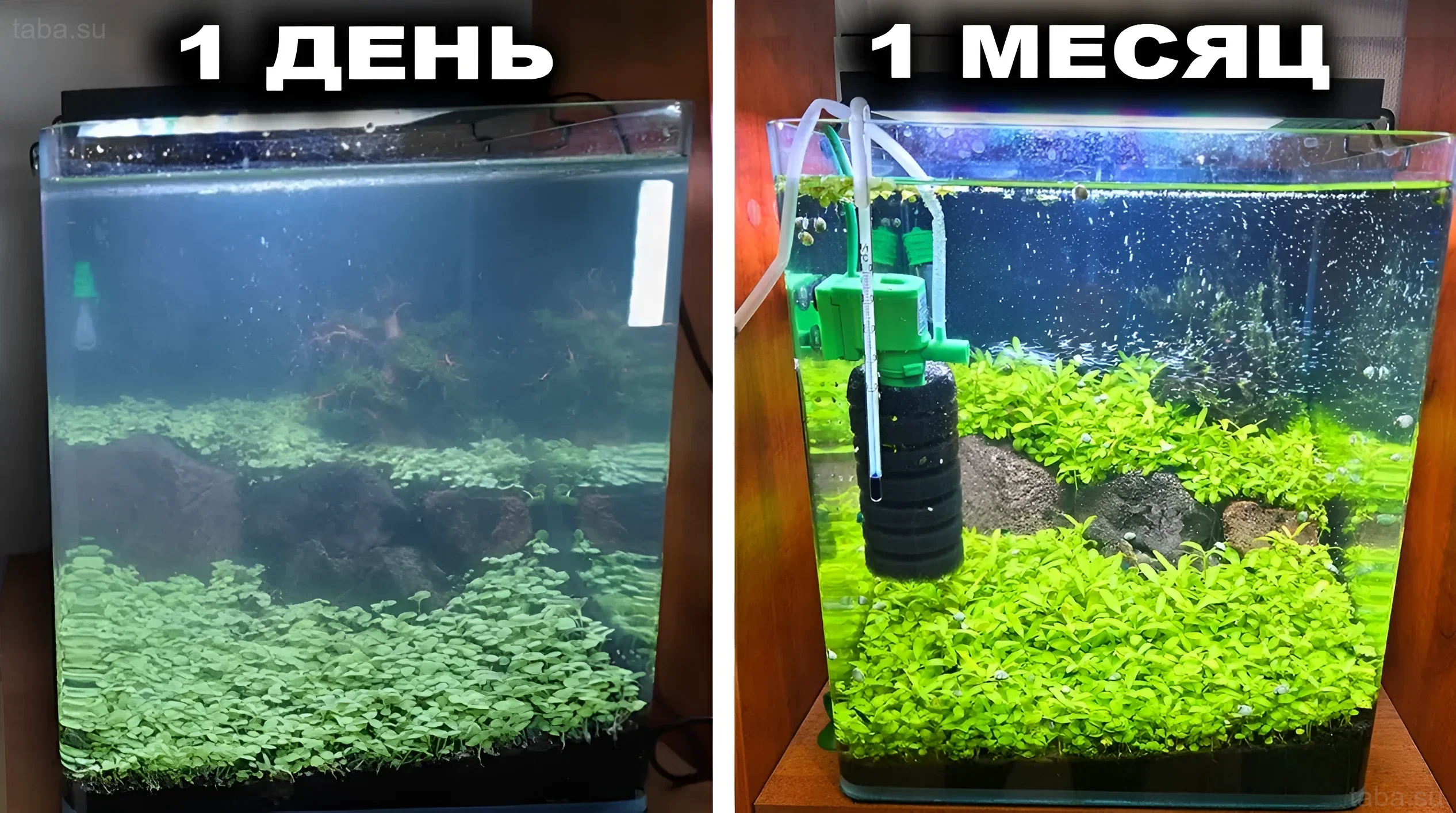
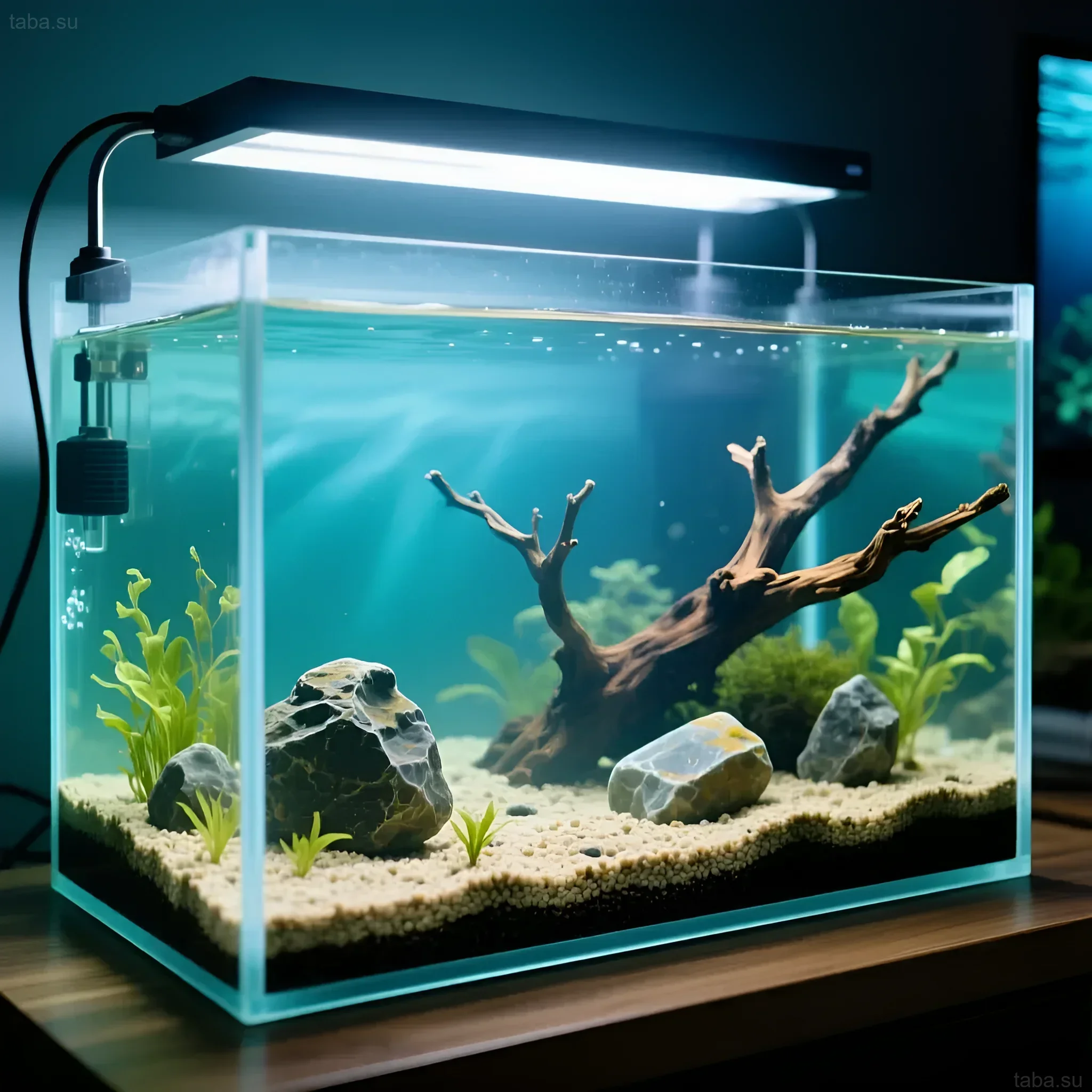
Starting a new aquarium is not just about filling it with water and adding fish. It’s a complex but fascinating process of establishing a stable biological system, at the core of which lies the nitrogen cycle. The health of future inhabitants and the overall stability of the ecosystem depend on how correctly and patiently this preparatory stage is carried out. Leading aquarists recommend adhering to a strict 30-day plan to ensure complete maturation of the biofiltration.
Starting an Aquarium from Scratch: A Complete 30-Day Guide
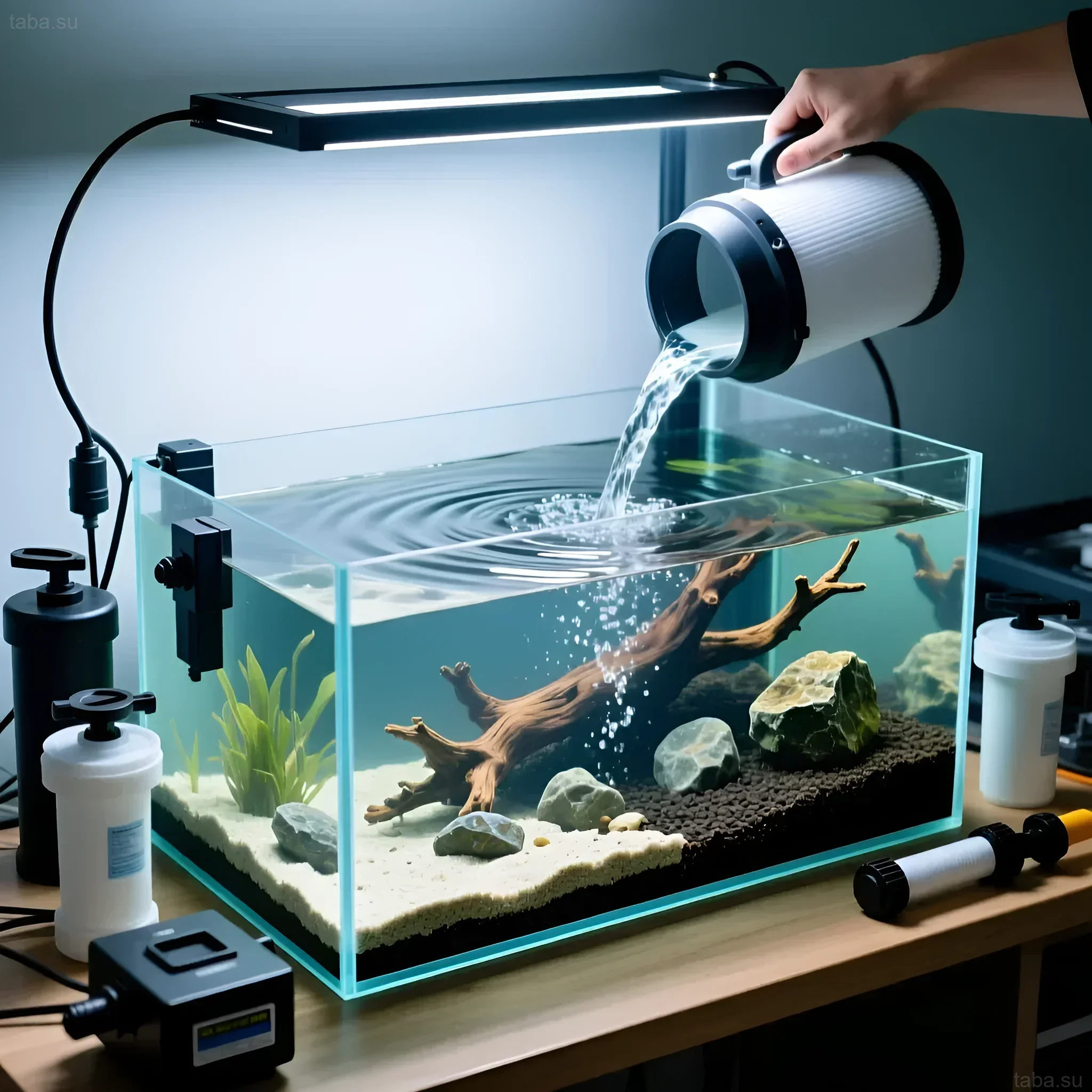
The process of aquarium maturation, or its “cycling,” is critically important. It allows colonies of beneficial bacteria (primarily from the genera Nitrosomonas and Nitrobacter) to colonize the filter media and substrate. These bacteria are essential for converting toxic waste products (ammonia) into less dangerous nitrates. Strict adherence to the schedule minimizes the risks associated with “new tank syndrome.”
Important Note: All timelines in this guide are approximate. The actual duration of the stages depends on the aquarium volume, water temperature, and starter cultures used.
Days 1–7: Aquarium and Equipment Setup – Nitrogen Cycle Fundamentals
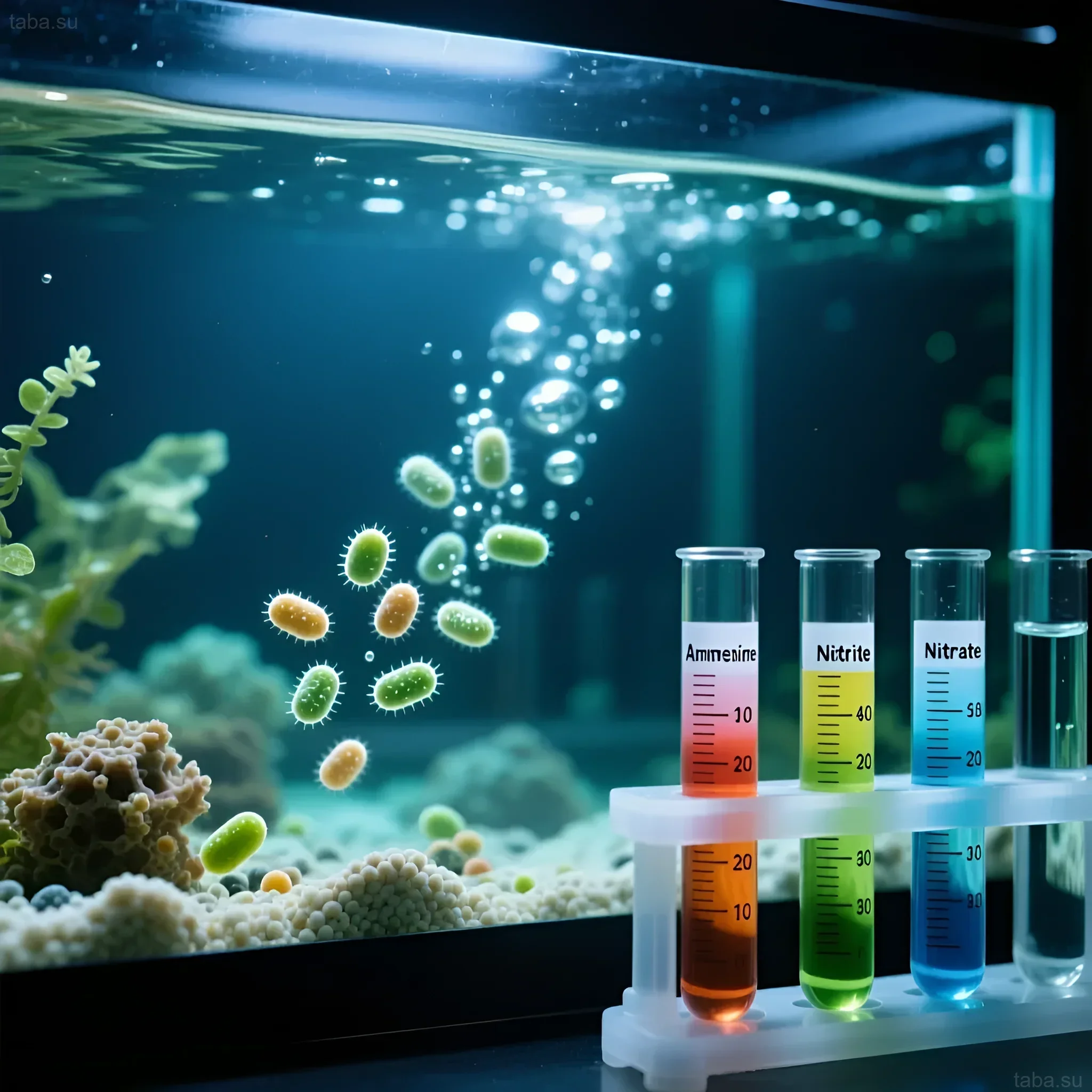
The first week is dedicated to mechanical installation, substrate preparation, and creating conditions for future life.
Days 1–2: Setup and Hardscaping
- Location Selection: The aquarium is placed on a level, sturdy surface, away from direct sunlight and drafts.
- Equipment Check: Ensure the filter, heater, and lighting are functioning correctly.
- Substrate Preparation: The substrate (gravel or sand) is thoroughly rinsed until the drained water is completely clear. It is recommended to use neutral quartz sand or specialized nutrient substrates for plants.
- Decor Placement (Hardscaping): Driftwood and rocks, if used, should be prepared in advance (boiled or soaked). Decorations are placed before filling with water.
Days 3–5: Filling and Equipment Startup
- Filling: The aquarium is slowly filled with water. To slow down the flow, it’s recommended to use a plate or bag to avoid disturbing the substrate.
- Water Conditioning: A dechlorinator must be added to remove chlorine and chloramine present in tap water.
- Equipment Startup: Turn on the heater (set to 24–26°C) and the filter. The filter must run 24/7.
- Aeration Setup: If the filter does not provide sufficient aeration, turn on the air pump.
Days 6–7: Initial Observation and Testing
- Leak Check: Observe for any leaks.
- Water Testing: Conduct the first tests for pH, hardness (GH, KH), and temperature. These parameters serve as a baseline.
- Adding an Ammonia Source: To start the nitrogen cycle, an ammonia (NH₃) source is needed. This can be a small piece of food left in the water or special starter ammonia solutions.
Days 8–14: Nitrogen Cycle Startup – Water Parameter Monitoring
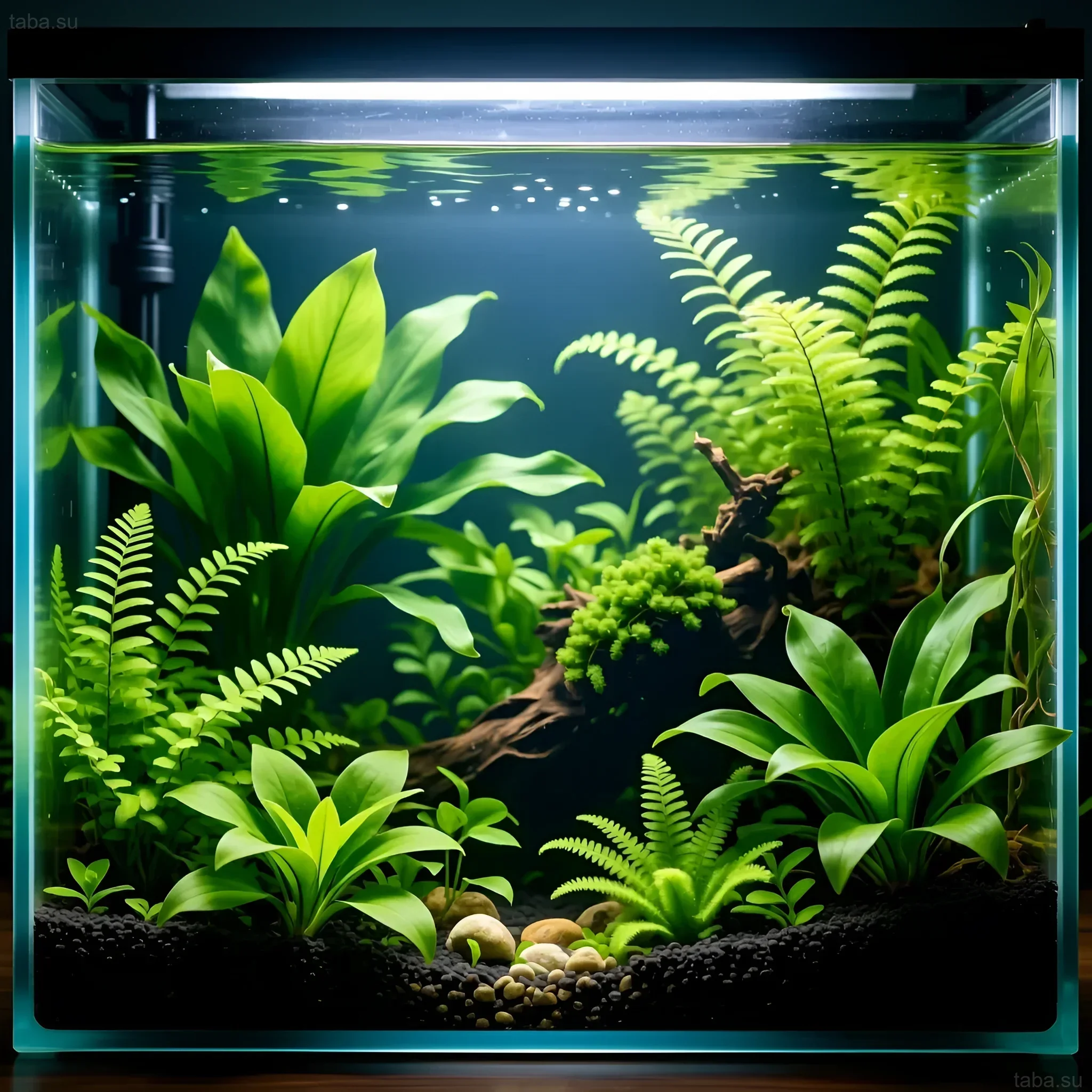
The second week is the most crucial from a biological standpoint. There will be a sharp increase in toxic compounds, indicating the start of the nitrification process.
Days 8–10: Ammonia Spike
During this period, Nitrosomonas bacteria begin to actively convert ammonia (NH₃) into nitrites (NO₂). Ammonia levels reach their peak.
- Daily Testing: It is necessary to test NH₃/NH₄ and NO₂ levels daily.
- Actions: No water changes are made unless ammonia levels exceed critical levels (which is rare during a “fishless” cycle). It is important to maintain stable temperature and aeration.
- Adding Bacteria: If a starter solution was not used on day 7, commercial starter bacterial cultures (e.g., Sera Nitrivec, Seachem Stability) can be added to speed up the process.
Days 11–14: Nitrite Appearance
Ammonia levels begin to drop, and nitrite (NO₂) levels rise sharply. Nitrites are as toxic to fish as ammonia, so it’s important to see their presence – it’s a sign that the first phase of the cycle has been successfully completed.
- Monitoring: Watch for NH₃ to drop to zero.
- Colonization of Nitrobacter: The active reproduction of the second group of bacteria (Nitrobacter), which convert nitrites into nitrates (NO₃), begins.
- Lighting: If live plants are planned (which is highly recommended), turn on the lighting. It’s best to start with 6–8 hours a day to minimize the growth of unwanted algae.
Days 15–21: Plants in the Aquarium – Creating Biological Balance
The third week is characterized by a peak in nitrites and their subsequent decline. This is the ideal time to introduce live plants, which serve as an additional biological filter and nitrate consumer.
Days 15–17: Nitrite Peak
- Critical Moment: NO₂ levels are at their maximum. At this point, the aquarium is most vulnerable if fish were present.
- Testing: NO₂ levels should be high, and NH₃/NH₄ should be close to zero.
- Plant Preparation: If plants were not planted earlier, they should be prepared: cleaned of transport gel or cotton, and quarantined if necessary.
Days 18–21: Planting and Stabilization
Plants actively absorb nitrates and, to a lesser extent, ammonia, helping to stabilize the system. It’s recommended to start with hardy species.
- Recommended Plants: Anubias barteri, Microsorum pteropus (Java Fern), Vallisneria spiralis, and floating plants like Pistia stratiotes (Water Lettuce), which quickly absorb excess nutrients.
- Nitrite Monitoring: Nitrite levels should begin to steadily decrease. Nitrate (NO₃) levels should rise in parallel.
- First Fertilization: If using a nutrient substrate, fertilization is not needed. If the substrate is neutral, minimal doses of liquid plant fertilizers can be added.
Days 22–28: Stocking the Aquarium – Fish Selection and Adaptation
The fourth week is the culmination of the startup process. If tests confirm the completion of the nitrogen cycle, stocking can begin.
Days 22–24: Cycle Completion and Final Check
The biological cycle is considered complete when the following parameters are observed for 48 hours:
- Ammonia (NH₃/NH₄): 0 ppm
- Nitrites (NO₂): 0 ppm
- Nitrates (NO₃): Present (usually 5–20 ppm)
If at least one of the NH₃ or NO₂ parameters is not zero, continue to wait and test.
Day 25: Large Water Change
Before stocking, accumulated nitrates from the past month need to be removed.
- Change: Perform a significant water change – 30–50% of the volume. The water should be aged and have a temperature identical to the aquarium water.
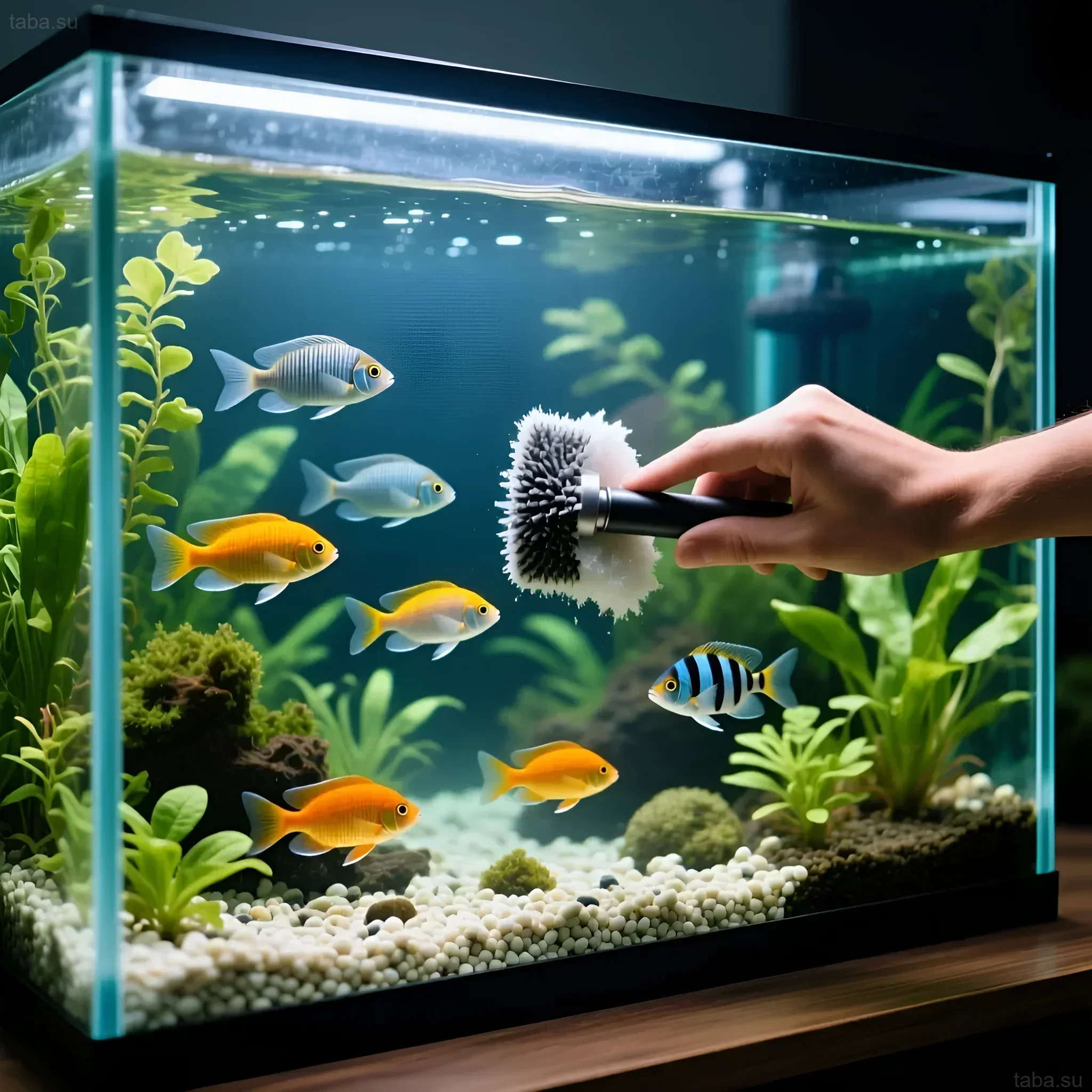
- Siphoning: Carefully clean the substrate surface of any leftover food or organic matter used to start the cycle.
Days 26–28: Stocking (First Wave)
Stocking should be done gradually. Do not introduce all planned inhabitants at once, as this will cause a sharp ammonia spike that can overload the young bacterial colony.
- First Group Selection: Choose the most resilient species to be the “pioneers.” These could be a few Poecilia reticulata (Guppies), Corydoras paleatus (Peppered Corydoras), or Caridina multidentata (Amano Shrimp).
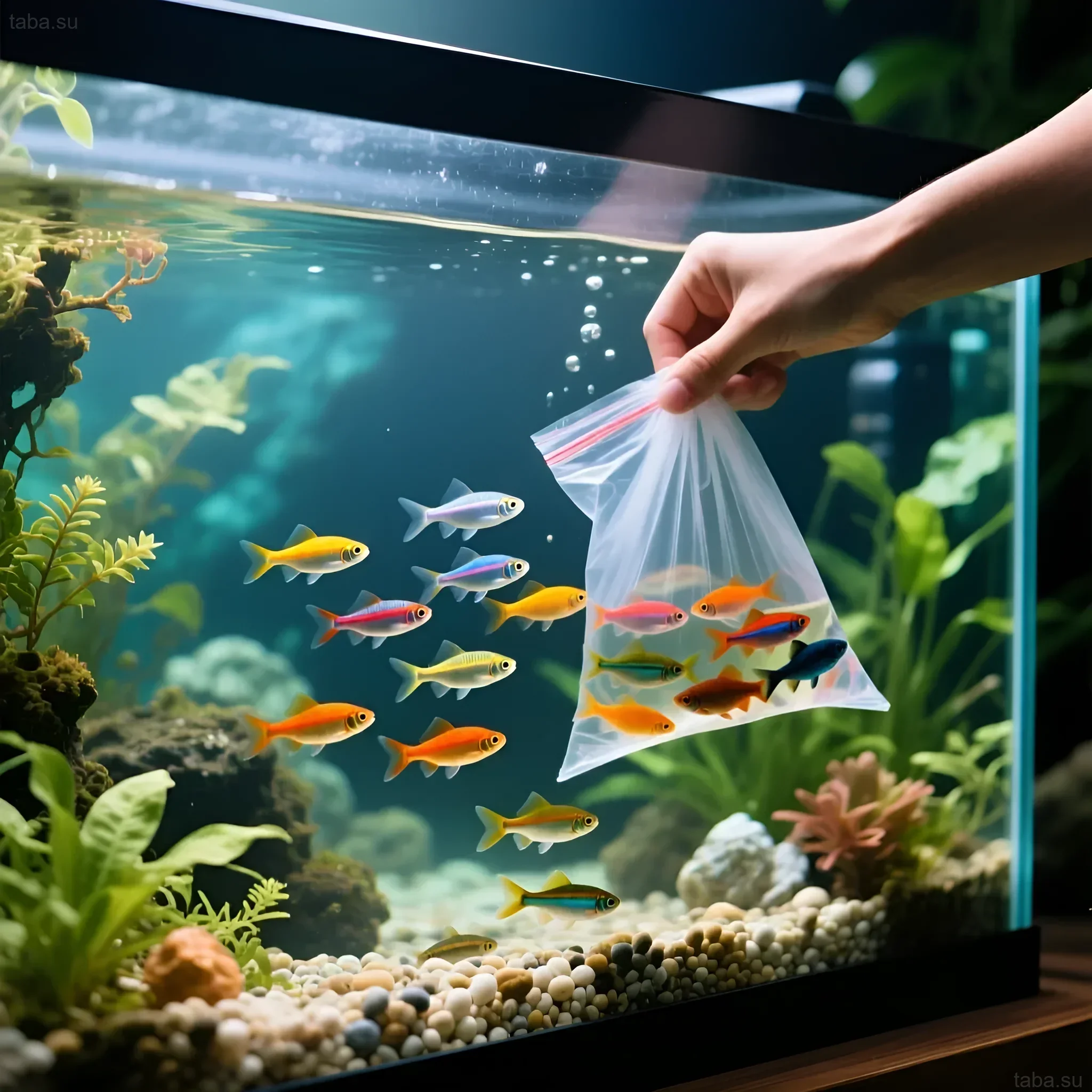
- Acclimation: Fish should undergo drip or gradual acclimation to the aquarium water to minimize stress.
- Feeding: In the first few days after stocking, feed fish very sparingly – 1–2 times a day, with small portions that are consumed within 1–2 minutes.
Days 29–30: Aquarium Maintenance – Maintaining Biological Balance
On the thirtieth day, the aquarium is officially considered cycled. Now begins the stage of regular maintenance and long-term stability.
Day 29: Monitoring and Testing
- Water Testing: Conduct a control test for NH₃, NO₂, NO₃. Everything should be within normal limits (zero NH₃/NO₂).
- Observation: Carefully observe the behavior of the first fish. Any signs of stress (rapid breathing, clamped fins) require immediate water testing.
Day 30: Planning Further Stocking and Maintenance
- Water Change Schedule: Establish a regular weekly water change schedule (15–25% of the volume).
- Second Wave Stocking: The second group of fish can be added no earlier than 7–10 days after the first, provided all water parameters remain stable.
- Filter Maintenance: Remember that filter media (sponges, ceramic) should not be rinsed under tap water, as chlorine will kill beneficial bacteria. Rinse them in siphoned aquarium water.
FAQ: Answers to the Most Popular Aquarium Startup Questions
How long does aquarium cycling actually take?
A standard cycle without starter cultures takes 3 to 6 weeks. The 30-day plan is an optimal and safe minimum. Using “live” bacteria or a small amount of substrate from a mature aquarium (so-called “seeding”) can shorten this period to 14–20 days.
What to do if the nitrogen cycle isn’t starting?
- Check Temperature: Bacteria work best at 24–28°C.
- Check pH: A pH that is too low (below 6.0) can slow down or stop nitrification.
- Add an Ammonia Source: Ensure there is enough “food” for the bacteria in the water.
- Increase Aeration: The bacteria involved in the cycle are aerobic and require a lot of oxygen.
Do I need to do water changes during the cycle?
During the period from day 1 to day 25, water changes are generally not performed to avoid removing ammonia and nitrites – the food for bacteria. Exceptions are situations where nitrite levels exceed 5 ppm, which may require a minimal change to prevent excessive algae growth.
Can I use distilled water for cycling?
Pure distilled or reverse osmosis (RO) water is not suitable for cycling without adding salts (remineralization). Bacteria and plants need minerals for their life processes.
Interesting Facts About Aquariums and the Nitrogen Cycle
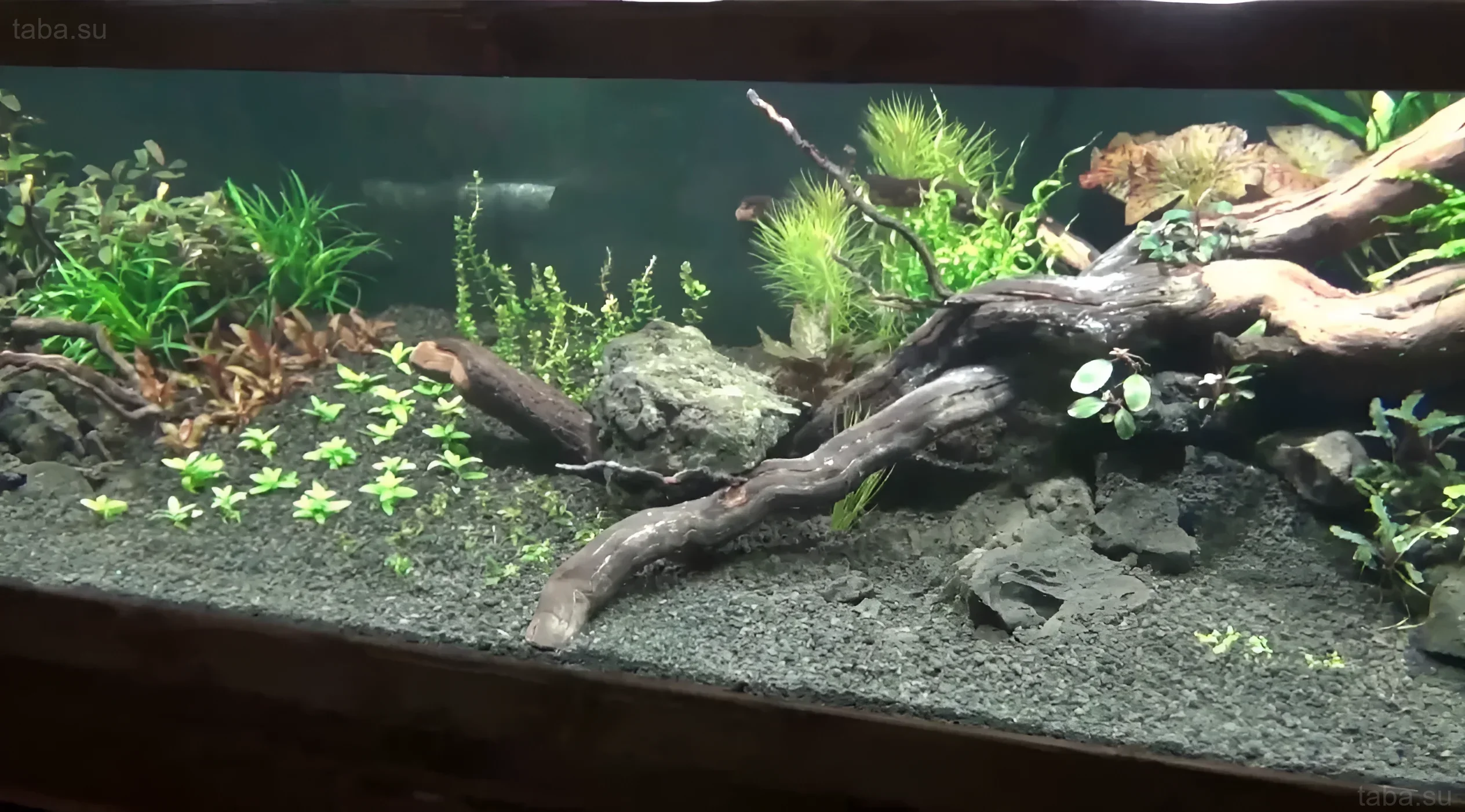
Understanding aquarium biology makes its maintenance more conscious and effective. The nitrogen cycle is a fundamental process underlying freshwater aquaristics.
- Nitrification Speed: Nitrosomonas bacteria (converting NH₃ to NO₂) reproduce significantly faster than Nitrobacter (converting NO₂ to NO₃). This is why the nitrite (NO₂) peak always follows the ammonia peak and lasts longer.
- Role of Plants: Live aquarium plants, such as Echinodorus or Cryptocoryne, prefer to absorb ammonia (NH₃) directly, bypassing nitrites. This helps reduce the overall toxic load in the aquarium.
- Temperature Dependence: At temperatures below 18°C, the nitrification rate slows down considerably. This explains why tropical aquariums, which require rapid cycling, are recommended to maintain temperatures of 24–26°C.
- Phosphates and Nitrates: The end product of the nitrogen cycle – nitrates (NO₃) – is not as toxic as ammonia, but its excess (above 40 ppm) promotes active algae growth. Regular water changes are the only effective way to remove them.
Additional Images
Gallery of remaining images (click to view):