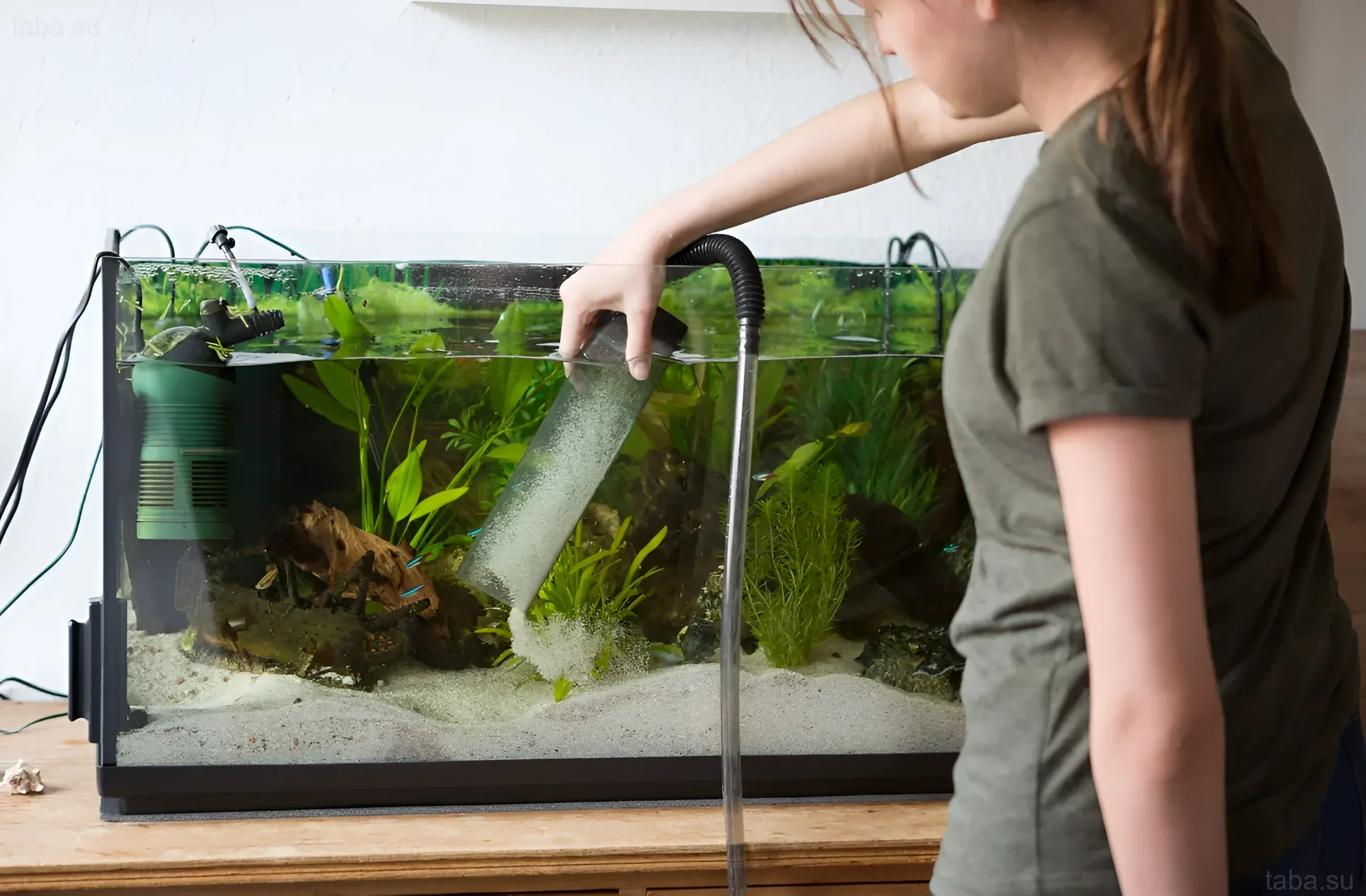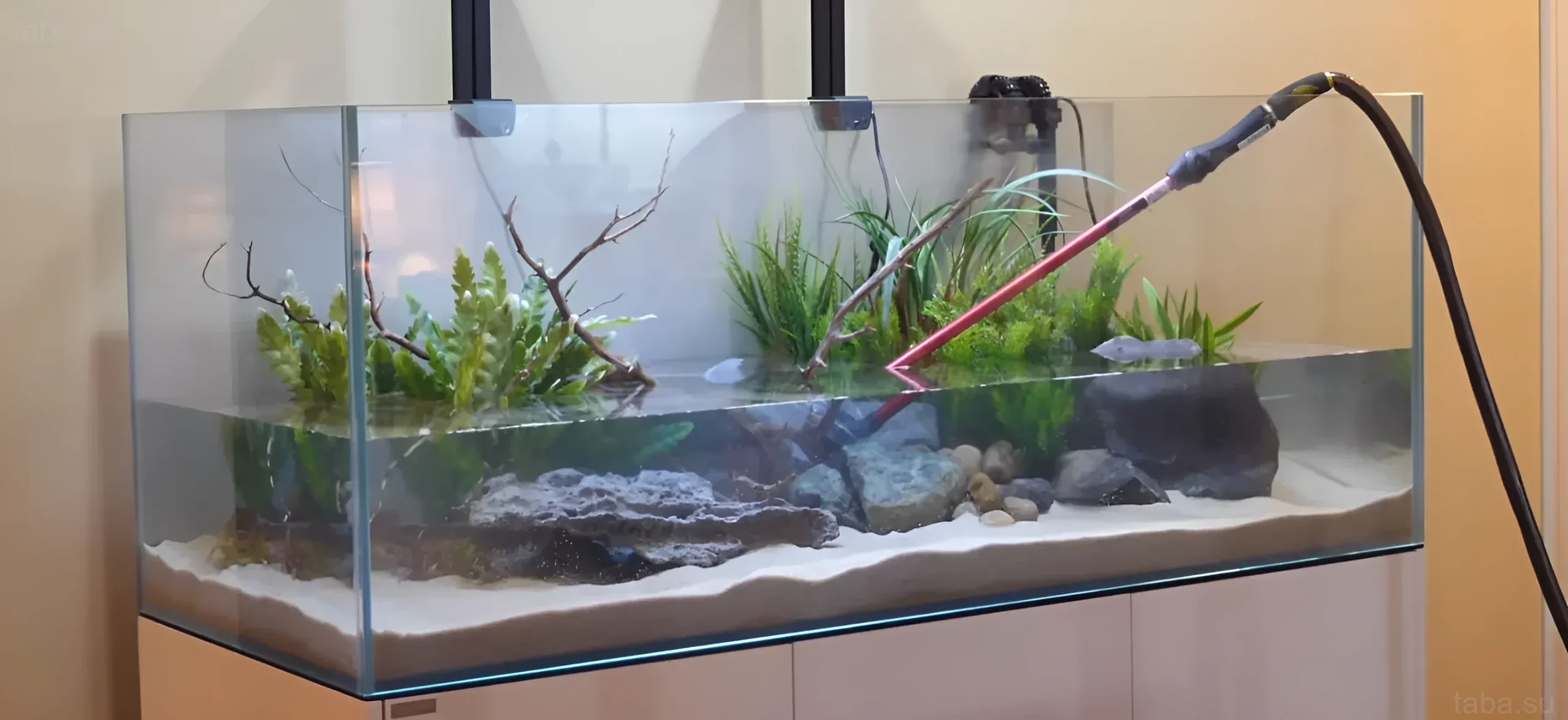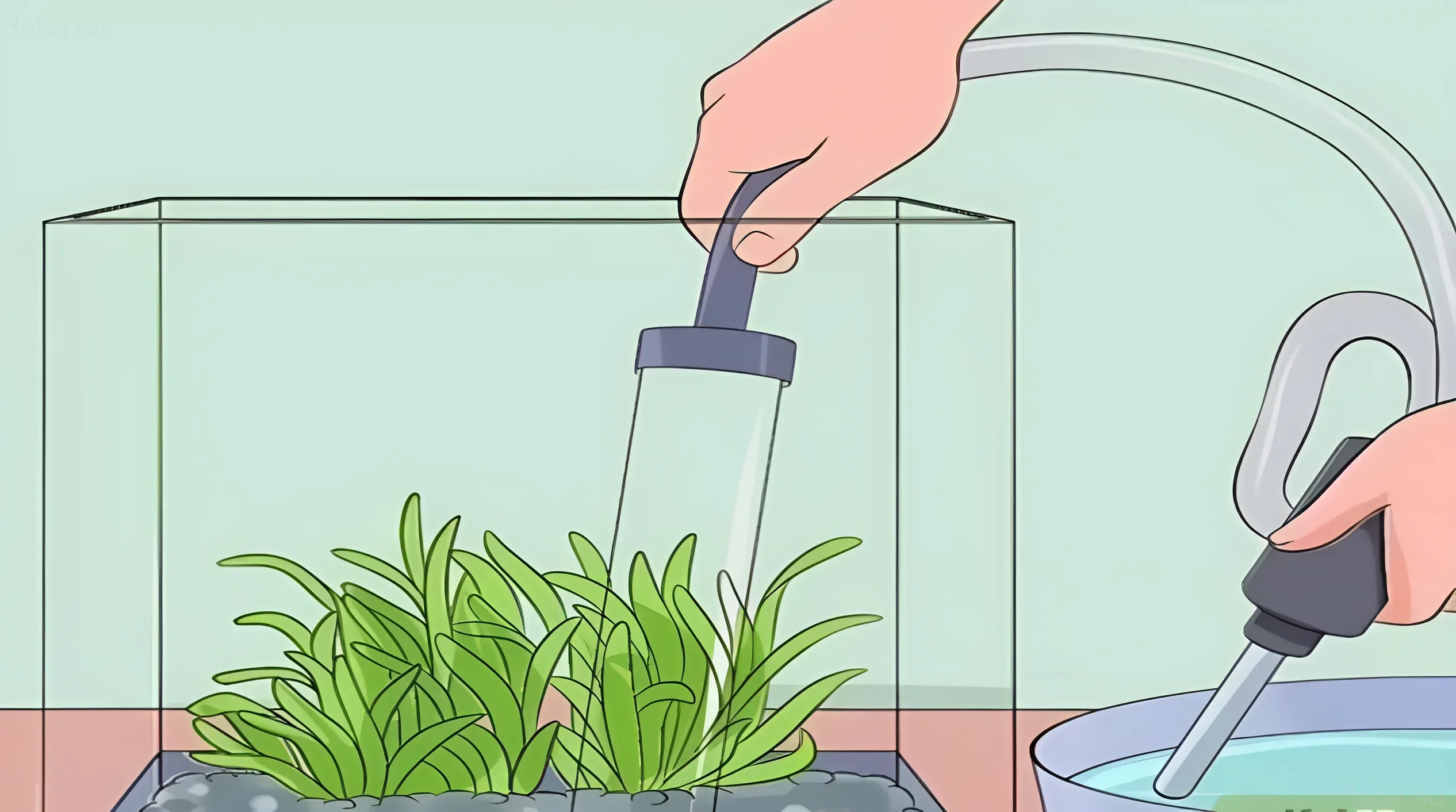
Maintaining a stable and healthy aquatic environment is the cornerstone of successful aquaristics. Regardless of experience, every aquarist faces the question: how often and in what volume should water be changed? This process not only removes dirt but is also critically important for chemical balance, preventing the accumulation of invisible toxic compounds. The correct choice of water change volume (10%, 30%, or 50%) depends on many factors: stocking density, presence of plants, filtration type, and, of course, the maturity of the biotope itself.
Weekly Water Change in an Aquarium: Why Is It So Important?
Regular water changes are the most effective tool in the aquarist’s hands for controlling environmental quality. In the closed ecosystem of an aquarium, processes constantly occur that lead to the deterioration of water parameters.
Main reasons for the necessity of water changes:
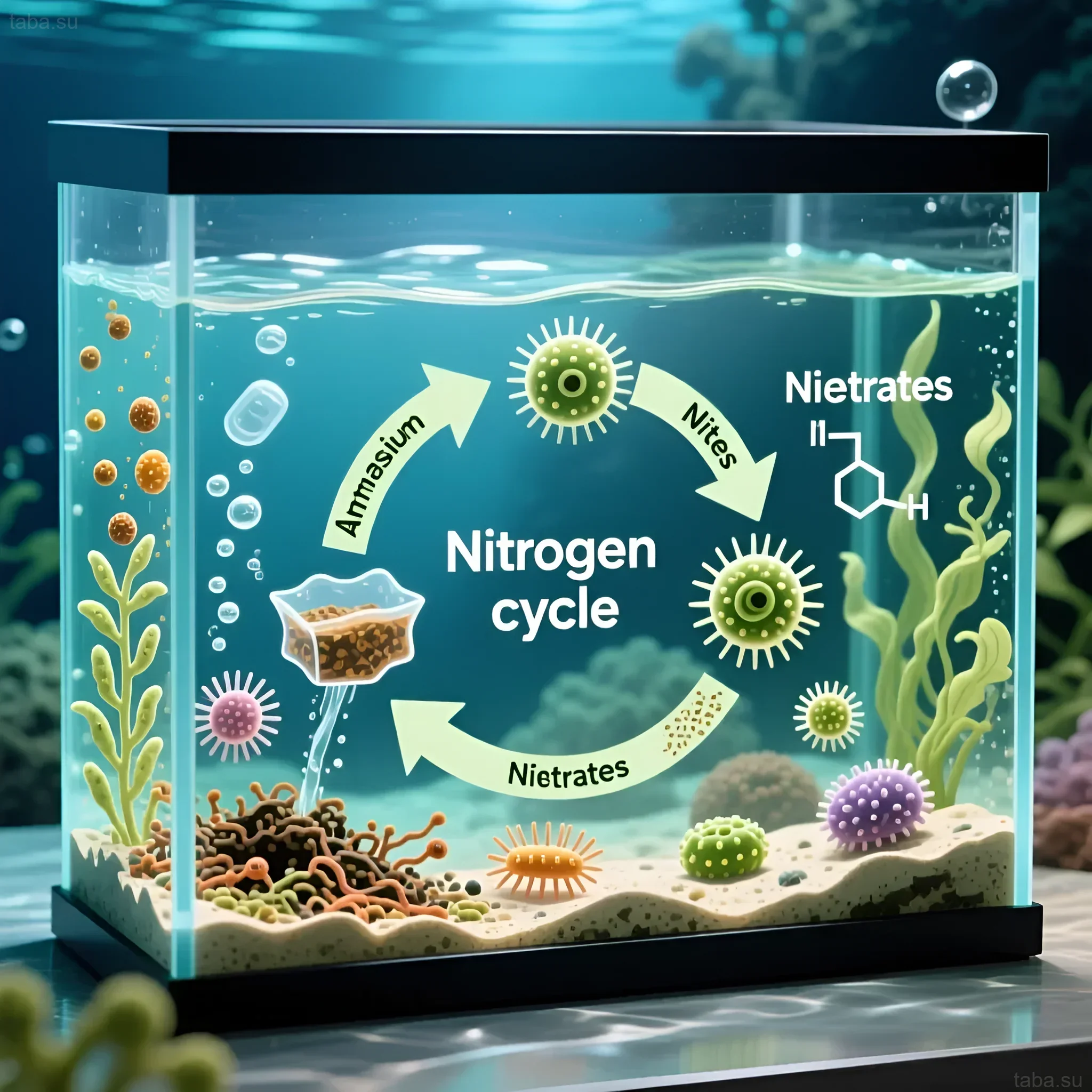
- Removal of nitrates (NO₃⁻) and phosphates (PO₄³⁻): The end products of the nitrogen cycle, which, accumulating, become toxic to fish and provoke algae blooms.
- Replenishment of microelements: Plants and invertebrates consume important microelements (e.g., potassium, magnesium, iron), the reserves of which are depleted.
- Removal of organic acids: Decomposing organic matter (uneaten food, waste) releases acids that can lower pH (acidification process).
- Reduction of DOC concentration: Removal of dissolved organic carbon (DOC), which impairs water clarity and creates a breeding ground for pathogens.
Experts from the taba.su portal emphasize: even in a perfectly balanced planted tank, where plants actively consume nitrates, water changes are necessary to remove hormones, pheromones, and other metabolites that can inhibit fish growth and cause stress.
Aquarium Chemistry for Beginners: What Happens to the Water?
To understand why changing water is important, it’s necessary to grasp the basic chemical processes occurring in the aquarium.
The Nitrogen Cycle and Its Consequences
The life activities of fish (e.g., guppies — Poecilia reticulata, or swordtails — Xiphophorus hellerii) lead to the release of ammonia (NH₃), which is extremely toxic. Thanks to colonies of beneficial nitrifying bacteria (primarily Nitrosomonas and Nitrobacter), ammonia is converted into less toxic nitrite (NO₂⁻), and then into relatively safe nitrate (NO₃⁻).
- Ammonia and nitrites: Should be zero (0). Their presence indicates a problem with filtration or cycling.
- Nitrates: Accumulate constantly. For most freshwater fish, nitrate concentration should not exceed 20–30 mg/l. Water changes are the only effective way to remove them (besides specialized resins or denitrifiers).
Buffering Capacity and KH
Water has buffering capacity, meaning its ability to resist sharp pH changes. This capacity is determined by carbonate hardness (KH). Constant biological processes in the aquarium (respiration, decomposition) consume buffer (carbonates), leading to a gradual decrease in KH. If KH drops too low, there is a risk of an acid spike (pH drop), which is deadly to inhabitants. Fresh water restores buffering capacity.
10%, 30%, or 50%? Comparative Analysis of Water Change Volumes
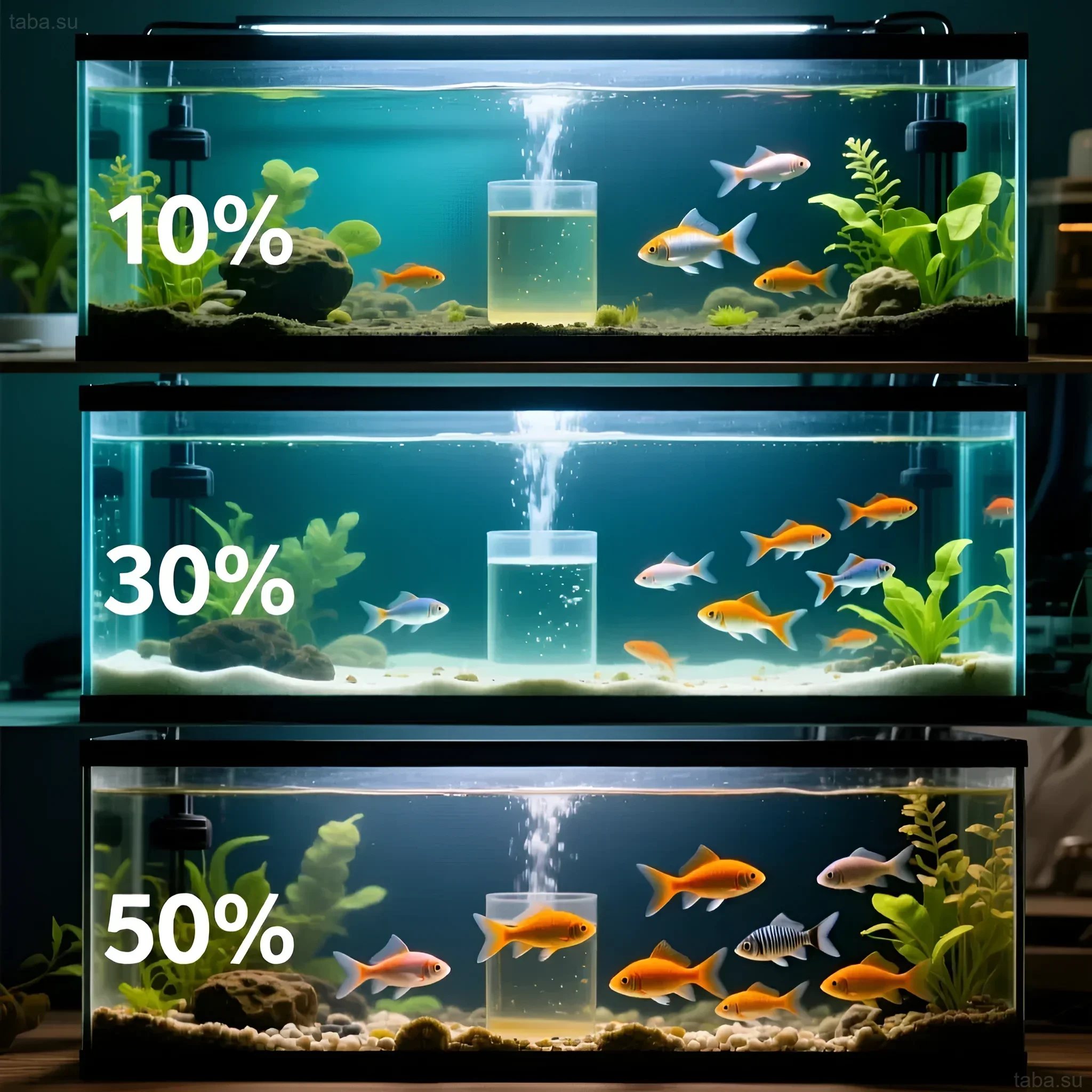
The choice of water change volume should be based on the actual needs of the aquarium, not on abstract recommendations. Experts identify three main approaches to weekly water changes:
| Change Volume | Purpose | Applicability | Key Risk |
|---|---|---|---|
| 10% | Minimal replenishment, maintaining stability. | Densely planted tanks (with low nitrate consumption), aquariums with low stocking density. | Insufficient removal of accumulated toxins. |
| 30% | Standard care, effective nitrate reduction. | General aquariums, moderate stocking density, most cichlid tanks. | Minor parameter fluctuations (easily controlled). |
| 50% or more | Radical concentration reduction, stimulating spawning, emergency situations. | Aquariums with high stocking density, intensive feeding, preparation for breeding. | Sharp fluctuations in temperature and water chemistry, stress for fish. |
10% Water Change: Minimal Maintenance for a Stable Aquarium
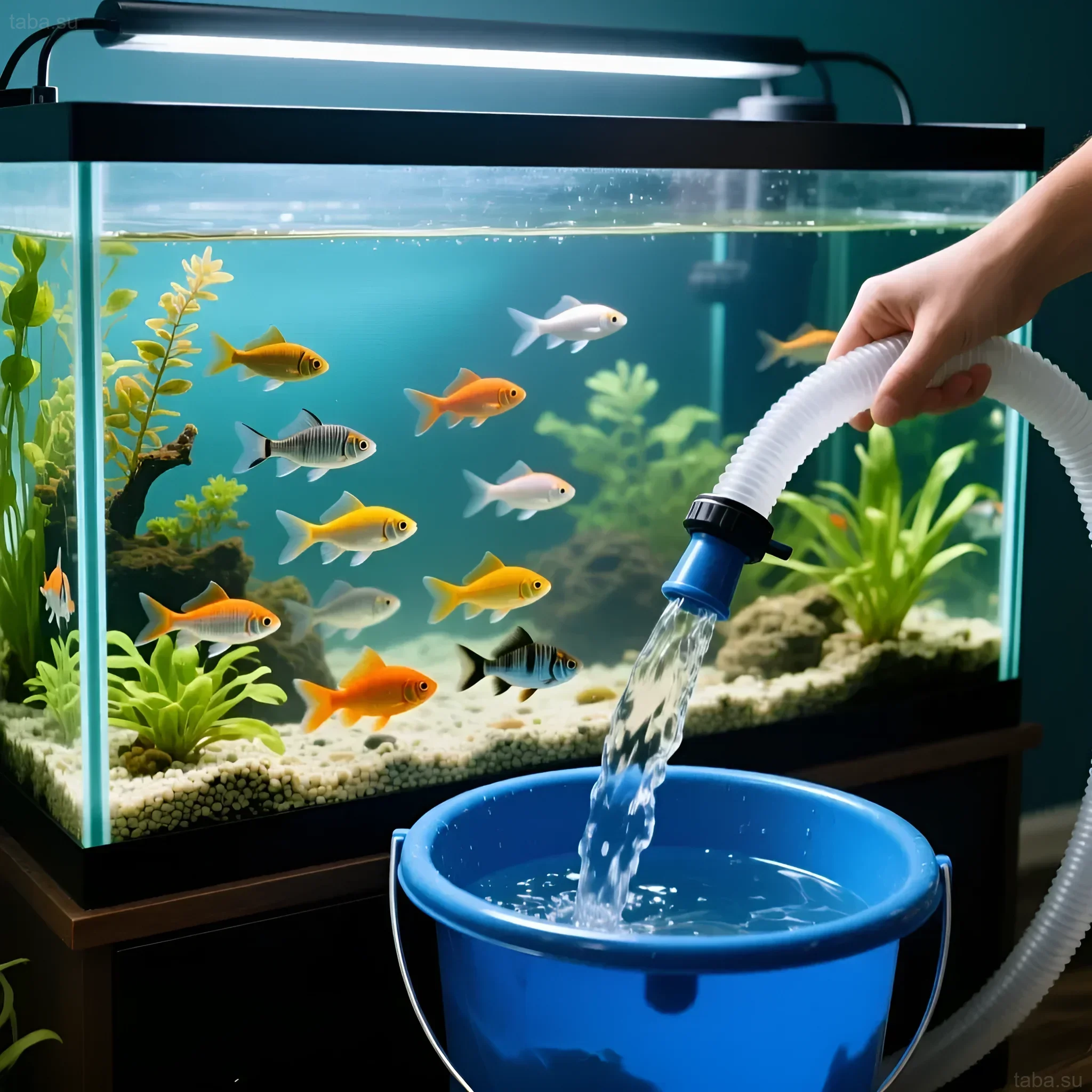
A 10% weekly water change is often considered the minimum necessary measure. It is suitable for very specific and highly stable systems.
Who is 10% suitable for?
- Amano-style planted tanks: Aquariums where the biomass of plants (e.g., cryptocorynes — Cryptocoryne, or echinodorus — Echinodorus) is so large that they completely utilize nitrates.
- Aquariums with very low stocking density: For example, 1-2 bettas (Betta splendens) in a large volume.
- Systems using denitrifiers: Aquariums equipped with specialized filtering elements that remove NO₃⁻.
Advantages of 10%:
This is the “gentlest” way to intervene in the aquatic environment. A minimal water change volume ensures maximum stability of temperature and chemical parameters, which is especially important for sensitive species like discus (Symphysodon).
Risks of 10%:
When using this volume, regular water testing (at least once a week) is necessary. A small change may be insufficient to remove pheromones and organic acids, which can lead to slowed fish growth and accumulation of undesirable substances in the long term.
30% Water Change: The Golden Mean for Most Aquariums
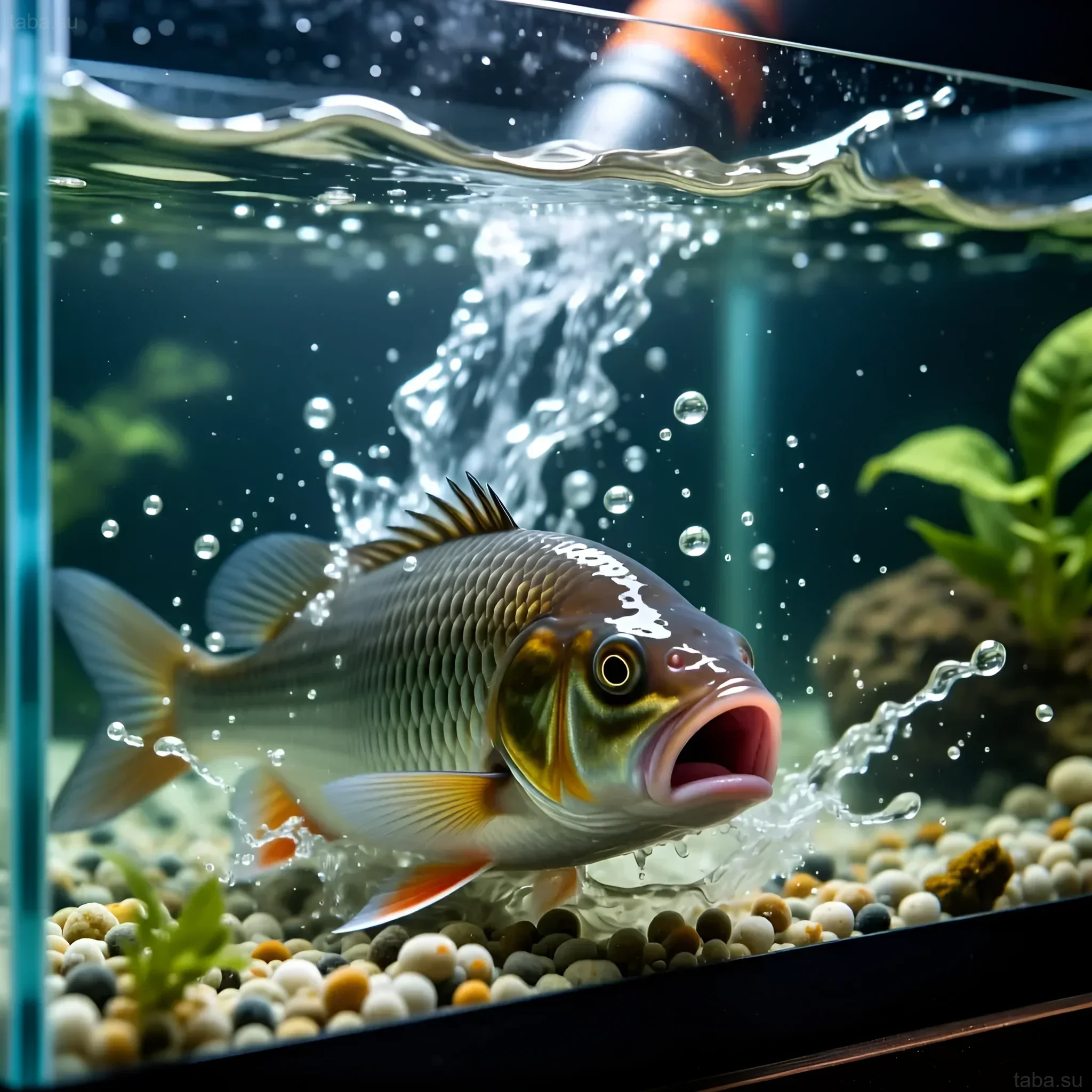
A 25%–35% weekly water change is a widely accepted standard in aquaristics and is recommended by most experts for general-purpose aquariums.
Why is 30% the Standard?
This water change volume effectively reduces nitrate and phosphate concentrations without causing significant stress to the inhabitants. If the aquarium maintains a moderate stocking density (e.g., a school of neons — Paracheirodon innesi, with a few corydoras catfish — Corydoras), a 30% change will be sufficient to keep nitrates below the critical level of 20 mg/l.
Application of 30% water change:
- General aquariums with moderate stocking.
- Aquariums with a moderate amount of plants and regular fertilization.
- Cichlid tanks (e.g., African cichlids from Lake Malawi), where active organic matter removal is required due to intensive feeding.
Practical Tip:
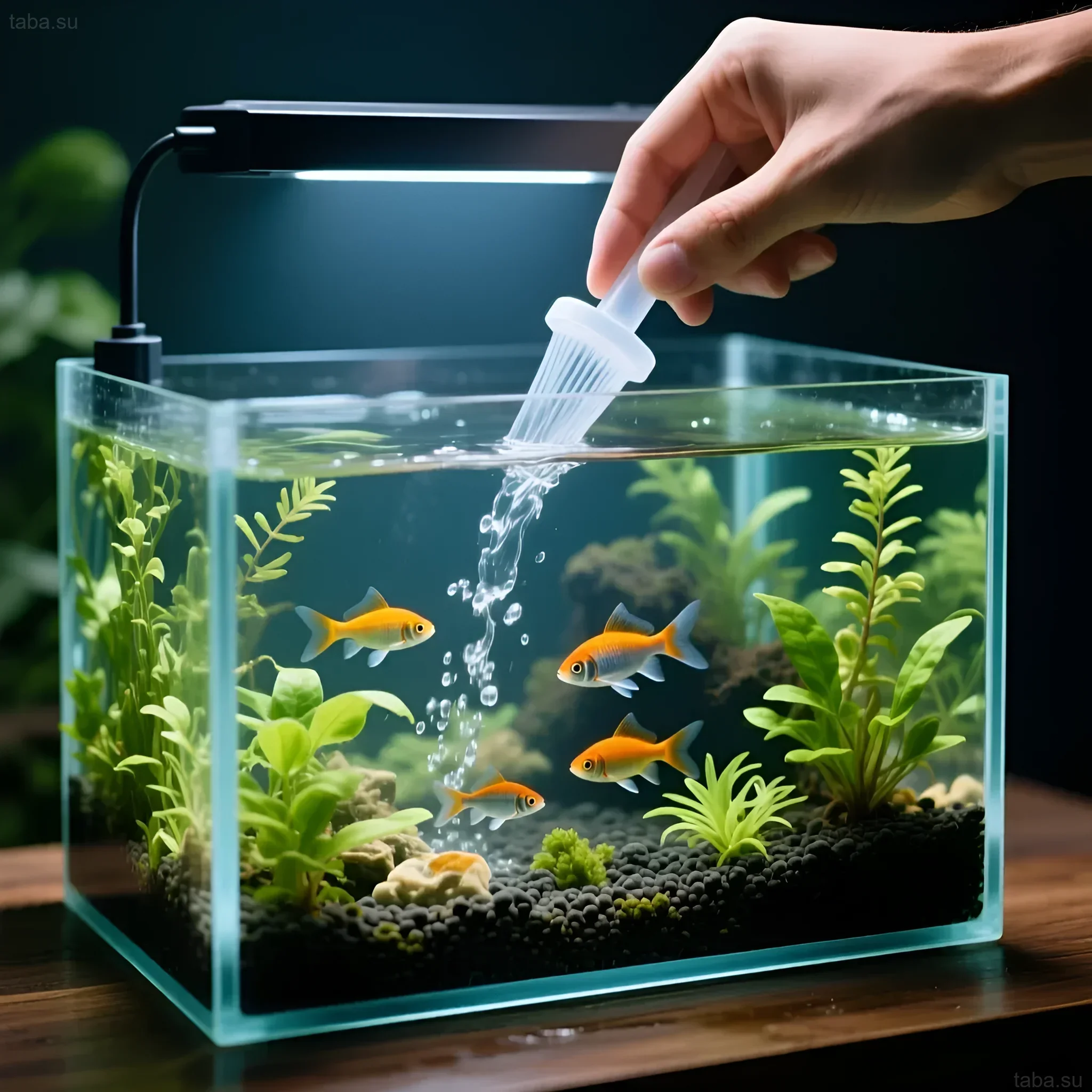
If you are a beginner and unsure about the volume, start with 30%. It is important to ensure that the temperature of the fresh water matches the temperature in the aquarium as closely as possible (an acceptable deviation of no more than 1–2 °C).
50% Water Change: An Emergency Measure or a Radical Approach?
Changing half of the water volume weekly is a radical intervention used in several key situations.
When is a 50% water change necessary?
1. Emergency situations:
- Sudden death of several inhabitants, causing a sharp spike in ammonia or nitrites.
- Exceeding the permissible nitrate level (e.g., over 50 mg/l) due to prolonged lack of water changes.
- After treating fish with medications that need to be completely removed from the system.
2. Intensive keeping:
- Aquariums with very high stocking density (e.g., professional breeding facilities or aquariums with large predatory fish).
- Aquariums with fish that require impeccably clean water to stimulate spawning (e.g., angelfish — Pterophyllum scalare).
3. Problem with buffering capacity:
If tests show critically low KH, a large water change, especially with harder water, can quickly restore buffering capacity.
Attention to Detail:
Performing a 50% water change requires maximum care. Be sure to use conditioners that remove chlorine and chloramine, and ensure that the fresh water has similar mineralization and temperature. A sharp change in parameters can cause osmotic shock to the fish.
FAQ: Answers to the Most Popular Questions About Water Changes
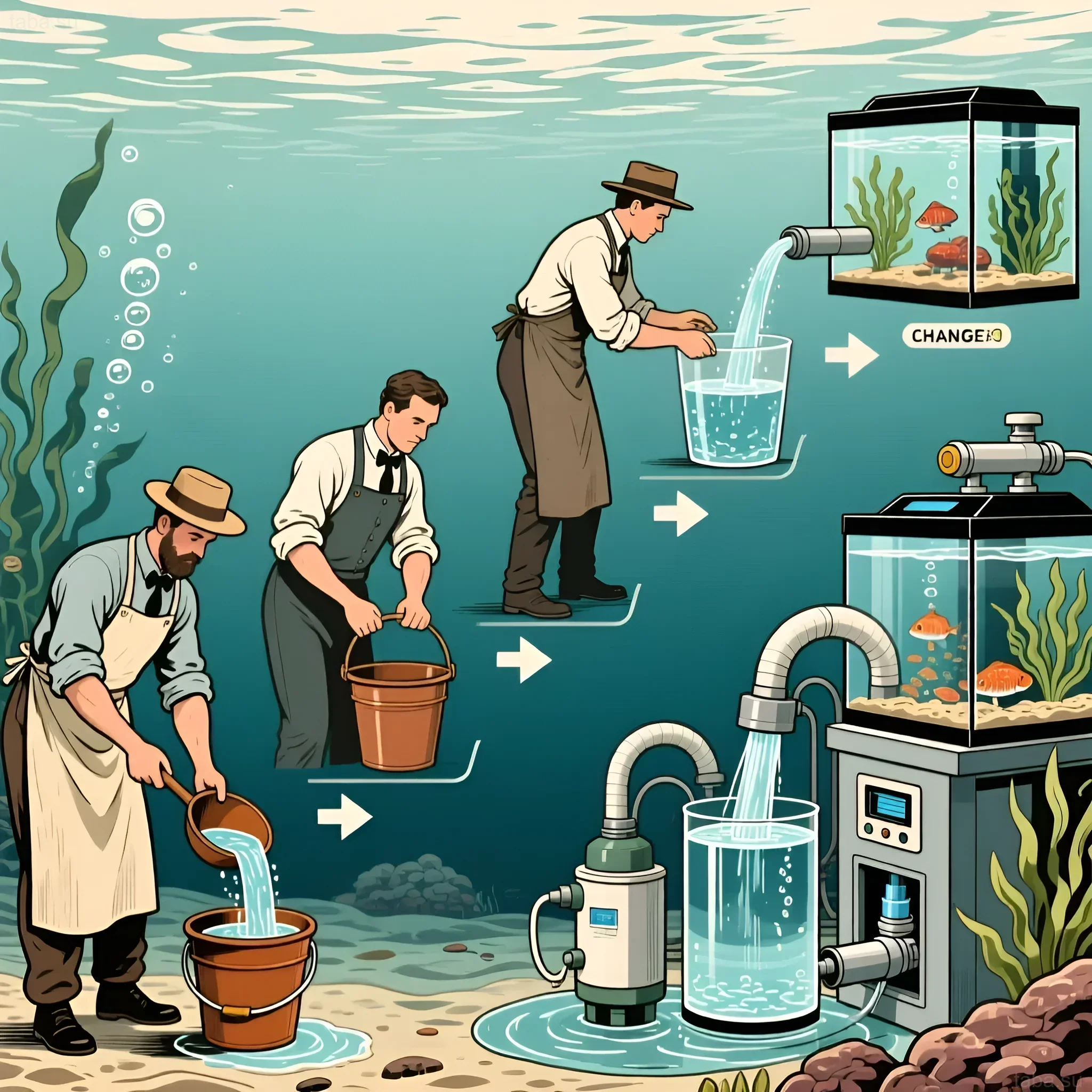
Do I need to let tap water sit before changing?
For most freshwater aquariums using tap water, letting it sit is not strictly mandatory. It is much more important to use a quality conditioner (dechlorinator) that neutralizes chlorine and binds heavy metals instantly. If your local water has a lot of chloramine, letting it sit won’t help, as chloramine does not evaporate.
Can I change water less often but in larger volumes?
No, this is not recommended. The main principle of aquaristics is stability. Infrequent but large water changes (e.g., 50% once a month) lead to sharp fluctuations in chemical composition, causing significant stress to fish. Weekly small changes (25–30%) are preferable for maintaining an even balance.
What to do if there are many plants in the aquarium?
Even in a densely planted tank, water changes are necessary. Plants (e.g., vallisneria — Vallisneria) can consume nitrates, but they do not remove other metabolites and organic acids. For a planted tank with CO₂ injection and low stocking density, you can limit yourself to 15–20% weekly, but be sure to monitor phosphate levels.
Can I use reverse osmosis (RO) water for changes?
Yes, but only after remineralization. Reverse osmosis water is practically devoid of salts and minerals. Changing with pure RO water will lead to a sharp drop in general (GH) and carbonate (KH) hardness, which is dangerous for fish and plants. Special remineralizers must be added.
Interesting Facts About Aquarium Water and Changes
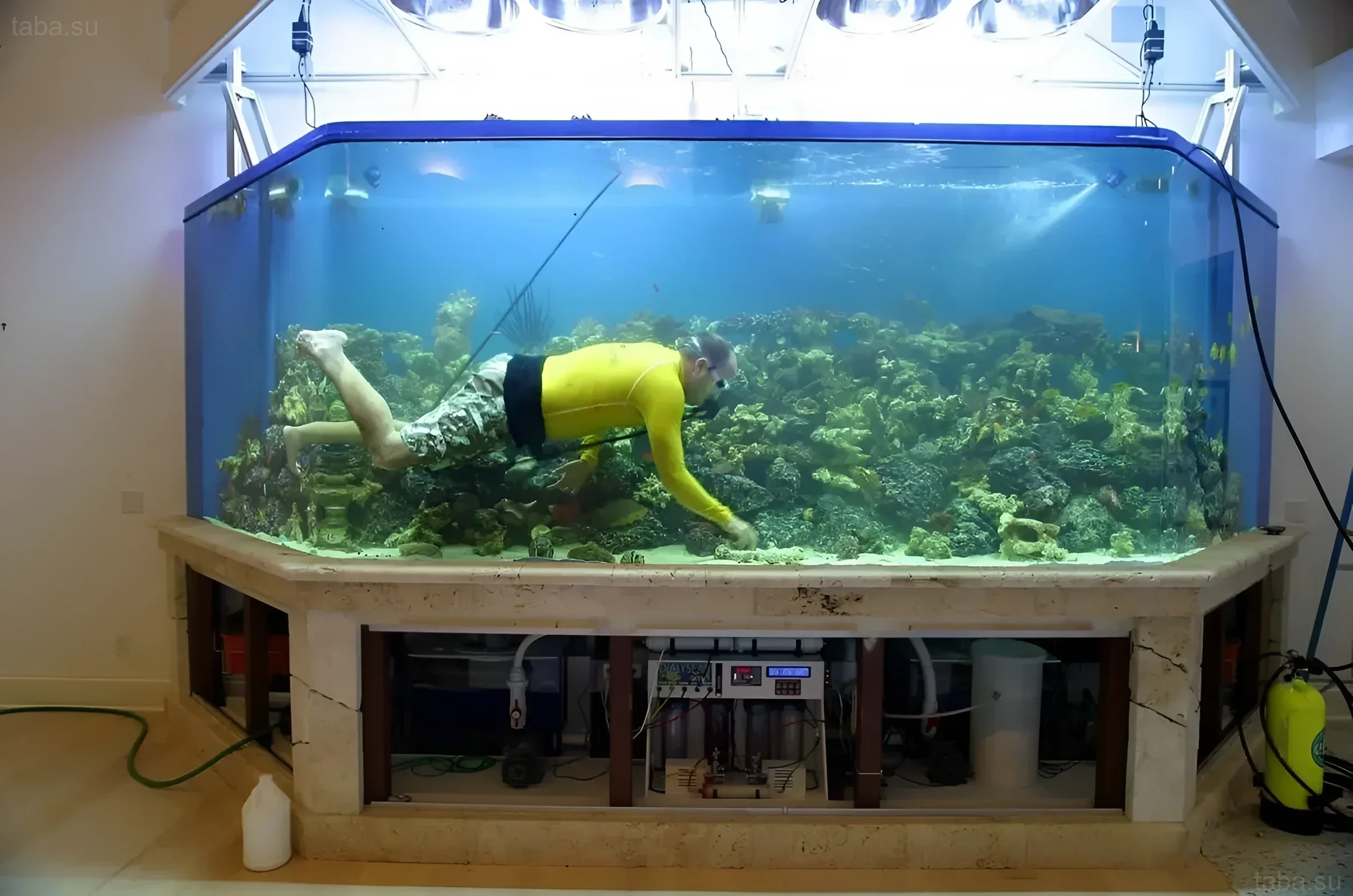
Water in an aquarium is not just a habitat; it’s a complex chemical solution that is constantly changing. Here are a few facts that highlight the importance of regular care:
- Dilution Effect: If nitrate levels reach 40 mg/l, a 30% water change will reduce it to 28 mg/l. If you only change 10%, the level will only drop to 36 mg/l. This demonstrates how much the change volume affects the actual concentration of pollutants.
- “Old Water Syndrome”: In aquariums where water changes have not been done for months, the water becomes very soft, acidic, and saturated with organic matter. Fish accustomed to this environment may die from shock even with a small but clean water change, as their bodies cannot quickly adapt to “new” water.
- Growth Pheromones: Some fish species (especially cyprinids, e.g., barbs — Puntius) release pheromones that inhibit the growth of weaker or younger individuals. Regular water changes remove these pheromones, allowing fry to grow fully.
Conclusion:
The choice of water change volume is a dynamic decision. It is recommended to start with 30% weekly and adjust the volume based on test results (especially nitrates) and the visual condition of your inhabitants. Remember, regularity is more important than volume. A stable water change schedule is the key to the longevity and health of your freshwater biotope.
Additional Images
Gallery of remaining images (click to view):