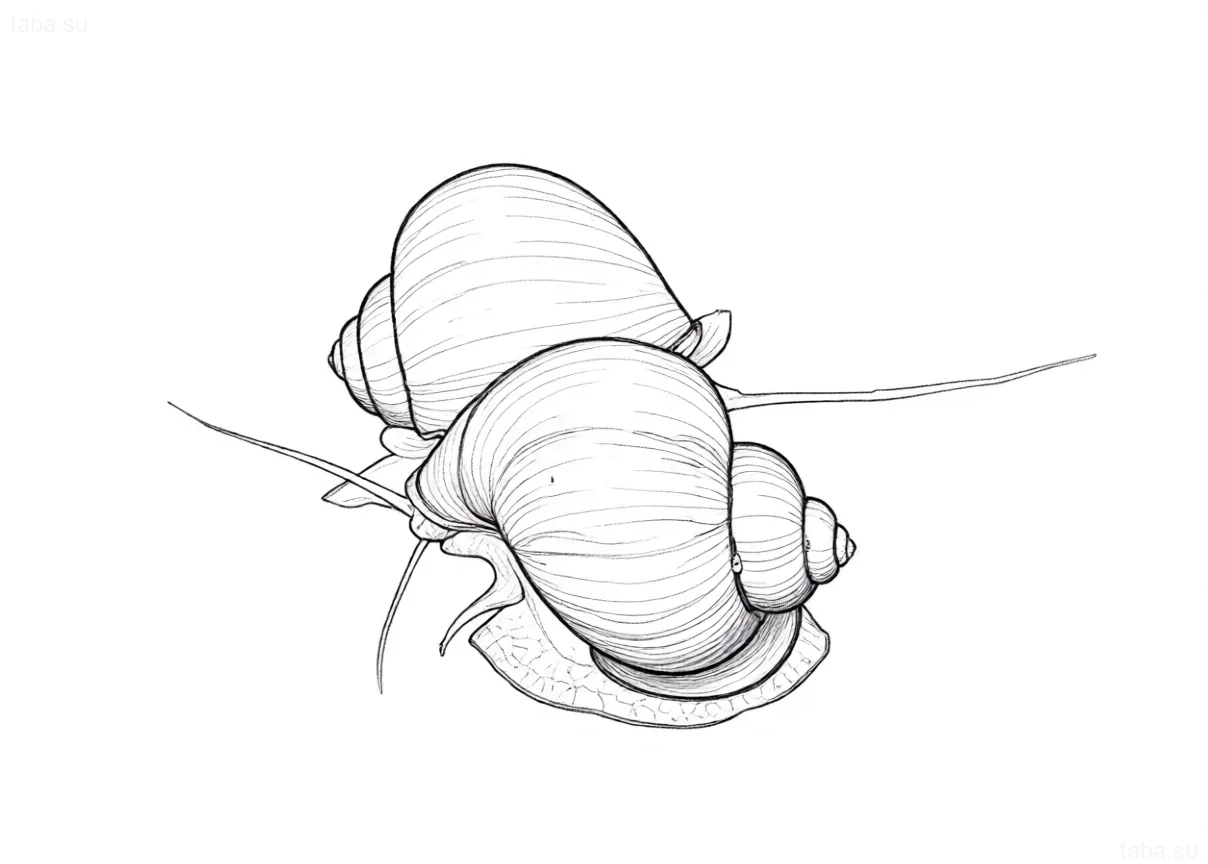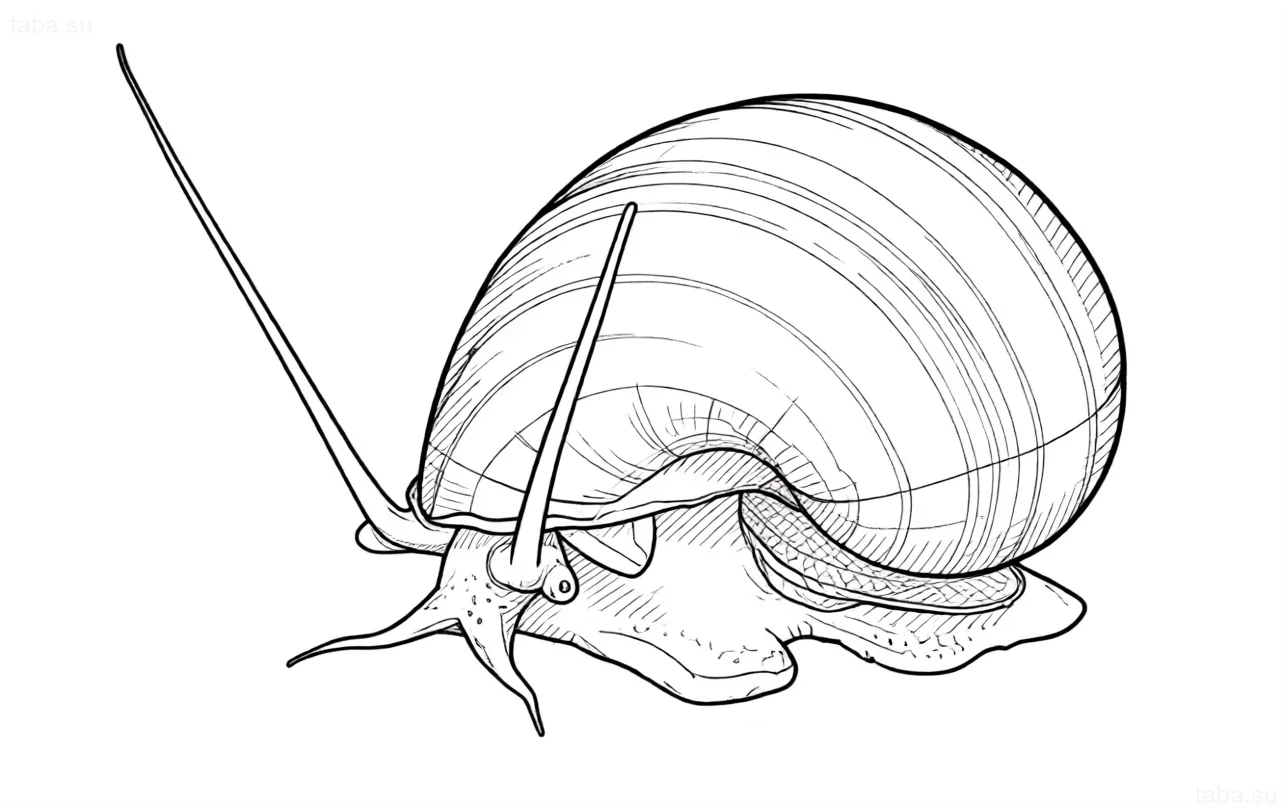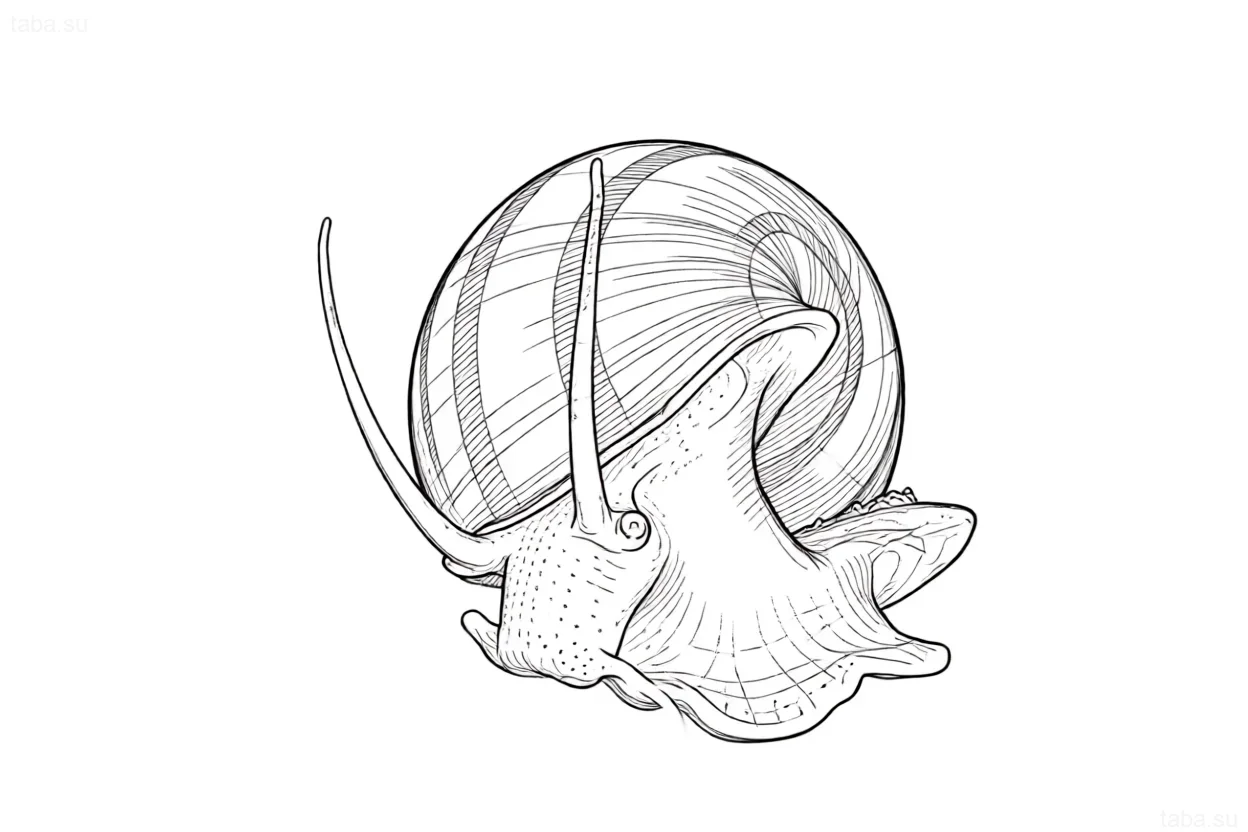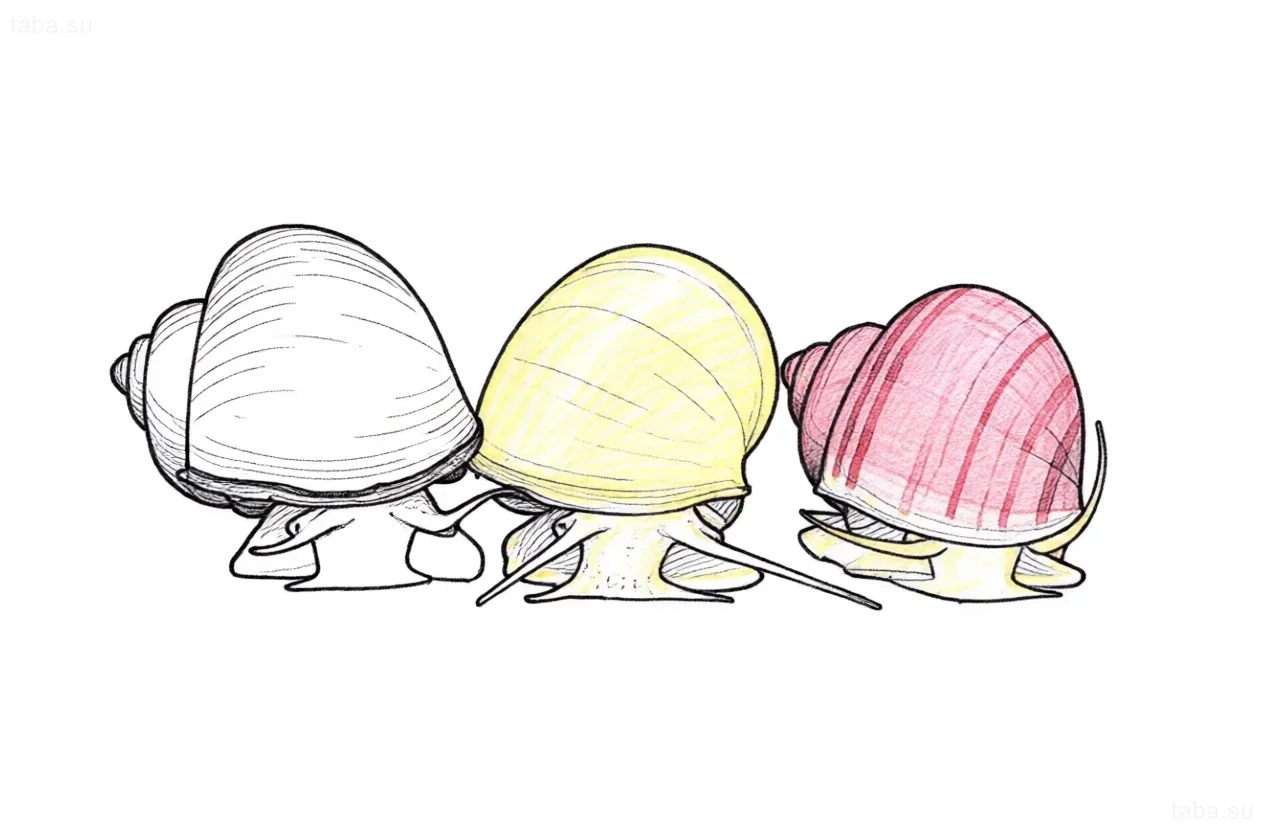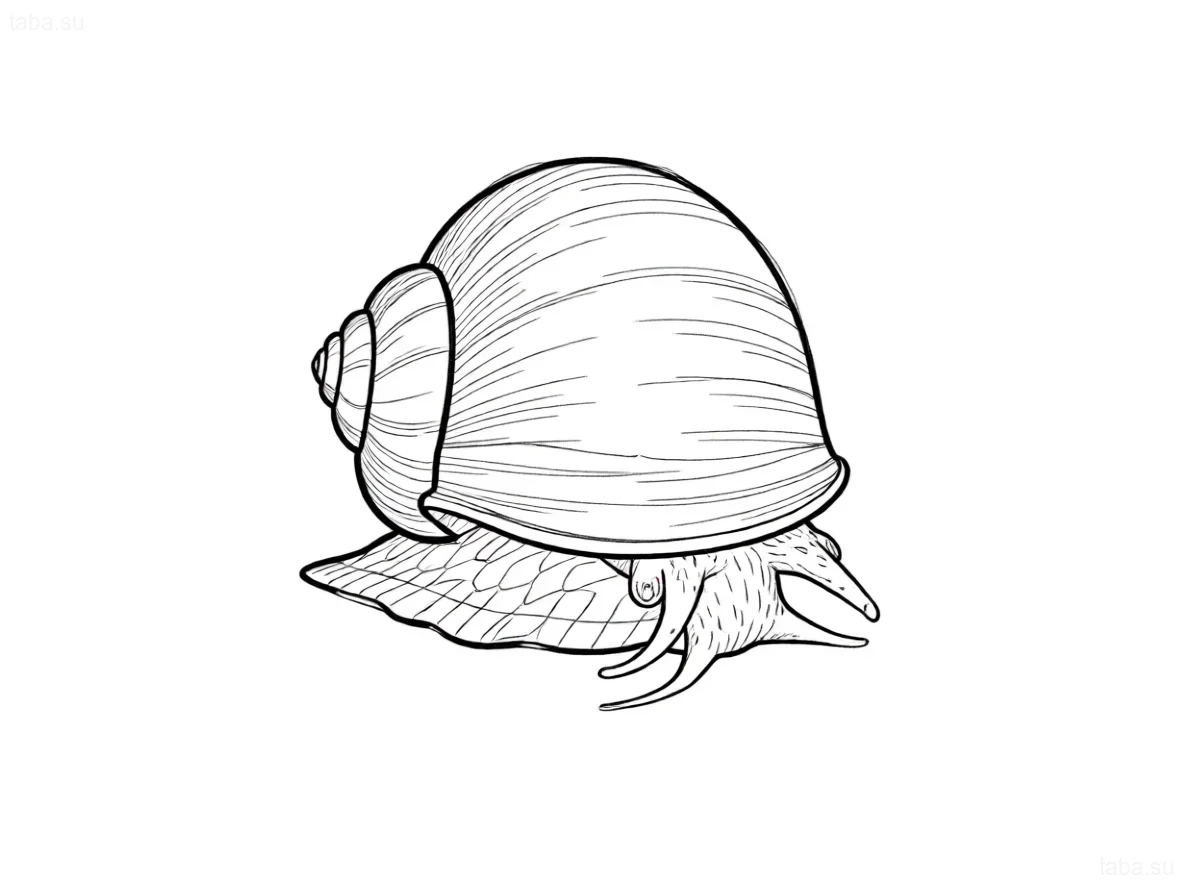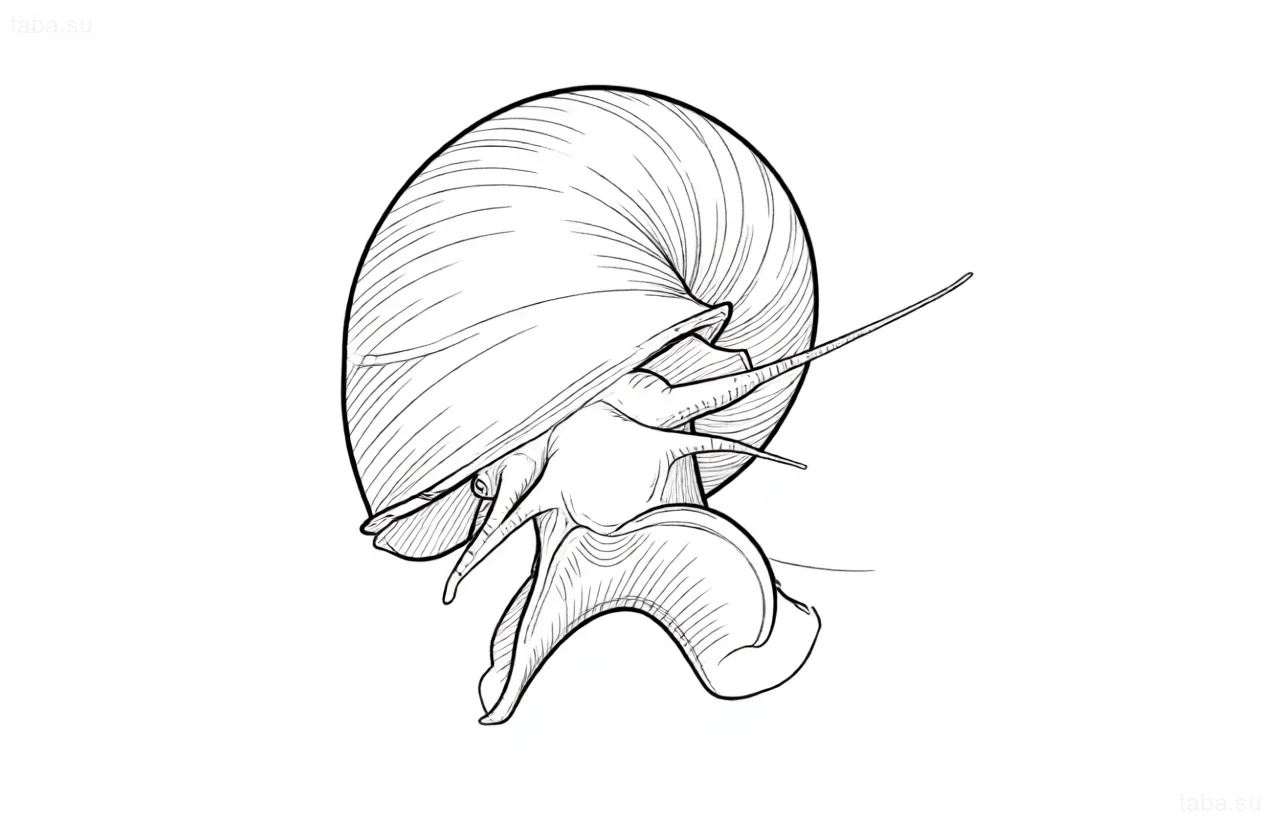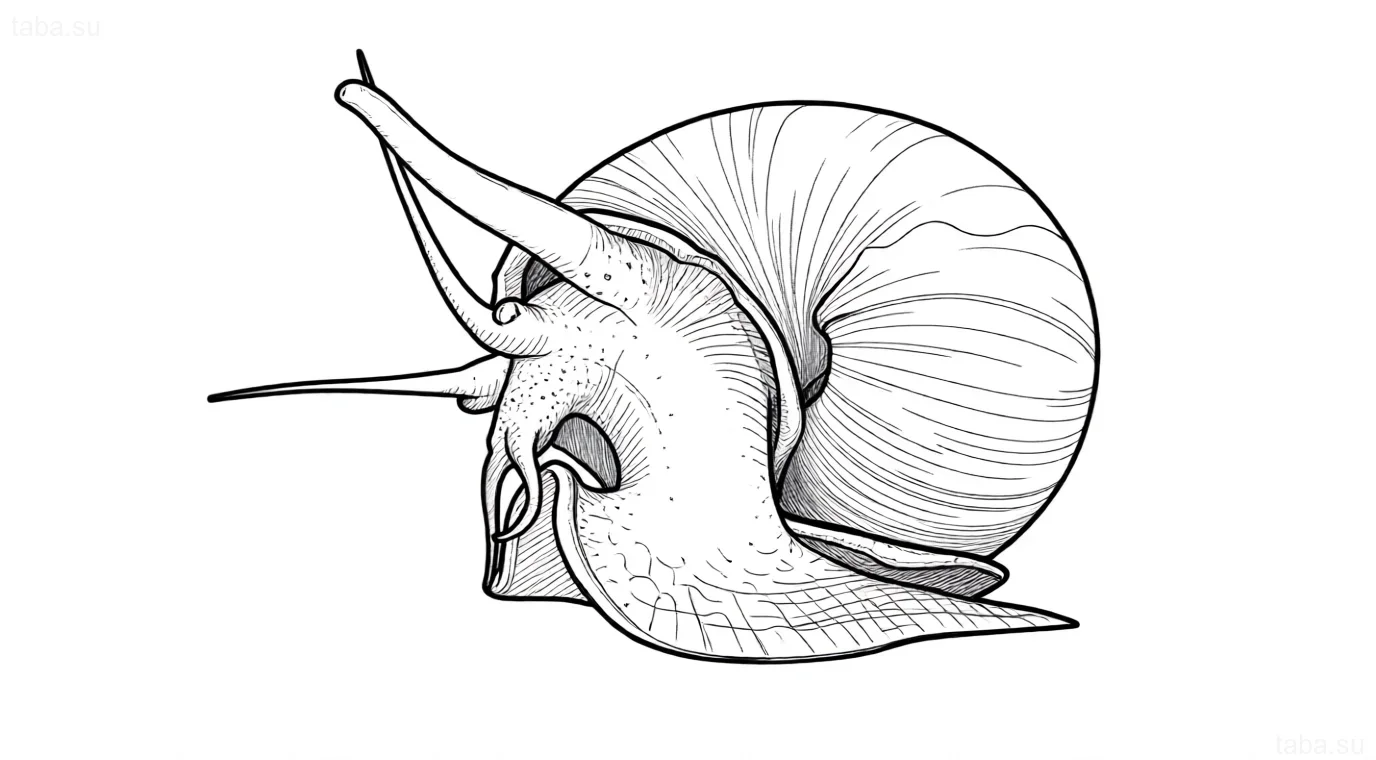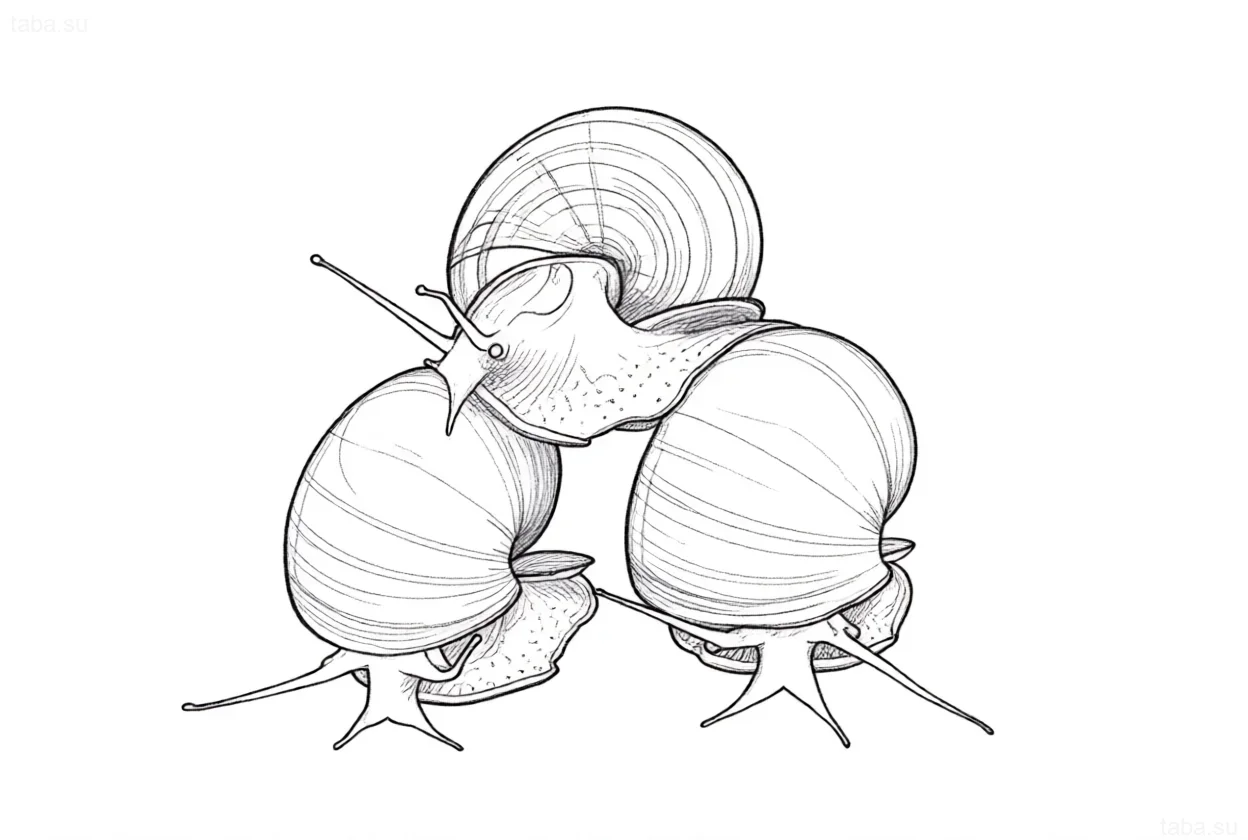
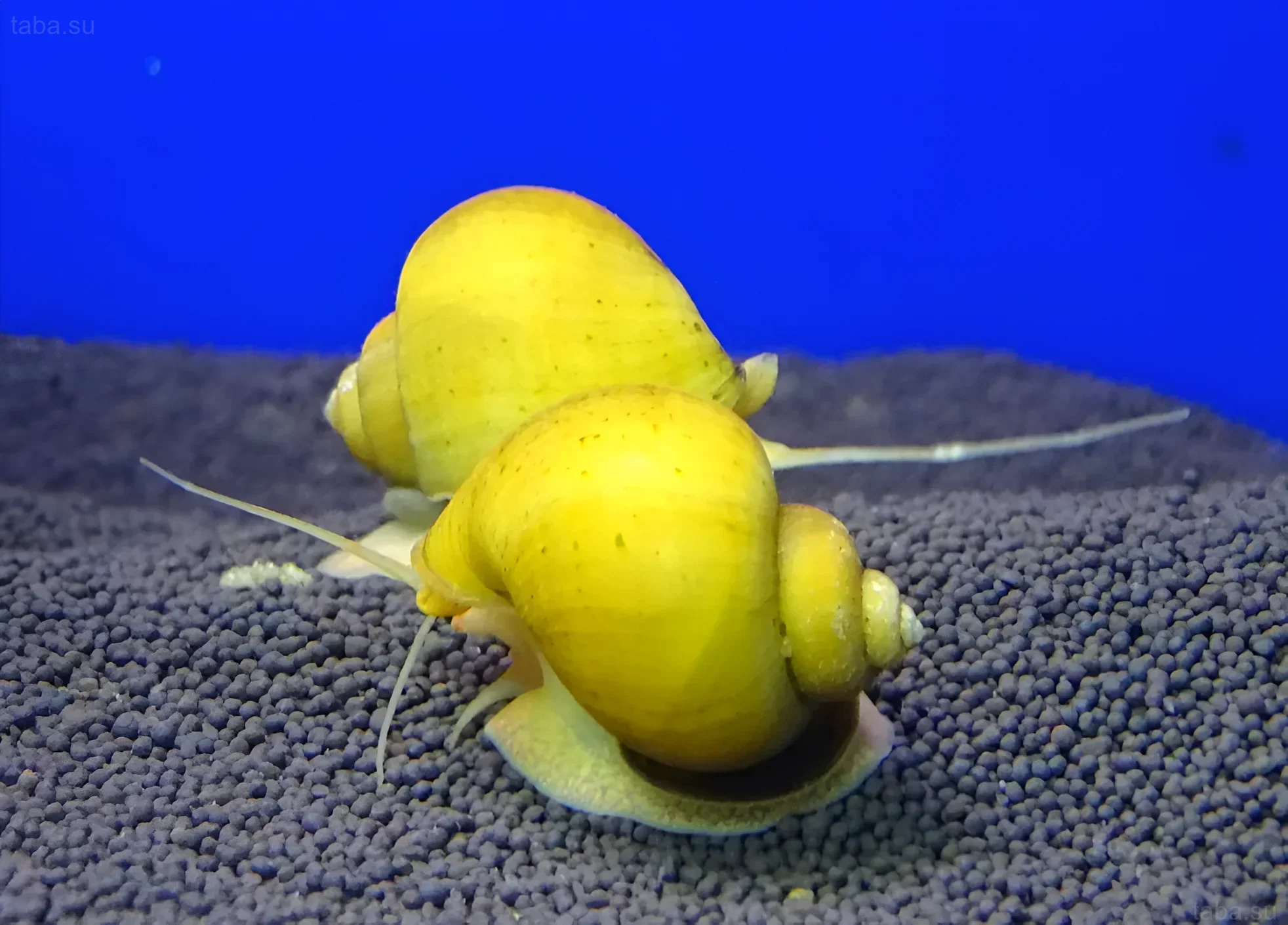
Apple snails, or ampullaries (representatives of the genus Pomacea), are among the most popular and striking invertebrate inhabitants of freshwater aquariums. Due to their impressive size, active behavior, and, most importantly, their wide range of color morphs, they have quickly won the affection of both beginner and experienced aquarists. However, to ensure these mollusks have a long and healthy life, strict maintenance rules must be followed, especially concerning water parameters and diet.
This guide focuses on the most common and aquarium-plant-safe species, often referred to as Pomacea diffusa or Pomacea bridgesii, and highlights the three most sought-after color variations: yellow, blueberry (blue), and white.
Apple Snails: A Complete Guide to Care and Breeding
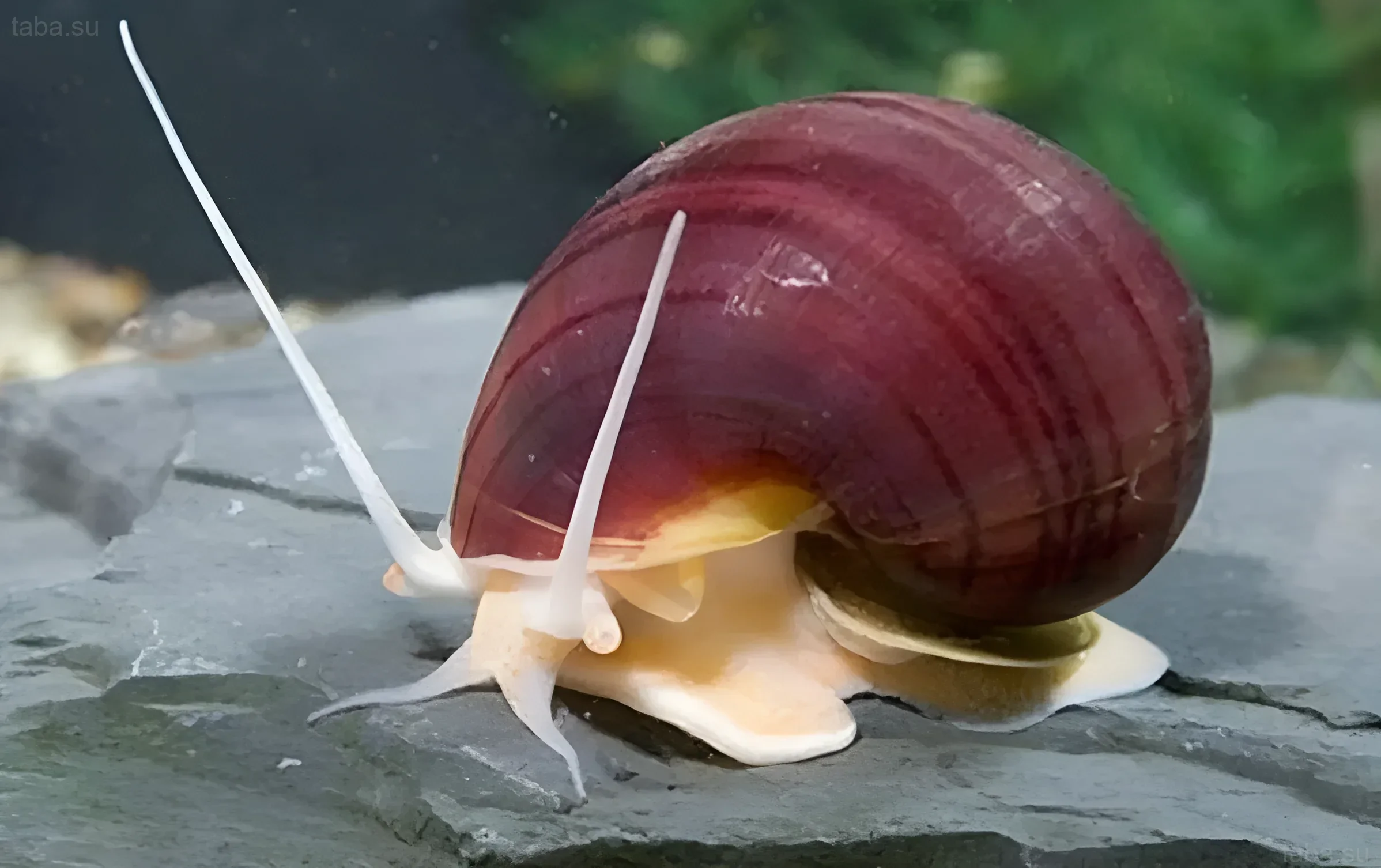
Successful apple snail keeping begins with understanding their biological needs. These snails, native to South America, are amphibians – they breathe not only with gills but also with a lung, which allows them to surface. This fact is critically important when setting up an aquarium.
Key benefits of keeping apple snails:
- Aesthetics: Bright colors and impressive size (up to 5–8 cm in diameter).
- Beneficial role: They act as scavengers, consuming leftover food and algae.
- Interesting reproduction: They lay eggs above water, which is a unique spectacle.
Types of Apple Snails: Yellow, Black (Blue-Black), White (Albino) – Differences and Features
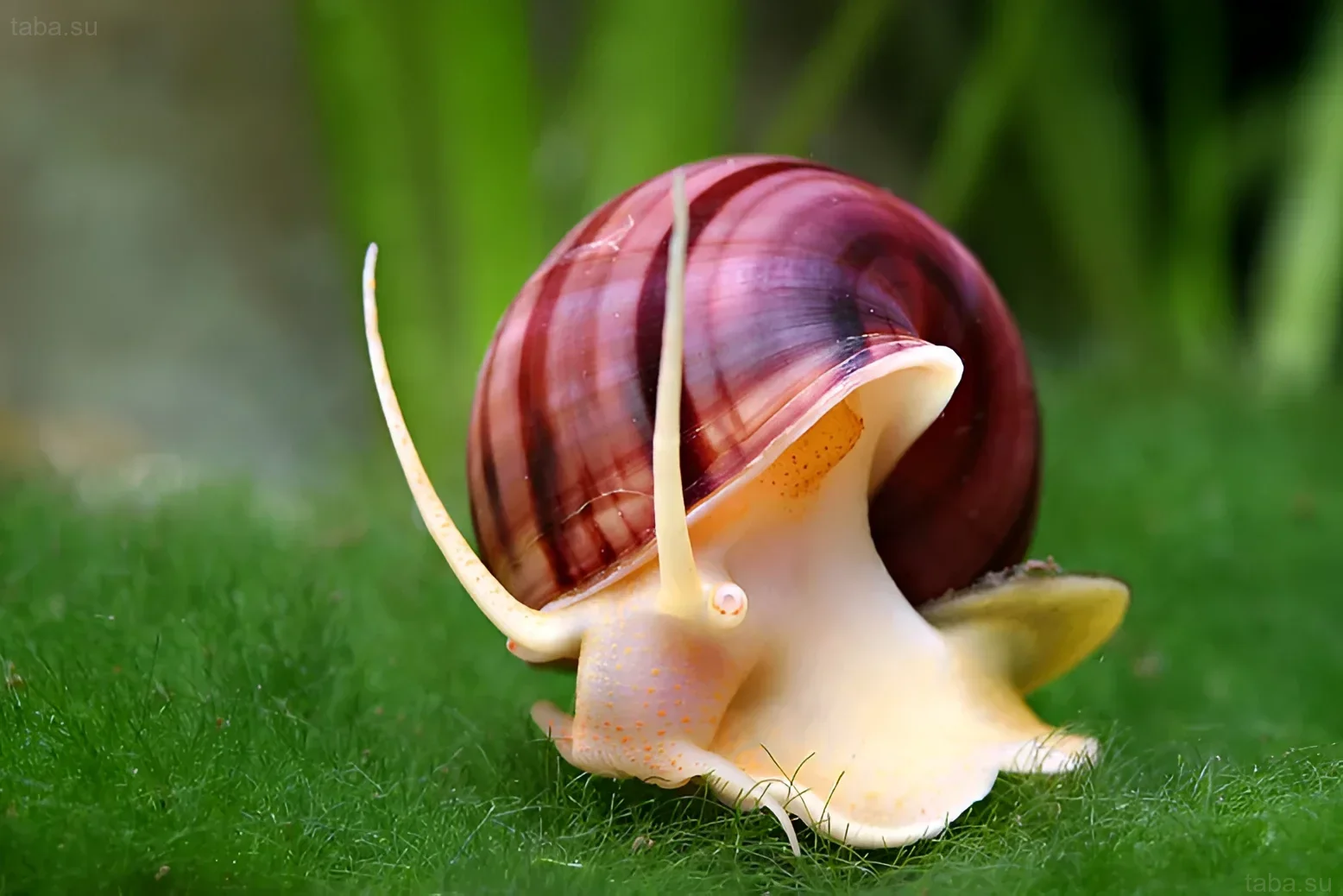
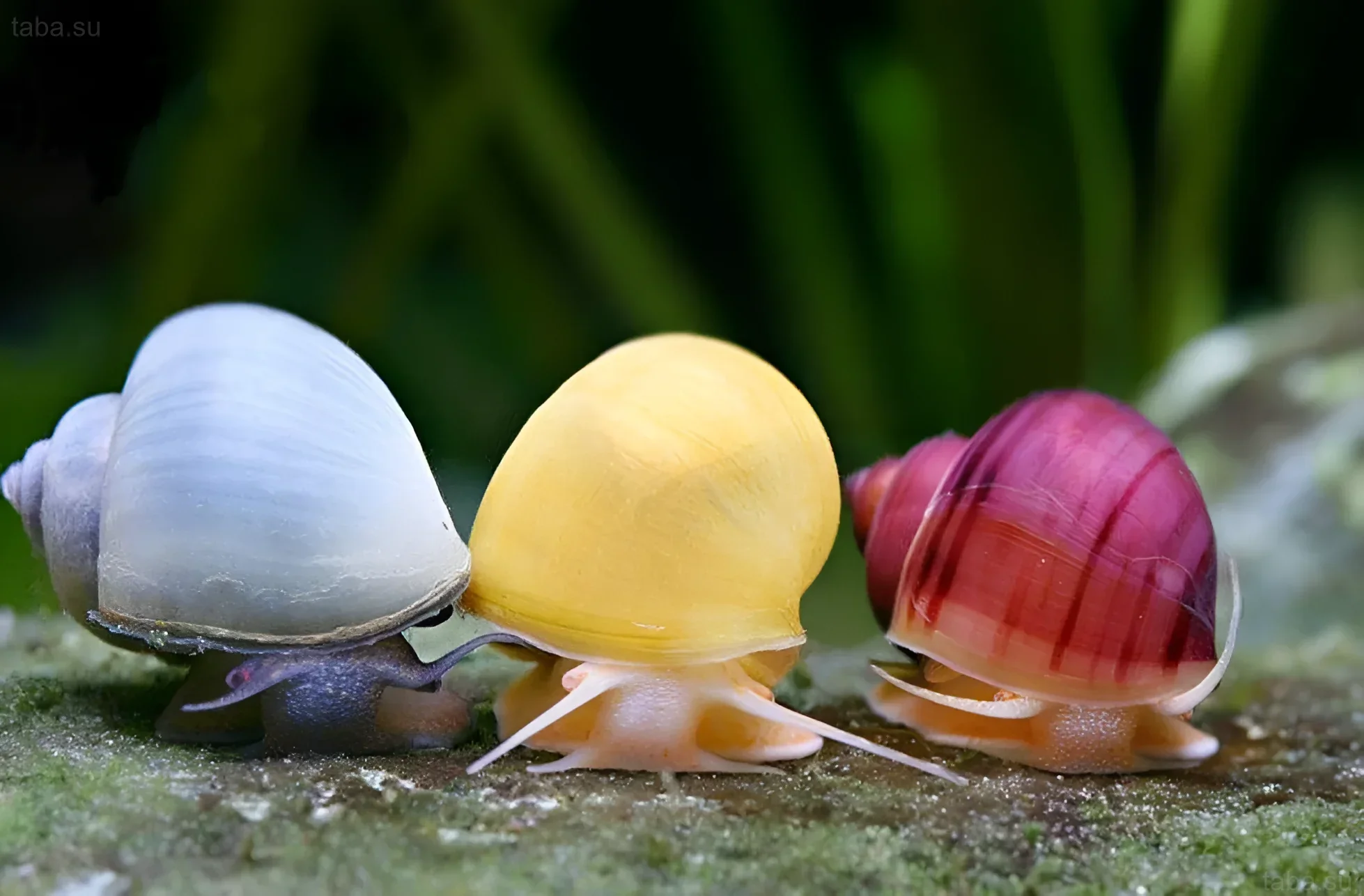
Although in aquaristics we often talk about different “species” of apple snails based on color, in reality, these are color mutations (morphs) of the same biological species, most commonly Pomacea diffusa. The differences lie in the pigmentation of the body and shell.
1. Yellow Apple Snail (Gold/Yellow Ampullaria)
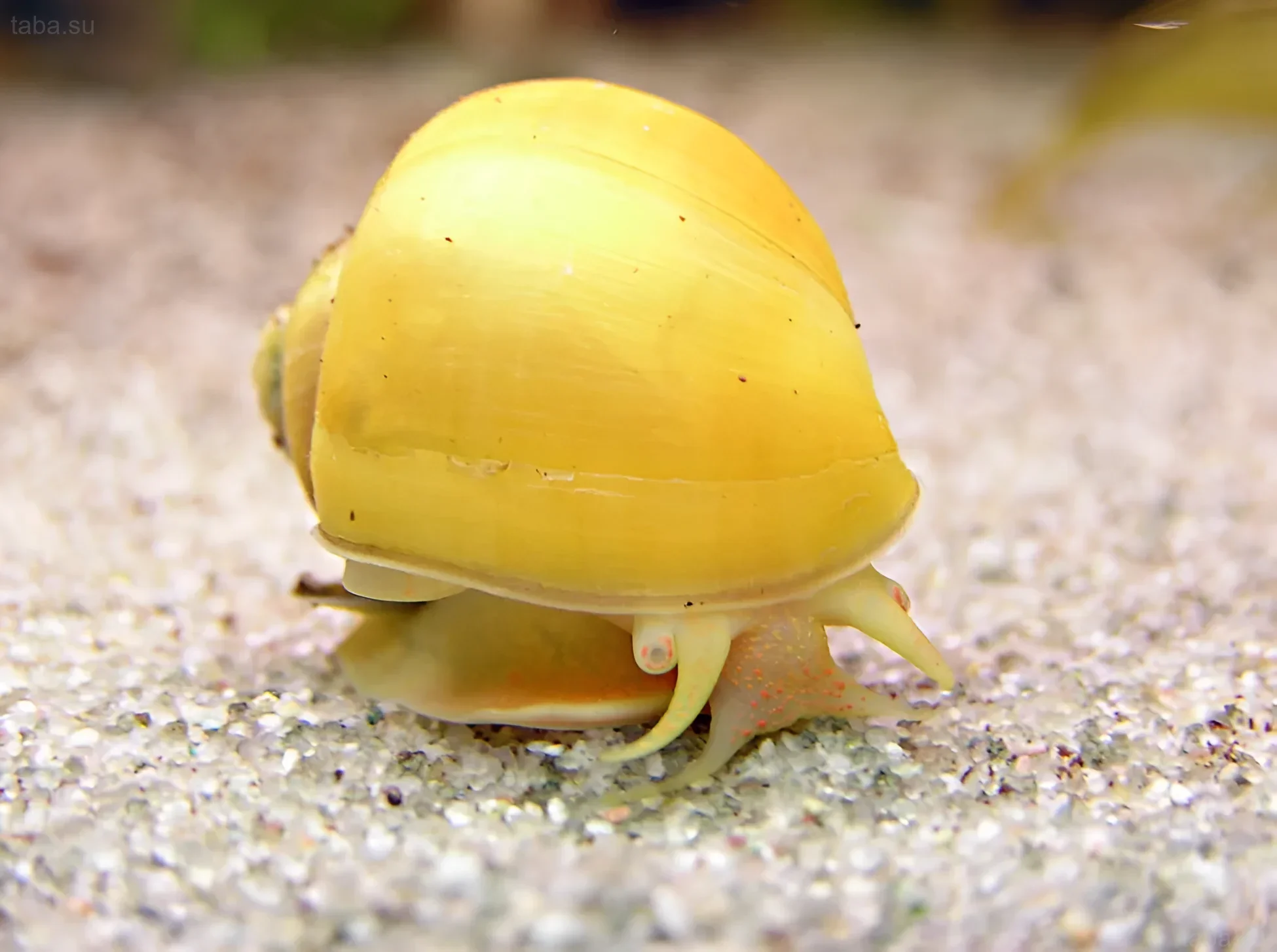
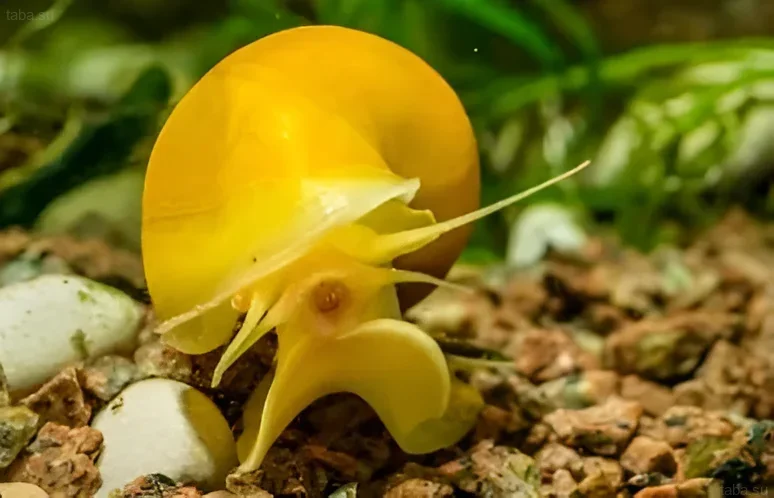
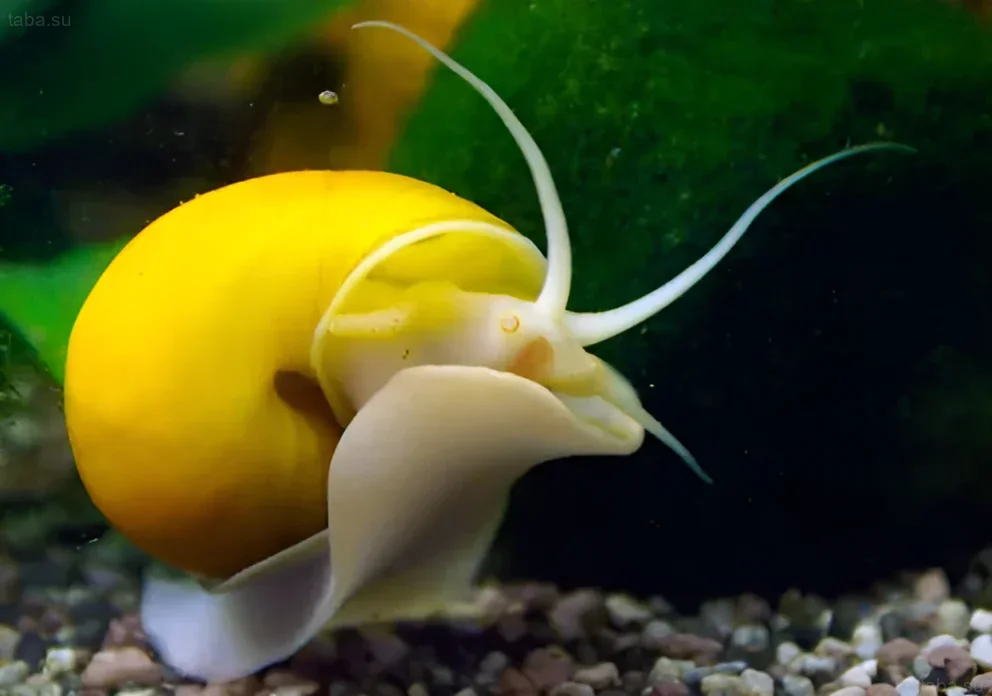
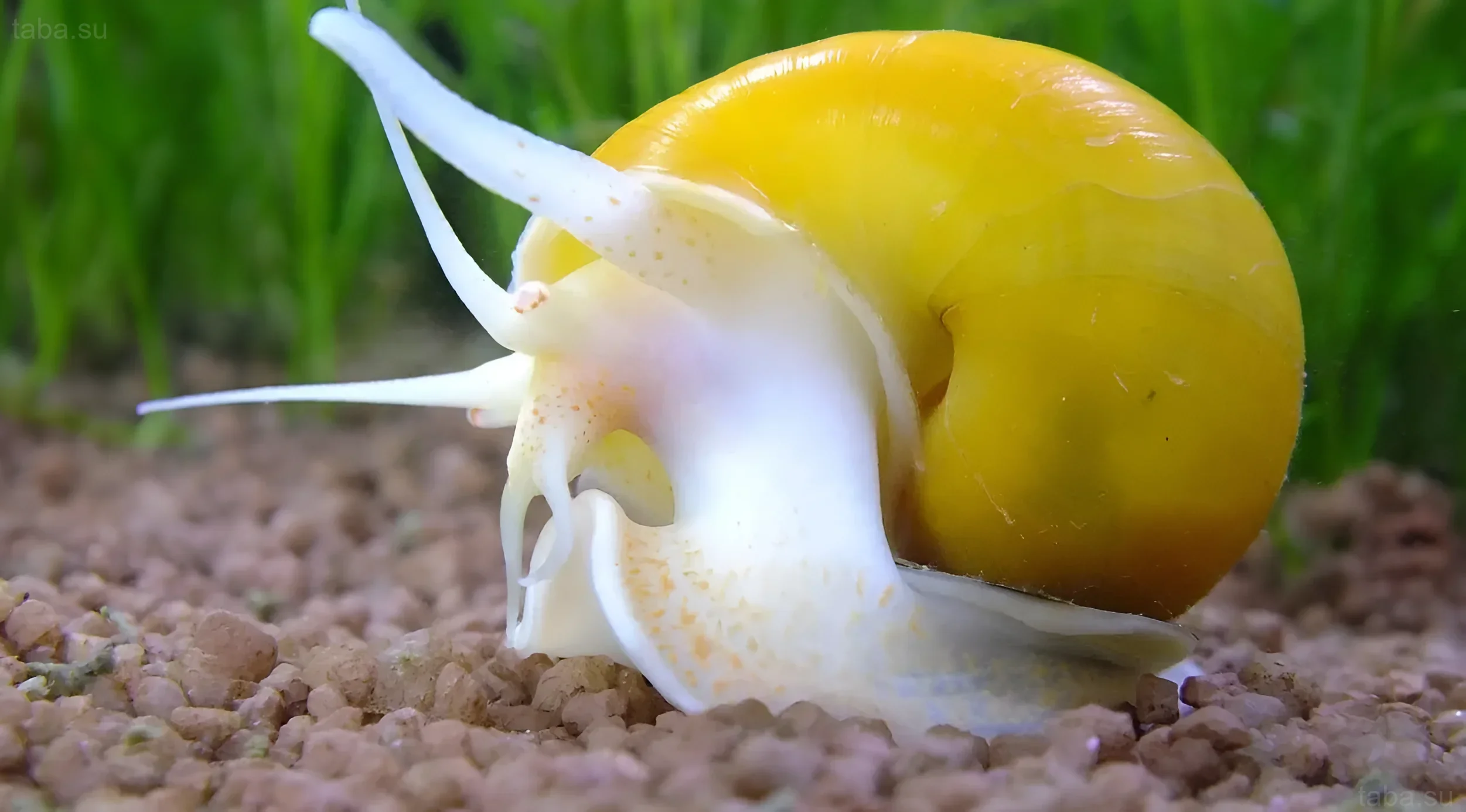
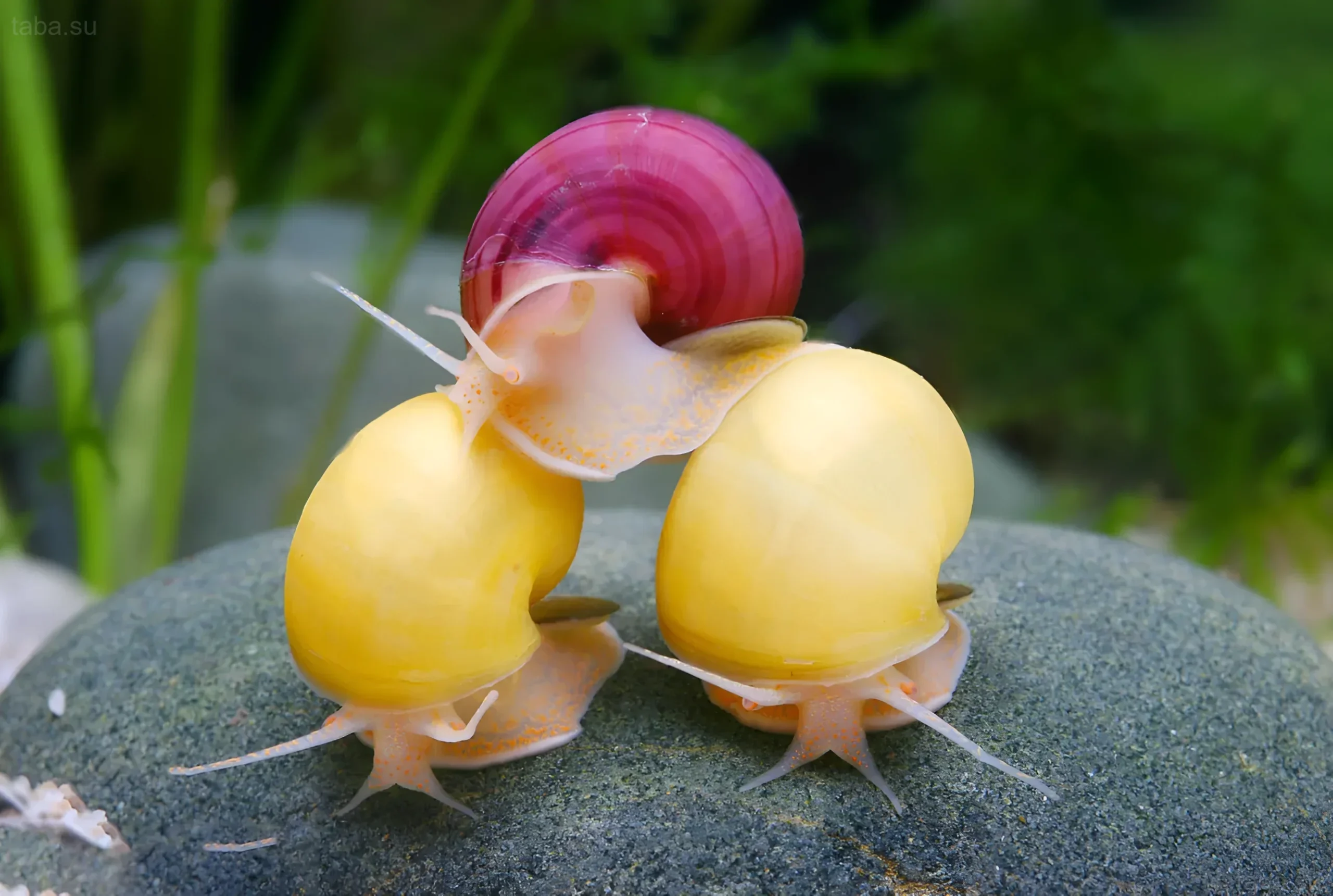
This is the most common and undemanding morph. Its popularity is due to its bright lemon-yellow shell color and light, often cream or yellowish body. Yellow apple snails are easily visible against dark substrate and green plants.
- Shell: Bright yellow, without stripes.
- Body: Light or golden.
2. Blueberry or Blue-Black Apple Snail (Blue/Black Ampullaria)
This morph is a result of selective breeding and is considered rarer. The shell color ranges from dark blue to almost black, and the body often has a dark, almost graphite hue. Depending on the lighting, they can appear inky or deep blue. It is the dark body pigmentation that gives the shell a richer color.
- Shell: Gray-blue, blue, or black.
- Body: Dark gray, black, or blue.
3. White Apple Snail (White/Albino Ampullaria)
White apple snails are typically albinos. They are characterized by a complete or near-complete absence of pigment in their bodies. The shell often has a very light, almost white or pale yellow hue, and the body is milky white. The main distinguishing feature of albinos is red or pink eyes, which indicates the absence of melanin.
- Shell: Light cream or white.
- Body: White, translucent.
- Feature: Red eyes (albinism).
Creating the Ideal Aquarium for Apple Snails: Water Parameters, Substrate, Plants, and Decor
The key factor for the longevity of apple snails is water hardness. Since their shells are composed of calcium carbonate, soft and acidic water quickly leads to erosion and death of the mollusk. The aquarium must be stable and clean.
Essential water parameters:
- Temperature: 22–26 °C. At higher temperatures, snails are more active, but their lifespan is reduced.
- pH (acidity): 7.0–8.0 (neutral to slightly alkaline).
- GH (general hardness): 8–18 dGH. Hard water is vital.
- KH (carbonate hardness): High, to stabilize pH and provide a calcium reserve.
Expert tip on calcium: If the water in your region is soft, you must add calcium supplements, such as marble chips in the substrate, special mineralizers, or calcium tablets for reptiles/mollusks.
Aquarium setup:
- Size: Each adult apple snail requires at least 10–15 liters of water.
- Substrate: Any neutral substrate without sharp edges will work.
- Cover glass: Critically important! Apple snails lay eggs above the water level. An air gap of 5–10 cm must be left between the water surface and the lid.
- Plants: Pomacea diffusa and P. bridgesii usually do not bother healthy, hard-leaved plants (e.g., Anubias barteri or Microsorum pteropus). However, they may nibble on delicate or decaying leaves, as well as soft species (e.g., Cabomba).
Feeding Apple Snails: What to Feed, How Often, and How Much?
Apple snails are omnivores with a strong preference for plant-based food. They are excellent scavengers, but relying solely on leftover food is not advisable. Lack of nutrition is a direct path to the snail starting to eat aquarium plants.
The main diet should include:
- Vegetables: Zucchini, cucumbers, pumpkin, carrots (blanched or boiled until soft).
- Leafy greens: Lettuce, spinach (must be scalded with boiling water to make them sink).
- Specialized foods: Tablets for bottom-feeding fish and snails, containing spirulina and calcium.
- Protein supplements: Occasionally, you can offer small pieces of bloodworms or daphnia (no more than once a week).
Importance of calcium in the diet:
In addition to hard water, apple snails need calcium in their food. If a snail receives enough calcium, its shell will be smooth, strong, and free from signs of erosion. You can use special calcium-rich foods or add mineral stones to the aquarium.
Breeding Apple Snails: From Egg Laying to Hatching – Step-by-Step Instructions
Apple snails are dioecious animals, although it is practically impossible to distinguish males from females externally. For successful breeding, you need a group of several individuals. Egg laying occurs above water.
Breeding process:
1. Egg clutches (spawn): The female will rise above the water (usually at night) and lay a dense, grape-like cluster of eggs. Apple snail egg clutches have a unique appearance: they are hard, white, pink, or light green and resemble a bunch of grapes. The eggs must remain moist but not submerged in water.
2. Incubation:
- Humidity: Egg clutches require high humidity (at least 80–90%) to prevent drying out.
- Temperature: Optimal is 25–28 °C.
- Duration: Incubation takes from 10 to 25 days, depending on the temperature.
3. Hatching: When the snails are ready, they will break through the egg membrane and fall directly into the water. At this point, it is important that the water is clean and warm.
Caring for the young:
Young snails are very vulnerable. They should be fed finely ground plant-based foods, algae, and specialized fry food. Calcium in the diet and water for the young should be in excess for the formation of strong shells.
Apple Snail Diseases and Treatment: Diagnosis and Prevention
Apple snails are relatively resistant to diseases, but problems usually arise due to incorrect water parameters or injuries. The most common issues are related to the shell.
1. Shell Pitting (Shell Erosion)
- Cause: Low pH (acidic water) and calcium deficiency. Acid dissolves calcium carbonate.
- Symptoms: Appearance of white, rough, or pitted areas on the shell, especially at the apex.
- Treatment/Prevention: Immediate increase in water hardness (GH and KH) and addition of calcium to the diet.
2. Fungal and Bacterial Infections
- Cause: Polluted water, injuries to soft tissues.
- Symptoms: White, fuzzy growths on the body or around the operculum (lid). Lethargy, refusal to eat.
- Treatment: Improve water quality. In severe cases, antibacterial medications may be used in a quarantine tank, but snails are very sensitive to copper, so caution is necessary.
3. Operculum (lid) problems
If a snail cannot fully close its operculum, it can be a sign of severe stress, illness, or injury. Ensure the snail is not being attacked by fish and that water parameters are stable.
Apple Snails and Other Aquarium Inhabitants: Compatibility and Potential Problems
Apple snails are slow-moving and defenseless creatures, so their compatibility directly depends on the choice of tank mates. Peaceful species should be preferred.
Ideal tank mates:
- Neon tetras (Paracheirodon innesi), tetras, rasboras (Rasbora).
- Small livebearers (guppies, mollies).
- Corydoras catfish (Corydoras) and otocinclus (Otocinclus).
Dangerous tank mates (absolutely incompatible):
Any fish that feed on mollusks or have a habit of nipping snail tentacles should be excluded.
- Predatory snails: Assassin snails (Anentome helena).
- Loaches: Botias (especially clown loaches (Chromobotia macracanthus)) – they are specialized snail eaters.
- Pufferfish: Absolutely incompatible, they will crack open an apple snail’s shell.
- Large aggressive cichlids: Can injure or eat the snail.
Potential problems:
Some fish, like barbs, may nip at the long, sensitive tentacles of apple snails, causing them stress and forcing them to constantly hide in their shells.
FAQ: Answers to the Most Popular Questions About Apple Snails
How long do apple snails live?
Lifespan directly depends on water temperature. At optimal temperatures (22–24 °C), they live for 2–4 years. At higher temperatures (26–28 °C), their metabolism accelerates, and their lifespan is reduced to 1–2 years.
Why is my apple snail not moving?
Apple snails can go into hibernation or “rest” for several hours or even days, closing their operculum tightly. If the snail is closed, does not smell rotten, and does not float to the surface, it is likely just resting. If it is open, unresponsive to stimuli, and has an unpleasant odor, it has likely died.
Do apple snails eat live plants?
Healthy Pomacea diffusa (the most common species) generally do not eat healthy, hard leaves. They prefer soft, decaying plant matter and algae. However, if an apple snail is hungry or lacks plant-based food and calcium, it may resort to eating softer aquarium plants (e.g., Vallisneria or Hornwort).
Do I need to clean the apple snail’s shell?
Algae often grow on the shells. This usually does not harm the snail. Manual cleaning of the shell is not recommended as it can damage the protective layer. If there is too much algae, it may indicate an excess of light or nutrients in the aquarium.
How do yellow, blueberry, and white apple snails differ in care?
In terms of care, all color morphs (yellow, blueberry, white) require identical water parameters and diet. The differences are purely aesthetic. However, albinos (white) may be slightly more sensitive to bright lighting due to the lack of pigment in their eyes.
Additional Images
Gallery of remaining images (click to view):