
The world of aquaristics is full of amazing discoveries, incredible colors, and boundless devotion. However, from the outside, aquarists often seem a bit eccentric, immersed in their microcosm, speaking an incomprehensible language about pH, nitrates, and lumens. This image of a “strange” person with a mad gleam in their eyes when it comes to their underwater kingdom is not accidental. It is a direct consequence of deep immersion in one of the most multifaceted and intellectually stimulating hobbies. Let’s try to understand what makes aquarists so special and why their “oddities” are, in fact, the highest degree of mastery and passion.
Без рубрики
Helena: The Predatory Snail That Will Save Your Aquarium from Ramshorn Snails

Overpopulation of pest snails is one of the most common and annoying problems faced by both beginner and experienced aquarists. Ramshorn snails (*Planorbarius corneus*), bladder snails (*Physella acuta*), and Malaysian trumpet snails (*Melanoides tuberculata*), introduced with new plants or decor, can infest an aquarium in a matter of weeks, disrupting aesthetics and biological balance. Chemical control methods are often detrimental to shrimp and beneficial bacteria, while manual removal requires immense patience. In this context, biological control becomes the ideal solution, and a key role in it is played by an inconspicuous but extremely effective predator – the Helena snail.
Rhizoclinium in the Aquarium: Effective Methods for Combating “Cotton-like” Filaments

The appearance of fluffy, cotton-like, or tufted gray thread-like formations in an aquarium is one of the most unpleasant surprises an aquarist can encounter. This phenomenon, often mistakenly identified as a fungal disease or film, is actually a manifestation of an aggressive algae colony known in aquaristics as Rhizoclinium (although strict biological classification may place it in other groups). Effective control of this ailment requires a systematic approach: understanding the causes, accurate identification, and immediate implementation of comprehensive measures.
Mexican Dwarf Crayfish CPO: A Complete Guide to Care and Breeding
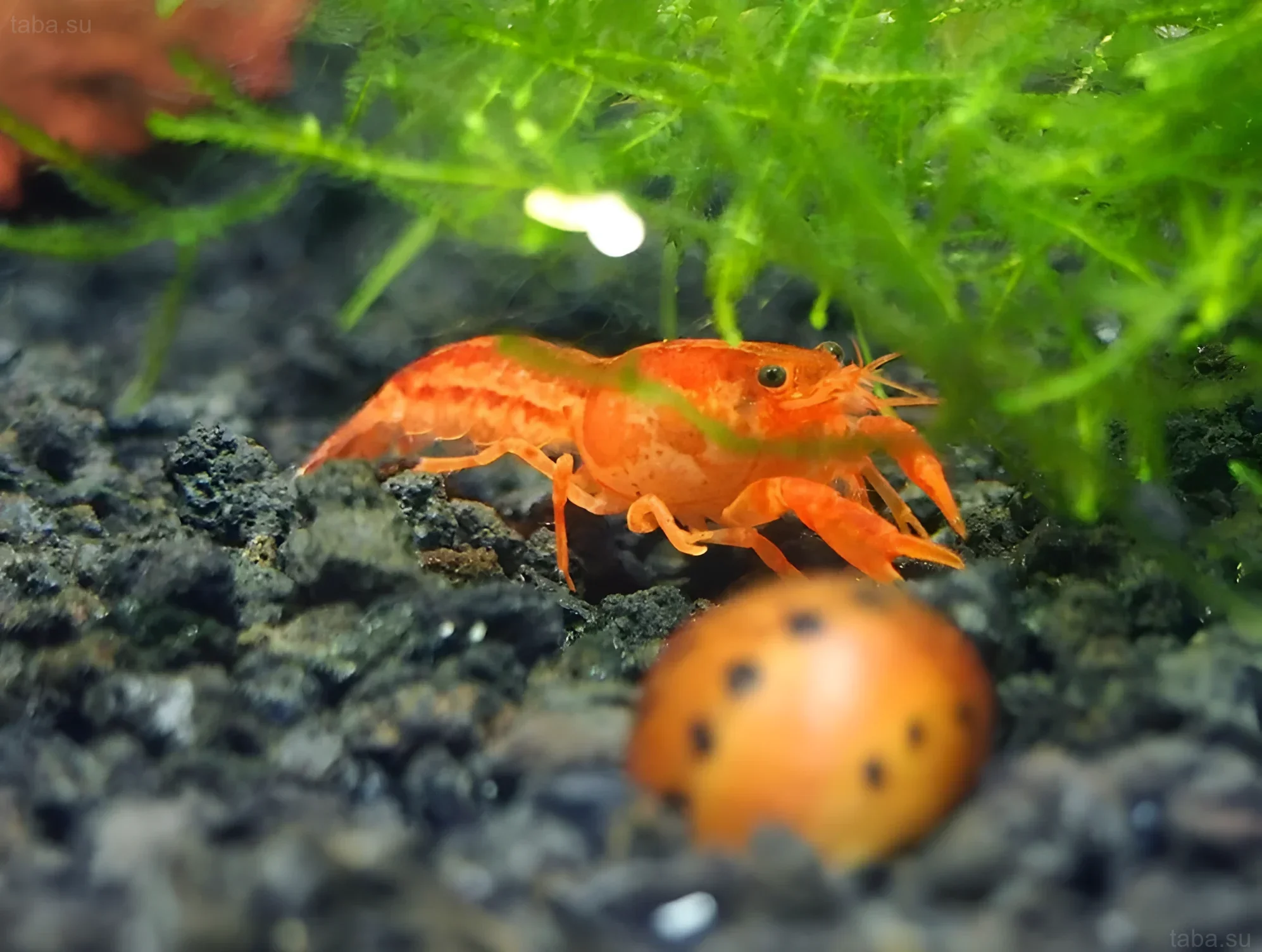
The Mexican dwarf crayfish (Cambarellus patzcuarensis), especially its popular orange variation often referred to as CPO (from Crayfish Patzcuarensis Orange), is one of the most sought-after invertebrates in the world of nano-aquariology. Thanks to their vibrant coloration, moderate size, and relatively peaceful nature, these crayfish have become ideal inhabitants for small freshwater biotopes. Successful CPO keeping requires knowledge of the specific conditions that need to be created for these small decapods to fully display their beauty and activity.