
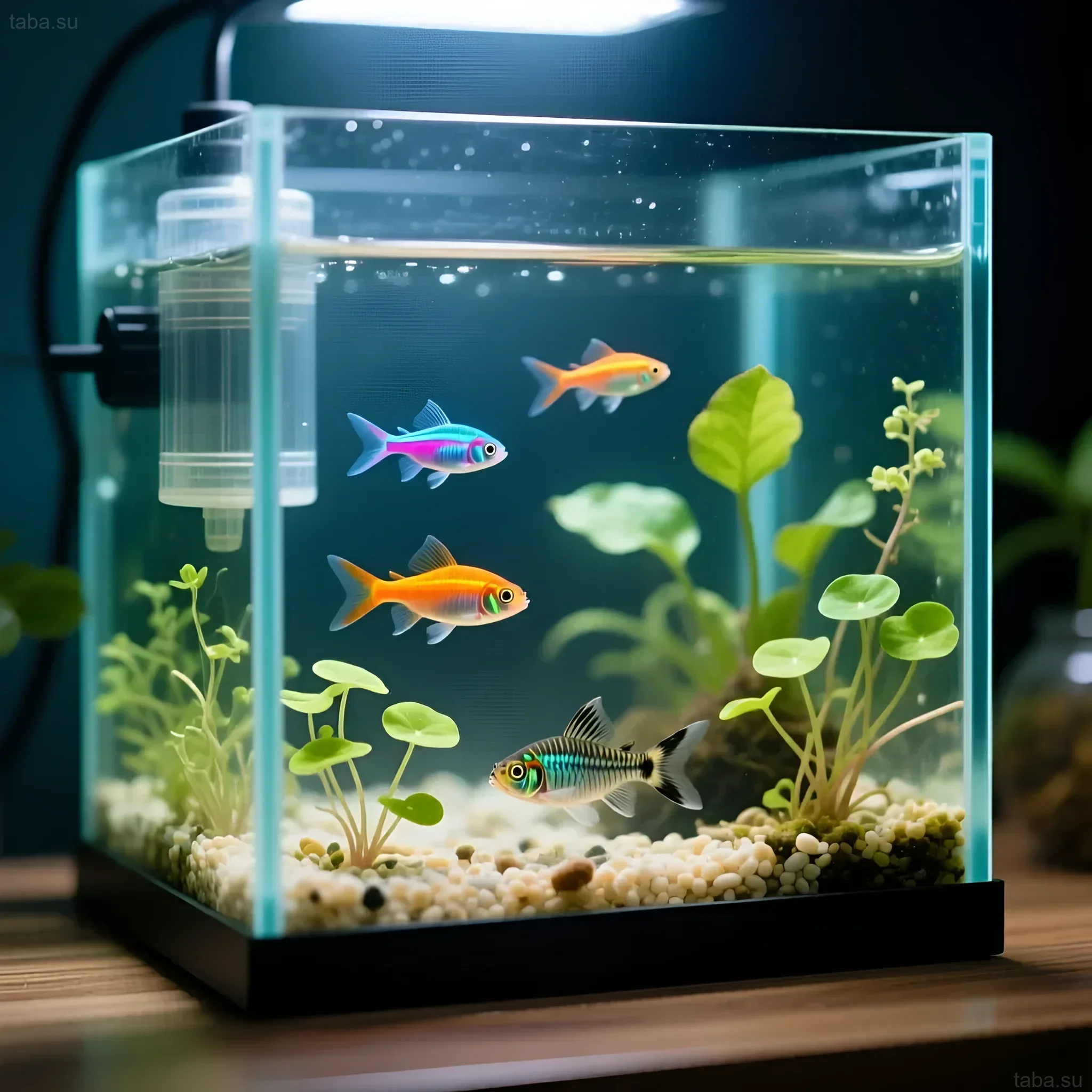
An internal filter, often called a “canister” or “submersible pump” by aquarists, is one of the most common and affordable devices for maintaining water purity in a freshwater aquarium. Its compactness, ease of installation, and high efficiency in mechanical filtration make it an indispensable element for many aquarium systems, especially those of small and medium volumes. However, like any piece of equipment, the “canister” has its limitations, and its effectiveness directly depends on correctly matching its power to the tank’s volume and bioload.
Equipment
LED Floodlights for Aquariums: Budget Lighting for Undemanding Plants
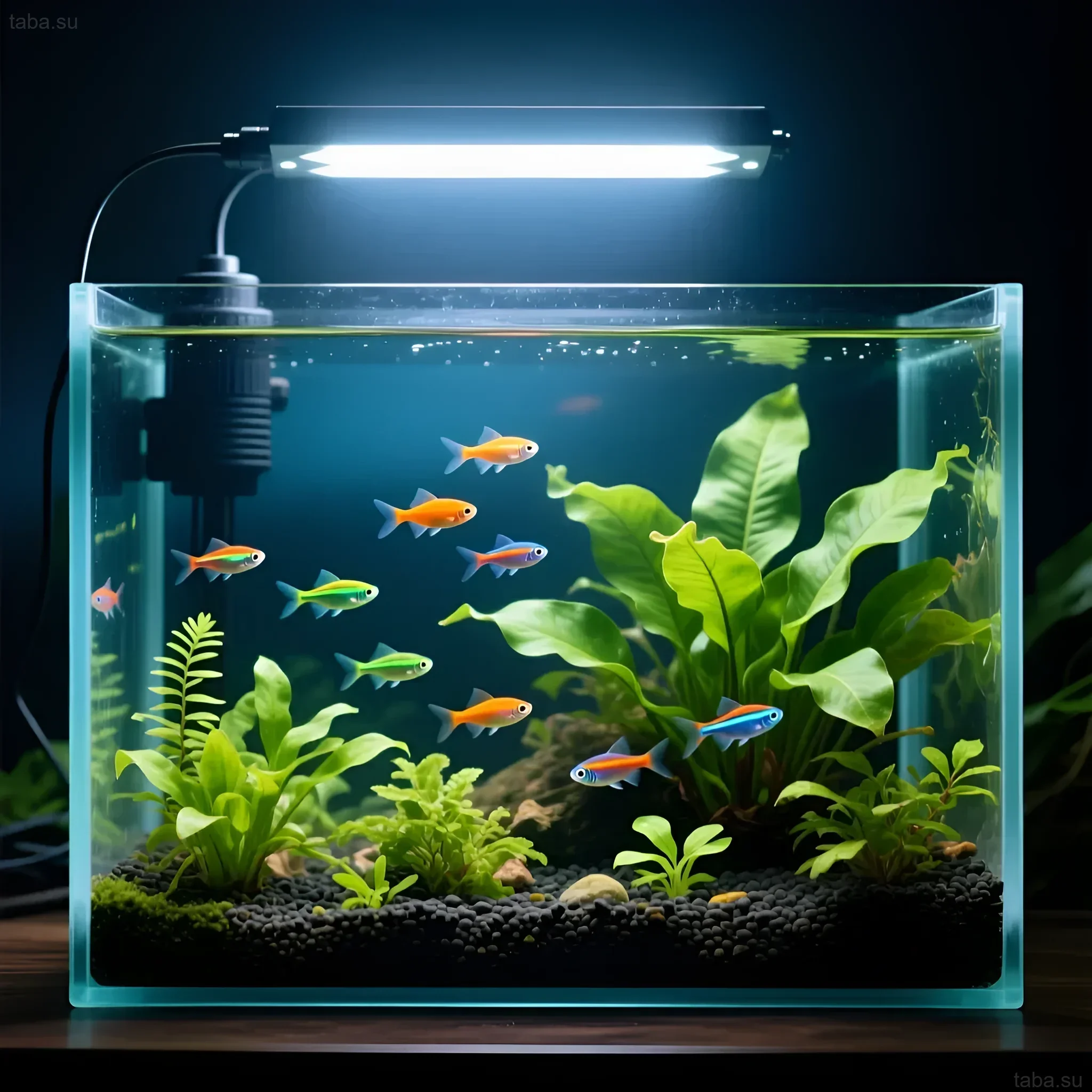
Light is one of the three key elements of a successful aquarium ecosystem, along with nutrition and carbon dioxide. However, the cost of specialized aquarium lights often becomes a significant barrier for beginner aquarists or those maintaining multiple tanks. In recent years, an affordable alternative has emerged on the market – powerful LED floodlights, originally designed for outdoor or industrial lighting. Experts from taba.su have investigated how effectively and safely these budget-friendly solutions can be used to support the life of undemanding aquarium plants.
Compressor and Aerating Filter: When is a Second Oxygen Source Needed?
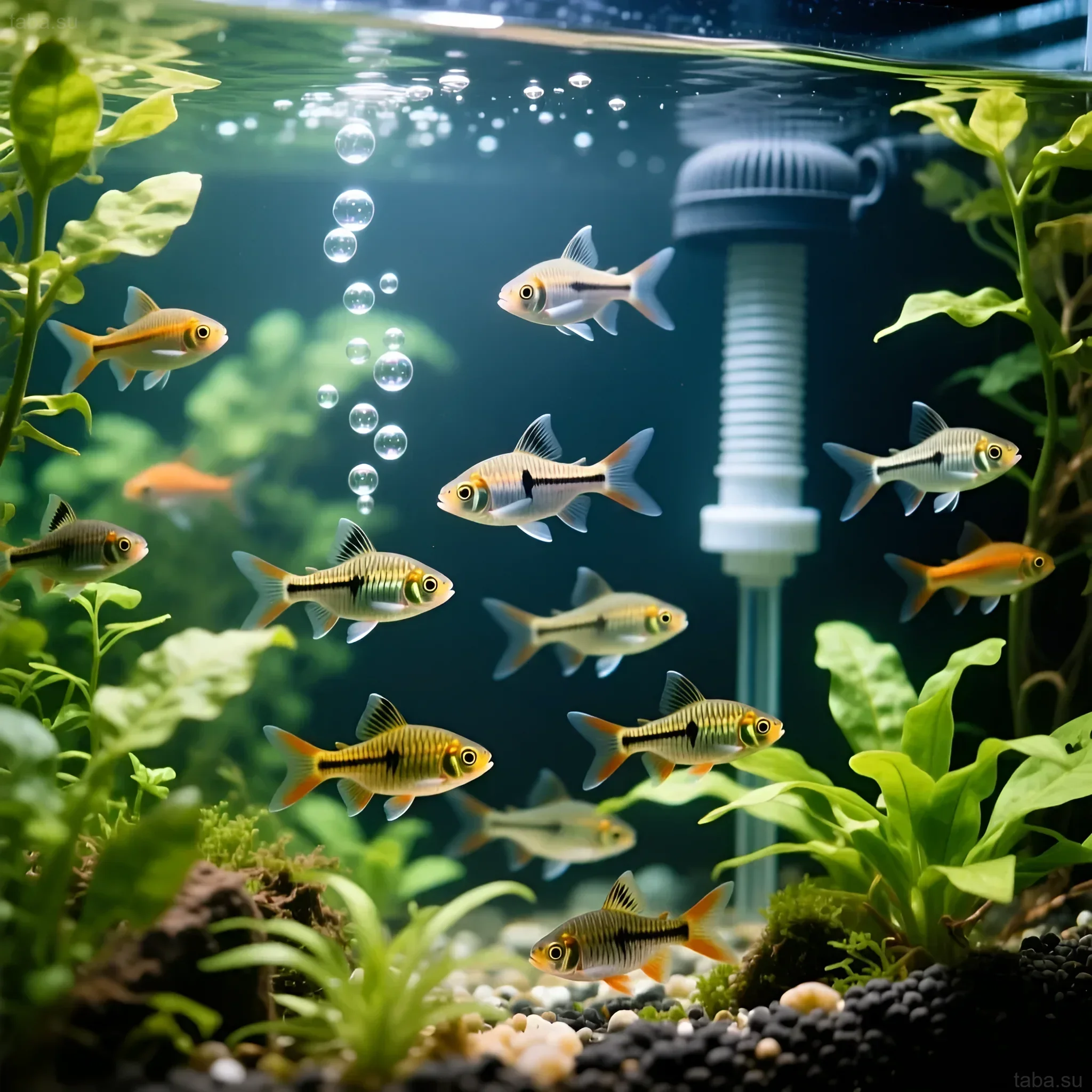
The question of whether an additional compressor is needed when an aquarium already has a filter equipped with an aeration function (Venturi or spray bar) is one of the most common among beginner and even experienced aquarists. This is not just a matter of duplicating functions, but a key aspect of ensuring an optimal environment for aquatic life. Experts from the taba.su portal conducted a thorough analysis to determine under which conditions a filter can cope on its own, and when installing a separate compressor becomes a vital necessity.
Why CO2 is Needed in an Aquarium: The Role of Carbon and Supply Systems
Aquaristics with live plants is not just a hobby, it’s a balance of a complex ecosystem where every element plays a critically important role. To achieve lush, healthy, and intensely green underwater landscapes (aquascaping), plants need to be provided with three key components: light, macro- and microelements, and, most importantly, carbon. Carbon (C) is the building material for all organic compounds, and its primary source in an aquarium is carbon dioxide (CO2).
Cube Aquarium (Nano Cube): A Comprehensive Review, Pros and Cons of the Shape
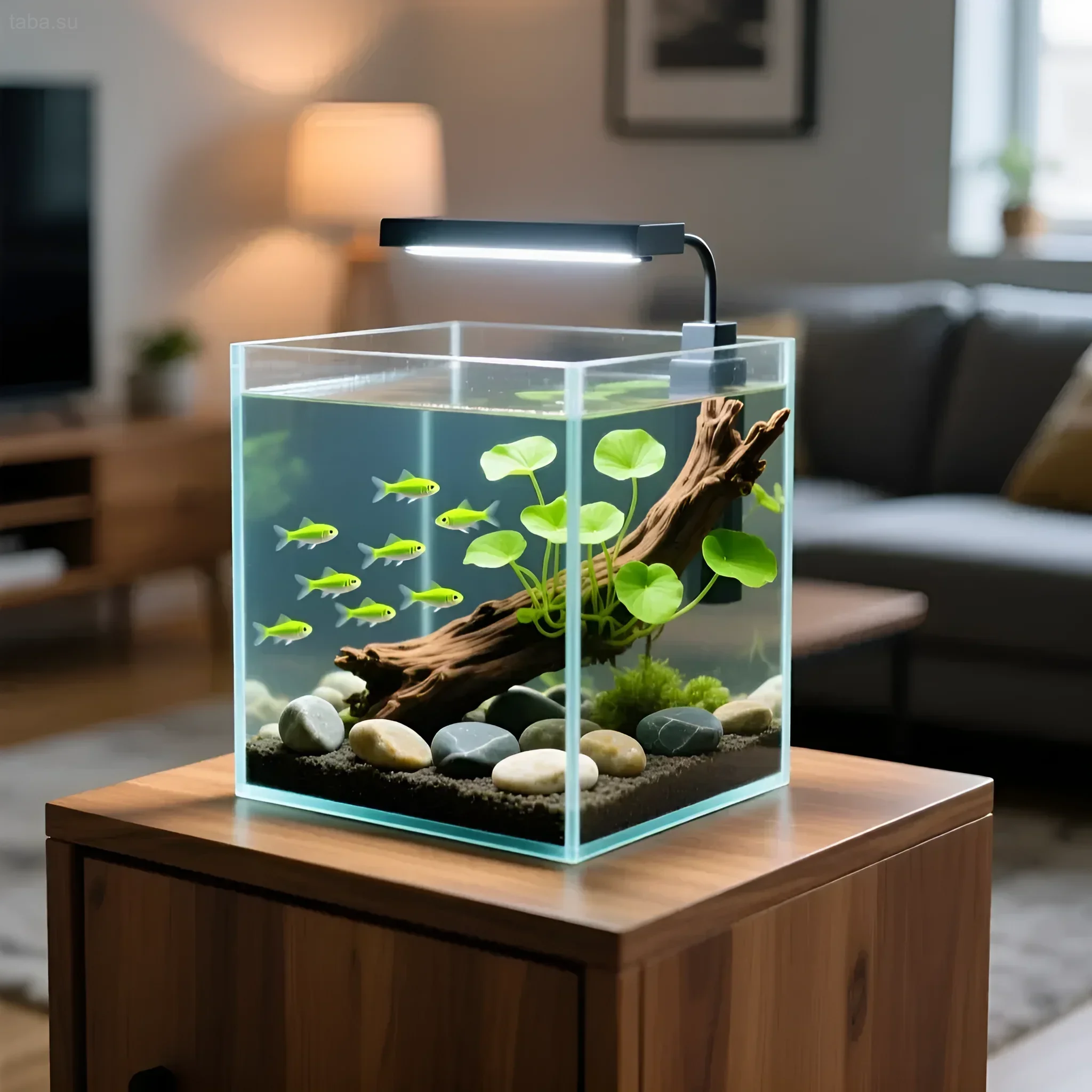
In the world of aquaristics, there are many shapes and sizes of tanks, but in recent years, the so-called cube aquarium, or Nano Cube, has gained particular popularity. This shape, characterized by equal or nearly equal length, width, and height, offers unique aesthetic and practical possibilities, especially for those with limited space or who wish to create a miniature, detailed biotope.