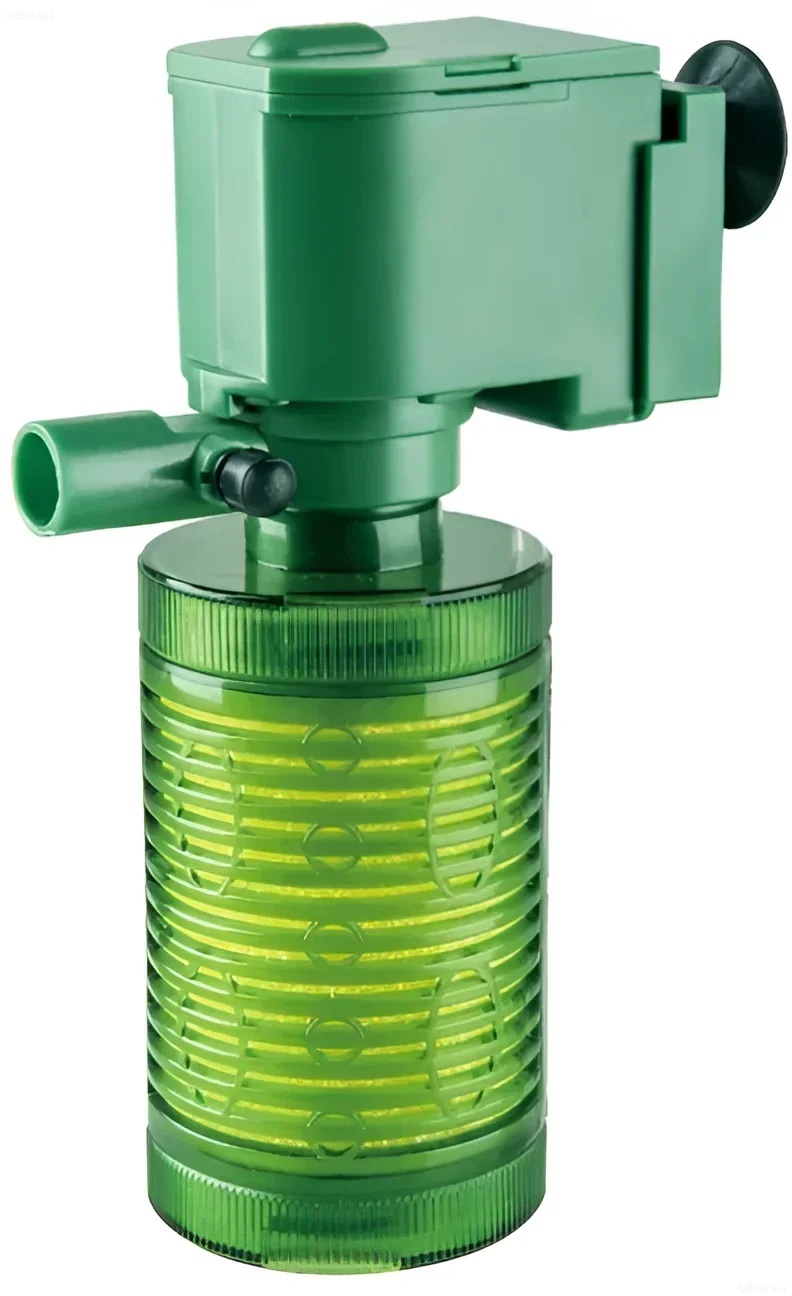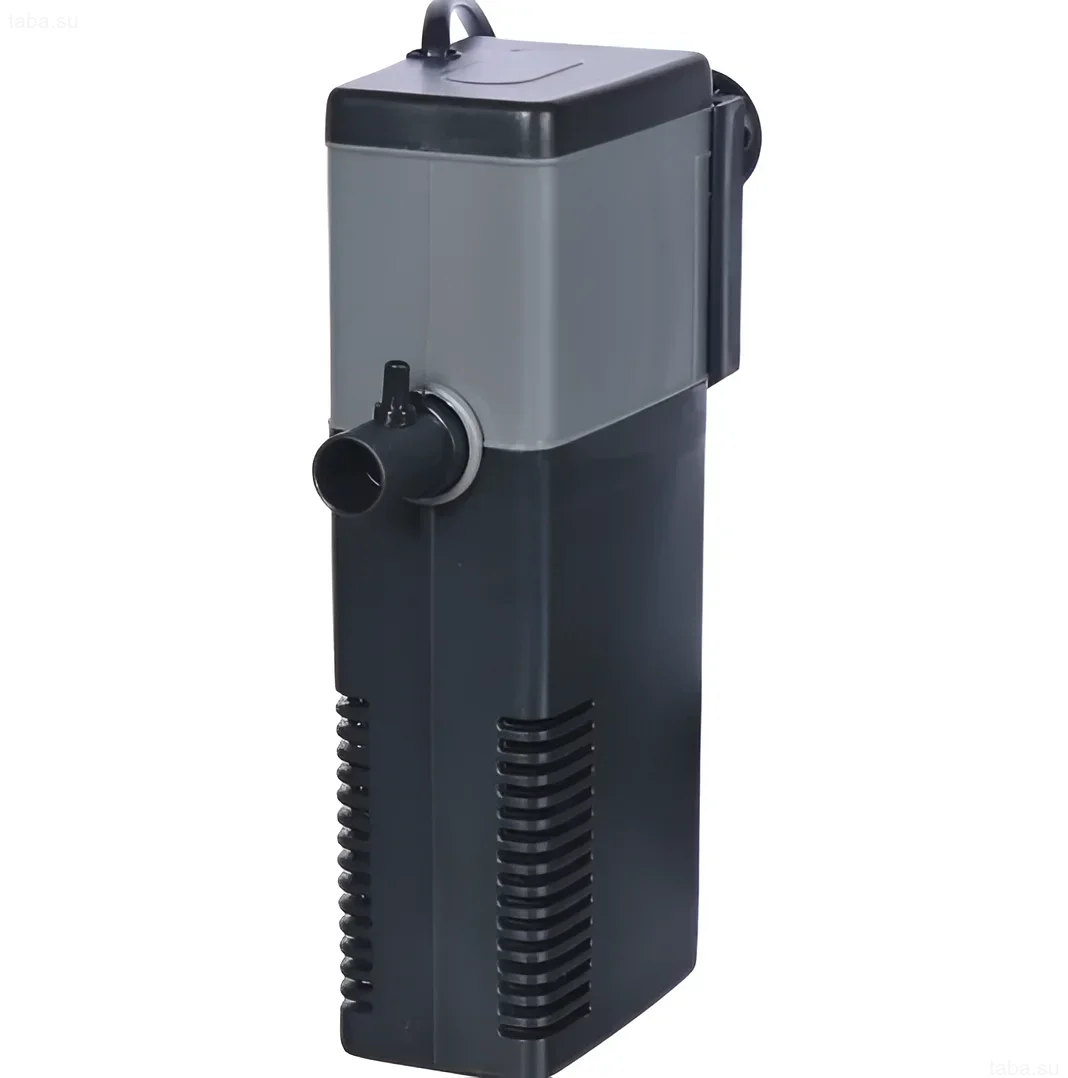
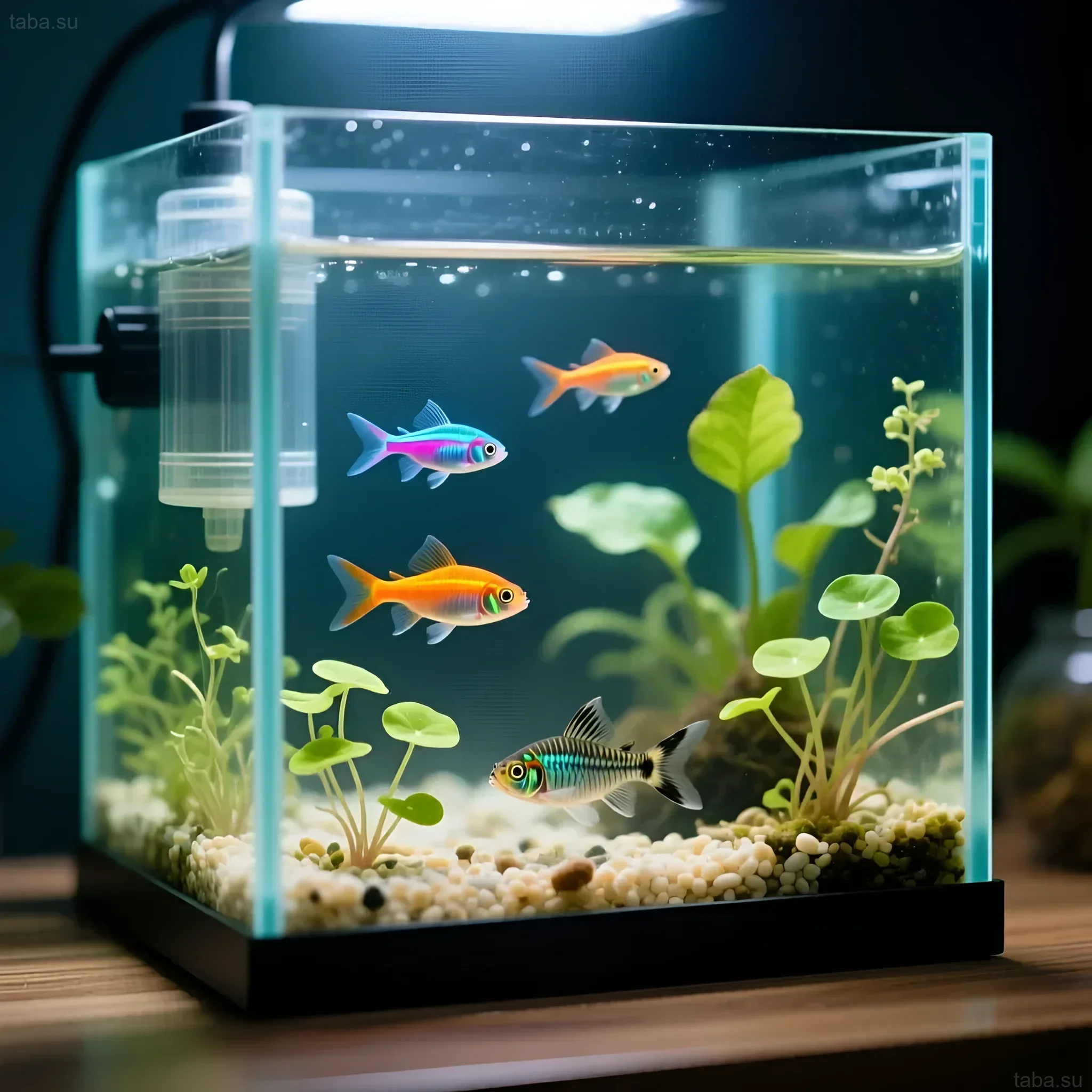
An internal filter, often called a “canister” or “submersible pump” by aquarists, is one of the most common and affordable devices for maintaining water purity in a freshwater aquarium. Its compactness, ease of installation, and high efficiency in mechanical filtration make it an indispensable element for many aquarium systems, especially those of small and medium volumes. However, like any piece of equipment, the “canister” has its limitations, and its effectiveness directly depends on correctly matching its power to the tank’s volume and bioload.
Internal Filter (Canister) for Aquariums: A Complete Guide to Selection and Use
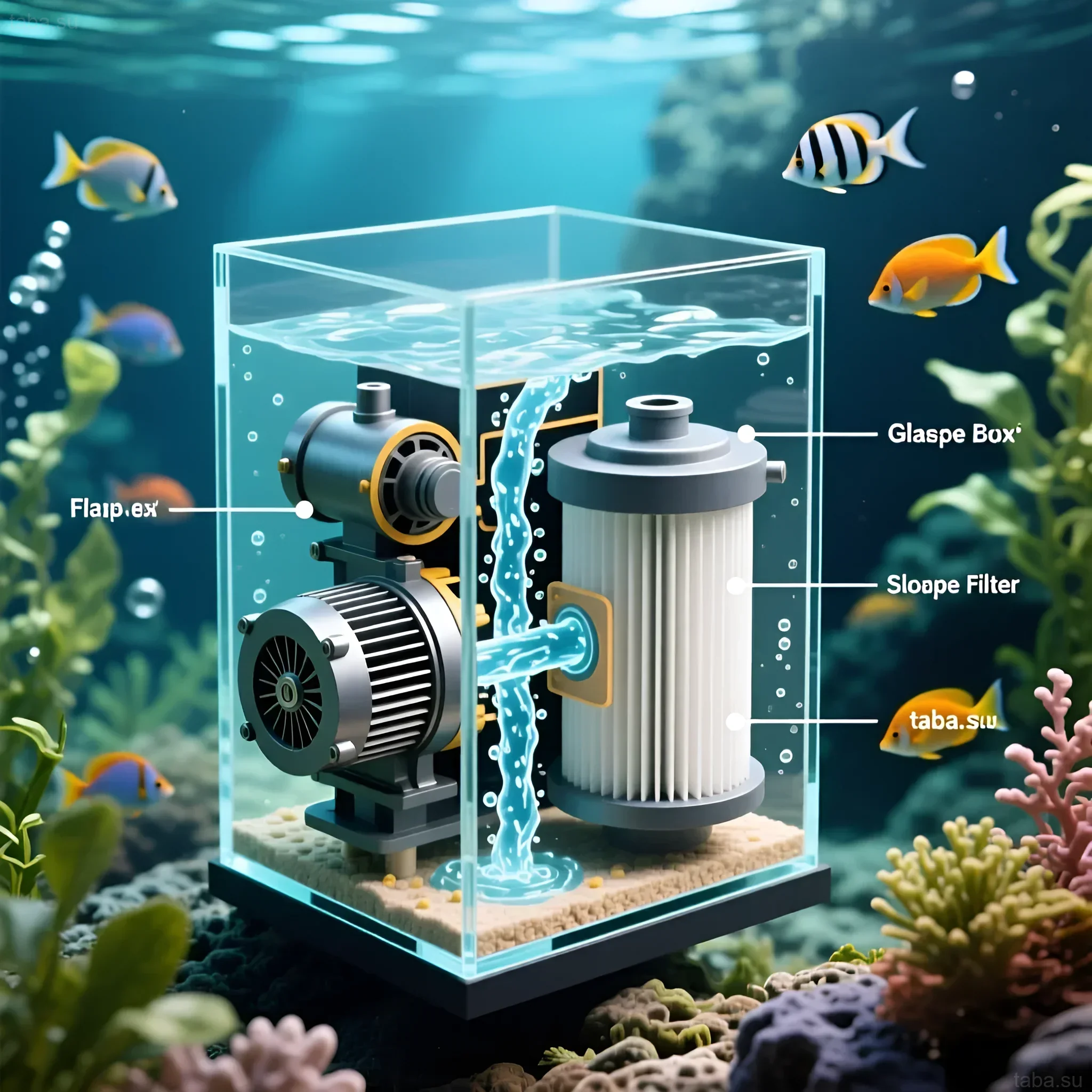
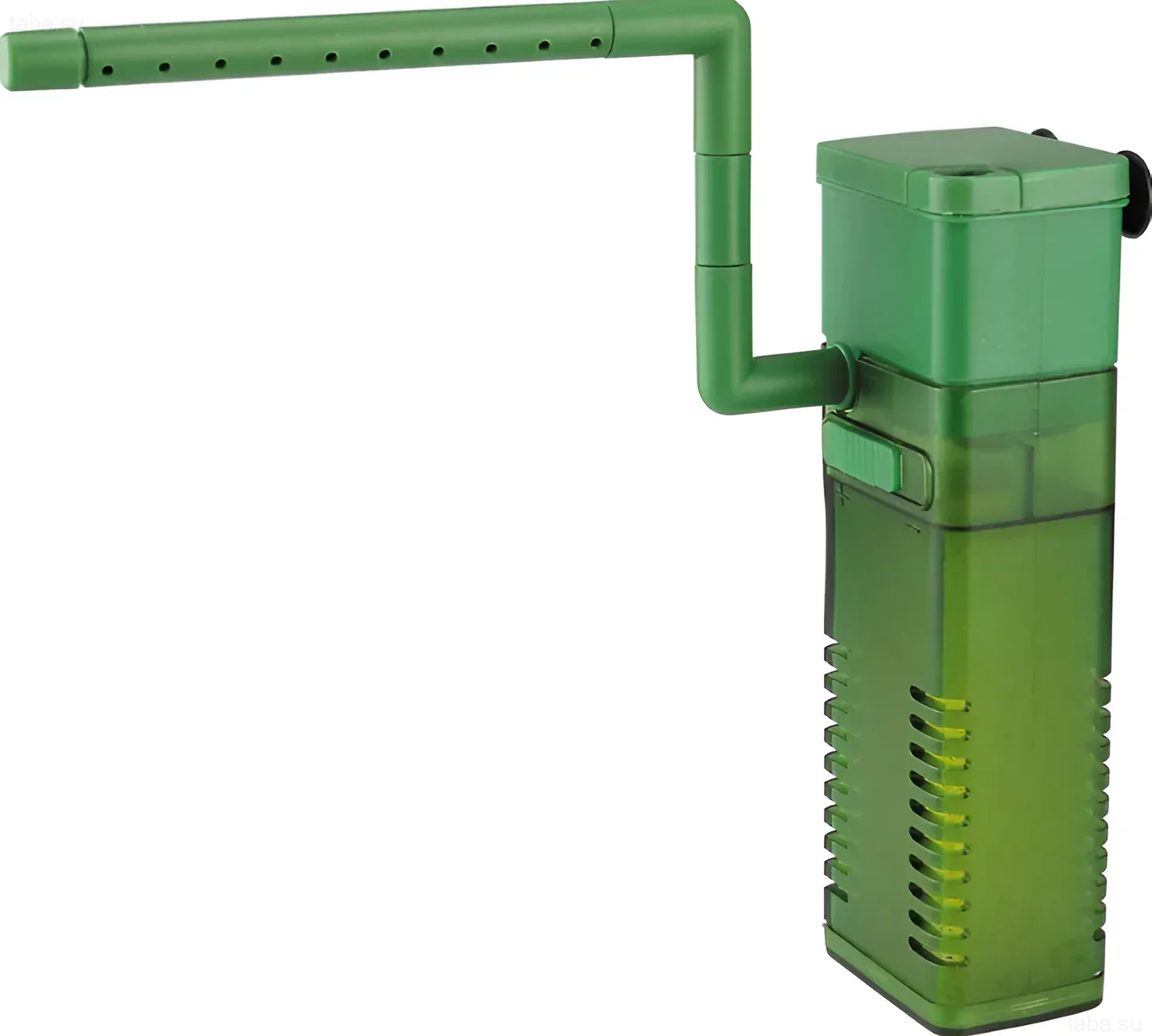
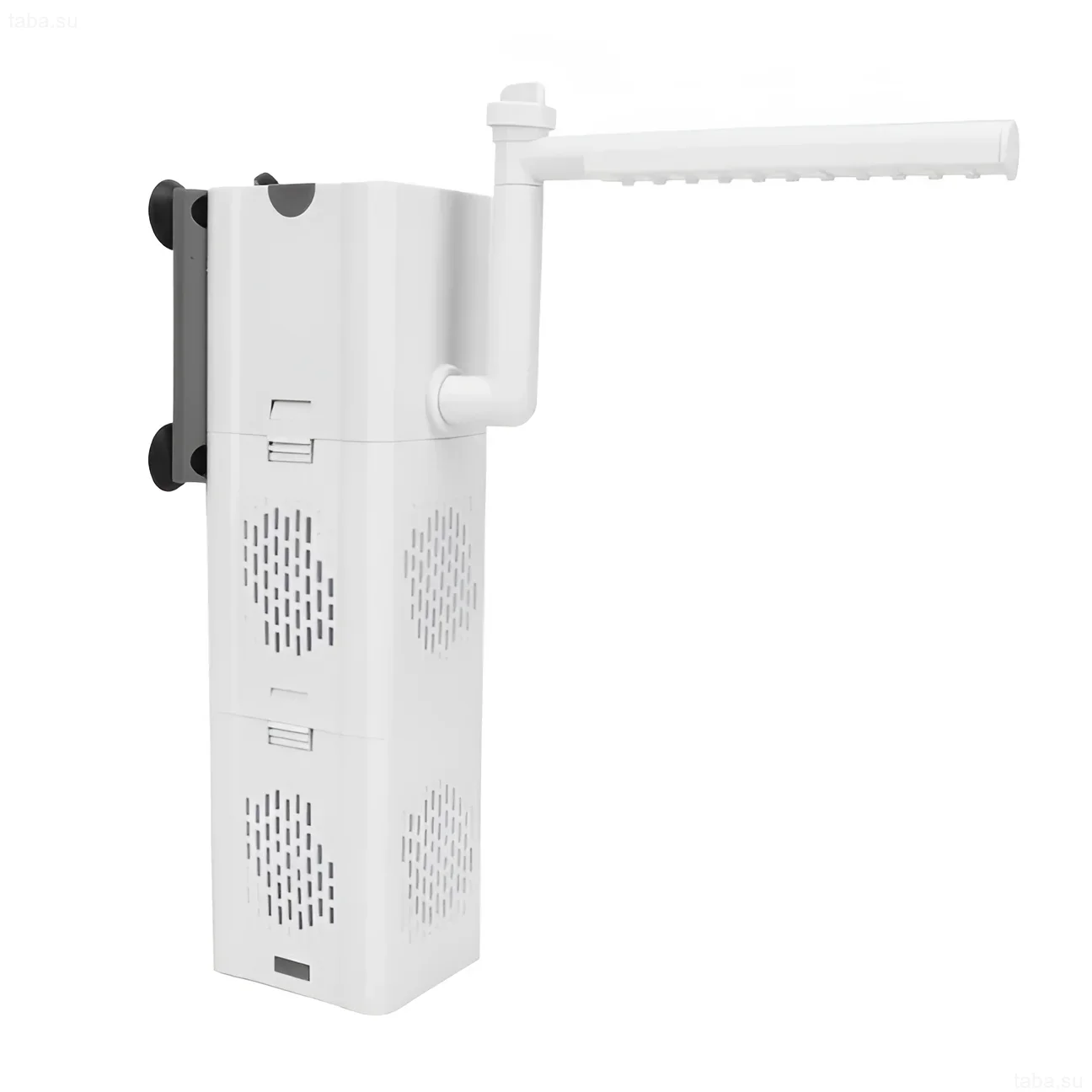
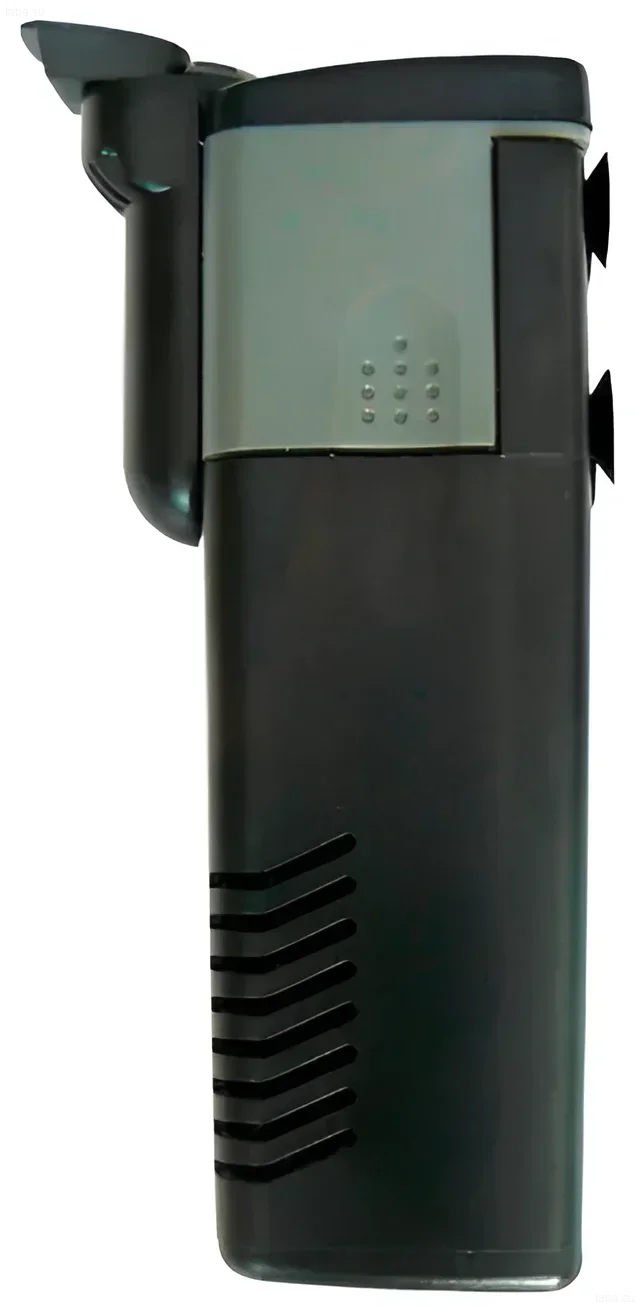
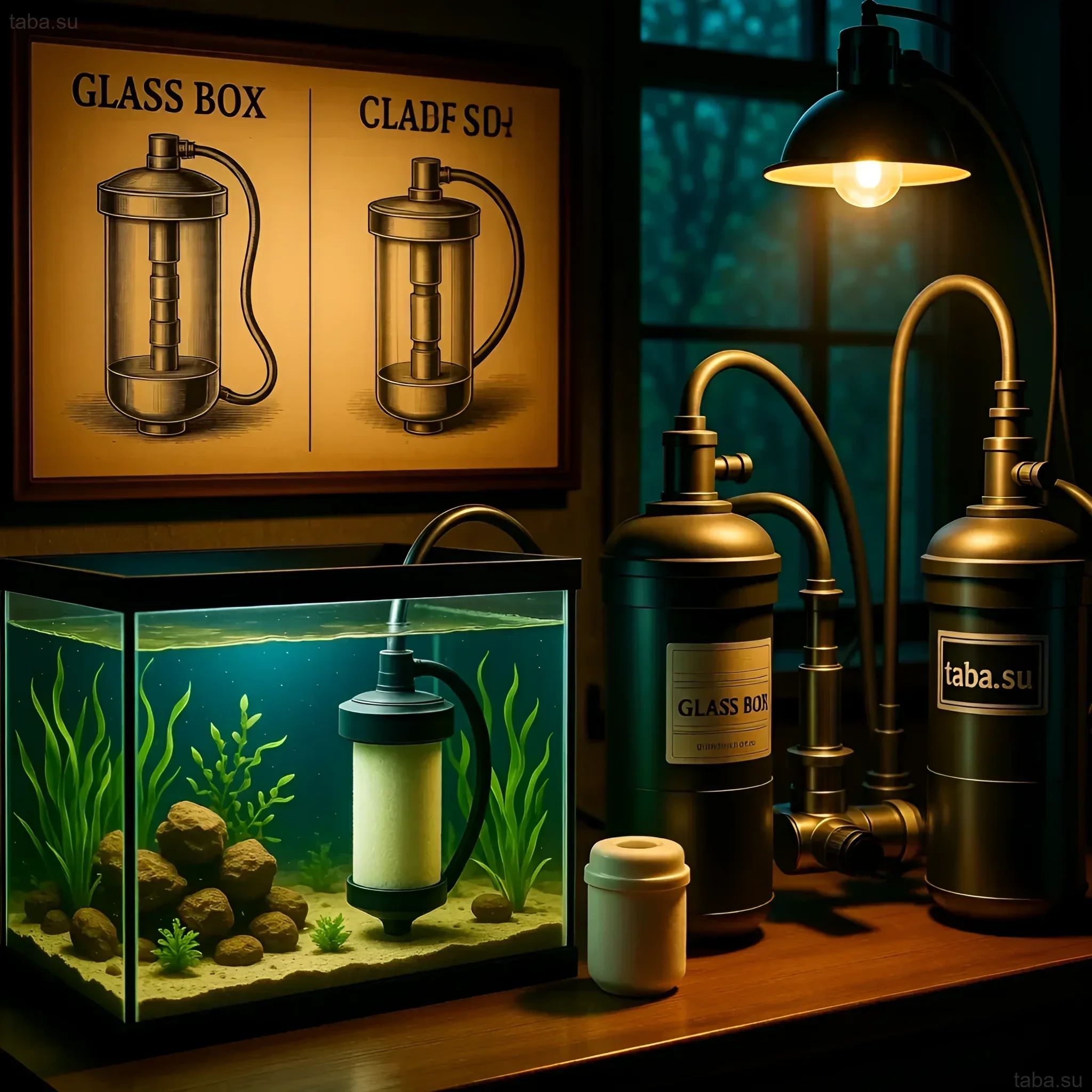
The term “internal canister filter” describes a submersible pump housed in a plastic casing to which a compartment for filtering materials is attached. Most often, this compartment is cylindrical or rectangular, resembling a canister, and contains a coarse sponge. The primary function of such a device is to create water circulation and provide mechanical filtration.
The applications of internal filters cover a wide range of tasks:
- Primary Filtration: In small and medium-sized aquariums (up to 100 liters).
- Additional Circulation: In larger aquariums, where it is installed to eliminate “dead zones” or enhance flow.
- Water Lifting: Often used to supply water to UV sterilizers or aeration systems.
- Quarantine Tanks: Ideal for temporary fish housing, as it is easy to clean and disinfect.
The selection of an internal filter always begins with evaluating three key parameters:
- Aquarium Volume: Determines the required pump capacity.
- Biological Load (Bioload): The number and size of inhabitants (e.g., goldfish – Carassius auratus – require more powerful filtration than neons – Paracheirodon innesi).
- Required Flow Rate: For most freshwater aquariums, it is recommended that the filter circulates the entire water volume 3–5 times per hour.
How the ‘Canister’ Internal Filter Works: Operating Principle and Main Components
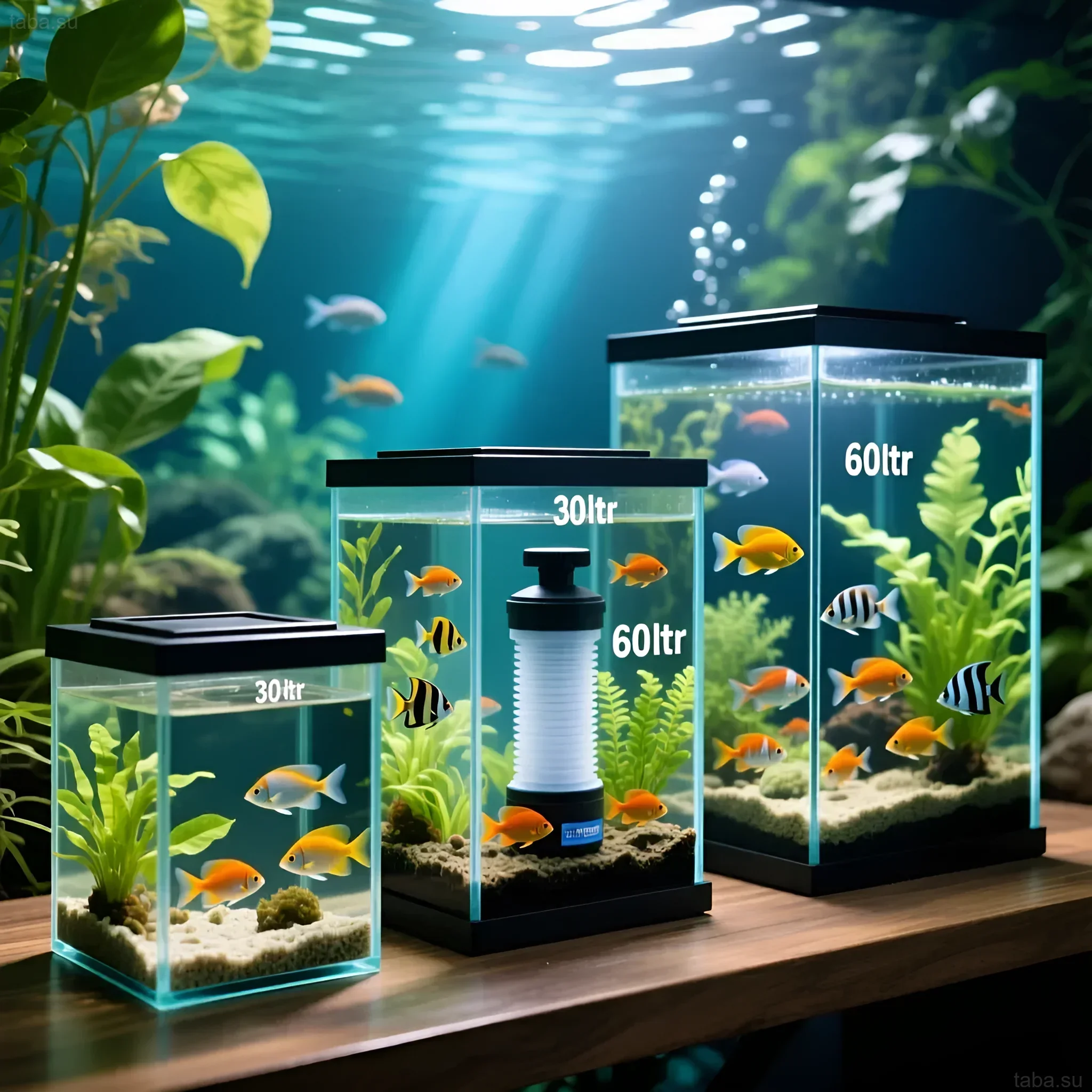
The operating principle of an internal filter is based on the forced circulation of water through filtering elements housed within the casing. Water is drawn in by the pump, passes through the media, and is returned to the aquarium.
Three Types of Filtration Provided by the ‘Canister’
Although internal filters are primarily known for their mechanical function, they also contribute to biological purification.
- Mechanical Filtration: Removes suspended particles, food debris, and waste. This is the primary task of the sponge.
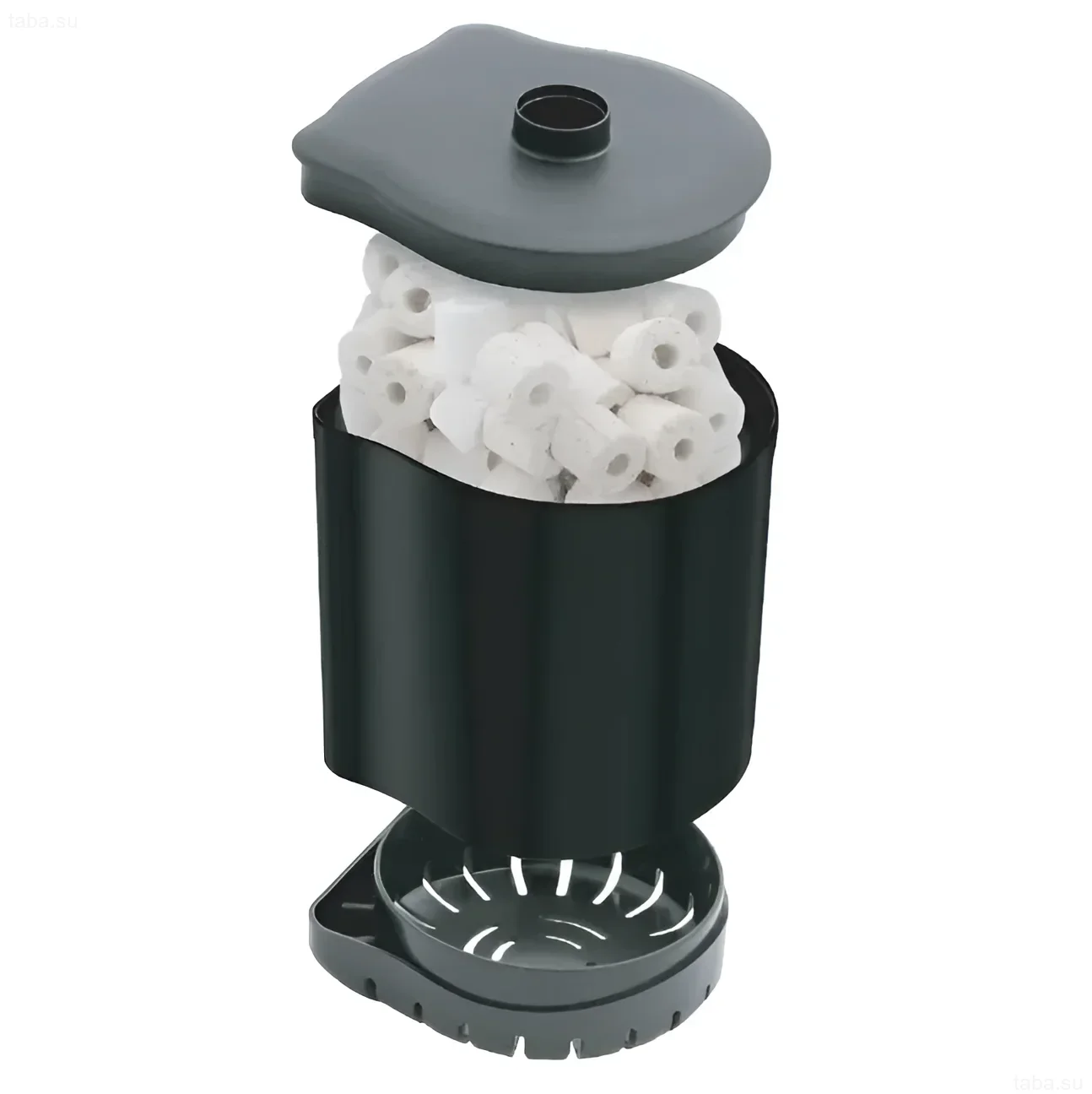
- Biological Filtration: Nitrifying bacteria (e.g., Nitrosomonas and Nitrobacter) colonize the porous surface of the sponge or ceramic rings (if provided by the design), which convert toxic ammonia and nitrites into less harmful nitrates.
- Chemical Filtration: Available in models equipped with additional cartridges (e.g., with activated carbon or zeolite), although it is less common in standard “canister” models.
Main Construction Components
A typical internal filter consists of several key elements:
- Pump Unit: Contains the motor and impeller, which drive water movement.
- Housing and Intake: A protective cover that directs water flow into the filter.
- Filter Compartment (Canister): A removable container that holds the filtering material (most commonly a sponge).
- Flow Regulator: Allows adjustment of the water flow rate (especially important for aquariums with slow-moving species like bettas – Betta splendens).
- Aeration Tube: Many models have the option to mix in air from the outside (Venturi effect), providing additional aeration.
‘Canister’ Internal Filter: For What Aquarium Volumes is it Ideal?
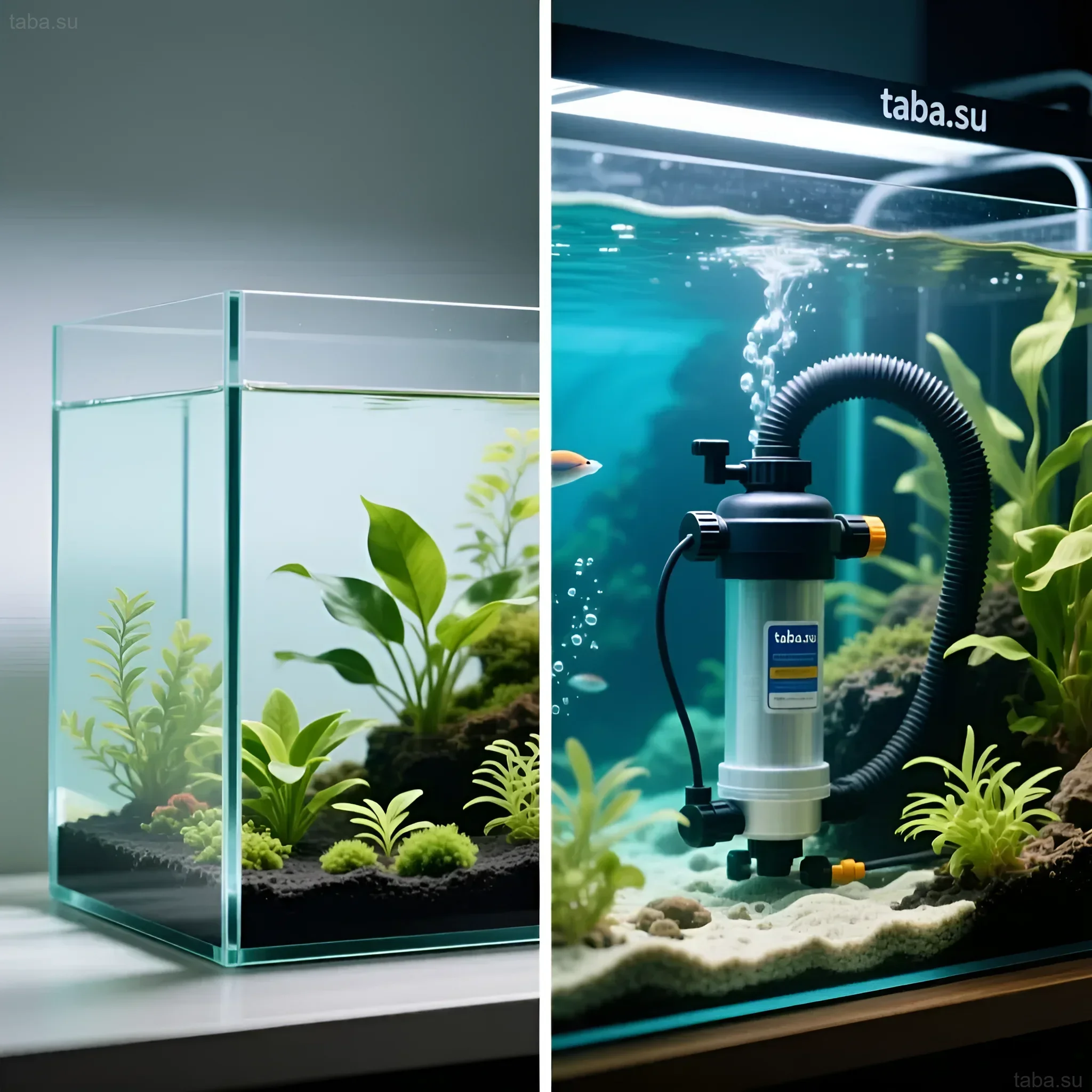
Experts at taba.su emphasize that the “canister” type internal filter is an optimal solution for small and medium-sized aquariums where space is limited, and installing an external canister filter is impractical or excessive.
1. Ideal Range: Nano and Small Aquariums (up to 80 liters)
In this range, the “canister” shows maximum efficiency. It provides the necessary circulation and handles the bioload, provided regular maintenance is performed.
- Aquariums up to 30 liters (Nano): A filter with a capacity of 100–250 l/h is sufficient. This is an ideal choice for shrimp tanks (e.g., with cherry shrimp – Neocaridina davidi) or aquariums with small tetras.
- Aquariums 30–80 liters: Models with a capacity of 300–600 l/h are required. It is important to choose a filter with a large sponge volume for better biological filtration, as these volumes often house livebearing fish (e.g., guppies – Poecilia reticulata) or small schools of characins.
2. Acceptable Range: Medium Aquariums (80–120 liters)
For aquariums closer to 100–120 liters, an internal filter can be used, but with important caveats:
- Low Bioload: If the aquarium is densely planted (aquascape) and contains few small fish, a powerful “canister” (600–1000 l/h) can cope.
- Filtration Enhancement: Often in this volume, the “canister” is used as an additional mechanical filter in conjunction with an external canister filter.
3. Unsuitable Range: Large Aquariums (from 150 liters and above)
For large volumes, an internal “canister” filter is not recommended as the primary filtration method. Reasons:
- It cannot provide sufficient filtering material volume for complete biological purification of a large amount of water.
- The excessively high flow rate required to circulate 150–200 liters can create excessive current, uncomfortable for many fish species.
- It requires too frequent sponge cleaning, which disrupts the beneficial bacteria colony.
Advantages and Disadvantages of ‘Canister’ Filters: A Comparative Analysis
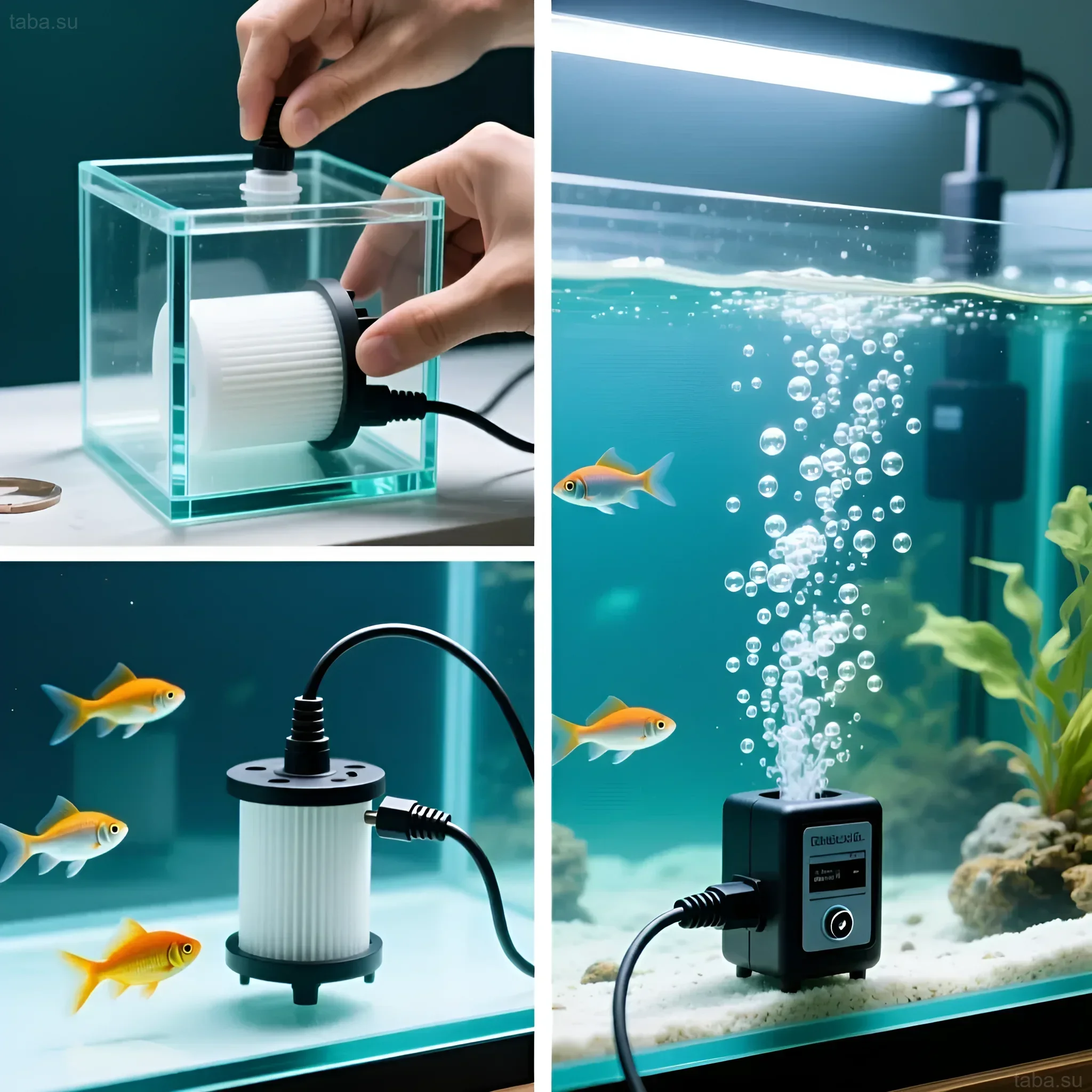
When choosing equipment, an aquarist must clearly understand the compromises involved in using an internal filter.
Advantages (Why Choose a ‘Canister’)
- Ease of Installation: The filter is simply submerged in water and attached with suction cups. No hoses, taps, or complex sealing required.
- High Mechanical Filtration: Due to the direct contact of the sponge with water, it quickly removes turbidity and suspended matter.
- Affordability and Price: It is the most budget-friendly type of filtration.
- Aeration: Many models allow for easy organization of additional water aeration.
- Maintenance: Cleaning takes only a few minutes.
Disadvantages (Limitations of Use)
- Limited Biological Filtration Volume: The small surface area of the filtering material does not allow for maintaining a stable bacteria colony in aquariums with high bioloads.
- Aesthetics: The filter is located inside the aquarium, taking up space and disrupting the visual appearance (especially in small aquascapes).
- Frequent Maintenance: The sponge clogs quickly, requiring rinsing 1–2 times a week.
- Water Heating: Powerful models can slightly increase water temperature, which is critical for cold-water species.
Installation and Maintenance of the ‘Canister’ Internal Filter: Step-by-Step Instructions
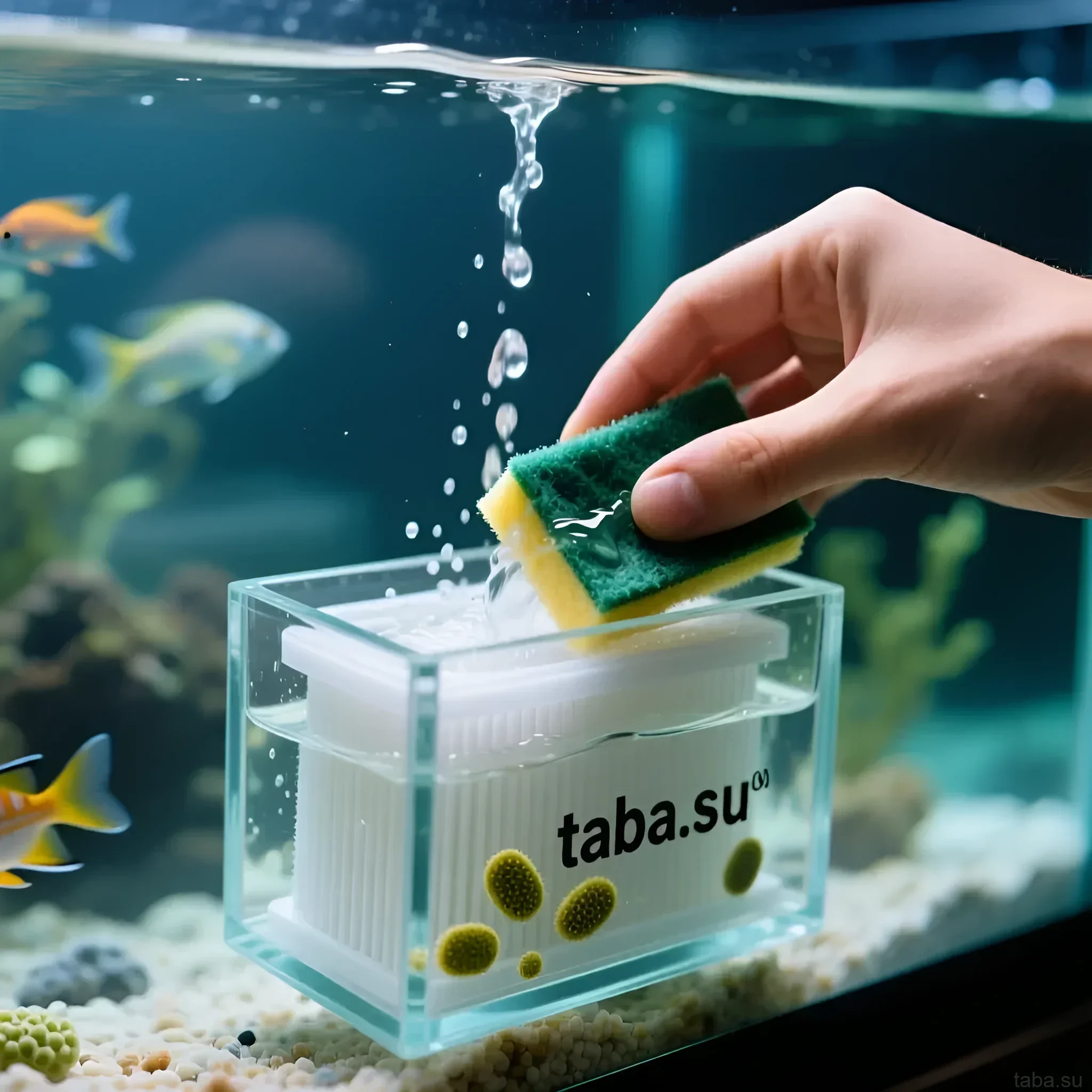
Proper installation and regular maintenance are critically important for extending the filter’s lifespan and ensuring the stability of the aquarium environment. Remember the main rule: the filter must operate 24 hours a day, 7 days a week.
Step-by-Step Installation
- Assembly: Attach the sponge (or cartridge) to the pump unit according to the manufacturer’s instructions. Ensure all seals are in place.
- Placement: The filter must be fully submerged in water. It is recommended to place it near the back wall, directing the outlet nozzle (spray bar) towards the opposite wall or along the water surface for maximum circulation.
- Attachment: Use suction cups to securely fix it to the aquarium wall.
- Startup: Plug in the filter only after it is fully submerged.
Regular Maintenance (Key to Biostability)
The maintenance schedule directly depends on the aquarium’s size and stocking level. For most systems, the following procedure is recommended:
- Weekly: Check the flow rate. If the flow has weakened, cleaning is required.
- Sponge Rinse (1 time every 1–2 weeks): NEVER wash the sponge under running tap water. Chlorine will kill beneficial bacteria. The sponge should be rinsed by squeezing it in water siphoned from the aquarium during a water change.
- Monthly: Disassemble the pump unit. Remove the impeller cover and clean the impeller and its shaft with a cotton swab or small brush. This will prevent noise and loss of power.
- Filter Media Replacement: The sponge should only be replaced when it starts to disintegrate (approximately every 6–12 months). If the filter contains a carbon cartridge, the carbon should be replaced every 3–4 weeks.
Common Problems with ‘Canister’ Filters and Solutions

Problems with internal filters are usually mechanical and easily resolved with timely intervention.
Problem 1: Sharp Drop in Flow Rate
Cause: Most often, it’s a clogged filter sponge or debris accumulation in the impeller.
Solution:
- Rinse the sponge in aquarium water.
- Completely disassemble the pump unit and clean the rotor and shaft with a cotton swab or small brush.
Problem 2: Filter is Noisy and Vibrates Heavily
Cause: Incorrect rotor installation, worn shaft, or air entrapment.
Solution:
- Turn off the filter, gently shake it underwater to expel trapped air bubbles.
- Check if the rotor is installed correctly. In some models, incorrect magnet placement causes severe imbalance.
- If the filter is old, the ceramic or metal rotor shaft may need replacement.
Problem 3: Water Around the Filter is Cloudy, but Clear Elsewhere in the Aquarium
Cause: The filter is not coping with the bioload, or the sponge is so clogged that water bypasses it instead of passing through it.
Solution:
- Increase the frequency of sponge rinsing.
- If the problem is persistent, consider installing a more powerful filter with a larger filtering material volume or adding a second filter.
FAQ: Answers to the Most Popular Questions About ‘Canister’ Aquarium Filters
1. Can a ‘Canister’ be used as the sole filter for a 150-liter aquarium?
Answer: Highly undesirable. An internal filter does not have sufficient volume for effective biological filtration in 150 liters. This will lead to unstable water parameters (nitrite spikes) and the need for daily interventions. An external canister filter is required for such a volume.
2. How to properly regulate water flow?
Answer: The flow regulator should be used to ensure the necessary circulation (3–5 volumes per hour) but avoid creating a hurricane. If you keep labyrinth fish (e.g., gouramis – Trichopodus trichopterus) or shrimp, the flow should be minimal. For cichlid tanks, on the other hand, the current can be strong.
3. What is better: a powerful ‘Canister’ or a small external filter?
Answer: For volumes over 60–80 liters, a small external filter (hang-on-back or canister) is always preferable. It provides a significantly larger volume of filter media, which is critical for biological stability, and does not take up space inside the aquarium.
4. Is aeration needed if the filter has a Venturi function?
Answer: The Venturi function (air intake) is an excellent way to oxygenate water. If it works correctly and creates sufficient surface agitation, a separate compressor may not be needed. However, for heavily stocked aquariums or during hot weather, additional aeration will never be superfluous.
Interesting Facts About Aquarium Water Filtration: From History to Modern Technologies

Although internal filters seem simple, they are the result of a long evolution of aquarium equipment.
- Early Methods: In the early 20th century, filtration was often carried out using so-called “box filters,” which worked by air supply (airstone principle) and contained cotton or carbon.
- Discovery of Biological Filtration: Until the 1950s, aquarists believed that a filter was only needed to remove debris. The understanding of the role of nitrifying bacteria and the importance of porous surfaces (biological filtration) was a revolution, allowing for denser fish populations to be kept.
- The Advent of the ‘Canister’: Modern submersible filters became popular with the development of compact and energy-efficient magnetic pumps in the mid-20th century. This made filtration accessible to the general public.
- The Sponge as a Bioreactor: The standard coarse-pore sponge used in the “canister” filter is not just a mechanical trap. It provides a vast surface area for bacteria colonization. One cubic centimeter of quality sponge can contain thousands of square centimeters of useful area for microorganisms to live.
Additional Images
Gallery of remaining images (click to view):