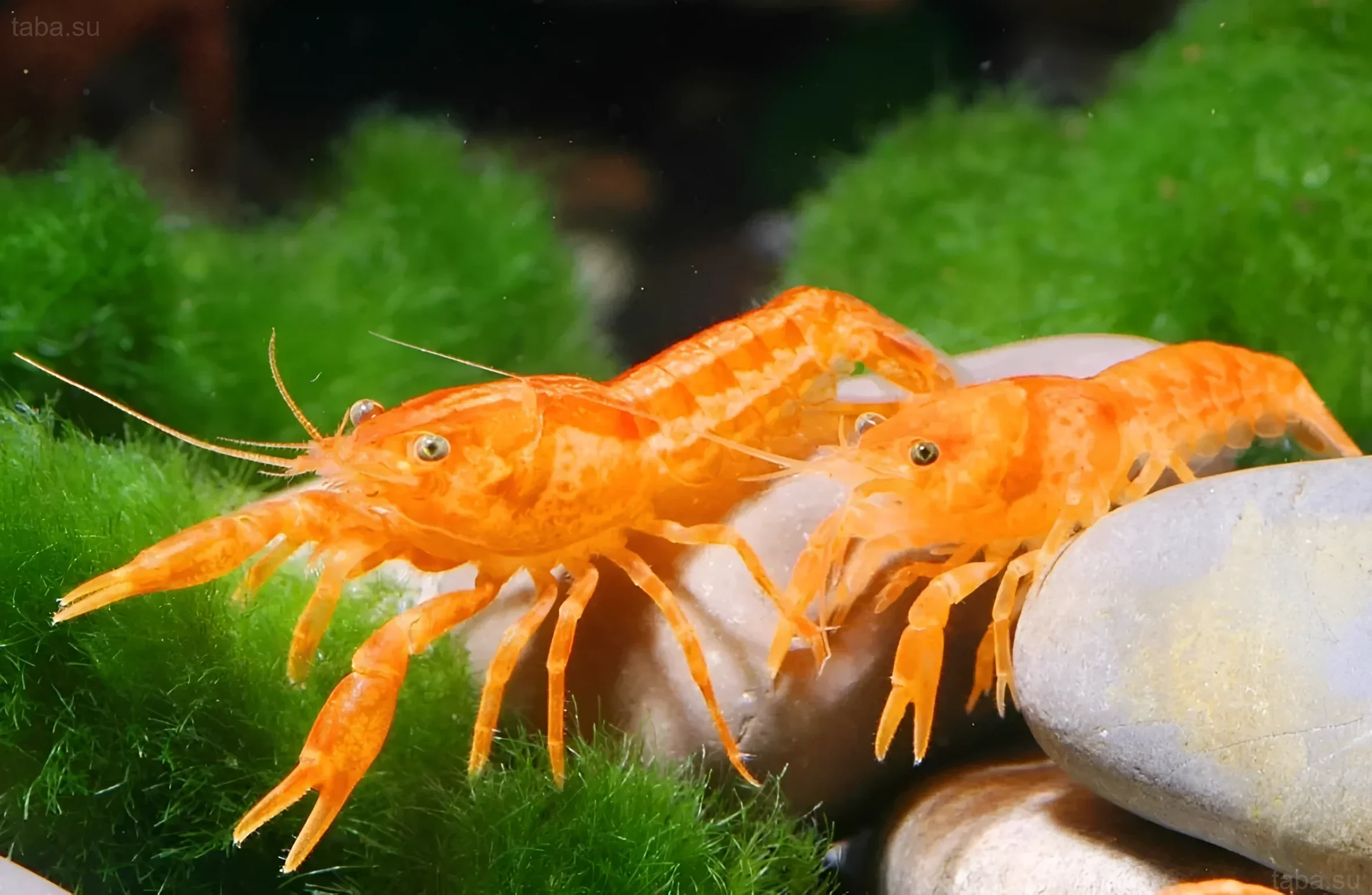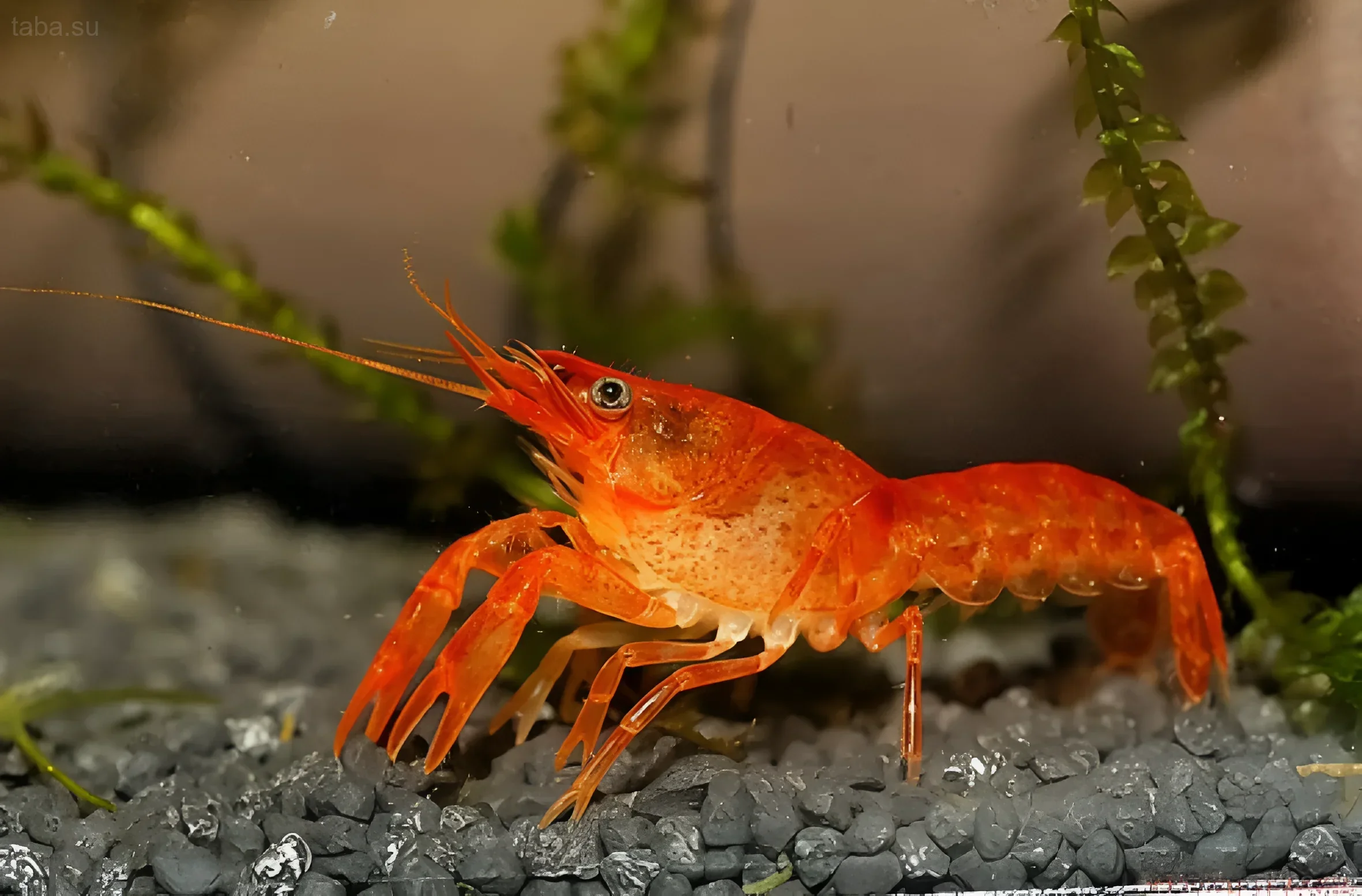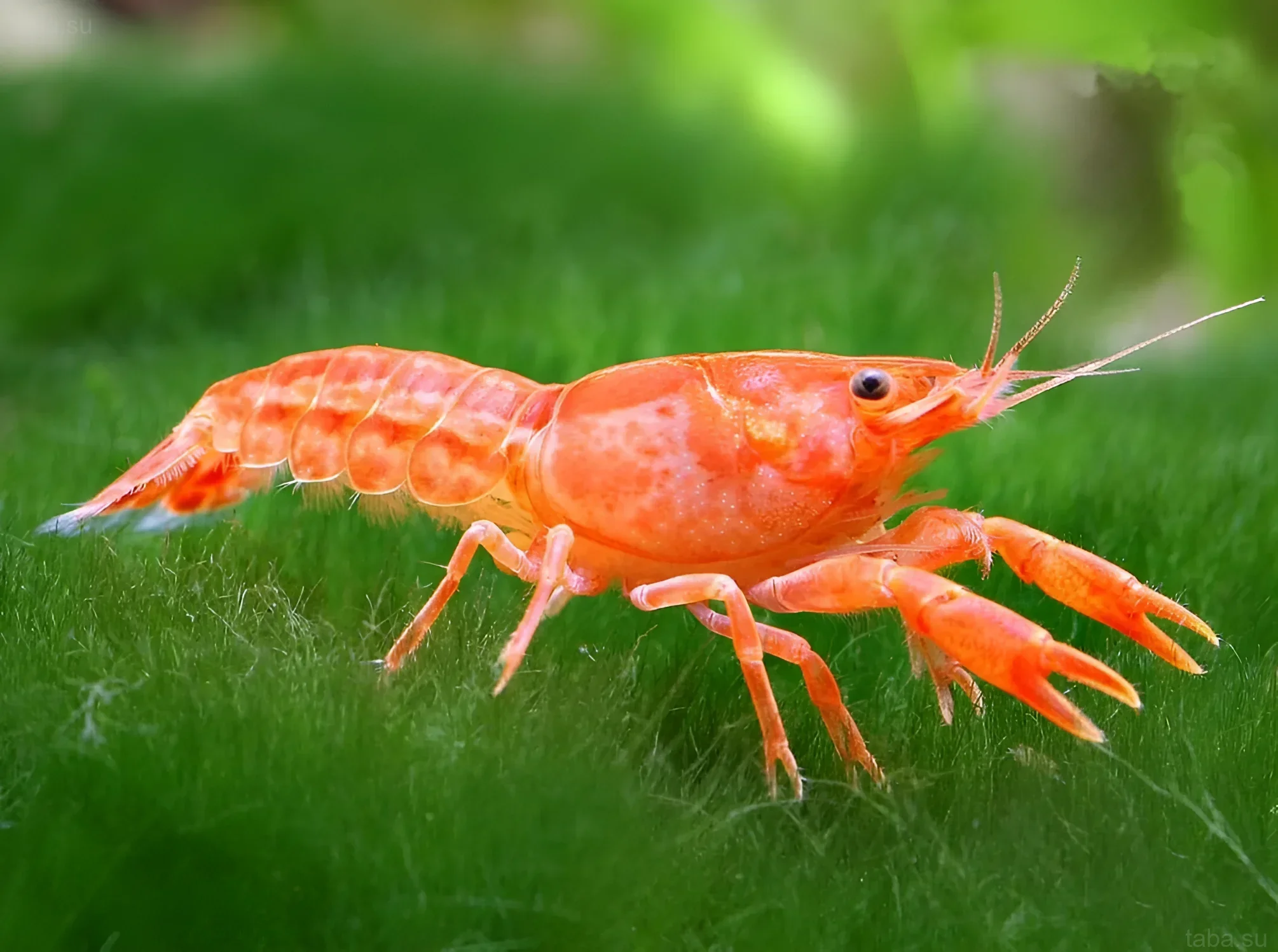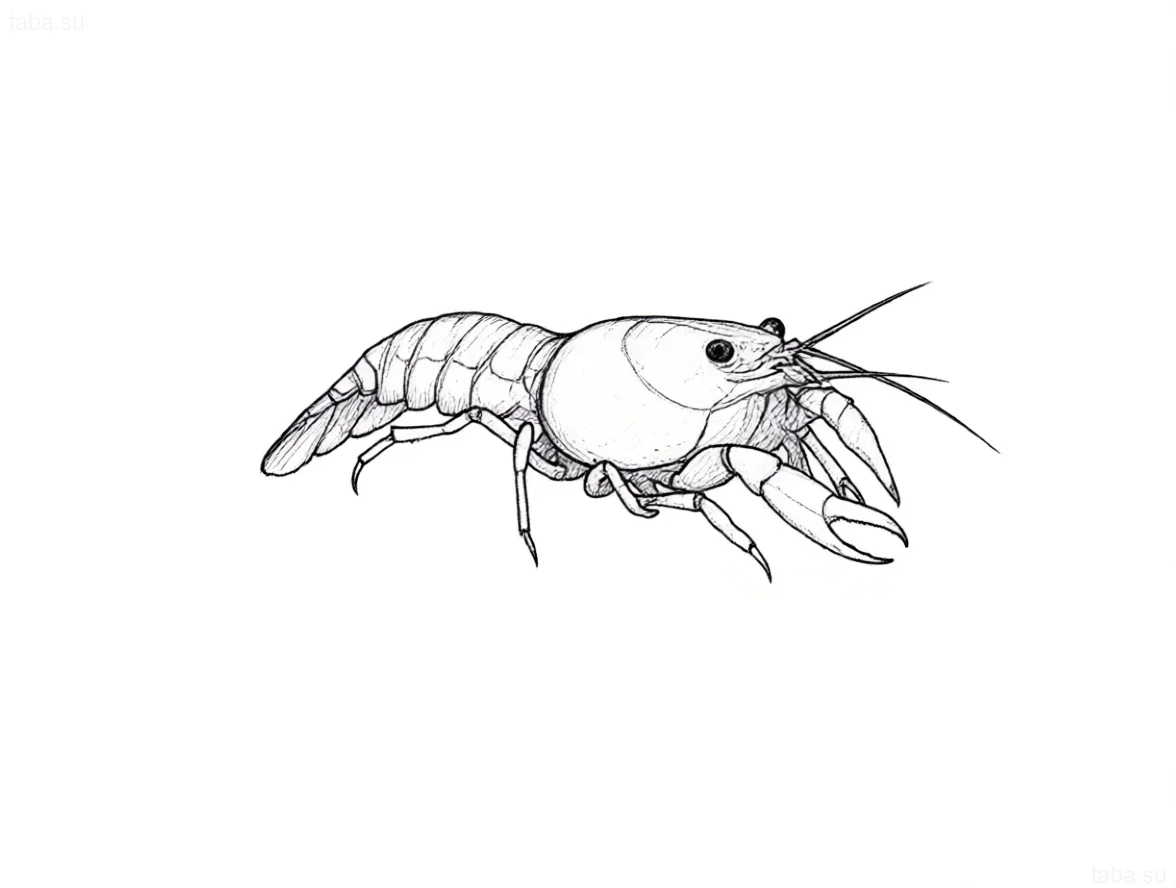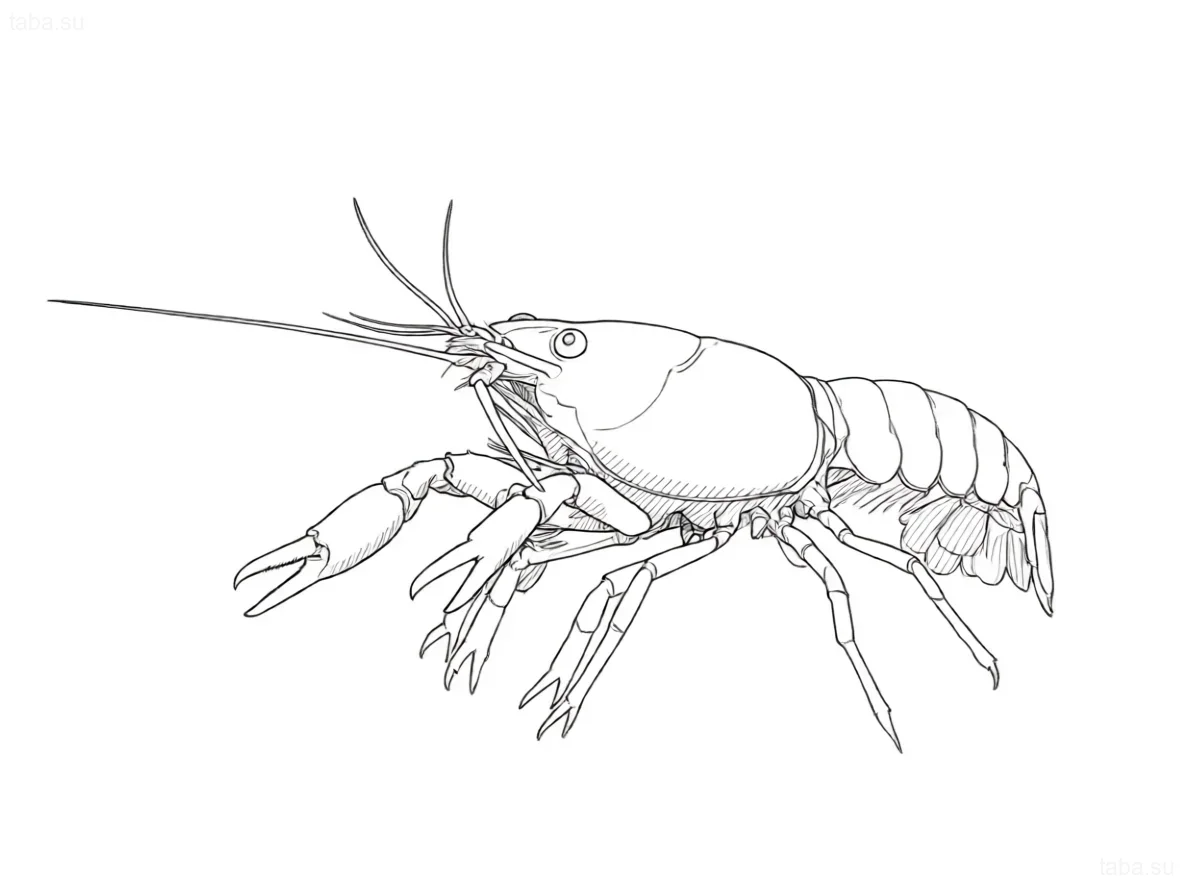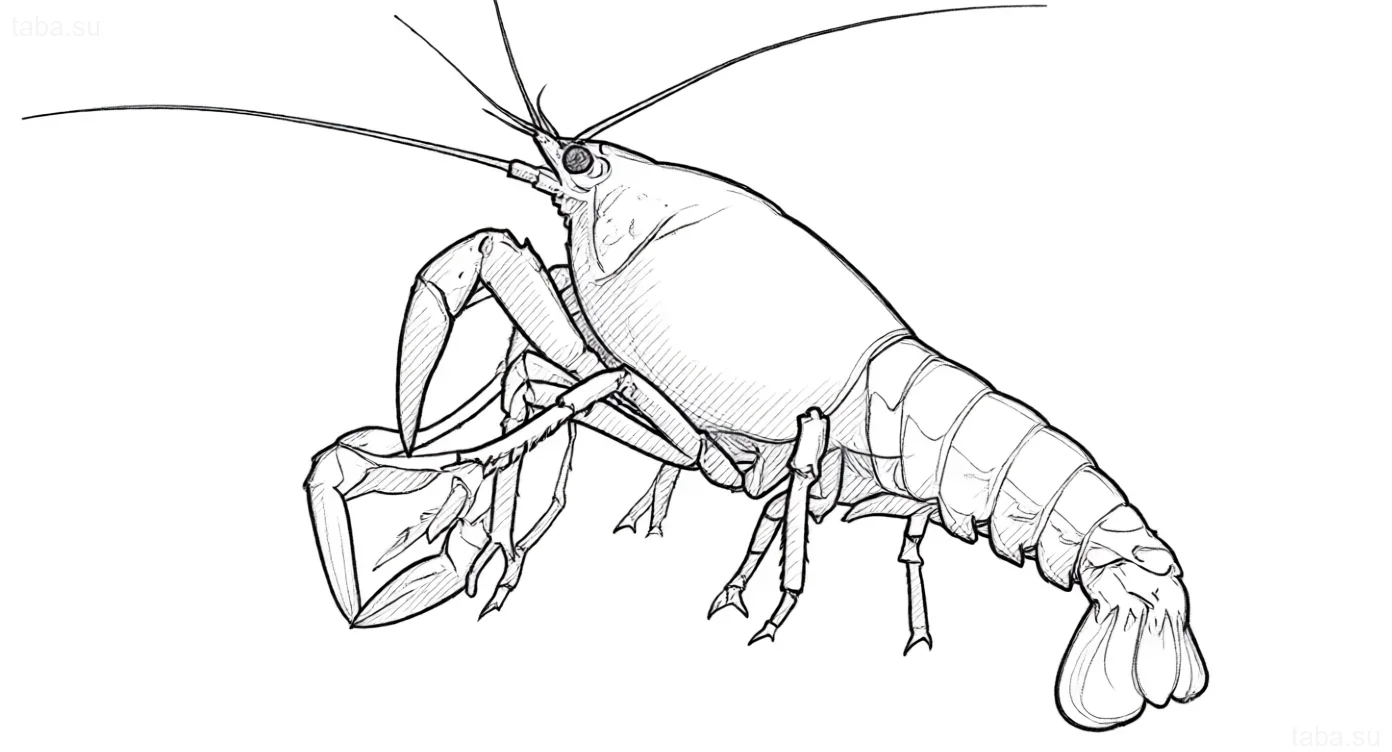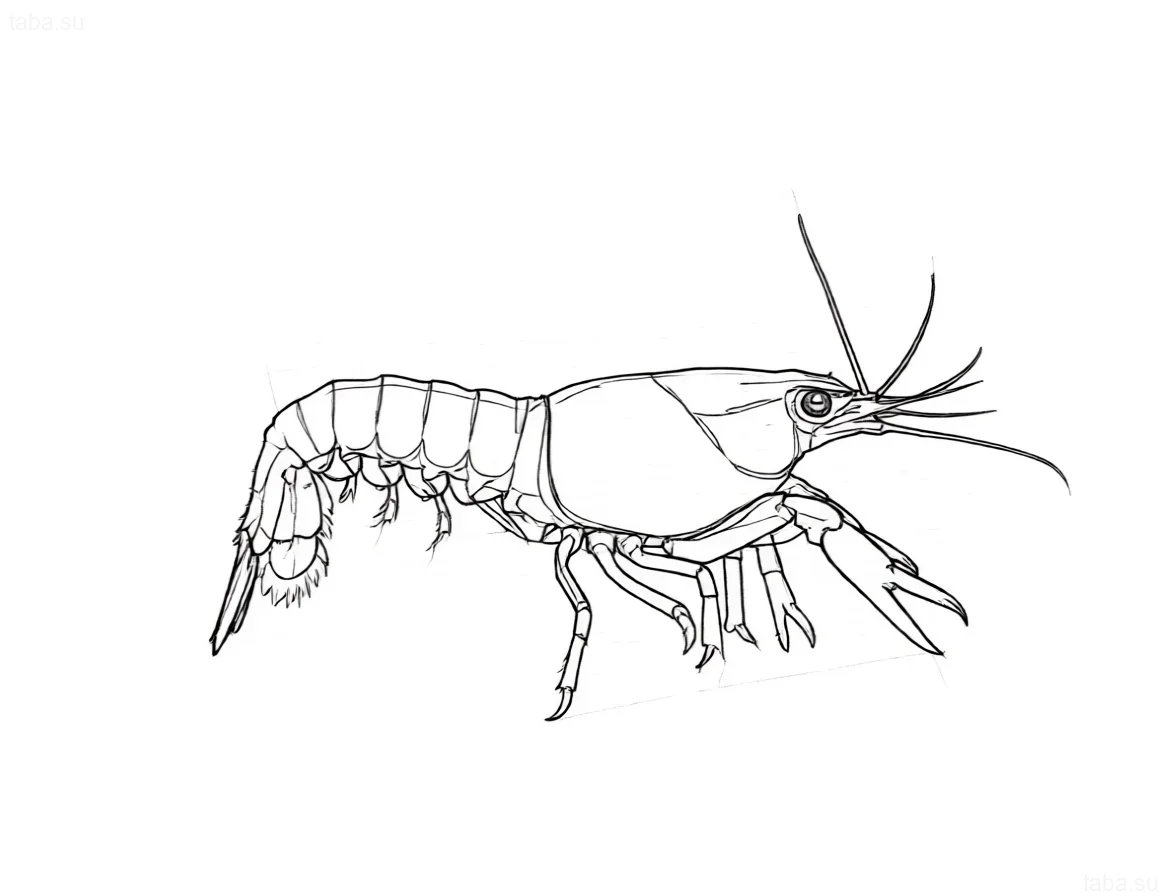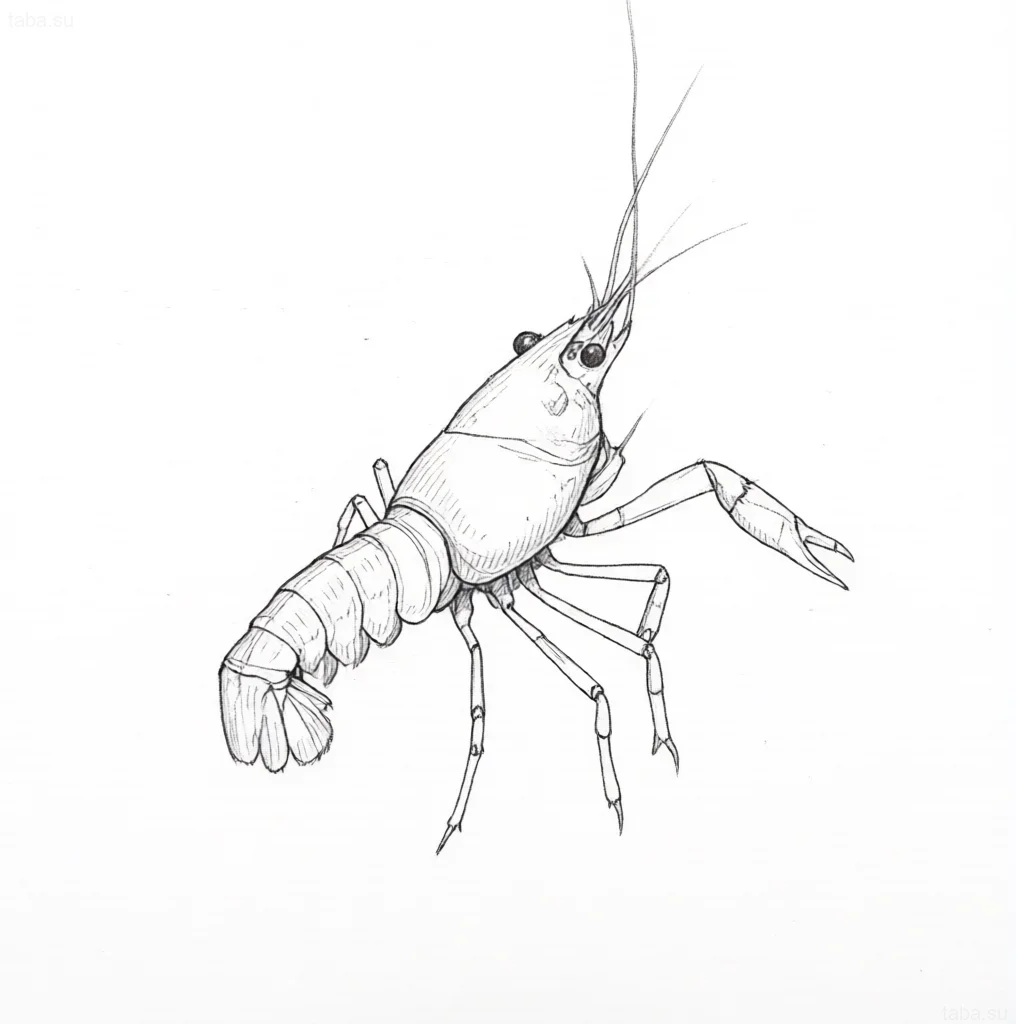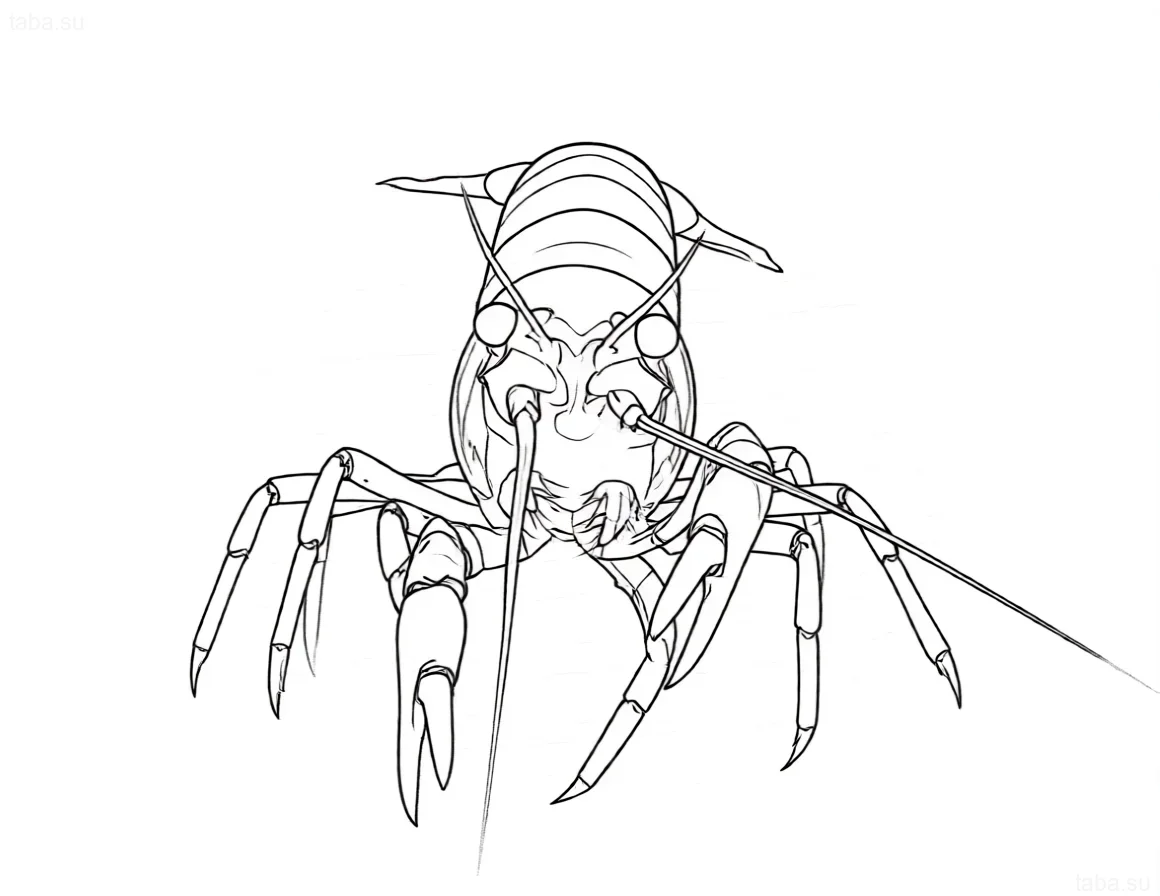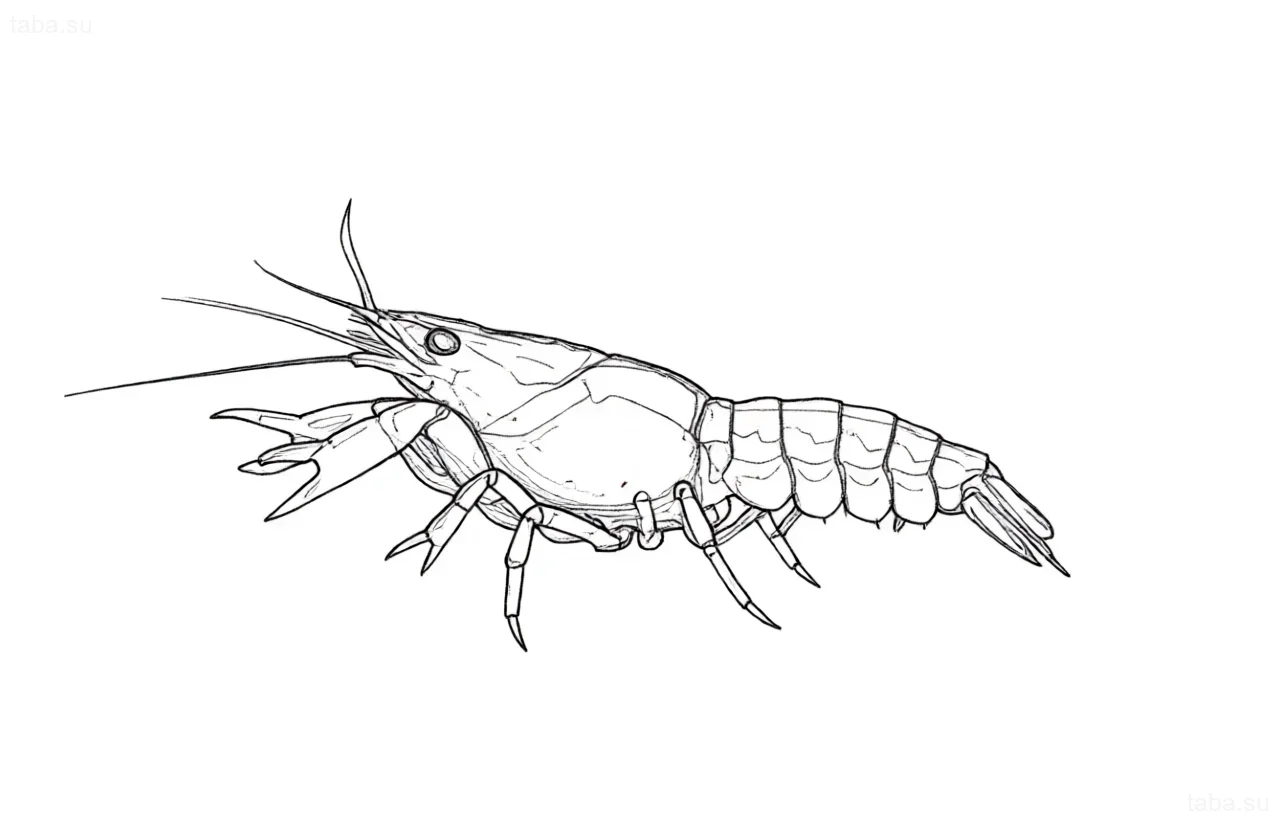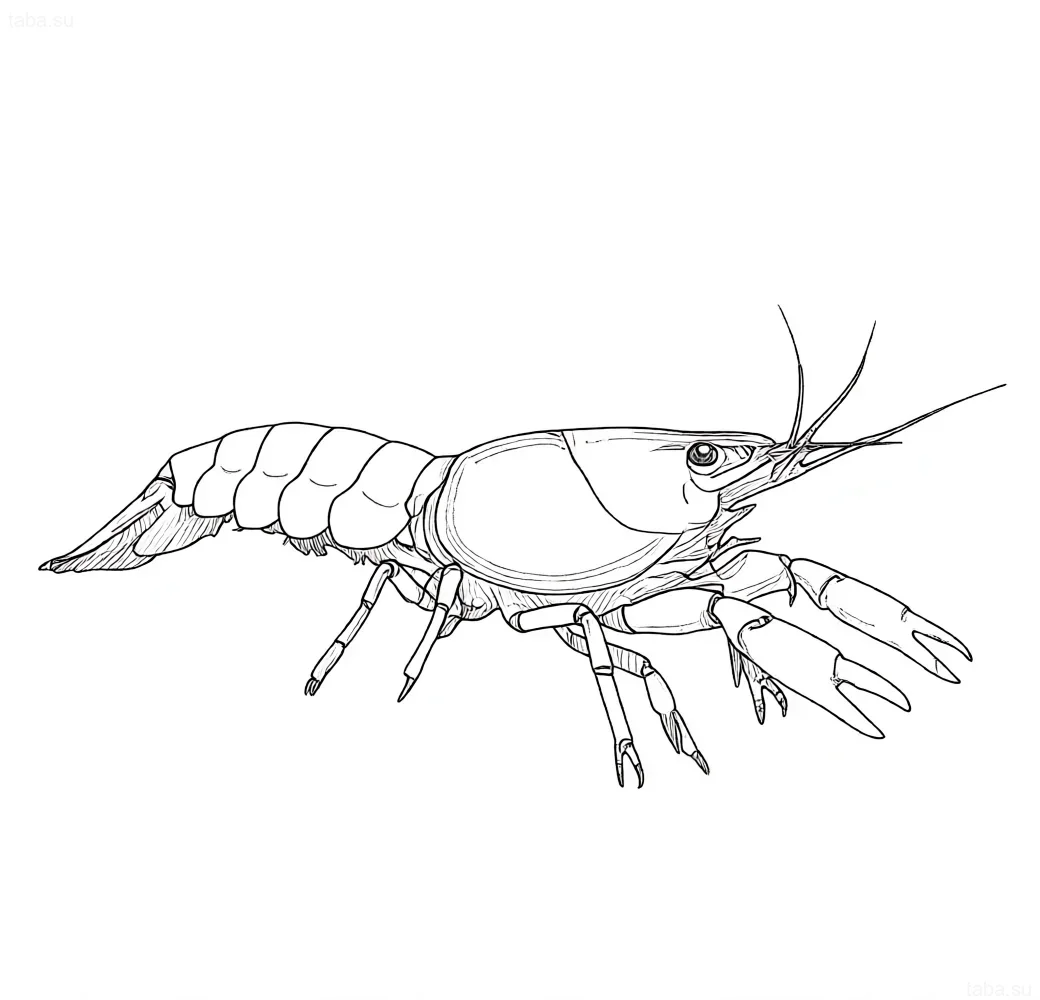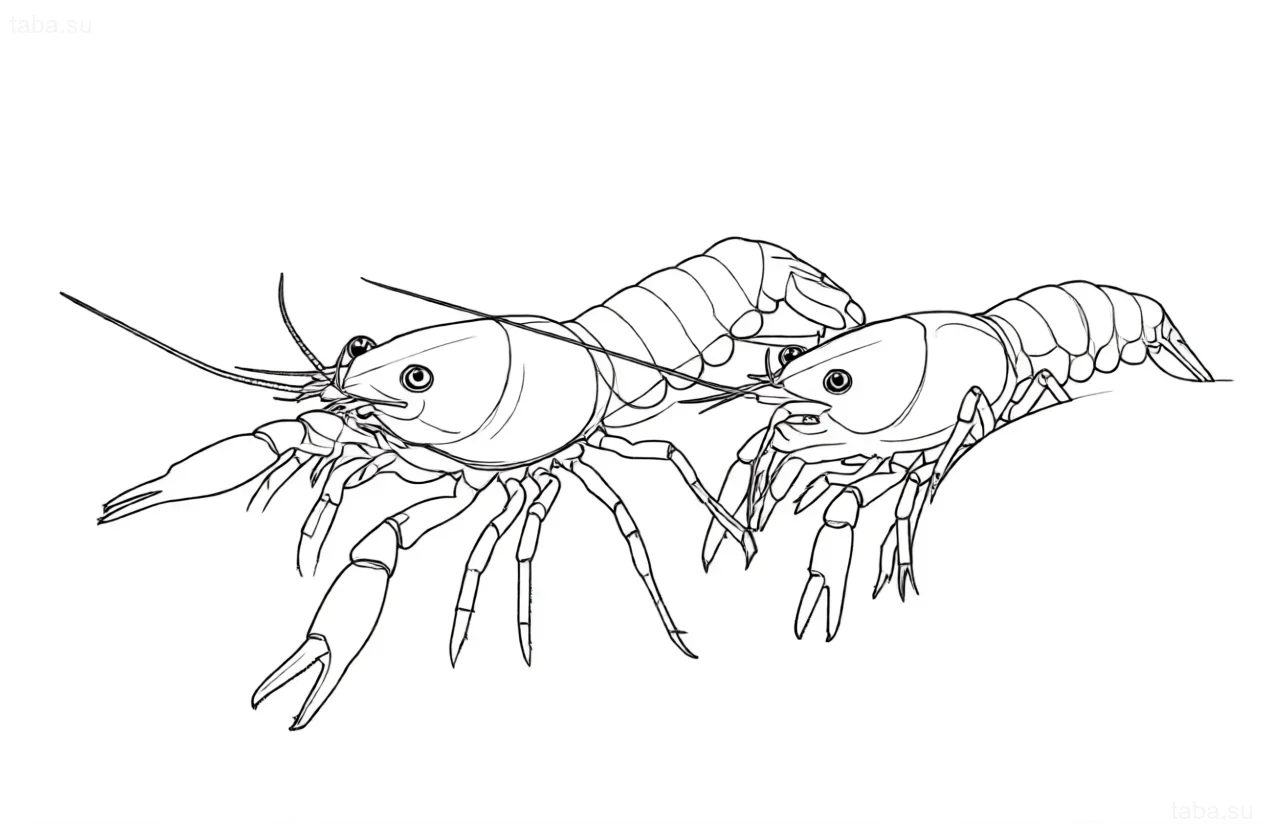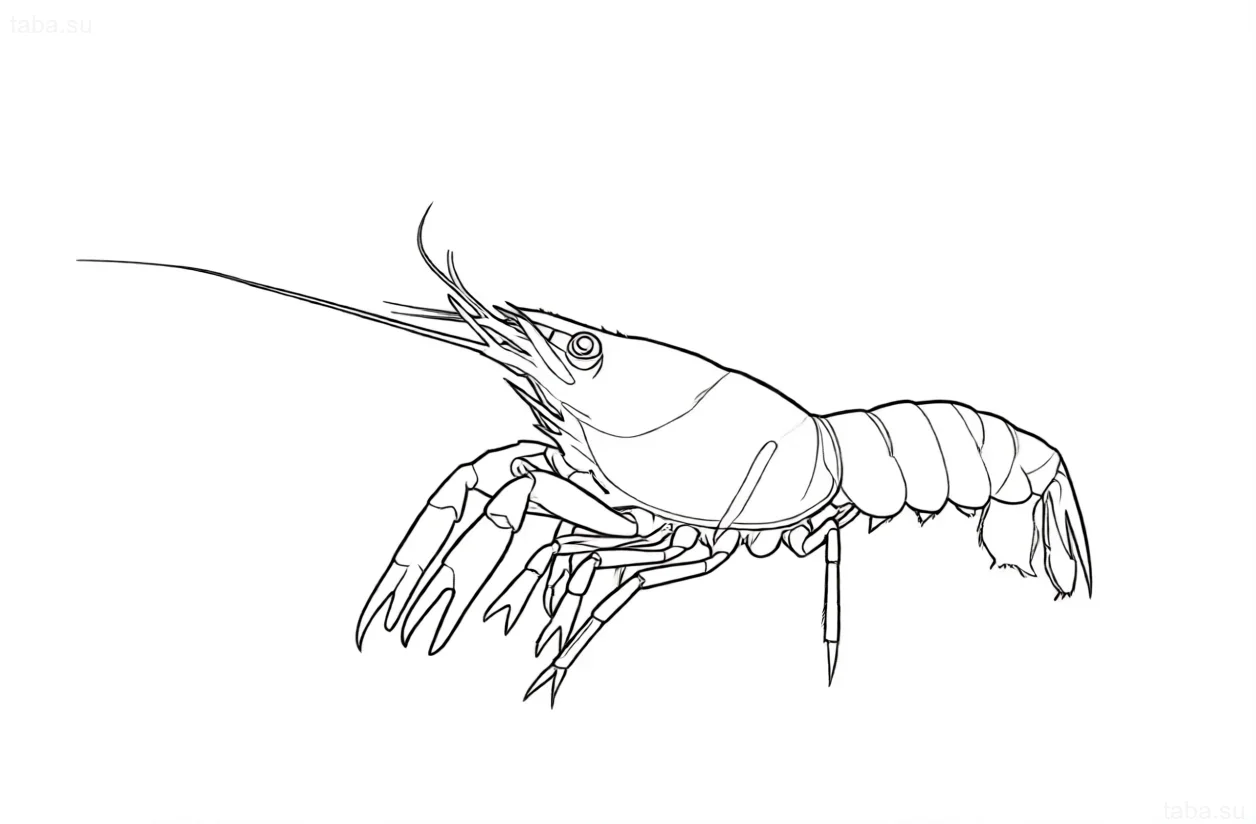
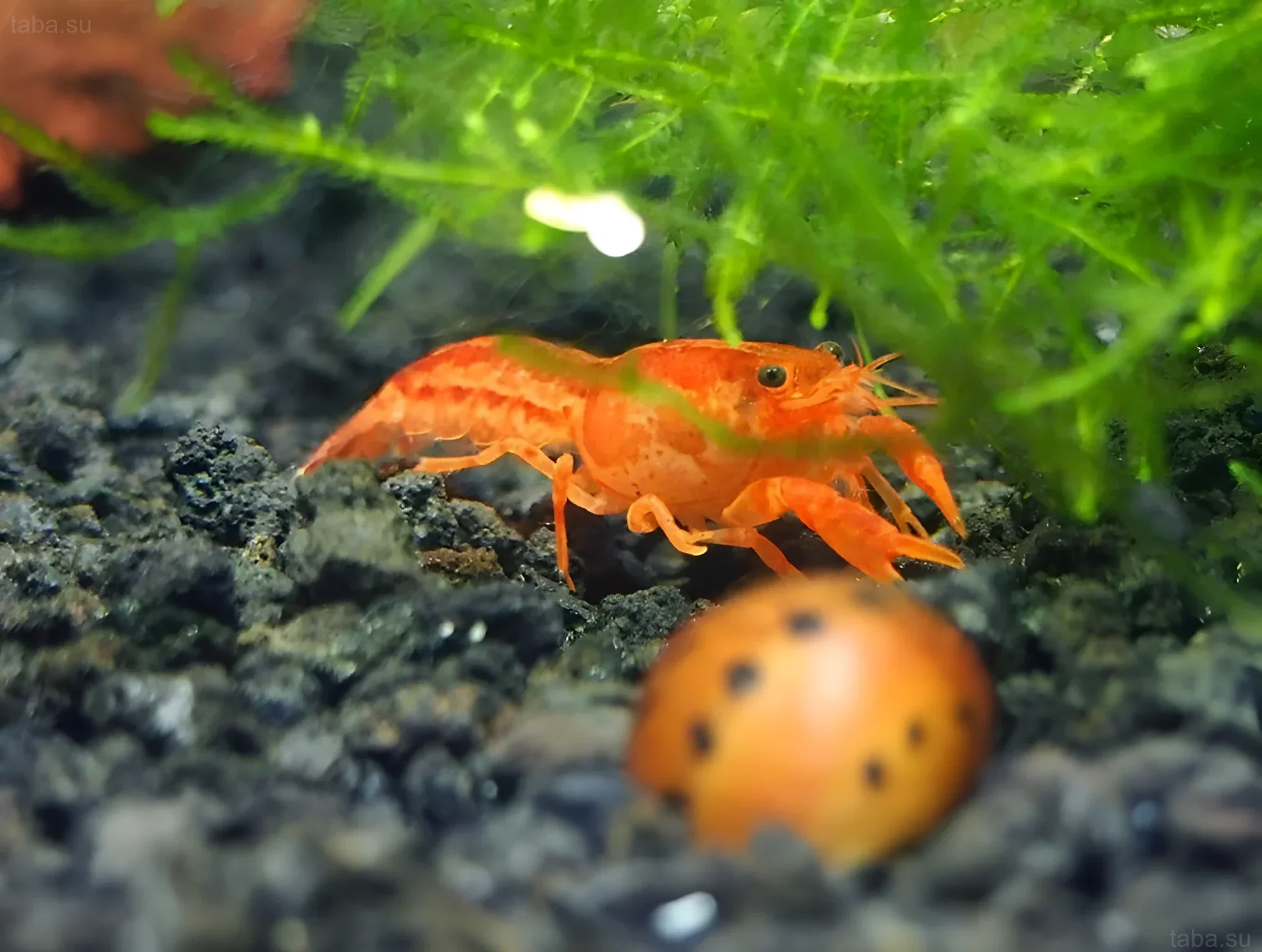
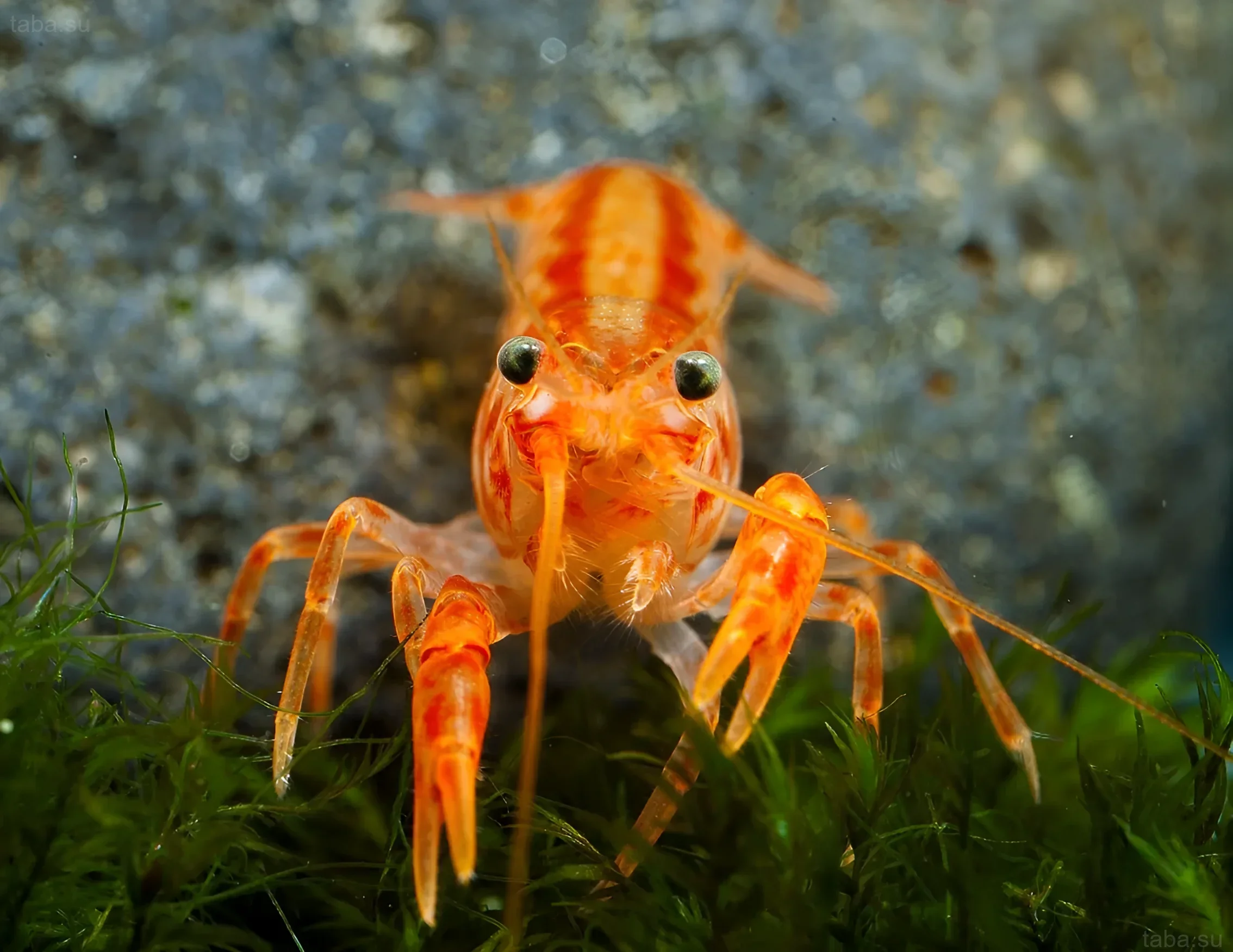
The Mexican dwarf crayfish (Cambarellus patzcuarensis), especially its popular orange variation often referred to as CPO (from Crayfish Patzcuarensis Orange), is one of the most sought-after invertebrates in the world of nano-aquariology. Thanks to their vibrant coloration, moderate size, and relatively peaceful nature, these crayfish have become ideal inhabitants for small freshwater biotopes. Successful CPO keeping requires knowledge of the specific conditions that need to be created for these small decapods to fully display their beauty and activity.
CPO: Biology and Characteristics of the Orange Mexican Dwarf Crayfish
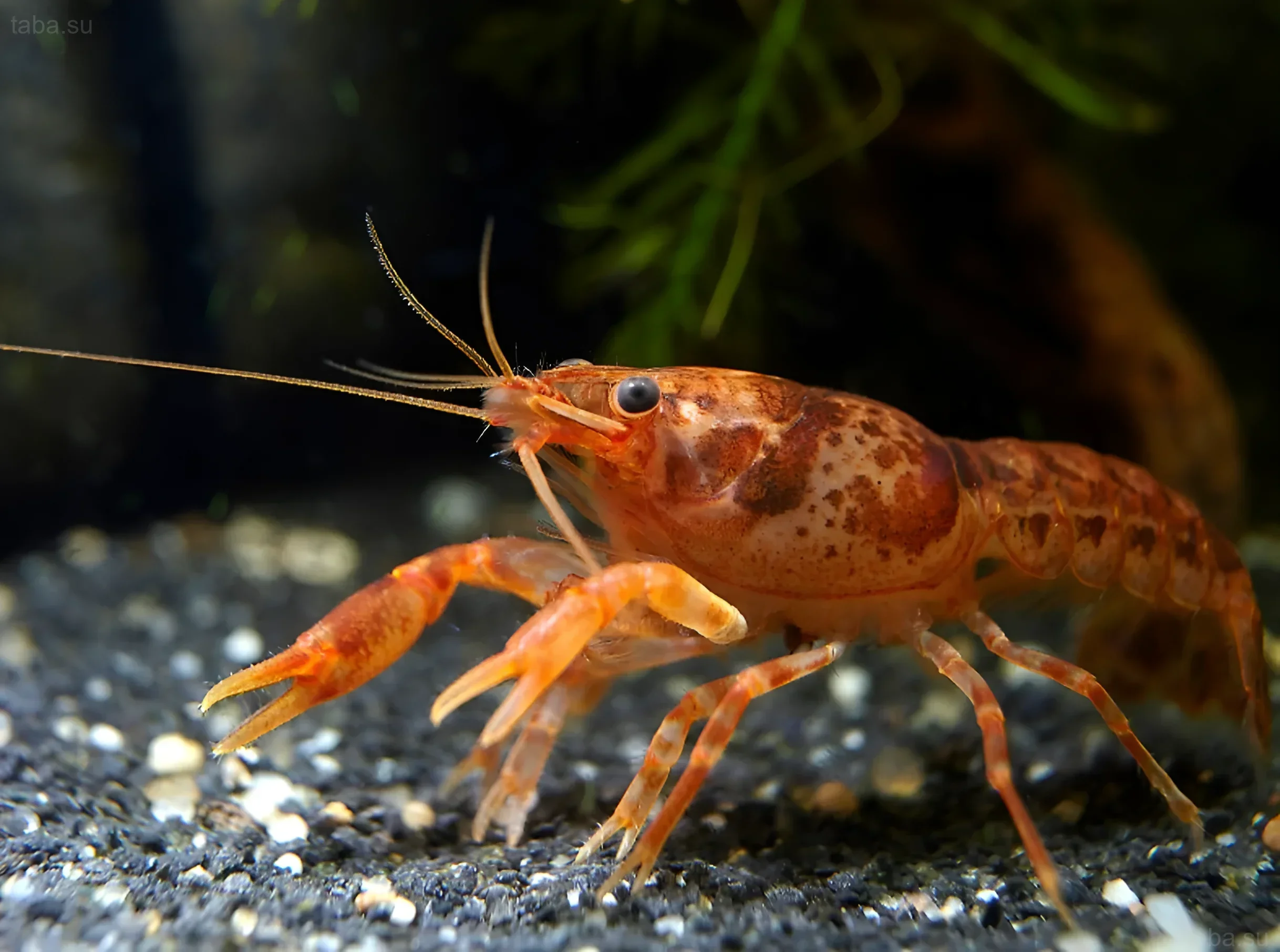
The orange Mexican dwarf crayfish is not a selectively bred form but a naturally occurring color mutation that has become established in cultivation. Originally, this species comes from central Mexico, specifically from Lake and Lagoon Pátzcuaro. In the wild, crayfish prefer slow-moving or stagnant waters with dense vegetation.
Key Characteristics of CPO:
- Scientific Name: Cambarellus patzcuarensis.
- Size: Adult individuals reach 3.5–5 cm (excluding claws). This is a key factor distinguishing them from larger, more aggressive crayfish species.
- Lifespan: In aquarium conditions, it is typically 1.5–2 years.
- Behavior: CPO are diurnal, active, but also enjoy hiding. They are less territorial than larger crayfish, but males may engage in short skirmishes.
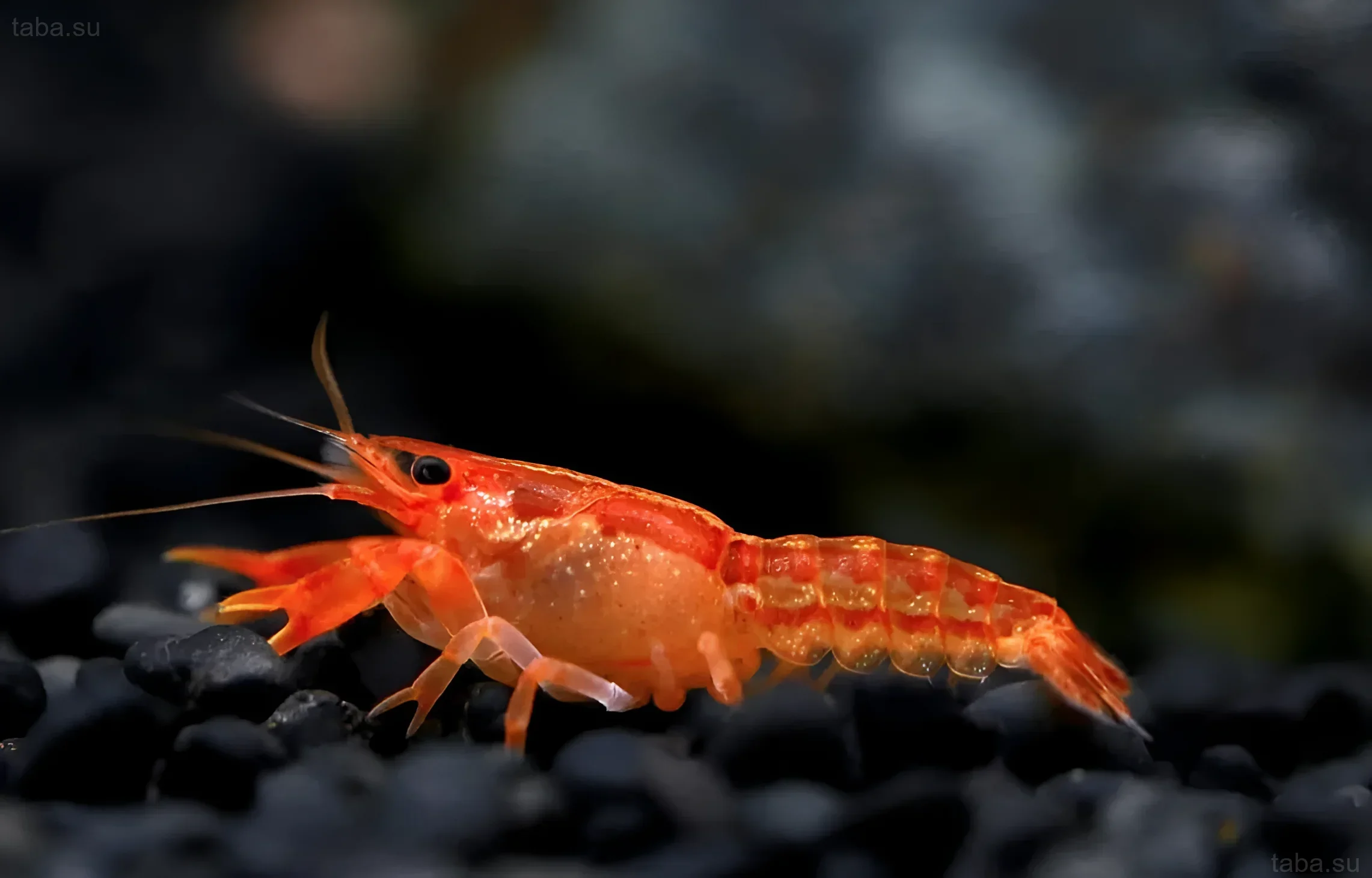
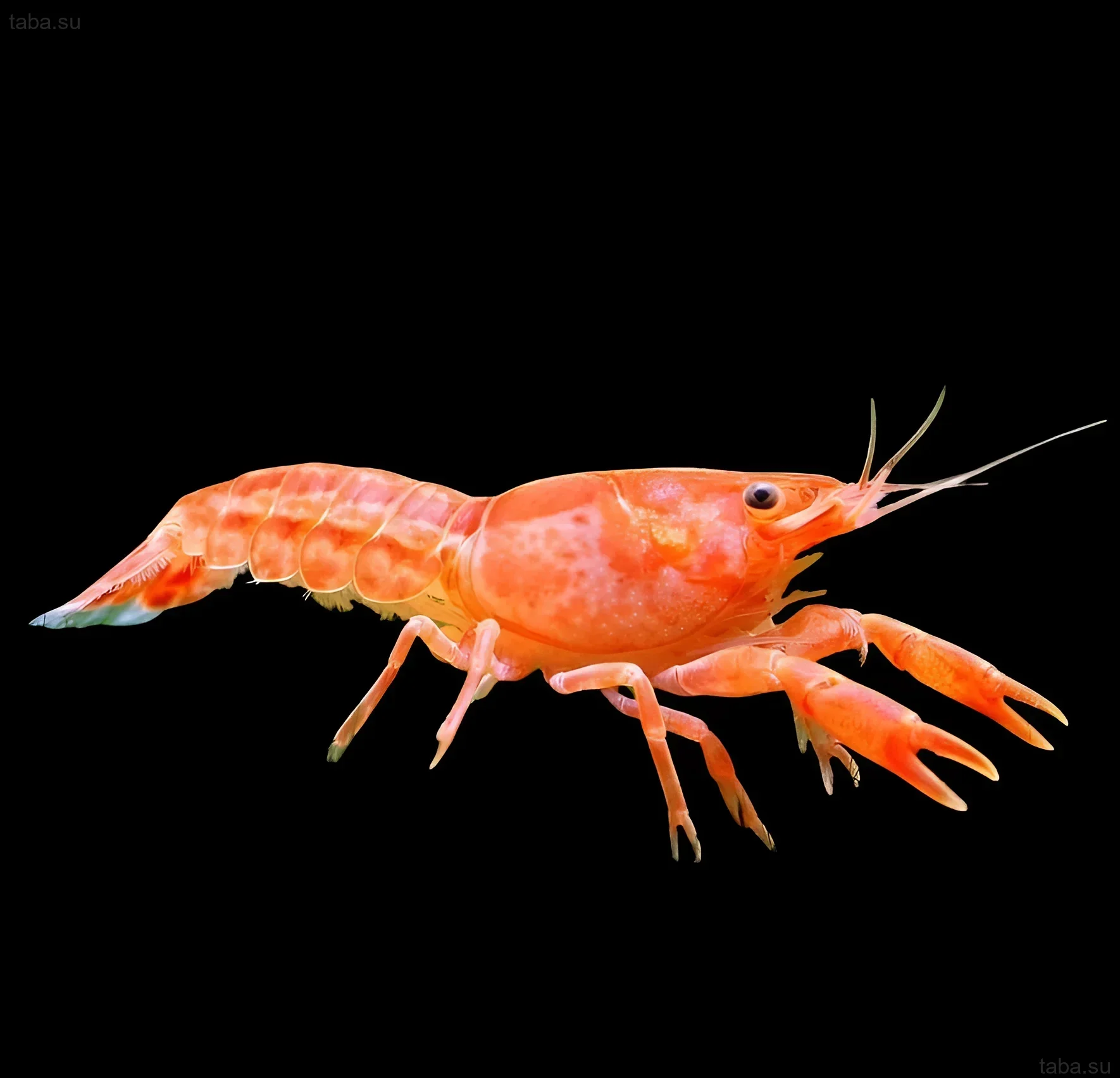
- Coloration: Intense orange or mandarin color. The intensity of coloration strongly depends on diet and water quality.
CPO claws are small and generally pose no threat to healthy, fast-moving fish. However, they are excellent scavengers, actively cleaning up leftover food and detritus.
Creating the Ideal Aquarium for CPO: Water Parameters, Substrate, and Decor

Although CPO are dwarf crayfish, they require stability. It is recommended to start with an aquarium of at least 30 liters to house a small group (2–3 individuals).
Water Requirements
Water parameter stability is critically important, especially during molting. CPO need sufficiently hard water to form a strong shell.
- Temperature: 20–25°C. It is important to avoid overheating above 27°C.
- pH (acidity): 6.5–7.5. Neutral or slightly alkaline conditions are preferred.
- GH (general hardness): 5–15 °dH.
- KH (carbonate hardness): 3–8 °dH.
- Nitrates/Nitrites: Zero ammonia and nitrite levels are mandatory. Nitrates should be minimal (no more than 15 mg/l).
Important Tip: Regularly test the water for copper levels. Copper-containing medications and fertilizers are lethal to crayfish and shrimp.
Decor and Hiding Places
The aquarium setup should focus on creating numerous hiding places. CPO are very vulnerable during molting and need places where they can hide from conspecifics and fish.
- Substrate: Fine gravel or sand. Crayfish do not dig actively but may rearrange small stones.
- Hiding Places: Use ceramic tubes, hollow driftwood, coconut shells, caves, and rocks. Each individual should have at least one separate hiding place.
- Plants: It is recommended to use hard-leaved plants such as Anubias (Anubias barteri), Cryptocorynes (Cryptocoryne), or ferns. CPO usually do not destroy plants but may nip at very delicate species.
- Filtration: Adequate filtration is necessary. A sponge pre-filter must be installed on the intake to prevent juvenile crayfish from being sucked in.
- Leaf Litter: Adding dried oak, beech, or Indian almond leaves (Ketapang) not only creates a natural biotope but also serves as an additional food source and hiding place.
Feeding Orange CPO: What Mexican Dwarf Crayfish Eat and How to Feed Them Properly
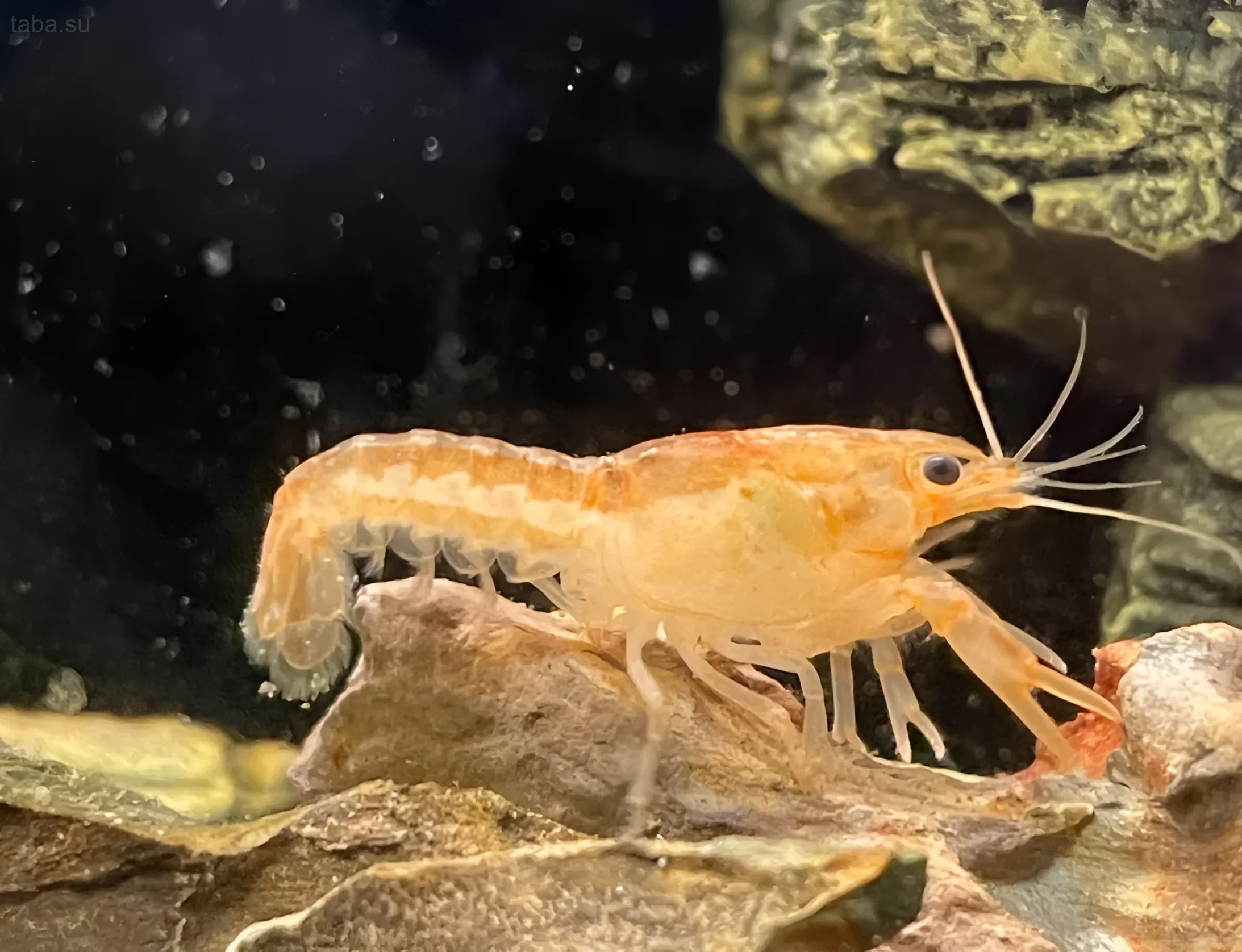
CPO are omnivorous detritivores. Their diet should be varied and, most importantly, rich in calcium to ensure successful molting.
Main Diet
Experts recommend combining the following types of food:
- Specialized Pellets: Food for bottom-dwelling fish, crayfish, or shrimp, enriched with calcium and minerals. This should form the basis of the diet.
- Vegetable Matter: Blanched vegetables (zucchini, spinach, carrots). They provide fiber and essential micronutrients.
- Protein Supplement: Frozen food (bloodworms, brine shrimp, tubifex) or dry foods with high protein content. Used 1–2 times a week.
Feeding Specifics
Crayfish eat slowly. Food should be given in small portions to avoid polluting the water. If the food is not eaten within 6–8 hours, it must be removed.
Table: Feeding Frequency for CPO
| Type of Food | Frequency | Purpose |
|---|---|---|
| Specialized pellets (with calcium) | Daily | Shell maintenance |
| Blanched vegetables/Leaf litter | 2–3 times a week | Fiber and vitamins |
| Frozen protein food | 1–2 times a week | Growth and energy |
Caution: Never remove the old shell that a crayfish sheds after molting. It will serve as an excellent source of calcium, which the crayfish will consume over several days.
CPO Care: Maintaining Cleanliness and Health in the Aquarium

Caring for dwarf crayfish primarily involves maintaining impeccable water quality and monitoring the molting process.
Regular Maintenance
- Water Changes: Perform weekly water changes of 20–30% of the aquarium volume. Use a water conditioner that removes chlorine and chloramines.
- Gravel Vacuuming: Regularly remove leftover food and waste, especially in feeding areas.
- Mineral Control: If your local water is soft, you need to use special mineral additives to increase GH/KH.
The Molting Process
Molting (ecdysis) is the most dangerous period in a crayfish’s life. During this time, it sheds its old shell and grows. Young crayfish molt every few weeks, while adults molt once every 1–3 months.
Signs of Impending Molt:
- The crayfish becomes less active and hides in its shelter.
- A slight gap is observed between the shell and the abdomen.
Aquarist’s Actions: Do not disturb! Ensure there is enough calcium in the water. Immediately after molting, the crayfish remains soft and extremely vulnerable. This period can last from a few hours to two days. It is strictly forbidden to perform large water changes or clean the filter during this time to avoid stress.
Breeding Mexican Dwarf Crayfish: From Courtship to Fry Appearance
CPO breed in aquariums quite easily, often without additional stimulation, provided stable and comfortable water parameters.
Sex Determination
Sexual dimorphism is quite pronounced:
- Males: Thinner, with pronounced gonopods (modified first two pairs of pleopods used for sperm transfer). Male claws are usually larger relative to their body.
- Females: Broader abdomen, with openings for egg-laying at the base of the third pair of walking legs.
Breeding Process
A female ready for reproduction attracts a male. After mating, she lays eggs (usually 20 to 50 eggs) and attaches them to her pleopods under her abdomen. During this period, the female is called “egg-bearing” or “with eggs.”.
- Incubation: Lasts 3–4 weeks at optimal temperature. The female constantly ventilates the eggs, ensuring a fresh water supply.
- Hatching: The young hatch as miniature copies of their parents, measuring only 3–4 mm.
Raising Fry
The fry are very small and are easy prey for both fish and adult crayfish (cannibalism). For successful fry survival, it is necessary to:
- Provide a maximum number of fine-meshed hiding places (bunches of moss, leaf litter).
- Feed with micro-foods: infusoria, “live dust,” brine shrimp nauplii, or specialized powdered foods for shrimp fry.
Problems and Solutions: CPO Diseases, Conflicts with Other Inhabitants, and Other Difficulties
Keeping dwarf crayfish rarely causes serious problems if basic care rules are followed.
Compatibility with Fish
Despite their peaceful nature, CPO are not entirely safe for all inhabitants. They may catch:
- Sick, weakened, or very old fish.
- Slow-moving bottom-dwelling fish (e.g., some Corydoras species).
- Fish that sleep on the bottom (e.g., Bettas).
Ideal Neighbors: Fast and active fish inhabiting the upper and middle water layers: tetras, zebrafish (Danio rerio), neons (Paracheirodon innesi).
Who to Avoid: Aggressive cichlids, large loaches, mutant barbs (which can damage crayfish claws or shells), and other large crayfish species.
Common Health Problems
Most CPO problems are related to water quality and diet.
- Molting Problems (“getting stuck”): Most often caused by a lack of calcium, iodine, or sharp pH fluctuations. Solution: Improve diet, add mineralizers.
- Fungal Infections (e.g., “porcelain disease”): Appears as white spots on the shell. Solution: Isolation, improve water quality. Treatment is difficult as crayfish are sensitive to most medications.
- Loss of Limbs: CPO can lose claws or legs in fights or during unsuccessful molting. Solution: If the crayfish is healthy, the limb will regenerate during the next molt.
Important: When treating an aquarium, always check if the medication is compatible with invertebrates. Most antiparasitic and antifungal agents contain copper.
Interesting Facts About Orange Mexican Dwarf Crayfish and Tips from Taba.su Experts
Mexican dwarf crayfish are not only beautiful but also surprisingly adaptive creatures that can bring a lot of joy to an aquarist.
Unique Features of CPO
- Color Change: The intensity of the CPO’s orange color can serve as an indicator of health. Under severe stress, poor nutrition, or low water quality, the color may fade or turn pale brown.
- Secrecy: If you don’t see your CPO, don’t panic. It’s likely just hiding in its shelter, especially if it’s preparing to molt.
- Movement: In addition to crawling, CPO can use a jet propulsion method by sharply contracting their abdomen to quickly swim backward away from danger.
Tips from Taba.su Experts
For maximum success in keeping orange dwarf crayfish, it is recommended to follow these practical tips:
1. Calcium is a priority. Even if you use hard water, provide an additional source of calcium. This can be specialized mineral blocks, pellets, or even small pieces of cuttlebone.
2. Biofiltration above all else. CPO are very sensitive to waste products. Use a high-quality biological filter and never rinse filter media in tap water.
3. Do not neglect leaf litter. Indian almond leaves (Ketapang) release tannins, which have mild antiseptic properties, strengthen crayfish immunity, and serve as an ideal substrate for microorganisms that fry feed on.
4. Observe behavior. Active foraging and regular emergence from hiding places indicate that the crayfish is healthy and content with its living conditions. Lethargy and constant hiding in a corner are reasons to check water parameters.
Additional Images
Gallery of remaining images (click to view):