Maintaining a marine aquarium, especially a reef tank, requires an uncompromising approach to water quality. Unlike freshwater systems, where some impurities may be acceptable or even beneficial, a marine aquarium is an extremely sensitive and finely tuned ecosystem. Leading experts in marine aquaristics unanimously state: using ordinary tap water to prepare saltwater or for top-offs is an unacceptable risk. This article will explain in detail why water purification by reverse osmosis followed by deionization (RO/DI) is the only correct solution and what role the TDS meter plays in this process.
Osmosis for a Marine Aquarium: Why Tap Water is Enemy #1
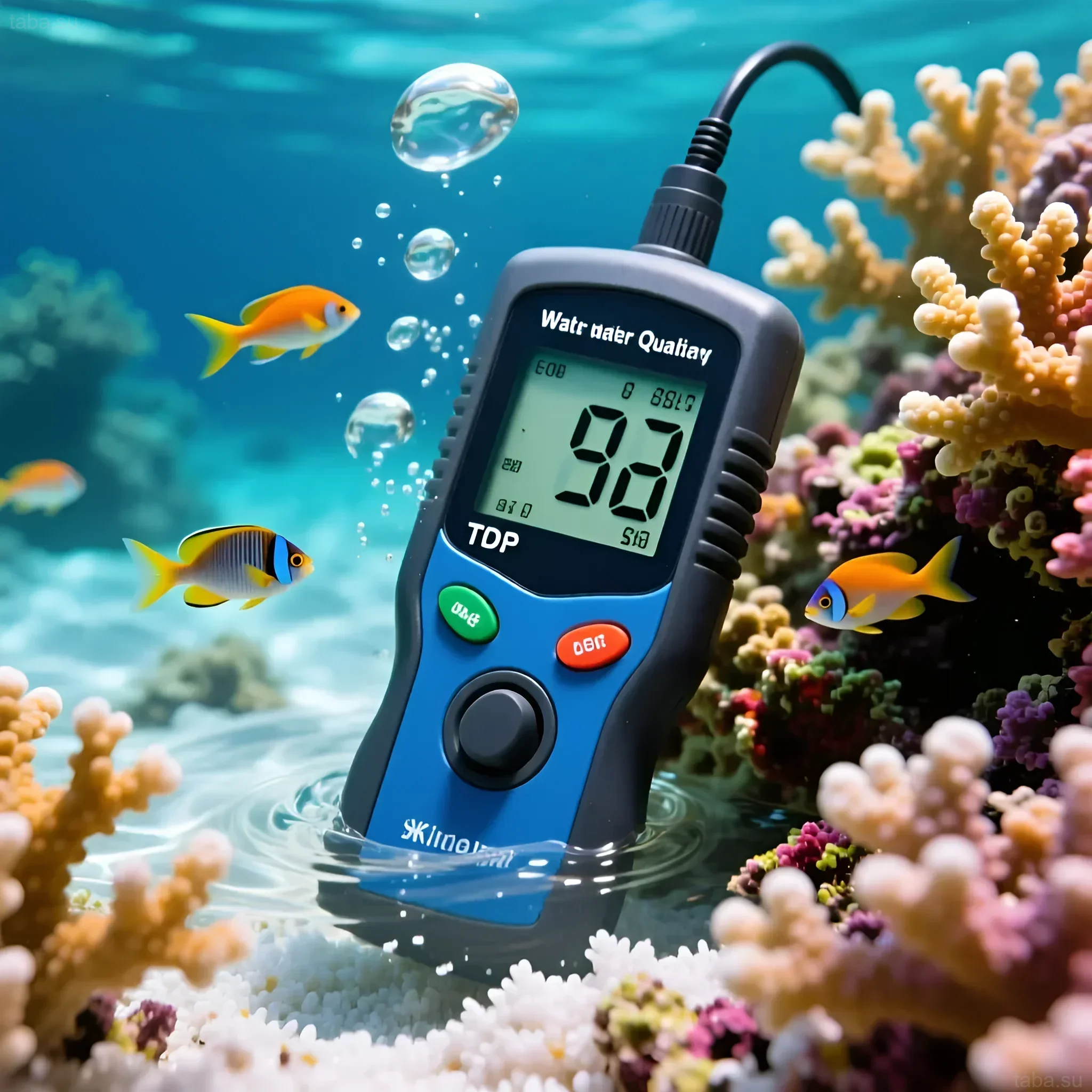
The secret to a successful marine aquarium lies in stability and purity. Corals, invertebrates, and many species of marine fish (e.g., clownfish Amphiprioninae) evolved in ocean water conditions, which, despite high salinity, is characterized by phenomenal purity and minimal undesirable substances. Tap water, even if it appears clean and drinkable, contains many impurities that become poison to reef inhabitants.
The main reasons for the strict prohibition of tap water:
- Uncontrolled Composition: The composition of tap water constantly changes depending on the season, the operation of treatment facilities, and the condition of the pipes.
- Accumulation of Toxins: With regular water changes and top-offs, impurities accumulate in the system because only pure water evaporates, while all salts and minerals remain.
- Aggressive Algae Growth: Tap water is the primary source of phosphates and silicates, which provoke outbreaks of undesirable algae (e.g., diatoms and filamentous algae), suppressing the growth of sensitive corals (e.g., Acropora).
What is TDS and Why is it Critical for a Marine Aquarium?
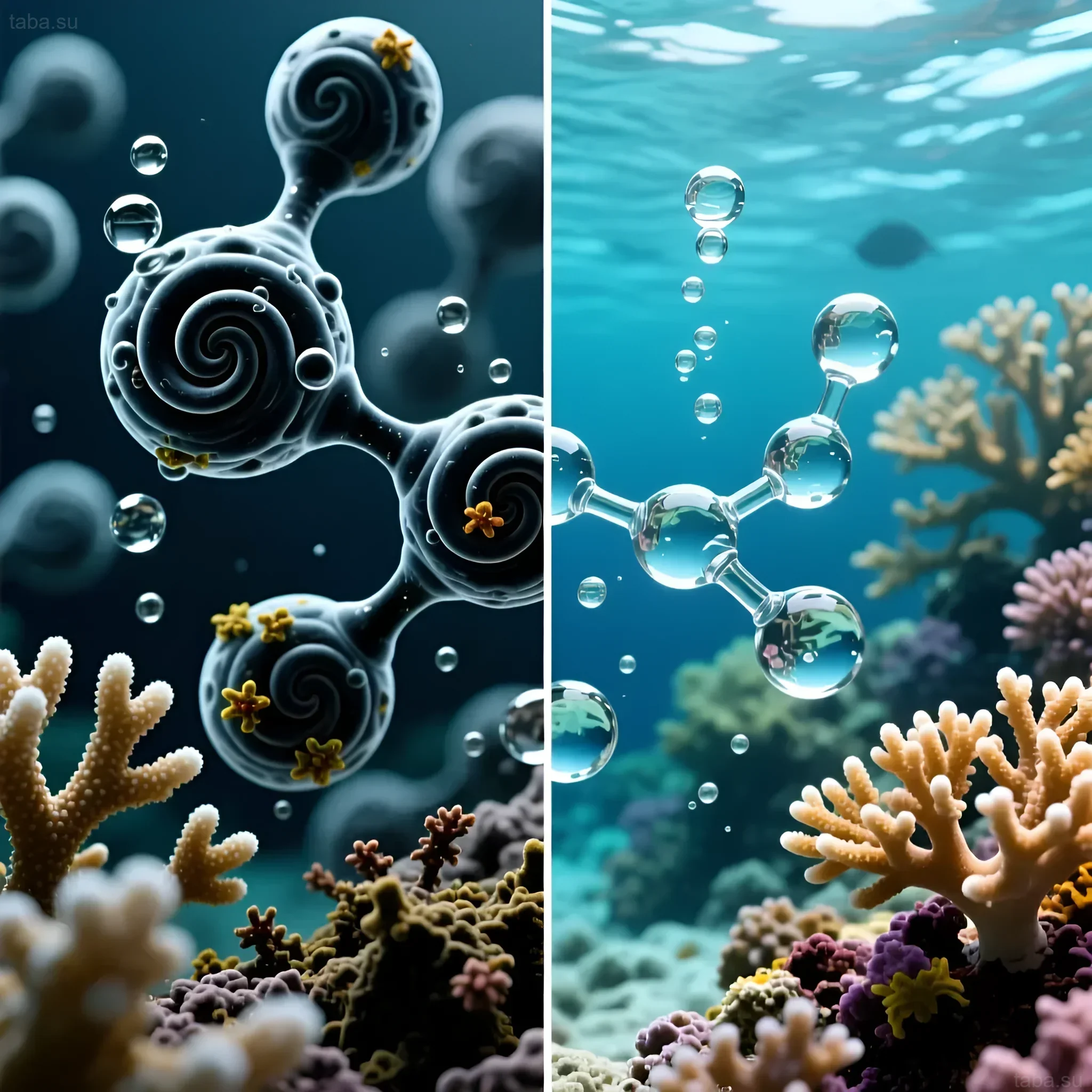
TDS (Total Dissolved Solids) is a measure of the total concentration of dissolved solids in water. It measures the concentration of all inorganic and organic substances present in suspension: salts, minerals, and metals. The unit of measurement is parts per million (ppm) or milligrams per liter (mg/l).
For marine aquaristics, TDS is a critically important parameter for the following reasons:
- Direct Link to Contamination: High TDS in the source water means a high content of undesirable ions (nitrates, phosphates, silicates) that will be introduced into the system when preparing saltwater.
- Indicator of Filtration Efficiency: A TDS meter is the only reliable tool for monitoring the performance of a reverse osmosis and deionization resin system.
- Purity Requirement: For a reef aquarium, especially with hard corals (SPS), water with a TDS reading of 0 ppm is required. The maximum permissible limit for most systems is 3 ppm.
It is important to understand: if the TDS of tap water is 250 ppm, it means that for every liter of water, you are adding 250 milligrams of unknown impurities that will compete with essential elements (calcium, magnesium) and cause imbalance.
Composition of Tap Water: Hidden Threats to Your Reef
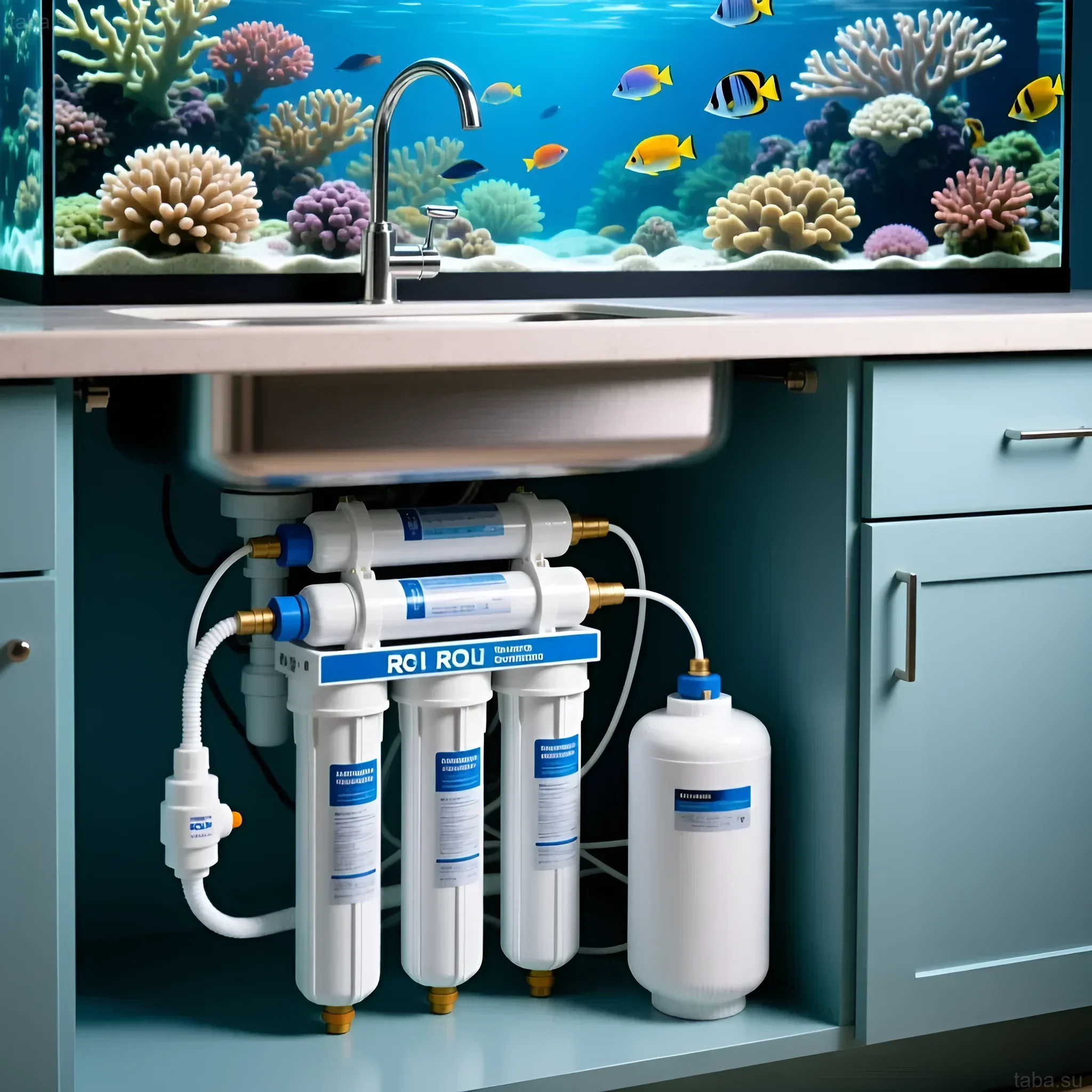
Even if the water appears visually clean, it almost always contains substances that cause serious harm to the marine ecosystem. These components are not always detected by standard aquarium tests, but their presence is registered by a TDS meter.
The Most Dangerous Tap Water Contaminants:
- Phosphates (PO₄): The main catalyst for the growth of lower algae. In high concentrations, they inhibit coral calcification.
- Nitrates (NO₃): A product of organic decomposition. Although some systems can tolerate low nitrate concentrations, their constant influx from the tap leads to intoxication and stress in fish and corals.
- Silicates: The primary food for diatoms (brown film). The presence of silicates in the source water guarantees that the owner will constantly battle brown film.
- Chlorine and Chloramine: Used for disinfection. Chlorine evaporates easily, but chloramine (a compound of chlorine with ammonia) is more stable and requires a special carbon filter for removal, otherwise, it will destroy beneficial bacterial flora.
- Heavy Metals: Lead, copper, and zinc can enter the water from old plumbing pipes. Copper, for example, is extremely toxic to invertebrates and soft corals (Zoantharia).
Using water with high TDS is equivalent to constantly introducing poison in small doses, which will inevitably lead to a “greening” or “browning” of the aquarium and the death of sensitive organisms.
Reverse Osmosis (RO) Systems for Marine Aquariums: Selection and Installation
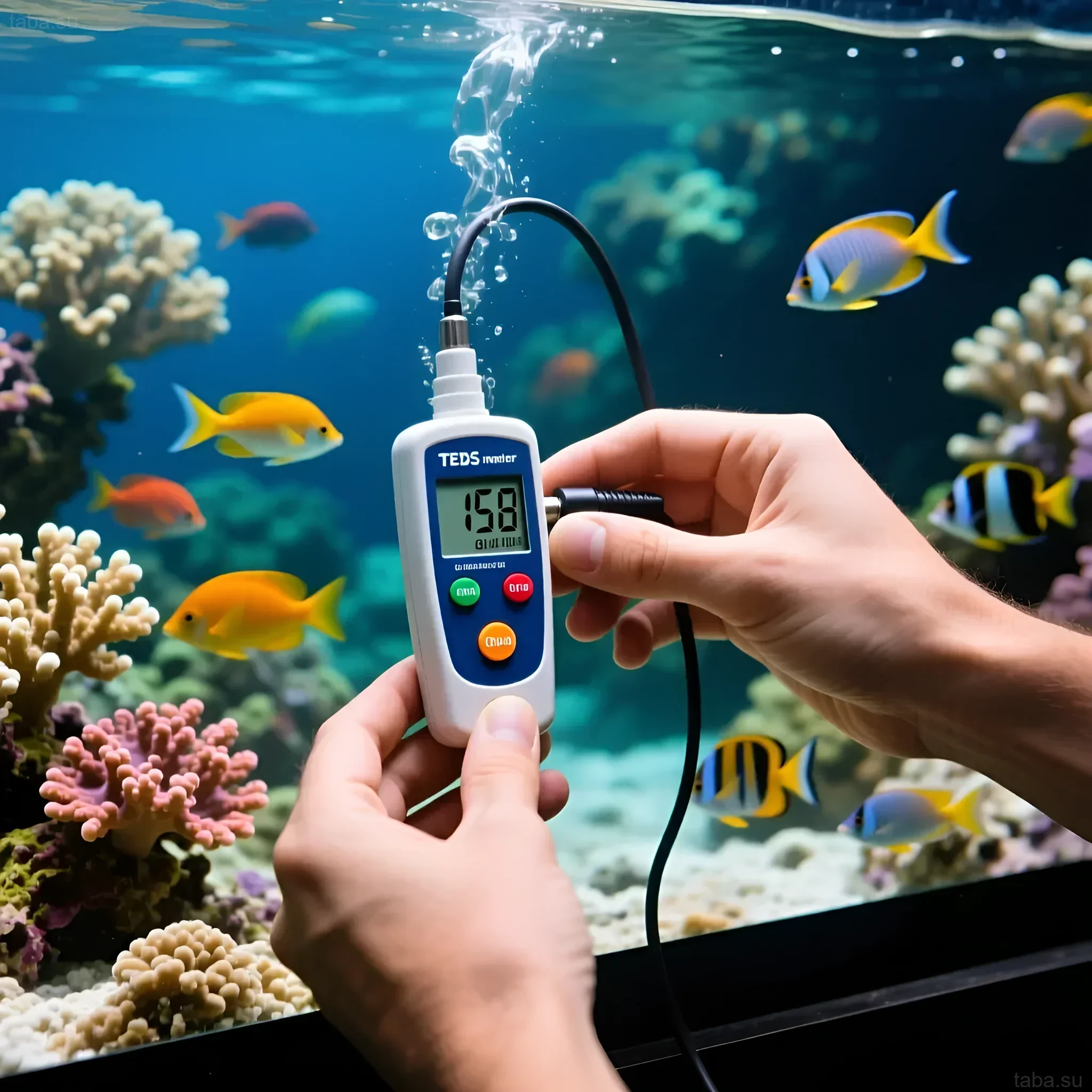
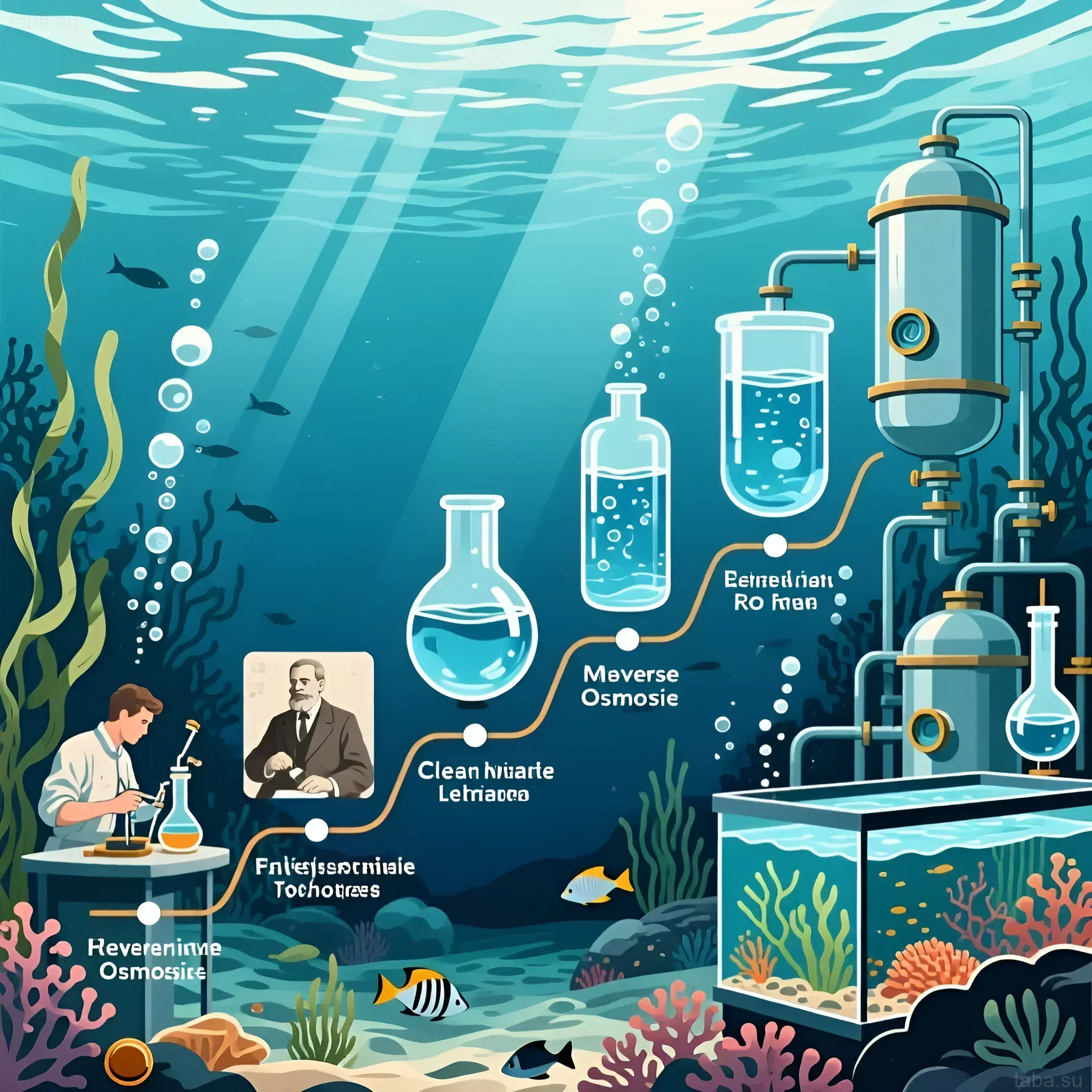
A Reverse Osmosis (RO) system is not just a filter, but a multi-stage complex that removes up to 98% of all dissolved impurities. However, for marine aquaristics, not just RO is needed, but an RO/DI (Reverse Osmosis / Deionization) system.
Four Key Stages of RO/DI Purification:
- Mechanical Pre-filter (Sediment): Removes large particles (sand, rust), protecting the carbon filter and, most importantly, the expensive RO membrane.
- Carbon Filter (Activated Carbon): Removes chlorine, chloramine, pesticides, and other organic compounds that can damage the RO membrane.
- Reverse Osmosis Membrane (RO): The heart of the system. A semi-permeable membrane allows only pure water to pass through, filtering out up to 98% of salts and minerals. This is where the main reduction in TDS occurs.
- Deionization Cartridge (DI): Contains a special resin (a mixture of cation and anion exchange resins). This stage “polishes” the water, removing the remaining 2-5% of impurities that passed through the membrane (including silicates and phosphates), bringing the TDS down to absolute zero (0 ppm).
Expert Tip: Always choose a system with a DI resin that changes color when depleted. This is a visual indicator that it’s time to replace the cartridge, even if the TDS meter readings haven’t started to rise critically fast yet.
How to Correctly Measure TDS: A Guide to Using a TDS Meter

A TDS meter is an inexpensive but indispensable tool that every marine aquarium owner should have in their arsenal. It allows for real-time monitoring of water quality and saves money on cartridge replacement by only changing them as needed.
TDS Measurement Practice:
For effective monitoring, it is recommended to use a built-in two-point TDS meter or two separate portable meters. Measurements should be taken at three points:
- Inlet (Tap Water): Measure the initial TDS of the tap water. This helps assess the load on the system. (Normal: 150–500 ppm).
- After the RO Membrane: Measure the membrane’s efficiency. If the TDS after the membrane is, for example, 10 ppm, and the inlet was 300 ppm, the membrane is working at 97% efficiency. If this value starts to rise sharply (e.g., to 50–70 ppm), it’s time to replace the membrane.
- After the DI Cartridge (Output): Measure the final product. This is the most important reading. Target value: 0 ppm.
When to Replace DI Resin?
DI resin is depleted the fastest. Its lifespan depends on the incoming TDS after the membrane. As soon as the output readings start to rise to 1–3 ppm, the resin must be replaced immediately. Ignoring this rule will lead to silicates and phosphates entering your aquarium.
Alternative Water Sources: Distillate, Deionized Water, and Their Use
Some aquarists who cannot install an RO/DI system consider alternative water sources. Experts warn that not all “pure” sources are equally beneficial.
Comparison of Alternatives:
| Source | Method of Production | Pros | Cons for Marine Use |
|---|---|---|---|
| Tap Water | Municipal treatment | Availability | High TDS, PO₄, SiO₂. Strictly forbidden. |
| Distillate | Boiling and condensation | Very low TDS (<5 ppm) | Costliness, may contain volatile organic compounds (if distillation is poor), lack of DI polishing (traces of silicates may remain). |
| Purchased DI Water | Ion exchange purification | TDS 0 ppm | High cost, need for transportation, risk of CO₂ absorption and pH drop during storage. |
| RO/DI (Home) | Reverse osmosis + deionization | Highest quality (0 ppm), long-term cost-effectiveness, full control. | Requires initial investment and regular maintenance. |
Conclusion: A home RO/DI system provides the highest level of control and purity, making it the standard for professional marine aquaristics.
FAQ: Answers to the Most Popular Questions About Osmosis and Marine Water
Taba.su specialists have compiled answers to frequently asked questions related to water preparation for marine systems.
- Q: My tap water TDS is only 100 ppm. Can this be used?
- A: No. Even 100 ppm is too much. At this reading, you will be introducing 100 mg of impurities per liter, including phosphates and silicates, which will inevitably cause algae problems and coral suppression. For marine use, 0 ppm is required.
- Q: Can I use only an RO system without a DI stage?
- A: Highly not recommended. An RO membrane typically leaves 1–5% of incoming impurities. These residues, especially silicates and nitrates, will accumulate. DI resin is necessary to achieve zero TDS and protect sensitive reef systems.
- Q: How long can osmotic water be stored?
- A: Pure osmotic water (TDS 0 ppm) contains no buffers. Upon contact with air, it quickly absorbs carbon dioxide (CO₂), leading to a drop in pH. It is recommended to store water in tightly sealed containers and use it within 1–2 weeks. It is best to use freshly purified water for preparing saltwater.
- Q: If I use a good salt mix, won’t it neutralize the impurities?
- A: A salt mix (e.g., for a reef aquarium) is designed to add essential elements (salts, calcium, magnesium), but it cannot neutralize harmful impurities (phosphates, heavy metals). Introducing contaminated water disrupts the carefully balanced composition of the salt mix.
Interesting Facts About Osmosis and Marine Aquaristics
The reverse osmosis process is not just mechanical sieving, but a high-tech phenomenon based on the physical properties of water.
- Pressure is Key: Reverse osmosis is named so because it forcibly “reverses” the natural process of osmosis. In nature, water moves through a semi-permeable membrane from a less concentrated solution to a more concentrated one. An RO system uses external pressure to force water to move in the opposite direction, leaving salts on the membrane.
- TDS and Conductivity: TDS meters actually measure not the mass of impurities, but the electrical conductivity (EC) of the water. Since most dissolved solids in water are ions (which conduct electricity), there is a direct, correct relationship between EC and TDS. The devices convert EC to ppm using a set coefficient.
- Savings on Adsorbents: Using water with 0 ppm TDS significantly reduces the need for expensive chemical adsorbents (such as GFO – granular ferric oxide) because the primary source of phosphates and silicates has already been eliminated. This makes an RO/DI system an investment that pays for itself in the long run.
Conclusion: Successful marine aquarium keeping begins with water. Reverse osmosis and a TDS meter are not a luxury, but a basic requirement, ensuring the health and prosperity of your underwater ecosystem.