
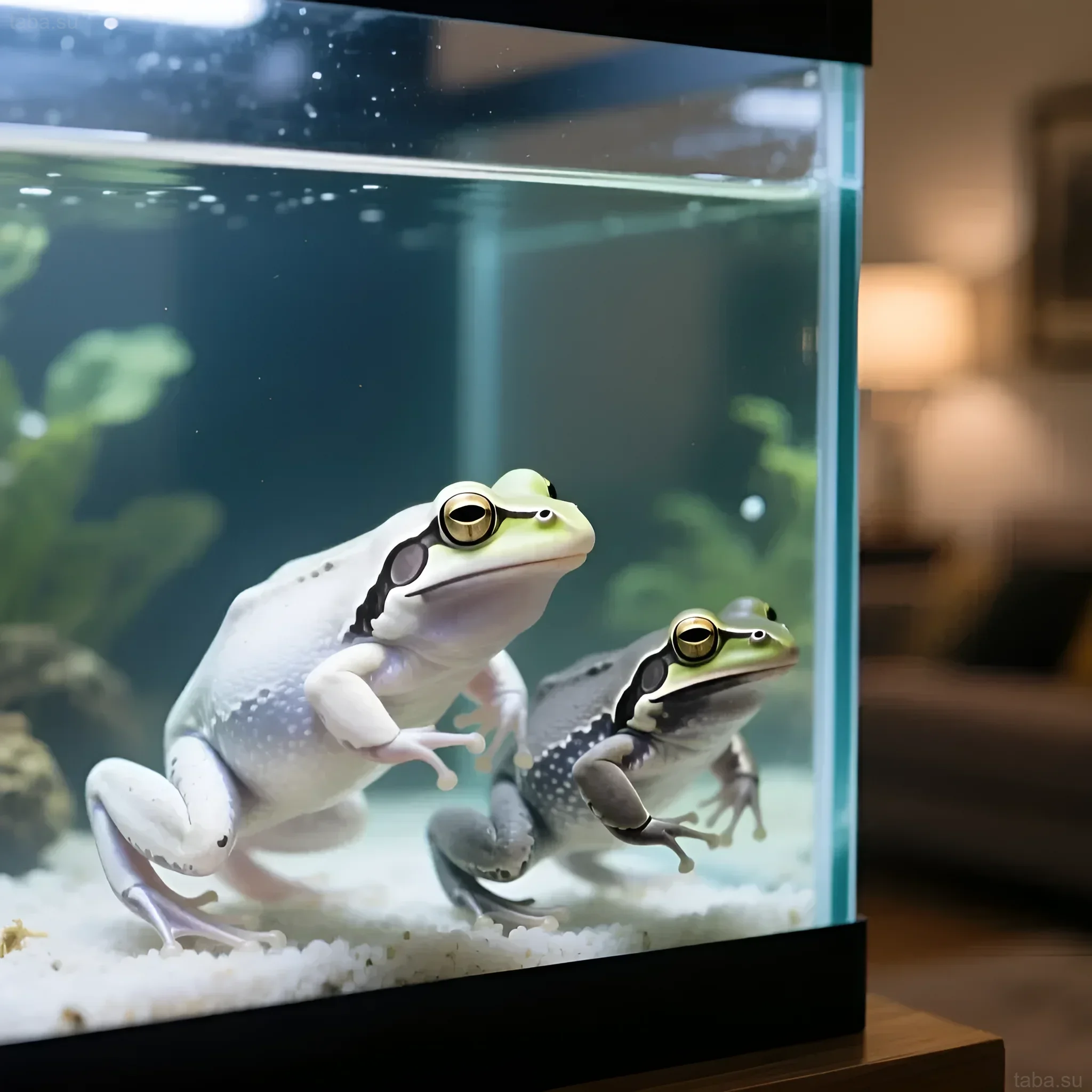
The African clawed frog, known to the scientific community as Xenopus laevis, is one of the most popular and long-lived inhabitants of home aquaterrariums. These fully aquatic amphibians, native to Africa, have won the love of aquarists due to their hardiness, activity, and unique appearance. On the taba.su portal, we provide comprehensive information on how to create ideal conditions for these amazing animals, with a special focus on maintaining both the natural gray and the widely common albino (white) morphs.
Invertebrates
Apple Snails: Care, Breeding, and Maintenance of Yellow, Blueberry, and White Snails
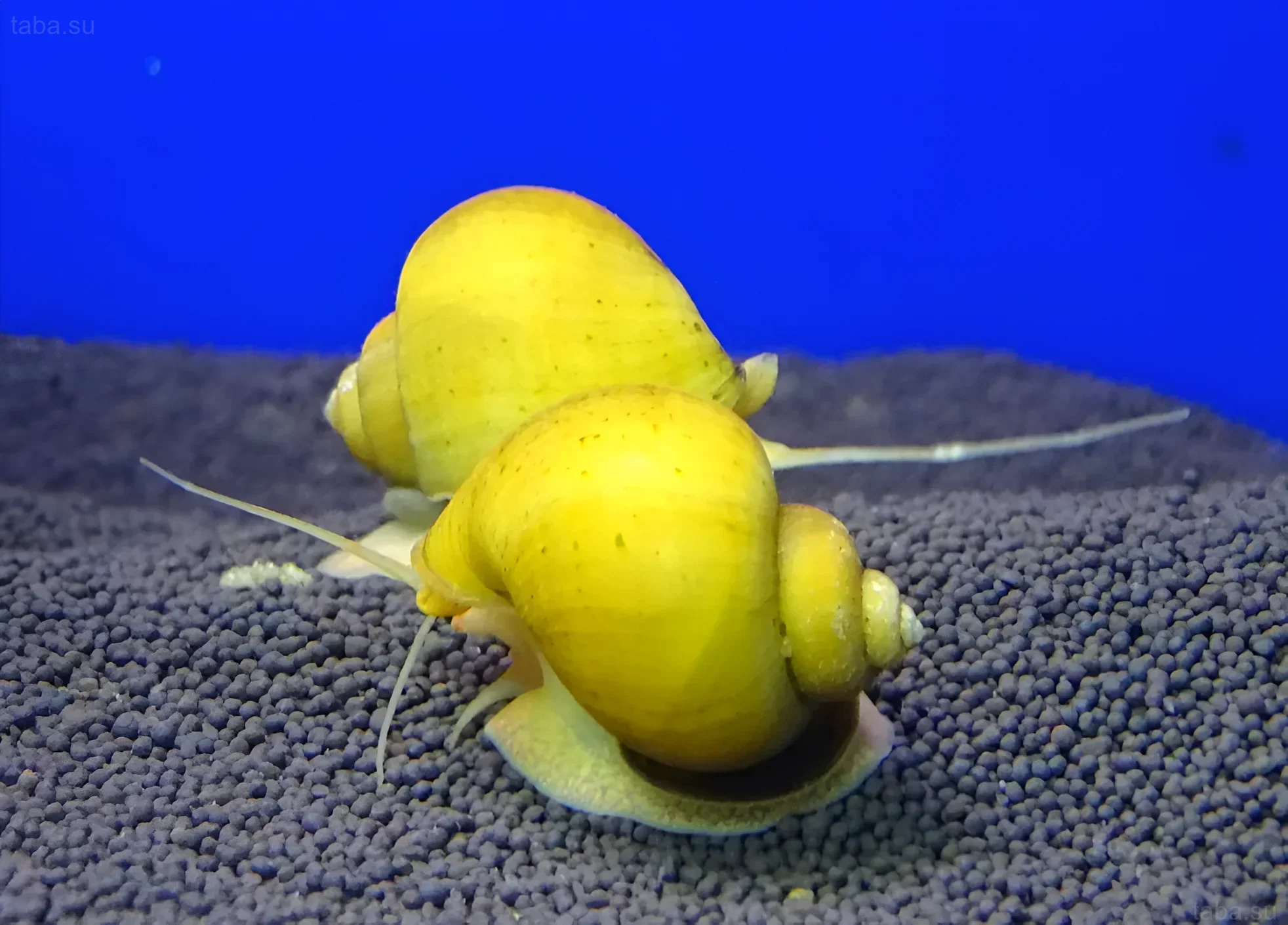
Apple snails, or ampullaries (representatives of the genus Pomacea), are among the most popular and striking invertebrate inhabitants of freshwater aquariums. Due to their impressive size, active behavior, and, most importantly, their wide range of color morphs, they have quickly won the affection of both beginner and experienced aquarists. However, to ensure these mollusks have a long and healthy life, strict maintenance rules must be followed, especially concerning water parameters and diet.
Red Cherry Shrimp (RCS): Care, Breeding, and Color Grading

Cherry shrimp, or Red Cherry Shrimp (RCS), are arguably the most popular and undemanding crustaceans in freshwater aquaristics. They have become an ideal choice for both beginners and experienced aquarists looking to add vibrant colors and activity to their underwater world. The scientific name of this species is Neocaridina davidi, and it is their exceptional adaptability and rapid breeding ability that have made them favorites among aquascapers worldwide.
Mexican Dwarf Crayfish CPO: A Complete Guide to Care and Breeding
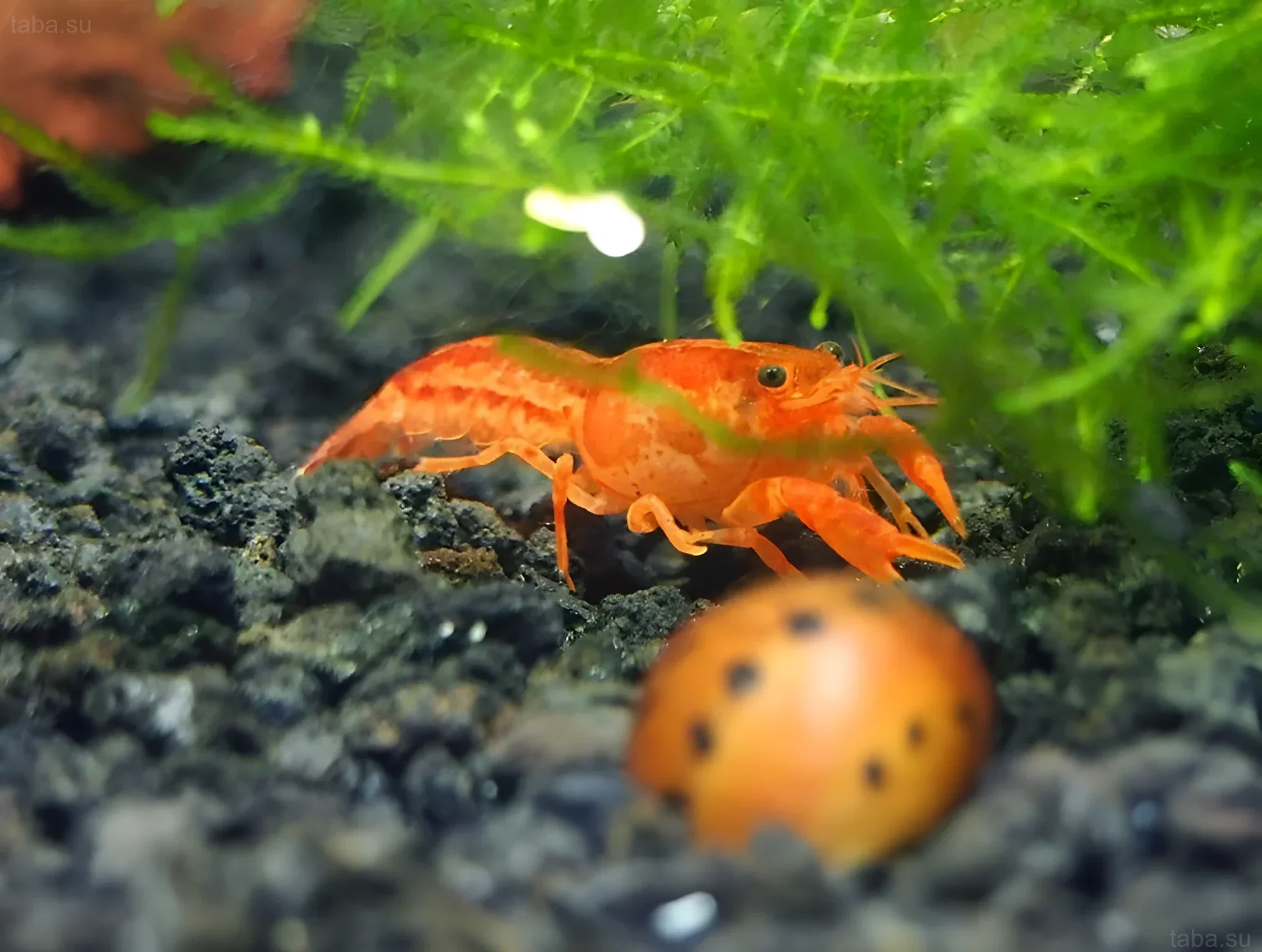
The Mexican dwarf crayfish (Cambarellus patzcuarensis), especially its popular orange variation often referred to as CPO (from Crayfish Patzcuarensis Orange), is one of the most sought-after invertebrates in the world of nano-aquariology. Thanks to their vibrant coloration, moderate size, and relatively peaceful nature, these crayfish have become ideal inhabitants for small freshwater biotopes. Successful CPO keeping requires knowledge of the specific conditions that need to be created for these small decapods to fully display their beauty and activity.